

ARTS AND CULTURE INFORMATION GATEWAY
Immerse yourself in the colorful world of art and culture! From traditional heritage to contemporary works, discover uniqueness that reflects the nation's identity and identity
 Fakulti Muzik dan Seni Persembahan, Universiti Pendidikan Sultan Idris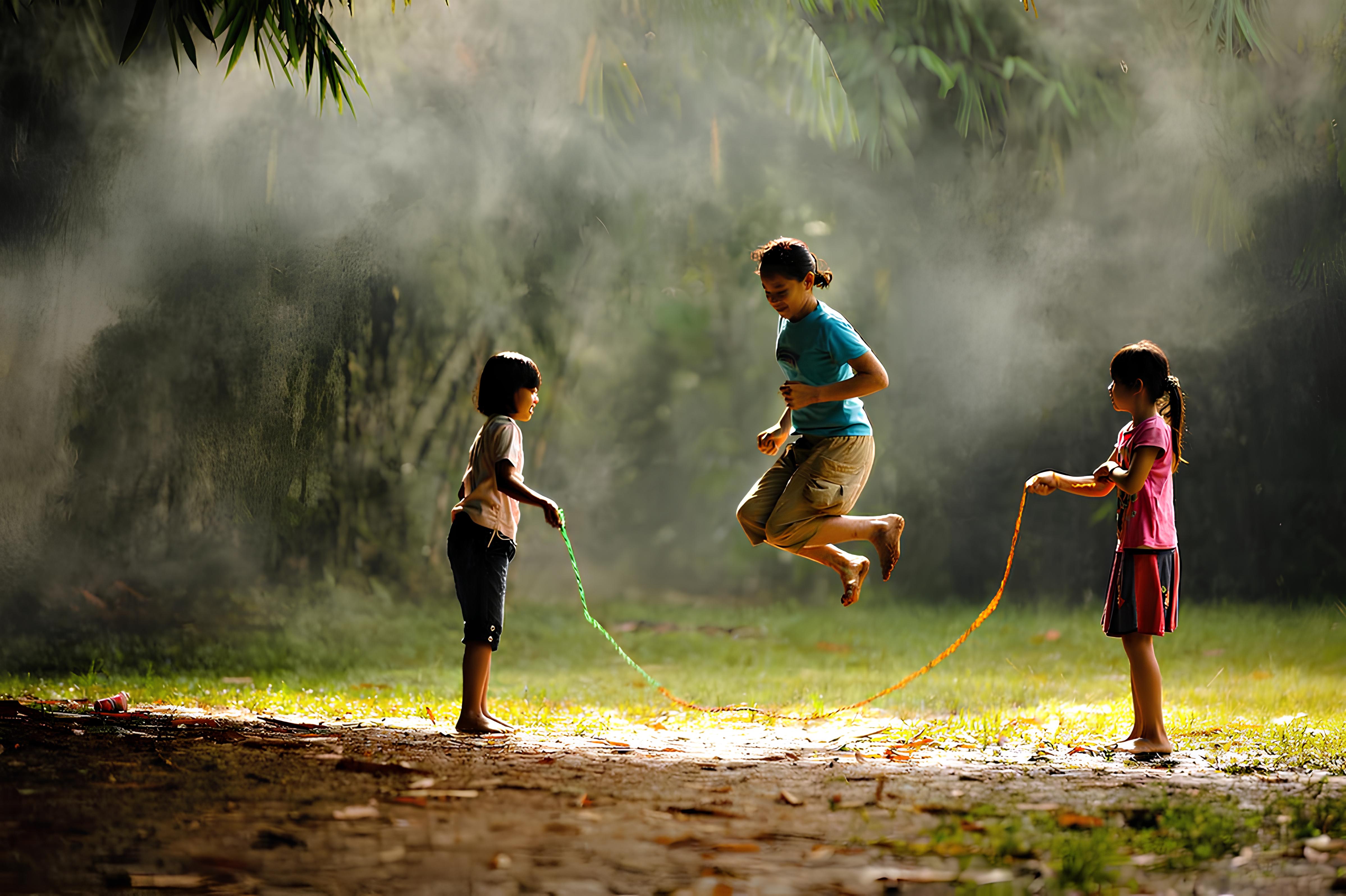
Picture
8
Video
No record
Today's Visitor
165
Number of Visitors
2399
Introduction and history
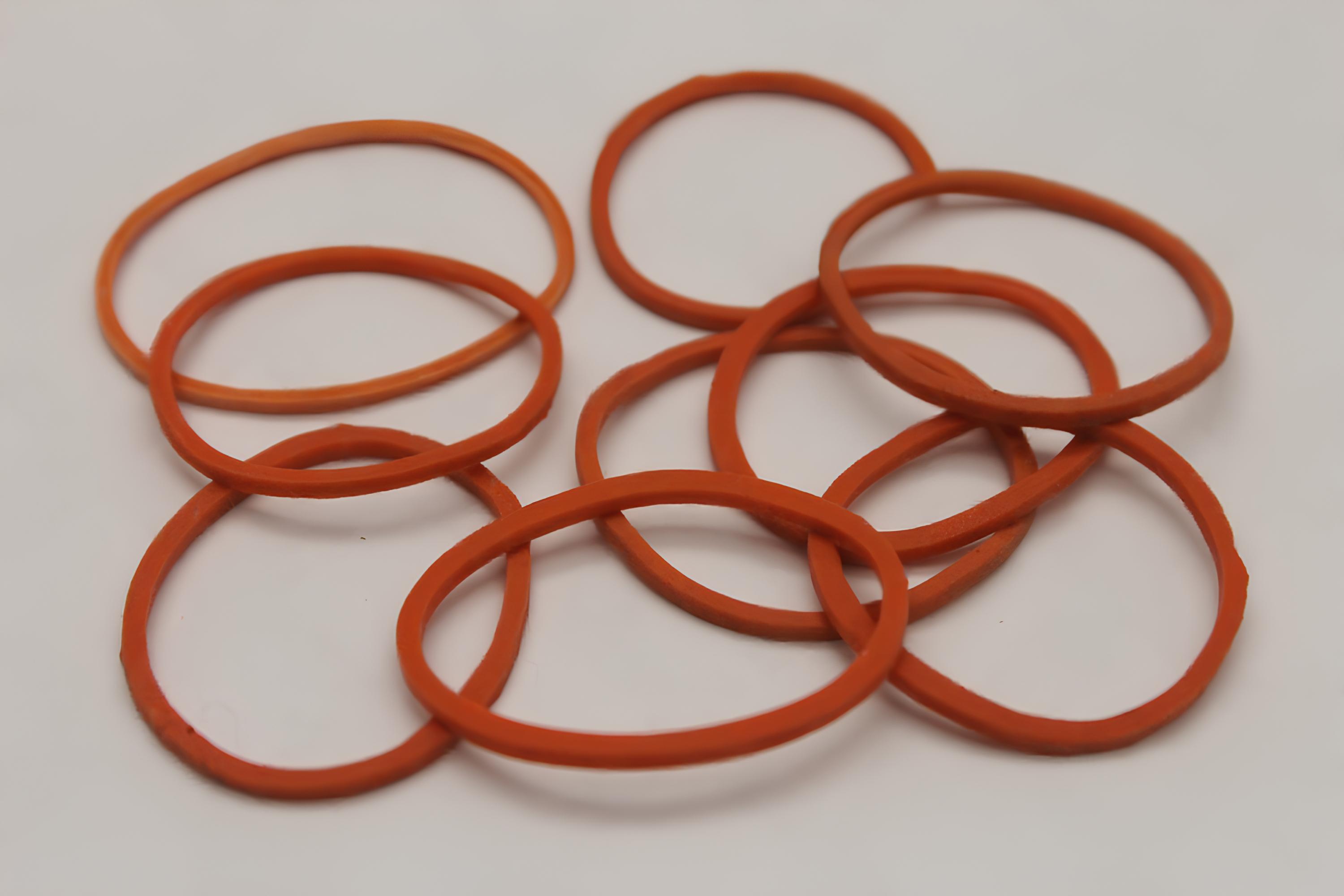
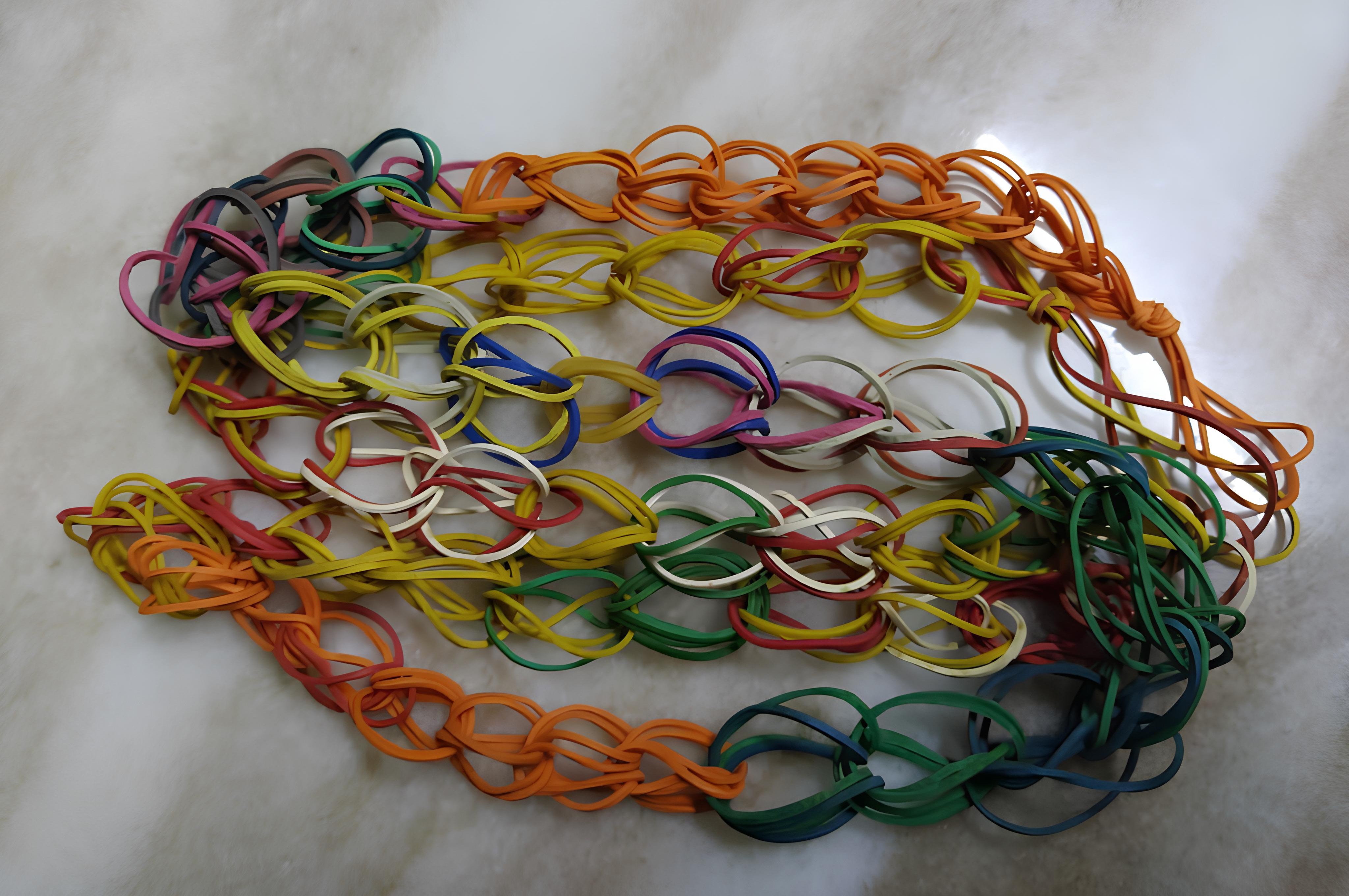
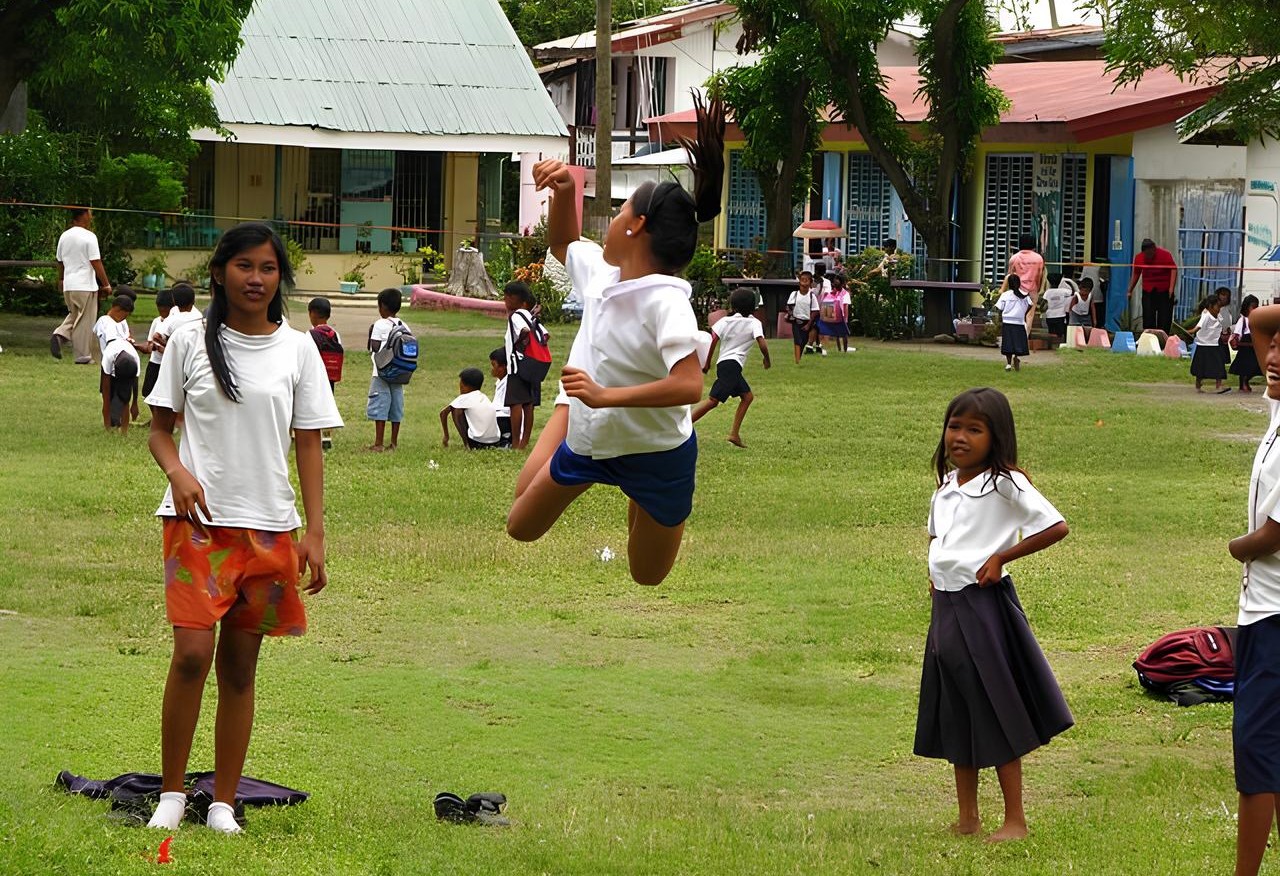
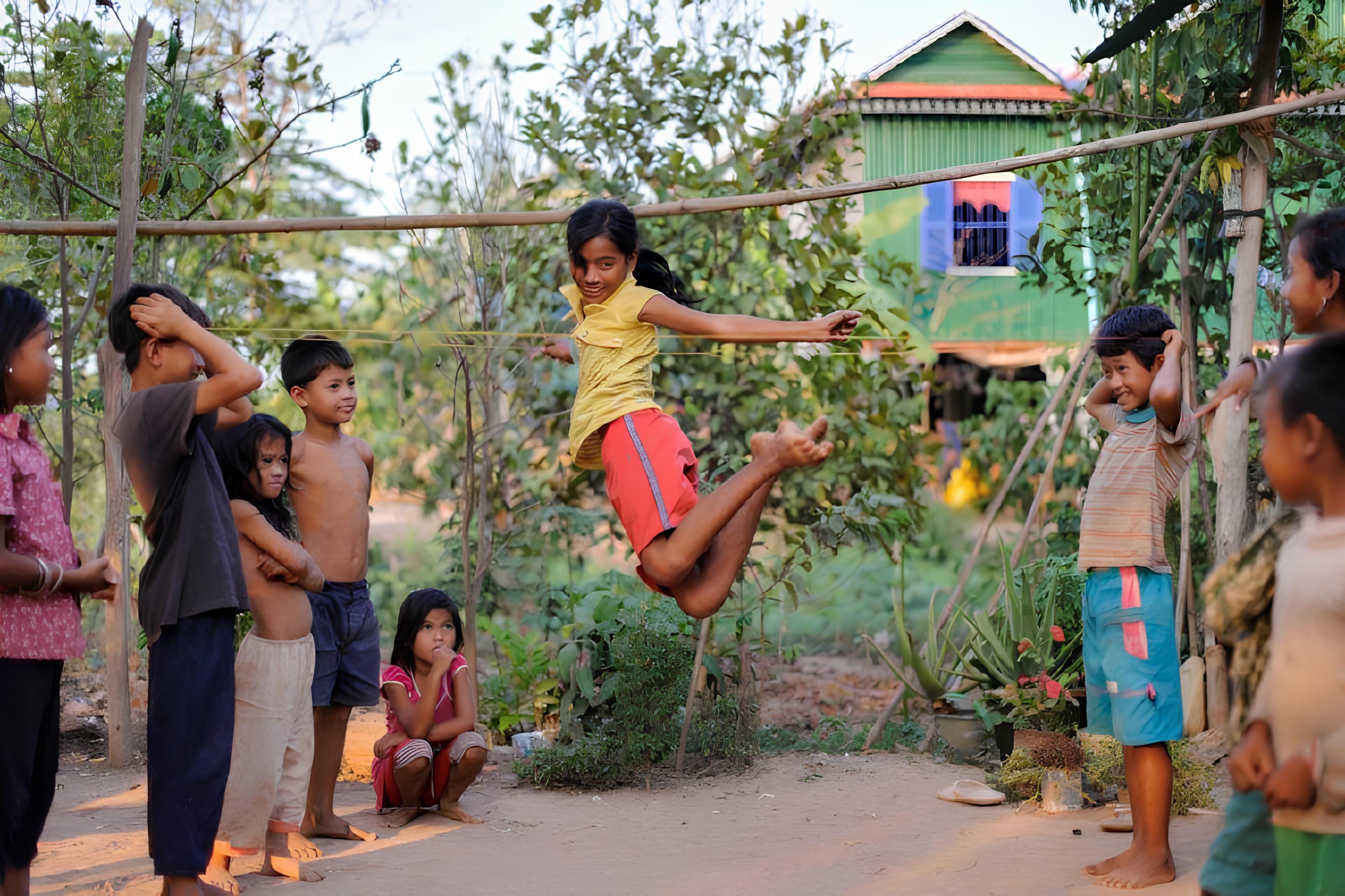
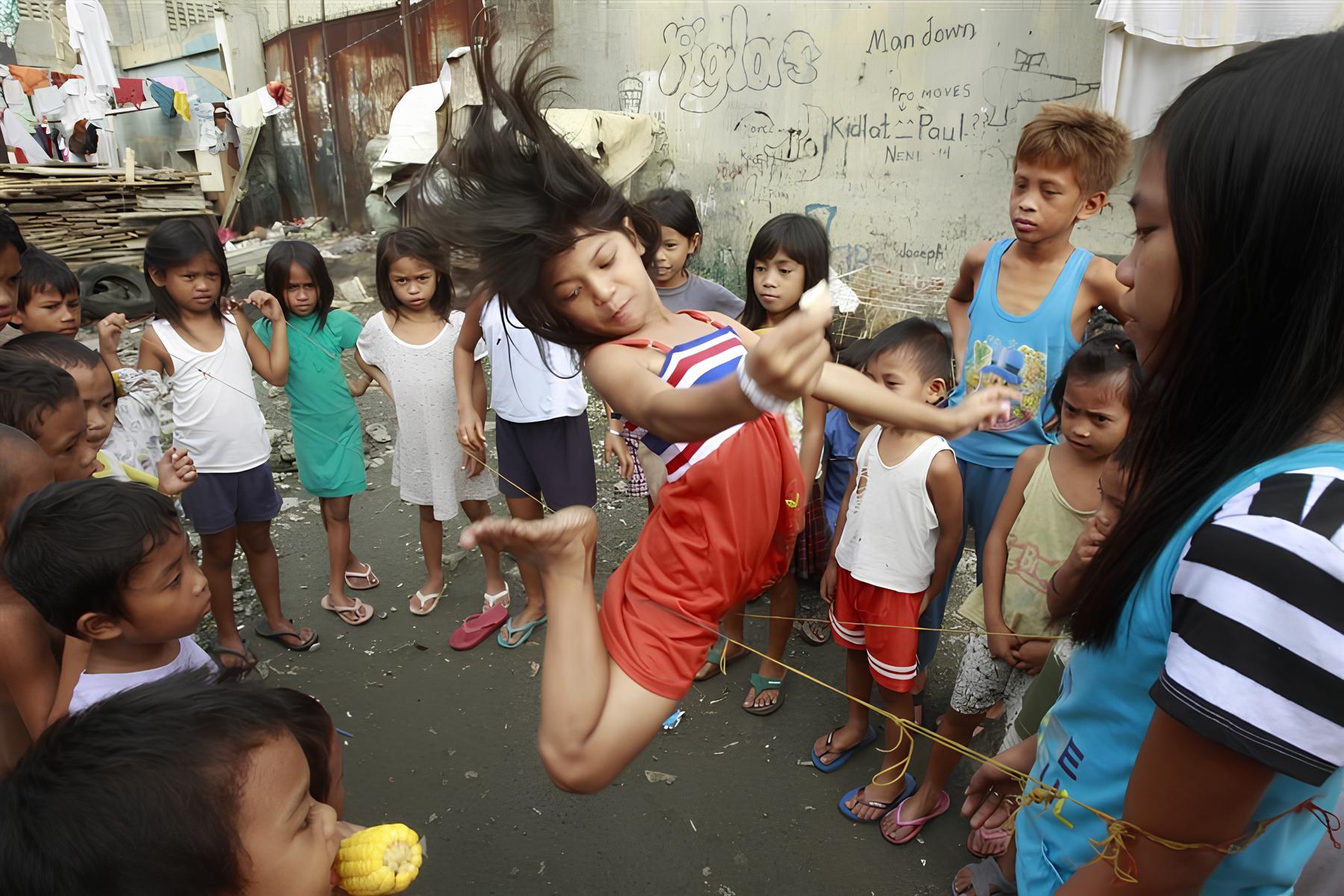
Lompat Getah (rubber-band jumping) is one of the traditional children’s games that has long been popular in Malaysia, particularly among girls. However, boys have also been known to join in. The game uses a long rope made by linking rubber bands together, which players jump over at increasing heights. For Malaysians, it forms part of the collective childhood memory, especially during the 1950s to 1970s, when rubber bands were easily obtained from local markets, grocery shops, or from the widespread rubber plantations in Malaya.
The origins of this game can be traced back as early as the 7th century in China. At that time, it is believed to have developed from the “Hundred Rope Jumping” tradition during Chinese New Year celebrations. It was also influenced by martial arts training, which emphasized agility and body coordination. From these ritual festivities and physical practices, the activity later evolved into a children’s game in China known as Chinese Jump Rope.
By the 20th century, the game had spread to the Western world. In the 1960s, it was known in Germany as Gummitwist and in the United Kingdom and Australia as Elastics. Around the 1980s, it gained wider popularity in the United States, particularly among Asian-American communities. The variations in names and styles of play in the West demonstrate how the game adapted to local cultures, underscoring the resilience and flexibility of this heritage.
Nevertheless, the spread of the game to Southeast Asia is believed to have occurred much earlier than its arrival in the West. The region’s close geographical proximity to China, combined with long-standing maritime trade networks, created opportunities for cultural exchange, including traditional games. This explains why communities in Southeast Asia, such as those in Indonesia, Brunei, Thailand, and the Philippines, were likely introduced to the game much earlier through direct interaction with Chinese traders.
In Malaysia, in particular, lompat getah is believed to have been introduced by Chinese communities who migrated and settled in the Malay Peninsula. The centuries-old trade and migration of the Chinese population brought this cultural practice into contact with the local community. The presence of rubber plantations as a major economic commodity from the 18th to the 20th century further reinforced its acceptance, as rubber bands were cheap and easily available. From there, the game spread and was passed down through generations, eventually becoming recognized as one of Malaysia’s traditional games that reflects creativity, joy, and a spirit of togetherness within society.
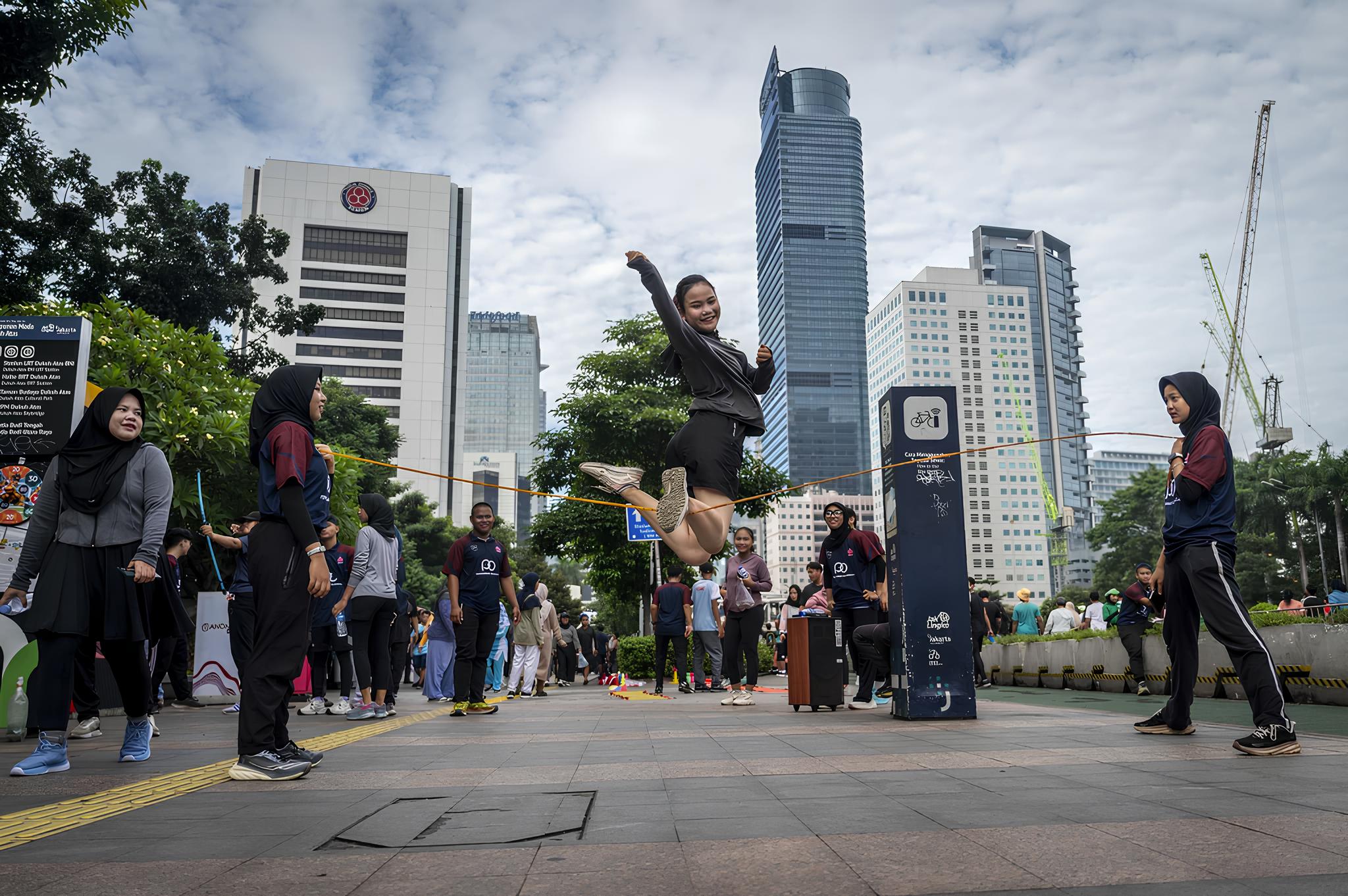
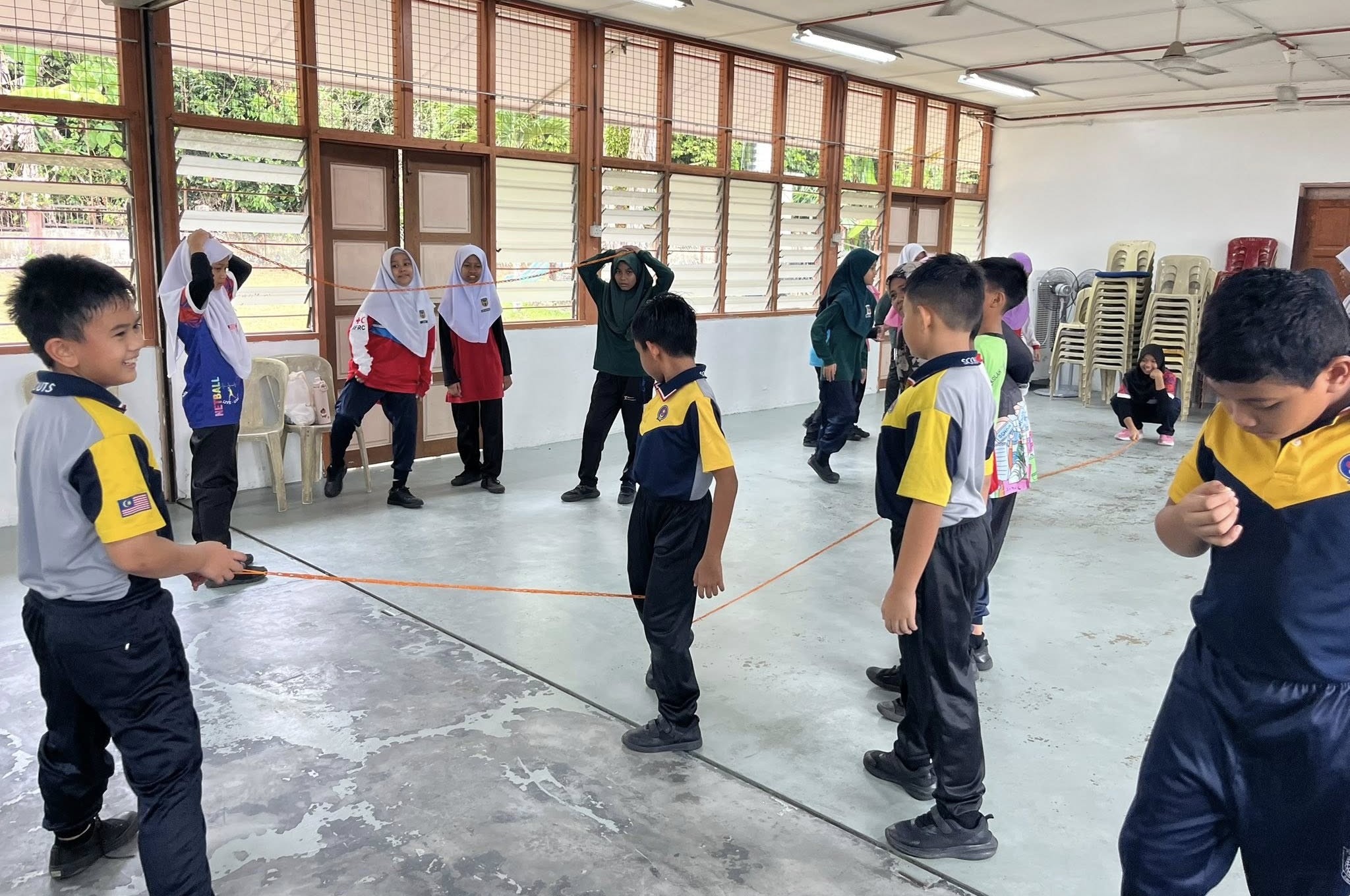
To this day, lompat getah continues to be played both in rural villages and among children living in urban areas. Despite the challenges posed by modernization and the rise of digital games, it still holds a place in the collective memory of the community. Moreover, the game is not only played by children but also by teenagers and adults, serving as a nostalgic form of solidarity that rekindles childhood memories. In modern contexts, lompat getah is often revived through cultural festivals, school sports days, and community programs aimed at preserving traditional heritage. In this way, the game remains alive not only as a form of folk entertainment but also as an important medium for strengthening cultural identity and connecting the younger generation with the legacy of their ancestors.
Like most traditional games, lompat getah also carries its own unique functions and roles. Among them are the following:
Entertainment and recreation
Lompat getah served as one of the primary forms of entertainment for children in the past, especially before the advent of modern games and digital technology. It was usually played in the yard, school grounds, or open spaces to fill leisure time. The laughter and cheers of friends made the game joyful and lively, helping children overcome boredom after school hours.
Developing physical and mental fitness
Beyond recreation, the game also supported children’s physical development. Lompat getah helps to strengthen leg muscles, build stamina, and improve body coordination. Performing the jumping patterns with precision trains focus, quick decision-making, and balance control. Thus, it is not only a leisure activity but also highly beneficial for children’s physical and mental growth.
Instilling discipline and sportsmanship
The structured rules of the game play an important role in shaping children’s values. Players must follow certain regulations, which teach them discipline, fair play, and healthy competition. Through the game, children learn to respect turns, obey rules, and accept results, whether victory or defeat with a positive attitude.
Building social relationships
More than just entertainment, the game acts as a medium for social interaction because it is played in groups. It encourages teamwork, tolerance, and communication among players. Children learn to support their friends, take turns fairly, and accept setbacks gracefully. Indirectly, the game fosters friendships and strengthens community bonds.
Cultural heritage and identity
Finally, the lompat getah symbolizes cultural heritage, reflecting the creativity of society in transforming simple materials, such as rubber bands, into a meaningful game. It also represents a social identity passed down through generations. By continuing to be played at school sports days and cultural festivals, the game helps preserve collective memory and strengthens the community's cultural identity.
-
The equipment used in lompat getah is very simple, inexpensive, and easy to prepare. The basic materials required are as follows:
1) Rubber bands
The main equipment for this game is a series of rubber bands linked together to form a long rope.
The rubber bands are tied one by one to create a strong and elastic rope.
The more bands used, the longer and more durable the rope becomes.
2) Open space
The game is usually played in spacious and flat areas such as a house yard, school field, or village open ground.
Choosing a safe and obstacle-free area is important to prevent injuries while jumping.
3) Number of players
Lompat getah requires at least three players.
Two players act as holders by looping the rope around their legs, while another player takes the role of the jumper.
If there are more players, they may take turns in different roles, making the game fairer and more enjoyable.
Lompat getah is played in groups and follows certain rules to ensure the game is fair and enjoyable. The basic methods and rules are as follows;
Game preparation
Two players stand facing each other with the rubber rope looped around their ankles, forming a space in the middle.
Another player takes the role of the jumper.
Sequence of rope heights
The game begins with the rope positioned at ankle level, then gradually raised to the calves, knees, waist, chest, and finally the shoulders.
The increasing height becomes the main challenge in testing the jumper’s agility.
Jumping patterns
The jumper must perform specific patterns according to the group’s chosen sequence.
Basic patterns include: (i) in–out jump, (ii) criss-cross jump, (iii) single-leg jump, and (iv) turning jump.
Each pattern must be executed without touching or tangling the rubber rope.
Turn rotation
If the jumper completes all patterns at one height level, the game continues to the next height.
However, if the jumper fails or gets caught, the turn passes to another player.
Typically, a failed jumper switches roles with one of the rope holders.
Determining the winner
The winner is the player who completes all height levels and jumping patterns without failure.
If all players are eliminated at a certain height, the player who lasted the longest is declared the winner.
-
Reference Source
Bahan Bacaan
Anderson, T. (1944). Rope jumping. The Journal of Health and Physical Education, 15(4), 196–237. https://doi.org/10.1080/00221473.1944.10621140
Haniemirae. (2012, May 15). Permainan lompat getah. Blogspot. https://haniemirae.blogspot.com/2012/05/permainan-lompat-getah.html
Ibrahim, M. F., Pei, G. K., Hashim, H. A., & Hamzah, N. A. (2023). Pendekatan pengajaran teaching games for understanding melalui permainan tradisional. Penerbit Universiti Sains Malaysia.
Majlis Daerah Kampar. (n.d.). Lompat getah. Retrieved September 5, 2025, from https://www.mdkampar.gov.my/index.php/ilham-seni/lompat-getah
Scribd. (2015). Permainan lompat getah. Scribd. https://www.scribd.com/doc/258377012/PERMAINAN-LOMPAT-GETAH-docx
Woodard, N. (2020). Jump rope connecting the past, present and future. International Journal of Physical Education, Fitness and Sports, 9(3), 45–52.
Woodard, K. F., & Chen, Y. (2024). Effects of jump rope lessons on physical skills, inhibitory control, and perceived enjoyment of elementary students. Journal of Teaching in Physical Education, 1(aop), 1–10. https://doi.org/10.1123/jtpe.2023-0091
Location
State JKKN Contact Information
Cultural Officer
Jabatan Kebudayaan dan Kesenian Negara
Use the form below to contact the Informant/Figure/Editor/Researcher directly. We will respond to your inquiry as soon as possible!


