

ARTS AND CULTURE INFORMATION GATEWAY
Immerse yourself in the colorful world of art and culture! From traditional heritage to contemporary works, discover uniqueness that reflects the nation's identity and identity
SAMBAL HITAM BELIMBING BULUH
 Fakulti Muzik dan Seni Persembahan, Universiti Pendidikan Sultan Idris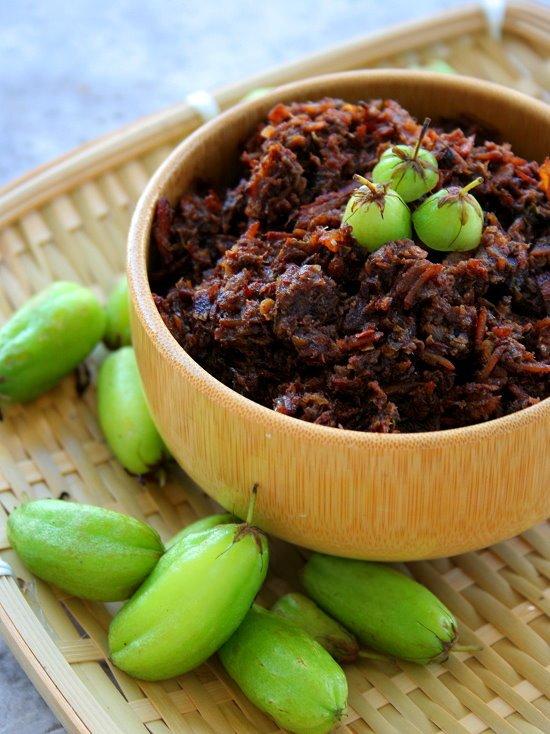
Picture
7
Video
No record
Today's Visitor
2
Number of Visitors
1117
Introduction and history
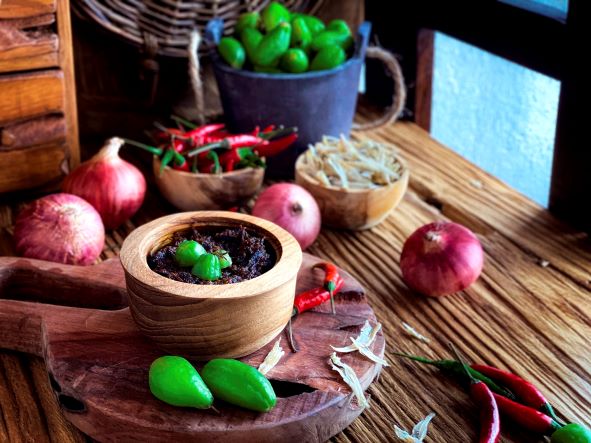
Sambal Hitam Belimbing Buluh is one of the iconic traditional dishes of Pahang, renowned for its balanced combination of sour, salty, spicy, and slightly bitter flavors. Its uniqueness lies in the use of belimbing buluh (Averrhoa bilimbi), a fruit from the Oxalidaceae family, which is simmered for a long period until it naturally turns a deep black color. This slow-cooking process not only enhances the sambal’s distinctive taste but also serves as a traditional preservation method, allowing it to last for an extended period without the need for artificial preservatives.
For the local community, sambal hitam is more than just food; it is an integral part of Pahang’s culinary identity. It is especially popular in districts such as Jerantut, Raub, and Kuala Lipis, and is often sought after by visitors from other states eager to experience its authentic taste. Preparing sambal hitam requires patience, as the process takes between two to three hours. The Averrhoa bilimbi is boiled with salt until it shrinks and turns dark brown before being mixed with spicy sautéed ingredients. Its tangy, spicy, and slightly sweet flavor makes it a perfect accompaniment to hot steamed rice, fried fish, or fresh vegetables.
Although it is relatively expensive in the market due to its labor-intensive preparation, the rich flavor and distinctive character of sambal hitam belimbing buluh have cemented its place as a proud culinary heritage of Pahang. In the past, it was rare to find sambal hitam outside of Pahang. Still, with the advancement of technology and social media, it is now widely marketed and enjoyed throughout the country.
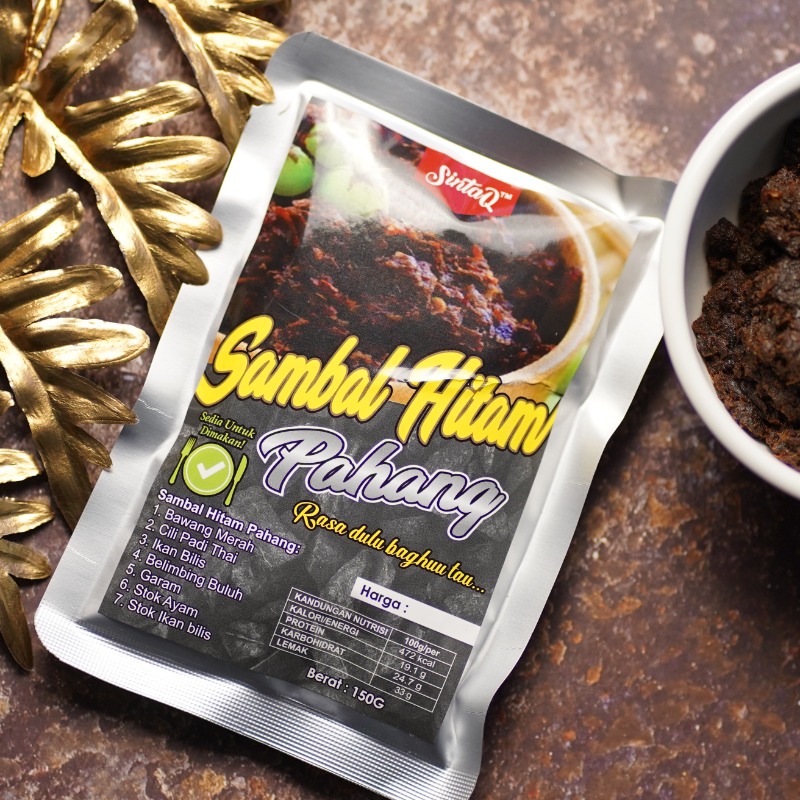
As a traditional dish, sambal hitam serves as an appetizing side dish that complements a variety of meals. It's tangy, spicy, salty, and slightly sweet flavor stimulates the appetite, especially when served with hot steamed rice, fried fish, or fresh vegetables. This distinctive taste comes from a combination of traditional ingredients such as Averrhoa bilimbi (belimbing buluh), bird’s eye chilies, onions, and anchovies, all of which are cooked through a long, slow process that results in a thick texture and a unique aroma. From a nutritional standpoint, Averrhoa bilimbi is rich in vitamin C, which helps boost the immune system, aids in iron absorption, and acts as a natural antioxidant.
Beyond being a flavorful accompaniment, sambal hitam also has a role in traditional medicine. Averrhoa bilimbi, the main ingredient in this sambal, has long been used in traditional Malay remedies. Its juice is believed to help regulate high blood pressure, lower blood sugar levels in diabetic patients, and relieve symptoms of dizziness. Additionally, it has been used to treat skin problems such as acne, itchiness, swelling, and minor wounds, and is even practiced by some to alleviate toothaches. Although the medicinal benefits require further scientific validation, these practices have been passed down through generations and remain an integral part of traditional health knowledge in Pahang.
-
The following are the ingredients for making Sambal Hitam Belimbing Buluh:
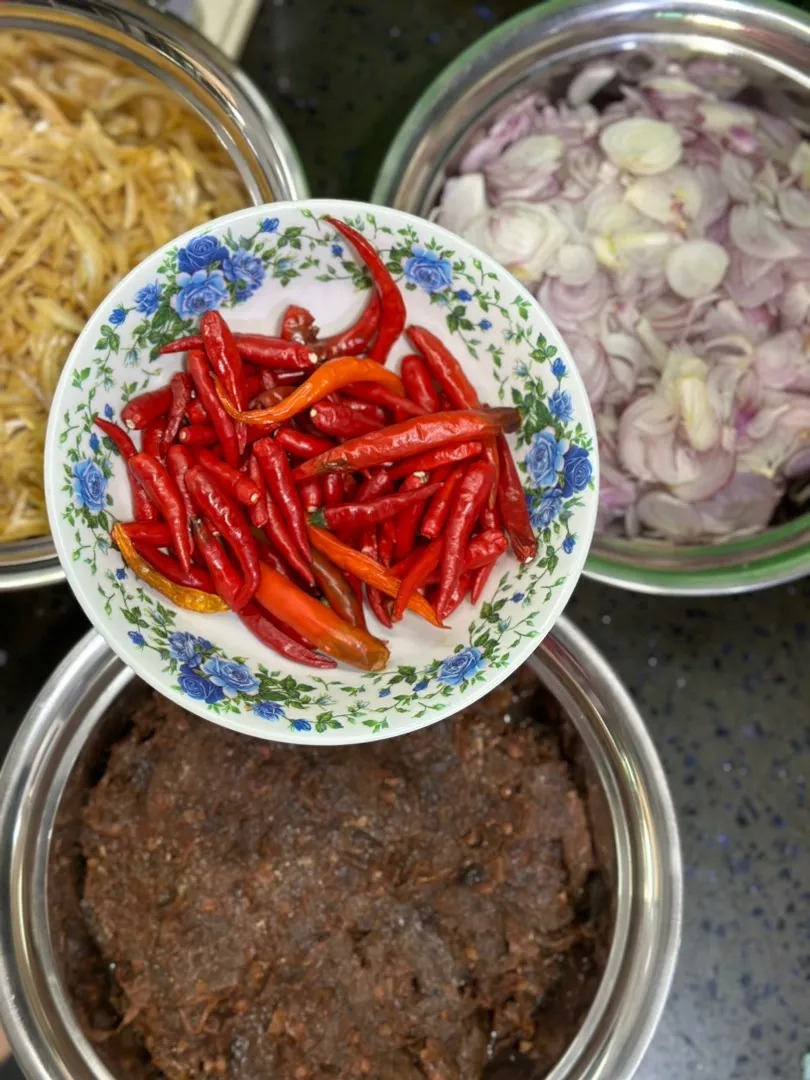
Averrhoa bilimbi (Belimbing buluh) – 500 g (choose fresh ones, neither too young nor too mature)
Dried anchovies – 150 g (cleaned and fried until crispy)
Bird’s eye chilies – 20–30 pieces (adjust according to desired spiciness)
Shallots – 5 bulbs
Garlic – 3 cloves
Coarse salt – 2 tablespoons (for boiling the belimbing)
Fine salt – to taste (for final seasoning)
Sugar – 1 tablespoon (adjust according to preference)
Cooking oil – ½ cup (for sautéing blended ingredients)
Step 1: Boiling the Averrhoa bilimbi (Belimbing Buluh)
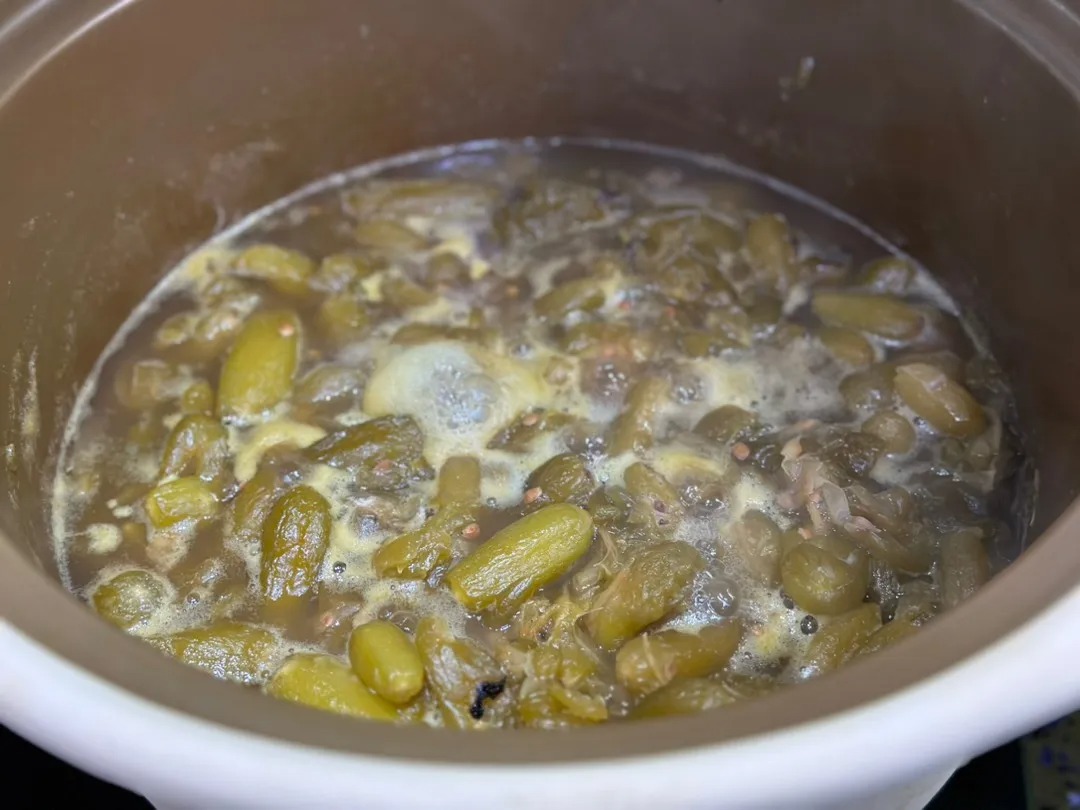
Wash the Averrhoa bilimbi (belimbing buluh) thoroughly and place it in a pot without adding any extra water.
Add coarse salt to taste.
Cook over low heat until the fruit releases its juice.
Continue boiling for 4–6 hours until the Averrhoa bilimbi (belimbing buluh) shrinks and turns dark brown or deep black.
Remove from the pot and set aside.
Step 2: Preparing the Sautéed Ingredients
Blend the bird’s eye chilies, shallots, and garlic until smooth.
Heat cooking oil in a pan and sauté the blended mixture until the oil separates and it becomes fragrant.
Step 3: Combining the Ingredients
Add the fried anchovies to the sautéed mixture and stir well.
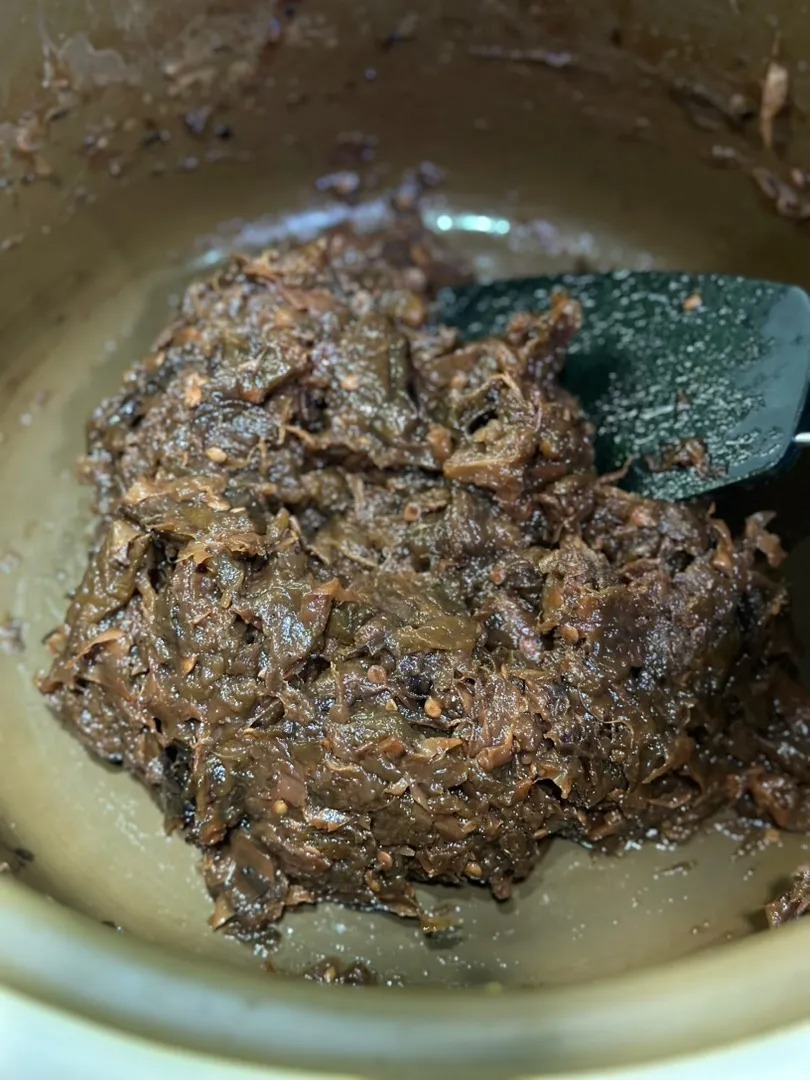
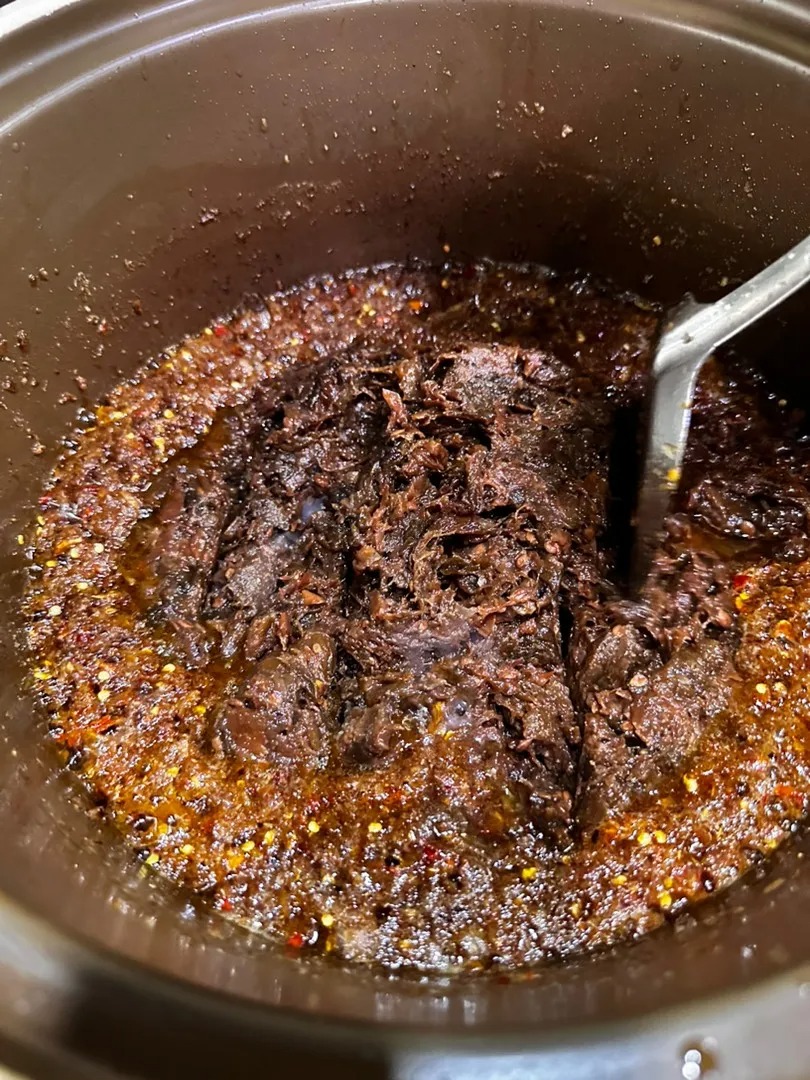
Add the boiled Averrhoa bilimbi (belimbing buluh) and mix until evenly combined with the sauté.
Cook the sambal over low heat until the gravy thickens and the color deepens.
Season with fine salt and sugar to taste.
Step 4: Storage and Serving
Allow the sambal to cool before storing it in an airtight container.
The sambal will last longer if stored in a cool place or refrigerated.
Serve with hot steamed rice, fried fish, or fresh vegetables.
-
Reference Source
Bahan Bacaan
Katamalaysia. (n.d.). Sambal hitam: Sambal warisan Pahang. Dirujuk pada August 13, 2025. https://katamalaysia.my/culture/sambal-hitam-sambal-warisan-pahang/
Shariff, S. N. F. A., Sulong, S. N., Omar, M., & Ideris, M. S. K. (n.d.). Makanan asli warisan Negeri Sembilan, Pahang dan Utara: Pelestarian makanan warisan Melayu diwarisi sejak zaman ke zaman peliharalah hidangan setiap satu jadikan panduan juga rujukan (p. 107).
Nakyinsige, K., Abdul Rahman, N. S., Salwani, M. S., Abd Hamid, A., Adeyemi, K. D., Sakimin, S. Z., & Sazili, A. Q. (2016). Effect of belimbing buluh (Averrhoa bilimbi) juice extract on oxidative stability and microbiological quality of spent chicken meat. International Food Research Journal, 23(6), 2572–2579.
Location
State JKKN Contact Information
Puan Norlelah Abd Karim
Cultural Officer
Jabatan Kebudayaan dan Kesenian Negara, Pahang
Kompleks JKKN Pahang
Lot 57100, Jalan Teluk Sisek,
25000, Kuantan,
Pahang Darul Makmur
09-517 8466
Use the form below to contact the Informant/Figure/Editor/Researcher directly. We will respond to your inquiry as soon as possible!


