

ARTS AND CULTURE INFORMATION GATEWAY
Immerse yourself in the colorful world of art and culture! From traditional heritage to contemporary works, discover uniqueness that reflects the nation's identity and identity
 Fakulti Muzik dan Seni Persembahan, Universiti Pendidikan Sultan Idris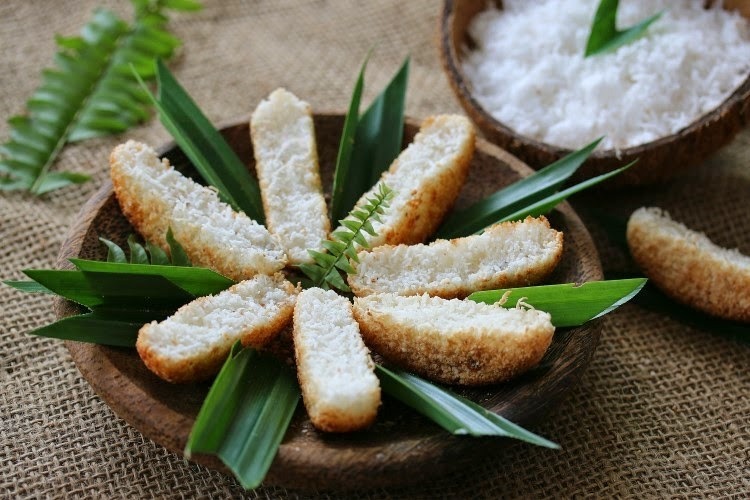
Picture
7
Video
No record
Today's Visitor
783
Number of Visitors
3267
Introduction and history
Kuih Dangai serves not only as a delicious traditional delicacy of the Malay community but also holds symbolic value in everyday life and during ceremonial occasions. It is commonly enjoyed as a light afternoon snack alongside tea or coffee, and it is also served as a simple yet satisfying breakfast item.
Beyond its culinary appeal, Kuih Dangai plays an important role in the preservation of cultural heritage and supports the local economy. Among small-scale entrepreneurs, this kuih is often marketed at night markets, farmers’ markets, and through digital platforms, thereby generating income while reviving interest in traditional cuisine. Such initiatives not only offer economic benefits but also reinforce cultural identity, particularly among the younger generation.
Socially, Kuih Dangai is typically served during various traditional gatherings such as funeral feasts (kenduri arwah), thanksgiving ceremonies (kenduri kesyukuran), and festive celebrations like Hari Raya. Its presence reflects the values of communal cooperation (gotong-royong) and shared prosperity within the community. The collaborative process of preparing the kuih also symbolizes unity and strengthens the bonds among village members.
-
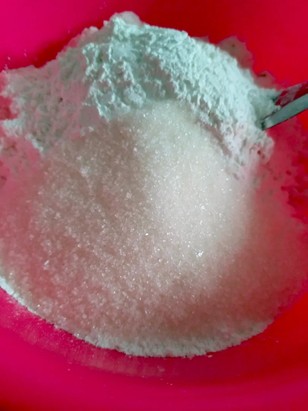
The ingredients for making Kuih Dangai are simple and easily accessible. The following are the ingredients needed to prepare one medium-sized tray of Kuih Dangai using a standard mould:
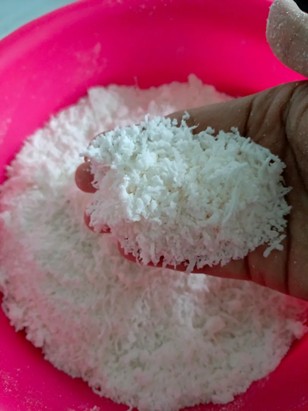
2 cups of freshly grated coconut
½ cups of glutinous rice flour
½ cups of granulated sugar or 200 grams of palm sugar (gula Melaka)
½ teaspoons of salt
1 medium-sized baking tray or mould
Kuih Dangai can be prepared using two methods: the traditional way, by baking over hot charcoal or a gas stove using a special mould, or the modern method, using an oven. Both methods produce a similar taste and texture, and the choice depends on the user’s convenience and available kitchen equipment. Below are the steps for preparing Kuih Dangai:
Combine grated coconut, glutinous rice flour, palm sugar (or white sugar), and a pinch of salt in a large mixing bowl. Mix thoroughly until well combined.
If using the traditional mold, preheat it over hot charcoal or a small gas stove until it is slightly hot. If using an oven, preheat the oven to 180°C (356°F) for 10 minutes.
Lightly grease the surface of the mould with oil to prevent sticking. For the oven method, grease the baking tray with oil or line it with parchment paper.
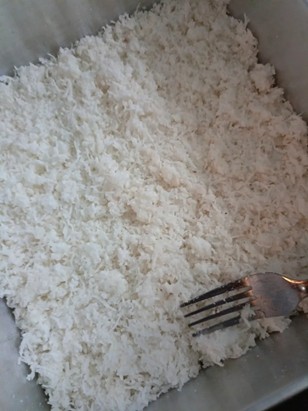
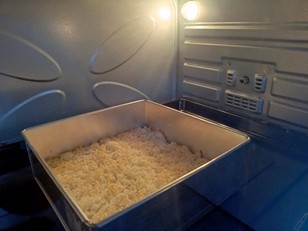
Spoon half of the mixture into the bottom half of the mould and press it down firmly, then close the mould with the top part. For the oven method, pour the entire mixture into the tray and smooth the surface using a spoon or fork.
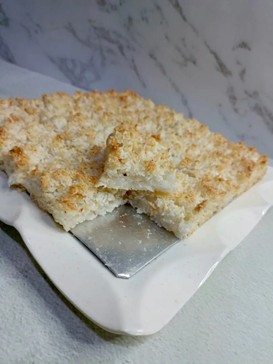
For the traditional method, bake over low heat for 10–15 minutes, flipping the mould occasionally to ensure even cooking on both sides. For the oven method, bake for 20–25 minutes or until the surface turns golden brown and crispy at the edges.
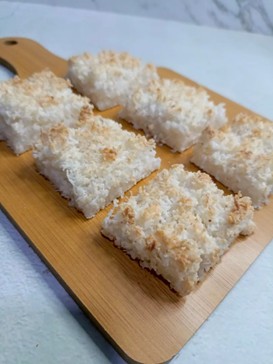
Once cooked, remove the kuih and allow it to cool slightly before cutting and serving.
-
Reference Source
Bahan Bacaan
Bunga Raya Kitchen. (n.d.). Kuih dangai. Cookpad. https://cookpad.com/my/recipes/17275533
CitarasaWan. (2015, Mac 10). Kuih Dangai. Citarasawan. https://citarasawan.blogspot.com/2015/03/kuih-dangai.html
Location
State JKKN Contact Information
Siti Rohayu binti Muhamad
Cultural Officer
Jabatan Kebudayaan dan Kesenian Negara, Perlis
Kompleks JKKN Perlis
Persiaran Wawasan Kangar
01000 Kangar
PERLIS
019-504 0015
Use the form below to contact the Informant/Figure/Editor/Researcher directly. We will respond to your inquiry as soon as possible!


