

ARTS AND CULTURE INFORMATION GATEWAY
Immerse yourself in the colorful world of art and culture! From traditional heritage to contemporary works, discover uniqueness that reflects the nation's identity and identity
 Aras 6 Kiri, Wisma PERKESO, No 26, Jln Susur 5, Off Jalan Tun Abdul Razak, Larkin, 80200 Johor Bahru, Johor Darul Takzim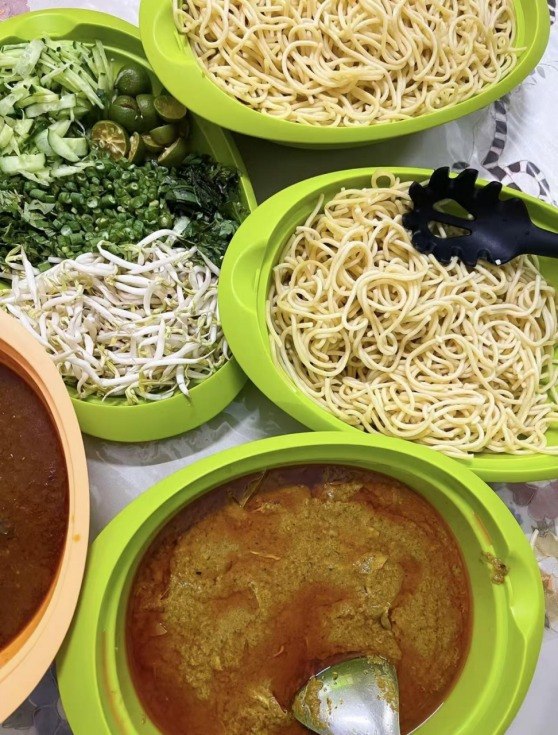
Picture
1
Video
No record
Today's Visitor
17
Number of Visitors
842
Introduction and history
- Laksa Johor, originating from the state of Johor in Malaysia, is one of the most distinctive traditional dishes due to its use of spaghetti as a substitute for the typical rice noodles found in other varieties of laksa. The incorporation of spaghetti in Laksa Johor is often associated with the late Sultan Abu Bakar of Johor, who, in the late 19th century, around 1885, undertook a visit to Europe and particularly Italy. During his tour, he had developed an appreciation for spaghetti during his travels. Upon returning to Johor, he instructed the Royal cooks to integrate spaghetti into a local dish, resulting in what is now known as Laksa Johor, a culinary creation that reflects a fusion of European influences and Malay tradition.
- Some sources also note that spaghetti may have been used because it was more readily available or required less labour-intensive preparation compared to the traditional rice noodles commonly made in Johor. The transmission and preservation of Laksa Johor primarily occurred through households and local communities. The dish is frequently served during festive events, celebrations, and communal gatherings, with its recipes passed down through generations within families. It was once customary for Johoreans to eat this dish with their hands, as it was believed to enhance its flavour and overall eating experience.
- Laksa Johor holds several significant functions and roles within Johor’s cultural landscape. It not only represents the food identity of the Johorean community but also illustrates how external influences, particularly from Europe and have been adapted to suit local preferences. This adaptation has made Laksa Johor a symbol of state pride, showcasing the community’s creativity in incorporating foreign elements into their traditional food practices.
- The dish also acts as a medium for strengthening family and community relationships. Its preparation, which often requires considerable time, effort, and coordination, typically involves family members, neighbors, and friends. Such collaborative cooking activities create opportunities for meaningful social interaction and help reinforce bonds of friendship and kinship. When served during celebrations and communal events, Laksa Johor further symbolizes unity and harmony within the community.
- From the perspective of cultural heritage, Laksa Johor forms an important part of Malaysia’s traditional food practices. The recipe, handed down from one generation to the next, ensures not only the continuity of the dish but also the preservation of traditional knowledge related to its history, preparation methods, and cooking techniques. As a result, Laksa Johor plays a key role in safeguarding local food identity and cultural values among younger generations.
- Economically, Laksa Johor contributes to the growth of the local food sector. Its presence in restaurants, food stalls, and catering services provides a source of income for many Johorean food entrepreneurs. The dish’s steady popularity, especially during festive seasons or special occasions, highlights its commercial potential in attracting customers and promoting Johor as a destination for unique local cuisine. Thus, Laksa Johor carries not only social and cultural significance but also supports the economic vitality of the community.
-
Large pot
Pan
Mortar and pestle or blender
Knife and cutting board
Spaghetti
Fish
Fish curry powder
Coconut milk
Toasted coconut paste (Kerisik)
Dried tamarind slices (Asam keping)
Torch ginger flower (Bunga kantan)
Dried chilies, shallots, garlic, ginger, galangal, fresh turmeric, lemongrass, Cucumber, bean sprouts, laksa leaves (daun kesum), large onions, calamansi, Sambal belacan.
Preparing the Gravy (Kuah)
Boil fish (e.g., wolf herring or mackerel) until cooked. Separate the fish flesh from the bones and blend the flesh until fine. Reserve the fish broth.
Sauté the blended ingredients (dried chilies, onions, ginger, galangal, turmeric, lemongrass) in a pot until fragrant and the oil separates.
Add the fish curry powder (mixed with a little water). Sauté again until cooked and the spices are integrated.
Add the blended fish, fish broth, coconut milk, kerisik, asam keping, bunga kantan, and daun kesum.
Stir constantly and cook over medium heat until the gravy thickens and is well-combined. Season with salt and sugar to taste.
Preparing the Spaghetti
In a separate pot, boil water with a little salt.
Boil the spaghetti until al dente (soft but still slightly firm).
Drain the spaghetti and toss with a little cooking oil to prevent it from sticking.
Preparing the Sambal Belacan
Blend red chilies, bird's eye chilies, garlic, and toasted belacan (shrimp paste) until fine.
Transfer to a bowl and add calamansi juice, salt, and sugar to taste. Stir well.
Serving the Dish
Place the boiled spaghetti in a plate or bowl.
Pour the thick laksa gravy over the spaghetti.
Garnish with mandatory fresh herbs such as finely sliced cucumber, bean sprouts, daun kesum (Vietnamese leaf/ Laksa leaf), and sliced large onions.
Add a slice of calamansi and serve with sambal belacan on the side.
-
Reference Source
Bahan Bacaan
Cheema, S. (2021). Get to know the unique history behind Malaysia's 120-year-old Laksa Johor. SE Asia. https://sea.mashable.com/culture/17366/get-to-know-the-unique-history-behind-malaysias-120-year-old-laksa-johor
Jasmine. (2023). 5 Unique Facts All Malaysians Should Know About the Underrated Laksa Johor. World of Buzz. https://worldofbuzz.com/5-unique-facts-all-malaysians-should-know-about-the-underrated-laksa-johor/
Makansutra. (2013, November 26). The Royal Laksa Johor. https://makansutra.com/the-royal-laksa-johor/
Location
State JKKN Contact Information
Puan Norazlina binti Othman
Cultural Officer
Jabatan Kebudayaan dan Kesenian Negara, Johor
Aras 6 Kiri, Wisma PERKESO
No 26, Jalan Susur 5
Off Jalan Tun Abdul Razak, Larkin
80200 Johor Bahru
JOHOR DARUL TAKZIM
07-224 8270 / 223 1249
Use the form below to contact the Informant/Figure/Editor/Researcher directly. We will respond to your inquiry as soon as possible!


