

ARTS AND CULTURE INFORMATION GATEWAY
Immerse yourself in the colorful world of art and culture! From traditional heritage to contemporary works, discover uniqueness that reflects the nation's identity and identity
 Fakulti Muzik dan Seni Persembahan, Universiti Pendidikan Sultan Idris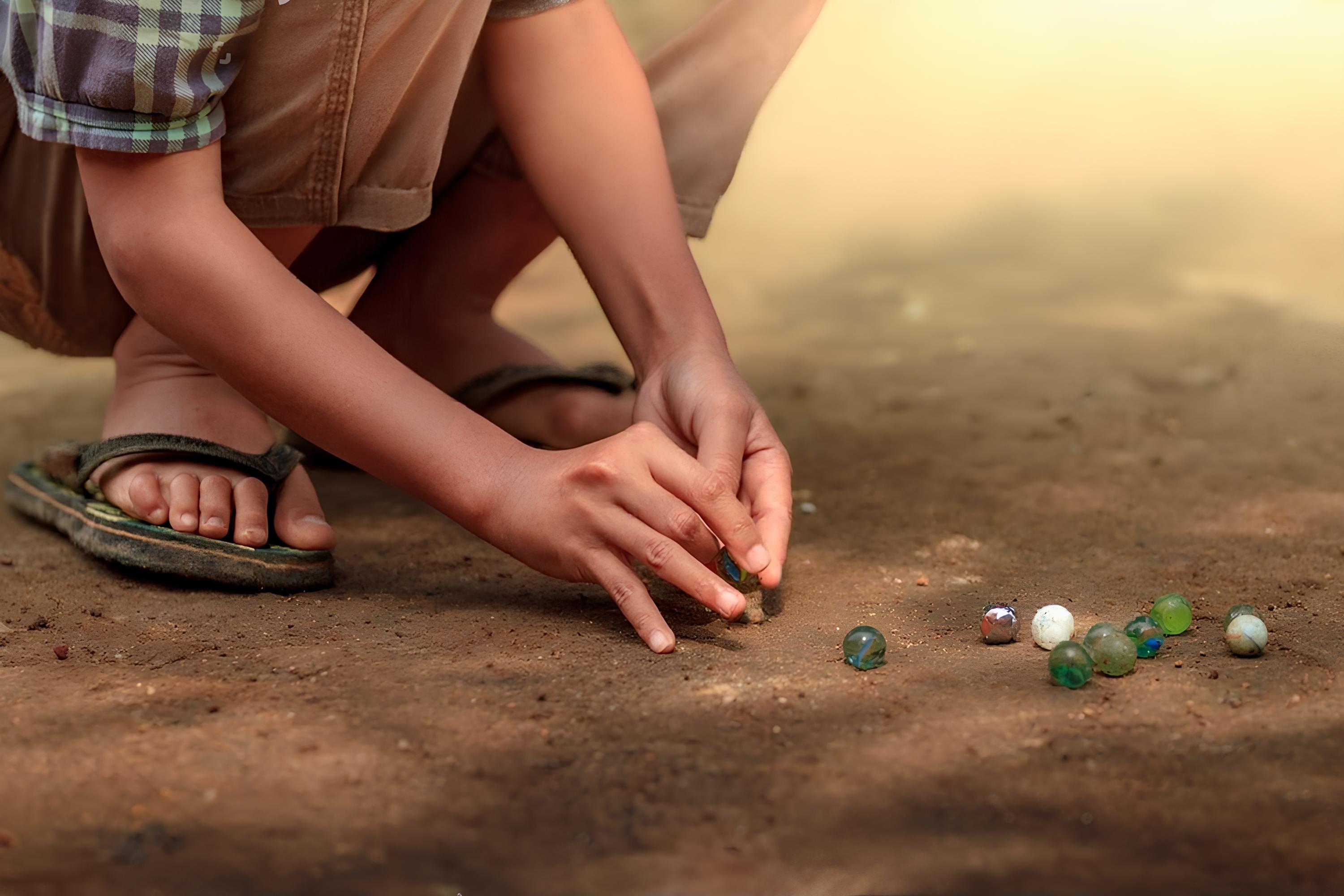
Picture
9
Video
No record
Today's Visitor
572
Number of Visitors
2958
Introduction and history
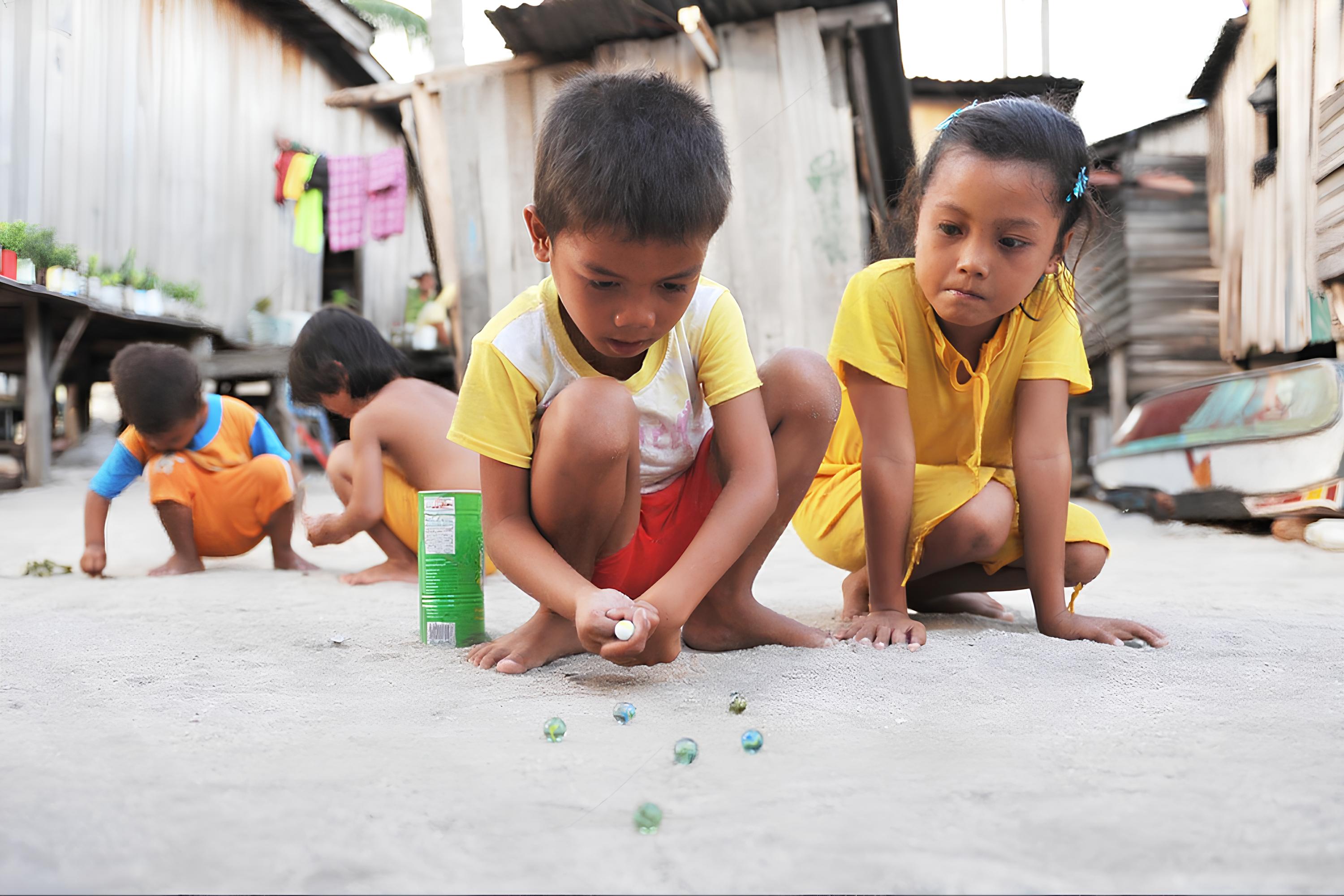
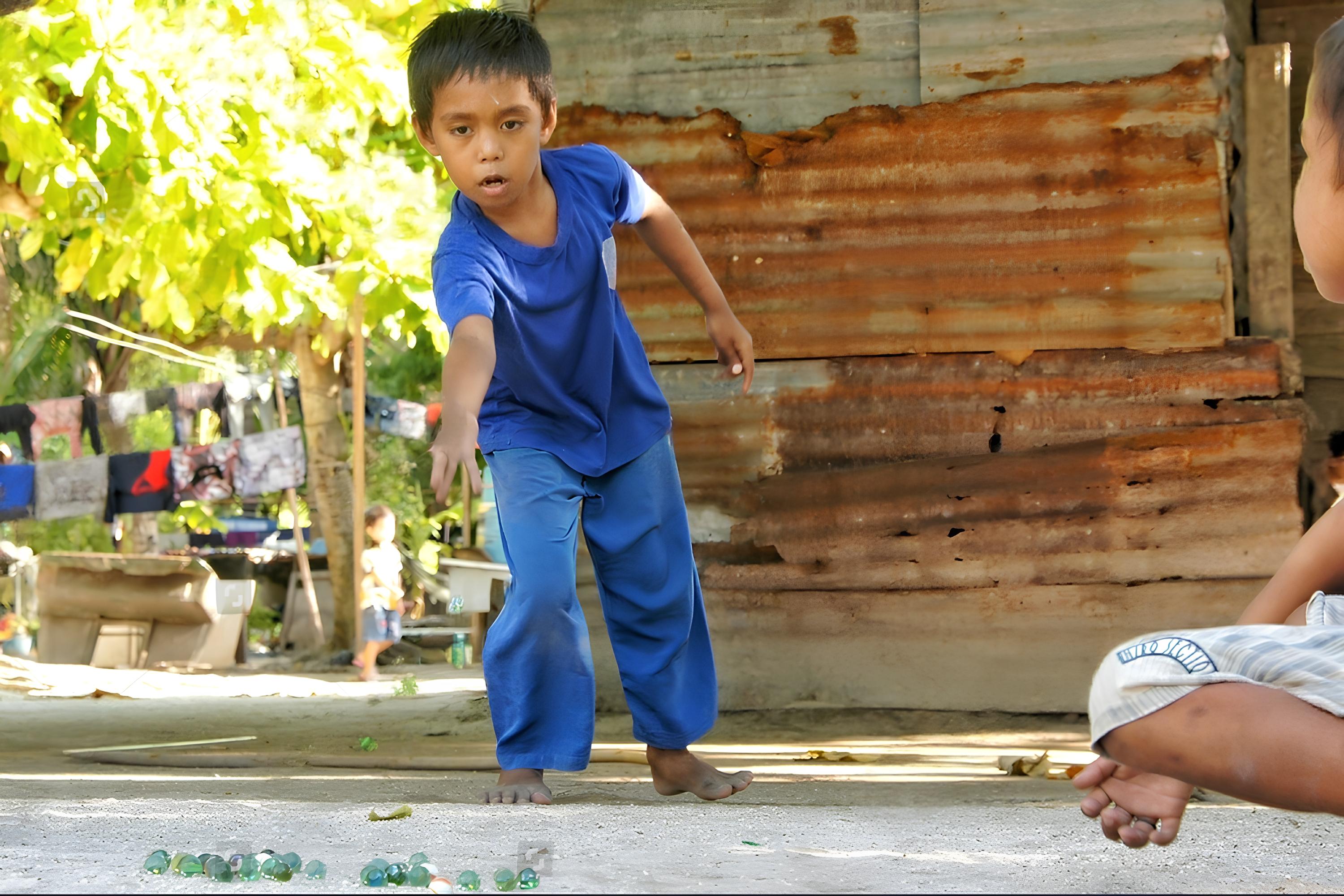
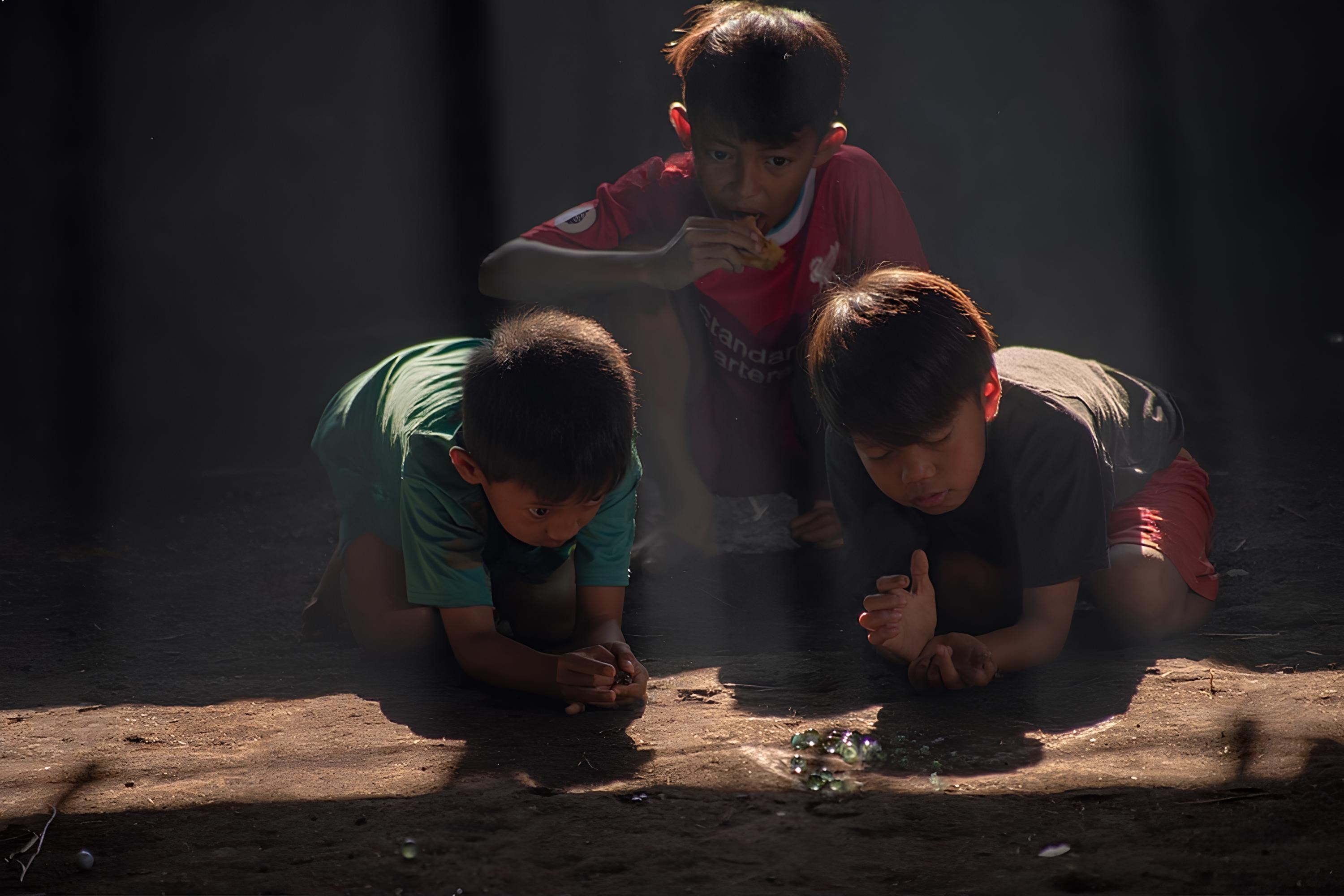
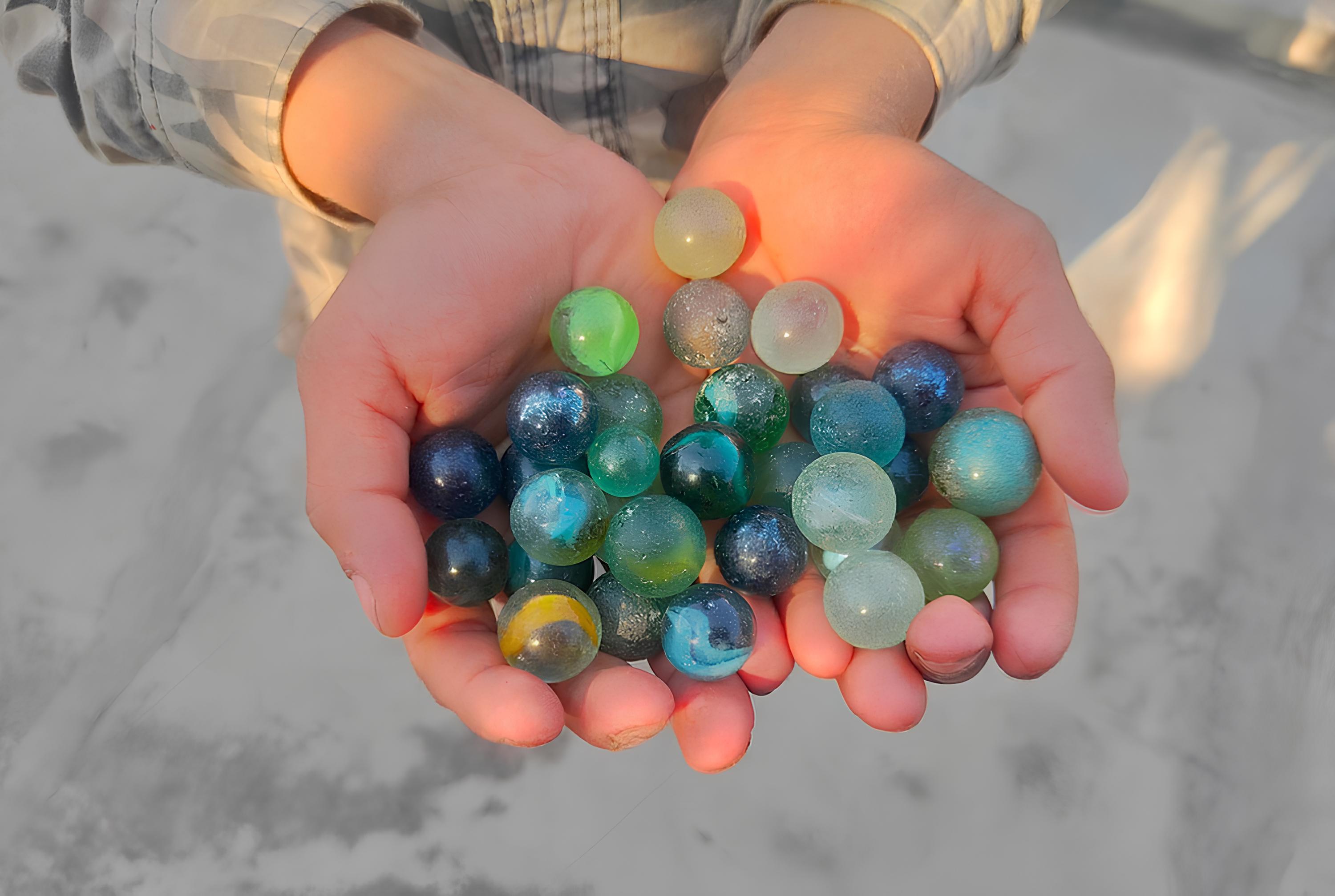
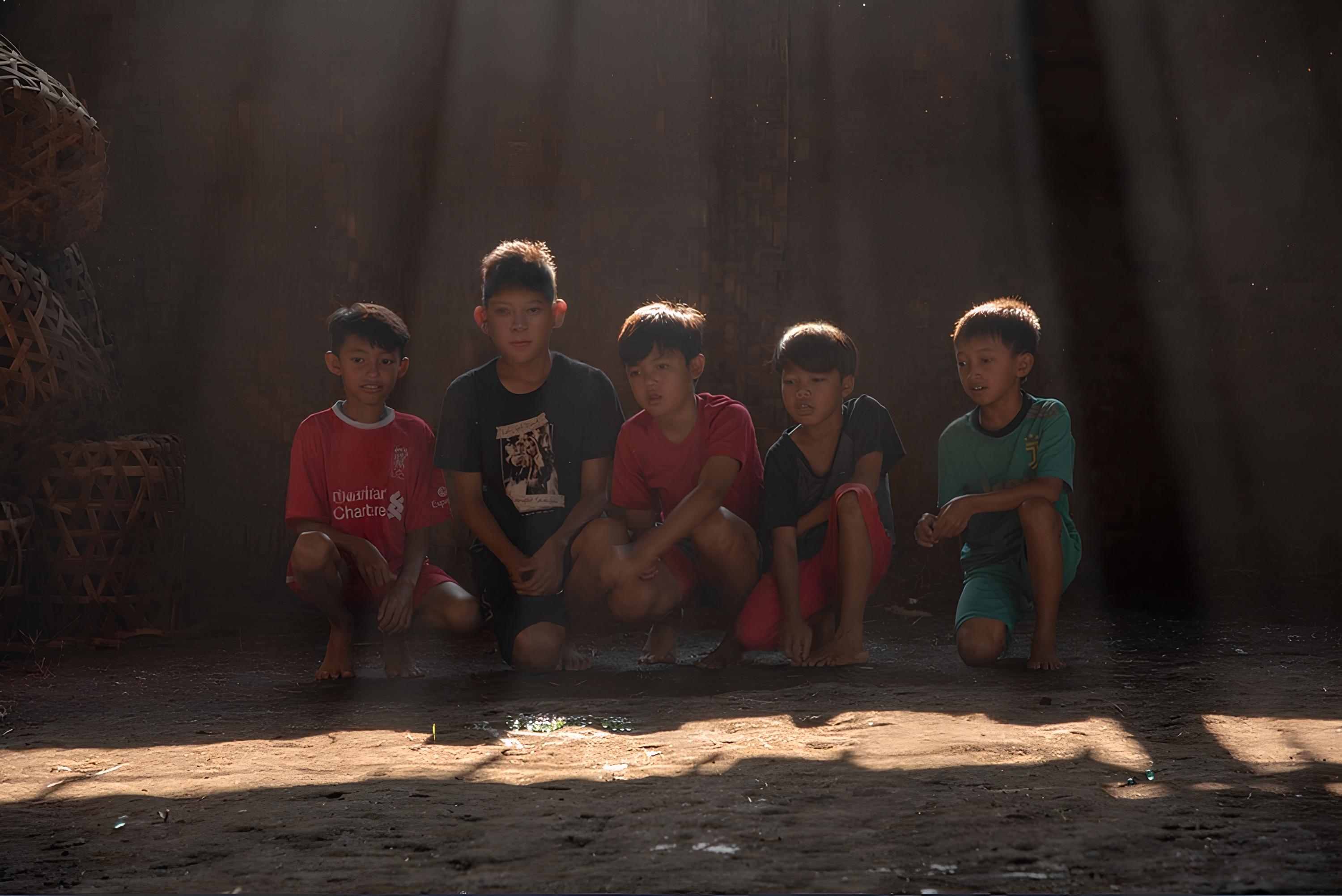
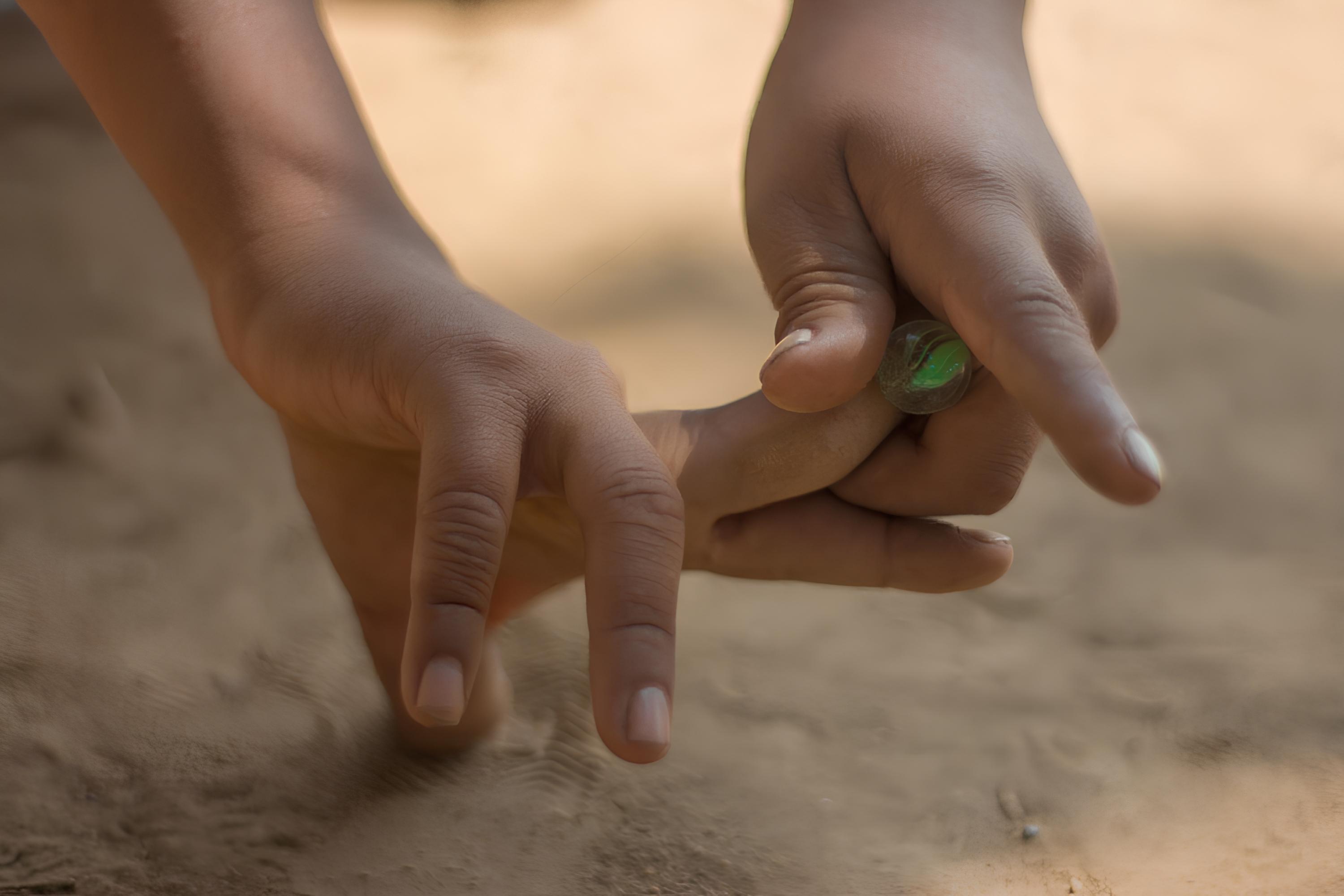
- The game of tuju guli, also known as marbles (kelereng), was one of the most popular traditional pastimes among Malay children, especially during the 1960s to 1980s. It was typically played by boys between the ages of seven and twelve in village settings such as front yards, open fields, or along dirt roads. The game was particularly lively during the dry season, when the firm ground was ideal for drawing circles and digging small holes for the playing arena. By contrast, the rainy season made the ground muddy, which hindered play as the marbles would often stick to the soil.
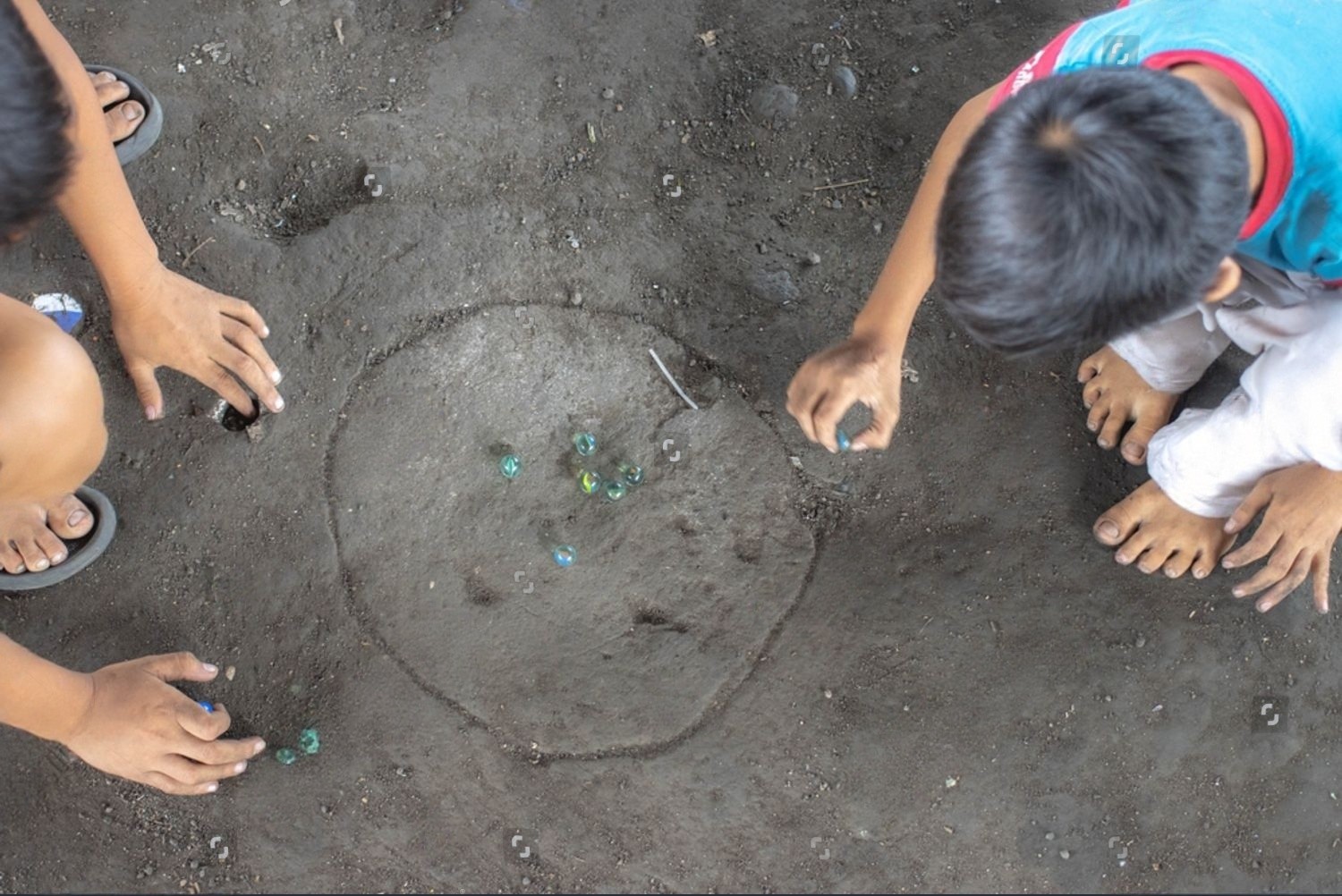
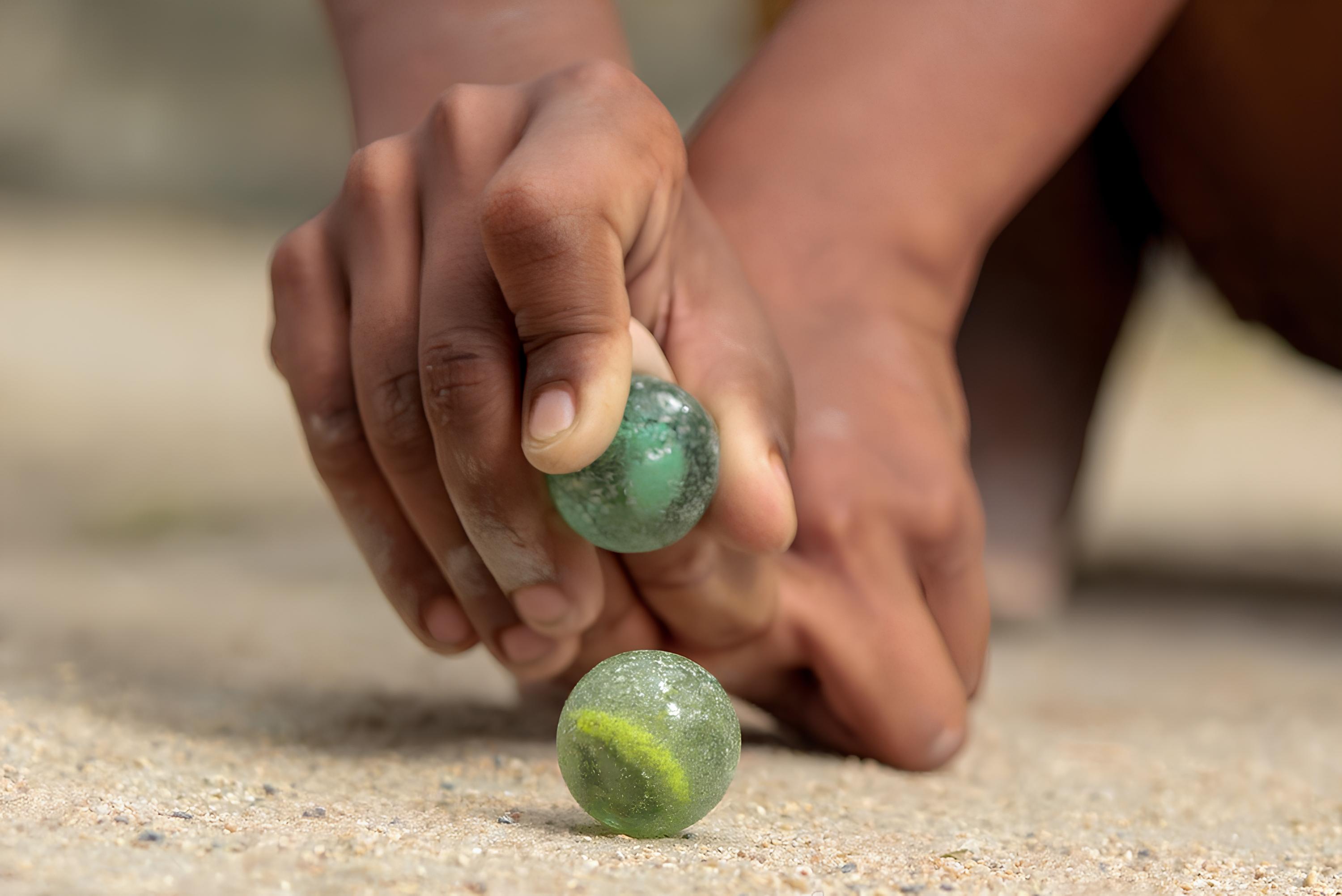
- Tuju guli is played with simple rules. A circle about one meter in diameter is drawn on the ground, with a small hole roughly seven centimeters deep dug at its center, known as the lubang induk (main hole). From a distance of about three meters, players take turns flicking their marbles toward the circle. A player who successfully strikes a target marble or knocks an opponent’s marble out of the circle is considered the winner of that round. For village children, this game was more than just entertainment; it became a symbol of social interaction, a means of developing fine motor skills, and a cherished collective memory of childhood rich with cultural values.
- Historically, marble games have deep roots that span across many civilizations. They are believed to date back to prehistoric times when children played with small stones, fruit seeds, or rounded clay balls as toys. Archaeological evidence suggests that clay marbles were found in ancient Egyptian tombs as early as 3000 BC. Similarly, children in ancient Greece and Rome also played with marbles made from clay and stone, with references appearing in classical literature. In the 19th century, technological advances in glassmaking in Germany and the United States led to the mass production of glass marbles. These innovations made marbles more affordable, durable, and widely enjoyed by children around the world, including in Southeast Asia.
- In the Malaysian context, the precise origins of tuju guli are difficult to establish due to the absence of written records or clear archaeological evidence. However, oral traditions passed down by older generations suggest that the game has long been embedded in village life. Early versions were said to use wooden balls, carved and rounded to the size of a chicken egg. It is believed that children outside the royal courts played such forms of the game as a form of popular entertainment, though no concrete evidence exists to confirm this.
- Following the First and Second World Wars, significant changes occurred in the materials used for marbles. Wooden balls were replaced by marbles made from a mixture of chalk and cement, roughly the size of a big toe. At the same time, the popularity of the game increased as glass marbles began to be imported in large quantities, making them more affordable and widely accessible. This development coincided with the colonial era in Malaya, when international trade introduced a variety of new recreational items, including marbles, which became more durable and visually appealing.
- The 1960s through the 1990s are often considered the golden age of marble games in Malaysia. During this era, nearly every village boy owned a collection of colorful glass marbles, which became a source of pride and personal identity. Tuju guli was a daily pastime, played after school hours or during long holidays in yards, open fields, or along village paths. The lubang induk and playing circles were common sights in the kampung landscape, symbolizing how deeply the game was rooted in community life. Beyond being a source of amusement, it also served as a medium of socialization, fostering camaraderie, enhancing physical agility, and nurturing a spirit of healthy competition among children.
- By the 2000s, however, the popularity of marble games began to wane due to changing lifestyles. The rise of television, video games, computers, and digital gadgets shifted children’s attention away from traditional games toward modern entertainment. Nevertheless, tuju guli did not disappear entirely. It continues to exist as part of the collective cultural memory of Malay society and is often revived in various contexts. For example, traditional games festivals organized by the Department of Culture and Arts (JKKN), cultural heritage exhibitions, and extracurricular activities in primary schools often feature marble games as one of the highlights. This demonstrates that, despite being overshadowed by modern amusements, tuju guli endures as a cultural symbol of heritage, representing the identity and childhood experiences of Malay society across generations.
The traditional game of tuju guli played a significant role in the lives of traditional Malay communities, particularly in the context of socialization and informal education among children. Its main functions can be described as follows:
Entertainment and Recreation
This game served as a leisure activity often played after school hours or during school holidays. It brought joy and excitement to children without requiring financial cost, making it an accessible form of recreation within village life.
Social Interaction
Tuju guli functioned as a medium that strengthened friendships and built social networks among peers. Through group play, children learned to communicate, share laughter, and resolve conflicts spontaneously within the spirit of play.
Physical Training and Motor Skills Development
The act of flicking marbles demanded accuracy, concentration, and hand–eye coordination. Repeated practice in the game helped refine fine motor skills and improved focus, which indirectly contributed to children’s physical development.
Strategic Thinking and Cognitive Skills
Beyond the physical aspects, tuju guli emphasized strategy. Children had to assess distance, angle, and timing in order to knock opponents’ marbles effectively. This process trained decision-making, tactical planning, and critical thinking in a healthy competitive environment.
Moral Education
The game also instilled values such as cooperation, honesty, discipline, and sportsmanship. The dynamics of winning and losing taught children to accept outcomes gracefully, thereby shaping emotional resilience and mental strength from a young age.
-
Tuju guli is well known as a simple folk game because it requires only basic and easily available materials. Nevertheless, several essential elements form the core equipment of the game, namely:
Marbles
Type and material: In earlier times, marbles were made from rounded wood or a mixture of chalk and cement. Today, modern marbles are made of glass, available in a variety of colors, patterns, and levels of transparency, making them more attractive and durable.
Size: Marbles come in different sizes, usually ranging from the width of a pinky finger to the size of a big toe. Children often name their marbles based on size, color, or design as a way of identification.
Quantity: Each player typically owned between five to ten marbles to use throughout the game.
Playing Arena
Circle: A circle with a diameter of about one meter is drawn on the ground using a stick or twig. This serves as the main area where the target marbles are placed.
Main hole: A small hole, about 10 cm in diameter and 7 cm deep, is dug at the center of the circle. This hole acts as the main target where marbles are gathered and aimed at by the players.
Starting line: A straight line is marked approximately three meters from the circle. This line serves as the starting point from which players flick their marbles.
Playing Area
The game is best played on flat, firm ground such as village yards, fields, or dirt roads. Clay or compact sandy soil is preferred, as it is easier to draw circles and dig the main hole.
Weather conditions are also important. The game is usually played during the dry season, when the ground is hard, as opposed to the rainy season, when the soil becomes muddy and marbles stick to the dirt.
Number of Players
While not technically equipment, the number of players determines the enjoyment of the game.
Typically, tuju guli is played by two to five participants in one round, although more players can join by taking turns.
The game of tuju guli is played through a combination of skill, strategy, and a touch of chance. The basic rules are as follows:
Determining Turns
Each player rolls their marble toward the main hole
The marble that lands inside the hole, or the one closest to it, determines who begins first.
The subsequent turns are decided according to the distance of each marble from the main hole.
Flicking the Marble
The first player flicks their marble toward the target marbles inside the circle to knock them out.
If the flick strikes a target, the player may continue their turn until they miss.
If the flick does not hit, the turn is considered “dead” and passes to the next player.
Turn Rules
At the beginning of each turn, the incoming player must place their marble into the main hole before attempting to flick at opponents’ marbles.
If the marble fails to enter the main hole, the turn is forfeited and passed on.
A player may also choose to skip their turn, but only if their marble is already placed in the main hole.
Game Strategy
Players aim to keep their marble positioned close to the main hole after each flick.
This advantageous position makes it easier to control the game and to flick opponents’ marbles with greater accuracy.
Scoring System
The winner is determined based on the number of opponents’ marbles successfully knocked out of the circle.
The more marbles eliminated, the higher the score earned.
The game ends once all players have completed their turns.
Penalties for the Losing Player
The player with the lowest score is penalized at the end of the game.
Two common penalty methods are:
Penalty 1: The losing player places their marble into the main hole, and the other players take turns striking it.
Penalty 2: Each remaining player flicks once at the losing player’s marble until it is knocked far from the playing circle.
-
Reference Source
Bahan Bacaan
Blogspot. (2012, Ogos 15). Permainan guli: Tuju guli – asal usul. ABC Taman Hatiku. https://abctamanhatiku.blogspot.com/2012/08/permainan-guli-tuju-guli-asal-usul.html
Blogspot. (2012, April 10). Sejarah dan asal usul guli. Blog Permainan Tradisional. https://blog-permainan-tradisional.blogspot.com/2012/04/sejarah-dan-asal-usul-guli.html
iMarbles. (n.d.). History of marbles. iMarbles. https://www.imarbles.com/historyofmarbles.php
Terraxplorations. (2020, Mei 12). A brief history of marbles. Terraxplorations. https://www.terraxplorations.com/post/a-brief-history-of-marbles
Ibrahim, M. F., Pei, G. K., Hashim, H. A., & Hamzah, N. A. (2023). Pendekatan pengajaran Teaching Games for Understanding melalui permainan tradisional. Penerbit Universiti Sains Malaysia.
Mutiah, S. (2024). Pendidikan multikultural dalam permainan guli di Indonesia [Multicultural education in the game of guli in Indonesia]. Jurnal Pendidikan Multikultural, 6(1), 55–67.
Rokimin, M. (2019). Memoir dari guli ke golf: Laluan berbelok ke puncak. Malaysian Institute of Translation & Books.
Yusri, A. F. M., & Yang, A. J. A. (2024). Pemupukan semangat patriotisme melalui permainan tradisional dalam mata pelajaran Sejarah: Satu tinjauan umum. Jurnal Wacana Sarjana, 8(2), 1–9.
Location
State JKKN Contact Information
Cultural Officer
Jabatan Kebudayaan dan Kesenian Negara
Use the form below to contact the Informant/Figure/Editor/Researcher directly. We will respond to your inquiry as soon as possible!


