

ARTS AND CULTURE INFORMATION GATEWAY
Immerse yourself in the colorful world of art and culture! From traditional heritage to contemporary works, discover uniqueness that reflects the nation's identity and identity
 Fakulti Muzik dan Seni Persembahan, Universiti Pendidikan Sultan Idris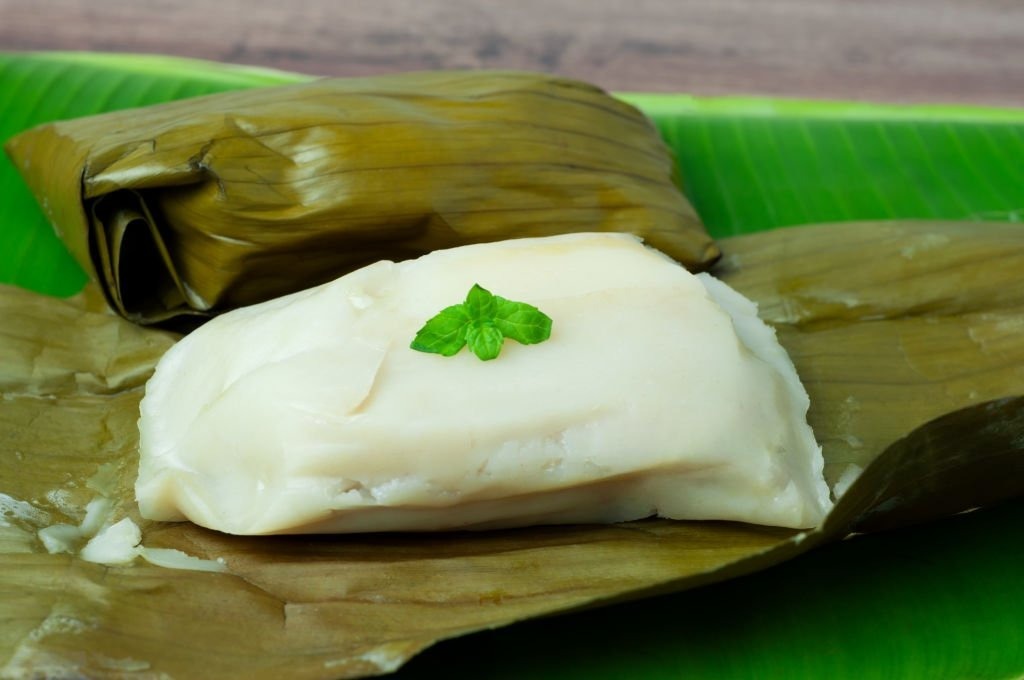
Picture
9
Video
No record
Today's Visitor
26
Number of Visitors
845
Introduction and history
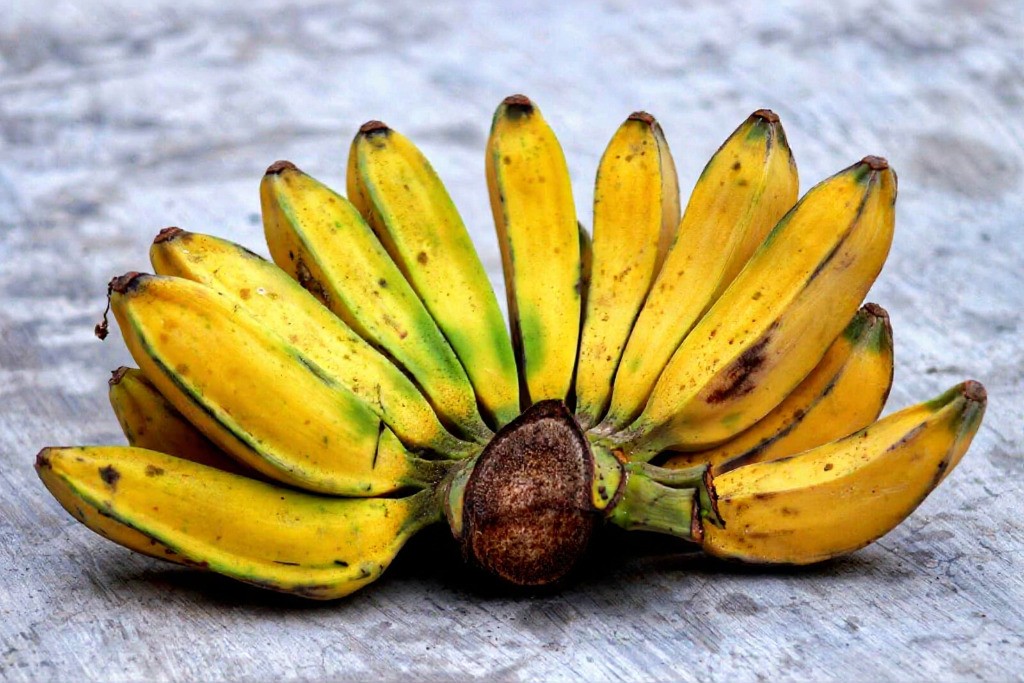
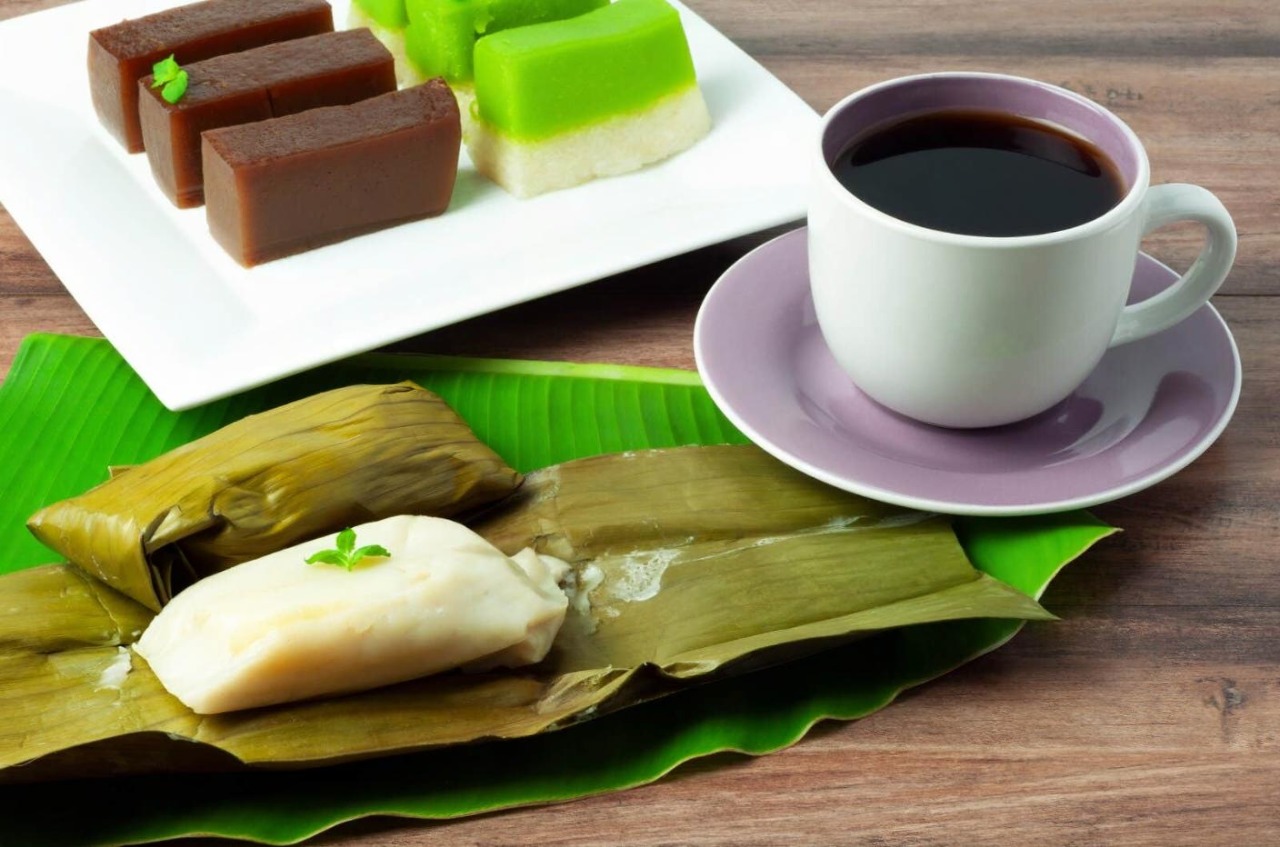
Lepat Pisang is one of the most well-known traditional Malay delicacies, particularly in the state of Kedah. This delicacy is made from ripe Pisang Nipah (also known as Pisang Kepok in certain places), which is mashed and mixed with flour, grated coconut, and sugar before being wrapped in banana leaves and steamed until fully cooked. The unique aroma of the banana leaves that permeates the mixture gives Lepat Pisang its distinctive fragrance, making it highly popular among the local community. It is commonly enjoyed for breakfast, afternoon tea, or as a festive treat during communal feasts.
The history of Lepat Pisang in Kedah is closely related to the lifestyle of rural communities that depended on crops grown around their homes. Bananas, which were readily available in village surroundings, were not only consumed fresh but also processed into a variety of dishes such as pengat pisang (bananas cooked in coconut milk), cekodok (banana fritters), and lepat (steamed banana parcels). From this creativity emerged Lepat Pisang, which became one of the staple traditional delicacies in Kedah. This delicacy enriched the diversity of banana-based and despite its simple ingredients, it remains rich in taste and cultural heritage.
Lepat Pisang is not merely a daily snack but also plays an important role in the social and cultural life of the Kedah community. Firstly, it serves as a simple yet nutritious everyday food. Bananas, which form the main ingredient, provide natural energy, while flour and grated coconut add a creamy sweetness that makes it suitable for breakfast or afternoon tea. For this reason, Lepat Pisang is regarded as a convenient, affordable, and filling food.
In addition, Lepat Pisang holds a special place as a traditional delicacy in various communal gatherings. During kenduri (communal feasts), thanksgiving ceremonies, and weddings, this kuih is often served alongside other traditional Malay delicacies. Its presence symbolizes the community’s attachment to local culinary heritage that has been passed down through generations. Furthermore, Lepat Pisang is frequently prepared as a gift or buah tangan when visiting neighbors, reflecting values of hospitality and the spirit of sharing within the Malay community of Kedah.
From an economic perspective, Lepat Pisang also contributes as a source of supplementary income for the local people. Many night market vendors and traditional food stalls consider Lepat Pisang one of their main offerings due to its consistent demand. This becomes especially evident during the month of Ramadan, when Lepat Pisang is a popular choice at Ramadan bazaar as part of the iftar meal. Its soft texture and sweet taste make it an ideal dish to break the fast, leading to high sales. This demonstrates that traditional foods are not only significant in terms of cultural heritage but also have the potential to generate added economic value, particularly through seasonal demand.
-
The preparation of Lepat Pisang requires a combination of basic ingredients that are easily available. Each component plays an important role in determining the taste, texture, and aroma of these delicacies. The following are the ingredients commonly used in the traditional Kedah recipe:
Main Ingredients:
2 cups of ripe bananas, mashed
1/4 cup white sugar
1 piece of gula Melaka or nisan (traditional palm sugar disc)
1 cup wheat flour
3 tablespoons rice flour
1/4 cup freshly grated young coconut
1 teaspoon salt
Wrapping Material:
Banana leaves, softened over heat (used for wrapping the mixture before steaming)
The preparation of Lepat Pisang requires careful attention to achieve the right flavor and texture. The detailed steps are as follows:
Step 1: Preparing the steamer
Heat the steamer with sufficient water.
Ensure the lid is tightly closed so that steam builds up properly.
Step 2: Preparing the gula Melaka
Grate the gula Melaka or nisan finely so it mixes evenly into the batter.
If grating is not possible, pound it until finely crumbled.
Step 3: Making the batter
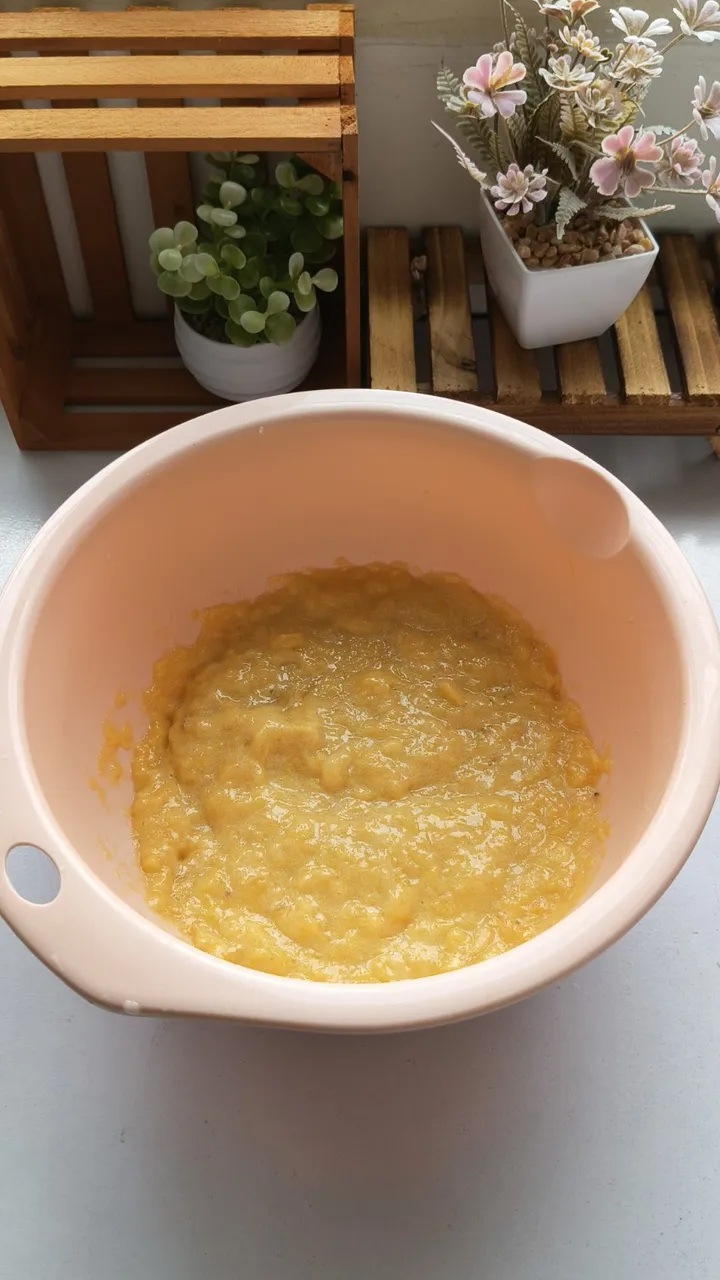
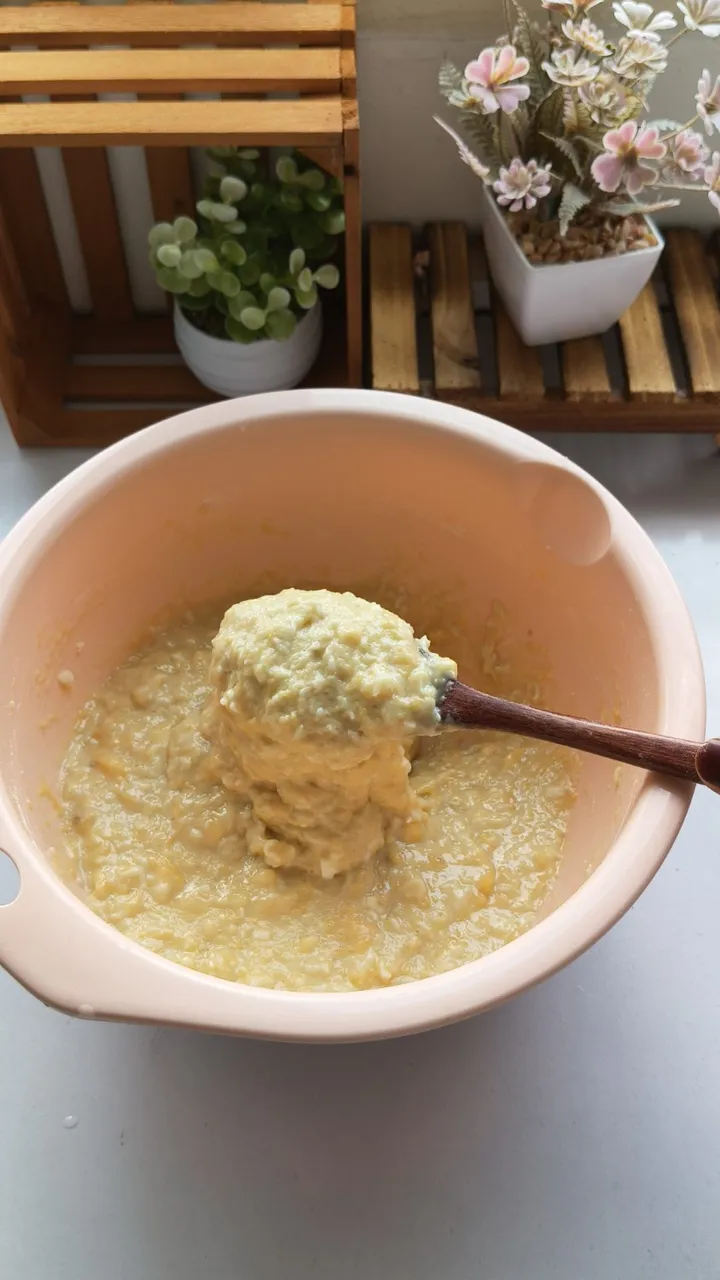
Mash the ripe bananas until smooth in a large bowl.
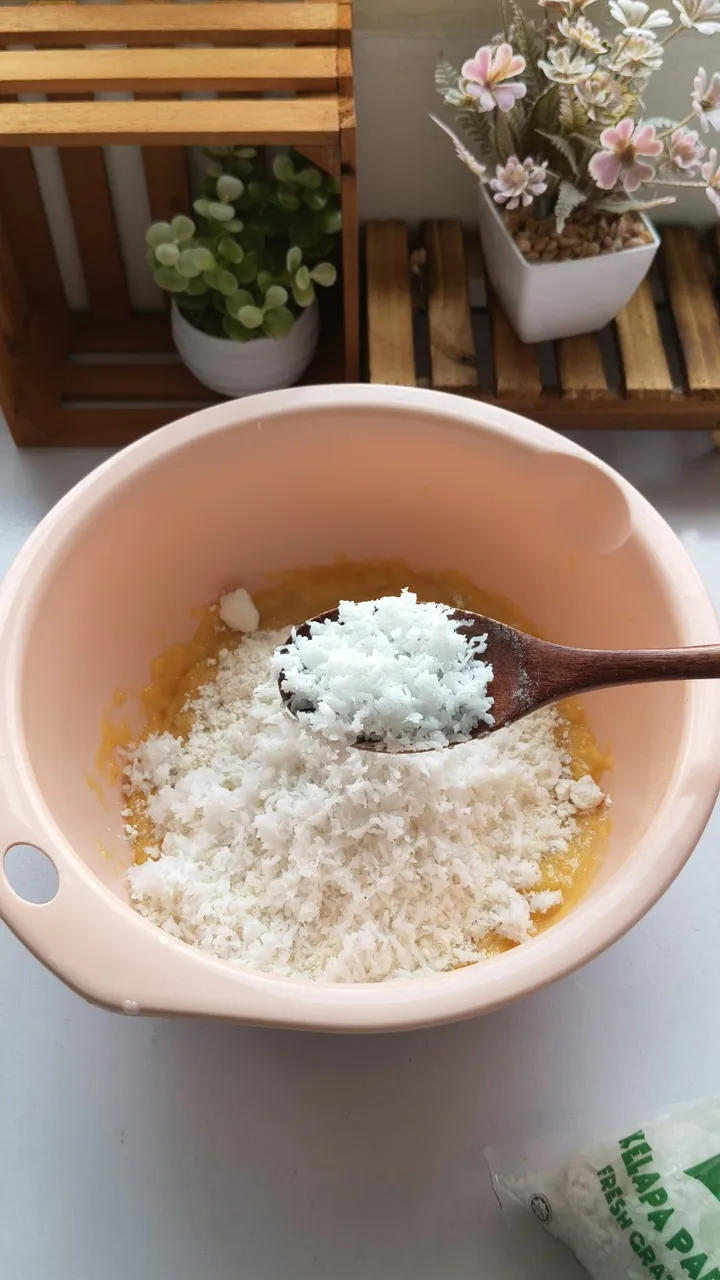
Add white sugar, grated gula Melaka, wheat flour, rice flour, grated coconut, and a pinch of salt.
Mix thoroughly until all ingredients form a smooth batter.
Let the batter rest for 5–10 minutes.
Step 4: Preparing the banana leaves
Clean the banana leaves with a damp cloth.
Lightly wilt them over low flame until soft and pliable to prevent tearing during wrapping.
Cut the leaves into pieces about 15–18 cm wide (approximately the width of a palm).
Step 5: Wrapping the batter
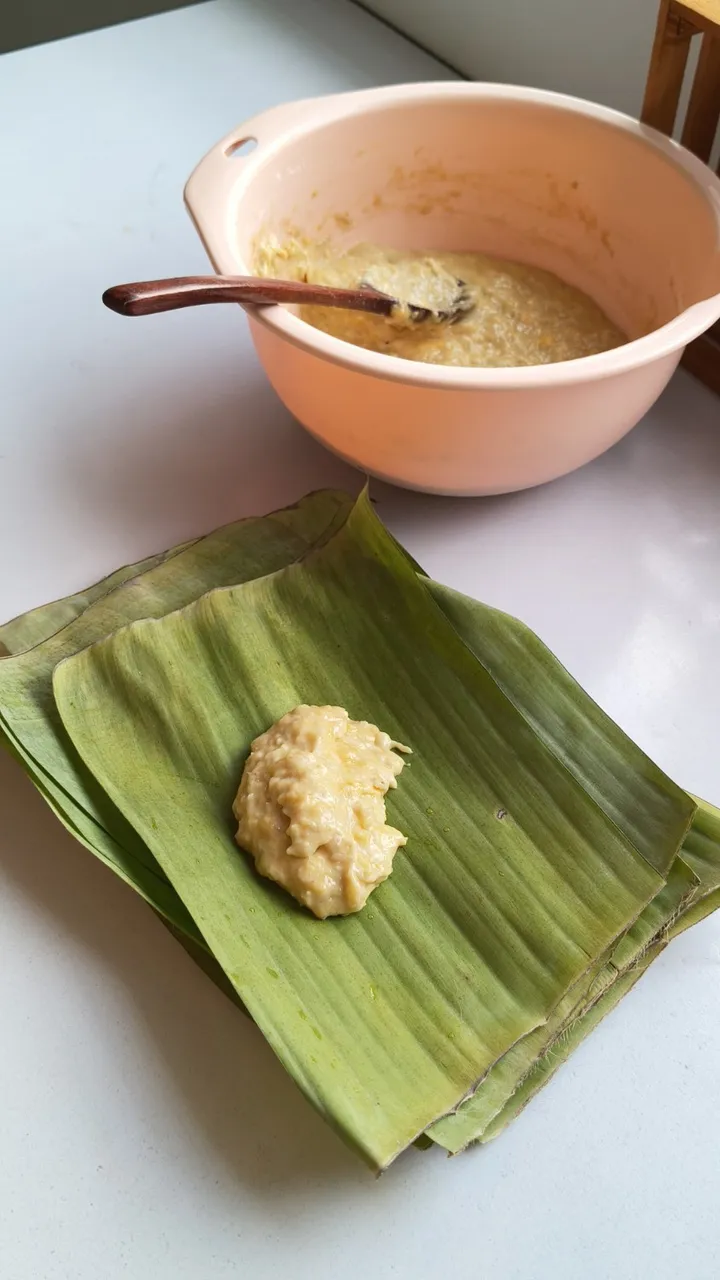
Place about three tablespoons of batter in the center of a piece of banana leaf.
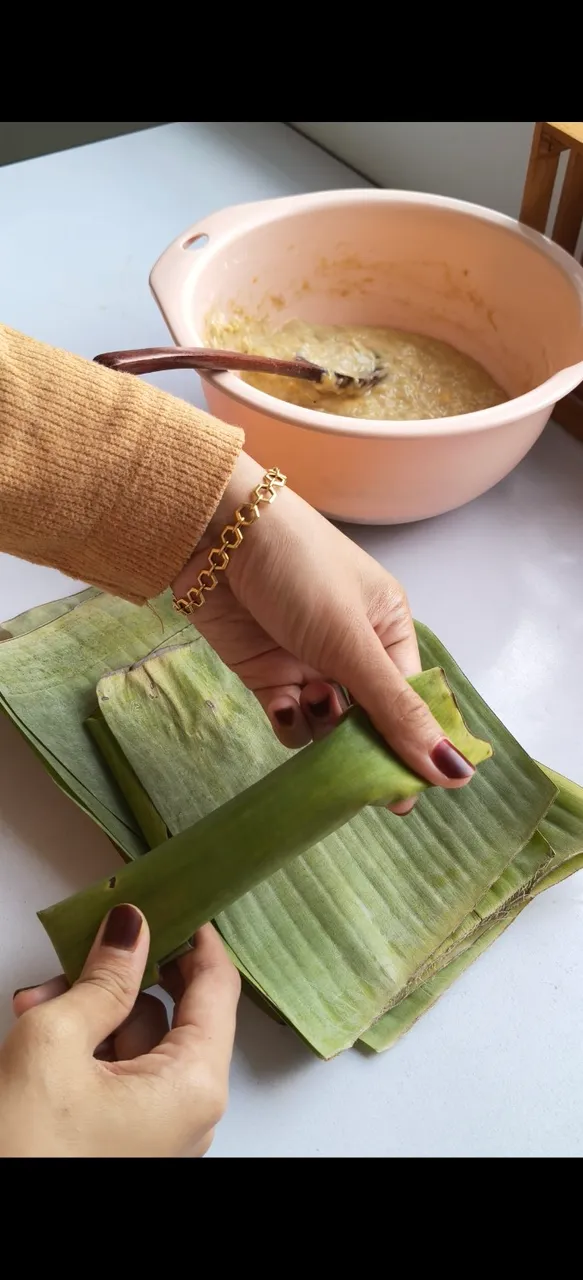
Fold both sides of the leaf inward to cover the batter.
Fold the two ends neatly and stand the parcel so that the folds are at the bottom.
Repeat until all the batter is used up.
Step 6: Steaming the Lepat Pisang
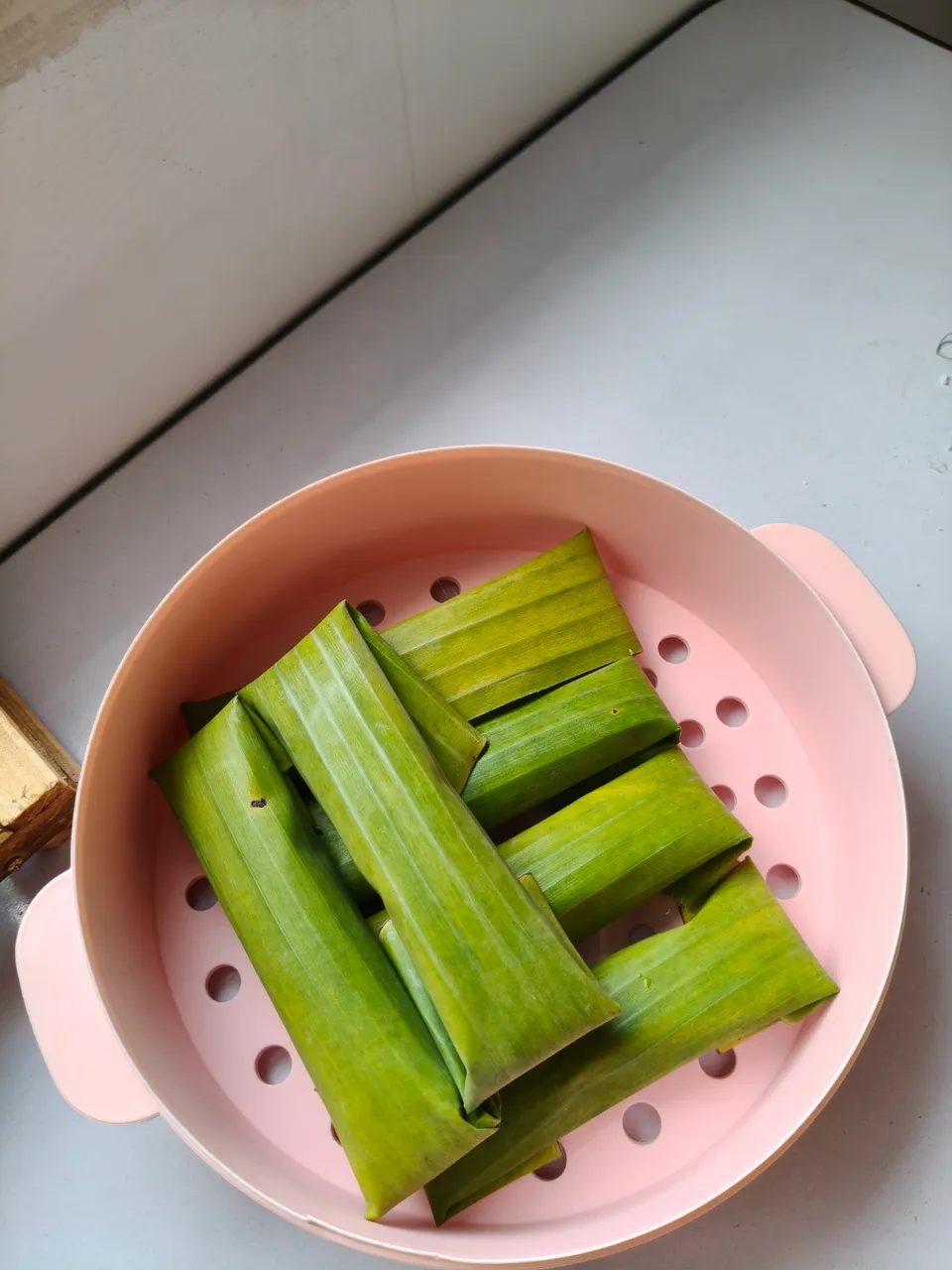
Arrange the wrapped Lepat Pisang neatly in the steamer tray.
Steam for 20–25 minutes over medium heat.
Ensure there is enough water in the steamer, adding more if necessary.
Step 7: Serving
Once cooked, remove the Lepat Pisang from the steamer and allow to cool slightly.
Serve warm; it is best enjoyed with hot tea or coffee.
-
Reference Source
Bahan Bacaan
Cookpad. (n.d.). Resepi Lepat Pisang. Cookpad. Retrieved August 23, 2025, from https://cookpad.com/my/recipes/24875789?ref=search&search_term=LEPAT+PISANG
Che Nom. (n.d.). Resepi Lepat Pisang Istimewa. Resepi Che Nom. Retrieved August 23, 2025, from https://resepichenom.com/resepi/lepat-pisang-istimewa
Ibrahim, F., & Jamaluddin, R. (2007, May). The Malay traditional leafen art food packaging. In The 5th Tourism Educators’ Conference on Tourism and Hospitality. Penang: Universiti Sains Malaysia.
Location
State JKKN Contact Information
Encik Mohammad Salleh bin Mahmud
Cultural Officer
Jabatan Kebudayaan dan Kesenian Negara, Kedah
Kompleks JKKN Kedah
Lot PTD 400, Pumpong
05250 Alor Setar
KEDAH DARUL AMAN
011-10899646
Use the form below to contact the Informant/Figure/Editor/Researcher directly. We will respond to your inquiry as soon as possible!


