

ARTS AND CULTURE INFORMATION GATEWAY
Immerse yourself in the colorful world of art and culture! From traditional heritage to contemporary works, discover uniqueness that reflects the nation's identity and identity
TONSOM/NONSOM BAMBANGAN
 Kam Kam Riverside Joyful Garden, Kampung Bongkud, 89300 Ranau, Sabah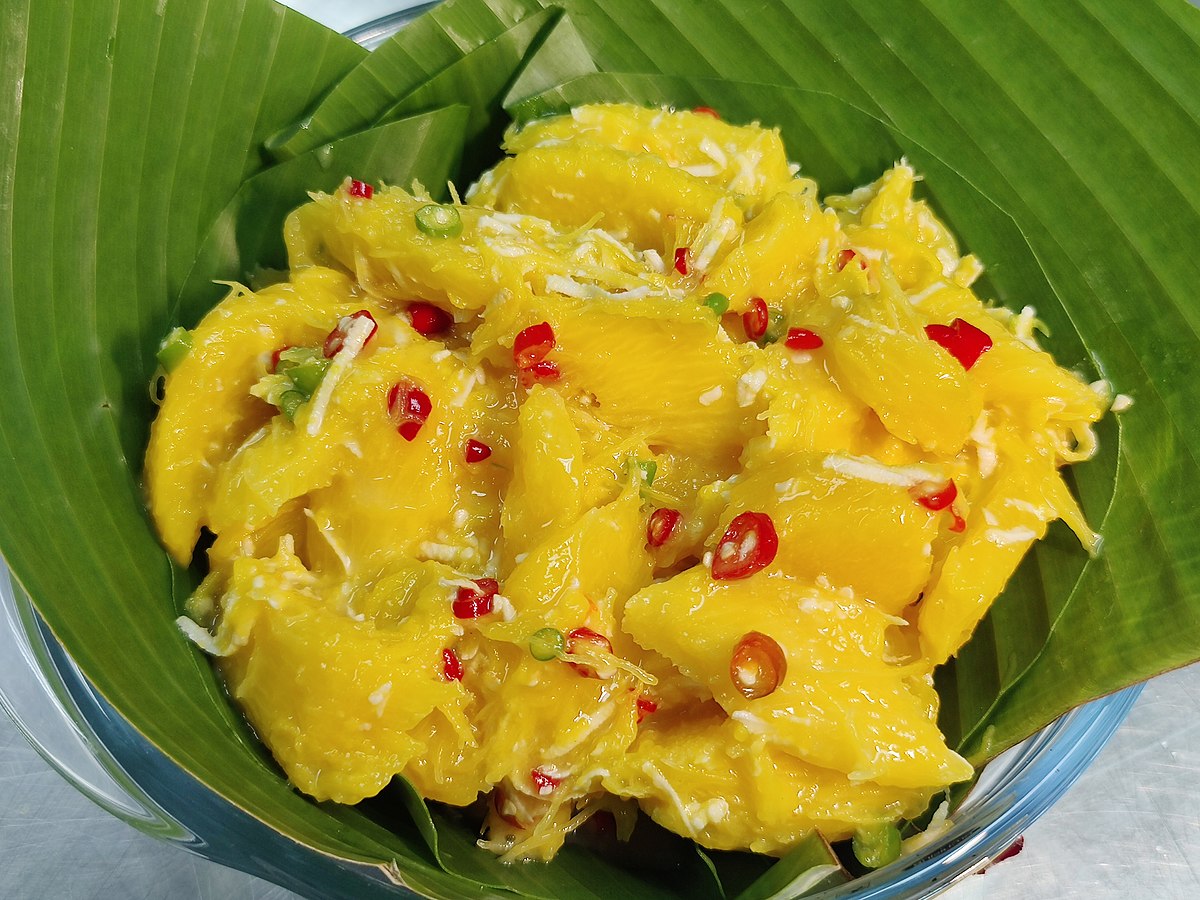
Picture
4
Video
No record
Today's Visitor
29
Number of Visitors
1029
Introduction and history
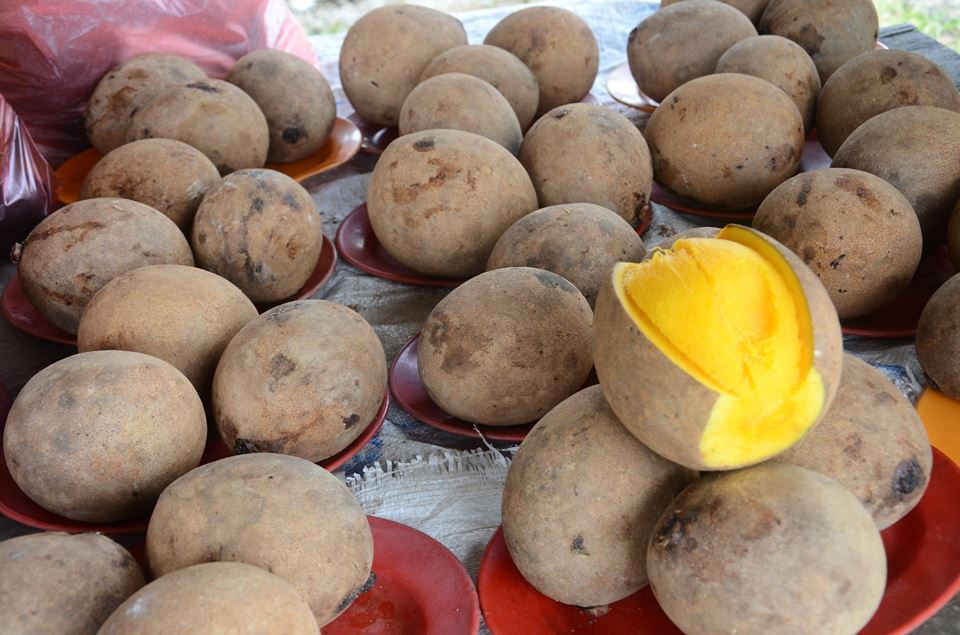
Tonsom Bambangan, also known as Nonsom Bambangan, is one of the iconic traditional dishes of the Kadazandusun community in Sabah, Malaysia. It is made using the bambangan fruit, scientifically known as Mangifera pajang, a type of wild mango from the same family as the common mango and kuini. Compared to regular mangoes, bambangan has a distinctly sour flavour and a strong, unique aroma. The fruit is characterised by its thick skin, fibrous texture, and rich nutritional content, including vitamin C, antioxidants, and dietary fibre that support digestive health and boost the immune system.
The term “tonsom” or “nonsom” is derived from the Kadazandusun language and refers to the process of fermentation or pickling, a traditional method of preserving food using natural ingredients such as salt. As such, Tonsom Bambangan falls within the category of fermented culinary heritage, with the primary purpose of extending the shelf life of the fruit so it can be consumed over a longer period. This practice reflects the traditional lifestyle of the Kadazandusun people, who placed great importance on preserving food, especially during times when access to fresh produce was limited.
This technique has been passed down through generations, particularly among rural communities in Sabah, long before the advent of modern refrigeration. The enduring use of this method in cooking demonstrates the wisdom and adaptability of local communities in utilising forest resources to create food that is not only nutritious and practical but also well-suited to their natural environment.
Tonsom Bambangan is typically served as a side dish or appetizer, enjoyed with rice, sambal, or fried fish. Its sour and spicy flavour stimulates the appetite, making it a popular choice in the daily meals of local communities. More than just a dish, Tonsom Bambangan plays a significant role in preserving the culinary heritage of the Kadazandusun people. It is often featured during traditional ceremonies such as Pesta Kaamatan (Harvest Festival), family gatherings, and communal feasts, symbolising prosperity, simplicity, and ethnic identity.
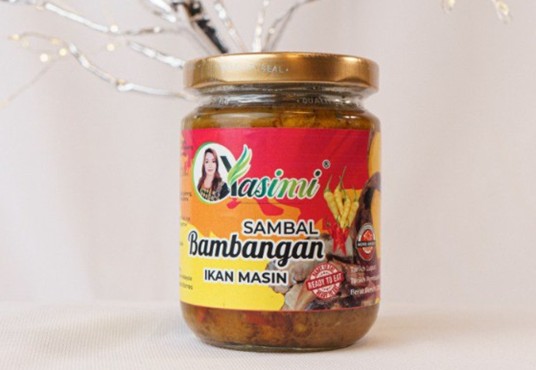
From a commercial perspective, Tonsom Bambangan has evolved into a value-added food product, sold in small batches at farmers' markets, traditional food stalls, and cultural festivals throughout Sabah. Some local entrepreneurs have begun bottling and packaging the dish in modern formats for retail, making it more accessible and marketable as an ethnic heritage product to tourists and consumers beyond local communities. This initiative not only provides economic opportunities for local producers but also helps promote Sabahan traditional cuisine to a wider audience, thus contributing to the sustainability and preservation of the Kadazandusun's culinary legacy in contemporary times.
Basic Ingredients for Pickled Bambangan:
3 bambangan fruits – Use both the flesh and the seed (the seed should be finely grated) for the fermentation process.
1 tablespoon coarse salt – Used to pickle the flesh and grated seed.
An airtight container – To store the mixture during the fermentation process (3–5 days).
Additional Ingredients for Tonsom (after pickling):
2–3 shallots – Sliced thinly to enhance aroma and flavor.
10–13 bird’s eye chillies – Sliced or pounded (can be substituted with larger chillies if a milder taste is preferred).
Lime juice or calamansi juice – Adds a fresh sour taste.
A pinch of sugar (optional) – To balance the flavour if the dish is too sour or spicy.
Coriander or torch ginger flower (optional) – For additional herbal aroma.
2–3 shallots – Sliced thinly to enhance aroma and flavor.
10–13 bird’s eye chillies – Sliced or pounded (can be substituted with larger chillies if a milder taste is preferred).
Lime juice or calamansi juice – Adds a fresh sour taste.
A pinch of sugar (optional) – To balance the flavour if the dish is too sour or spicy.
Coriander or torch ginger flower (optional) – For additional herbal aroma.
-
Preparation Method for Pickled Bambangan:
Peel the bambangan fruit and rinse thoroughly. Then, cut the flesh into small cubes.
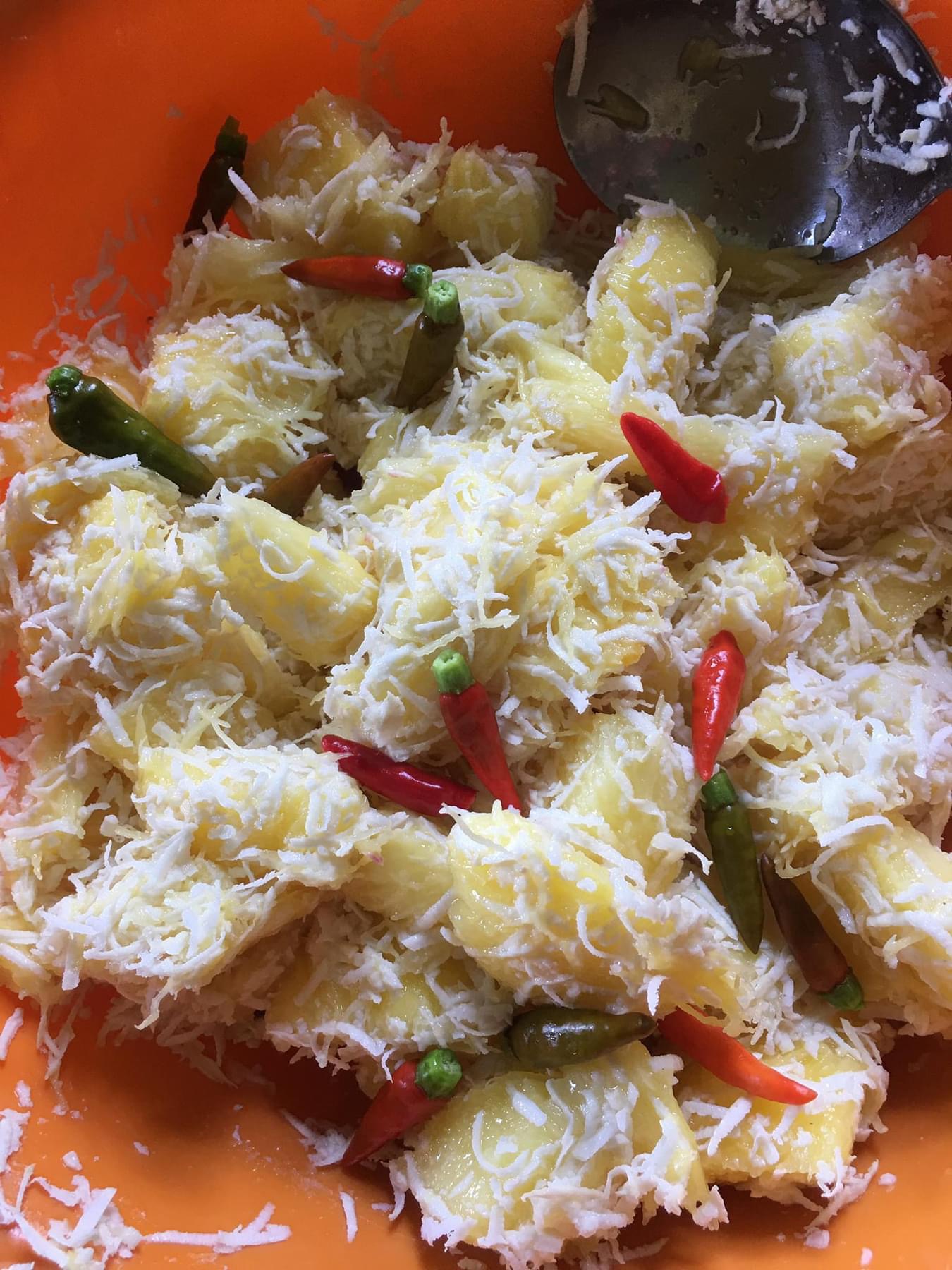
Split the seed and peel off the yellowish-white membrane. Grate the soft inner core until fine.
Mix the cubed bambangan flesh with the grated seed and add coarse salt to taste.
For added variation, you may include sliced shallots and bird’s eye chillies according to your preference.
Mix all ingredients thoroughly and transfer to an airtight container. Allow it to ferment at room temperature for about one week before serving.
Serve Tonsom Bambangan with steamed rice, or for a more flavourful experience, enjoy it with sambal belacan.
-
Reference Source
Bahan Bacaan
Obsidian Soul. (2010, October 16). Nonsom Bambangan [Photograph]. Wikimedia Commons. https://commons.wikimedia.org/wiki/File:Nonsom_Bambangan.jpg
Mohd Izham Unnip Abdullah. (2016, Jun 5). Rawat kanser galak petani tanam bambangan. Berita Harian. https://www.bharian.com.my/bhplus-old/2016/06/159866/rawat-kanser-galak-petani-tanam-bambanganJahurul, M., Zaidul, I., Beh, L., Sharifudin, Siddiquee, S., Hasmadi, M., Sahena, F., Mansoor, A., Lee, J., & Jinap, S. (2018). Valuable components of bambangan fruit (Mangifera pajang) and its co-products: A review. Food Research International, 115, 105–115. https://doi.org/10.1016/j.foodres.2018.08.017Lin, J., Liu, S., Hu, C., Shyu, Y., Hsu, C., & Yang, D. (2015). Effects of roasting temperature and duration on fatty acid composition, phenolic composition, Maillard reaction degree and antioxidant attribute of almond (Prunus dulcis) kernel. Food Chemistry, 190, 520–528. https://doi.org/10.1016/j.foodchem.2015.06.004
Informan
Alice Kinsui. 69 Tahun. Kampung Bongkud, Ranau, Sabah. 6 Oktober 2024.
Stella Jonnes. 34 Tahun. Kampung Bongkud, Ranau, Sabah. 6 Oktober 2024.
Location
State JKKN Contact Information
Puan Nurshahrinna Syahrial
Cultural Officer
Jabatan Kebudayaan dan Kesenian Negara, Sabah
Kompleks JKKN Sabah,
Jalan Tasik off KM4 Jalan Penampang,
88200 Kota Kinabalu
SABAH
088-205070
Use the form below to contact the Informant/Figure/Editor/Researcher directly. We will respond to your inquiry as soon as possible!


