

ARTS AND CULTURE INFORMATION GATEWAY
Immerse yourself in the colorful world of art and culture! From traditional heritage to contemporary works, discover uniqueness that reflects the nation's identity and identity
 Fakulti Muzik dan Seni Persembahan, Universiti Pendidikan Sultan Idris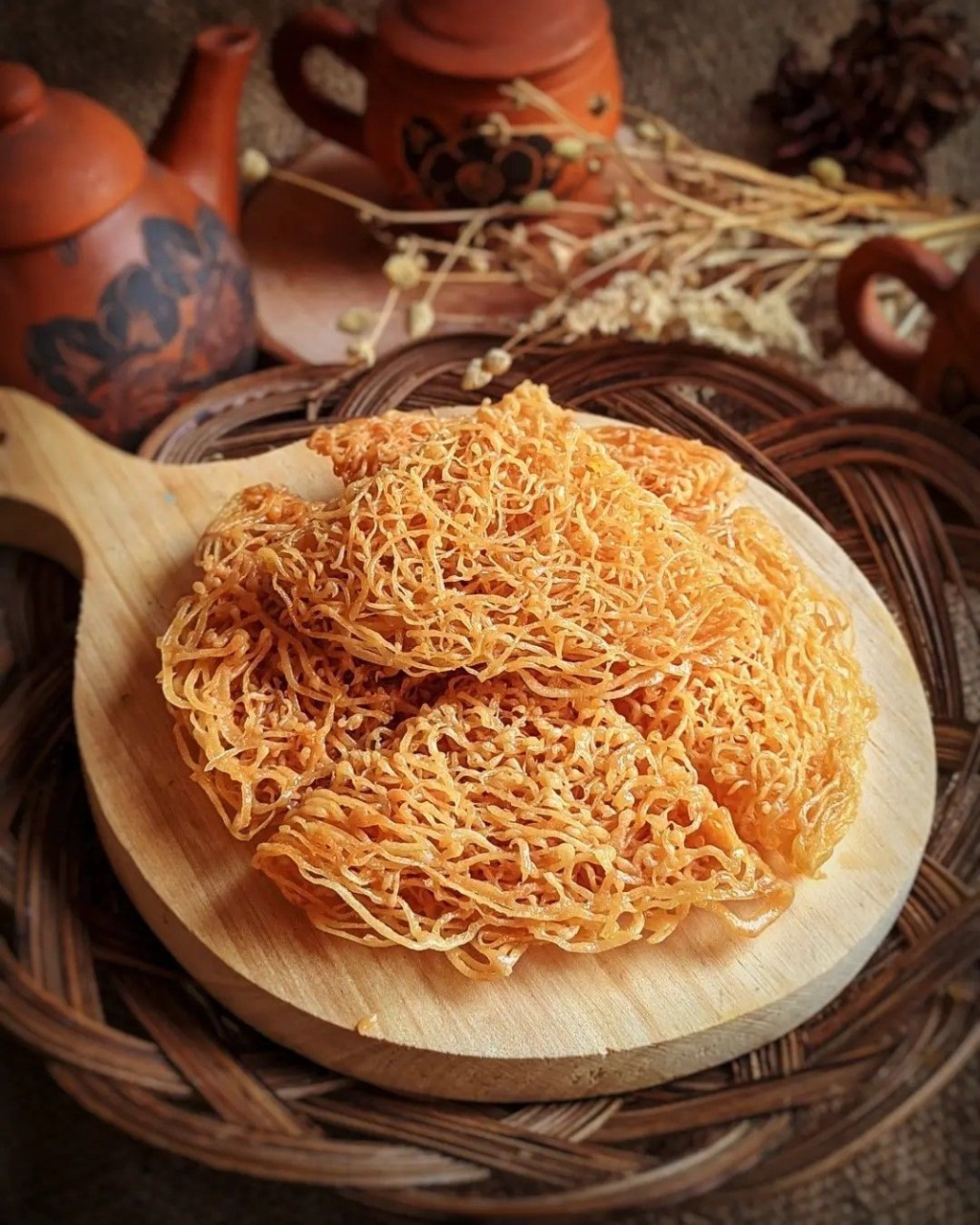
Picture
7
Video
No record
Today's Visitor
51
Number of Visitors
753
Introduction and history
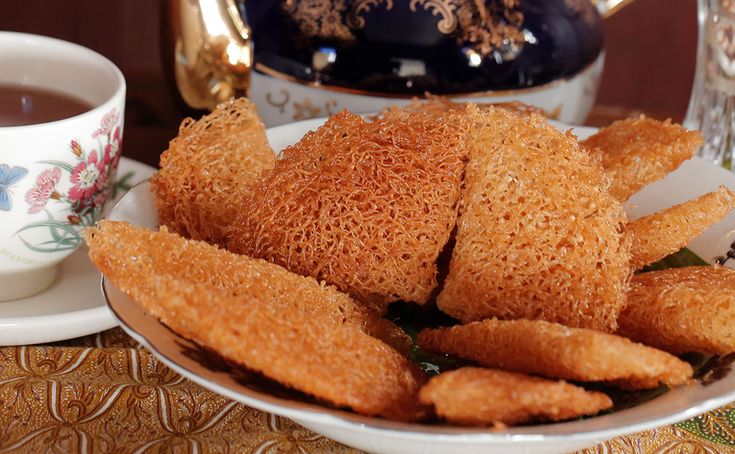
Kuih Karas is one of the traditional culinary heritages that shape the cultural identity of the Malay community in northern Peninsular Malaysia, particularly in the state of Perlis. Its uniqueness lies in its delicate, lace-like structure resembling a fine web, and its light, crispy texture. Although it is made using only basic ingredients such as rice flour, sugar, and water, its preparation requires skilled hands and techniques passed down through generations—making it not merely food, but a form of culinary art.
Historically, Kuih Karas is believed to have been influenced by South Indian cuisine, which features net-like sweets such as Achappam and Jalebi. However, the local community has successfully adapted these techniques to suit local tastes and ingredients, creating a distinctive culinary identity for Kuih Karas in Perlis. It is commonly prepared during festive seasons such as Hari Raya Aidilfitri and traditional feasts (kenduri), and it is also a popular teatime snack that evokes fond memories of the past.
In earlier times, the making of Kuih Karas was often a communal activity among village housewives, reflecting the strong spirit of cooperation and togetherness within rural communities. Today, Kuih Karas continues to thrive as a cherished heritage. While its preparation has been simplified through the use of modern tools and methods, its authentic taste and signature appearance remain intact. The kuih also continues to hold a place in the hearts of many, as it remains widely available in traditional snack shops and is increasingly accessible through online platforms. This fusion of tradition and innovation demonstrates that Kuih Karas is not just a snack, but a living symbol of cultural legacy in the modern era.
Kuih Karas serves as a traditional snack commonly enjoyed during afternoon tea among communities in the northern region of Peninsular Malaysia, particularly in the state of Perlis. Its mildly sweet taste and crisp texture make it a popular choice to accompany a cup of tea or hot coffee.
Beyond its role as a casual treat at home, Kuih Karas is also frequently served as a gift or side offering when receiving guests. This is because its function as a snack extends beyond mere leisure, it is often presented at various traditional gatherings such as funeral feasts (kenduri arwah), thanksgiving ceremonies (kenduri kesyukuran), weddings, and Hari Raya Aidilfitri celebrations.
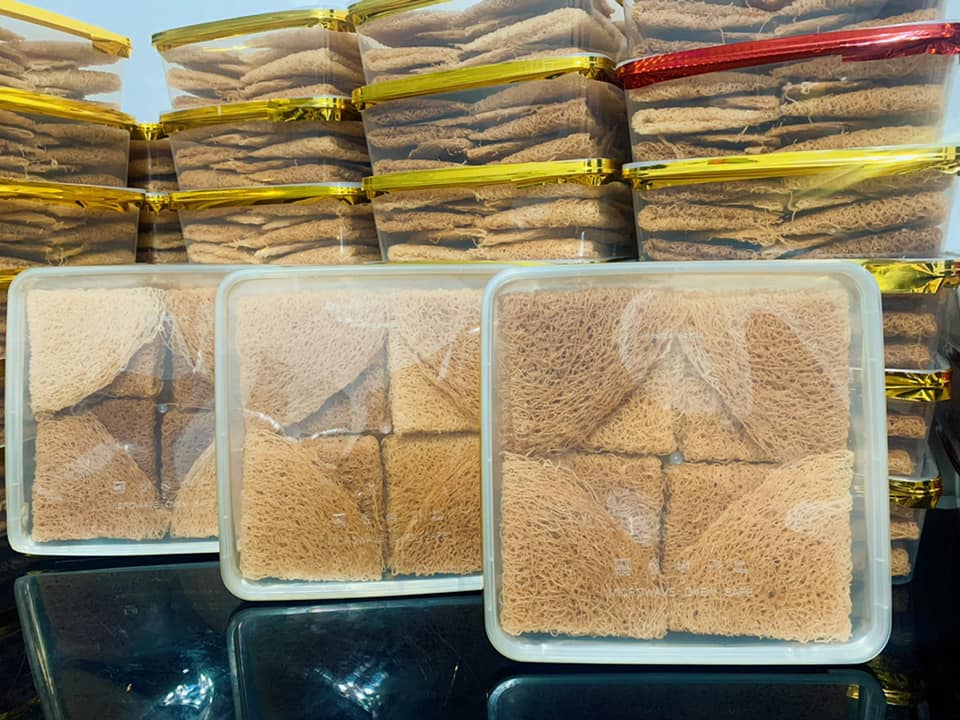
In a modern context, Kuih Karas remains relevant as a preservative-free, traditional alternative to contemporary snacks. It is increasingly gaining traction in the market as a heritage-based product suitable for all age groups. This highlights that despite its simple ingredients and appearance, Kuih Karas holds a significant role as a cultural delicacy that continues to thrive in the daily lives of the community.
-
Here is the complete list of ingredients for making traditional Kuih Karas, with estimated quantities suitable for one batch (yields approximately 40 to 50 medium-sized pieces):
1 Kg Rice flour
600 grams of Granulated sugar
1.2 litres of water
1 teaspoon Fine salt
Cooking oil – Sufficient amount for deep frying
The following are the methods or steps to prepare Kuih Karas:
Step 1: Preparing the Ingredients
Measure and prepare all the ingredients: rice flour, granulated sugar, clean water, and a pinch of salt. Ensure all ingredients are clean and dry.
Step 2: Making the Batter
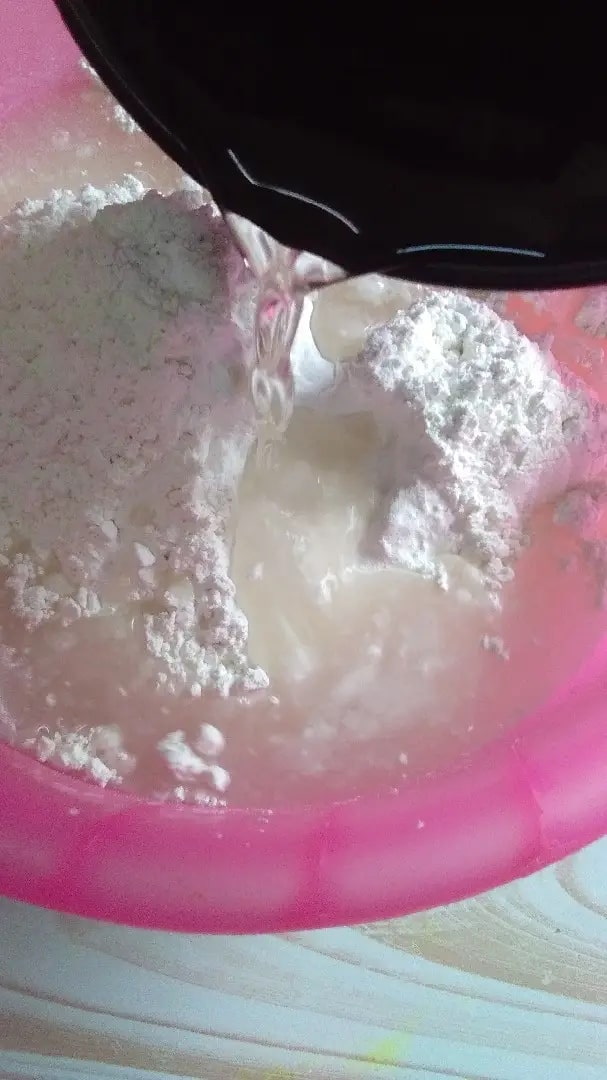
Place the rice flour and sugar into a large mixing bowl and stir to combine. Gradually add water while mixing until a smooth, thin batter is formed with no lumps. If necessary, strain the batter to achieve a finer texture.
Step 3: Heating the Oil
Heat a sufficient amount of cooking oil in a flat or regular frying pan over medium heat. Ensure the oil is deep enough to allow the batter to float and cook evenly.
Step 4: Frying with a Special Mould
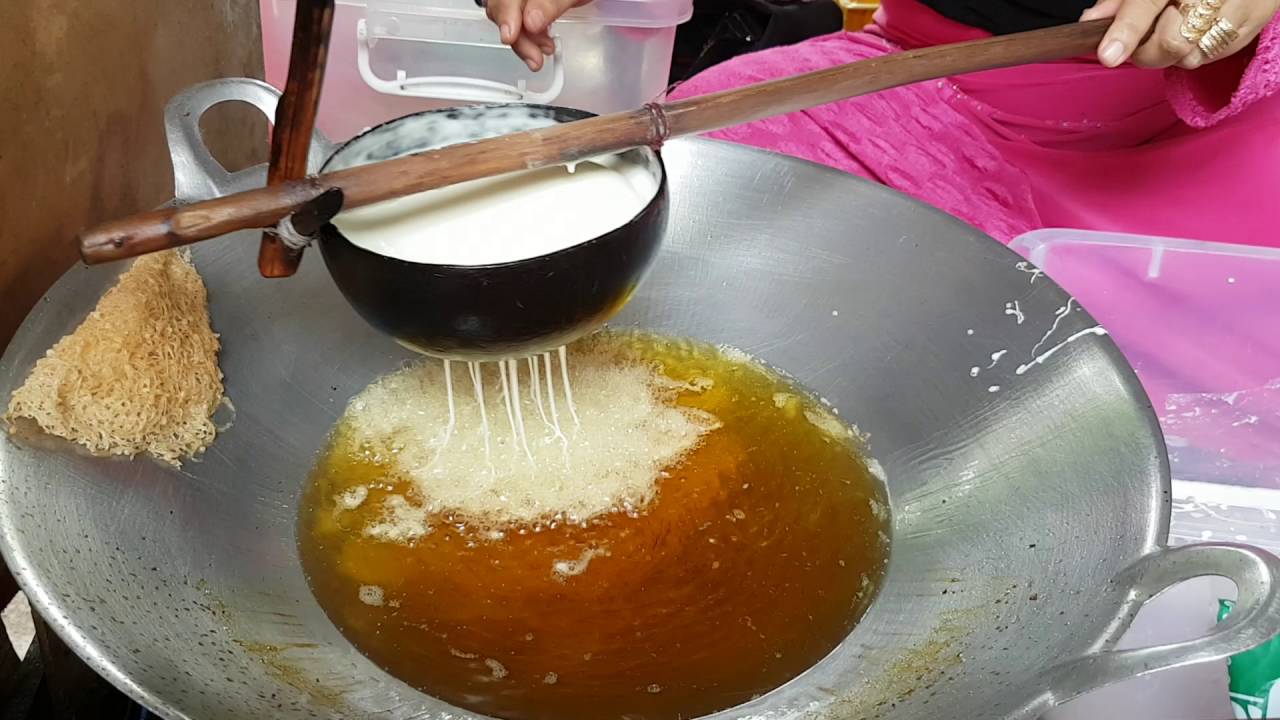
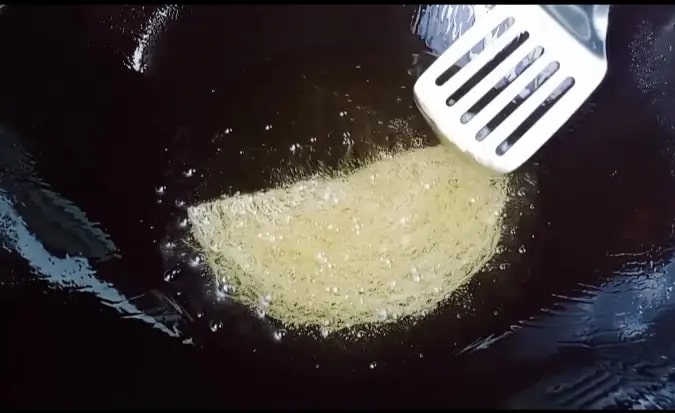
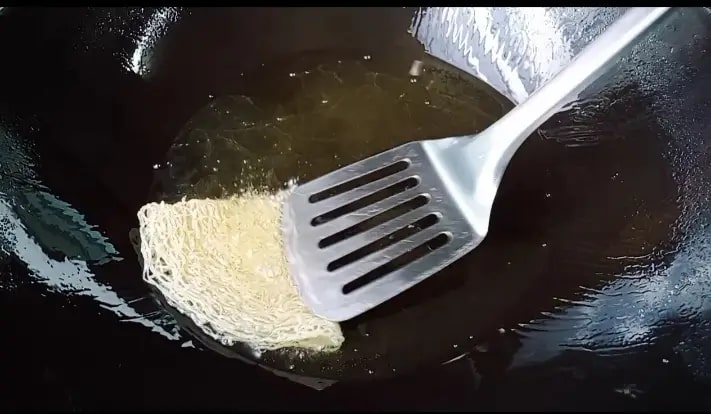
Pour the batter into a special Kuih Karas mould. Hold the mould over the hot oil and swing it in a circular motion so the batter falls and forms a fine lace-like pattern. Fry until golden brown and crispy.
Step 5: Removing and Folding
Once cooked, remove the Kuih Karas and drain the excess oil. While still hot and pliable, fold the kuih into a triangle shape or roll it, depending on preference. Folding should be done immediately before the kuih hardens.
Step 6: Ready to Serve
Allow the kuih to cool completely before storing in an airtight container. Kuih Karas is now ready to be served as a crispy treat, perfect with a cup of hot tea or coffee.
-
Reference Source
Bahan Bacaan
Ahmad Nazri, N. Z., Zarifah Zamri, A. N., & Abd Razak, A. A. (2023). Klasik De'Karas.
Hasan, H., Abd Aziz, M. K. N., Ahmad, J., & Noor, M. N. M. (2024). Mencari jati diri makanan Melayu Perlis: Suatu catatan awal. Asian Journal of Environment, History and Heritage, 8(Special Issues).
Yusoff, Y. M., Mukhtar, D., & Hayat, N. (2023). Going with mother's wish: A decision to become an entrepreneur in Kelantan. International Journal of Entrepreneurship Case Study (IJECS), 2(2), 1–7.
Friedchillies. (n.d.). Kuih Karas. FriedChillies. https://friedchillies.com/what-to-cook/malay-what-to-cook/kuih-karas/
IkanMas.in. (n.d.). Kuih Karas Kedah. https://ikanmas.in/malaysian-food/kuih-karas-kedah/
Munch Malaysia. (n.d.). Kuih Karas: Crispy to the point of chewing. https://munchmalaysia.com/malaysian-food/kuih-karas-crispy-to-the-point-of-chewing/
ResepMamiku. (n.d.). Kue Jala Wawawiati. https://resepmamiku.com/kue-jala-wawawiati
Location
State JKKN Contact Information
Siti Rohayu binti Muhamad
Cultural Officer
Jabatan Kebudayaan dan Kesenian Negara, Perlis
Kompleks JKKN Perlis
Persiaran Wawasan Kangar
01000 Kangar
PERLIS
019-504 0015
Use the form below to contact the Informant/Figure/Editor/Researcher directly. We will respond to your inquiry as soon as possible!


