

ARTS AND CULTURE INFORMATION GATEWAY
Immerse yourself in the colorful world of art and culture! From traditional heritage to contemporary works, discover uniqueness that reflects the nation's identity and identity
 Kompleks JKKN Melaka, Lebuh Ayer Keroh, Hang Tuah Jaya, 75450, Melaka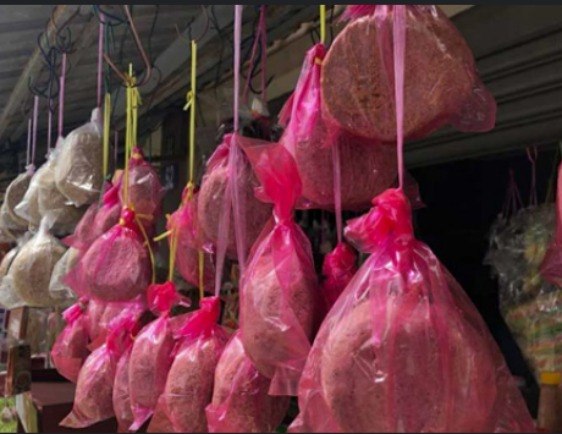
Picture
1
Video
No record
Today's Visitor
8
Number of Visitors
630
Introduction and history
- Melaka's belacan has a very high reputation and is often considered one of the best in Malaysia. It has become a major tourist attraction, with over 16 stalls selling this product along the road from Klebang Besar to Tanjung Kling, and it is often bought as a souvenir. This premium quality is closely linked to Melaka's history as a maritime center and the supply of fresh udang geragau (krill) from the Straits of Malacca, which gives its original color a paler hue compared to other belacan.
- Its production process is very meticulous and passed down through generations. Fresh geragau caught with special nets are cleaned of impurities like sand or stones. They are then mixed with fine salt and sun-dried until semi-dry. This semi-dry krill is then ground or pounded (some add a little water) until partially broken down. A significant number of traditional belacan producers have been forced to cease their operations due to economic pressures, while also facing intense competition from commercial belacan manufacturers in securing supplies of krill (udang geragau).
- It was then placed in a cloth and compacted into a barrel or container, then pressed with a heavyweight. It is then fermented for a week to start the fermentation process. This process of drying, grinding, compacting, and fermenting is repeated multiple times. This repetition is what produces a finer texture and builds a complex 'umami' flavor.
- When the producer is satisfied with its fineness, the belacan is formed into blocks, sun-dried once more until it is completely dry, hard, and its color has turned a deep reddish-brown. This entire process can take between three to eight weeks.
- In the kitchens of the Melaka community, belacan is an unparalleled component and is considered the 'soul' of the cuisine. Its most classic primary function is as the core ingredient for sambal belacan. A piece of belacan is toasted or roasted first to awaken its aroma, before being pounded until fine with chilies, a squeeze of calamansi lime, and a little sugar. This sambal becomes the mandatory dipping sauce for ulam (fresh vegetables), a complement to dishes like laksa, or as the main flavoring in dishes like kangkung goreng belacan (water spinach stir-fried with belacan).
- Furthermore, it is an important flavor base in most of Melaka's heritage gravies and dishes. It is the secret ingredient that provides depth of flavor in dishes like Laksa Melaka, Asam Pedas, and even Nyonya Sayur Chap Chye. For culinary enthusiasts, 'Belacan Melaka' itself has become a benchmark of quality, representing a sharper, purer aroma and a dense texture.
-
Fresh udang geragau (krill)
Fine salt
Water
The process of making Belacan Melaka is complex, time-consuming, and involves repetitive steps to build texture and flavor. It can take between three to eight weeks
Fermentation Process
Cleaning: Freshly caught udang geragau (krill) are cleaned thoroughly to remove all impurities such as dirt, sand, or stones.
Salting and First Drying: The clean krill is mixed evenly with fine salt. It is then sun-dried until semi-dry.
First Grinding/Pounding: The semi-dry salted krill is ground (using a traditional grinder) or pounded until partially broken down.
Compacting and First Fermentation: The ground mixture is placed in a cloth, then put into a container or barrel. It is pressed with a heavyweight to compact it and fermented for about a week in a suitable place. This begins the fermentation process.
Repetitive Process
The steps of drying, grinding, compacting, and fermenting are repeated several times. This repetition is crucial for obtaining a finer, more appealing belacan with a deeper flavor.
Shaping and Final Drying: Once the producer is satisfied with the fineness of the belacan, it will be shaped (usually into blocks or chunks).
Final Drying: These belacan blocks are sun-dried once more until they are somewhat dry, hard, and ready to be packaged, labeled, and marketed.
-
Reference Source
Bahan Bacaan
A. M. (2024, Mac 11). Belacan Melaka masih popular. Melaka Hari Ini. https://www.melakahariini.my/belacan-melaka-masih-popular/
Visit Melaka. (n.d.). Cencaluk & Belacan. Diakses pada 1 November 2025, daripada https://visitmelaka.com.my/index.php/lifestyles/food/103-cencaluk-belacan
Informan
M.A.S Rizzal Enterprise (Belacan Warisan Klebang). 57, Jalan Klebang Besar, 75200 Melaka. (+60 12-638 3600)
Location
State JKKN Contact Information
Nur Al-Farani binti Rosli
Cultural Officer
Jabatan Kebudayaan dan Kesenian Negara, Melaka
Kompleks JKKN Melaka
Hang Tuah Jaya, Lebuh Ayer Keroh,
75450 MELAKA
06 - 763 6308
Use the form below to contact the Informant/Figure/Editor/Researcher directly. We will respond to your inquiry as soon as possible!


