

ARTS AND CULTURE INFORMATION GATEWAY
Immerse yourself in the colorful world of art and culture! From traditional heritage to contemporary works, discover uniqueness that reflects the nation's identity and identity
KARI DEBAL
 -
-
Picture
1
Video
No record
Today's Visitor
19
Number of Visitors
1119
Introduction and history
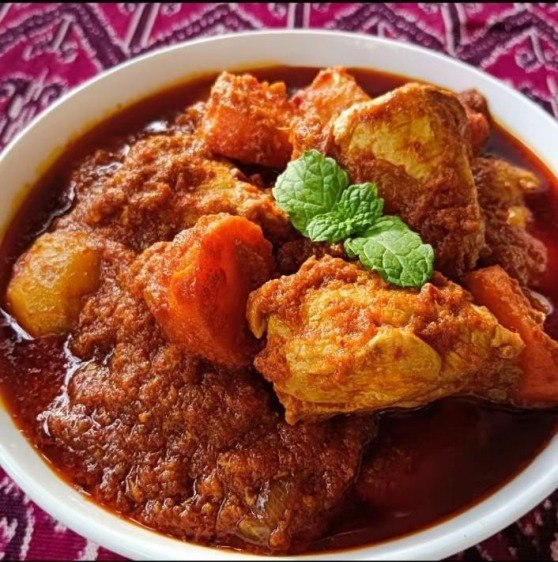
Kari Debal (also known as Devil's Curry in English) is a primary traditional food of the Kristang community in Melaka. The name Debal itself is believed to originate from the Portuguese word diabo, meaning devil, referring to its 'fierce' and stinging spiciness. This dish directly reflects the history of Portuguese colonization in Melaka, which began in 1511.
Kari Debal plays a very profound role in Malaysian society. For the Kristang community in Melaka, Debal is more than just food; it is their cultural spirit. Serving Debal is a way to affirm their identity and connect the younger generation to their heritage and history. It has also become a 'must-try’ attraction for tourists visiting the Portuguese Settlement in Melaka.
Debal is often used as a prime example of how a foreign culture (Portuguese) can be fully absorbed and modified by the local context (Malay/Nusantara) to create something new and unique to Malaysia. Although now available in restaurants, its original function as a dish for special gatherings, especially Christmas, is still maintained, keeping the spirit of sharing and family alive.
-
whole chicken
dried chilies (blended)
large onions
red chilies
potatoes
galangal (blended)
lemongrass (blended)
ginger (blended + part sliced for garnish)
fresh turmeric (blended)
vinegar
candlenuts (blended)
mustard seeds
tamarind (mixed with water)
Salt
Boil the dried chilies until soft and blend until smooth.
Dice the large onions.
Blend the following ingredients until fine: large onion, lemongrass, galangal, ginger, fresh turmeric, and candlenuts.
Fry a portion of the ginger until crispy (to be used as garnish).
Heat oil and sauté the blended chili paste with the other blended ingredients and mustard seeds until fragrant and the pecah minyak (when you cook something to the point where it curdles, breaks down, and releases oil)
Add the chicken and stir well, followed by the potatoes.
Add the tamarind water and mix all ingredients thoroughly.
Add the cooking vinegar and season with salt.
Let it simmer until the chicken and potatoes are tender and the gravy has thickened.
Garnish with the sliced red chilies and crispy fried ginger before serving.
-
Reference Source
Bahan Bacaan
Atlas Obscura. (n.d.). Devil’s Curry. Retrieved November 1, 2025, from https://www.atlasobscura.com/foods/devils-curry-kristang-malaysia
Michelin Guide. (2023, December 22). Debal Curry: A Kristang dish of Malaysian and Portuguese origins. https://guide.michelin.com/my/en/article/features/debal-curry-a-kristang-dish-of-malaysian-and-portuguese-origins
Serious Eats. (2025). Pecah Minyak: The Technique for Managing Moisture and Flavor Development. https://www.seriouseats.com/sambal-tumis-malaysian-chile-paste-7197954#toc-pecah-minyak-the-technique-for-managing-moisture-and-flavor-development
Utusan Malaysia. (2021, December 25). Kari Debal menu istimewa Krismas Serani. https://www.utusan.com.my/gaya/2021/12/kari-debal-menu-istimewa-krismas-serani/
Informan
Sara Frederica Santa Maria. 25, Jalan Eredia, Perkampungan Portugis Melaka, 75050 Melaka. (+60 14-6908434)
Restoran San Pedro. 3, Jalan D'Albuquerque, Perkampungan Portugis, 75050 Melaka. (+60 6-284 5734)
Location
State JKKN Contact Information
Nur Al-Farani binti Rosli
Cultural Officer
Jabatan Kebudayaan dan Kesenian Negara, Melaka
Kompleks JKKN Melaka
Hang Tuah Jaya, Lebuh Ayer Keroh,
75450 MELAKA
06 - 763 6308
Use the form below to contact the Informant/Figure/Editor/Researcher directly. We will respond to your inquiry as soon as possible!


