

ARTS AND CULTURE INFORMATION GATEWAY
Immerse yourself in the colorful world of art and culture! From traditional heritage to contemporary works, discover uniqueness that reflects the nation's identity and identity
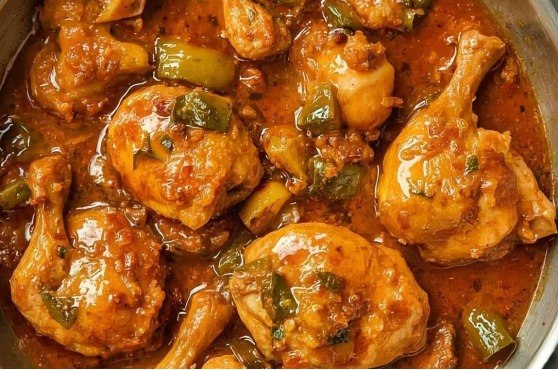
STEW AYAM
 -
-
Picture
1
Video
No record
Today's Visitor
23
Number of Visitors
513
Introduction and history
- Portuguese Chicken Stew in Malaysia, particularly within the Kristang community of Melaka, is far more than a culinary delight, and it is a living testament to a centuries-old heritage. The Kristang people are descendants of 16th-century Portuguese settlers who intermarried with local Malay communities, and their cuisine embodies a distinctive Eurasian fusion. The roots of this dish trace back to 1511, when the Portuguese conquered Melaka. They introduced the technique of preparing stews, but limited access to ingredients from their homeland compelled them to adapt their recipes using local spices and produce. This process of creative adaptation eventually gave rise to a uniquely Melakan dish.
- The Kristang version of Portuguese Chicken Stew (Galinha Estufada) carries its own unmistakable character. Over time, it has evolved to suit local tastes while retaining its cultural essence. The use of the three types of spices, which are cinnamon, star anise, and cardamom, forms the aromatic foundation of the dish. One of its most distinctive innovations is the use of crushed cream crackers as a natural thickener, replacing flour commonly used in European stews. The addition of vegetables such as potatoes, carrots, and cabbage transforms it into a hearty, well-rounded dish that is both comforting and flavourful.
- This dish holds significant cultural and social value within the Malaysian context. For the Kristang community in Melaka, the chicken stew serves as an emblem of their cultural identity, functioning as a symbolic bridge that links them to their Portuguese ancestry while affirming their unique place within Malaysia’s multicultural setting. Within the Portuguese Settlement in Melaka, the dish has become a key highlight in local restaurants and is frequently featured in heritage-based food tourism, drawing both domestic and international visitors.
- The stew also illustrates how external culinary influences can be adapted to local ingredients and preferences, resulting in a distinctive creation that enhances Malaysia’s rich food traditions. While it is commonly prepared as an everyday meal, it assumes a more prominent role during festive occasions such as Christmas, Easter, and family gatherings, where it represents togetherness and the shared preservation of cultural heritage.
-
Chicken
Large onions
Potatoes
Carrots
Button Mushrooms
Cabbage
Celery (Daun sup)
Spring onions (Daun bawang)
“3 siblings” spices
Cream crackers
Chicken stock cube
Salt
Heat oil and sauté the diced large onions with the '3 siblings' spices until fragrant.
Add the chicken and stir until the chicken changes color.
Add the potatoes, carrots, and button mushrooms. Stir until partially cooked.
Add enough water to cover the chicken and vegetables.
Let it simmer until the chicken is fully cooked.
Add the finely crushed cream crackers to thicken the gravy. Stir well.
Add the chicken stock cube.
Wait until the potatoes and carrots are completely tender.
Add the cabbage and stir well. Add a little more water if the gravy is too thick.
Garnish with celery before serving.
-
Reference Source
Bahan Bacaan
Pavao To Go. (n.d.). “Frango Estufado” Portuguese Stewed Chicken. https://pavaotogo.com/frangoestufado/
Location
State JKKN Contact Information
Nur Al-Farani binti Rosli
Cultural Officer
Jabatan Kebudayaan dan Kesenian Negara, Melaka
Kompleks JKKN Melaka
Hang Tuah Jaya, Lebuh Ayer Keroh,
75450 MELAKA
06 - 763 6308
Use the form below to contact the Informant/Figure/Editor/Researcher directly. We will respond to your inquiry as soon as possible!


