

ARTS AND CULTURE INFORMATION GATEWAY
Immerse yourself in the colorful world of art and culture! From traditional heritage to contemporary works, discover uniqueness that reflects the nation's identity and identity
 Fakulti Muzik dan Seni Persembahan, Universiti Pendidikan Sultan Idris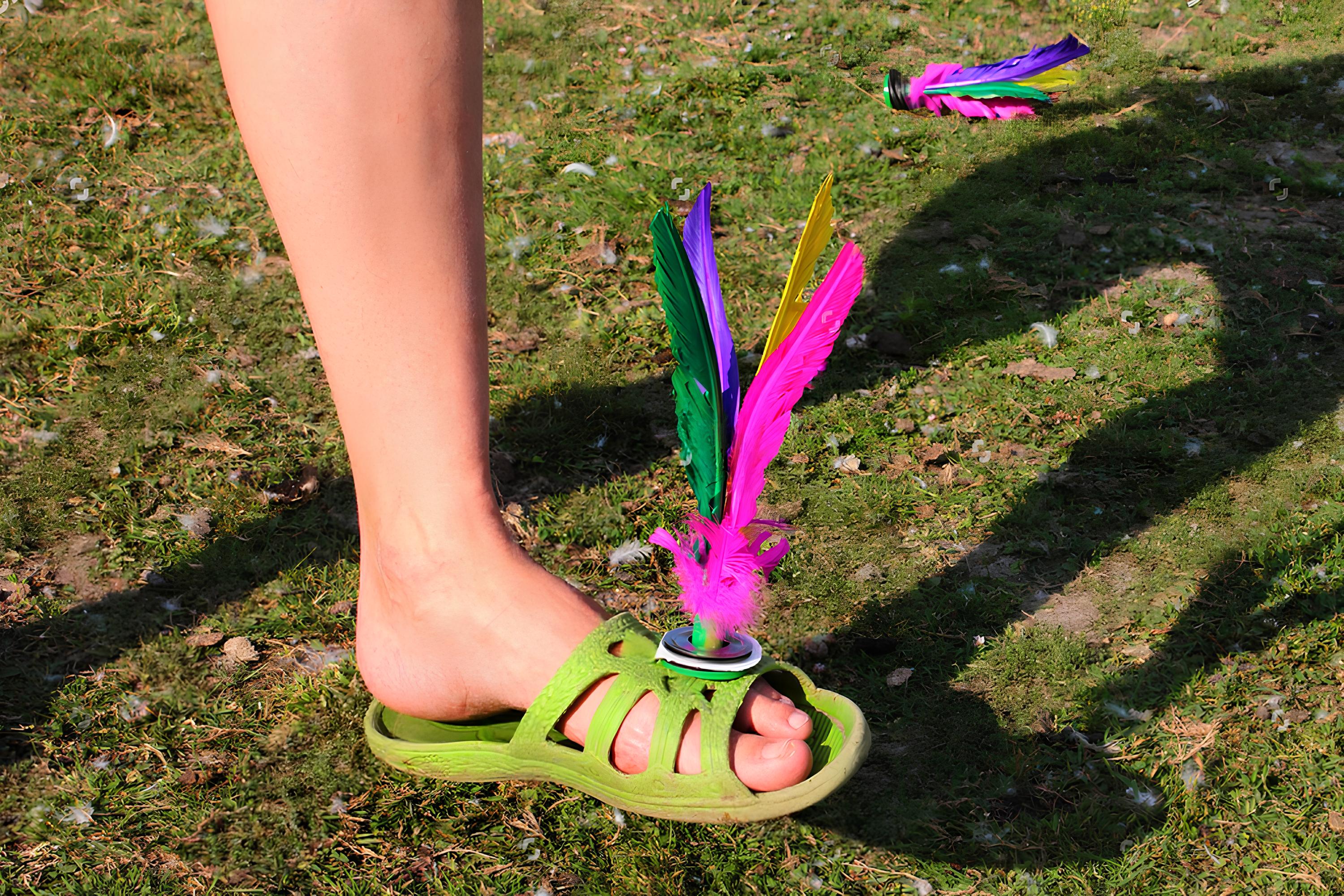
Picture
5
Video
No record
Today's Visitor
684
Number of Visitors
2354
Introduction and history
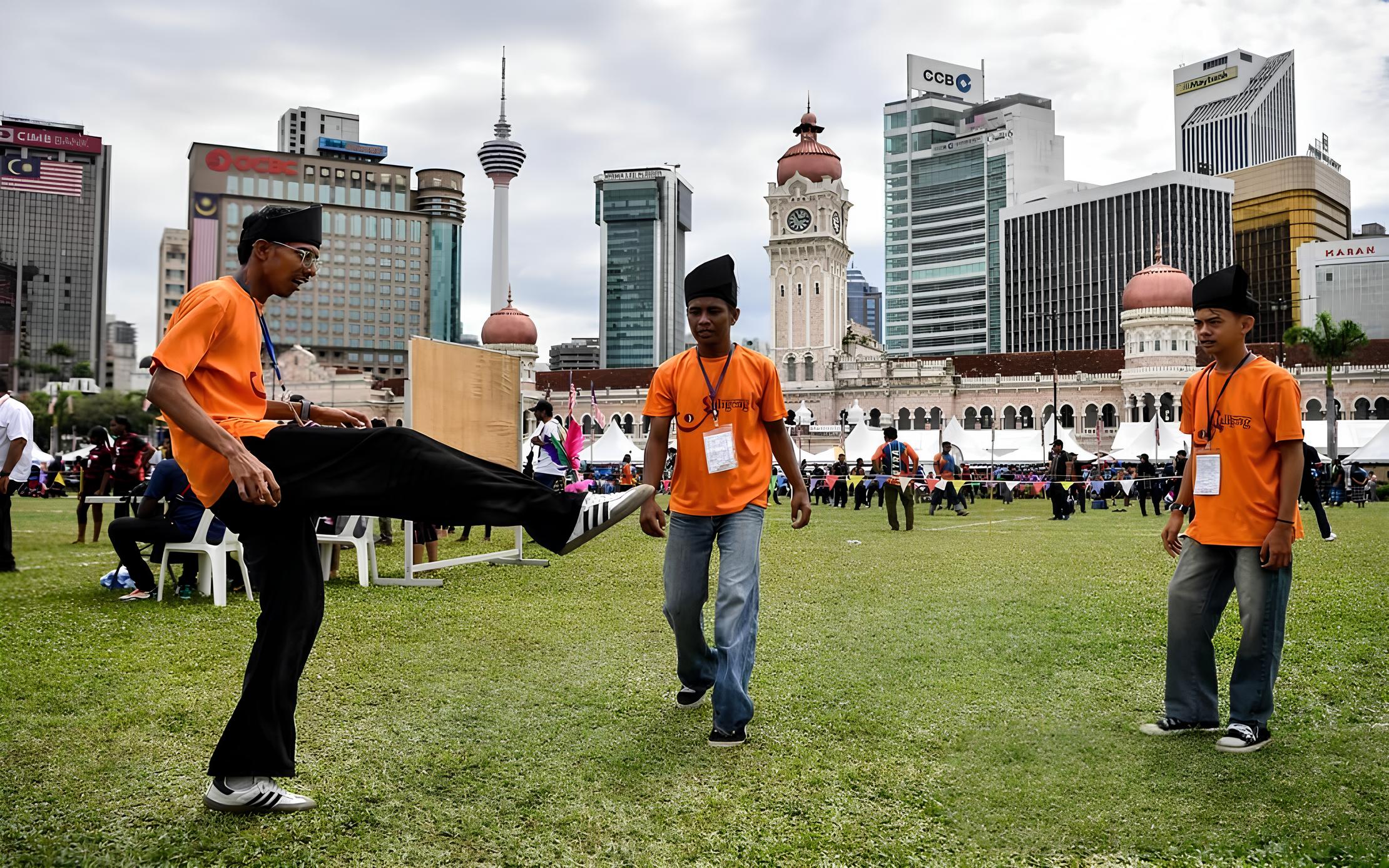
- The game sepak bulu ayam, also known as Sepak Yem, Chapteh, Sepak Bulu Tangkis, or Tating Lawi, is a traditional pastime that has existed for centuries and continues to be played today, particularly in Southeast Asia, including Malaysia, Singapore, Indonesia, Thailand, and Vietnam. This game is typically enjoyed by children in village communities, especially in the late afternoon after helping their parents with daily chores. Traditionally, it is more popular among boys due to the skills it requires: balance, foot agility, and physical endurance. Nevertheless, it remains suitable for people of all ages and genders. One of the game’s unique qualities is its simplicity and flexibility, as it can be played almost anywhere: in the yard, on school fields, or even along village roads.
- The origins of this game can be traced back more than 2,000 years to China, where it was known as jianzi. It is also referred to as Tī Jianzi, Tī Jian, or Jianqiú, and is considered a traditional national sport among the Chinese. The game is believed to have evolved from an ancient Chinese sport called Cuju, which was played during the Han Dynasty. Its fundamental principle is to keep a weighted shuttlecock in the air using different parts of the body, especially the feet, without using the hands.
- Through trade and cultural interaction, the game eventually spread throughout Southeast Asia and underwent local adaptations. For example, it is known as Sipa’ in the Philippines, Đá Cầu in Vietnam, Tek Tuan in Thailand, Jegichagi in Korea, and Kemari in Japan. This diversity of names highlights that although each culture has introduced its own variations, the core concept of the game remains the same.
- In the Malaysian context, sepak bulu ayam was not only a daily pastime among children in the past, but has also been recognized as a traditional game under the category of outdoor games. It is frequently featured in cultural events, folk sports competitions, communal celebrations, and state-organized cultural programs. This recognition elevates sepak bulu ayam beyond a simple children’s game. It stands as a cultural symbol that reflects the identity of Malaysian society and must be preserved and passed down to future generations.
The game sepak bulu ayam serves a variety of functions and roles that form part of the nostalgic identity of Malaysia’s multicultural traditional games. Among its key functions are:
Recreation and Leisure Activity
The primary function of this game is to serve as a fun and healthy recreational activity, especially for children and teenagers. It is commonly played in open spaces during the late afternoon, providing an enjoyable way to spend leisure time.
Developing Skill and Physical Coordination
One of the main objectives of the game is to keep the feathered shuttlecock in the air for as long as possible without letting it fall to the ground. This process naturally tests the player’s coordination, balance, footwork, agility, and concentration. As a result, the game helps enhance physical and motor skills.
Fostering Teamwork and Social Interaction
When played in groups or teams, the game encourages social interaction, teamwork, and mutual understanding among participants. Laughter, friendly competition, and playful banter often fill the atmosphere, making it a joyful communal activity that strengthens bonds among players.
Preserving Malaysia’s Cultural Heritage
As a heritage game, sepak bulu ayam plays a crucial role in preserving and introducing Malaysia’s traditional culture to younger generations. Its continued practice ensures that this cultural legacy remains alive and becomes an enduring symbol of Malaysia’s collective identity.
-
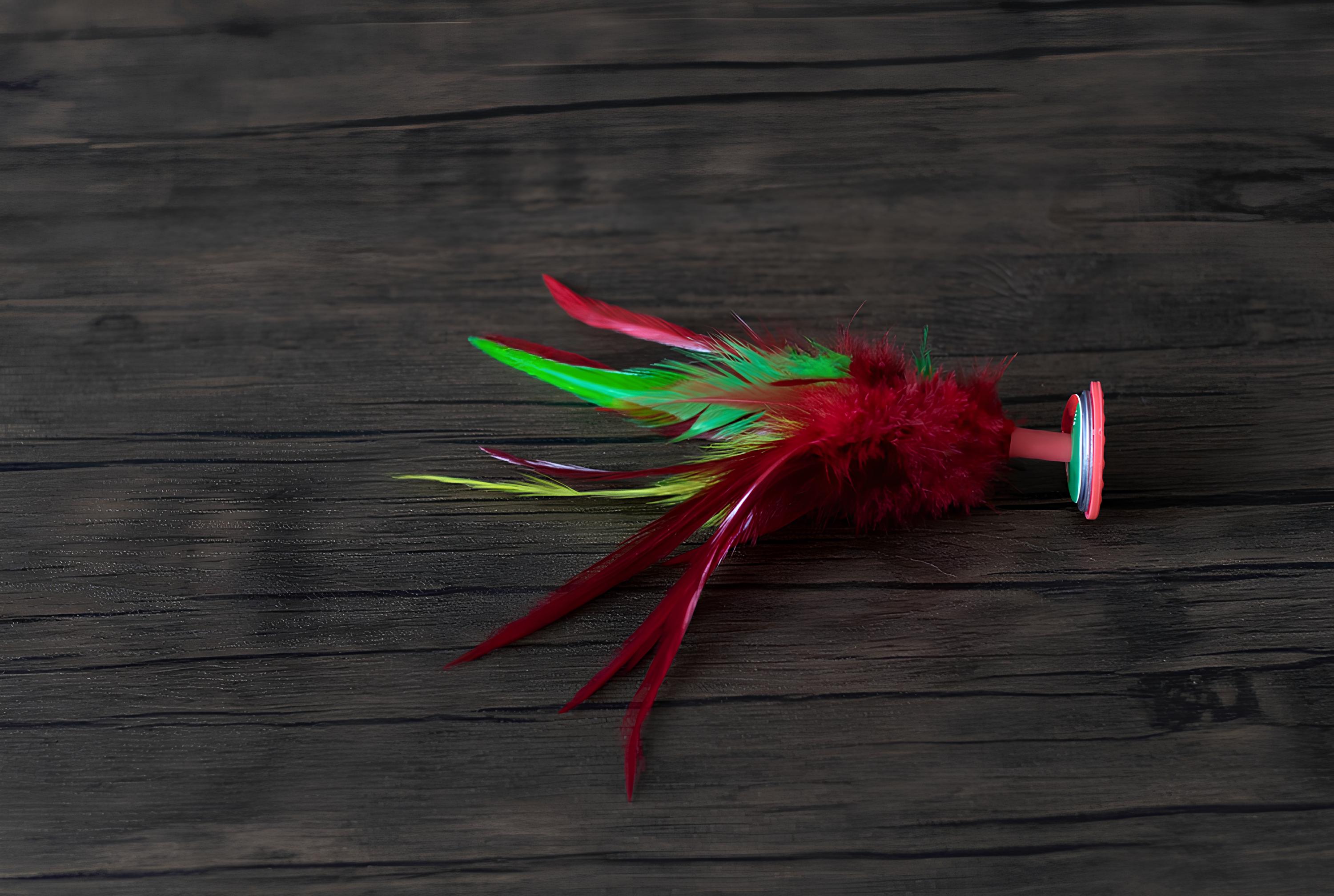
The materials used to make sepak bulu ayam vary depending on the era and the availability of modern resources. Traditionally, natural materials were commonly used, but over time, modern alternatives have been introduced for practicality and durability. The main materials include:
Chicken Feathers / Tail Feathers
Feathers from the tail of a chicken (usually 3 to 5 pieces) are commonly used because they are longer, thicker, and sturdier, making them more stable and easier to stay airborne.
As a modern alternative, shredded plastic strips are sometimes used as they are more durable, long-lasting, less prone to damage, and easier to obtain.
Base / Weight
A thick rubber disc cut into a circular shape (approximately 4 cm in diameter).
Traditionally, this rubber was made from scraps such as old tire tubes that were glued together in several layers.
The base acts as the foundation where the feathers are attached and provides the necessary stability when the shuttlecock is kicked or balanced.
Small Weight (Nail / Pin)
A short, medium-sized nail or metal pin is inserted through the center of the rubber base.
Its function is to provide additional weight so that the shuttlecock falls straight downward, and it also serves as the point where the feathers are securely tied.
Binding Materials / Adhesives
Rubber bands, rubber scraps, or strong glue (when necessary) are used to tightly secure the feathers to the nail and the rubber base, ensuring a firm and stable structure.
Playing Area
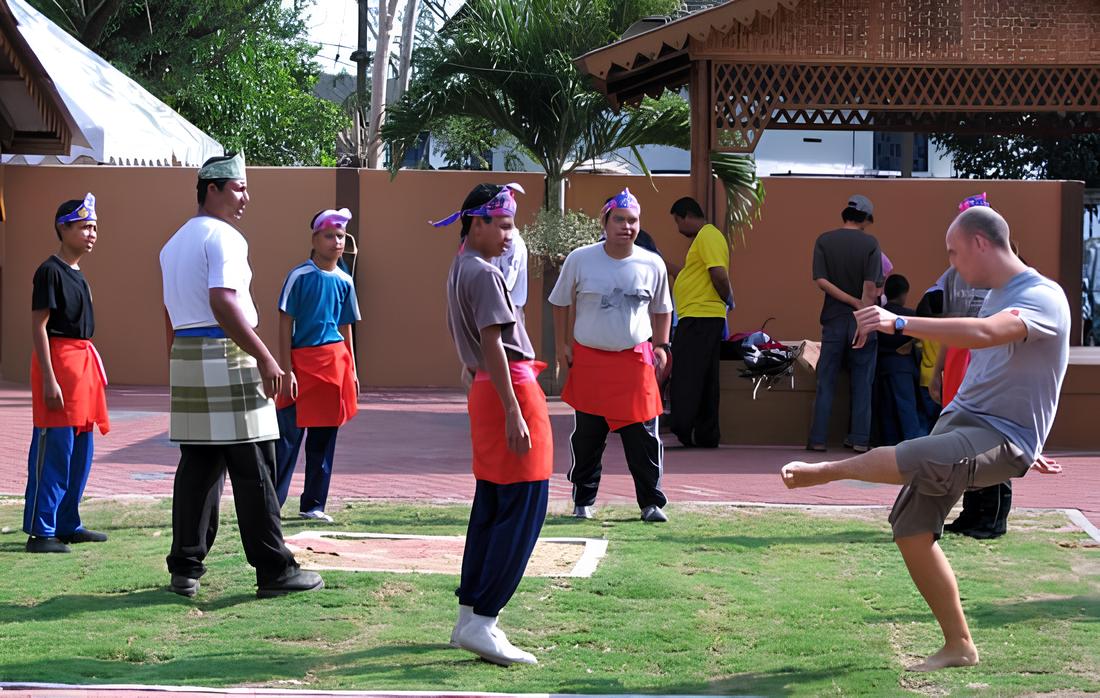
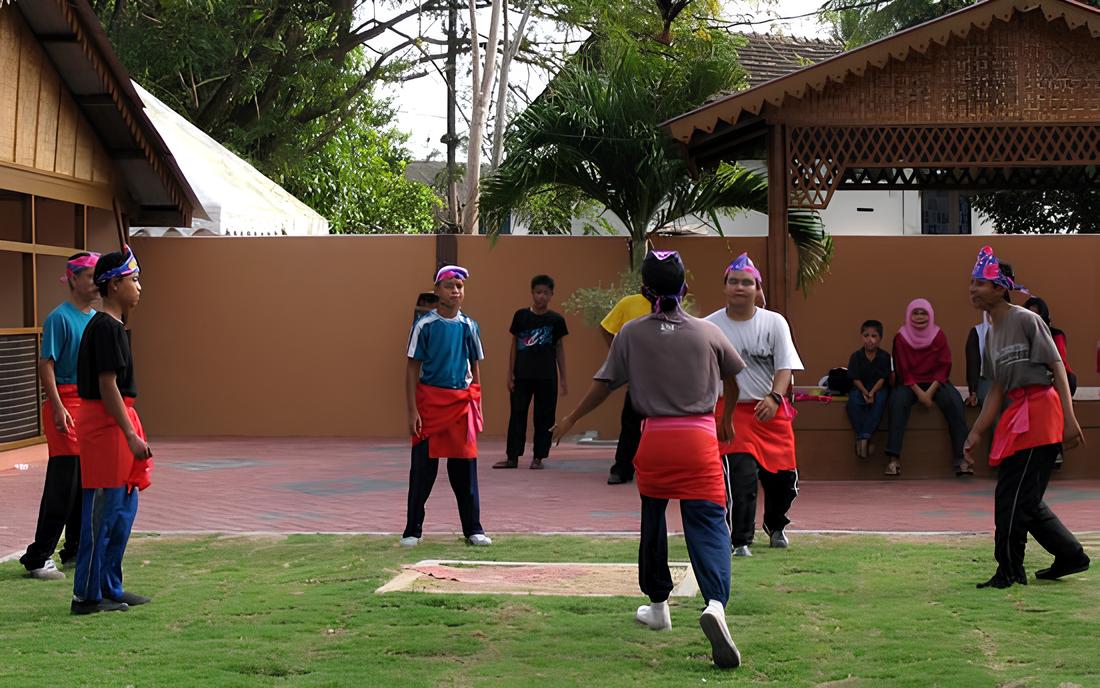
The game does not require a specialized playing court, as it can be played freely in various open spaces such as home yards, grassy fields, cement floors, or multipurpose halls.
What is essential is that the playing area is spacious, flat, and comfortable enough to allow players to move freely.
In competitive settings, however, a more formal court is used, usually marked in circular or rectangular shapes to define the official playing boundaries.
The game of sepak bulu ayam is simple in terms of rules and objectives, yet it requires skill, coordination, and consistent practice. The main goal is to keep the feathered shuttlecock in the air for as long as possible without letting it fall to the ground or touch the hands. The following describes how the game is played:
Number of Players
Sepak bulu ayam is highly flexible and can be played by any number of players, individually, in pairs, or in groups.
When played individually, the player aims to keep the shuttlecock in the air for as long as possible, attempting to achieve a personal record.
When played in groups, participants stand in a circle and take turns kicking and balancing the shuttlecock. The objective is to keep it airborne for the longest period or achieve the highest total number of kicks collectively, with each player contributing to the count.
Starting the Game
In group play, a simple draw or selection is done to determine who begins the game.
The first player tosses the shuttlecock into the air using their hand, then quickly begins kicking it to maintain its movement before it reaches the ground.
Kicking Technique (Balancing Technique)
Players must keep the shuttlecock airborne using the foot, especially the inner heel, the inner edge of the foot, or techniques similar to those used in sepak raga.
Occasionally, players may use the knee, chest, or head to intercept or control the shuttlecock, but official kick counts are typically recorded only when the foot is used.
“Mati” (Fault) Rules
A player is considered “out” (or loses their turn) if the shuttlecock falls to the ground or touches the hand.
In group play, once a player is “out,” the next player continues, and the game proceeds with players taking turns.
Determining the Winner
Points are calculated based on the number of continuous kicks successfully performed in a single turn without interruption.
The player with the highest total number of kicks, whether in a single round or across several agreed-upon rounds, is declared the winner.
-
Reference Source
Bahan Bacaan
Ali, M. (2023). Meningkatkan koordinasi mata tangan dan kaki anak melalui permainan tradisional. Journal of Sport Science and Tourism Activity, 2(2), 61–67.
Ibrahim, M. F., Pei, G. K., Hashim, H. A., & Hamzah, N. A. (2023). Pendekatan pengajaran Teaching Games for Understanding melalui permainan tradisional. Pulau Pinang: Penerbit Universiti Sains Malaysia.
Iordanis, S. (2002, February 14). History of shuttlecock sport. Archived May 12, 2008. Retrieved August 20, 2008, from https://web.archive.org/web/20080512110541/http://www.jianzi.org/history.html
Kementerian Komunikasi dan Digital Malaysia. (n.d.). Tating Lawi. Retrieved September 8, 2025, from https://www.komunikasi.gov.my/en/program-semasa/65-bahankpkk/dokumen/537-tating-lawi
Memori Kedah. (n.d.). Sepak bulu ayam: Permainan tradisional. Retrieved from https://www.memori-kedah.com/
Memori Kedah. (n.d.). Tating Lawi: Permainan tradisional Kedah. Retrieved September 8, 2025.
Tokarski, W., Zhu, W., & Zarotis, G. F. (n.d.). Transcultural movement and sport research: The contribution of traditional Chinese movement and sports culture for modern sport. Retrieved from https://www.researchgate.net/publication/303388040
Zulkipli, M. Z. (2023, December 16). Kaki hantu, Tating Lawi antara permainan kian lenyap. Berita Harian. Retrieved from https://www.bharian.com.my/hujung-minggu/lain-lain/2023/12/1187719/kaki-hantu-tating-lawi-antara-permainan-kian-lenyap
Location
State JKKN Contact Information
Cultural Officer
Jabatan Kebudayaan dan Kesenian Negara
Use the form below to contact the Informant/Figure/Editor/Researcher directly. We will respond to your inquiry as soon as possible!


