

ARTS AND CULTURE INFORMATION GATEWAY
Immerse yourself in the colorful world of art and culture! From traditional heritage to contemporary works, discover uniqueness that reflects the nation's identity and identity
 Fakulti Muzik dan Seni Persembahan, Universiti Pendidikan Sultan Idris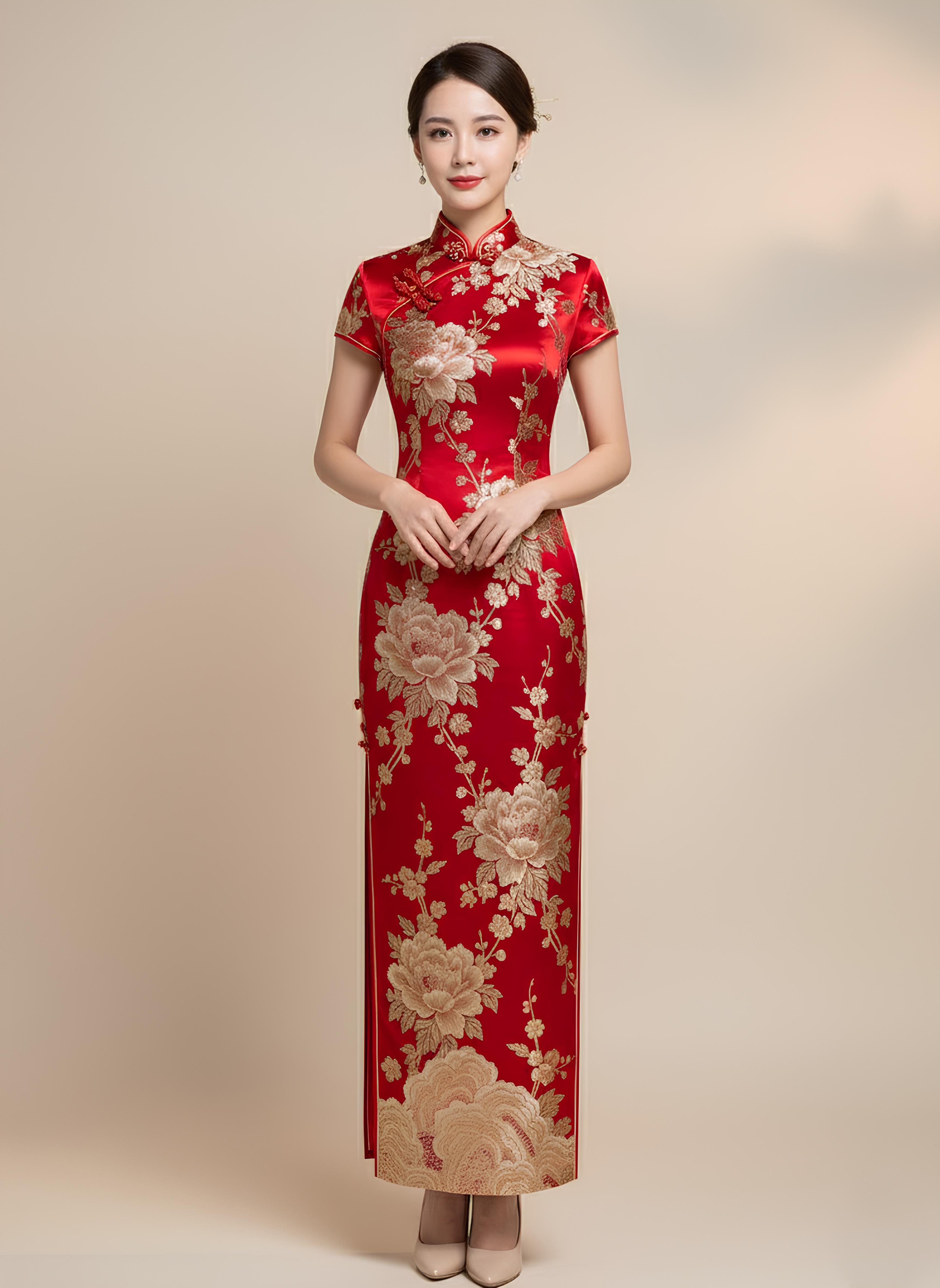
Picture
7
Video
No record
Today's Visitor
50
Number of Visitors
4743
Introduction and history
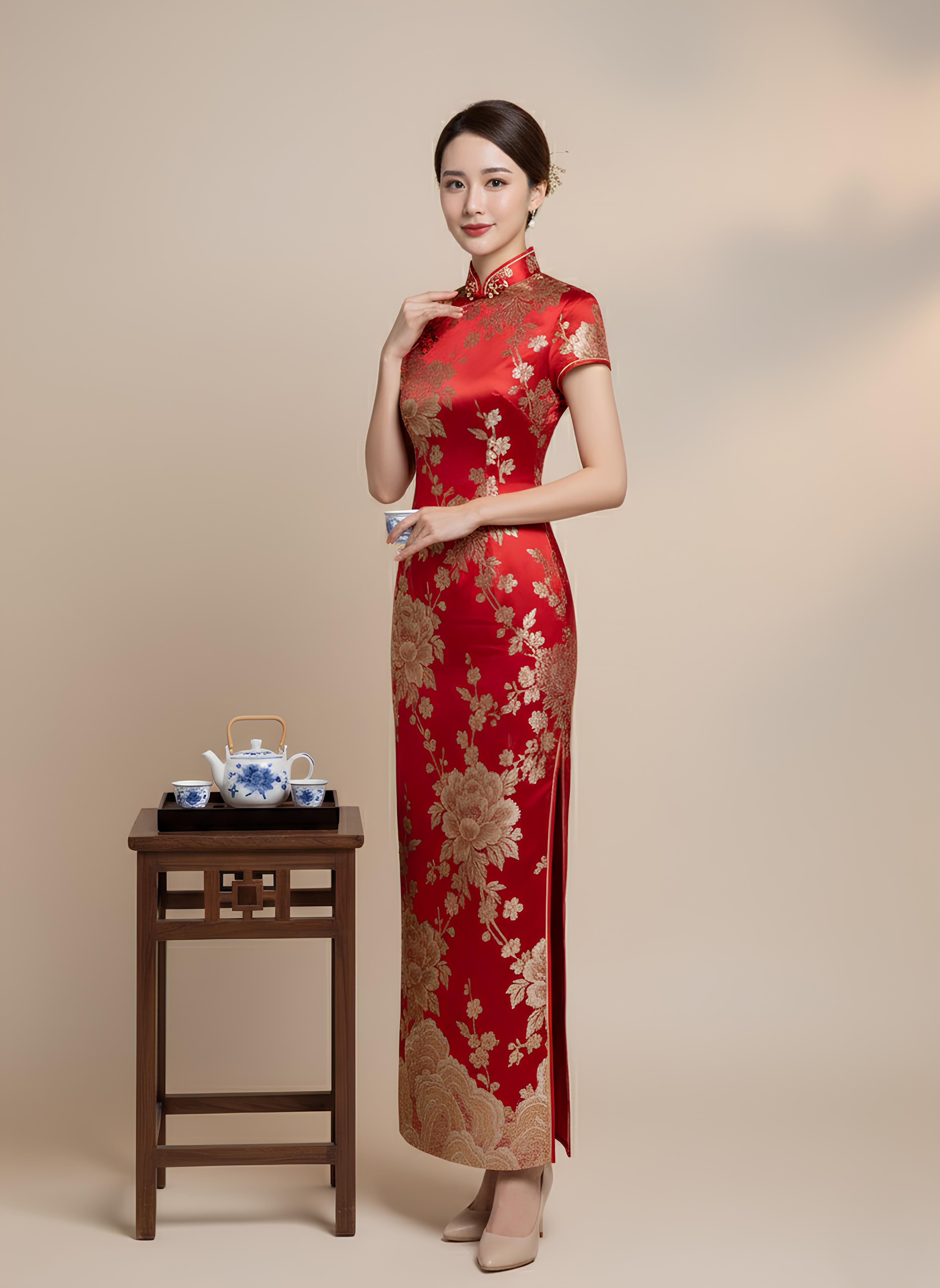
- The cheongsam, also known as the “Qipao,” is one of the most iconic traditional garments of the Chinese community, long celebrated as a symbol of feminine elegance and cultural identity. Distinguished by its body-hugging silhouette that highlights the wearer’s form, the cheongsam is more than just attire; it is often associated with beauty, grace, and modesty. Beyond its aesthetic appeal, it serves as a medium for expressing a rich cultural heritage. Although its origins lie in China, the cheongsam has continuously evolved, and in Malaysia, it has undergone distinctive adaptations in design and style, making it an integral part of the nation’s multicultural fashion landscape.
- The early history of the cheongsam dates back to the Qing Dynasty (1644–1911), when Manchu women introduced the changpao, a long straight-cut garment. The original design was loose, modest, and without a defined waistline, reflecting the social values of simplicity and restraint that prevailed at the time. While practical for daily wear, the garment had yet to convey the sense of modern elegance that the cheongsam represents today. Instead, it functioned primarily as a basic, conservative garment aligned with the moral and cultural norms of the era.
- A significant transformation occurred in the early 20th century, particularly in 1920s Shanghai, then a flourishing hub of modern fashion. Elite women began modernizing the “Changpao” by tailoring its loose silhouette into a more form-fitting shape, lowering the collar, and introducing side slits for ease of movement. Luxurious fabrics such as silk, brocade, and satin were employed, elevating the garment into a statement of refinement and social prestige. At the same time, Western fashion influences reshaped its aesthetic, producing a look that was both modern and cosmopolitan. These changes liberated the image of Chinese women from rigid conservatism and positioned the cheongsam as a symbol of feminism, sophistication and modernity.
- This cultural development spread to Malaya during the late 19th and early 20th centuries with the migration of Chinese communities. Immigrants brought their traditions, including the cheongsam, which soon became recognized not only as festive attire for Chinese New Year but also as formal wear for weddings, banquets, and cultural events. In this way, the cheongsam served both as a marker of Chinese ethnic identity and as a testament to how traditional attire could adapt and flourish within the multicultural context of Malaysia.
- Over time, the cheongsam in Malaysia adapted further in response to the tropical climate and local preferences. Designers began using lighter fabrics such as cotton, chiffon, and satin to ensure comfort, while still retaining traditional motifs like dragons, phoenixes, and peonies. At the same time, new variations featuring tropical flora, batik influences, and contemporary patterns were introduced, enriching its aesthetic diversity. These innovations not only safeguarded tradition but also ensured the cheongsam’s relevance in Malaysia’s modern fashion industry.
- Today, the cheongsam in Malaysia extends beyond its traditional role to influence contemporary fashion and lifestyle. Local designers have reimagined it for everyday wear, corporate functions, and even stage performances, expanding its presence into multiple spheres of life. This ongoing evolution has established the cheongsam as a timeless garment—one that embodies both the elegance of Chinese femininity and the creative adaptability of cultural heritage in a modern context. Ultimately, the cheongsam in Malaysia is more than just traditional attire; it is a living cultural icon, continuously evolving while remaining deeply rooted in the identity and pride of the Chinese community.
The cheongsam holds an important place within the Chinese community in Malaysia, extending far beyond its role as a garment. It carries layers of cultural, social, and personal significance, making it both a fashion statement and a cultural emblem. Its primary functions and roles can be outlined as follows:
Cultural Symbol and Identity
The cheongsam is one of the most recognized and respected traditional garments in Chinese culture. In Malaysia, wearing it is a meaningful way of preserving and expressing cultural identity. During Chinese New Year, in particular, women wear cheongsams as a gesture of respect for their ancestral heritage. In this context, the cheongsam serves as a symbol of pride, cultural continuity, and communal solidarity.
Festive Attire and Important Occasions
While strongly associated with the Chinese New Year, the cheongsam is also worn during other significant events:
Weddings – Often worn by the bride’s mother, the bride herself (especially for the tea ceremony), or honored guests.
Formal Banquets – Elegant cheongsams are chosen for corporate dinners, gala events, and cultural celebrations.
Family Gatherings – During festive banquets and reunions, women wear cheongsams to highlight family unity and tradition.
Symbol of Status and Elegance
In the early 20th century, the cheongsam was associated with elite women and those with higher education. Although it is now widely accessible, it continues to convey elegance, confidence, and femininity. Its form-fitting design accentuates grace and beauty, while luxurious fabrics such as silk and brocade remain markers of refined taste and social standing.
Formal Function in the Malaysian Context
Within Malaysia, the cheongsam also functions as a form of formal attire. In private Chinese schools, teachers and female students sometimes wear it on designated days as a tribute to cultural tradition. It is also worn by employees in Chinese-themed restaurants and during national-level cultural events that celebrate Malaysia’s diversity. Thus, the cheongsam is not only festive wear but also a recognized formal dress within the country’s multicultural society.
Contemporary and Casual Fashion
In modern times, the cheongsam is no longer restricted to formal or festive occasions. Designers have reimagined it for casual fashion, using simpler cuts, lightweight fabrics like cotton and satin, and contemporary patterns. Shorter versions are suitable for casual outings, while hybrid designs blend modern and traditional elements, enabling younger generations to embrace their heritage without sacrificing comfort or urban style.
Adaptation and Cultural Integration
The evolution of the cheongsam in Malaysia highlights its adaptability to the tropical climate and local tastes. Contemporary variations incorporate local motifs such as hibiscus flowers and batik patterns, while retaining signature features like the mandarin collar and frog buttons. These adaptations have elevated the cheongsam from a symbol of Chinese heritage to an emblem of cultural harmony within Malaysia’s multicultural fashion landscape. It illustrates how a traditional garment can transcend ethnic boundaries and serve as a medium of cultural integration.
The elegance of the cheongsam lies not only in the garment itself but also in the details that complement and complete it, such as the collar, frog buttons, hairstyle, and accessories. Together, these elements create a look that is graceful, authentic, and captivating. The following are the key components of attire and accessories commonly associated with the cheongsam:
Mandarin Collar
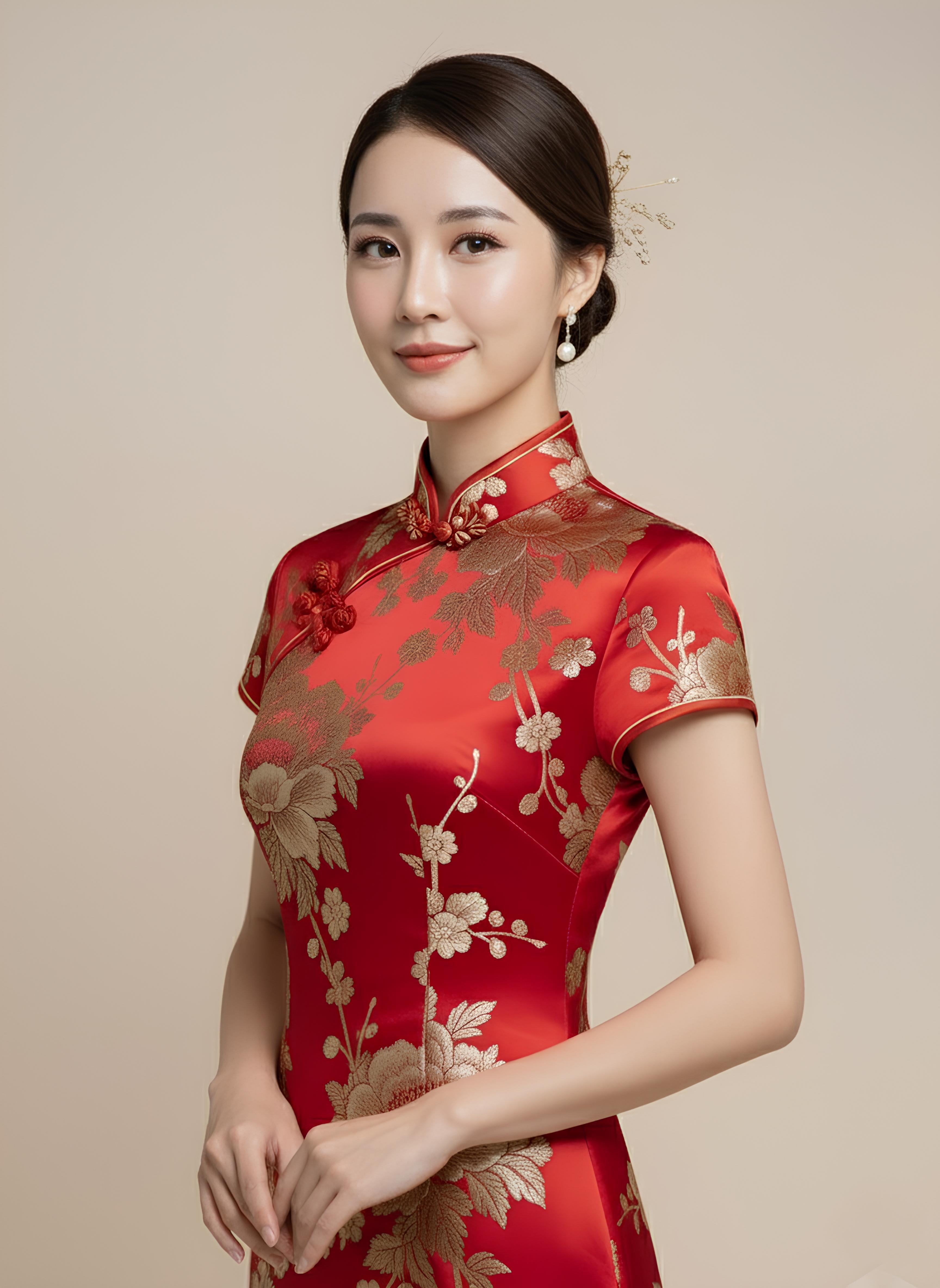
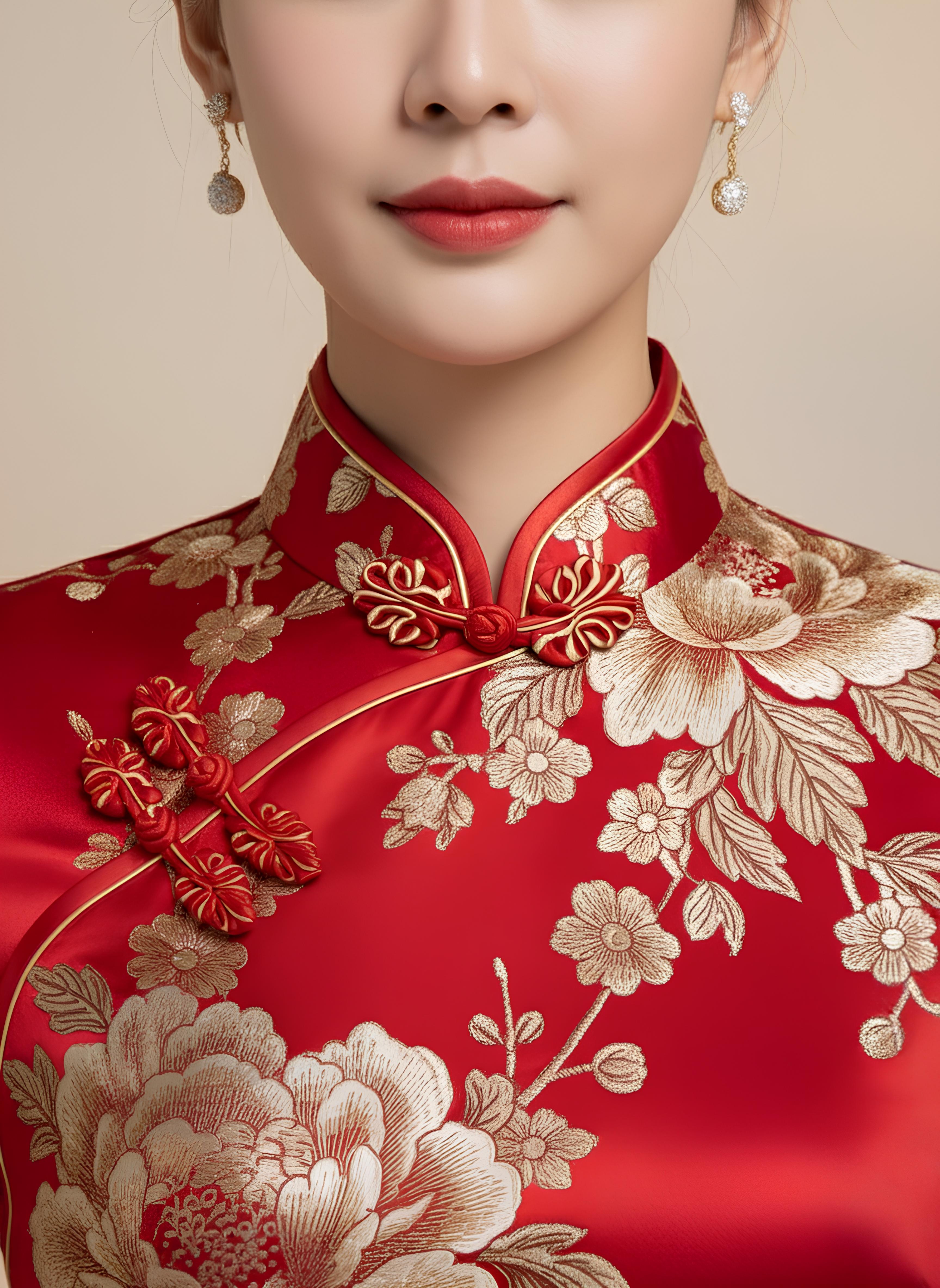
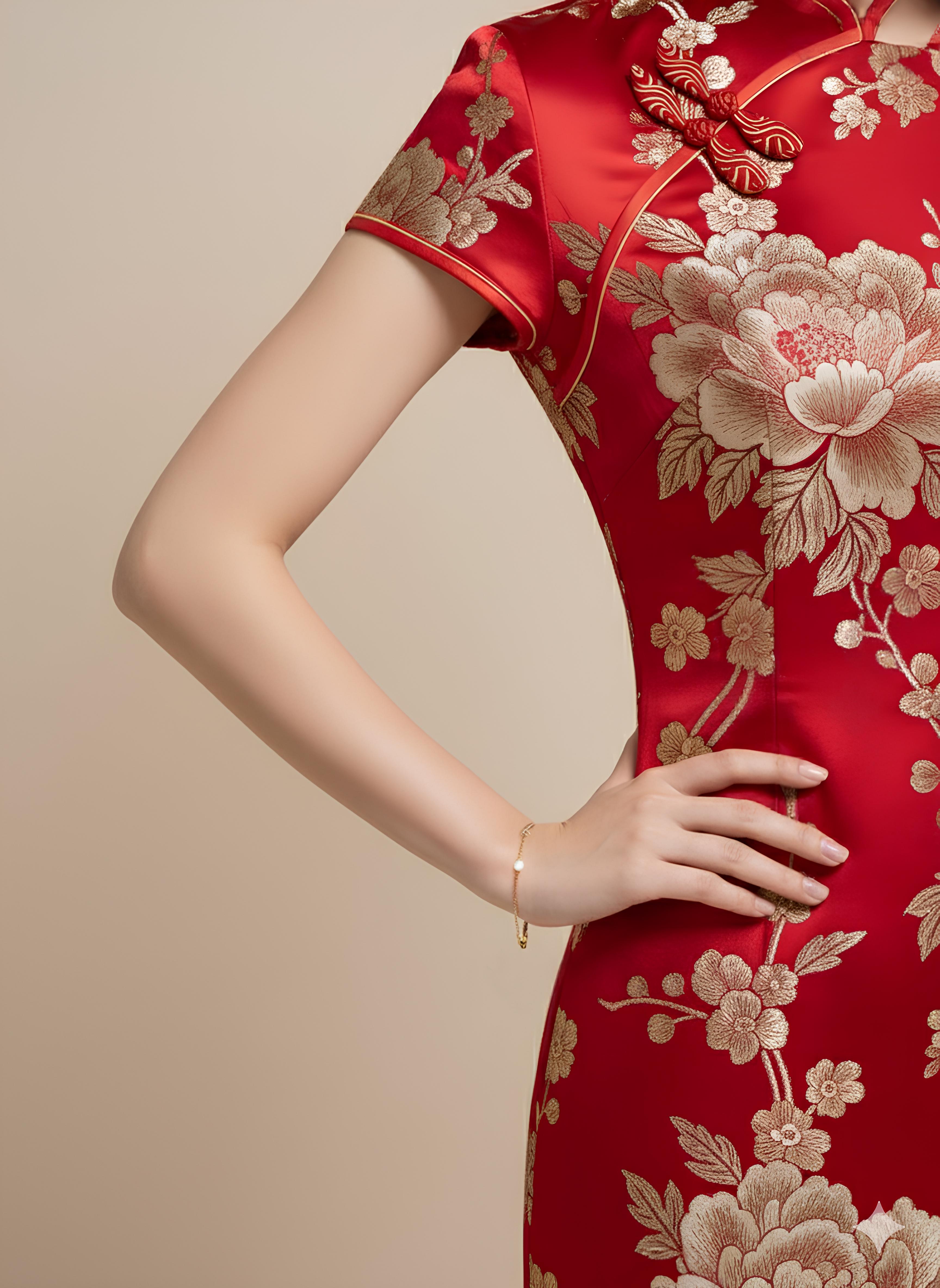
The mandarin collar is the most iconic feature of the cheongsam’s design. Standing upright and neatly at the neckline, it conveys a modest yet sophisticated appearance. Traditionally, the collar is high to reflect dignity and elegance, while in modern designs it is often adapted into lower or rounded variations for greater comfort and a more contemporary style.
Frog Buttons (Pan Kou)
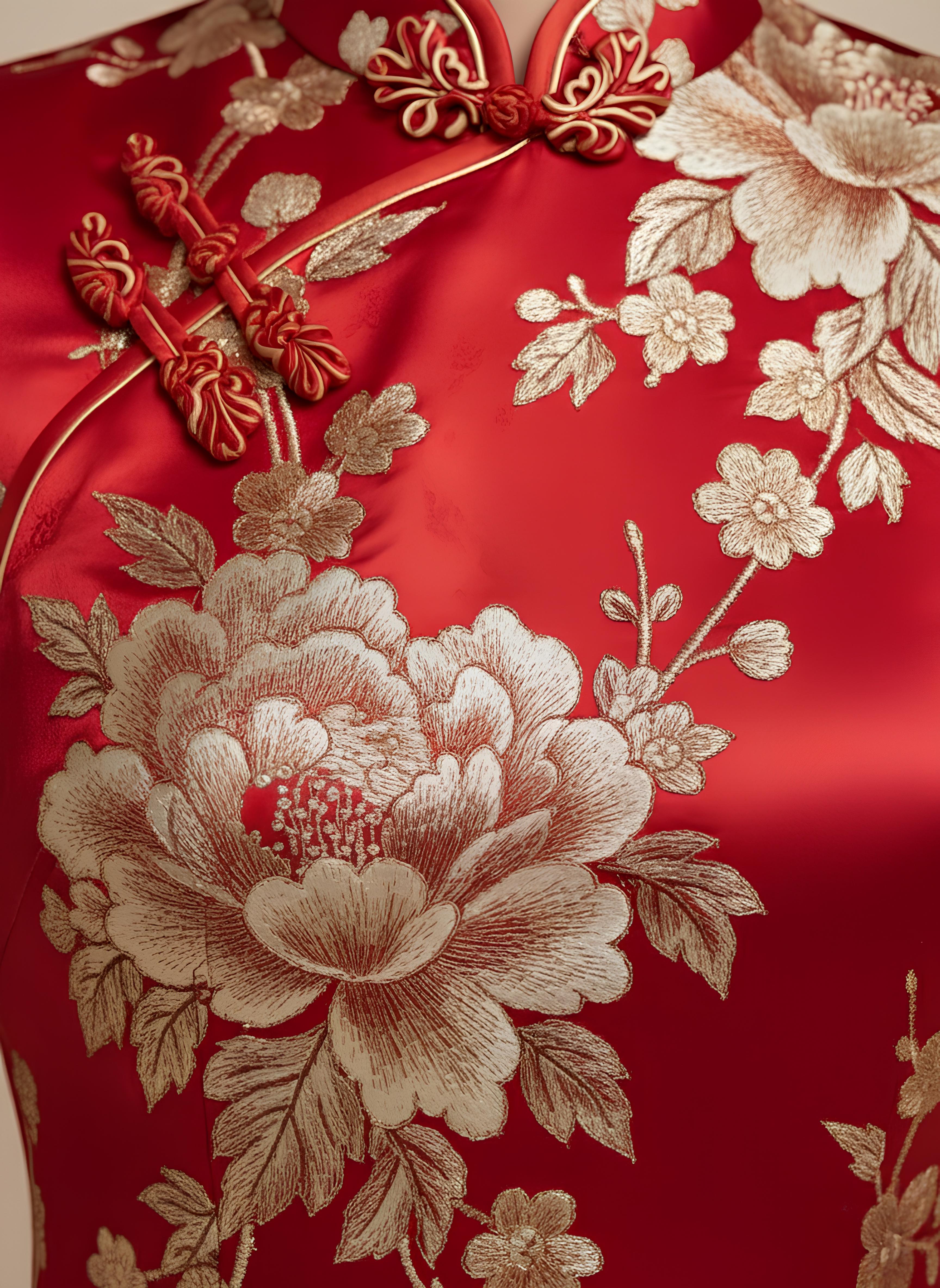
Among the cheongsam’s most distinctive features are its frog buttons (pan kou), crafted from fabric cords that are twisted or woven into intricate knots. Beyond serving as fasteners, these buttons act as ornamental embellishments along the chest and collar. Their designs range from simple and functional to elaborate and decorative, showcasing artistry and traditional craftsmanship.
Hairstyles
Hairstyles play a vital role in enhancing the cheongsam’s elegance. Classic buns or chignons pair beautifully with traditional cheongsams, as they highlight the refined lines of the mandarin collar. For modern styles, looser curls, side braids, or ponytails offer a more relaxed and fashionable flair, making them suitable for casual gatherings, festive occasions, or contemporary reinterpretations of the garment.
Jewelry
Jewelry adds subtle sophistication to the cheongsam ensemble. Popular choices include jade, gold, and pearls, each carrying symbolic meaning in Chinese culture: jade signifies purity, gold represents wealth and prosperity, and pearls embody gentleness and refinement. Jewelry pieces are typically understated, designed to enhance the overall look without overshadowing the garment’s inherent beauty.
Footwear
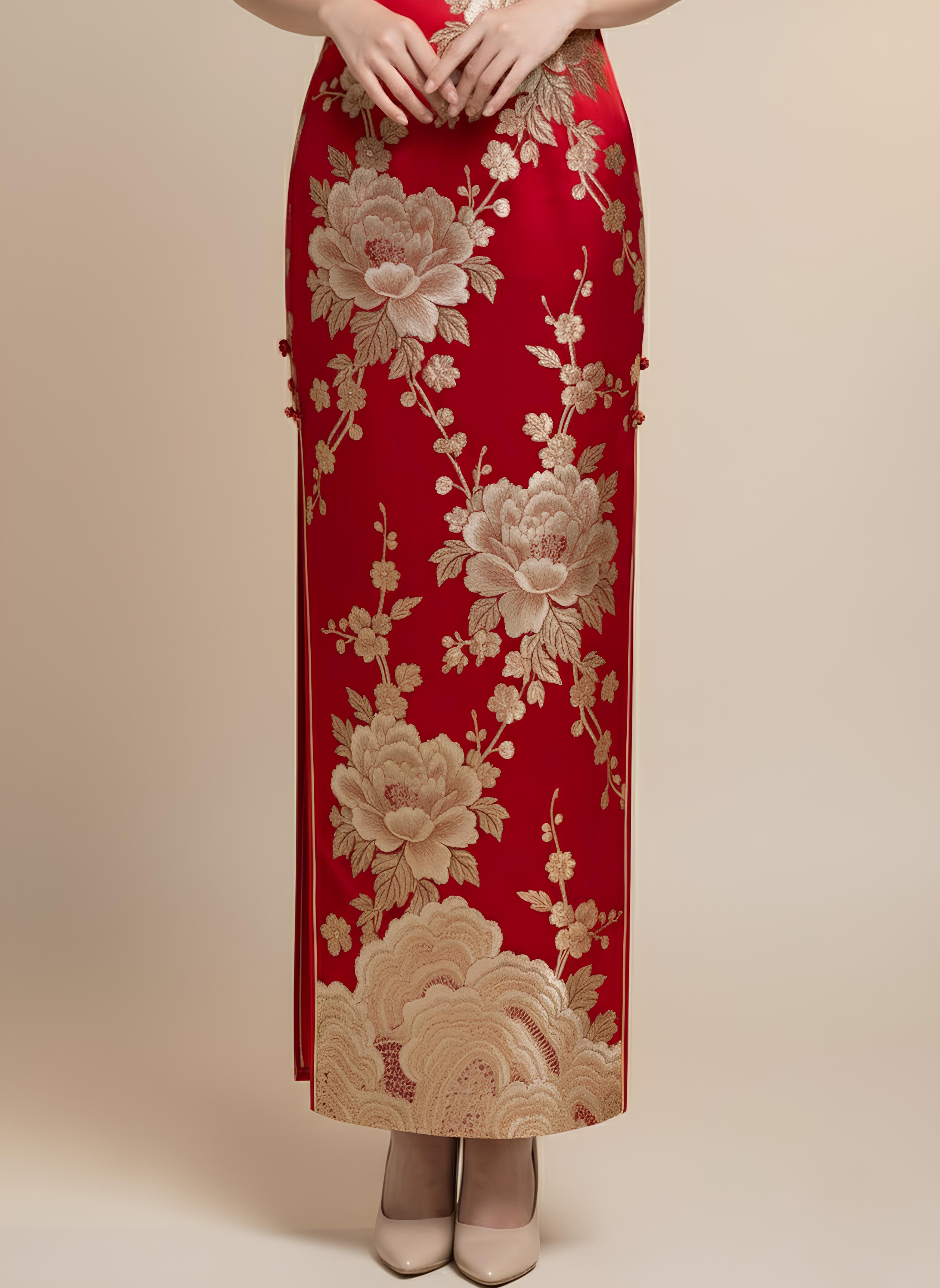
Footwear selection is crucial to complementing the cheongsam’s silhouette. Traditional embroidered shoes are often paired with classic designs, while modern wearers frequently opt for high heels, which elongate the legs and refine posture. Long cheongsams pair best with heels to balance their flowing lines, whereas shorter versions allow for greater variety, including flats, sandals, or even contemporary footwear styles.
Handbags and Shawls
Accessories such as small handbags or clutches, whether adorned with traditional embroidery or featuring minimalist modern designs, are popular companions to the cheongsam. Silk or chiffon shawls draped over the shoulders add a layer of refinement. In Malaysia, designers have also created hijab-friendly adaptations, featuring modified collars or hidden zippers instead of frog buttons, reflecting inclusivity and innovation in contemporary fashion.
Hand Fan
The hand fan remains a timeless accessory often paired with the cheongsam, particularly in traditional ceremonies and cultural performances. Folding fans made of silk or paper, decorated with motifs such as flowers, dragons, or calligraphy, not only provide comfort in warm climates but also add dramatic flair to the ensemble. In modern contexts, hand fans are reimagined as stylish accessories that complete the look with symbolic grace while evoking the artistry of traditional Chinese aesthetics.
The choice of fabric in crafting a cheongsam is a crucial aspect that determines not only the garment’s beauty but also its comfort, durability, and suitability for different occasions. The material reflects the wearer’s status, function, and aesthetic preference, whether intended for daily use, casual settings, or formal events. With the evolution of fashion, modern cheongsams are now made from a wide range of fabrics, spanning traditional materials to practical contemporary textiles.
Silk
Silk is the most classic and luxurious fabric used in cheongsam-making. Renowned for its smooth texture and natural sheen, it lends the garment an elegant and exclusive appearance. Lightweight and soft, silk ensures comfort even in warm climates. For this reason, silk cheongsams are often reserved for weddings, banquets, and formal occasions, symbolizing refined taste and high social standing.
Brocade
Brocade is a richly woven fabric embellished with gold or silver threads, producing a textured and opulent effect. Traditional motifs include peonies (wealth), dragons (power), and phoenixes (harmony). Brocade cheongsams are especially popular during Chinese New Year celebrations and weddings, as the fabric is strongly associated with prosperity and good fortune.
Satin
Satin serves as a practical alternative to silk, offering a smooth, lustrous surface at a more affordable price. Durable and widely available, satin is particularly well-suited for modern cheongsam designs. It achieves a luxurious effect without requiring delicate care, making it ideal for formal and semi-formal occasions.
Cotton and Linen
For everyday wear or casual events, cotton and linen are preferred due to their breathable, lightweight, and sweat-absorbent qualities—perfect for Malaysia’s tropical climate. Cotton cheongsams often feature bright colors, simple cuts, or small floral prints, giving them a cheerful yet elegant charm. Linen, with its natural texture and relaxed finish, offers a slightly more rustic look, making it suitable for daytime functions and casual gatherings.
Velvet
Velvet exudes richness through its soft, plush texture and subtle sheen. It is most often used for cheongsams intended for evening wear or high-profile events, where its dramatic appearance adds glamour and sophistication. Velvet cheongsams are favored for galas, stage performances, and prestigious social occasions.
Blended and Synthetic Fabrics
Modern fashion trends have expanded the use of blended and synthetic fabrics such as polyester, nylon, jacquard, and chiffon. These materials are valued for their durability, affordability, and easy maintenance. For example, silk-satin blends achieve a lustrous finish at a lower cost, while chiffon allows for lightweight, flowing, and feminine designs. The inclusion of these fabrics ensures that cheongsams cater to a diverse range of social groups, from those seeking practical daily wear to others desiring exclusive, high-fashion statements.
The cheongsam is typically worn as a complete garment without the need for additional layering. Its use emphasizes modesty while simultaneously highlighting the elegance and femininity of women. How the cheongsam is styled can be divided into three main categories that reflect tradition, modernity, and contemporary innovation.
TRADITIONAL CHEONGSAM STYLE
Hairstyle
Classic bun – Neat and high to accentuate the mandarin collar.
Low bun adorned with jade or gold pins – Adds elegance and is suited for traditional occasions.
These hairstyles are chosen because they embody modesty, complement the long cut of the cheongsam, and emphasize the neckline and collar.
Body Accessories
Jade bracelets – Symbolize purity and good fortune in Chinese culture.
Simple gold or silver necklaces – Subtle, so as not to overshadow the mandarin collar.
Medium-length earrings – Add sophistication without appearing excessive.
These traditional accessories highlight cultural symbolism, including wealth, well-being, and respect for heritage.
Footwear
Traditional embroidered shoes – Typically low-heeled, decorated with floral or dragon motifs.
Moderate heels – Provide comfort during formal events and extended celebrations.
These shoes are chosen for their harmony with long garments and luxurious fabrics such as silk or brocade.
Handbag
Small framed clutch – Often made of silk or brocade with traditional embroidery.
Beaded or gold-thread handbags – Commonly used for formal evening occasions.
These small handbags are important as they are simple, do not overpower the attire, and complete the graceful, classic look.
MODERN CHEONGSAM STYLE
Hairstyle
Loose waves or soft curls – Create a feminine effect, suitable for shorter or knee-length cheongsams.
Sleek ponytails or side braids – Highlight a simple and practical style, matching casual or semi-formal settings.
Modern hairstyles are chosen for their ease, comfort, and reflection of an urban lifestyle that is freer and more contemporary.
Body Accessories
Small studs or minimalist earrings – Complement a clean look without drawing attention away from the garment.
Thin bracelets or elegant watches – Add a touch of sophistication without being overwhelming.
Simple, modern rings – Suitable for social gatherings or casual dinners.
Modern accessories emphasize simplicity and neatness, aligning with the practical yet stylish nature of the modern cheongsam.
Footwear
High heels (stilettos or block heels) – Accentuate posture and add sophistication.
Modern low-heeled sandals – Ideal for casual or relaxed occasions where comfort is prioritized.
These footwear options balance elegance and comfort, making the cheongsam versatile for daily use.
Handbag
Neutral or metallic modern clutch – Provides a simple yet elegant appearance.
Small branded handbags – A popular choice for women who wish to highlight a contemporary style.
Modern handbags are chosen for their understated presence and versatility, easily paired with plain or minimally patterned cheongsams.
CONTEMPORARY CHEONGSAM FASHION STYLE
Hairstyle
Loose modern bun or messy bun – Strikes a balance between classic and contemporary.
Straight, sleek hair or modern bob cuts – Complement bold, fusion-style cheongsams.
Elegant minimalist hijab – For hijab-friendly cheongsam designs, plain or subtly patterned scarves maintain modesty while adding modern style.
These choices represent openness and flexibility in contemporary fashion, blending diverse cultural influences.
Body Accessories
Traditional-meets-modern combinations – For example, jade paired with pearls or contemporary silver jewelry.
Ethnic-inspired brooches – Commonly worn with batik- or songket-patterned cheongsams, symbolizing cultural unity.
Geometric modern earrings – Provide an avant-garde touch without diminishing the garment’s identity.
Such accessories reflect innovation and cultural integration, combining Chinese heritage with local and international influences.
Footwear
High heels with unique or fusion-inspired designs – Showcase bold and stylish statements.
Platforms or wedges – Offer comfort, especially for long or hijab-friendly cheongsams.
Contemporary footwear highlights a more experimental style, making it suitable for fashion shows, galas, or cultural performances.
Handbag
Ethnic-patterned or hand-embroidered clutches – Blend tradition with modern design.
Contemporary handbags – Incorporating Malaysian cultural materials such as batik, songket, or beaded embellishments.
These handbags are chosen to complete the contemporary cheongsam look, which not only preserves Chinese cultural identity but also celebrates Malaysia’s multicultural diversity.
-
Reference Source
Bahan Bacaan
Beng-Huat, C. (2000). Postcolonial sites, global flows and fashion codes: A case-study of power cheongsams and other clothing styles in modern Singapore. Postcolonial Studies: Culture, Politics, Economy, 3(3), 279–292. https://doi.org/10.1080/713999935
Feng, L., Yahaya, S. R., & Feng, J. (2025). The collision of luxury and tradition: Middle-aged female consumers’ cognition and preference for high-end cheongsam design innovation. International Journal of Instructional Cases, 9(1), 220–242.
Lee, J. Y., & Tan, S. L. (2019). The cultural meaning and aesthetic implication of Chinese cheongsam. Journal of Southeast Asian Studies, 32(1), 45–60.
National Library Board Singapore. (n.d.). Cheongsam. Retrieved from https://eresources.nlb.gov.sg/infopedia/articles/SIP_458_2004-12-28.html
Tan, S. M. (2021). Fesyen dan pakaian tradisional Malaysia. Dewan Bahasa dan Pustaka.
Tong, C. K. (2010). Sama makan tak sama makan: The Chinese in Malaysia. In Identity and ethnic relations in Southeast Asia: Racializing Chineseness (pp. 83–110). Springer Netherlands. https://doi.org/10.1007/978-90-481-8770-0_5
Wong, L. P. (2018). Cheongsam in Malaysia: A cultural adaptation [Master’s thesis, Universiti Teknologi MARA]. UiTM Institutional Repository. http://ir.uitm.edu.my/id/eprint/12345/
Zahferee, I. M. M., Rani, M. K. A. A., & Ab Rashid, M. (2023). Ethnography in Malaysia animation study: A case study on Kampung Boy. Advances in Humanities and Contemporary Studies, 4(2), 167–176.
Location
State JKKN Contact Information
Cultural Officer
Jabatan Kebudayaan dan Kesenian Negara
Use the form below to contact the Informant/Figure/Editor/Researcher directly. We will respond to your inquiry as soon as possible!


