

ARTS AND CULTURE INFORMATION GATEWAY
Immerse yourself in the colorful world of art and culture! From traditional heritage to contemporary works, discover uniqueness that reflects the nation's identity and identity
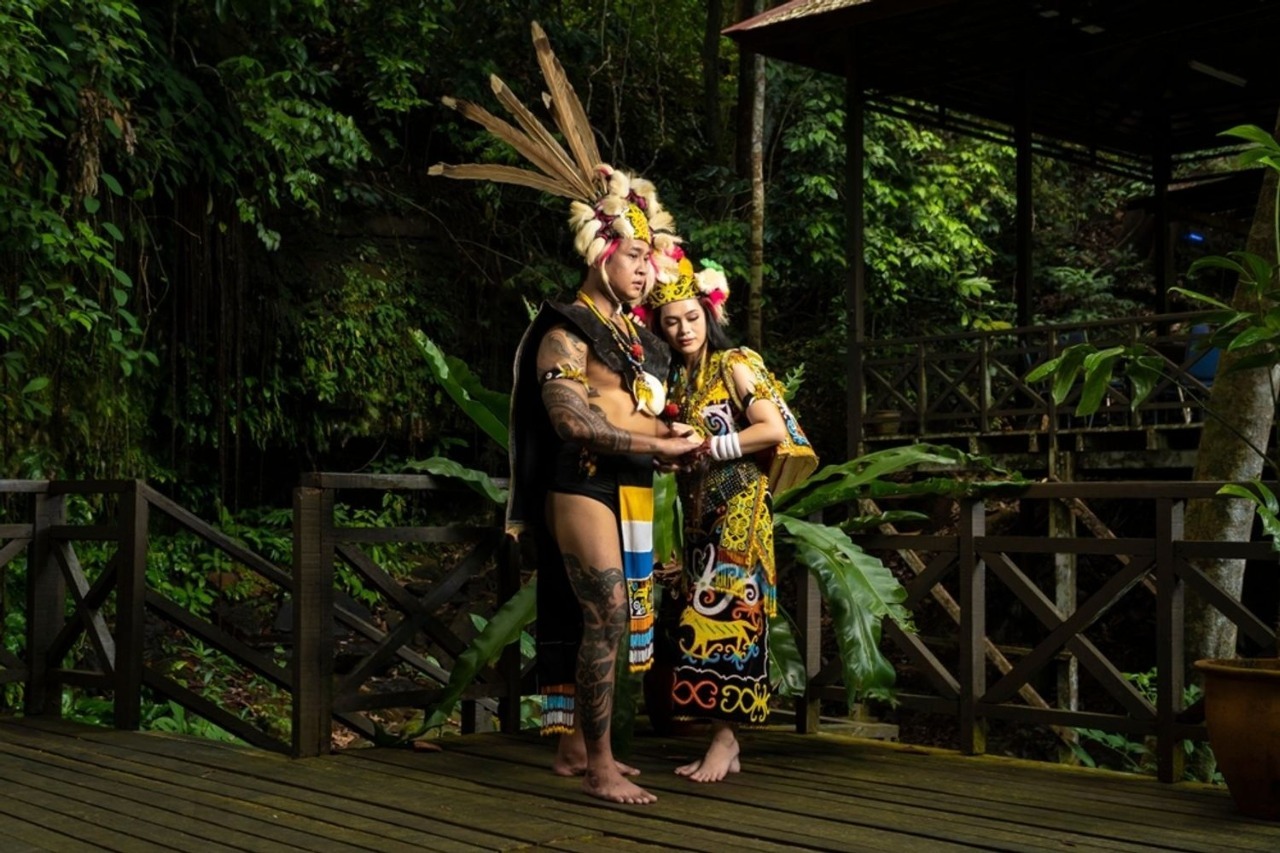
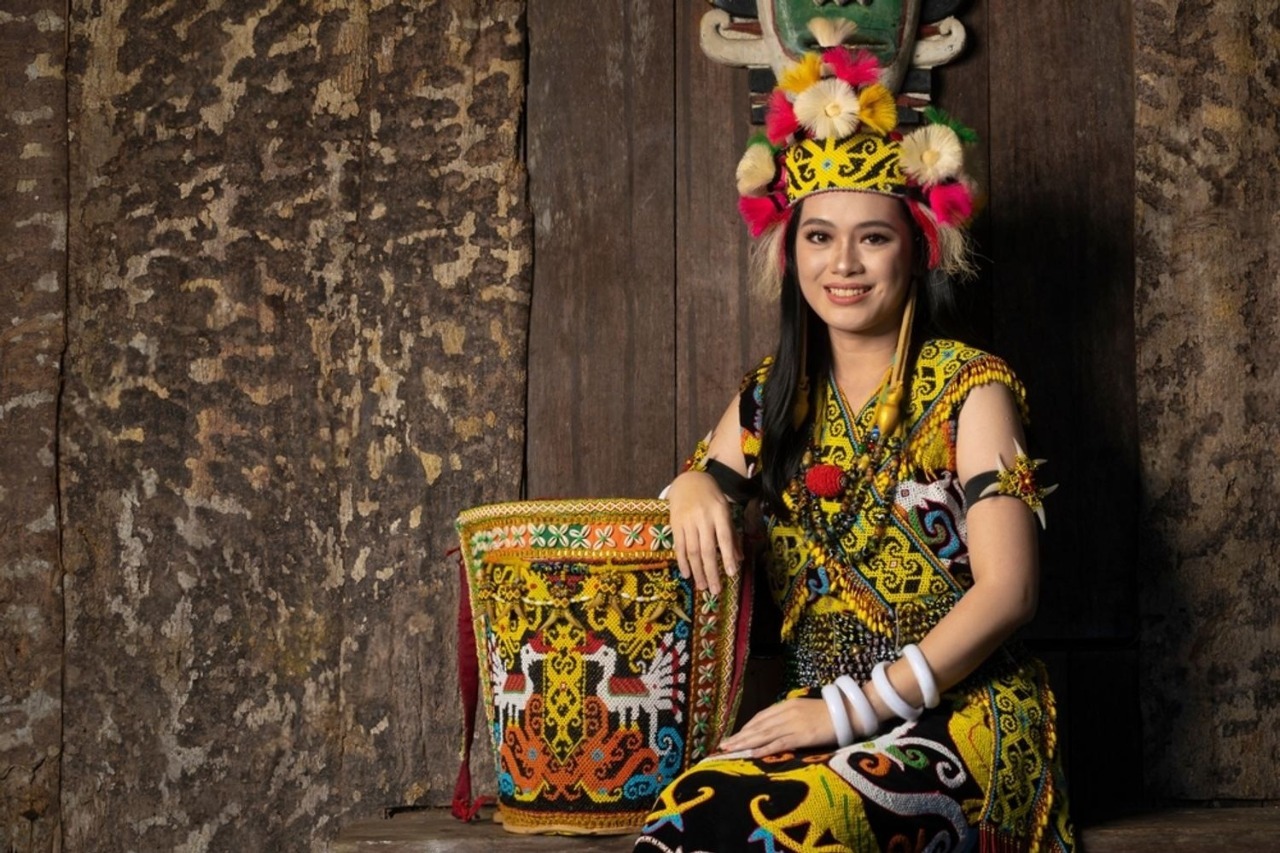
PAKAIAN TRADISIONAL ETNIK KENYAH
 Fakulti Muzik dan Seni Persembahan, Universiti Pendidikan Sultan Idris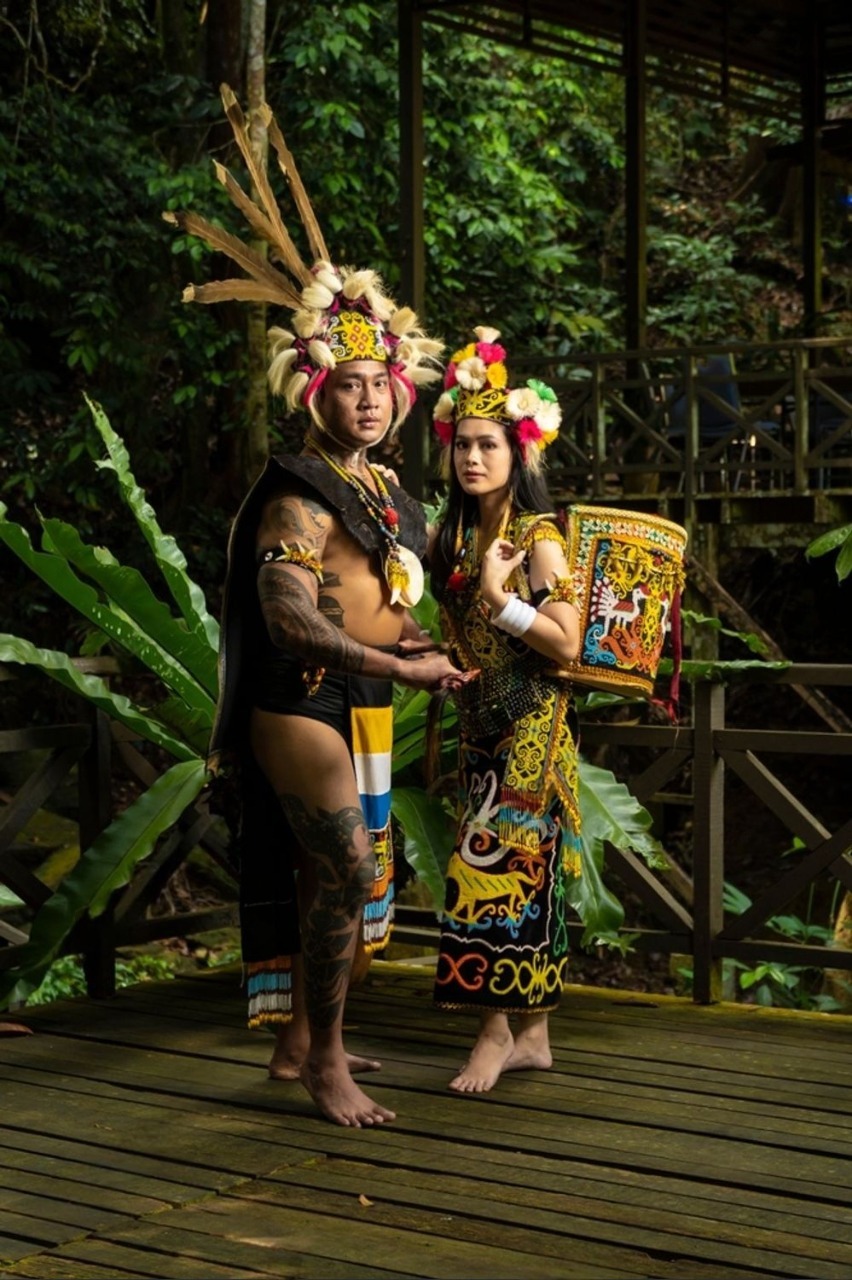

Picture
6
Video
No record
Today's Visitor
783
Number of Visitors
5772
Introduction and history
- The Kenyah people are one of the major subgroups of the Dayak community inhabiting the hinterland regions of Sarawak, particularly in the districts of Telang Usan and Belaga within the divisions of Miri, Kapit, and Bintulu. In Malaysia, they are classified alongside other ethnic groups such as the Kayan, Penan, Kelabit, and Lun Bawang, collectively referred to as the Orang Ulu, a general term for the indigenous peoples living in the northern hinterland of Sarawak.
- The Kenyah people comprises several smaller sub-ethnic groups, each differing in dialect, customs, and cultural expressions, including the Kenyah Lirung (Long Nuah), Kenyah Jamok, Kenyah Badeng, Kenyah Lepo’ Tau, Lepo’ Maut, Uma’ Bakah, Lepo’ Kulit, and Uma’ Sambop. According to oral traditions passed down through generations, the Kayan and Penan peoples are believed to have originated as sub-lineages of the Kenyah, resulting from intermarriage between the Lenjau and Suuh Bawe’ tribes.
- The Kenyah, and by extension the broader Apau Kayan/Orang Ulu cultural group (which includes the Kenyah, Kayan, Bahau, and Penan), are renowned for their refined and highly valued craftsmanship. Their distinct identity is vividly expressed through their vibrant traditional attire, rich in symbolism and meaning, distinguishing them from other Dayak subgroups beyond their cultural lineage.
- Artistic and weaving skills are passed down through generations, allowing the Kenyah people to produce garments that are intricate, harmonious, and deeply meaningful. For them, art is not merely decorative; it is a symbolic language that connects humans to the Creator, nature, and daily life. Through clothing, one’s social status and position within the traditional Kenyah hierarchy can be identified based on the intricacy of patterns, quantity of accessories, and specific color choices that reflect an individual’s honor and prestige.
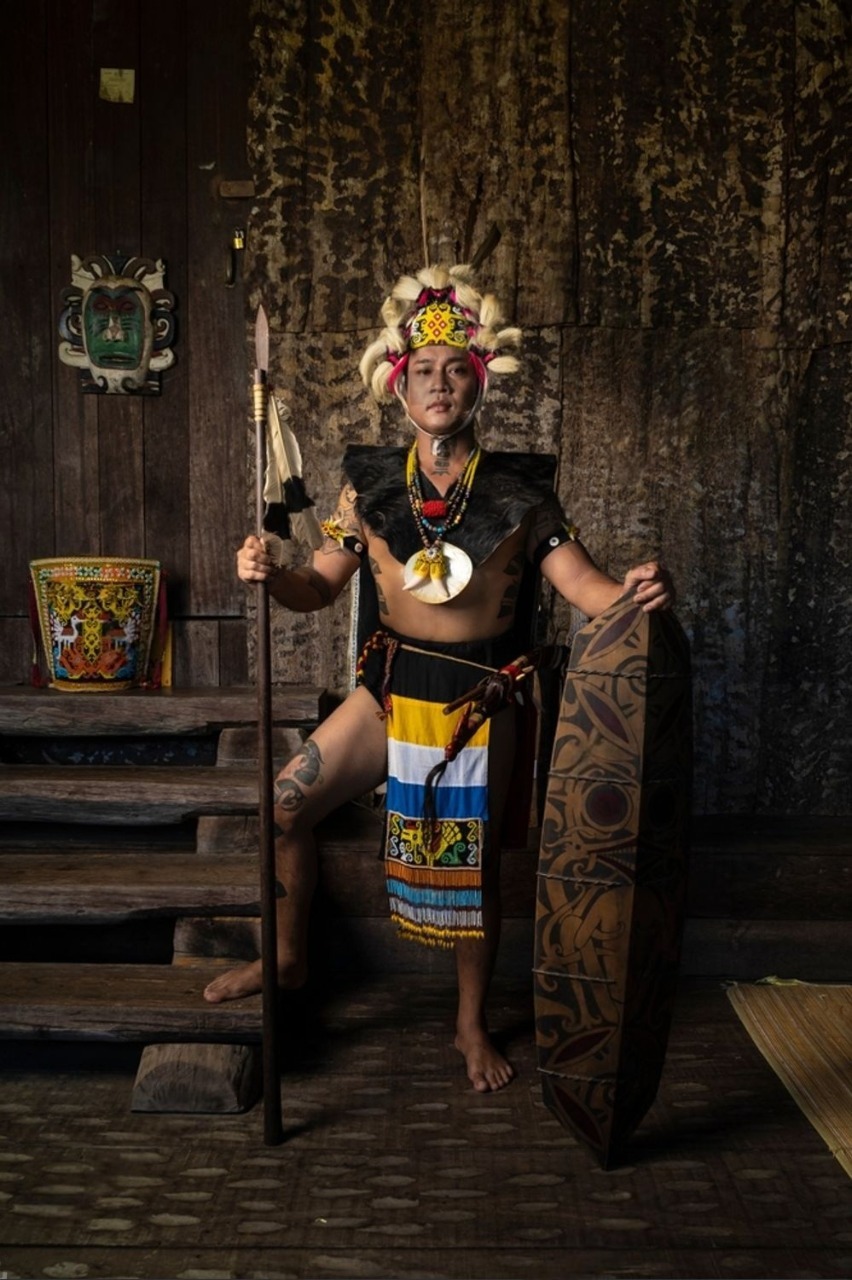
- Within their cultural traditions, Kenyah traditional attire is categorized according to gender and ceremonial function, whether for rituals, festivals, or cultural performances. The traditional male costume is known as “Besunung”, an outer garment made from deerskin or goatskin, paired with “Abet”, a type of loincloth. This ensemble is complemented by a headgear called “Tapung Puk” or “Terega”, adorned with hornbill feathers or other animal plumes symbolizing bravery and masculinity. Men also decorate their bodies with bracelets and anklets known as “Gelam Lengen” (arm bracelets) and “Gelam Bete” (leg bracelets), made from twisted metal or rattan.
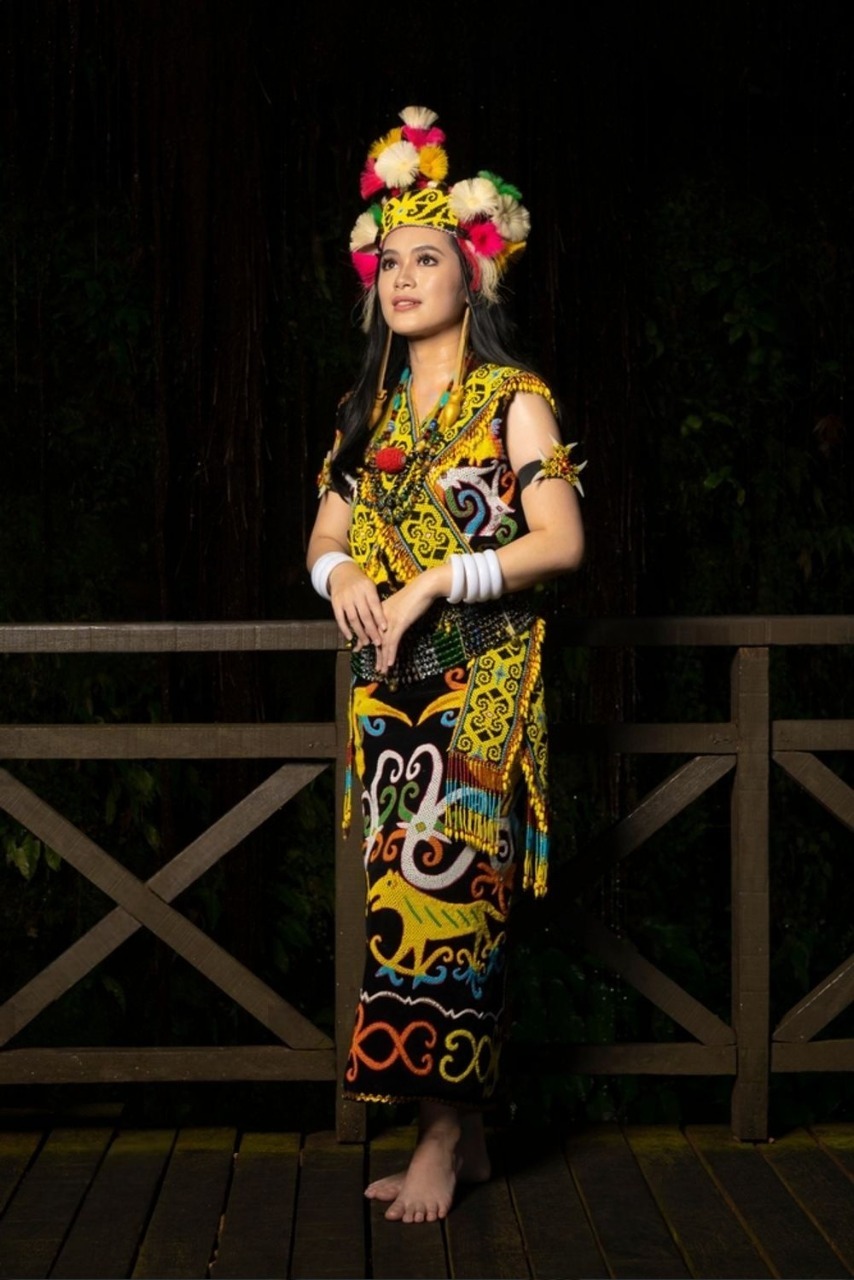
- For women, the primary traditional attire is called “Sapai”, a sleeveless blouse worn with “Ta’a”, a handwoven long skirt richly embroidered and beaded with colorful motifs depicting flora and fauna. The outfit is completed with a headdress known as “Lavung”, made of beads or metal. Large earrings called “Belaong” are traditionally worn by long-eared women as symbols of beauty, dignity, and high social standing within Kenyah society.
- Every design within Kenyah clothing is highly intricate and deeply symbolic, incorporating motifs from nature such as the bunga terung (eggplant flower), dragon, hornbill, and spiral patterns. These motifs are not merely decorative but represent spiritual values and life philosophies, symbolizing strength, courage, fertility, and harmony between humankind and the natural world. Collectively, they embody the Kenyah worldview grounded in balance and gratitude toward nature.
- The refinement of artistry, the richness of colors, and the symbolic meanings embedded in each garment not only reflect the Kenyah people’s sophisticated aesthetic sensibilities but also serve as a living manifestation of their cultural identity, dignity, and heritage, one that continues to be cherished and preserved to this day.
The traditional attire of the Kenyah people holds deep significance in the social, cultural, and ceremonial life of its people. Beyond its practical function as clothing, it embodies a profound sense of honor, heritage, and identity for the Kenyah community.
Symbol of Status and Prestige
The traditional attire of the Kenyah people serves as a marker of social standing and hierarchy within the community. The patterns, colours, and decorative elements used in both clothing and accessories signify differences between individuals of various ranks, like village chiefs and community leaders, to ordinary members of society. Garments featuring intricate beadwork, elaborate motifs, and embellishments of metal or hornbill feathers are typically reserved for the elite and respected families, symbolizing dignity, leadership, and noble status.
Official Attire for Ceremonial and Festive Occasions
In the Kenyah way of life, traditional attire is the official dress code for important cultural ceremonies and festive celebrations such as Hari Gawai, the post-harvest thanksgiving festival. During this occasion, the community dons their full traditional regalia as a symbol of joy, gratitude, and communal unity. Men wear Abet, Besunung, and Tapung Puk, while women adorn themselves in Ta’a decorated with colorful beads and Lavung headdresses. Each detail showcases the vibrant artistry and rich heritage of the Kenyah people.
Preferred Attire for Traditional Weddings
In Kenyah wedding ceremonies, traditional attire remains the preferred choice for brides and grooms as it represents the union of two families and the preservation of ancestral heritage. In modern times, although many Kenyah couples hold Christian wedding blessings in churches, they continue to wear their traditional costumes during the reception or cultural segment of the ceremony. These garments not only enhance the celebration with their vivid colors and detailed craftsmanship but also reaffirm the couple’s cultural identity and pride in their ethnic heritage.
Cultural Performances and Traditional Dances
The traditional attire also plays a vital role in cultural performances, particularly in the Datun Julud, a traditional dance performed by Kenyah women. This dance, characterized by graceful movements and expressive gestures, is enhanced by the beauty of the traditional costumes, which highlight the elegance and cultural refinement of the performers.
Identity and Cultural Heritage
The Kenyah traditional attire stands as a living emblem of identity and continuity. Each generation is taught to recognize the traditional motifs, patterns, and proper ways of wearing the attire as a form of respect for their ancestors. Through these garments, the cultural values of the Kenyah people are continuously preserved, serving as a link between their past, present, and future, a testament to their enduring commitment to tradition and heritage.
The traditional attire of the Kenyah people is not only distinguished by its elaborate clothing design but also by the accompanying accessories worn by both men and women, for example;
Tapung Puk / Terega
A traditional headgear made of rattan and decorated with hornbill feathers, goat hair, or other animal plumes. There are several types of Tapung, including Tapung Puk, Tapung Ino', Tapung Ujap, Tapung Tekeleng, Tapung Se', Tapung Beluko, Tapung Terega Tebun, Tapung Ucuk, Tapung Jena, Tapung Sepungen, Tapung Tepo, and Tapung Da’a, each differing in design and ceremonial use.
Teba’ang Inu
A colourful beaded necklace made from large beads symbolizing grandeur and social prestige.
Tesa
A decorative belt made of large beads or colored stones, worn to secure the clothing around the waist.
Bah Kabo
A black waist sash intricately adorned with fine beadwork, typically worn during formal or ceremonial occasions.
Tabin Inu
An ornament crafted from rattan and small beads, worn on the back of a warrior as a symbol of bravery and honor.
Gelam Bete and Gelam Lengen
Traditional anklets and armlets are made from twisted rattan or metal. In modern adaptations, these accessories are sometimes made from durable plastic while maintaining their traditional aesthetic.
Malat Buk
A traditional machete decorated with goat hair, representing readiness and the warrior’s protective spirit.
Kelebit Kalung
A traditional shield used not only for defense in battle but also as a symbol of heroism and masculine pride among Kenyah men.
Women’s Accessories
Kenyah women are renowned for their beautifully crafted and vividly colored attire and ornaments. Their main costume consists of the “Sapai” (blouse) and “Ta’a” (sarong or skirt), intricately embroidered and beaded with vibrant colors forming elaborate symbolic motifs. Beyond the main attire, Kenyah women wear a range of accessories that hold aesthetic value and deep cultural meaning. Notable accessories include:
Tapung (Traditional Headdress)
Various types of Tapung exist, such as Tapung Ino’ Sip, Tapung Udeng, Tapung Sakai, Tapung Se’, Tapung Puk (Beluko), Tapung Ucuk, and Tapung Da’a. Made from rattan or beads, each type has specific ceremonial purposes and social meanings.
Belaong
Large earrings traditionally worn by long-eared women symbolize beauty, endurance, and honor. These are made from metal or heavy materials that gradually elongate the earlobes, a mark of grace and status in Kenyah culture.
Uleng
A long necklace made of beads and colored stones, available in several types such as Uleng Kabo (Sabo), Uleng Sar, and Uleng Kelem. It represents elegance and prosperity.
Ino’ Bengen
A circular beaded ornament worn around the chest or waist to enhance the beauty of the attire.
Gelam
Bracelets or anklets known as Gelam Lengen (Leku’) and Gelam Ino’ Sip (Sileng), made from metal or beads, symbolize purity and feminine grace.
Beteng
A decorative belt made of colorful beads and ornamental stones, functioning both as a garment fastener and a symbol of luxury.
Tebilang / Sebakui Ino’
A sash worn over the shoulder, crafted from fabric or fine beadwork, completes the traditional ensemble with elegance.
The traditional attire of the Kenyah ethnic group is renowned for its exquisite handmade craftsmanship and the thoughtful use of natural materials sourced from their surrounding environment. Each element used in the making of these garments serves not only a practical purpose but also reflects the Kenyah people’s deep spiritual connection with nature, where every natural resource is treated with reverence and gratitude.
Traditionally, the Kenyah community utilized readily available materials from the lush rainforests of Borneo. The following are the main materials commonly used in the creation of their traditional attire and accessories:
Animal Hide
Animal hides, particularly from deer and goats, were used to make men’s garments such as the Besunung or Sunung. The hide was soaked, dried, and softened by pounding before being stitched together using rattan fibers or plant threads. The use of animal skin produced durable and flexible clothing, especially suited for men who engaged in hunting or served as protectors of their families.
Plant Fibers and Rattan
Rattan and fibers extracted from forest plants such as the terap, timbau, and bamboo trees were used in crafting Tapung (traditional headdresses), bracelets, and belts (Tesa and Gelam). These materials are lightweight, sturdy, and easily shaped, making them ideal for producing both structural components and decorative accessories.
Beads and Colored Stones
Beads form the most essential decorative element in Kenyah attire, particularly for women’s garments. They are used to embellish the Sapai blouse, Ta’a skirt, and accessories such as Uleng, Beteng, and Tebilang. In earlier times, beads were made from fragments of glass, bone, stone, or shells, and were dyed with natural pigments derived from charcoal dust, tree sap, and flower extracts. Each color carried symbolic meaning—representing life, fertility, and harmony.
Bird and Animal Feathers
Feathers from the hornbill, wild fowl, and goats were used to decorate headgear, swords, and headdresses such as Lavung Kirieng and Tapung Puk. Among these, hornbill feathers held special significance, as the hornbill is regarded as a sacred and powerful creature in Kenyah belief. It symbolizes courage, nobility, and protection from malevolent spirits.
Metals and Copper
Metals such as copper and silver were used to craft bracelets, anklets (Gelam), and earrings (Belaong). These metallic ornaments not only served as adornments of beauty but also as symbols of wealth and social standing within the community. For Kenyah women, the number of bracelets and necklaces worn was often an indication of status and respectability.
Modern Textiles
In contemporary times, fabrics such as velvet, satin, and cotton have been adopted as alternatives to traditional animal hides and plant fibers. The use of these modern materials has made it easier to reproduce Kenyah traditional costumes for cultural performances, Gawai celebrations, and official ceremonies, while still preserving the original motifs, patterns, and artistic integrity of the Kenyah heritage.
Each layer of clothing, accessory, and method of wearing in Kenyah traditional attire carries symbolic meaning that reflects a person’s status, gender, and social role within the community. The manner of dressing also varies according to purpose—whether for traditional rituals, festivals, weddings, or cultural performances. The following outlines the proper ways of wearing this traditional attire:
How to Wear the Men’s Attire
Wearing the “Sapai” (Blouse)
The Sapai covers the upper body and chest. It is a short-cut to the waist and richly decorated with symmetrical and intricate bead embroidery, emphasizing the wearer’s grace and craftsmanship.
Putting on the “Besunung” or “Sunung” (Animal-Skin Tunic)
The upper garment, made from deerskin or goatskin, is worn over the torso. The natural texture of the hide is preserved, giving the attire a rugged and authentic appearance, shaped to form the body covering.
Fastening the “Tesa” (Beaded Belt)
The Tesa functions as a belt to secure the attire around the waist while adding decorative beauty with colorful beads.
Adorning the “Tapung Puk” or “Terega” (Decorative Headdress)
This traditional headdress, made from rattan and adorned with hornbill or goat feathers, symbolizes courage and masculinity. It is worn during ceremonies or warrior performances.
Wearing the “Gelam Bete” and “Gelam Lengen” (Anklets and Armlets)
These accessories, made from twisted rattan or metal, are worn on both arms and legs to signify strength and readiness.
Equipping the “Malat Buk” and “Kelebit Kalung”
The Malat Buk is a traditional machete decorated with goat hair, while the Kelebit Kalung is a shield, both representing a warrior’s valor, preparedness, and protective role within the Kenyah community.
How to Wear the Women’s Attire
For Kenyah women, the process of dressing in traditional attire is meticulous, requiring harmony between color, bead arrangement, and accessories. The steps are as follows:
Wearing the “Sapai” (Blouse)
The Sapai covers the upper body and chest. It is a short-cut to the waist and richly decorated with symmetrical and intricate bead embroidery, emphasizing the wearer’s grace and craftsmanship.
Putting on the “Ta’a” (Beaded Skirt or Sarong)
The Ta’a is worn from the waist down to the ankles. It is made from thick fabric or handwoven material adorned with multicolored beads forming natural motifs such as hornbills, eggplant flowers, and dragons. The main patterns are arranged carefully at the front to highlight the design.
Tying the “Beteng” (Beaded Belt)
The Beteng is worn around the waist to secure the skirt and complete the ensemble. Large red, yellow, and green beads are often used to emphasize the elegance and social standing of the wearer.
Adorning the “Tapung” (Traditional Headdress)
The Tapung, crafted from rattan, beads, or metal, and decorated with hornbill or goat feathers, is worn atop the head and pinned securely, symbolizing beauty and dignity.
Wearing the “Uleng” and “Belaong”
The Uleng is a long beaded necklace layered several times around the neck, while the Belaong are large earrings traditionally worn by long-eared women, representing endurance, refinement, and feminine grace.
Putting on the “Gelam” (Bracelets and Anklets)
The Gelam, made of metal or beads, is worn on both wrists and ankles. These ornaments produce a gentle jingling sound, adding charm and rhythm to the movements of the wearer.
Draping the “Tebilang” or “Sebakui Ino’” (Beaded Sash)
This beaded sash is worn diagonally across the right shoulder and allowed to drape gracefully to the side, adding visual balance and elegance to the overall attire.
-
Reference Source
Bahan Bacaan
Bevis, W. W. (1995). Borneo log: The struggle for Sarawak's forests. University of Washington Press.
Guerreiro, A. J., & Sellato, B. (1984). Traditional migration in Borneo: The Kenyah case. Borneo Research Bulletin, 16(1), 12–28.
Lestari, D. P., & Rahardi, R. K. (2023). Makna simbolik aksesoris pakaian adat pengantin wanita suku Dayak Kenyah Kalimantan Timur: Kajian antropolinguistik. EDUKASIA Jurnal Pendidikan dan Pembelajaran, 4(2), 1287–1294.
Lin, C. P., & Lim, C. K. N. (2021). The Indigenous music of Sarawak and its transmission over the last 60 years with a special focus on the music of the Kenyah and the Lun Bawang. In The legacy of indigenous music: Asian and European perspectives (pp. 165–198).
Springer Singapore. https://doi.org/10.1007/978-981-16-6264-1_9
Putra, A. P. S. S. U., Lepun, M. P., Robin, T., Alan, R., Ismail, Z., Magiman, M. M., & King, J. H. (n.d.). Exploring the role of Kenyah traditional culture in upland rice cultivation. [Manuscript in preparation or unpublished paper].
Soriente, A. (2008). The classification of Kenyah languages: A preliminary statement. Journal of the Southeast Asian Linguistics Society, 14(2), 49–62.
Tugang, N., & Kiyai, G. (2021). The study of material culture of the Iban community in Sarawak: Ngepan. International Journal of Applied and Creative Arts, 4(1), 80–97.* https://ijaca.unimas.my
The Rojak Projek. (2020, September 23). Culture: Bidayuh & Kenyah – Guinevere Aring (Pakar). https://www.therojakprojek.com/post/culture-bidayuh-kenyah-guinevere-aring-pakar
Letokenyah Badeng. (n.d.). Letokenyah Badeng blog. Retrieved November 9, 2025, from https://letokenyahbadeng.blogspot.com/
Demabetuen. (2017, February). Pakaian tradisional Kenyah (1). Retrieved November 9, 2025, from https://demabetuen.blogspot.com/2017/02/pakaian-tradisional-kenyah-1.html
Location
State JKKN Contact Information
Encik Boniface Anak Babai
Cultural Officer
Jabatan Kebudayaan dan Kesenian Negara, Sarawak
Tingkat 5 Bangunan Sultan Iskandar,
Jalan Simpang Tiga,
93000, Kuching,
SARAWAK
019-2399682/082-422006
Use the form below to contact the Informant/Figure/Editor/Researcher directly. We will respond to your inquiry as soon as possible!


