

ARTS AND CULTURE INFORMATION GATEWAY
Immerse yourself in the colorful world of art and culture! From traditional heritage to contemporary works, discover uniqueness that reflects the nation's identity and identity
 Fakulti Muzik dan Seni Persembahan, Universiti Pendidikan Sultan Idris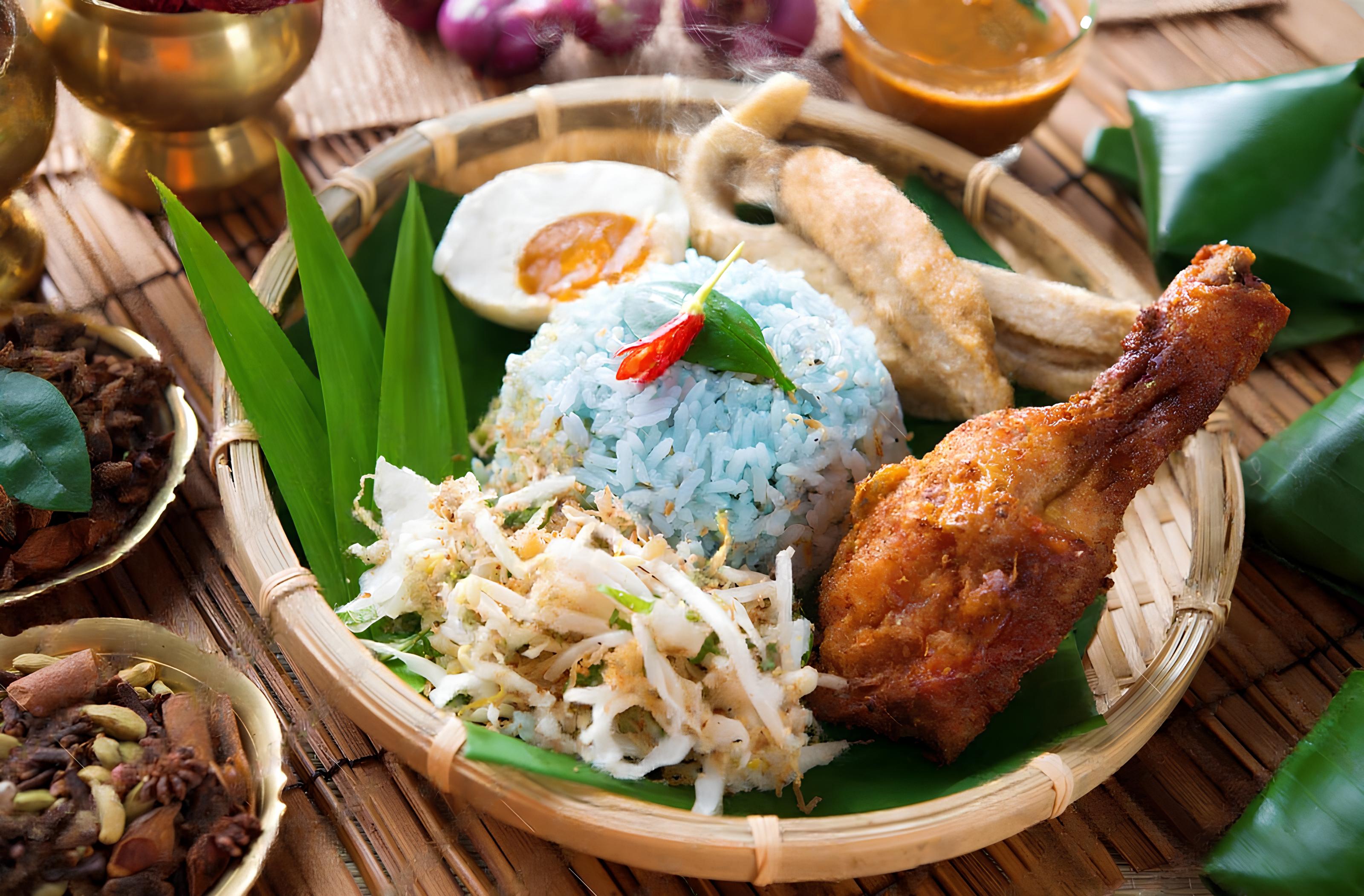
Picture
8
Video
No record
Today's Visitor
1782
Number of Visitors
9060
Introduction and history
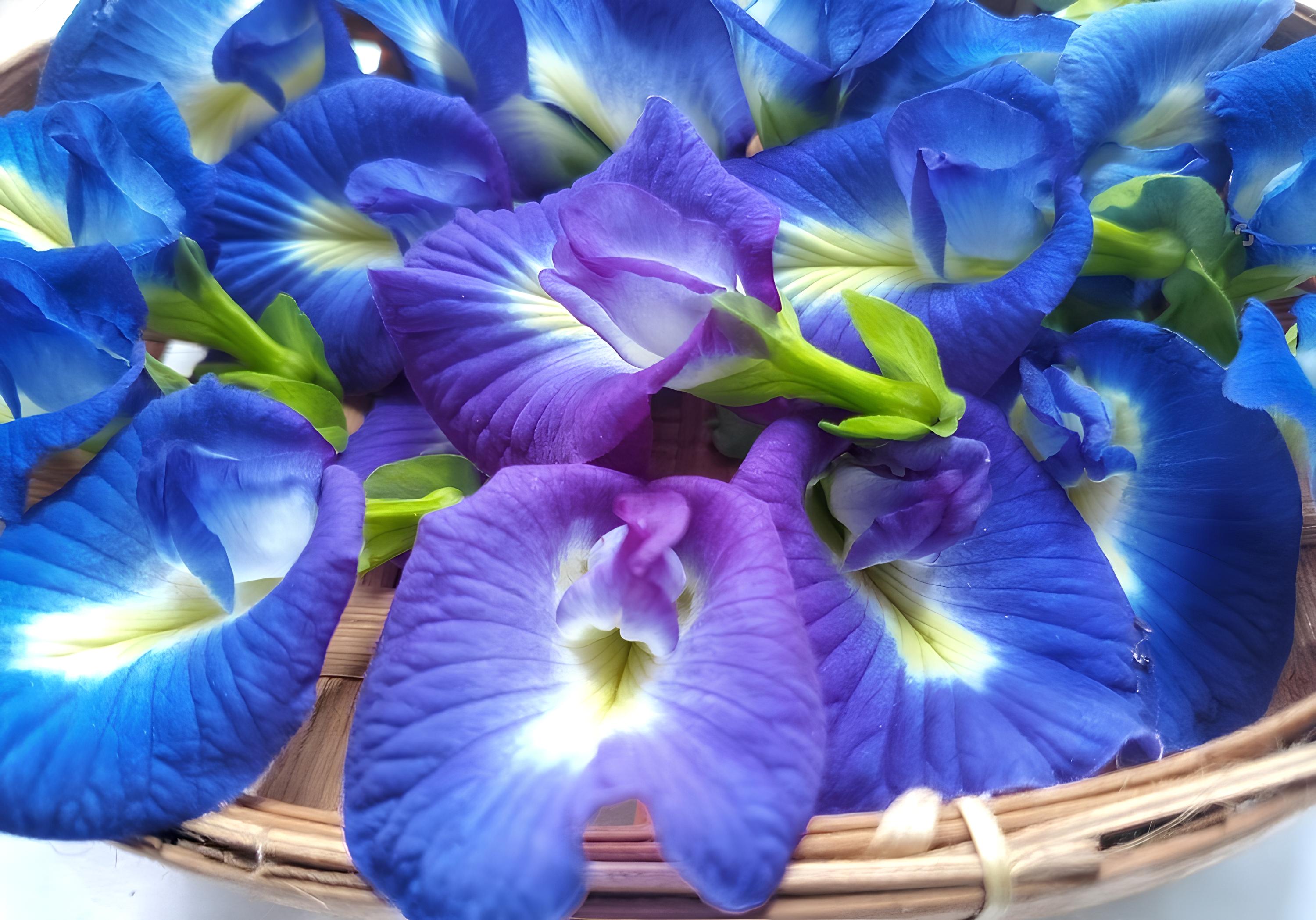
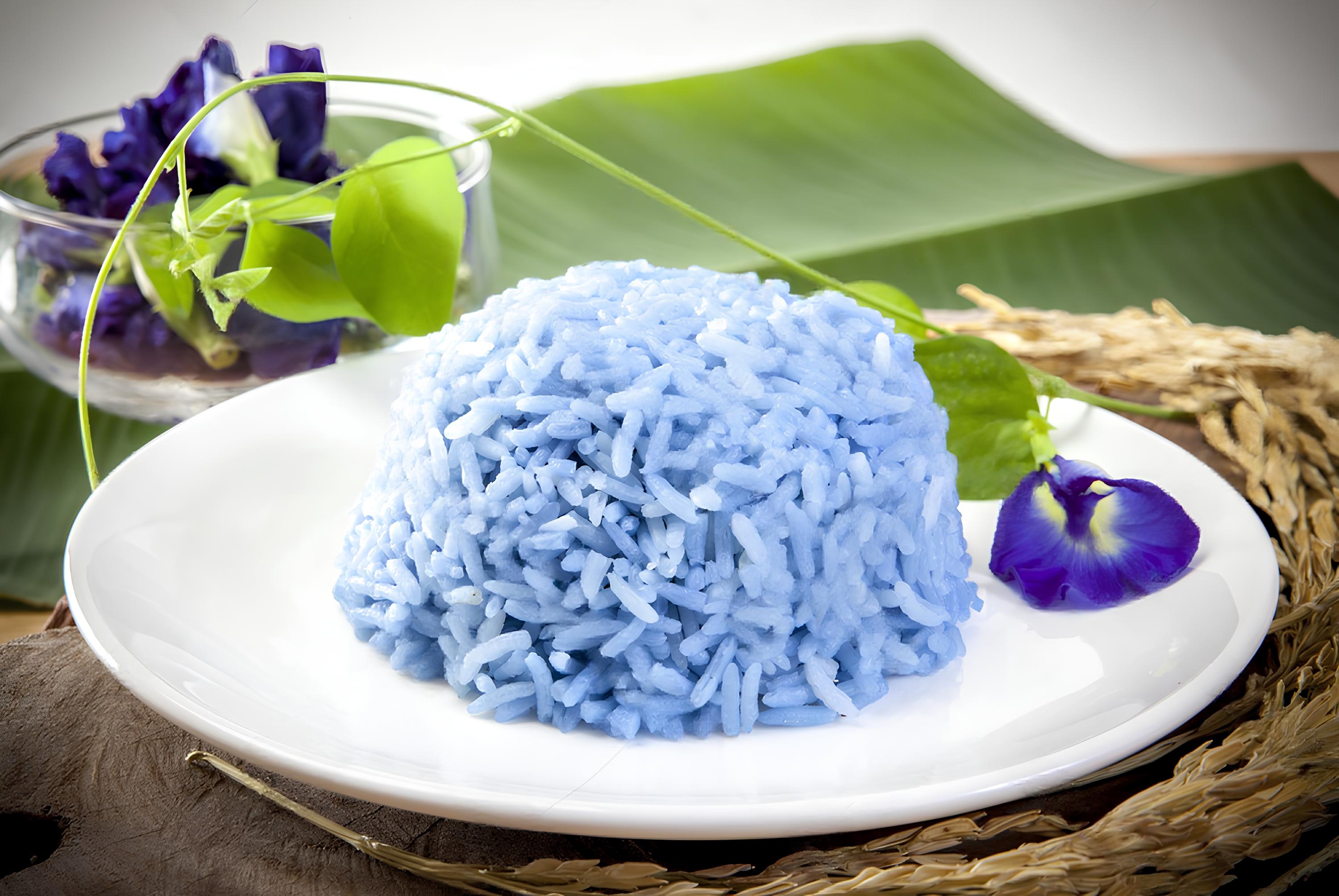
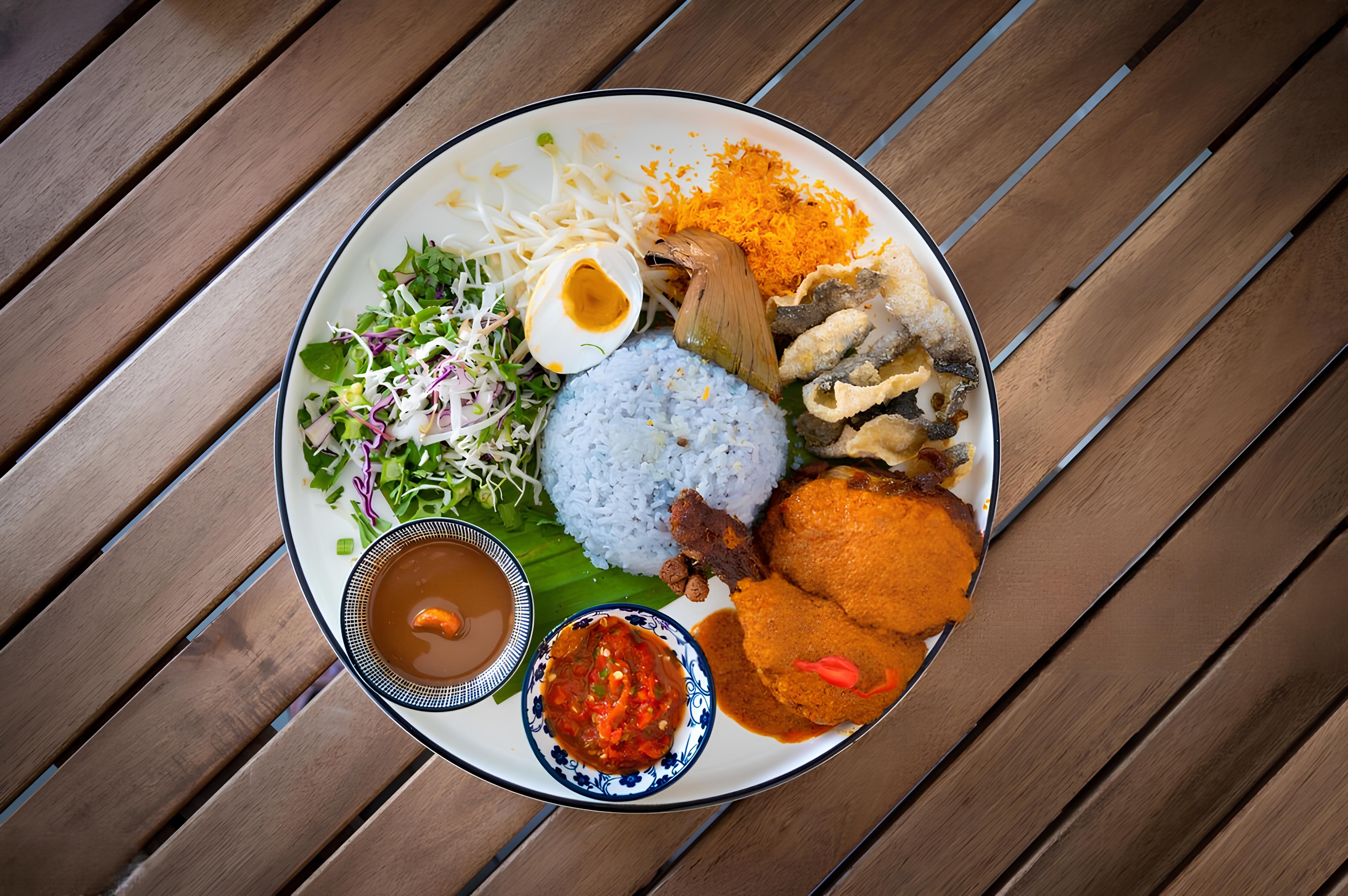
- Nasi Kerabu is one of the traditional dishes closely associated with the East Coast of Peninsular Malaysia, particularly the state of Kelantan. Its most distinctive feature lies in the striking blue hue of the rice, derived from the petals of the butterfly pea flower (Clitoria ternatea). This flower not only imparts its unique color to the rice but is also believed to carry certain health benefits, especially for internal organs such as the liver and kidneys. Over time, Nasi Kerabu has come to symbolize the ingenuity of the local community in harmoniously blending aesthetics, flavor, and nutritional value into a single dish.
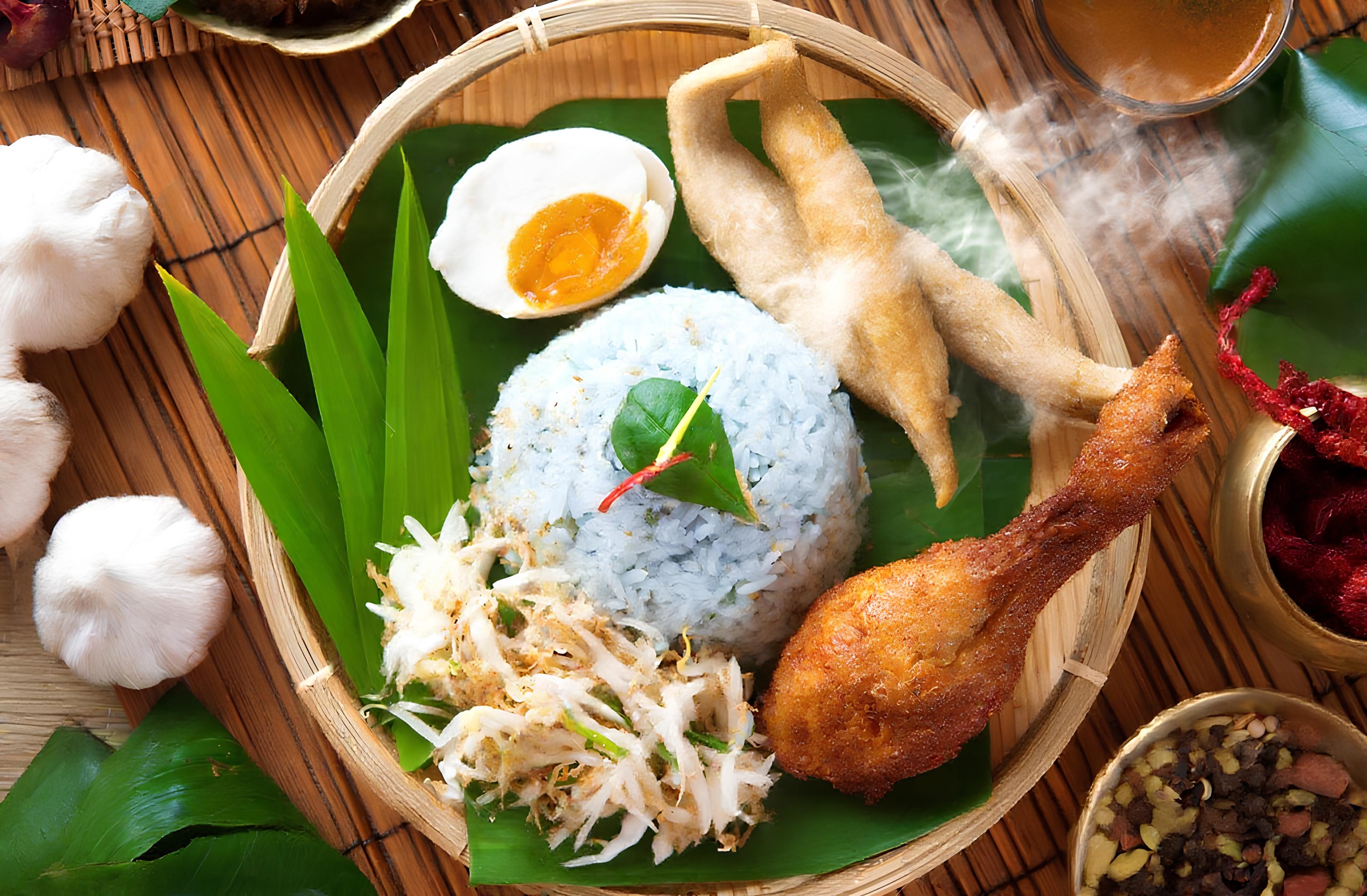
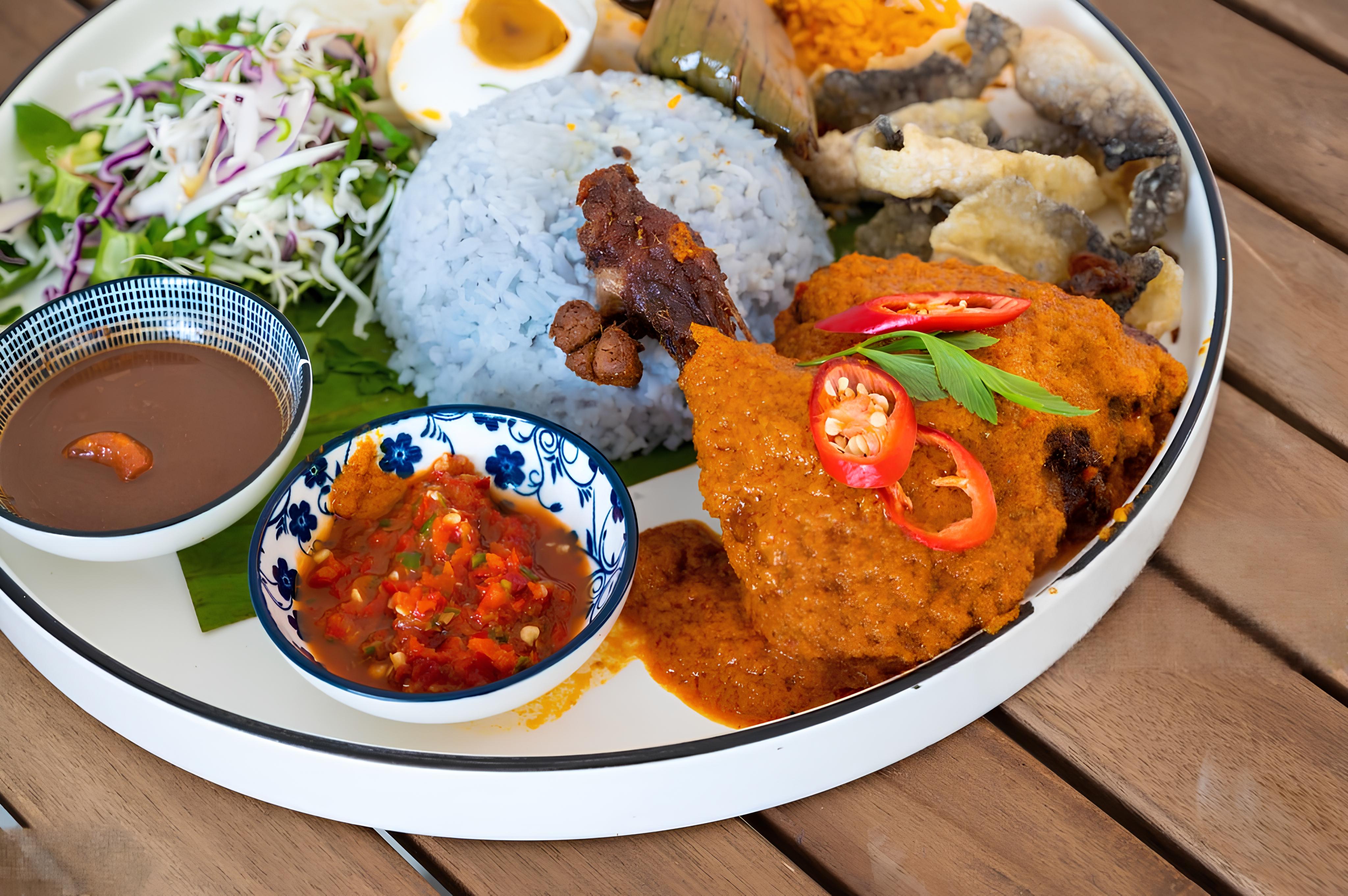
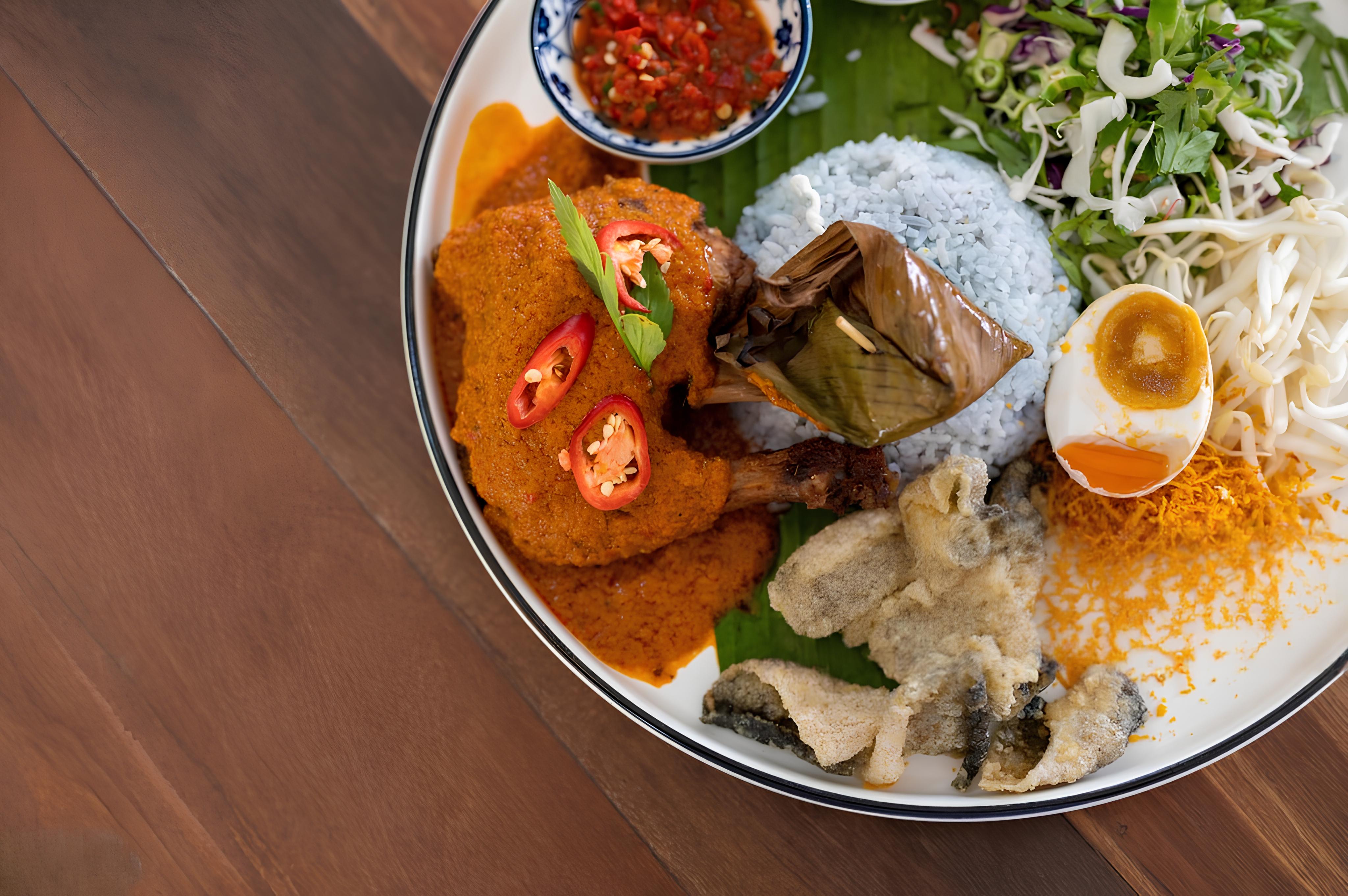
- The origin of the name “Nasi Kerabu” is directly linked to the word kerabu itself. In Malay culinary tradition, kerabu refers to a type of salad made from raw ingredients such as fresh herbs, vegetables, grated coconut, salt, and chili. These ingredients are typically mixed together to produce a dish that is fresh, slightly spicy, salty, and aromatic. When rice is paired with a variety of fresh herbs, toasted coconut, budu (a fermented anchovy sauce), grilled fish, or ayam percik (spiced grilled chicken), the dish becomes known as Nasi Kerabu. The name thus accurately describes the essence of the food: rice combined with a medley of fresh kerabu vegetables.
- Beyond Malaysia, Nasi Kerabu is also known in southern Thailand under the names khao yam or khao jam. The geographic and cultural ties between Malaysia’s East Coast and southern Thailand have contributed to similarities in their culinary traditions. However, there are distinct differences in taste and presentation. In Malaysia, the blue rice from butterfly pea flowers is the signature element, while the Thai version is usually white or yellowish, with a slightly different set of seasonings. This cultural crossover highlights how Nasi Kerabu is more than just food—it is also a reflection of the cultural interactions and trade exchanges that shaped Southeast Asia.
- From a historical perspective, some scholars suggest that Nasi Kerabu began to develop among the Peranakan community of Kelantan around the 15th century. The Peranakan in Kelantan at that time were the product of cultural blending between the Malay, Chinese, and Thai communities. Through intermarriage, trade, and the migration of Chinese and Hokkien traders from Thailand, culinary adaptations began to emerge. It is believed that the Malay community living along the Kelantan River created Nasi Kerabu by utilizing local produce such as herbs, edible plants, and butterfly pea flowers. This cultural intermingling enriched the gastronomic identity of Nasi Kerabu, shaping it into the celebrated dish we know today.
- The significance of Nasi Kerabu is also evident in its role within community life. In its early days, it was not merely a daily staple but also a special dish served during important ceremonies, large family gatherings, and traditional celebrations. The freshness of the accompanying herbs reflected the Malay community’s close relationship with nature, while the inclusion of budu and fish crackers (keropok lekor) emphasized the East Coast’s strong ties to the sea. These elements established Nasi Kerabu not only as a meal but also as an expression of lifestyle and cultural values.
- Over time, Nasi Kerabu spread beyond Kelantan and the East Coast to neighboring states such as Pahang, and eventually gained popularity throughout Malaysia. The addition of side dishes such as ayam percik, grilled beef, stuffed chili peppers (solok lada), salted eggs, and crackers provided even greater variety and taste. Although the methods of preparation and accompanying dishes may differ from state to state depending on local tastes, the essence of the dish remains unchanged: rice paired with fresh herbs, toasted coconut, budu, and other complementary ingredients.
- Today, Nasi Kerabu is not only cherished among Malaysians but has also become a culinary attraction for international visitors seeking to experience the uniqueness of traditional Malaysian cuisine. It is promoted as a distinctive heritage food, celebrated for its vibrant colors, delightful flavors, and cultural depth. Its enduring presence demonstrates the resilience of traditional cuisine in adapting to modern times, while continuing to uphold its original identity as a proud symbol of Malay gastronomy.
In general, Nasi Kerabu carries various functions and roles within Malaysian society. Among the most notable are:
Daily Food
Nasi Kerabu serves as a staple dish for the East Coast community. It is suitable to be enjoyed at breakfast, lunch, or dinner. Its uniqueness lies in the blue-colored rice, paired with fresh herbs and simple yet nutritious side dishes. This combination provides daily energy while preserving the traditional eating habits of the local community.
Ceremonial and Festive Dish
Beyond being an everyday meal, Nasi Kerabu is also commonly served during social gatherings such as wedding feasts, family banquets, festive celebrations like Hari Raya, and even official functions. It is a popular choice because its ingredients—such as rice, herbs, grated coconut, and budu—are easily accessible. Moreover, its preparation is not overly complicated, making it practical for cooking in large quantities.
Health Function
From a health perspective, Nasi Kerabu is considered a wholesome meal because it is rich in fresh herbs and vegetables that provide fiber, vitamins, and minerals. It is often combined with protein sources such as grilled fish, ayam percik (spiced grilled chicken), or salted eggs, which together offer a balanced nutritional profile. Its emphasis on fresh herbs and raw vegetables reflects the traditional lifestyle of consuming natural, minimally processed foods.
Commercial Value
Nasi Kerabu also holds significant commercial potential. It becomes a highlight during the month of Ramadan as a popular dish for breaking fast, while also maintaining consistent demand at night markets, food bazaars, and restaurants. Its popularity not only boosts the income of small vendors but also secures its place as one of Malaysia’s best-selling traditional foods. The widespread love for Nasi Kerabu makes it a competitive local product with strong potential to be promoted in the field of culinary tourism.
-
In preparing Nasi Kerabu, a wide variety of ingredients are used to preserve its authentic taste and traditional identity. These ingredients can generally be divided into four main categories:
Ingredients for Cooking the Rice
Rice – the main staple.
Butterfly pea flower water – obtained by steeping the petals of the butterfly pea flower (Clitoria ternatea) to produce the natural blue color.
Pandan leaves – added for fragrance.
A stalk of lemongrass (optional) – lightly bruised and placed in the pot while cooking the rice to enhance aroma.
Ingredients for Toasted Grated Coconut
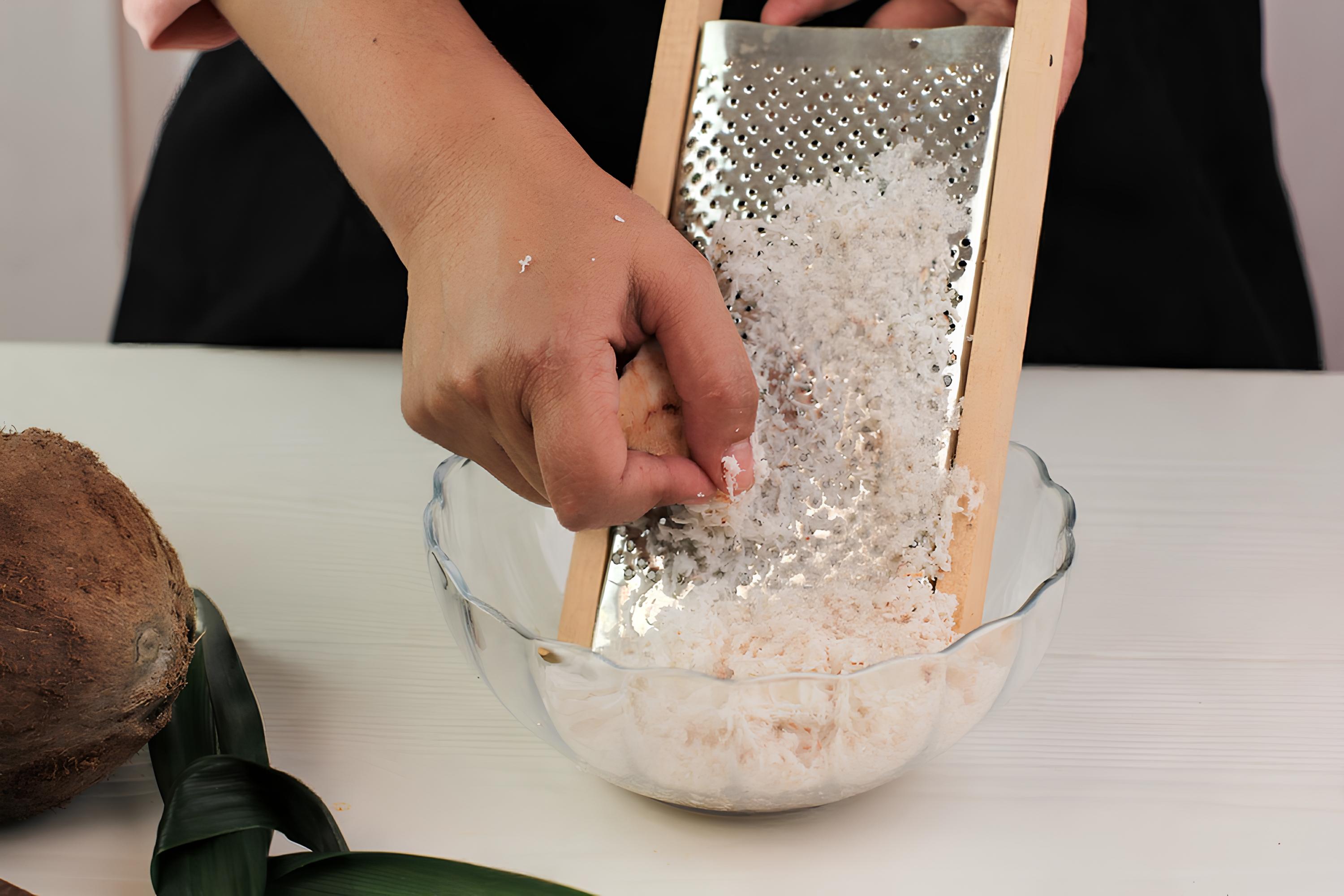
Grated coconut – dry-toasted until golden brown.
Shallots – finely pounded.
Garlic – finely pounded.
Dried chilies – finely pounded.
Salt, to taste – used for seasoning.
Ingredients for Fresh Herbs and Vegetables (Ulam)
Cucumber – finely sliced.
Long beans – thinly sliced.
Bean sprouts – briefly blanched or served fresh.
Polygonum leaves – thinly sliced.
Sand ginger leaves – lightly bruised or thinly sliced.
Cabbage – finely shredded.
Young lemongrass stalks – finely sliced.
Accompanying Side Dishes
Grilled fish – typically mackerel or sardines, flaked into small pieces.
Grilled meat or chicken – served as an optional protein.
Salted boiled egg – to complement the dish and provide protein.
Budu (fermented anchovy sauce) – as the main dipping sauce.
Fish crackers – deep-fried until crispy, served on the side.
Stuffed green chili – green chilies filled with a mixture of grated coconut and fish, regarded as one of the signature accompaniments.
The preparation of Nasi Kerabu involves four main components: the blue rice, toasted coconut, a variety of fresh vegetables and herbs, as well as proteins and accompaniments according to individual taste. The following are the detailed steps:
Step 1: Preparing the Blue Rice
Rinse the butterfly pea flowers (fresh or dried), then soak them in hot water for 10–15 minutes until the water turns a deep blue. Strain and set aside the extract.
Meanwhile, wash the rice until the water runs clear to prevent excess starch.
Cook the rice as usual using a rice cooker or steamer, replacing part or all of the water with the butterfly pea flower extract.
Add pandan leaves and lightly bruised lemongrass for fragrance. A pinch of salt may also be added according to taste.
Once cooked, fluff the rice with a fork or spatula so the grains remain separate. Cover the pot and keep the rice warm until serving.
Step 2: Preparing the Toasted Coconut
While the rice is cooking, grate coconut that is neither too young nor too mature, using only the white flesh.
Place the grated coconut in a dry pan without oil and toast over medium heat until golden brown and aromatic, stirring constantly to avoid burning.
Pound or blend shallots, garlic, and boiled dried chilies (optional) until fine.
Mix the pounded/blended ingredients into the warm toasted coconut and stir well.
Season with salt to taste (and optionally a little sugar for balance). Mix until evenly combined.
Transfer to a container and let cool. Store in a dry place until ready to use.
Step 3: Preparing the Vegetables and Fresh Herbs (Ulam)
Wash and drain all vegetables and herbs such as cucumber, long beans, bean sprouts, polygonum leaves, sand ginger leaves, cabbage, and young lemongrass. Ensure they are dry to prevent excess moisture in the dish.
Slice the cucumber, long beans, cabbage, and lemongrass thinly; shred the aromatic leaves finely to release their fragrance.
For bean sprouts, blanch quickly for 10–20 seconds and immediately cool in cold water to retain crispness, or serve raw if very fresh.
Keep each vegetable in separate containers for easy portioning during plating.
Step 4: Preparing Proteins and Accompaniments
Grilled Fish
Clean the mackerel or sardine. Rub lightly with salt (and a squeeze of lime, if desired). Marinate briefly for about 10 minutes.
Grill over a hot griddle or pan until cooked through and slightly charred. Set aside to cool in a clean, covered container.
Once cool or lukewarm, remove the flesh from the bones and flake finely to be sprinkled over the rice.
Grilled Chicken or Beef
Clean the meat, trim excess fat, and cut into medium pieces for easier grilling or frying.
Season with salt and ground black pepper. Optional ingredients such as turmeric, blended lemongrass, or a touch of honey may be added for richer flavor.
Marinate for at least 30 minutes (longer if possible for deeper taste).
Heat a grill or, if frying, prepare oil.
Grill or fry the meat until evenly cooked, turning occasionally to avoid burning.
Allow to cool slightly, then slice thinly before serving with the Nasi Kerabu.
Salted Eggs
Wash 3 to 5 salted eggs thoroughly.
Boil for 7–9 minutes over medium heat.
Once fully cooked, cool briefly before peeling, or simply cut the eggs in half for serving.
Budu (fermented anchovy sauce)
Mix budu (fermented anchovy sauce) with sliced bird’s eye chilies and shallots. Add lime juice (calamansi or key lime) and a little sugar if necessary.
Stir well and adjust the balance of salty, sour, and spicy flavors.
Optional Side Dishes
Keropok: Fry fish crackers or keropok lekor until crispy, then drain excess oil.
Stuffed Green Chilies: Green chilies stuffed with a mixture of grated coconut and fish, served as a special accompaniment.
Step 5: Serving and Eating
Place a mound of blue rice onto a plate (you may use a bowl mold to create a neat dome shape).
Sprinkle the toasted coconut generously over the rice.
Arrange the fresh herbs and vegetables on the side.
Add the flaked grilled fish or sliced grilled chicken/beef.
Spoon budu at the side, and add half a salted egg and a few pieces of keropok.
The Nasi Kerabu is now ready to be enjoyed.
-
Reference Source
Bahan Bacaan
Anuar, Z. (2021). Nasi kerabu sebagai inspirasi reka corak baru batik skrin. Info Usahawan.
Aweng, E. R., Syuhadah, S. N., Norashikin, M. F., Ismail, A. A., Izzati, S. N., & Fadli, A. A. (2014). Nutritional value of the concoction of Sauropus androgynus, Morinda citrofolia, Clitoria ternatea, Curcuma zanthorrhiza and Curcuma longa used for herbs rice. Journal of
Tropical Resources and Sustainable Science (JTRSS), 2(2), 47–52.
Marzuki, I. N., Othman, N. A., Fauzi, N. A. M., & Som, S. M. (2024). Eksplorasi gastronomi Kelantan melalui rekaan tipografi digital: Exploration of Kelantan gastronomy through digital typography design. Asian Journal of Environment, History and Heritage, 8 (Special Issue).
Salleh, N. H. M. (2023). Kandungan polifenol dan aktiviti antioksidan filem boleh dimakan daripada bunga telang. Buletin Teknologi MARDI, 36, 85–92.
The Patriots. (n.d.). Asal-usul nasi kerabu. The Patriots. Retrieved September 21, 2025, from https://thepatriots.asia/asal-usul-nasi-kerabu/
Rasa. (n.d.). Resipi lengkap nasi kerabu bunga telang asli dari Kelantan. Rasa. Retrieved September 21, 2025, from https://www.rasa.my/resipi-lengkap-nasi-kerabu-bunga-telang-asli-dari-kelantan/
Zein, M., Putri, G., & Turki, S. S. A. (n.d.). Kuliner sebagai bukti keserumpunan antara Nusantara dan .....
Zulkifli, A. H., Mazlan, N. H., Talhah, H. F., A. W., M. F., Wan Ismail, W. R., & Md Nor, N. (2020). Local Malay snacks and desserts: The hidden gems of Terengganu. ESTEEM Journal of Social Sciences and Humanities, 4, 125–131.
Location
State JKKN Contact Information
Encik Wan Mohd Rosli bin Wan Sidik
Cultural Officer
Jabatan Kebudayaan dan Kesenian Negara, Kelantan
Kompleks JKKN Kelantan
Lot 1993, Seksyen 49,Tanjong Chat,
15200, Kota Bharu,
KELANTAN DARUL NAIM
09-741 7000
Use the form below to contact the Informant/Figure/Editor/Researcher directly. We will respond to your inquiry as soon as possible!


