

ARTS AND CULTURE INFORMATION GATEWAY
Immerse yourself in the colorful world of art and culture! From traditional heritage to contemporary works, discover uniqueness that reflects the nation's identity and identity
 Fakulti Muzik dan Seni Persembahan, Universiti Pendidikan Sultan Idris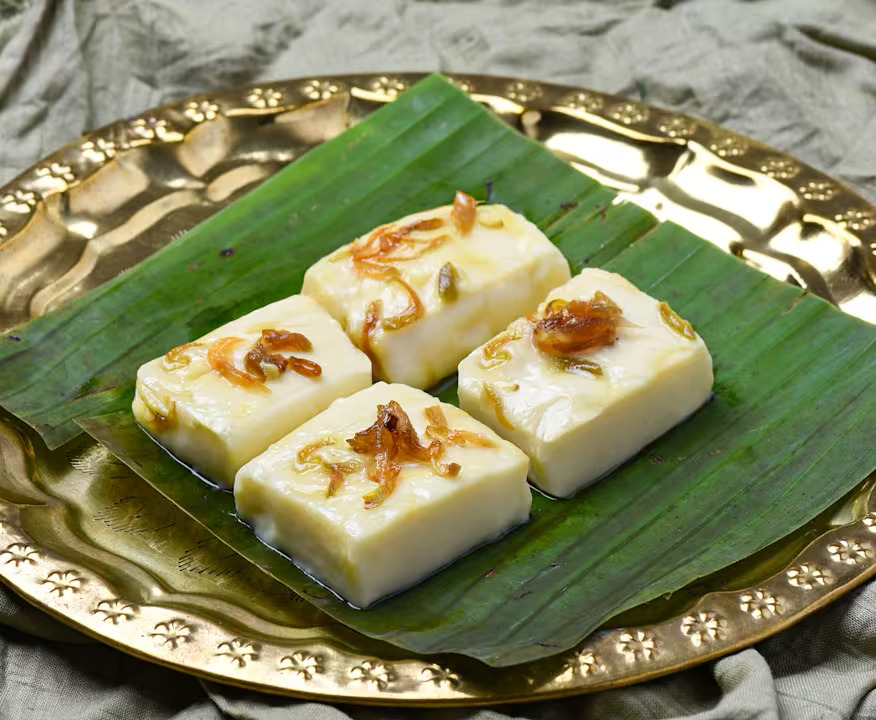
Picture
4
Video
No record
Today's Visitor
60
Number of Visitors
936
Introduction and history
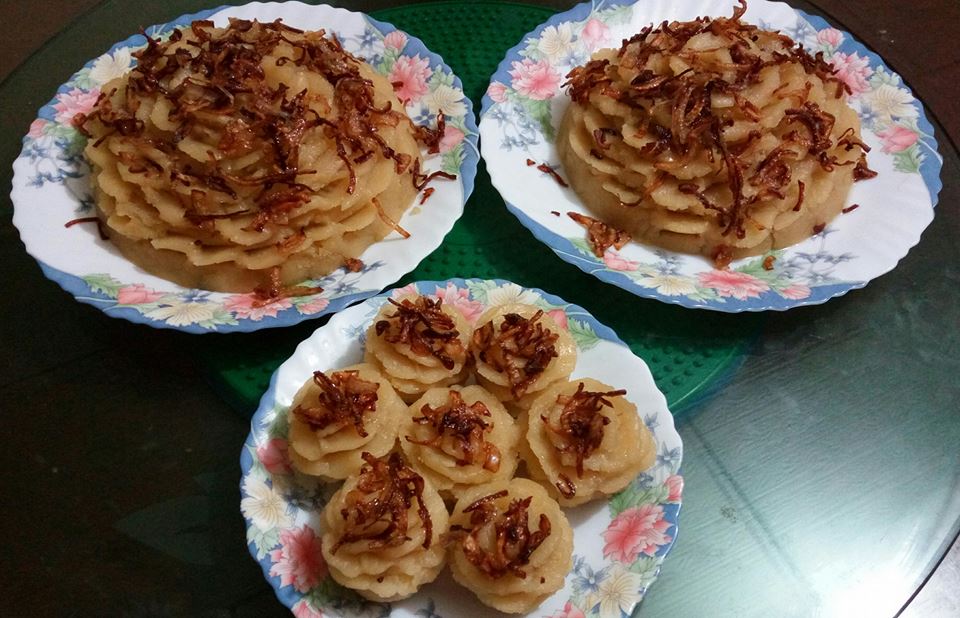
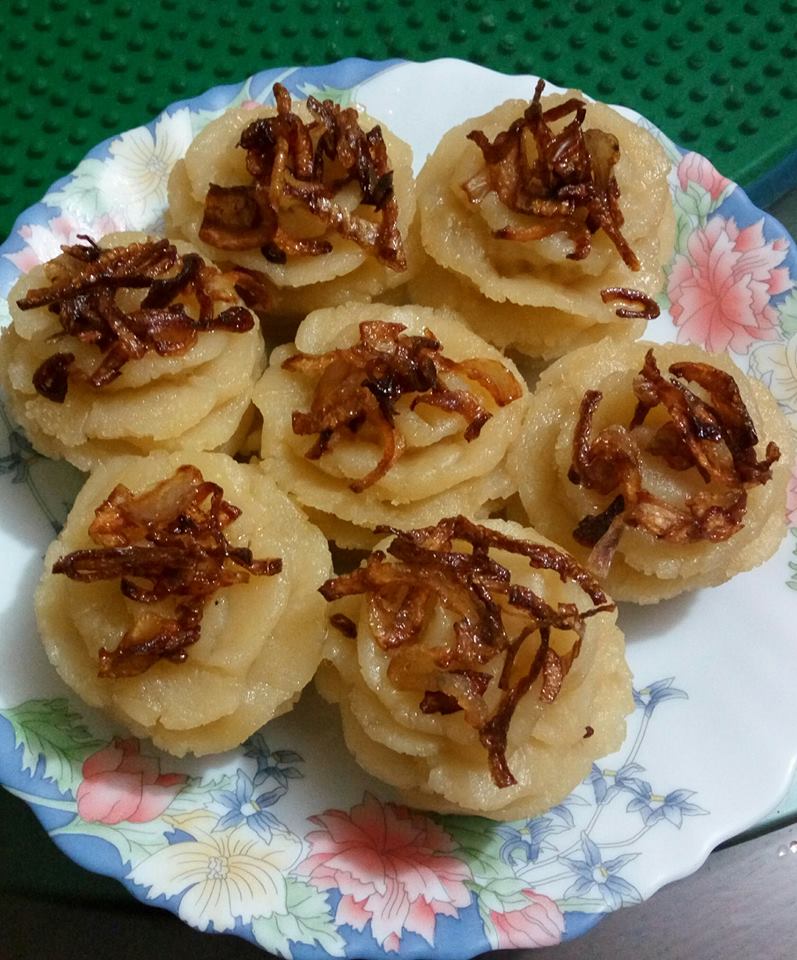
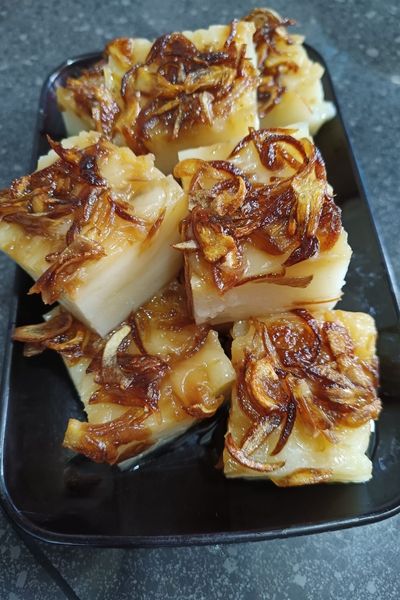
Qasidah cake, also known as Kuih Hasidah, or Qasidah Pudding, is one of the traditional Malay delicacies strongly associated with the people of Kedah. This dessert is well known for its soft, smooth, and slightly chewy texture, reminiscent of pudding, combined with a rich, sweet, and buttery taste, balanced by the savory crunch of fried shallots. For the people of Kedah, Qasidah cake is not merely an everyday treat but also serves as a special dish in various communal events, thanksgiving feasts, and is a popular choice during the breaking of fast in Ramadan. This uniqueness has made the Qasidah cake a culinary identity of Kedah, preserved and passed down through generations to this day.
In terms of origin, Qasidah cake is believed to have close ties with Arab cultural influences that arrived in the Malay Peninsula through traders and Islamic missionaries. The name “Qasidah” itself comes from the Arabic word referring to a form of poetry or ode, often associated with praises in Islamic tradition. This indicates that food is not only a source of sustenance but also a medium of cultural exchange and a symbol of the deep connection between religion and daily life in Kedah Malay society. Hence, Qasidah cake can be seen as the product of cultural encounters between foreign influences and local traditions, resulting in a unique culinary heritage.
In Kedah, Qasidah cake is most recognized by its translucent white color, symbolizing simplicity and purity of taste. Its preparation emphasizes authenticity and the natural flavor of the ingredients, making it distinct from variations in other states. For example, in Terengganu, Qasidah cake is prepared in a golden yellow hue due to the use of additional ingredients such as turmeric or eggs. These differences reflect how each state preserves its own culinary identity and preferences; however, for the people of Kedah, the understated white version remains the hallmark that safeguards the originality of this traditional delicacy.
In general, Qasidah Cake serves as a delightful afternoon snack enjoyed with family. Its soft texture and rich, buttery sweetness make it especially suitable to be paired with hot beverages such as tea or coffee, adding warmth and comfort to family gatherings.
Beyond the household setting, Qasidah Cake also plays an important role as a dish for guests during social events and communal feasts. It is often chosen because its ingredients are easy to source, affordable, and its preparation is relatively simple. For this reason, it is commonly served at various occasions such as Thanksgiving feasts, baby hair-cutting ceremonies, memorial feasts, engagements, weddings, and many other family gatherings.
Apart from its social function, Qasidah Cake is also a popular choice during the month of Ramadan. It is not only prepared as a dish to break the fast (iftar), but is also served at moreh, the communal meal held after nightly tarawih prayers. Its soft and filling texture makes it a highly favored light dish after a long day of fasting.
In addition, Qasidah Cake carries significant economic value that benefits local communities. Many small-scale vendors and homemakers rely on this delicacy as a source of supplementary income, particularly during festive seasons and the fasting month. Today, it can be found at night markets, Ramadan bazaars, and even through online orders, thus extending its reach to a wider audience. Its continued presence in the market demonstrates that Qasidah Cake is not only a cherished cultural heritage but also holds great potential as a contributor to the local economy.
-
The ingredients required to prepare Qasidah Cake are divided into two categories: the main ingredients and the garnishing. Each plays an important role in shaping the flavor, texture, and overall presentation of this traditional delicacy. Main Ingredients 1 cup all-purpose flour 2 ½ cups water ¼ cup sugar ½ teaspoon salt 1 teaspoon edible lime water – ensures the batter is more elastic, prevents it from breaking apart, and helps the cake maintain its form. 1 tablespoon ghee (clarified butter) – optional, but adds a fragrant aroma Garnishing 6 shallots – thinly sliced and fried until crispy A pinch of salt – added when frying shallots to enhance crispiness and flavor
Preparing Qasidah Cake is relatively simple. However, to achieve the best results, it is important to follow the exact measurements and apply the correct cooking technique. The steps are divided into two parts: preparing the batter and making the garnish.
Preparing the Cake Batter
In a pot, combine the flour with water, sugar, salt, and edible lime water. Stir until the mixture is smooth and free of lumps.
Cook the mixture over low heat, stirring continuously without stopping. Keep stirring until the batter thickens, becomes glossy, and reaches a sticky pudding-like consistency (approximately 15 minutes).
Add the ghee (clarified butter) into the batter and stir well. This enhances the aroma, enriches the flavor, and gives the cake a shiny finish.
Pour the cooked batter into a tray greased with a little oil. Spread it evenly, then sprinkle fried shallots on top along with a drizzle of the oil used for frying.
Allow the cake to cool completely before cutting it into the desired shapes for serving.
Preparing the Garnish
Peel the shallots and slice them thinly.
Toss the sliced shallots with a pinch of salt to ensure they fry up crisp and flavorful.
Fry the shallots in hot oil until golden brown. Remove, drain the excess oil, and use them as a garnish on top of the cake.
-
Reference Source
Bahan Bacaan
Cara Resepi. (2019, Januari 11). Resepi Kuih Qasidah Terengganu sukatan cawan cara buat mudah sedap simple. Blogspot. https://cararesepi.blogspot.com/2019/01/resepi-kuih-qasidah-terengganu-sukatan-cawan-cara-buat-mudah-sedap-simple.html
Che Nom. (n.d.). Resepi Kuih Qasidah. Resepi Che Nom. https://resepichenom.com/resepi/kuih-qasidah
Fauzi, F. A., Jamil, J., & Majid, H. N. A. (2022). Dari Perlis ke Sabah: Warna-warni kuih-muih warisan Malaysia. Pelestarian makanan warisan Melayu diwarisi sejak zaman ke zaman peliharalah hidangan setiap satu jadikan panduan juga rujukan, 133.
Zulkifli, A. H., Mazlan, N. H., Talhah, H. F., A. W., M. F., Wan Ismail, W. R., & Md Nor, N. (2020). Local Malay snacks and desserts: The hidden gems of Terengganu. ESTEEM Journal of Social Sciences and Humanities, 4(1), 125–131.
Location
State JKKN Contact Information
Encik Mohammad Salleh bin Mahmud
Cultural Officer
Jabatan Kebudayaan dan Kesenian Negara, Kedah
Kompleks JKKN Kedah
Lot PTD 400, Pumpong
05250 Alor Setar
KEDAH DARUL AMAN
011-10899646
Use the form below to contact the Informant/Figure/Editor/Researcher directly. We will respond to your inquiry as soon as possible!


