

ARTS AND CULTURE INFORMATION GATEWAY
Immerse yourself in the colorful world of art and culture! From traditional heritage to contemporary works, discover uniqueness that reflects the nation's identity and identity
 Fakulti Muzik dan Seni Persembahan, Universiti Pendidikan Sultan Idris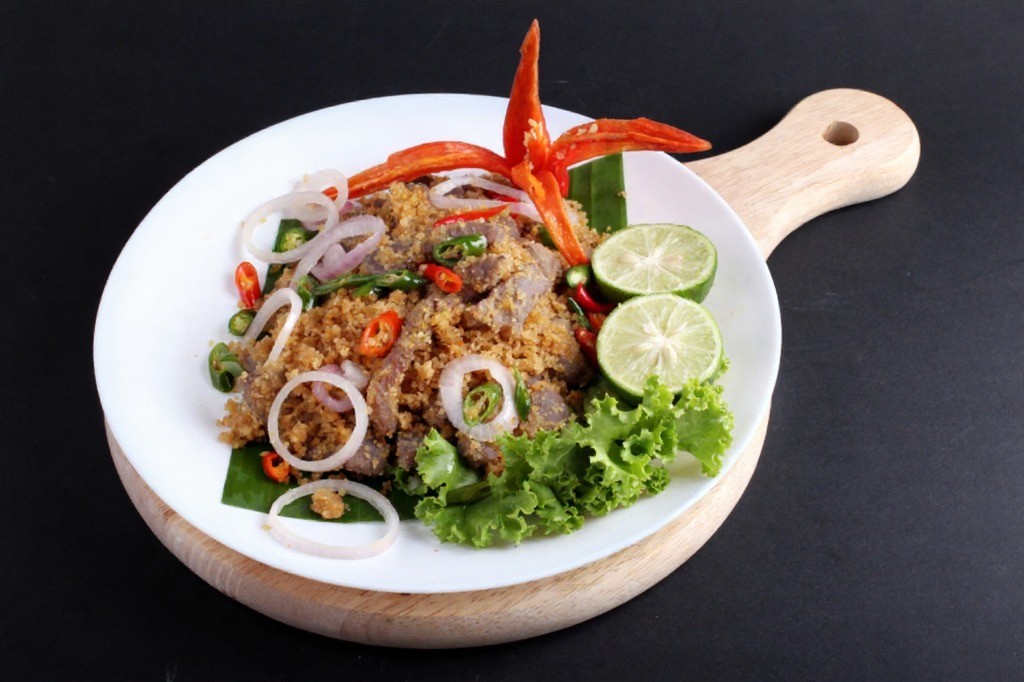
Picture
4
Video
No record
Today's Visitor
64
Number of Visitors
1467
Introduction and history
Pekasam is one of the traditional heritage foods closely associated with the Malay community, particularly in the northern states of Peninsular Malaysia, such as Kedah, Perlis, and Perak. This dish is not merely a side dish, but it also reflects the local wisdom of past generations in preserving food naturally before the invention of modern refrigeration technology.
The origin of the word pekasam is believed to come from the term “asam,” which refers to the fermentation process that produces a sour taste. This fermentation method has been practiced for centuries as a form of food preservation, especially to store surplus fish catches during harvest seasons or floods. Over time, this practice has become a cultural tradition passed down through generations and remains relevant in the culinary heritage of the Malay community.
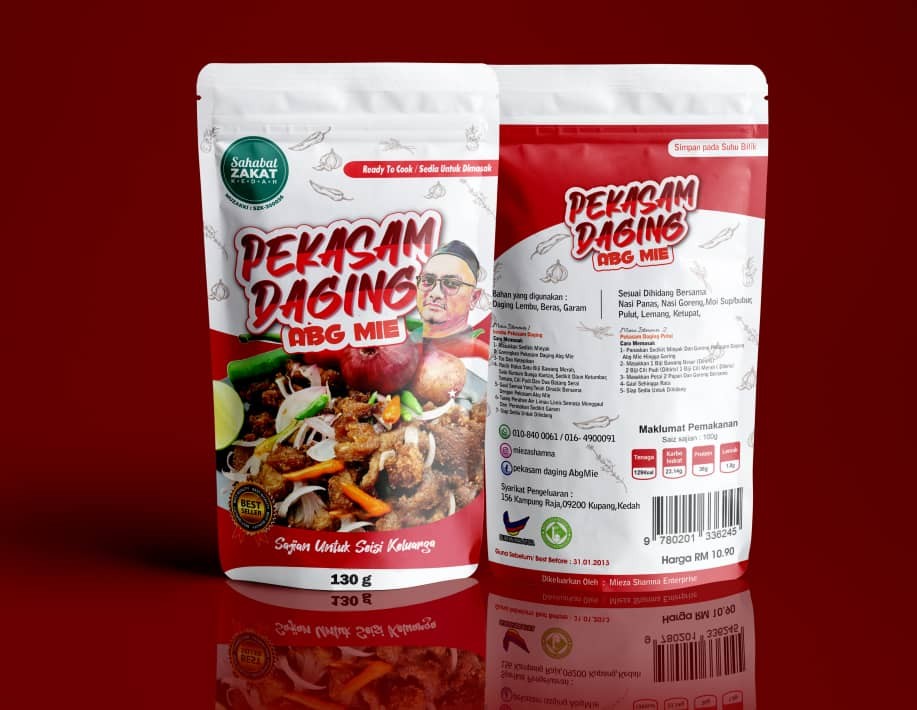
In the state of Kedah, pekasam is particularly popular due to geographical and socio-economic factors. Kedah is rich in freshwater fish resources that can easily be obtained from rivers, paddy fields, and community fish ponds. This makes Kedah one of the most active states in producing pekasam, both traditionally and commercially. In addition to freshwater fish such as sepat, lampam, puyu, and tilapia, the people of Kedah also produce pekasam made from beef and chicken. This diversity of ingredients proves that Kedah is truly the leading state in pekasam production in Malaysia.
The preservation process of pekasam involves the use of salt, roasted rice, and tamarind, which not only function to extend the shelf life of the food but also create a unique combination of sour, salty, and slightly sweet flavors. Freshwater fish is often the main choice because of its durability, firm flesh, and suitable texture for processing.
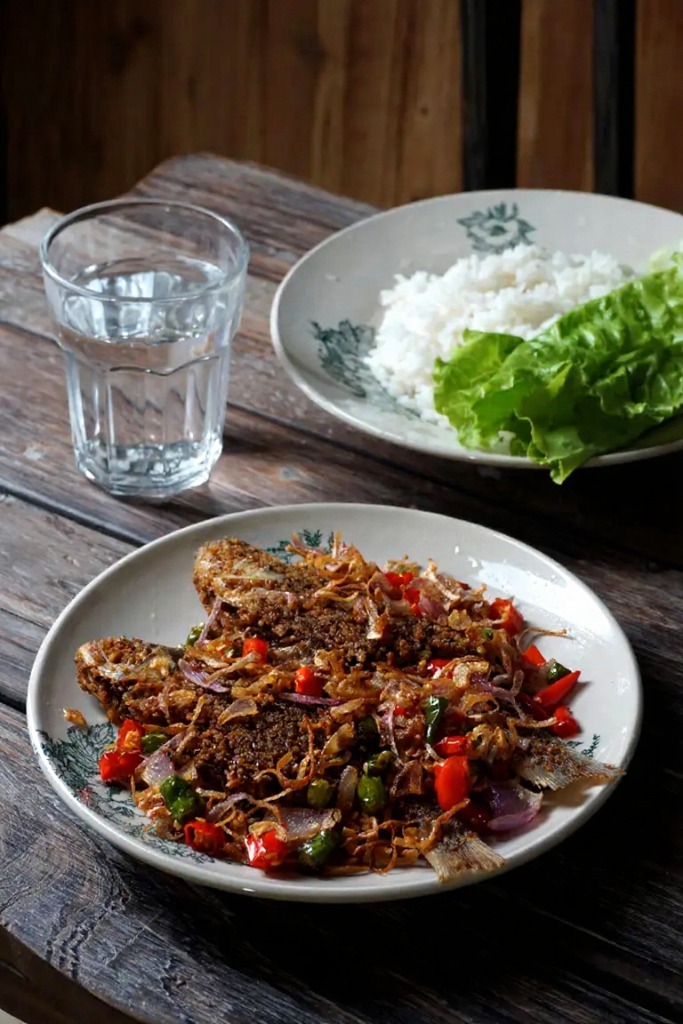
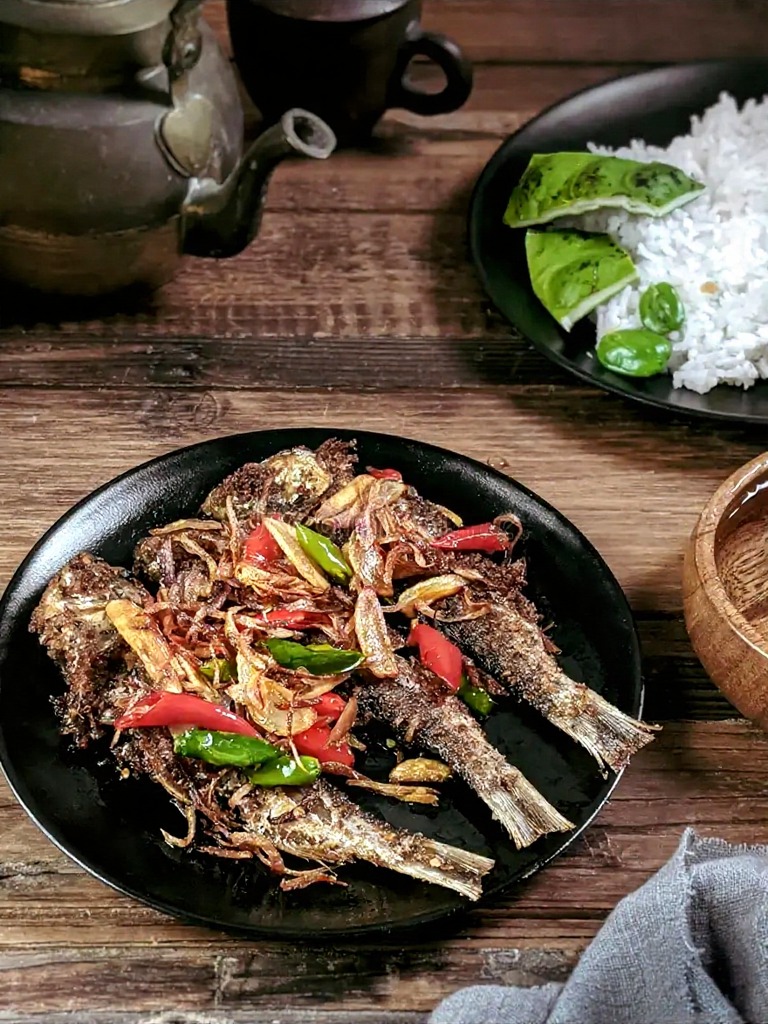
As a dish, pekasam is usually fried until crispy and served with hot rice and sambal belacan. The combination of sour and salty flavors makes it a favorite appetite booster. Interestingly, the fermentation process of pekasam also produces natural probiotics that are beneficial for the digestive system.
Today, pekasam is not only preserved as a traditional heritage food but has also evolved into a commercial product with high demand. Modern pekasam is packaged in vacuum packs to extend its shelf life and is even exported to international markets. This development proves that pekasam, as Kedah’s culinary heritage, remains relevant to contemporary tastes and holds great potential for continued growth in the global culinary industry.
Pekasam is not merely a traditional dish but also plays an important role in the lives of the community, especially in the state of Kedah. First, it functions as a source of food and protein preservation. Before the advent of modern refrigeration technology, pekasam served as the best method to preserve fish, meat, or chicken so that they could last longer and be consumed at any time. This was particularly helpful for rural communities that depended on resources from rivers, paddy fields, and livestock.
Second, pekasam carries cultural value and represents the identity of the northern Malay community. It is often served as a daily household dish and also becomes a special menu during the paddy harvest season or at traditional feasts. This dish reflects the simple lifestyle of past generations who were resourceful in managing food supplies. Pekasam also stands as a symbol of Kedah’s culinary identity, distinguishing the state from other regions in Malaysia.
Third, pekasam contributes to the local economy. Initially produced for household consumption, it has now evolved into a small and medium-sized enterprise (SME). Many local entrepreneurs have commercialized pekasam, marketing it widely in modern vacuum packaging. In fact, there is a growing demand from abroad, which is opening up economic opportunities for rural communities.
Fourth, pekasam also provides health benefits. The fermentation process that takes place during its preparation produces natural probiotics that are beneficial for the digestive system. Although its taste is sour and salty, consuming pekasam in moderate amounts can offer additional health benefits.
Finally, pekasam plays a role in the preservation of traditional food heritage. It is not only passed down from one generation to another but also retains the authenticity of Malay cultural history. With the growing efforts of commercialization, pekasam is now viewed not only as a traditional dish but also as a heritage product capable of elevating the culinary reputation of Kedah and Malaysia on the international stage.
-
Pekasam can be made using three main ingredients: freshwater fish, beef, or chicken. Although the base ingredients differ, the seasonings used in the preservation process are almost the same. The following are the traditional ingredients required:
Main Ingredients
Freshwater fish (e.g., sepat, puyu, lampam, tilapia)
Beef or buffalo meat (sliced medium-thin)
Free-range chicken or broiler chicken (cut into small or medium pieces)
(The choice of the main ingredient depends on personal preference. All three can use the same preservation method.)
Pickling Ingredients
Coarse salt – to preserve and draw out excess moisture from the main ingredient.
Tamarind pulp or dried tamarind slices – to provide natural sourness.
Roasted ground rice – serves as the main fermenting agent that adds a distinctive aroma and flavor.
Palm sugar / coconut sugar (optional) – some recipes add a little sugar to balance the taste.
Optional Additions
Banana leaves – used as a covering layer during traditional fermentation.
Earthenware jars or glass containers – traditionally used to store pekasam for a longer shelf life.
The preparation process of pekasam is essentially the same, whether using fish, beef, or chicken. The only difference lies in the choice of the main ingredient. The following are the traditional steps in making pekasam:
Step 1: Preparing the Main Ingredient
Fish: Clean thoroughly, remove the innards and scales, and wash well.
Beef: Slice into thin or medium-sized pieces as preferred.
Chicken: Cut into medium pieces; the skin may be removed for a lighter taste.
Once cleaned, coat the main ingredient evenly with coarse salt. Leave it for about 1–2 days in a covered container for the initial preservation process.
Step 2: Preparing Roasted Ground Rice
Dry-fry (without oil) rice until golden and fragrant.
Once cooled, pound or grind it into a fine powder.
This roasted rice powder serves as the key fermenting ingredient, giving pekasam its distinct aroma and flavor.
Step 3: Marination Process
After the initial salting, drain off the excess liquid released from the main ingredient.
Mix the fish, beef, or chicken thoroughly with roasted rice powder, tamarind pulp or dried tamarind slices, and a little palm sugar (optional).
Ensure every piece of the main ingredient is evenly coated so that fermentation takes place uniformly.
Step 4: Storage / Fermentation
Place the marinated ingredient into an airtight container (glass jar, sealed plastic container, or traditionally, an earthenware jar).
Store in a cool, dry place away from direct sunlight.
The fermentation period usually takes 7–14 days for fish and up to 2–3 weeks for beef or chicken, as the texture of meat is denser.
Step 5: Ready to Serve
Once fermentation is complete, pekasam can be cooked according to preference.
The most popular method is frying it until crispy with sliced shallots and bird’s eye chilies.
Pekasam can also be used as a flavoring ingredient in curries, stir-fries, or simply enjoyed with sambal belacan and hot steamed rice.
-
Reference Source
Bahan Bacaan
Azman, E. M. (2014). Characterisation of local ikan pekasam and development of process for production of ikan pekasam from black pomfret (Parastromateus niger Bloch) (Doctoral dissertation, Universiti Putra Malaysia). Universiti Putra Malaysia Institutional Repository.
Ida Muryany, M. Y., Ina Salwany, M. Y., Ghazali, A. R., Hing, H. L., & Nor Fadilah, R. (2017). Identification and characterization of the lactic acid bacteria isolated from Malaysian fermented fish (Pekasam). International Food Research Journal, 24(2), 868–875.
Khudair, A. J., Zaini, N. S. M., Jaafar, A. H., Hussin, A. S. M., Wan-Mohtar, W. A. A. Q. I., & Abd Rahim, M. H. (2023). Production, organoleptic, and biological activities of belacan (shrimp paste) and pekasam (fermented freshwater fish), the ethnic food from the Malay Archipelago. Sains Malaysiana, 52(4), 1217–1230. https://doi.org/10.17576/jsm-2023-5204-21
MyResipi. (n.d.). Resipi ikan pekasam utara. Retrieved August 23, 2025, from https://myresipi.com/resipi/ikan-pekasam-utara/
Agrobazaar. (n.d.). Pekasam daging Abg Mie extra pedas. Retrieved August 23, 2025, from https://staging.agrobazaar.com.my/product/pekasam-daging-abg-mie-extra-pedas-nhwfv
Location
State JKKN Contact Information
Encik Mohammad Salleh bin Mahmud
Cultural Officer
Jabatan Kebudayaan dan Kesenian Negara, Kedah
Kompleks JKKN Kedah
Lot PTD 400, Pumpong
05250 Alor Setar
KEDAH DARUL AMAN
011-10899646
Use the form below to contact the Informant/Figure/Editor/Researcher directly. We will respond to your inquiry as soon as possible!


