

ARTS AND CULTURE INFORMATION GATEWAY
Immerse yourself in the colorful world of art and culture! From traditional heritage to contemporary works, discover uniqueness that reflects the nation's identity and identity
KUIH TEPUNG SERUNAI
 Fakulti Muzik dan Seni Persembahan, Universiti Pendidikan Sultan Idris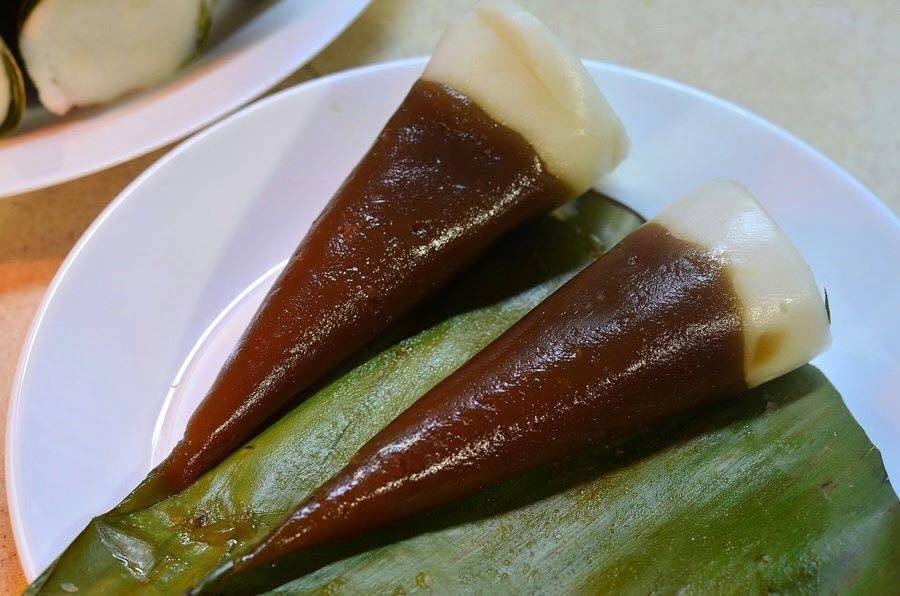
Picture
4
Video
No record
Today's Visitor
8
Number of Visitors
1035
Introduction and history
Kuih Tepung Serunai, also known as Kuih Tepung Pasung, is one of the traditional Malay delicacies popular in the state of Kelantan. Its uniqueness lies in its elongated shape, resembling the serunai, a traditional Malay wind instrument used in cultural performances such as Wayang Kulit, Dikir Barat, and ceremonial events.
According to local oral tradition, the name of the Kuih Tepung Serunai was inspired by the serunai due to its close association with traditional performing arts. In the past, Wayang Kulit was often the main source of entertainment in rural communities, and the sound of the serunai that accompanied it became the signature opening of the performance. In the culinary world, the shape of this Kuih Tepung Serunai evokes nostalgia for the atmosphere of such performances, connecting the art of music with the art of food.
This dish is made from a mixture of rice flour, coconut milk, and palm sugar, cooked and poured into elongated cone-shaped moulds, usually made from banana leaves. Its texture is soft, its sweet and creamy flavour well-balanced, and it is best enjoyed as an afternoon tea treat or as part of a feast for special occasions. More than just a snack, Kuih Tepung Serunai reflects the creativity of the local community in combining taste, artistry, and cultural identity in a single dish.
Typically, Kuih Tepung Serunai is best enjoyed as an afternoon tea treat with family or friends. Its well-balanced, sweet, and creamy flavor makes it the perfect complement to hot beverages such as tea or coffee. In addition, this Kuih Tepung Serunai is often served as part of the menu for special occasions such as weddings, Thanksgiving feasts, or festive celebrations. Its presence brightens the dining table and captivates guests with its unique shape and traditional taste. Consequently, this kuih falls into the category of traditional delicacies with high demand, especially in morning markets, Ramadan bazaars, or stalls. Its popularity helps boost the income of small entrepreneurs, particularly local vendors who sell it either daily or seasonally.
-
The preparation of Kuih Tepung Serunai requires a combination of several basic ingredients, divided into two main parts: the bottom layer and the top layer. The bottom layer provides the sweetness and aroma of palm sugar, which is the signature characteristic of this Kuih Tepung Serunai, while the top layer adds a balanced, creamy, and savory taste. In addition, banana leaves are used as wrappers or molds, giving the kuih its unique elongated cone shape and adding a fragrant aroma during the steaming process.
Bottom Layer Ingredients
2 tablespoons white sugar
1½ pieces palm sugar (gula melaka), finely chopped
1½ cups water
1 pandan leaf, knotted
40 g rice flour
20 g tapioca flour
1 teaspoon slaked lime water (air kapur)
Top Layer Ingredients
3 tablespoons rice flour
1 tablespoon wheat flour
1½ cups medium-thick coconut milk
1 teaspoon fine salt
1 teaspoon white sugar
Other Ingredients
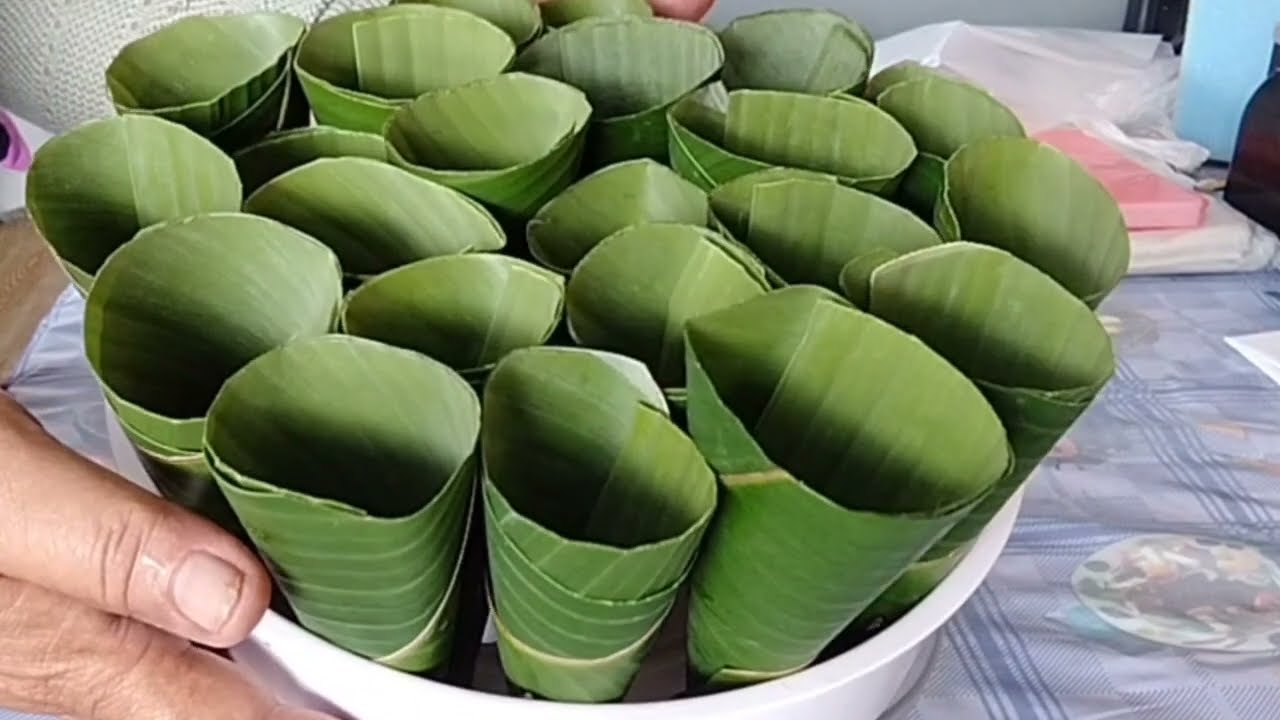
Banana leaves, as needed, for wrapping/moulds
Step 1: Preparing the Banana Leaf Cones
Select fresh and clean banana leaves.
Lightly wilt the leaves over a low flame to make them softer and easier to shape.
Cut the leaves to the desired size, then roll them into elongated cone shapes.
Secure the tip with a toothpick or fold it neatly to prevent the batter from leaking.
Step 2: Preparing the Bottom Layer
Place the white sugar, palm sugar, water, and pandan leaf into a pot.
Cook over medium heat until the sugar has completely dissolved.
Strain the sugar syrup to remove impurities and let it cool slightly.
In a separate bowl, combine the rice flour, tapioca flour, and slaked lime water.
Pour the cooled palm sugar syrup into the flour mixture. Stir until the batter is smooth and free of lumps.
Step 3: Preparing the Top Layer
In another bowl, combine rice flour, wheat flour, medium-thick coconut milk, salt, and sugar.
Mix well until smooth, ensuring there are no lumps.
Step 4: Steaming the layer
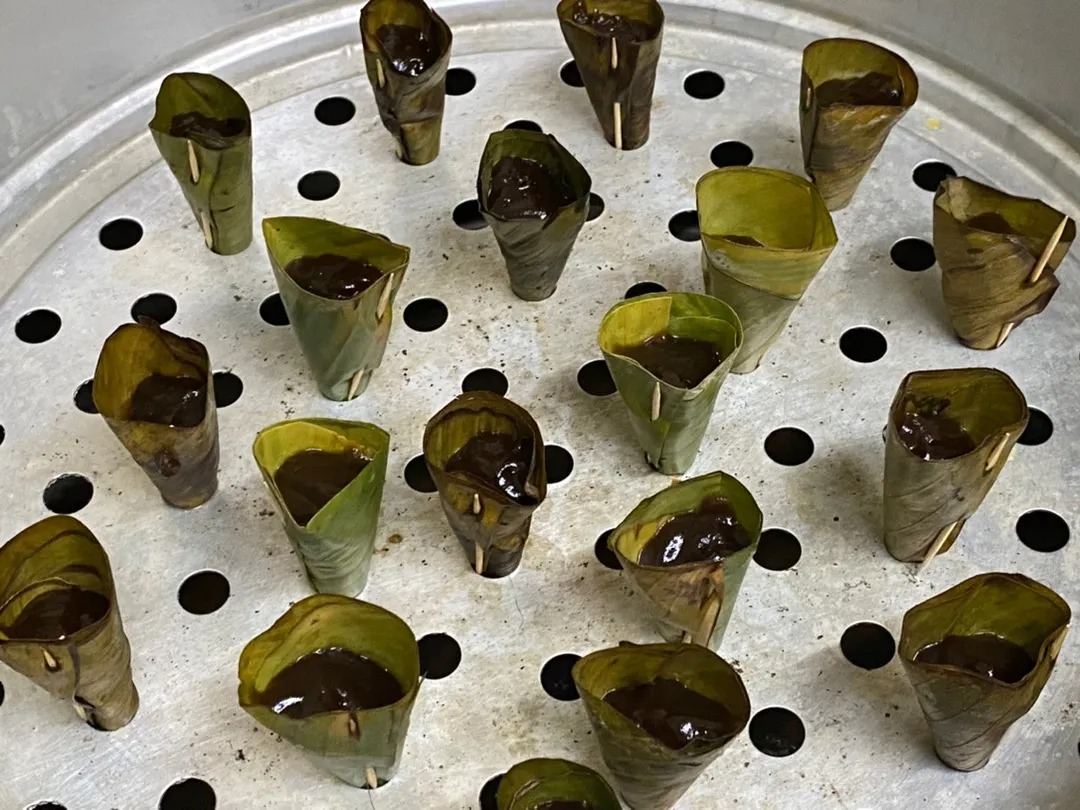
Pour the bottom layer batter into each banana leaf cone until about half full.
Steam for 10–12 minutes until the bottom layer is almost cooked.
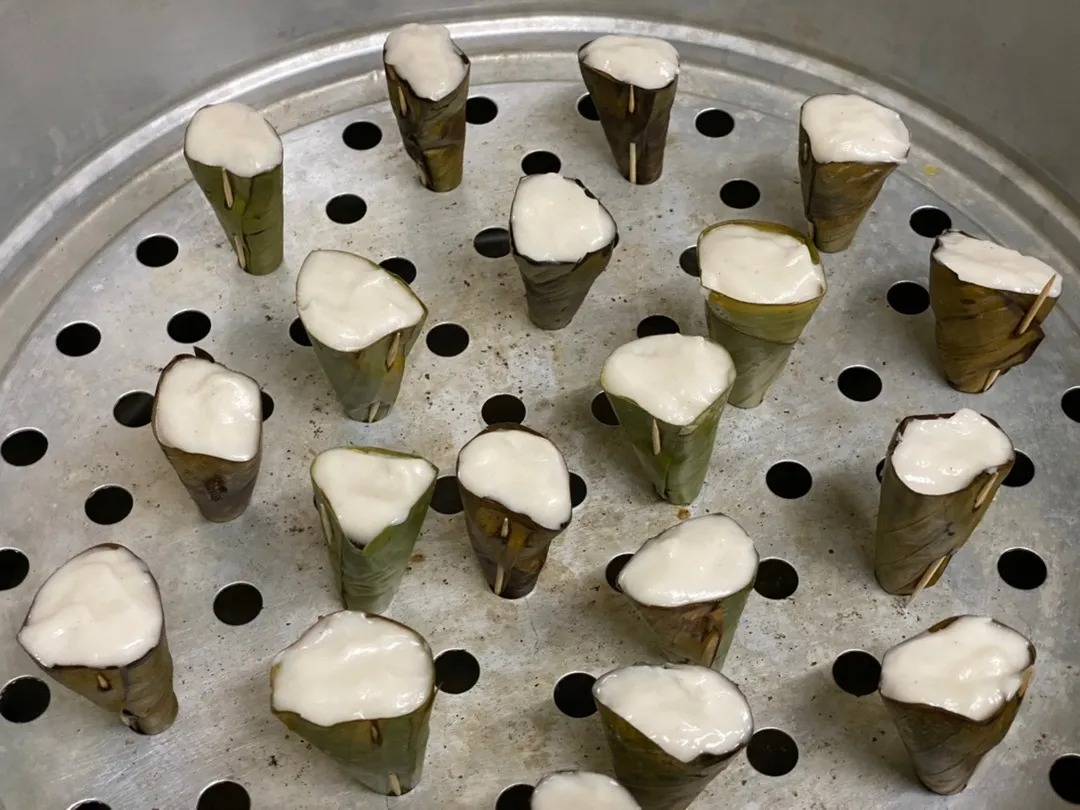
Then, pour in the top layer batter until the cone is full.
Continue steaming for 15–20 minutes or until the layer is fully cooked.
Step 5: Serving
Remove the kuih from the steamer and let it cool before serving.
The kuih can be eaten directly from the cone or removed and arranged on a serving plate.
-
Reference Source
Bahan Bacaan
Rasa. (2021, Mei 4). Susah dah nak jumpa kuih tepung pasung, ini resipi untuk buatnya. RASA. https://www.rasa.my/susah-dah-nak-jumpa-kuih-tepung-pasung-ini-resipi-untuk-buatnya/
MyResipi. (n.d.). Kuih tepung pasung atau kuih serunai. MyResipi. https://myresipi.com/kuih-tepung-pasung-atau-kuih-serunai/#google_vignette
Cookpad. (n.d.). Kuih tepung pasung. Cookpad Malaysia. https://cookpad.com/my/recipes/15435044
Location
State JKKN Contact Information
Encik Wan Mohd Rosli bin Wan Sidik
Cultural Officer
Jabatan Kebudayaan dan Kesenian Negara, Kelantan
Kompleks JKKN Kelantan
Lot 1993, Seksyen 49,Tanjong Chat,
15200, Kota Bharu,
KELANTAN DARUL NAIM
09-741 7000
Use the form below to contact the Informant/Figure/Editor/Researcher directly. We will respond to your inquiry as soon as possible!


