

ARTS AND CULTURE INFORMATION GATEWAY
Immerse yourself in the colorful world of art and culture! From traditional heritage to contemporary works, discover uniqueness that reflects the nation's identity and identity
 Fakulti Muzik dan Seni Persembahan, Universiti Pendidikan Sultan Idris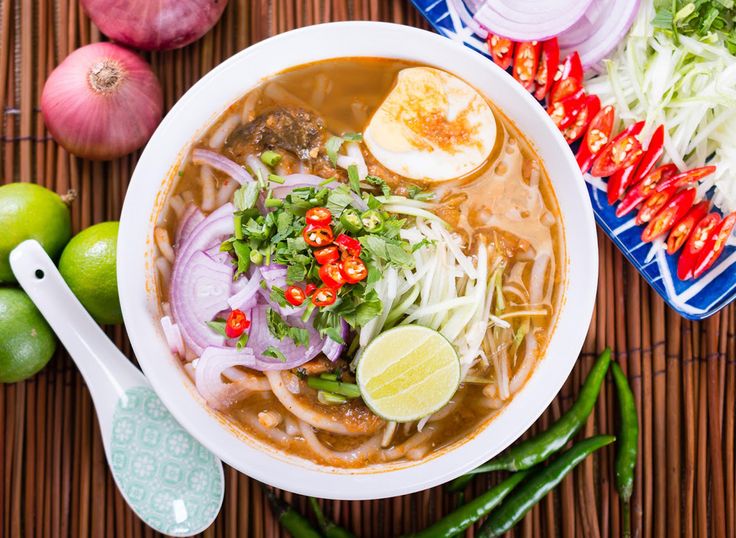
Picture
1
Video
No record
Today's Visitor
23
Number of Visitors
1162
Introduction and history
Laksa is a popular noodle dish served in a flavorful broth, widely enjoyed throughout Malaysia, particularly in the northern states such as Kedah, Penang, Perak, and Perlis. However, Laksa Perlis stands out with its unique identity that distinguishes it from other regional variants. Known for its simple, fresh, and mildly creamy taste, this dish is a source of pride for the people of Perlis and is often a staple at festive occasions and traditional feasts.
Believed to have originated from the culinary traditions of the northern Malay communities, Laksa Perlis reflects a fusion of local ingredients with coastal influences. Perlis, being the smallest state in Malaysia, is rich in freshwater fish such as ikan kembung (Indian mackerel) and ikan selayang (round scad), which are commonly used as the base for the laksa broth. What makes this laksa truly special is its thick yet light-tasting gravy, made by blending boiled fish flesh with chilies, shallots, and a touch of belacan (fermented shrimp paste). Unlike Penang Laksa, which is typically spicier and more tangy, Laksa Perlis offers a milder yet still appetising flavour.
The laksa noodles themselves are made from rice flour, boiled and pressed through a special mold, resulting in smooth, chewy white noodles that are finer than conventional laksa noodles. This creates a unique texture that complements the richness of the broth.
Another essential component of Laksa Perlis is the coconut sambal, locally known as sambal nyiur. It is made from freshly grated coconut mixed with chilies and a pinch of salt, adding a delightful layer of flavor. Fresh garnishes such as sliced cucumber, Vietnamese mint (daun kesum), torch ginger flower (bunga kantan), and red onions are thinly sliced and served atop the dish, adding crispness and fragrance to every bite.
Altogether, the combination of finely blended fish broth, springy noodles, and fresh herbs makes Laksa Perlis a well-balanced dish in both taste and texture – not overly spicy, not too sour, and never excessively rich.
-
-
Laksa Gravy (Fish Broth)
1 kg mackerel (ikan kembung) or round scad (ikan selayang) – local sardines can also be used
2–3 slices dried tamarind (asam keping)
1 inch galangal (lengkuas)
1 tablespoon palm sugar (gula ‘gherek’, or use gula Melaka as a substitute)
1 teaspoon salt
½ teaspoon seasoning powder (MSG or other flavour enhancer)
3 liters of water
2 stalks lemongrass (bruised)
1 torch ginger flower (bunga kantan), halved
1 handful of Vietnamese mint (daun kesum)
Blended Spice Paste
10 dried chilies (soaked in hot water)
3 fresh red chilies
5 shallots
3 cloves of garlic
1 inch toasted shrimp paste (belacan)
Laksa Noodles & Garnishes
1 packet of rice laksa noodles (boiled and drained)
Cucumber (thinly julienned)
Red onion (thinly sliced)
Red chilli (sliced diagonally)
Lettuce or fresh bean sprouts (optional)
Grated coconut sambal (sambal nyiur) – optional
To Prepare the Laksa Gravy:
Clean the fish thoroughly and boil it together with dried tamarind slices (asam keping), galangal, salt, and palm sugar (gula ‘gherek’) until the fish is fully cooked.
Turn off the heat and allow the fish to cool slightly. Carefully separate the fish meat from the bones.
Blend the flaked fish meat with a little of the fish stock until it becomes a smooth paste.
Pour the blended fish paste into a large pot.
Next, blend the fish bones (add a little water if needed), then strain the mixture through a fine sieve to extract the flavorful essence. Add this to the pot containing the fish paste.
Meanwhile, blend the spice ingredients — dried chilies, fresh red chilies, shallots, garlic, and toasted shrimp paste (belacan) — until smooth.
Add the blended spice paste into the same pot.
Once all the ingredients are combined, cook the mixture over medium heat, stirring gently. Add more water (either from the fish stock or plain water) if the gravy is too thick.
Return the previously used tamarind slices and galangal into the pot.
Add the bruised lemongrass stalks, halved torch ginger flower (bunga kantan), and a handful of Vietnamese mint (daun kesum) to infuse the broth with aromatic herbs.
Season with salt, a little more sugar, and seasoning powder to taste. Stir well to ensure the flavours are evenly distributed.
Allow the gravy to boil gently, stirring occasionally to prevent it from sticking to the bottom of the pot.
Once the gravy is thoroughly cooked and well-seasoned, turn off the heat. The laksa gravy is now ready to be served.
To Serve Laksa Perlis:
Place the desired amount of rice laksa noodles into a serving bowl.
Top with fresh garnishes such as julienned cucumber, sliced red onion, lettuce, and diagonally sliced red chillies.
Ladle the hot fish gravy over the noodles and garnishes.
Serve with grated coconut sambal (sambal nyiur), a wedge of calamansi lime (limau kasturi), and sliced fresh chillies on the side if you prefer extra heat.
-
Reference Source
Bahan Bacaan
Geopark Perlis. (n.d.). Makanan tradisi. Perlis Geopark. https://geopark.perlis.gov.my/tour-item/makanan-tradisi/.
MyResipi. (n.d.). Laksa Kuala Perlis. https://myresipi.com/resipi/laksa-kuala-perlis/
Location
State JKKN Contact Information
Siti Rohayu binti Muhamad
Cultural Officer
Jabatan Kebudayaan dan Kesenian Negara, Perlis
Kompleks JKKN Perlis
Persiaran Wawasan Kangar
01000 Kangar
PERLIS
019-504 0015
Use the form below to contact the Informant/Figure/Editor/Researcher directly. We will respond to your inquiry as soon as possible!


