

ARTS AND CULTURE INFORMATION GATEWAY
Immerse yourself in the colorful world of art and culture! From traditional heritage to contemporary works, discover uniqueness that reflects the nation's identity and identity
 Fakulti Muzik dan Seni Persembahan, Universiti Pendidikan Sultan Idris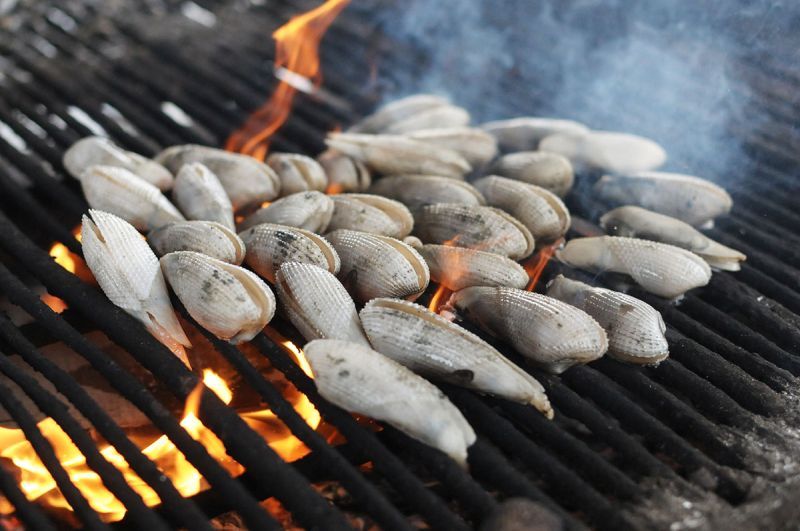
Picture
2
Video
No record
Today's Visitor
89
Number of Visitors
991
Introduction and history
Mentarang plays a significant role in the traditional cuisine of coastal communities, particularly in the state of Perlis. It serves as an affordable and easily accessible source of animal protein, making it a staple choice in the daily diet of residents. In addition to being rich in protein, Mentarang is also high in iron, calcium, and various essential minerals that are beneficial to health, making it not only a delicious but also a nutritious and satisfying food.
Interestingly, Mentarang is not available year-round. Instead, it can only be harvested during certain seasons, particularly after the rainy season when the sea recedes and mudflats are exposed. As such, it is considered a special seasonal delicacy. During this period, it is often collected in large quantities and prepared in various ways, with grilling being the most popular method.
In a social context, Mentarang is often served as a main dish during community feasts, communal gatherings, or family events. The activity of grilling Mentarang together is more than just a cooking process; it is a form of social interaction that strengthens familial and neighbourhood ties. The relaxed atmosphere of enjoying fresh seafood together becomes a symbol of community closeness and reflects the spirit of togetherness in village culture.
-
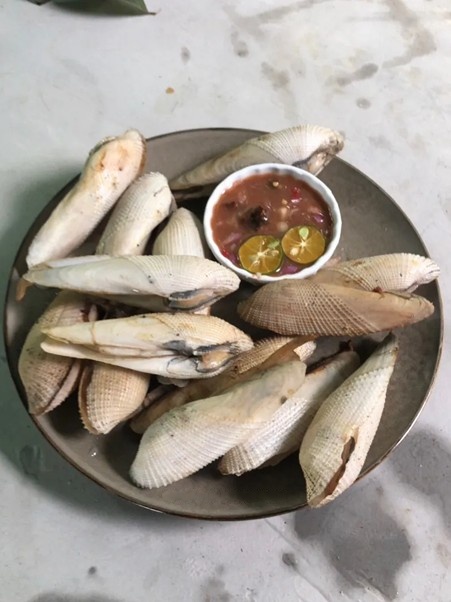
Mentarang Bakaq (grilled Mentarang) is typically served with a dipping sauce that enhances its flavour. Among the popular choices are spicy tamarind sauce, soy-chili sauce, and shrimp paste chilli sauce. However, the most favoured pairing among locals is tamarind sauce, which perfectly complements the natural sweetness and ocean aroma of the grilled Mentarang. Below is the list of ingredients for preparing Mentarang Bakaq with spicy tamarind dipping sauce:
Main Ingredients:
Fresh Mentarang (as needed)
Charcoal or firewood (for grilling)
Ingredients for Spicy Tamarind Dipping Sauce:
5–10 bird’s eye chillies (adjust to desired spiciness)
1–2 shallots
1 tomato
1 teaspoon toasted shrimp paste (belacan)
2–3 tablespoons tamarind juice
3–5 limes (for juice)
½ teaspoon salt
½ teaspoon seasoning powder (optional)
1 tablespoon sugar
Preparation Method for grilled Mentarang;
Cleaning the Mentarang
Fresh Mentarang must be thoroughly cleaned to remove any mud and sand attached to the shells.
Soak the Mentarang in salt water or clean water for 2–3 hours to allow them to expel internal impurities.
Rinse well before grilling.
Preparing the Charcoal Fire
Set up a charcoal stove or wood fire to preserve the traditional grilling method.
Ensure the embers are hot enough before placing the Mentarang on the grill.
Grilling Process
Arrange the Mentarang on a metal rack or grilling net placed directly over the embers.
Grill for 3–5 minutes or until the shells open naturally.
Avoid overcooking to prevent the meat from becoming tough.
Preparing the Spicy Tamarind Dipping Sauce
Make the dipping sauce using ingredients such as bird’s eye chillies, sliced shallots, diced tomato, mashed toasted shrimp paste (belacan), lime juice, tamarind juice, salt, and sugar.
Mix well and adjust to taste for a balanced blend of spiciness, sourness, and slight sweetness.
Serving
Serve the grilled Mentarang while still hot, accompanied by the spicy tamarind sauce in a separate bowl.
Best enjoyed straight from the shell to preserve the authentic flavour.
-
Reference Source
Bahan Bacaan
Cookpad. (n.d.). Resepi mentarang bakar. Cookpad Malaysia. https://cookpad.com/my/recipes/24394504
Japar Sidik, M. (2021). Pengenalan spesies moluska bivalvia di perairan pesisir Kuala Sanglang, Perlis. Universiti Malaysia Terengganu. https://umtlibrary.umt.edu.my
Yusoff, M. F., & Zainal, M. Z. (2019). Kepelbagaian biologi moluska dan potensinya sebagai sumber makanan di Malaysia. Jurnal Sains Marin dan Akuakultur, 5(2), 45–52. https://doi.org/10.1234/jsma.v5i2.123
Location
State JKKN Contact Information
Siti Rohayu binti Muhamad
Cultural Officer
Jabatan Kebudayaan dan Kesenian Negara, Perlis
Kompleks JKKN Perlis
Persiaran Wawasan Kangar
01000 Kangar
PERLIS
019-504 0015
Use the form below to contact the Informant/Figure/Editor/Researcher directly. We will respond to your inquiry as soon as possible!


