

ARTS AND CULTURE INFORMATION GATEWAY
Immerse yourself in the colorful world of art and culture! From traditional heritage to contemporary works, discover uniqueness that reflects the nation's identity and identity
BAJU MELAYU TELUK BELANGA
 Fakulti Muzik dan Seni Persembahan, Universiti Pendidikan Sultan Idris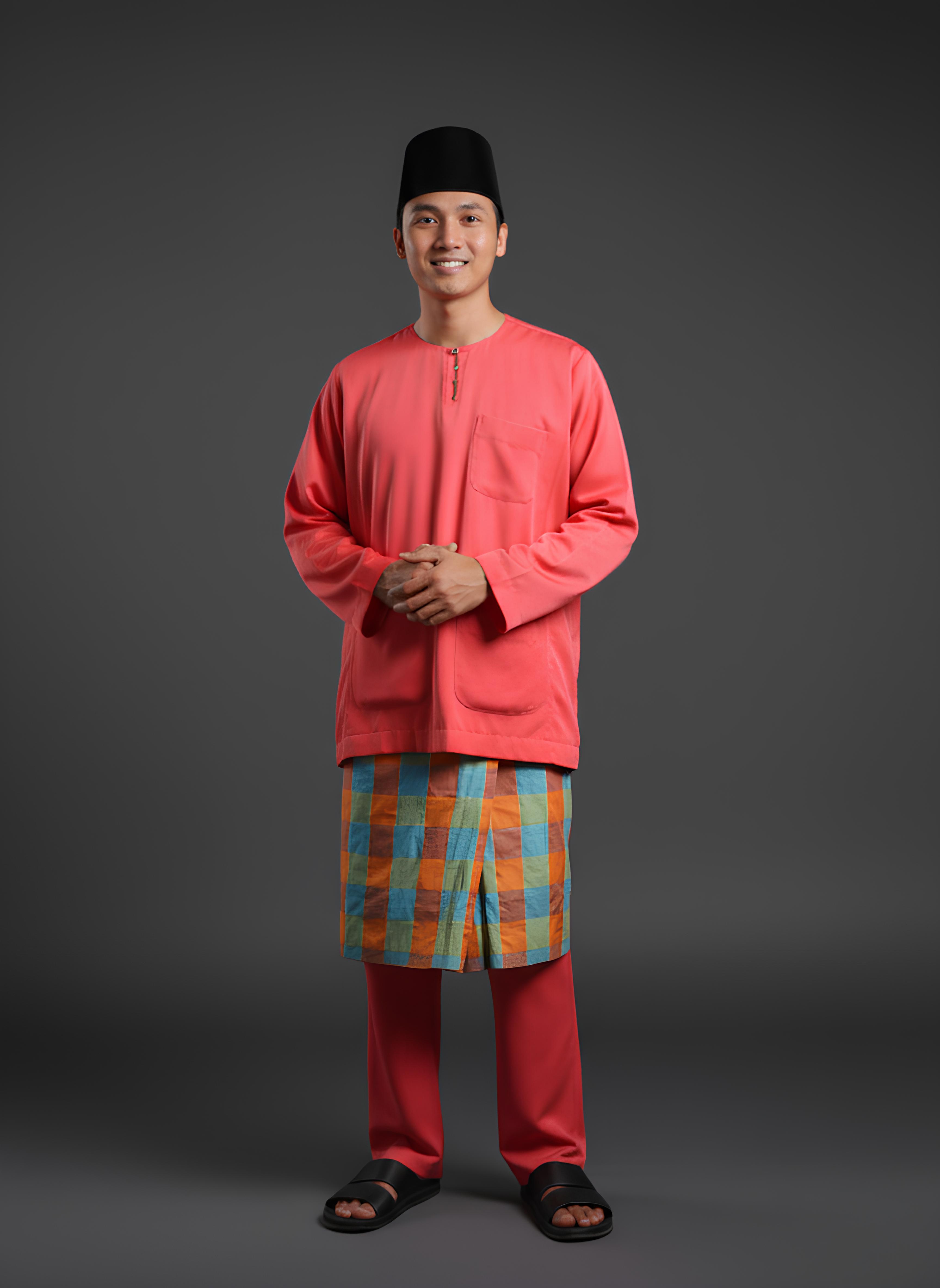

Picture
10
Video
No record
Today's Visitor
581
Number of Visitors
1935
Introduction and history

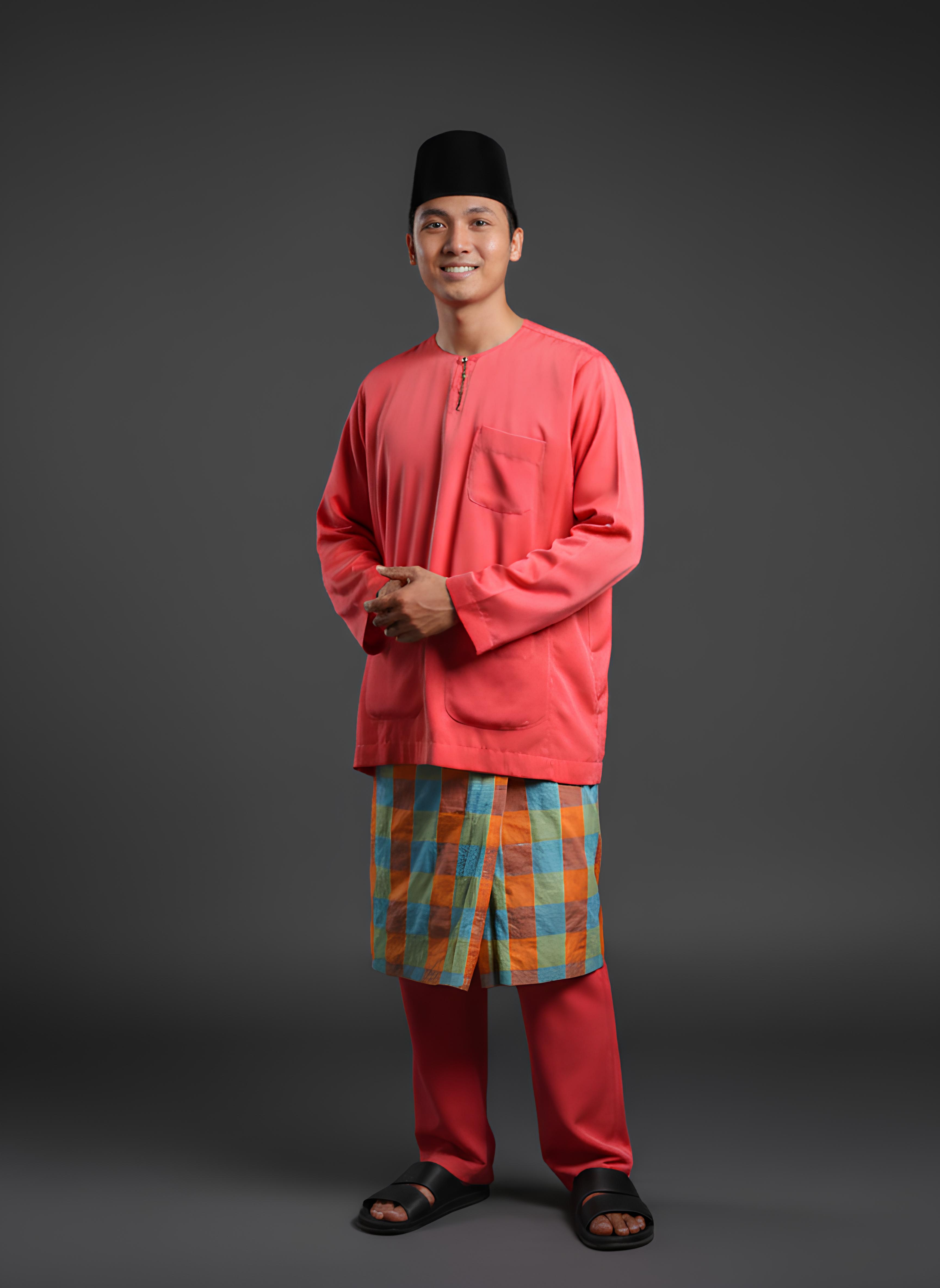
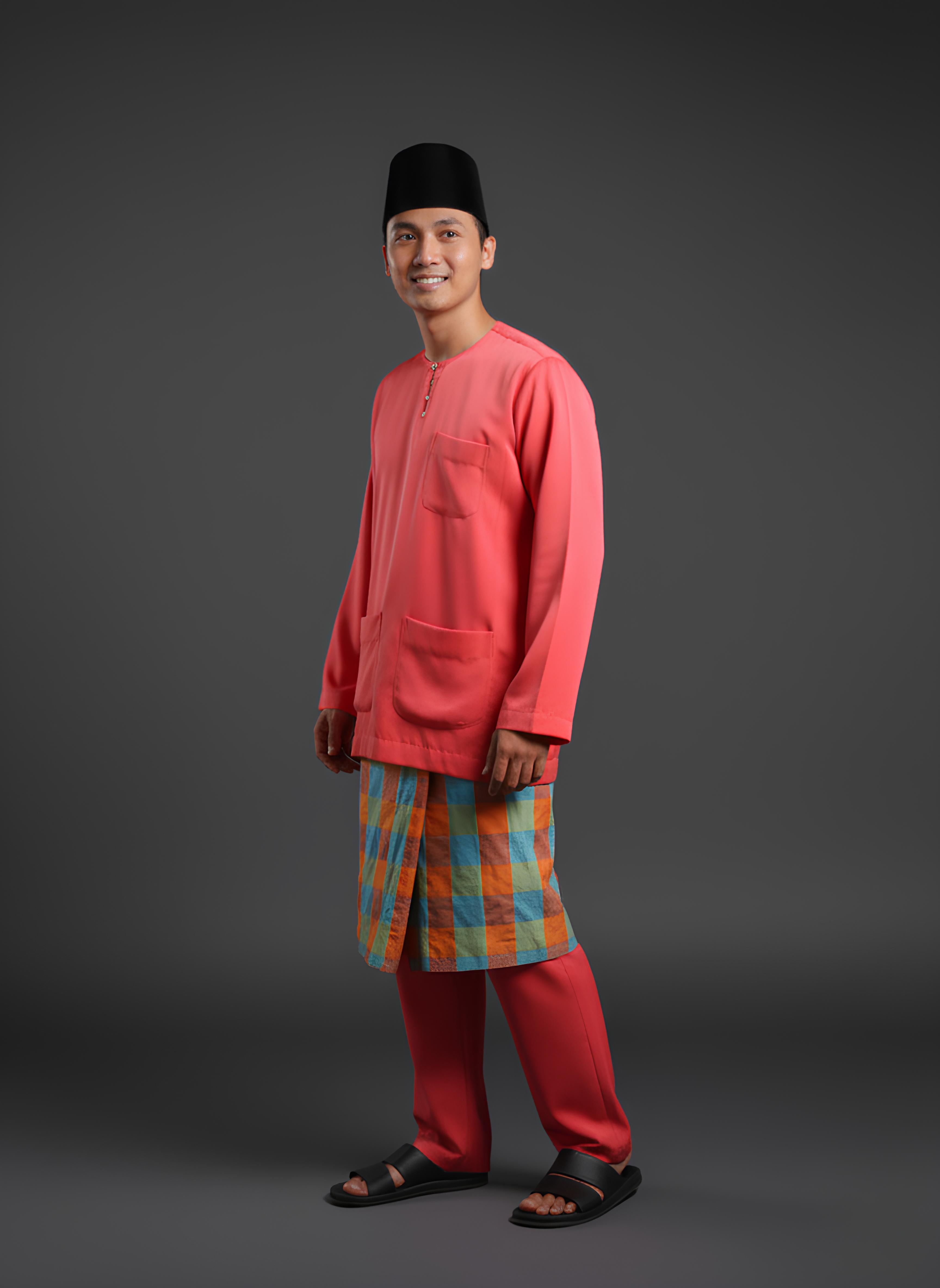
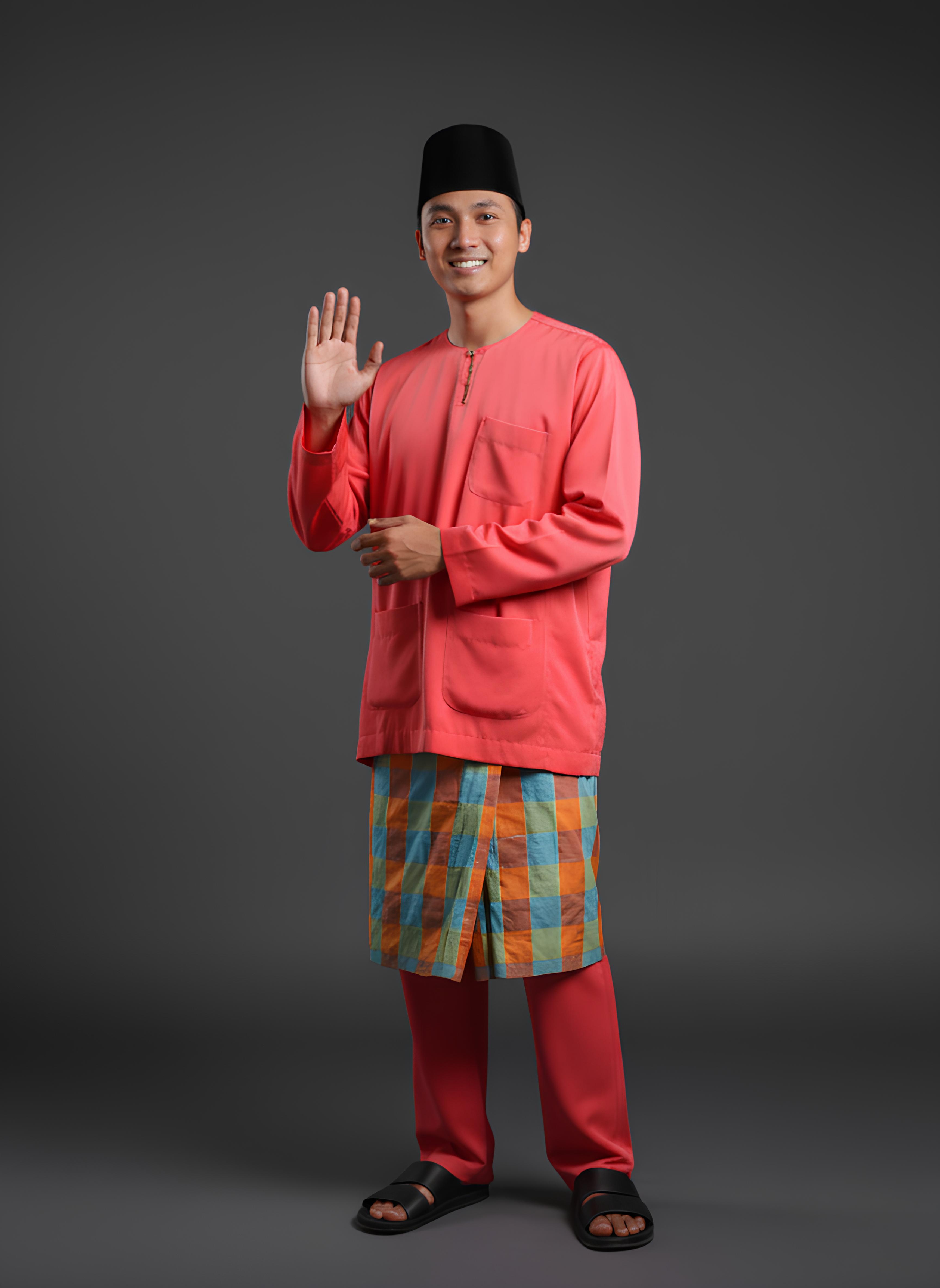
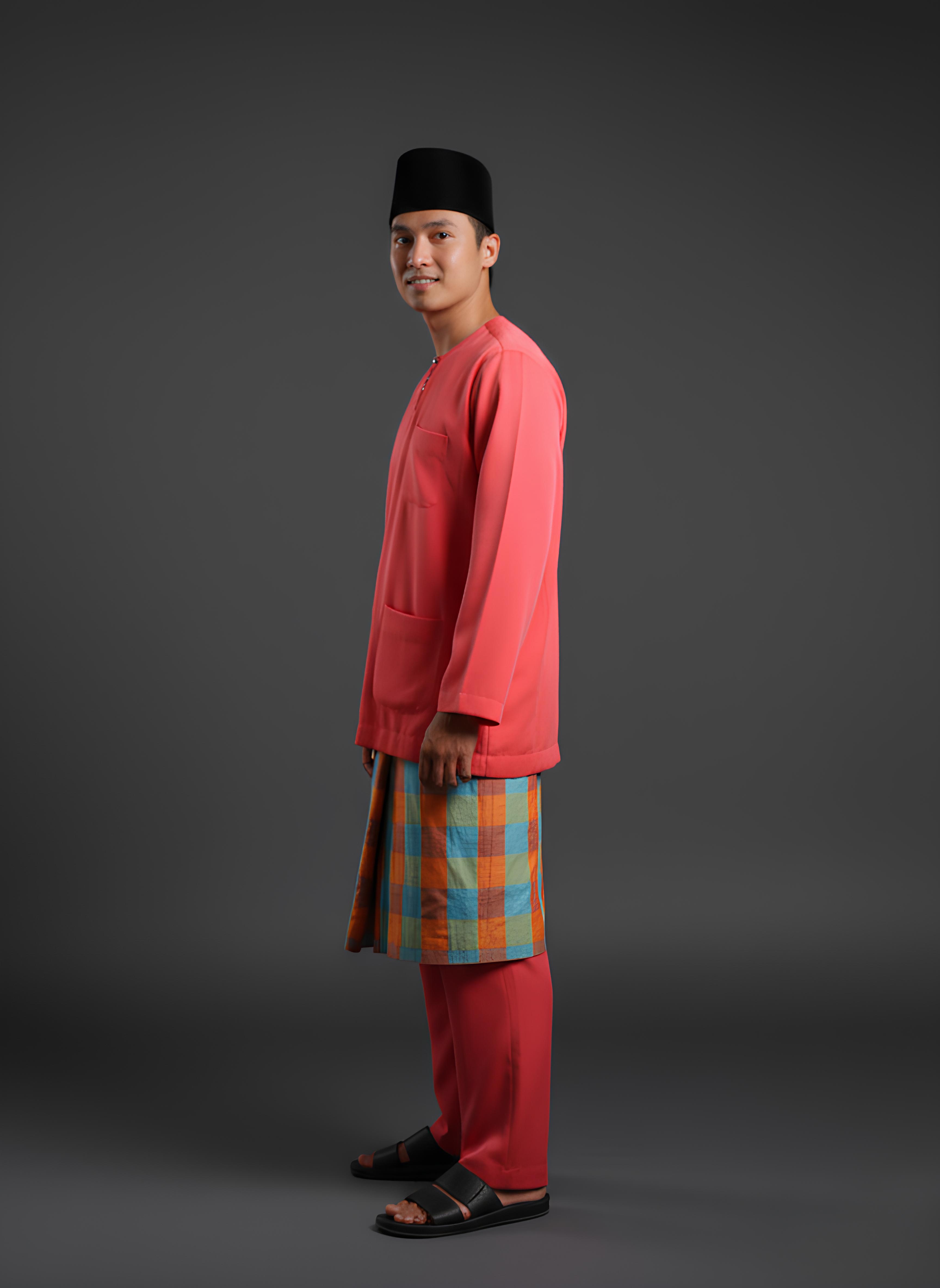
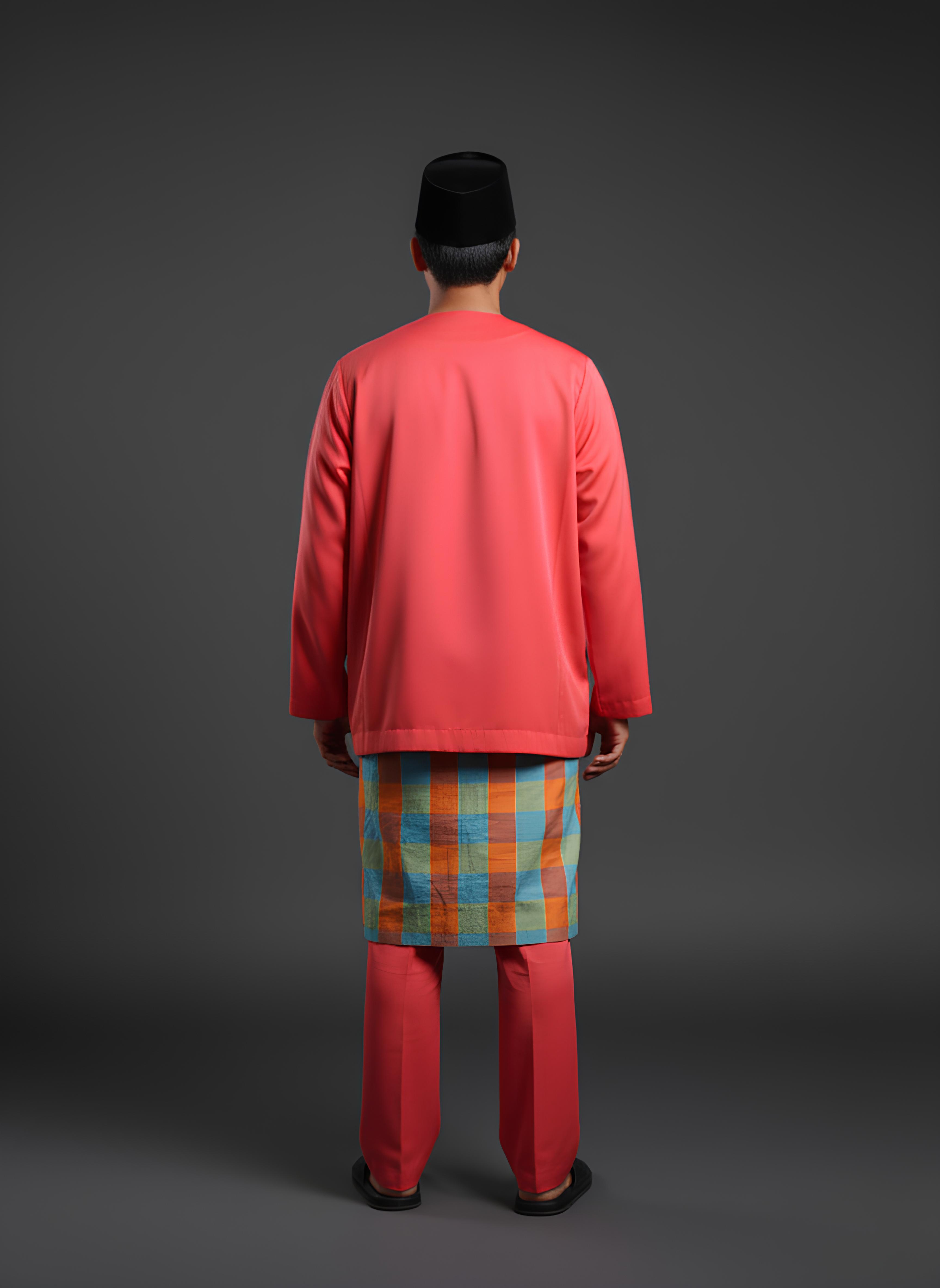
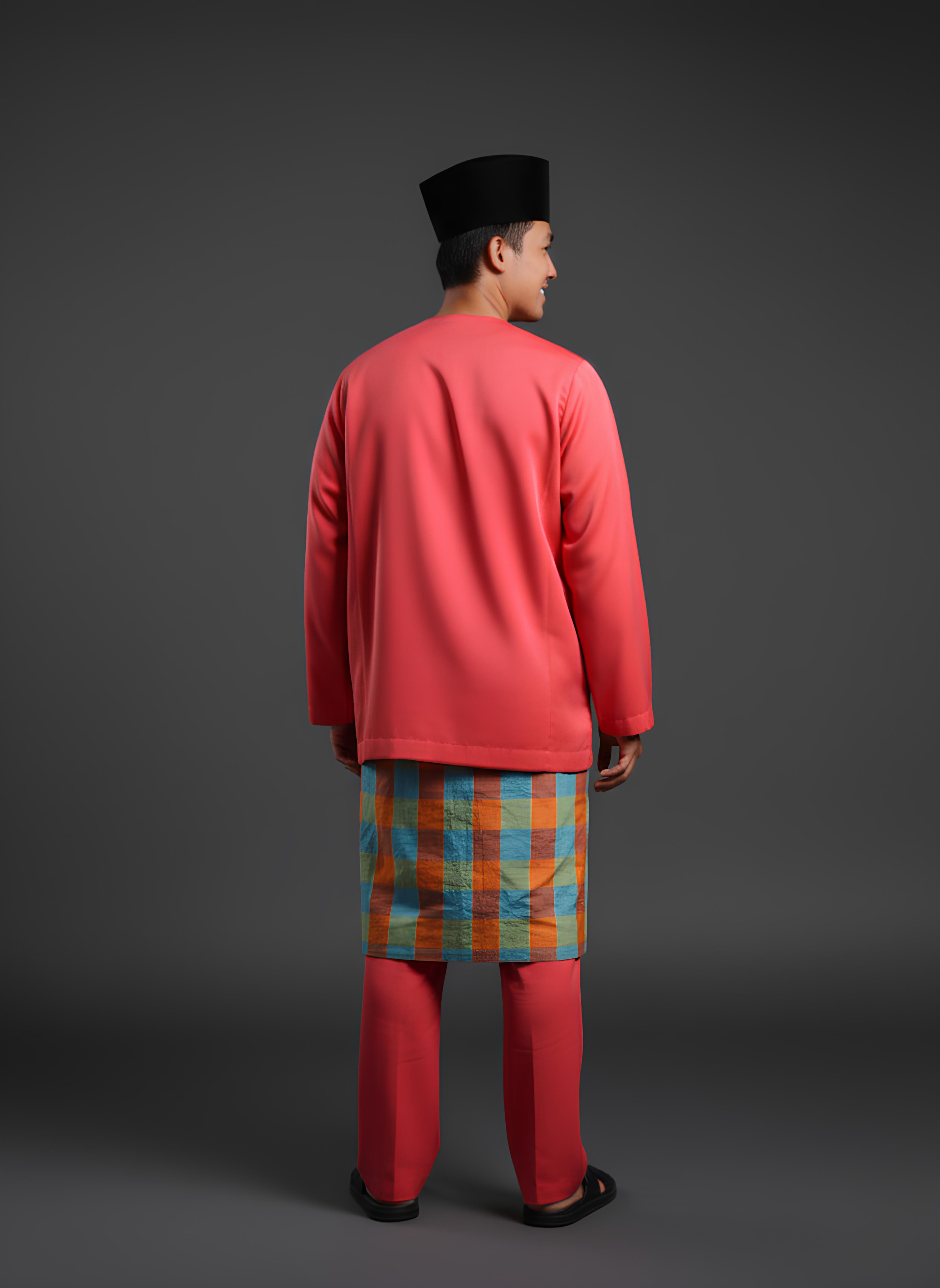
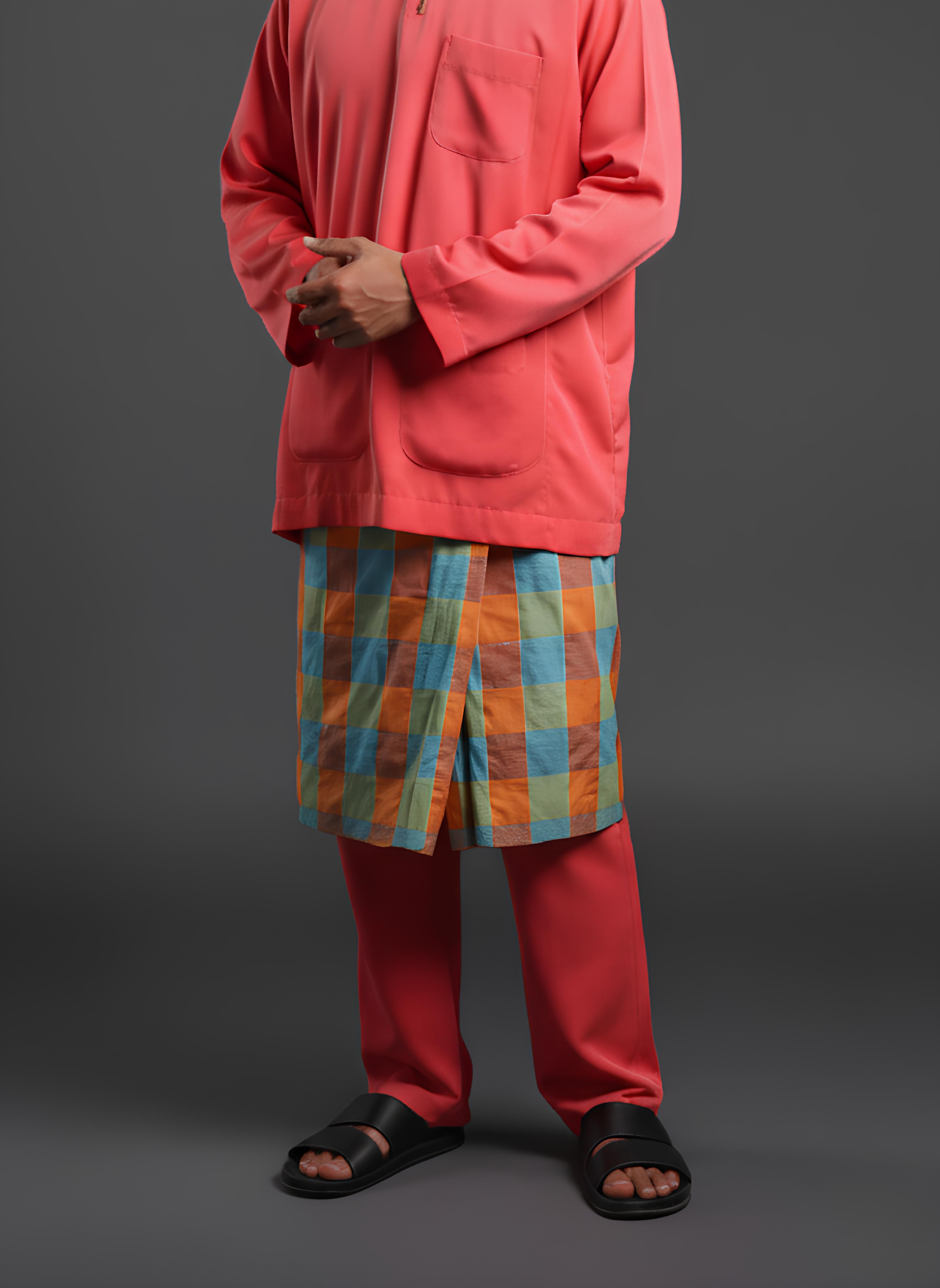
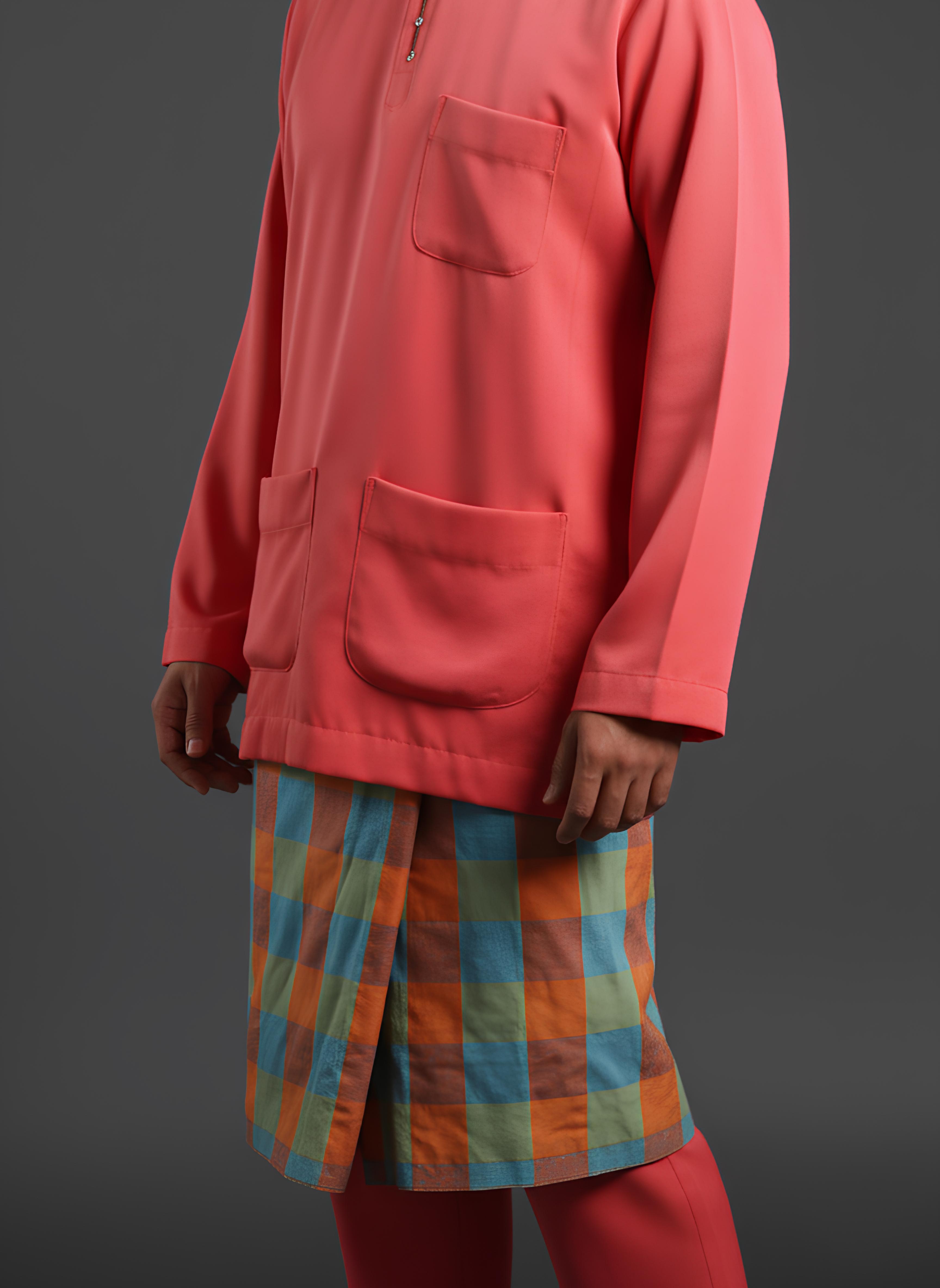
Photo 1: Baju Melayu Teluk Belanga
Source: Amsalib Pisali
The Baju Melayu Teluk Belanga is one of the traditional Malay garments that has become synonymous with the state of Johor. This attire has existed for generations, passed down as a symbol of identity among the Malay community in Johor. It is not merely everyday clothing or official attire, but also a fashion artifact that reflects historical continuity, cultural values, and the ability of the Malay community to adapt to changing times. The uniqueness of the Baju Melayu Teluk Belanga lies in its simple yet functional design, as well as its close historical connection with the Johor Sultanate. Its survival to this day proves that the garment has not only endured as traditional attire but continues to thrive as a symbol of heritage and Malay identity, particularly within the Johor community.
The name Teluk Belanga refers to an area in Singapore that once served as the administrative center of the Johor-Riau-Lingga Sultanate before the capital was moved to Tanjung Puteri in 1866 (now Johor Bahru). The origins of this attire can be traced back to the 19th century during the reign of the late Sultan Abu Bakar (1862–1895), a prominent figure known as the Father of Modern Johor. He played a pivotal role in modernizing the state, including in matters of culture and dress.
In this regard, the introduction of the Baju Melayu Teluk Belanga formed part of his efforts to establish a cultural identity for Johor that was simple yet elegant. Its modest, comfortable, and practical design reflected Sultan Abu Bakar’s philosophy of embracing simplicity within refinement.
In its earliest form, the Baju Melayu Teluk Belanga differed slightly from the design we know today. During Sultan Abu Bakar’s reign, the men’s garment was longer, extending to knee-length with a straight cut that provided ease of movement. At that time, the shirt had no pockets, and its neckline was wide and collarless. The fine embroidery along the neckline showcased the craftsmanship of the Johor people, with stitching techniques such as mata lalat (fly-eye), tulang belut (eel spine), and insang pari (stingray gill), which made each garment distinctively unique.
During the reign of Sultan Ibrahim ibni Sultan Abu Bakar, several modifications were made to the design of the Baju Melayu Teluk Belanga. On the advice of the late Dato’ Jaafar bin Haji Muhammad, Johor’s first Chief Minister, the men’s shirt length was shortened to waist level, making it simpler and better suited to the modern lifestyle of the time. Additionally, the number of shirt pockets was increased from two to three, adding practical utility for the wearer. The neckline was refined to match that of the women’s garment, giving it a neater appearance, while a pocket was also introduced to the women’s blouse. These changes reflected efforts to adapt traditional dress to the evolving lifestyle of the Johor community without compromising its cultural identity.
Beyond the shirt, trousers also played a significant role in completing the Baju Melayu Teluk Belanga ensemble. At that time, men commonly wore seluar kabul, a type of trouser with gussets inspired by Chinese attire, featuring a looser cut compared to Western-style trousers. Other styles of trousers worn by Malay men included seluar sampak (thigh-length), seluar katok (knee-length), seluar Acheh (calf-length), as well as full-length Western-style trousers.
For the sake of uniformity, the gusseted Chinese-style trousers were eventually designated as the official trousers for the Johor Baju Melayu, as their design allowed them to be tied without the use of a modern belt. The attire was completed with a kain samping, typically worn in the dagang dalam style (tucked inside the shirt) and made of pelikat, Bugis, mastuli, or silk fabric. The head of the kain was placed at the back, with the length falling to the knees or slightly below. It is worth noting that the dagang luar style (worn over the shirt) was traditionally reserved only for the nobility, such as princes or descendants of the Sayed lineage.
Over time, however, the Baju Melayu Teluk Belanga has undergone adaptation, eventually becoming one of Malaysia’s recognized forms of official attire. Its techniques and styles of wear are no longer confined to particular groups but can be adopted by anyone regardless of lineage, status, or rank. This traditional garment not only preserves the heritage and identity of the Malay community but also illustrates cultural openness in adapting to social change, ensuring its continued relevance as a symbol of tradition and identity.
The Baju Melayu Teluk Belanga is not merely a traditional garment passed down through generations, but one that also carries multiple functions and significant roles in the lives of the Malay community and Malaysian society as a whole. The following are among its most important functions and roles:
Official and Ceremonial Function
The Baju Melayu Teluk Belanga holds a special status as the official attire of the people of Johor since the era of the Sultanate. It is commonly worn at major events such as palace ceremonies, weddings, Hari Raya Aidilfitri celebrations, and official state functions. Its designation as official attire underscores its importance in state protocol while preserving the continuity of tradition inherited across generations. This firmly establishes the Baju Melayu Teluk Belanga as a symbol of cultural sustainability that remains relevant in the modern context.
Role in Malay Culture
Beyond its ceremonial function, the Baju Melayu Teluk Belanga plays a vital role in the daily life of the Malay community. Historically, it was used as everyday clothing and continues to be worn during festive occasions such as Hari Raya Aidilfitri and communal adat ceremonies. Its presence at such events symbolizes respect for tradition, strengthens Malay cultural identity, and serves as a medium for social cohesion within the community.
Symbol of Social Status
The Baju Melayu Teluk Belanga also functions as a marker of social status, particularly when worn by Malay leaders and the Sultan of Johor at official ceremonies. Its use in this context reflects authority, dignity, and honor, demonstrating the garment’s elevated position within the social hierarchy. Despite its simple design, its neatness and elegance embody the values of moderation, discipline, and refinement highly esteemed in Malay culture.
Practical Function
Beyond its symbolic and cultural significance, the Baju Melayu Teluk Belanga also fulfills a practical purpose. Its loose cut is well-suited to the tropical climate, allowing freedom of movement while maintaining modesty. The distinctive single-button neckline further simplifies wear without compromising aesthetics. These qualities highlight the garment’s practicality, proving that this traditional attire is not only culturally meaningful but also functionally relevant in contemporary life.
The wearing of the Baju Melayu Teluk Belanga is rarely considered complete without the addition of various accessories that complement the style and identity of this traditional attire. Among the most common accessories are:
Samping (Kain Dagang / Songket Samping)
The samping is the principal accessory for the Baju Melayu Teluk Belanga. It is typically made of songket, woven fabrics, silk, Bugis cloth, or pelekat. The samping may be worn either in the berdagang luar style (draped outside the shirt, covering the waist down to the knees) or the berdagang dalam style (tucked inside the shirt). Historically, the berdagang luar style was reserved for royalty and the nobility when attending the palace, but today its use is more associated with comfort and individual fashion preferences.
Songkok
The black velvet songkok is a headgear that has become inseparable from the wearing of the Baju Melayu Teluk Belanga. Its use began during the reign of Sultan Abu Bakar, who established the songkok as official headwear, replacing the destar and turban. The songkok not only reflects Malay male identity but also signifies respect, dignity, and proper decorum in official and religious occasions when paired with this attire.
Shirt Button (Neck Fastening)
A distinctive feature of the Baju Melayu Teluk Belanga is its finely stitched neckline with tulang belut (eel spine) embroidery, fastened with a single button. This button, usually small and round, is often made of metal, gemstones, or other modern materials. It serves not only as a fastening device but also as an aesthetic element that enhances the overall appearance of the garment.
Footwear: Shoes and Sandals
Footwear also plays a significant role in completing this attire. In earlier times, Malay men commonly wore capal or sandals, which were simple and practical for daily use and traditional ceremonies. However, during the reign of Sultan Abu Bakar, a shift occurred when he introduced black leather shoes and socks as the official footwear for the Baju Melayu Teluk Belanga. This change symbolized modernization and adaptation to Western styles, emphasizing neatness, discipline, and authority. Today, both options are still practiced: capal is often chosen for casual or traditional settings, while black leather shoes remain the formal and prestigious choice for official occasions.
Keris (Optional / Ceremonial Use)
The keris is not a compulsory accessory for the Baju Melayu Teluk Belanga but is occasionally worn as a complement during specific events. It is typically tucked at the waist during weddings, adat ceremonies, or cultural performances. Its use is optional, serving more as a traditional enhancement and cultural ornament within formal or heritage-related contexts.
The choice of fabric in producing the Baju Melayu Teluk Belanga is of great importance, as it not only determines the comfort level of the wearer but also influences the garment’s aesthetic value, suitability for specific occasions, and overall durability. Over time, the fabrics used can generally be divided into two main categories: traditional and classic fabrics, and modern and contemporary fabrics.
Traditional and Classic Fabrics
These types of fabrics have long been used and are closely associated with heritage and authenticity in the making of the Baju Melayu Teluk Belanga:
Silk
A luxurious and premium fabric highly valued for its soft, smooth, and lightweight texture, as well as its natural sheen. Silk offers excellent comfort as it is breathable and cooling, making it the preferred choice for weddings, official ceremonies, and Hari Raya celebrations.
Cotton
The most practical and popular fabric for everyday use and festive wear. Cotton absorbs sweat effectively, is cooling, and suits the tropical climate of Malaysia. It is available in various grades, ranging from regular cotton to high-quality Swiss Cotton, which is finer, more durable, and subtly lustrous.
Songket
A traditional brocade fabric woven with gold or silver threads. Due to its thickness and high value, songket is rarely used for an entire Baju Melayu ensemble but is instead reserved for the samping or royal wedding attire. It symbolizes luxury and prestige in Malay culture.
Bugis / Johor Weave
Another traditional fabric often used, typically featuring striped or checkered patterns. Lighter than songket, this fabric is suitable for both formal and informal occasions.
Modern and Contemporary Fabrics
The development of modern textiles has introduced fabrics that are easier to maintain, more durable, and generally more affordable, making them popular choices for the contemporary Baju Melayu Teluk Belanga:
Satin
Known for its smooth, glossy surface on the outside, satin provides a luxurious appearance similar to silk but at a lower price. Commonly used types include Duchess Satin and Valentino Satin, which are thicker and less shiny, making them suitable for formal occasions.
Crepe (Italian / Como Crepe)
One of the most popular choices for modern Baju Melayu. Crepe fabrics have a slightly textured surface, are less slippery, resistant to wrinkles, and drape beautifully when worn. They provide a neat, modern, and practical look for daily wear.
Polyester or Polyester Blends (Poly-Cotton)
Widely used in ready-to-wear Baju Melayu. Its advantages include durability, easy maintenance, wrinkle resistance, and long-lasting color. However, it absorbs less moisture compared to pure cotton, making it less breathable in hot weather.
Linen
Made from flax plant fibers, linen is prized for being cool and highly absorbent, making it ideal for the hot climate. Although it wrinkles easily, it provides a casual yet refined appearance.
The Baju Melayu Teluk Belanga is worn distinctively and traditionally. There are two primary styles of wearing this attire, distinguished by the way the samping (sarong-like cloth) is positioned:
Dagang Dalam Style (Samping Worn Inside the Shirt)
This style represents the wearer as an ordinary person or orang patut-patut. It reflects modesty and is commonly worn for informal gatherings.
Wear the trousers and shirt: Begin by putting on the trousers, followed by the Baju Melayu shirt.
Wear the samping: Wrap the samping around the waist, ensuring it is tucked beneath the shirt.
Neaten the look: Allow the long shirt to cover the upper part of the samping, making the samping “hidden” beneath the shirt.
Dagang Luar Style (Samping Worn Outside the Shirt)
This style originates from the Malay nobility and aristocracy, symbolizing status, dignity, and authority. The dagang luar style is considered more formal and is typically worn at official ceremonies.
Wear the trousers and shirt: Start with the trousers and the Baju Melayu shirt as usual.
Wear the samping: Wrap the samping around the waist, ensuring it is worn over the shirt.
Neaten the look: Make sure the shirt is tucked neatly under the samping for a polished appearance.
Wearing of Accessories
The selection and proper wearing of accessories complete the Baju Melayu Teluk Belanga and add distinction to the overall appearance.
Shirt Button: Unlike the Baju Melayu Cekak Musang, which uses five buttons, the Teluk Belanga design uses only a single button at the neckline. This button is usually simple and understated.
Keris: For royalty or ceremonial occasions, a keris may be tucked at the front of the samping. While traditionally a weapon, in this context, the keris serves as a cultural emblem of authority and tradition.
Songkok: The songkok is an obligatory head accessory when wearing the Baju Melayu Teluk Belanga. Typically black and made of velvet, it is a marker of formality and Malay identity.
Footwear (Capal or Shoes): Appropriate footwear includes the capal (traditional leather sandals) or simple black leather shoes, depending on the occasion.
Reference Source
Sumber Rujukan: (wajib diisi)
Bahan Bacaan
Arizka, B., Wesnina, W., & Suliyanthini, D. (2022). Studi baju kurung sebagai busana tradisional. Prosiding Pendidikan Teknik Boga Busana, 17(1).
Hadi, A. T., Solihat, A., Lesmana, M., & Suraya, R. S. (2019). Makna sosio-historis baju kurung Teluk Belanga pada busana pengantin pria Kesultanan Johor Darul Ta’zim. LISANI: Jurnal Kelisanan, Sastra, dan Budaya, 2(1), 65–75.
Ismail, S. Z. (2009). Konsep adat pakaian cara Melayu: Sentuhan tenunan dalam busana Melayu.
Lee, J. H. X., & Nadeau, K. M. (2011). Encyclopedia of Asian American folklore and folklife (Vol. 1). Greenwood.
Machita Othman, & Syed Hamzah Syed Bakar. (1991). Pakaian tradisional pengantin Melayu Perlis. Jurnal Warisan Indera Kayangan, 3.
Nur Azimah Mohd Bukhari, Puteri Roslina Abdul Wahid, & Nurul Haniza Samsudin. (2020). Destar Melayu dari perspektif terminologi. Jurnal Pengajian Melayu (JOMAS), 31(1), 184–209.
Yunus, I. (n.d.). Uniknya Baju Melayu Teluk Belanga [PDF].
Zakaria, R. M. A., & Azman, A. (2020). Seni potongan geometri dalam penghasilan reka bentuk baju kurung Kedah dan baju kurung Teluk Belanga Alam Melayu (The geometrical patterns in designing Baju Kurung Kedah and Baju Kurung Teluk Belanga of the Malay world). Jurnal Arkeologi Malaysia, 33(2).
Kerajaan Negeri Johor. (n.d.). Pakaian tradisional Johor. Royal Johor. https://royal.johor.my/pakaian-tradisional-johor/
Wikipedia. (n.d.). Baju Melayu. Dalam Wikipedia Bahasa Melayu. https://ms.wikipedia.org/wiki/Baju_Melayu
Tokoh (jika ada temu bual tokoh)
Location
State JKKN Contact Information
Puan Norazlina binti Othman
Cultural Officer
Jabatan Kebudayaan dan Kesenian Negara, Johor
Aras 6 Kiri, Wisma PERKESO
No 26, Jalan Susur 5
Off Jalan Tun Abdul Razak, Larkin
80200 Johor Bahru
JOHOR DARUL TAKZIM
07-224 8270 / 223 1249
Use the form below to contact the Informant/Figure/Editor/Researcher directly. We will respond to your inquiry as soon as possible!


