

ARTS AND CULTURE INFORMATION GATEWAY
Immerse yourself in the colorful world of art and culture! From traditional heritage to contemporary works, discover uniqueness that reflects the nation's identity and identity
 Fakulti Muzik dan Seni Persembahan, Universiti Pendidikan Sultan Idris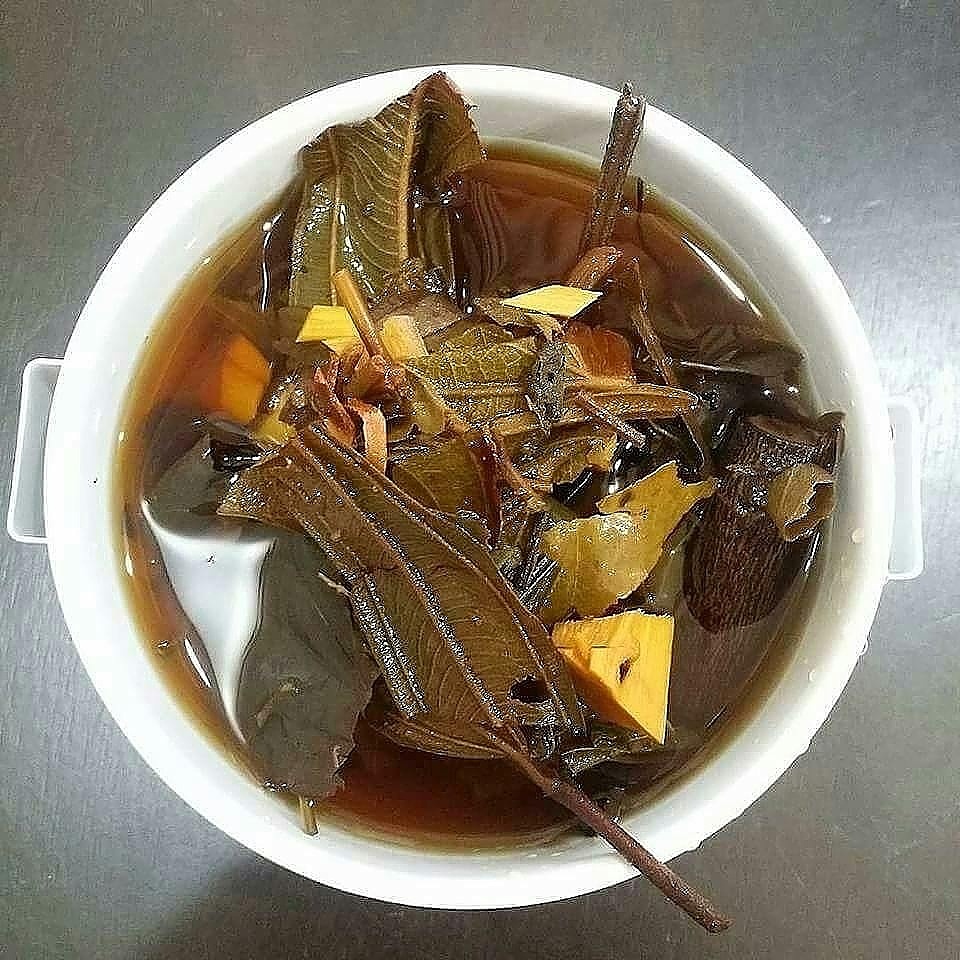



Picture
14
Video
No record
Today's Visitor
3
Number of Visitors
160
Introduction and history

Source: Wanzawawi.net
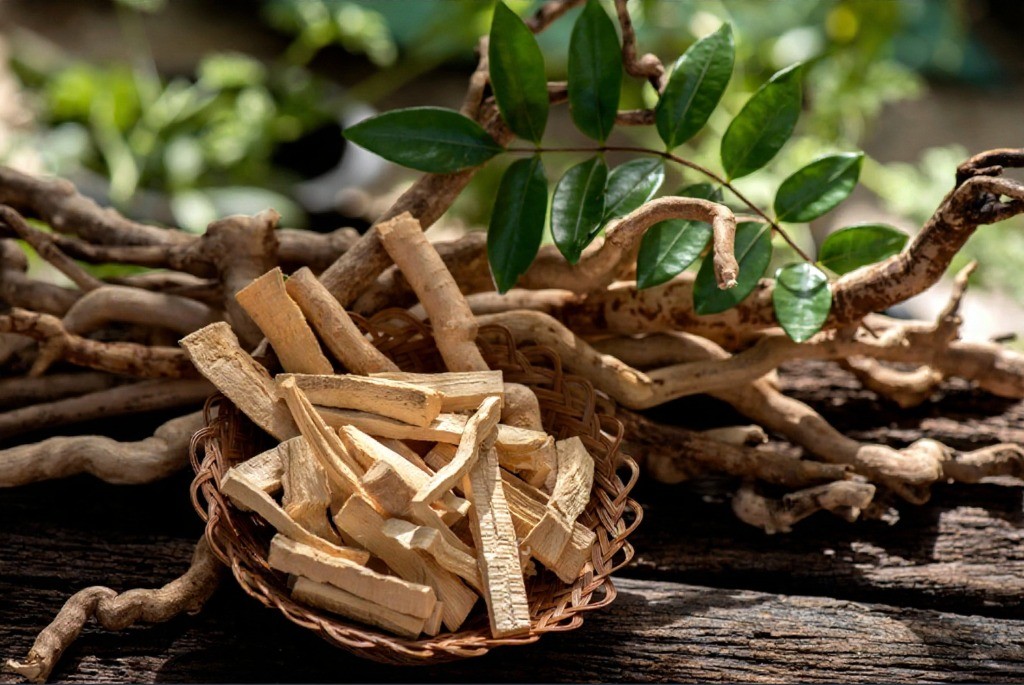
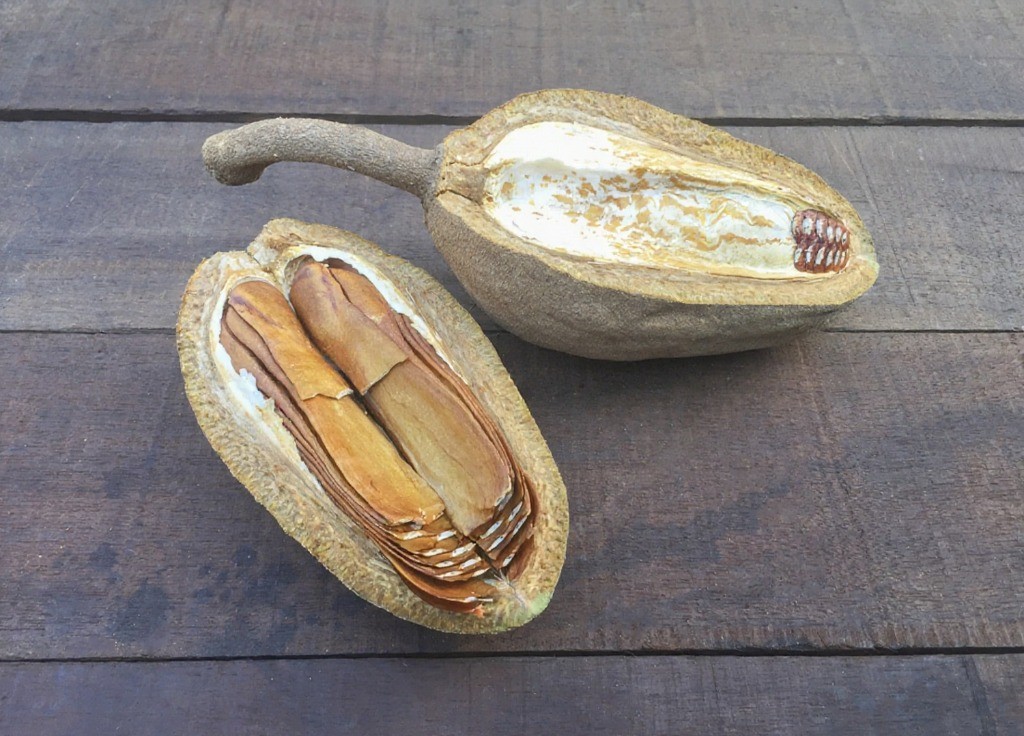
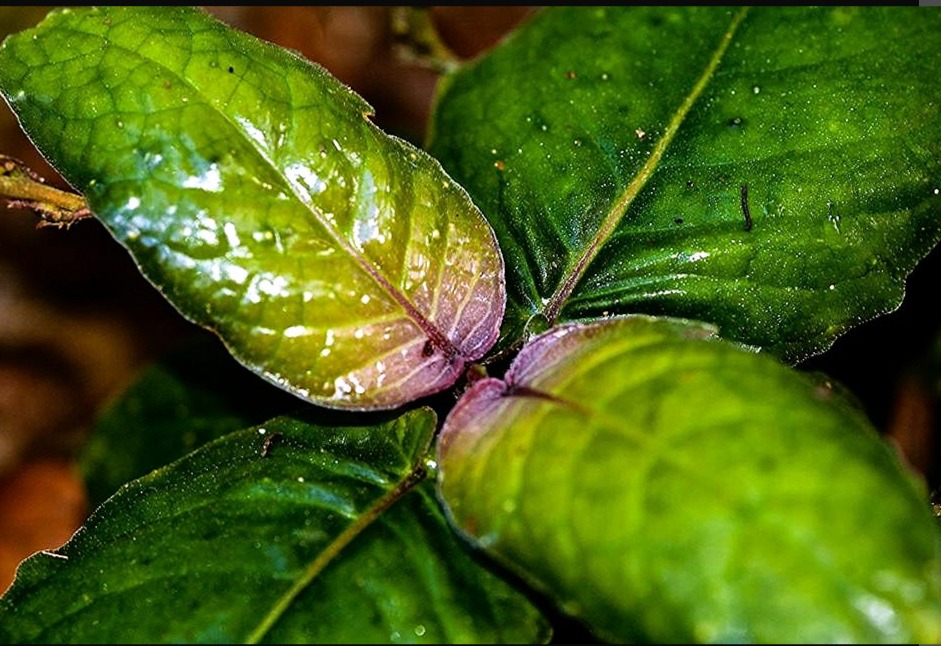
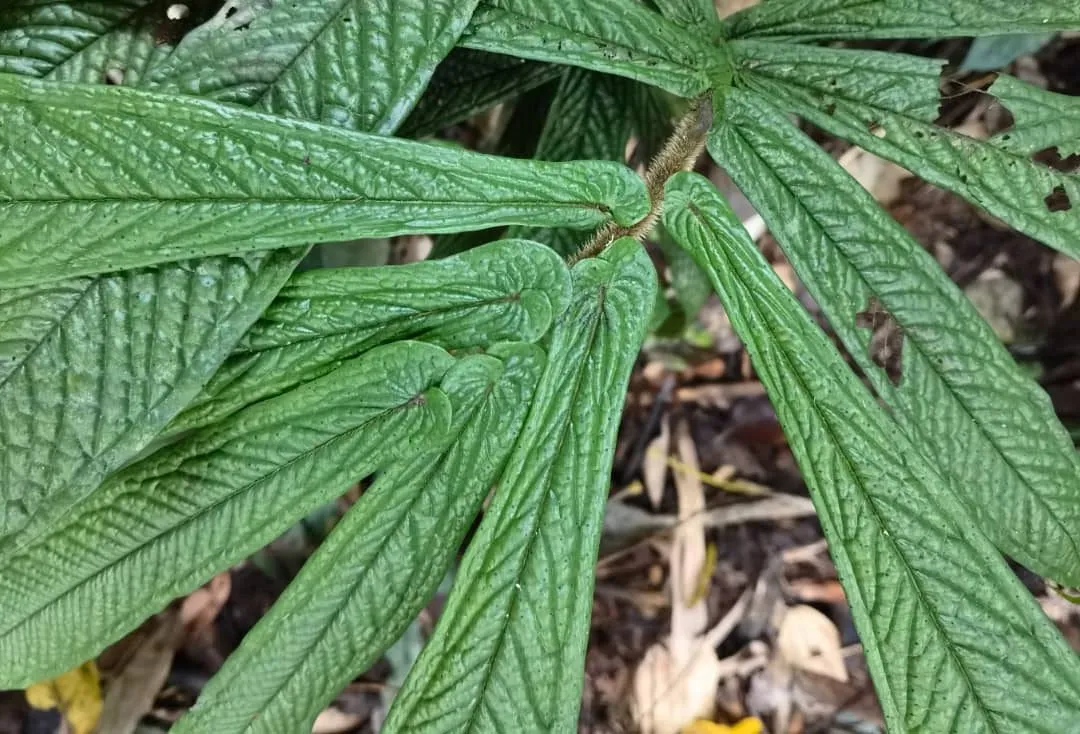
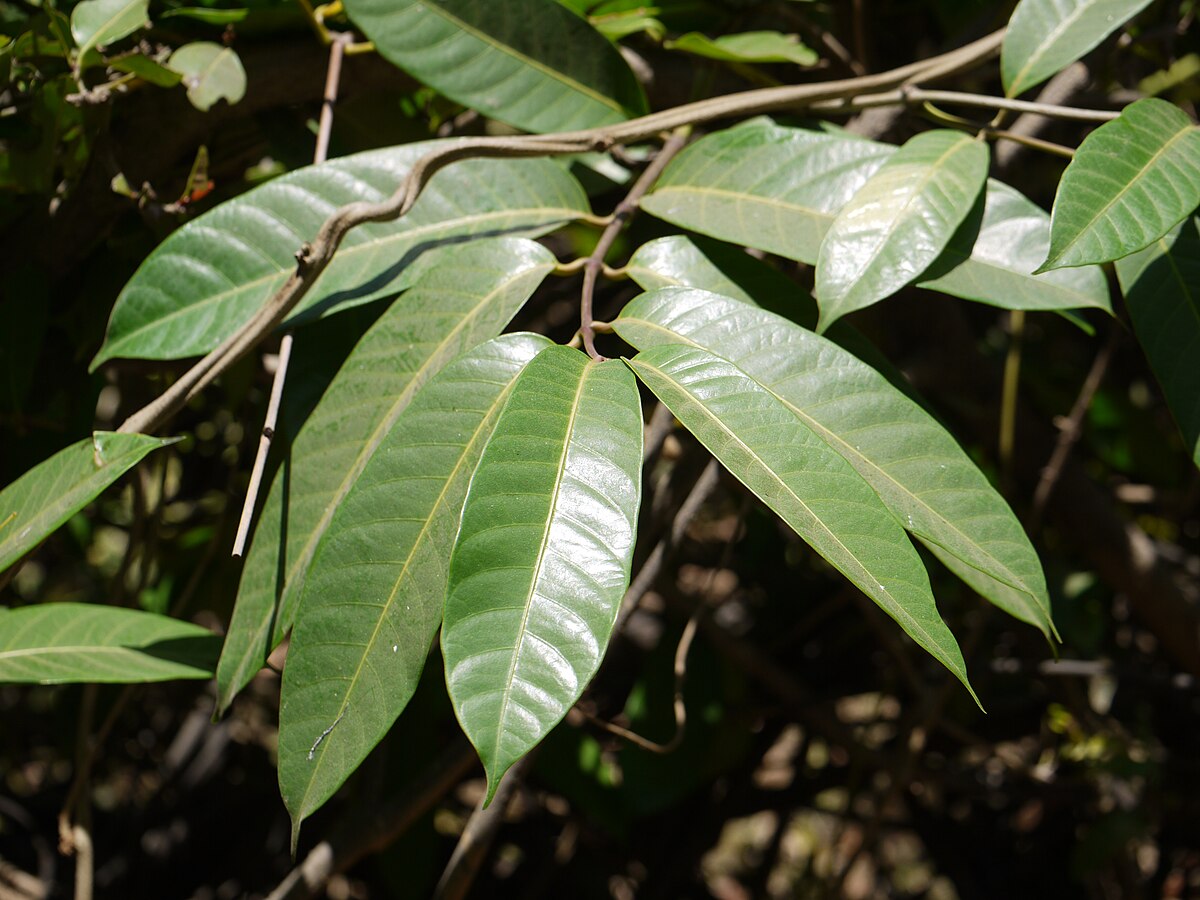
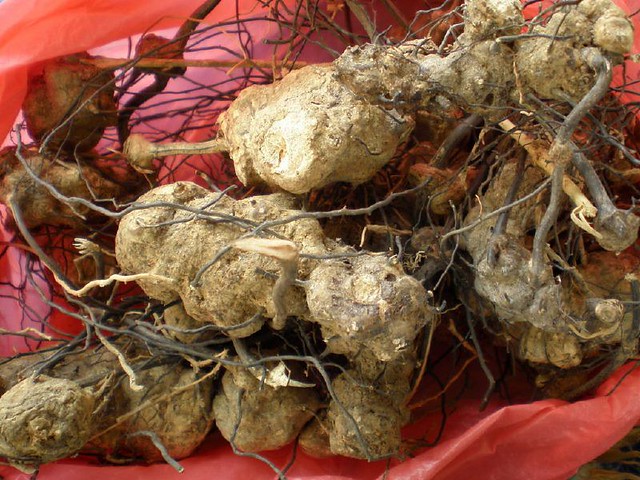
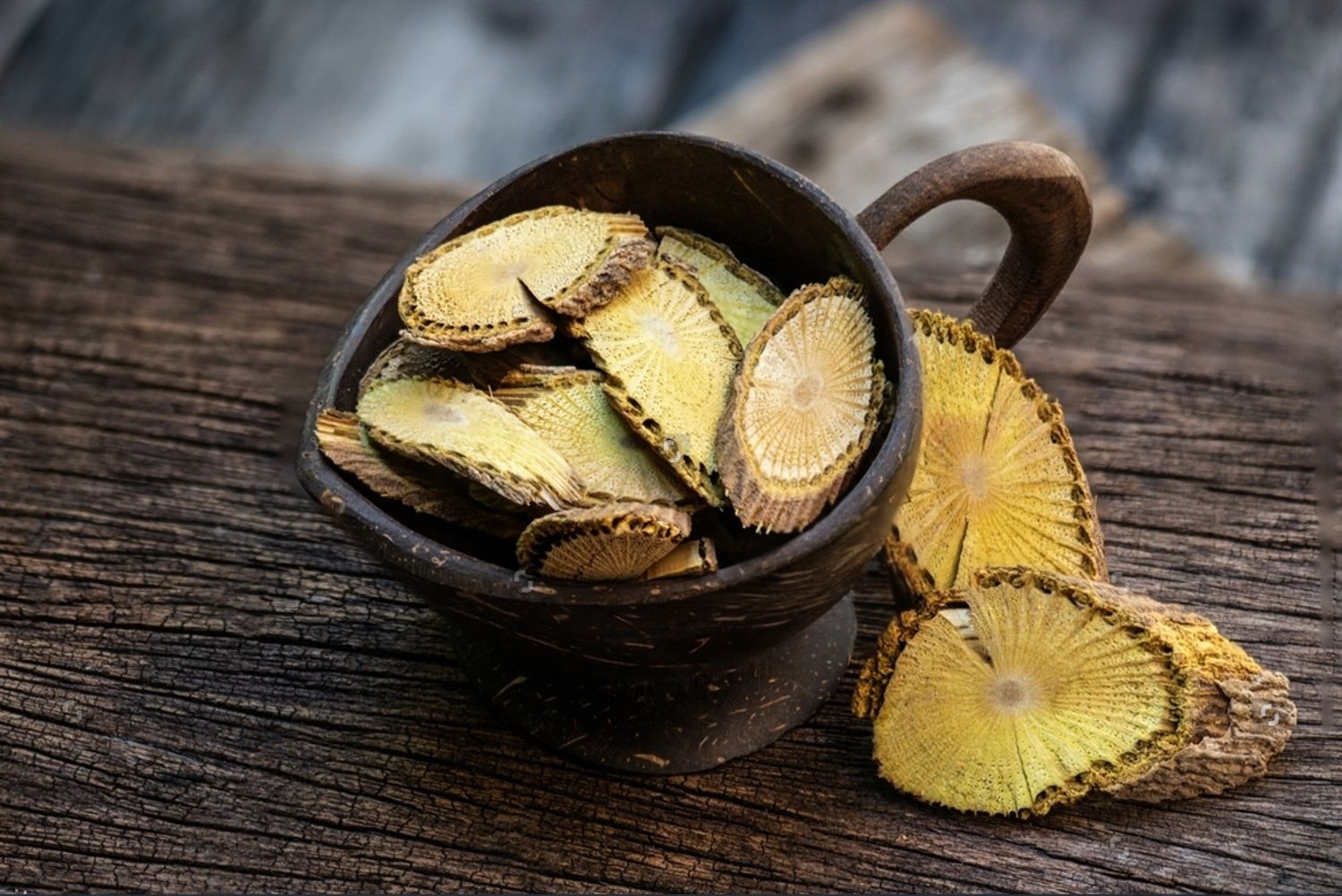
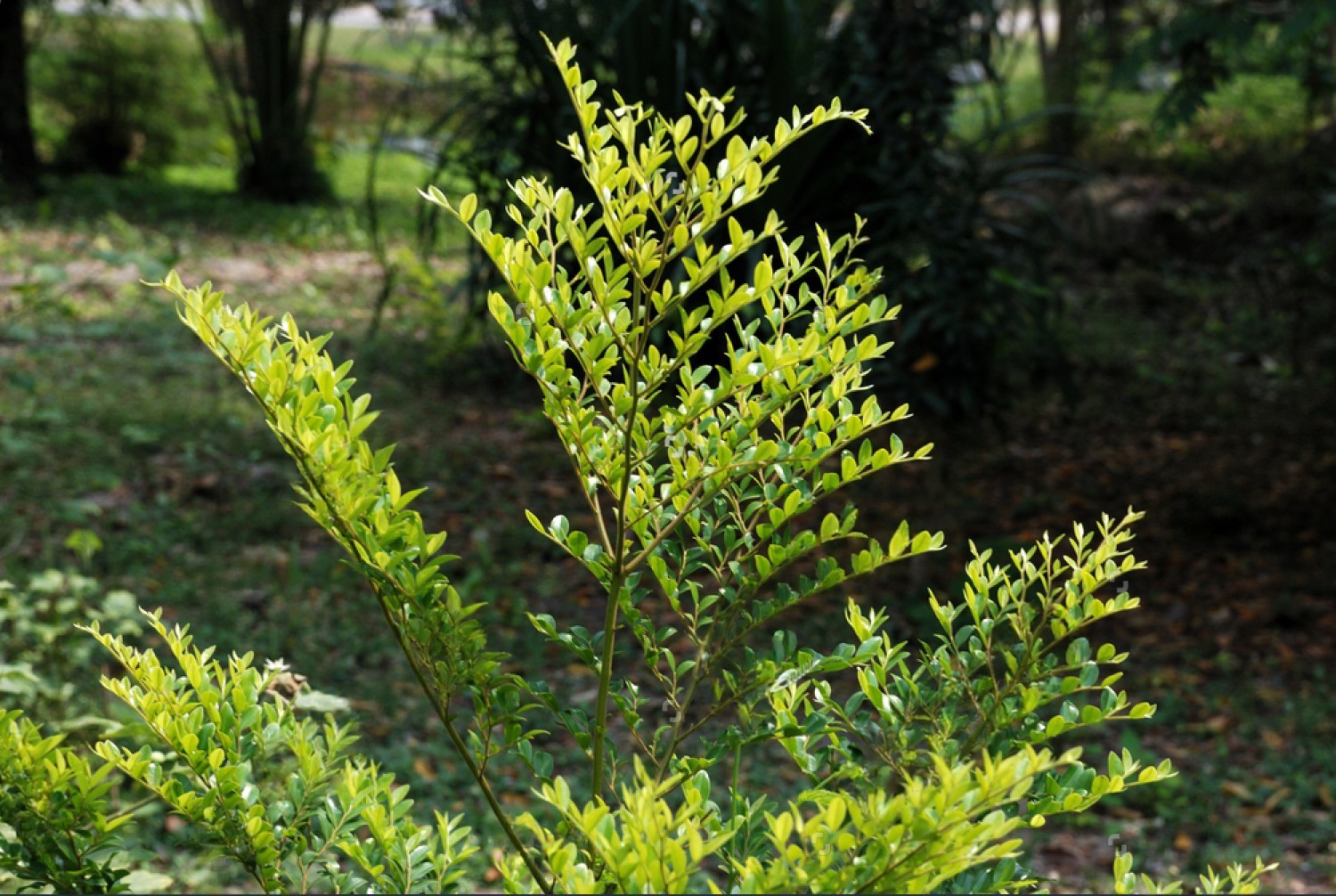
Ubat Periuk, also fondly called Ubat Piok in the dialect of some Malay communities, is a type of traditional medicine that has been passed down for generations. It consists of a mixture of selected roots, bark, stems, and herbal leaves that are boiled for a long period until they produce a nutritious decoction for drinking. This practice has long been synonymous with Malay society, particularly among mothers in the postpartum period. Ubat Periuk is often regarded as the “mother of all medicines” because it functions as an internal cleanser and a holistic health tonic. Its taste is not overly bitter, resembling unsweetened black tea, making it acceptable to most consumers.
In Malay traditional medicine, Ubat Periuk plays a significant role during the pantang (postpartum confinement) period. It is believed to restore energy, improve blood circulation, contract the uterus, heal internal wounds, enrich the blood, and refresh the body of postpartum mothers (Awang, 2008). Beyond postnatal care, it is also consumed for general health purposes, including treating vaginal discharge, relieving body aches, expelling excess wind, regulating blood pressure, and promoting urination. This indicates that Ubat Periuk is not solely a postpartum remedy but also part of the daily health regimen of the Malay community.
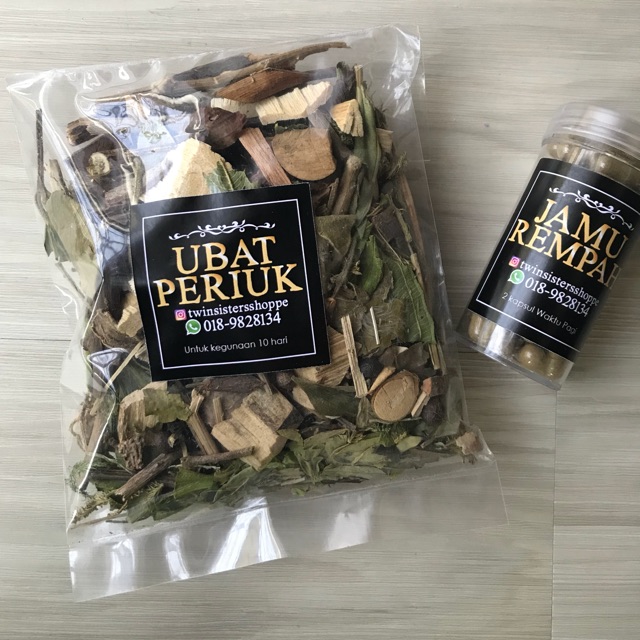
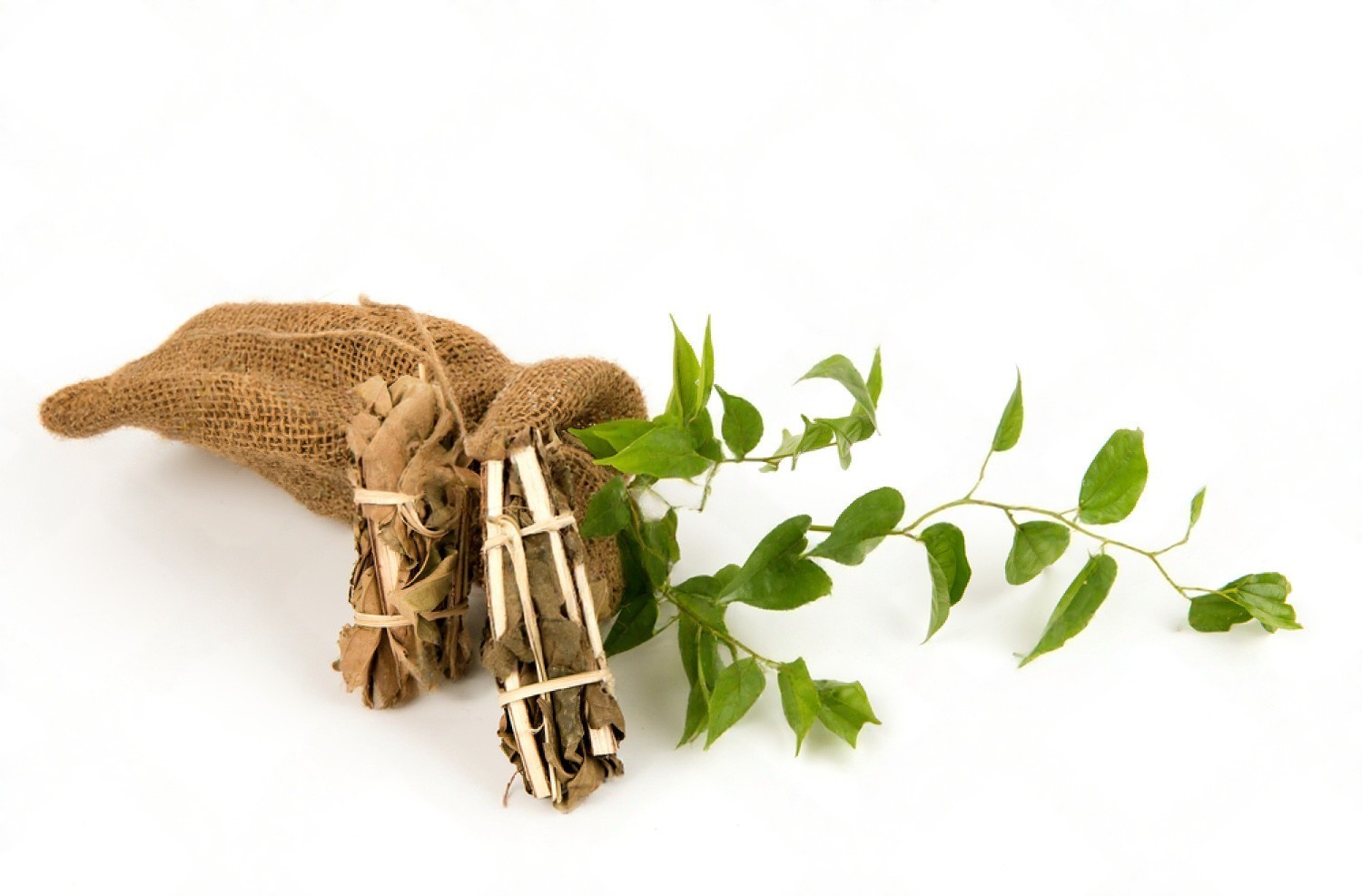
From a preparation perspective, Ubat Periuk ingredients are traditionally sourced from the forest or village gardens. The herbs are sun-dried until all moisture or sap is removed before being chopped or sliced into smaller pieces. Once dried, the herbs are easier to store at room temperature for a longer duration. This practice allows villagers to keep a supply of Ubat Periuk either for personal use or for sale. In modern contexts, Ubat Periuk has been commercialized and is now sold in airtight plastic packaging, complete with usage instructions, expiry dates, and pricing—aligned with the requirements of standardized health products (Zainal & Rahman, 2017).
Furthermore, Ubat Periuk reflects the local wisdom of the Malay community, which embraces a holistic approach to medicine. According to Laderman (1983), Malay traditional medicine emphasizes not only physical treatment but is also closely tied to spiritual aspects, cultural customs, and pantang (taboos or restrictions). Hence, the consumption of Ubat Periuk is often combined with confinement practices, traditional massage, and specific dietary regimens. This highlights how Ubat Periuk forms part of a broader system of traditional health practices that complement community life.
Today, even with the widespread availability of modern medicine, Ubat Periuk continues to hold a place in Malay society and is more accessible than ever. It functions not only as a natural remedy but also as a cultural identity marker of the Malay people, who are rich in herbal knowledge. The presence of Ubat Periuk products in contemporary markets demonstrates the resilience of Malay traditional medicine in adapting to commercialization trends and in maintaining public awareness of herbal-based healthcare.

Foto 2: Produk Komersial Ubat Periuk
Sumber: Wanzawawi.net
Location
State JKKN Contact Information
Cultural Officer
Jabatan Kebudayaan dan Kesenian Negara
Use the form below to contact the Informant/Figure/Editor/Researcher directly. We will respond to your inquiry as soon as possible!


