

ARTS AND CULTURE INFORMATION GATEWAY
Immerse yourself in the colorful world of art and culture! From traditional heritage to contemporary works, discover uniqueness that reflects the nation's identity and identity
RAWATAN TRADISIONAL PILIS SELEPAS BERSALIN
 Fakulti Muzik dan Seni Persembahan, Universiti Pendidikan Sultan Idris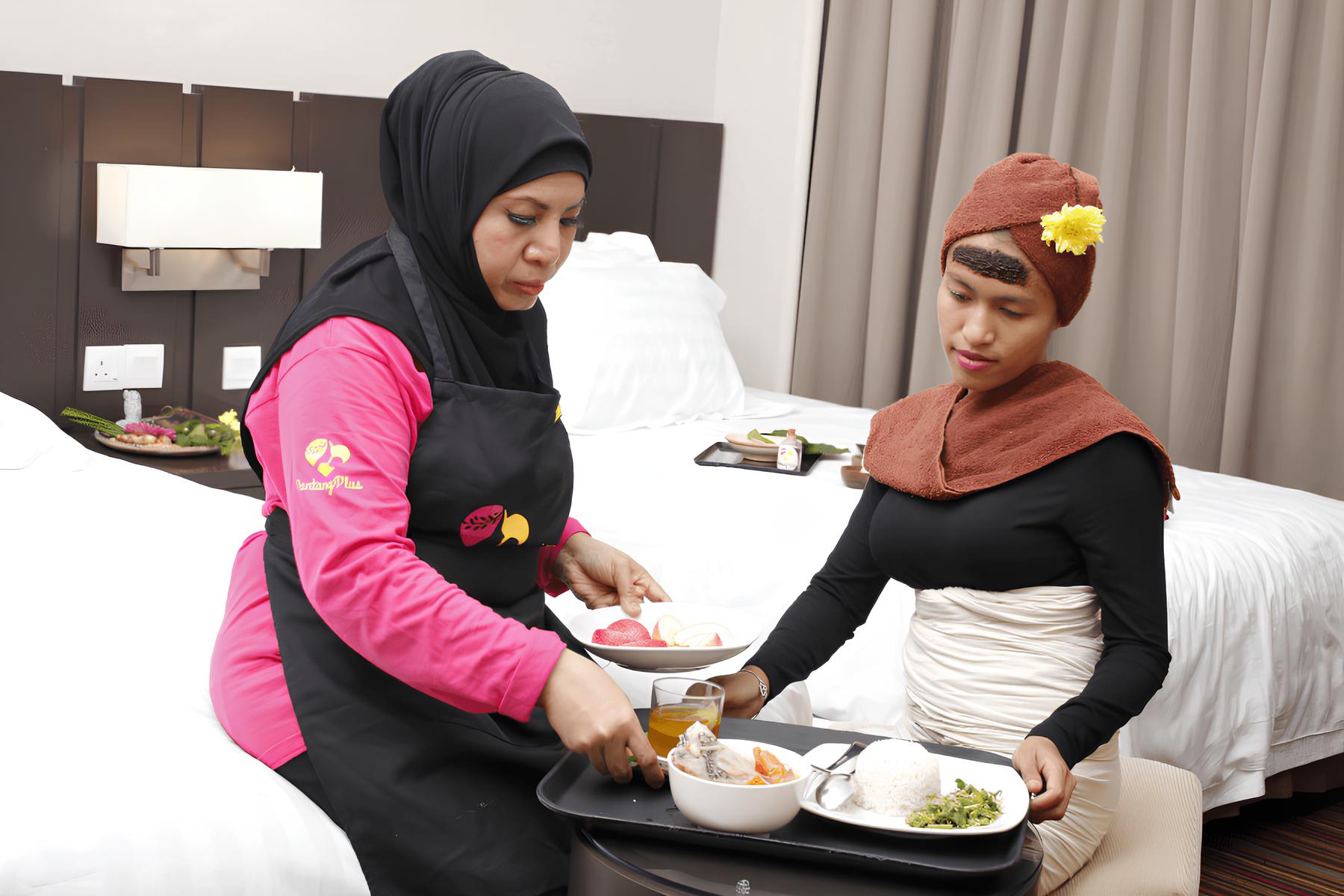


Picture
14
Video
No record
Today's Visitor
15
Number of Visitors
296
Introduction and history

Figure 1: Pilis Treatment
Source: Pantangplus.com
Traditional postpartum treatments are an integral part of Malay medical practices, carefully preserved and passed down through generations. These treatments hold a central place in the confinement rituals observed by Malay women after childbirth. Among the key practices is the application of ‘Pilis’, a finely ground herbal paste applied to the mother’s forehead. Typically performed twice daily after bathing, this treatment continues throughout the forty-day confinement period. Alongside other remedies such as herbal steam bath (bertangas), hot stone massage (bertungku), herbal body scrub (param) and stomach paste (tapel), pilis forms part of a holistic care system designed to restore energy, rejuvenate the body, and shield new mothers from both physical ailments and spiritual disturbances during the postnatal stage.
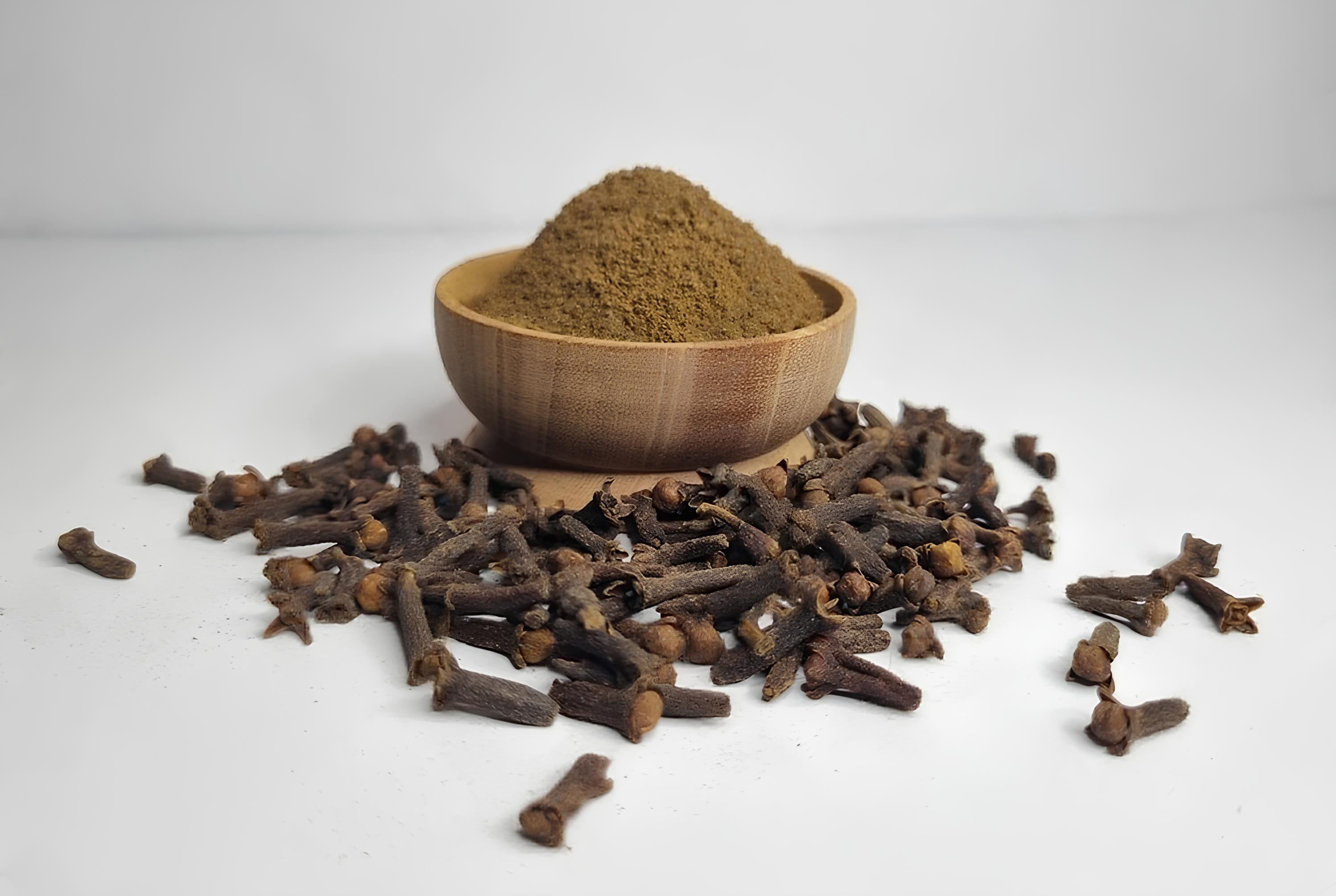
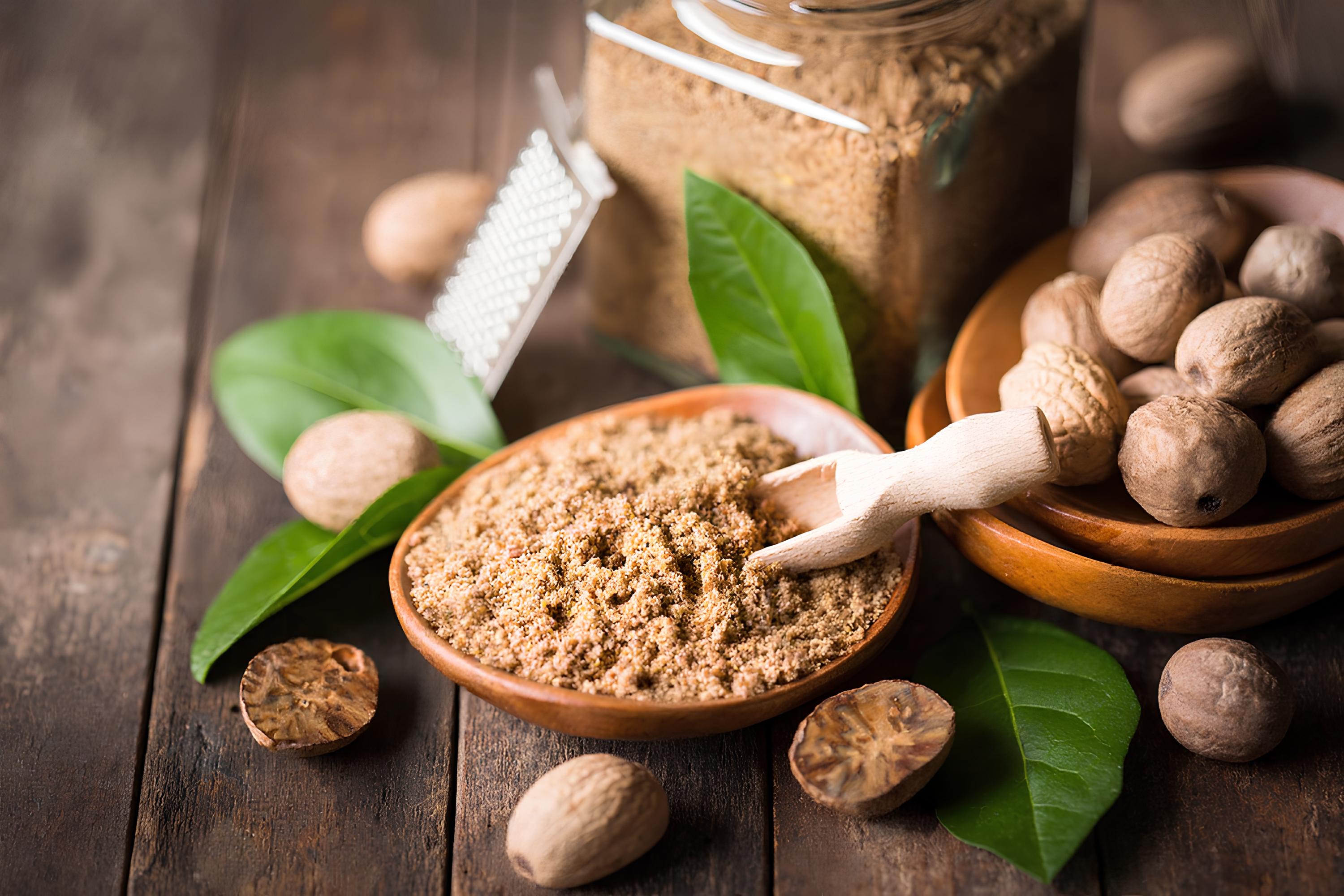
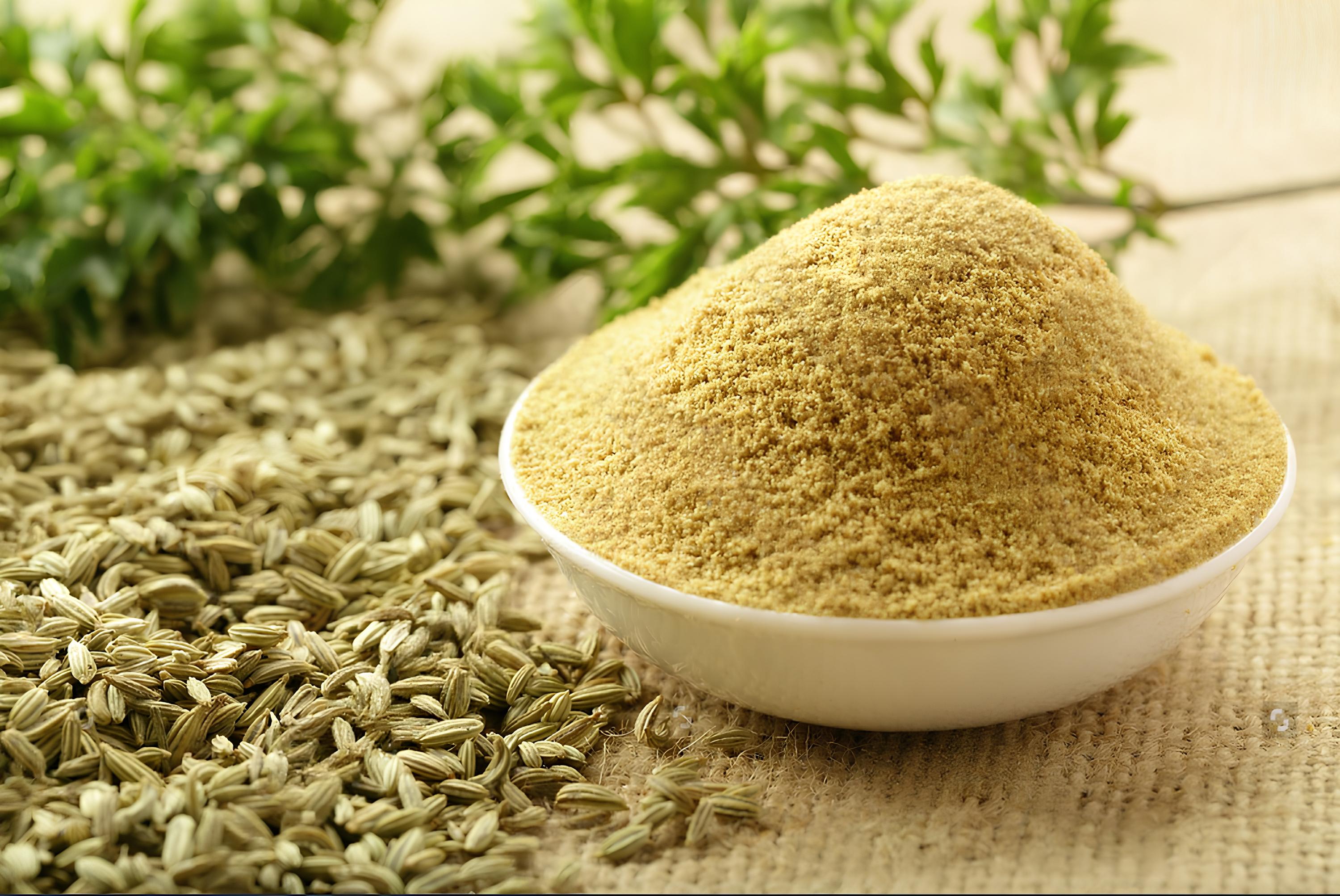
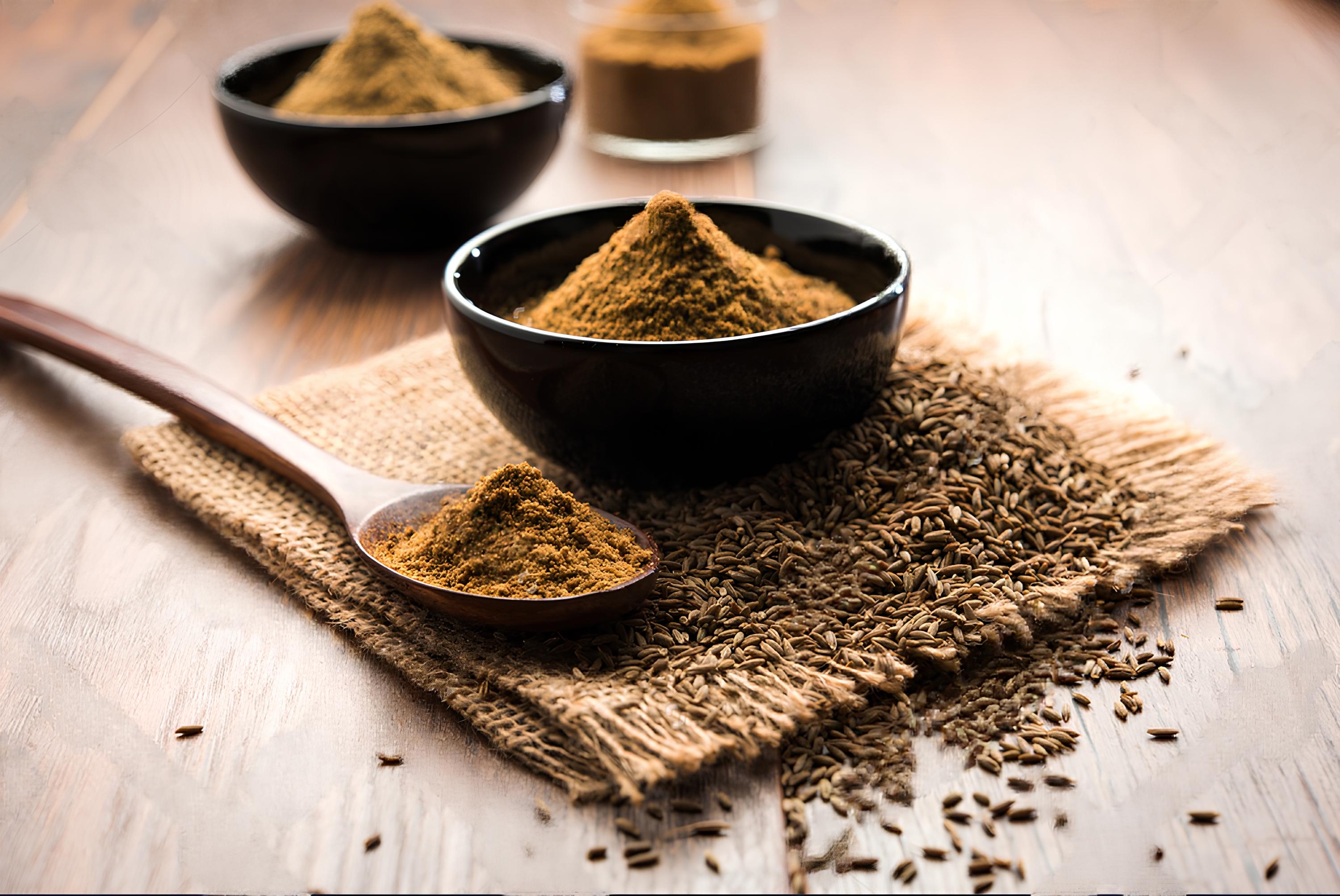
The preparation of pilis involves a blend of natural ingredients valued for their medicinal and cosmetic properties, reflecting the ethnomedical knowledge of the Malay Archipelago. Leaf-based elements such as henna leaves, pandan leaves, jasmine leaves and flowers, and lemongrass are prized for their refreshing qualities and fragrant aroma. Spices like nutmeg, cloves, white cumin, and black cumin act as anti-inflammatory agents, body warmers, and wind repellents. Herbs such as ginger, fresh turmeric, and aromatic ginger are added to generate warmth and improve blood circulation, while garlic, lime juice, and rice flour balance the texture of the paste. This complex blend demonstrates the depth of traditional medical knowledge and the therapeutic potential of tropical flora.
Historically, the use of pilis is rooted in the traditional Malay concept of bodily balance. It is believed to prevent wind or cold elements from entering the body, thereby safeguarding a mother’s internal and external well-being. The practice reflects ancient medical traditions that emphasized herbal remedies for postnatal recovery, revealing cross-cultural influences from Indian Ayurvedic and Javanese treatments, both of which highlight the importance of holistic postpartum care that integrates physical, mental, and spiritual dimensions.
Over time, the practice of pilis has become deeply embedded within Malay culture and other societies across the Nusantara. It is seen as a restorative treatment capable of rebalancing the body after pregnancy and childbirth, processes that are both physically and emotionally taxing. In earlier times, when communities lacked access to modern healthcare, herbal remedies such as pilis served as the primary means of supporting maternal recovery. The natural abundance of tropical herbs was regarded as a divine gift, entrusted to sustain women’s health and well-being.
Beyond its medicinal value, pilis also carries cultural and social significance. It serves as a visible marker of confinement, signaling to the community that a woman is undergoing traditional postpartum care. This symbolic role fosters awareness and respect, encouraging family members and society at large to be attentive to the mother’s condition. In this way, pilis functions not only as a therapeutic preparation but also as a cultural identity marker, reinforcing the discipline and values embedded in Malay women’s healthcare traditions.
From a sociological perspective, the continuity of pilis illustrates how traditions are constructed and maintained through social interaction. Drawing on Peter L. Berger’s theory of social construction, the practice can be understood through the processes of externalization, objectivation, and internalization. Communities create, preserve, and legitimize pilis as part of their self-care system, ensuring that it is accepted as both effective and culturally meaningful. Over generations, this practice has become deeply internalized, symbolizing not only a method of treatment but also a shared cultural identity.
Through this process, pilis is understood not only in terms of its herbal benefits but also within a broader cultural context. Objectively, this renders the practice recognized as a legitimate form of treatment proven to be effective. At the same time, internalization ensures that new mothers continue to observe it, believing it is the best way to safeguard their postnatal health. This practice illustrates how traditional knowledge endures in the modern world because it carries strong social legitimacy.
Thus, pilis should be recognized as more than a cosmetic or medicinal preparation. It is a cultural heritage that embodies the wisdom of the Malay and wider Nusantara communities in safeguarding women’s health, preserving social values, and integrating physical care with spiritual and cultural dimensions. By combining the therapeutic properties of tropical plants with the traditions of the region, pilis reflects the resilience and continuity of indigenous knowledge in navigating the journey of childbirth and recovery.
Pilis has long been recognized for its therapeutic benefits in the postpartum care of Malay women. Within the traditional confinement system, it plays a vital role in supporting recovery, protecting the body and restoring balance. The following are its key functions and virtues:
Preventing Dizziness and Headaches
After childbirth, women often experience hormonal fluctuations and physical exhaustion, which can lead to dizziness and headaches. Applying pilis to the forehead is believed to soothe the nerves and cool the head. Ingredients such as henna leaves, nutmeg, and ginger possess natural anti-inflammatory properties that help ease muscle tension and promote stable blood circulation to the brain. This effect reduces discomfort and supports a smoother recovery process.
Preventing wind (angin) from entering the Head
In traditional Malay medicine, wind (angin) is regarded as a primary cause of illness, especially when the body is weak after childbirth. Pilis serves as a protective layer on the forehead, preventing angin or cold elements from entering. Ingredients such as garlic, black cumi and aromatic ginger provide natural warming effects that stabilize body temperature and strengthen immunity, thereby reducing symptoms of coldness, fatigue, or faintness.
Reducing Excessive Drowsiness
Postpartum mothers often feel weak and fatigued, which may cause excessive drowsiness. While rest is essential, too much sleepiness can interfere with daily routines and infant care. The herbal fragrance of pilis, derived from lemongrass, jasmine flowers, pandan leaves and spices, acts like natural aromatherapy. It refreshes the mind, restores vitality, and helps mothers remain alert and focused during confinement.
Improving Blood Circulation in the Head
Pilis is also believed to improve blood circulation in the head. Ingredients such as ginger, fresh turmeric, and nutmeg have circulatory stimulant effects. When blood flow is enhanced, mothers feel more energized, refreshed, and less likely to experience symptoms such as numbness or heaviness in the head. This effect also helps reduce the risk of chronic headaches, migraines, and general fatigue that commonly occur during the postpartum period.
Providing Comfort and Calmness
Beyond physical benefits, pilis also offers psychological comfort. Its soothing aroma is believed to reduce anxiety, stabilize mood, and ease mental stress. Within the framework of traditional psychology, pilis functions as a form of natural mental therapy, providing calmness and emotional stability as mothers adapt to the challenges of caring for a newborn.
Pilisis prepared from a blend of natural ingredients, primarily herbs and tropical plants, carefully selected to meet the postpartum needs of women. This formulation is designed not only for health recovery but also for beauty and overall rejuvenation of the body. The main ingredients are categorized as follows:
Leaf and Flower Ingredients
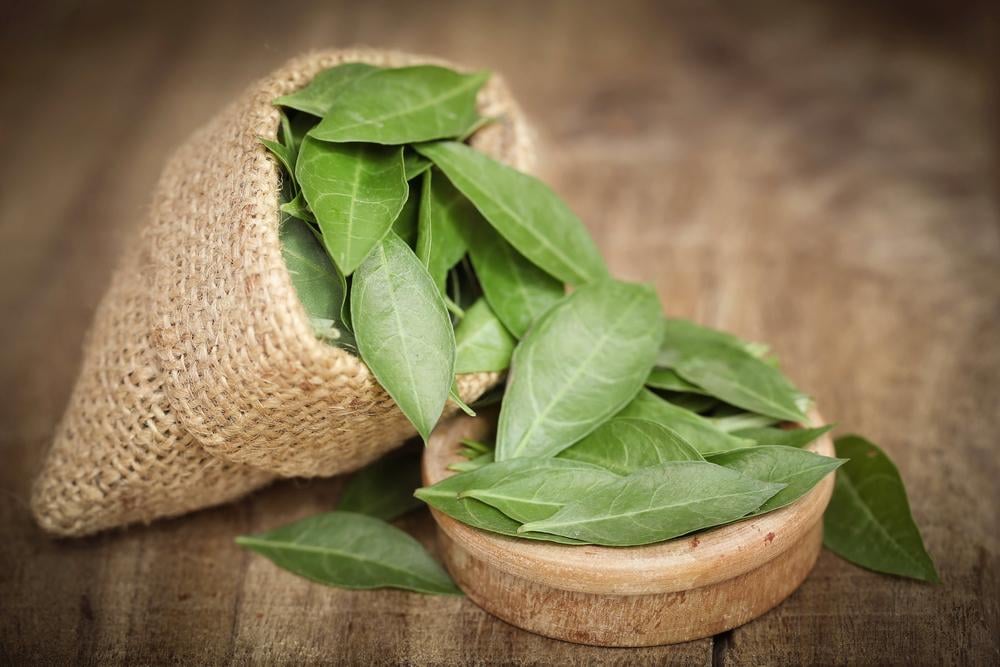
Henna leaves (Lawsonia inermis)
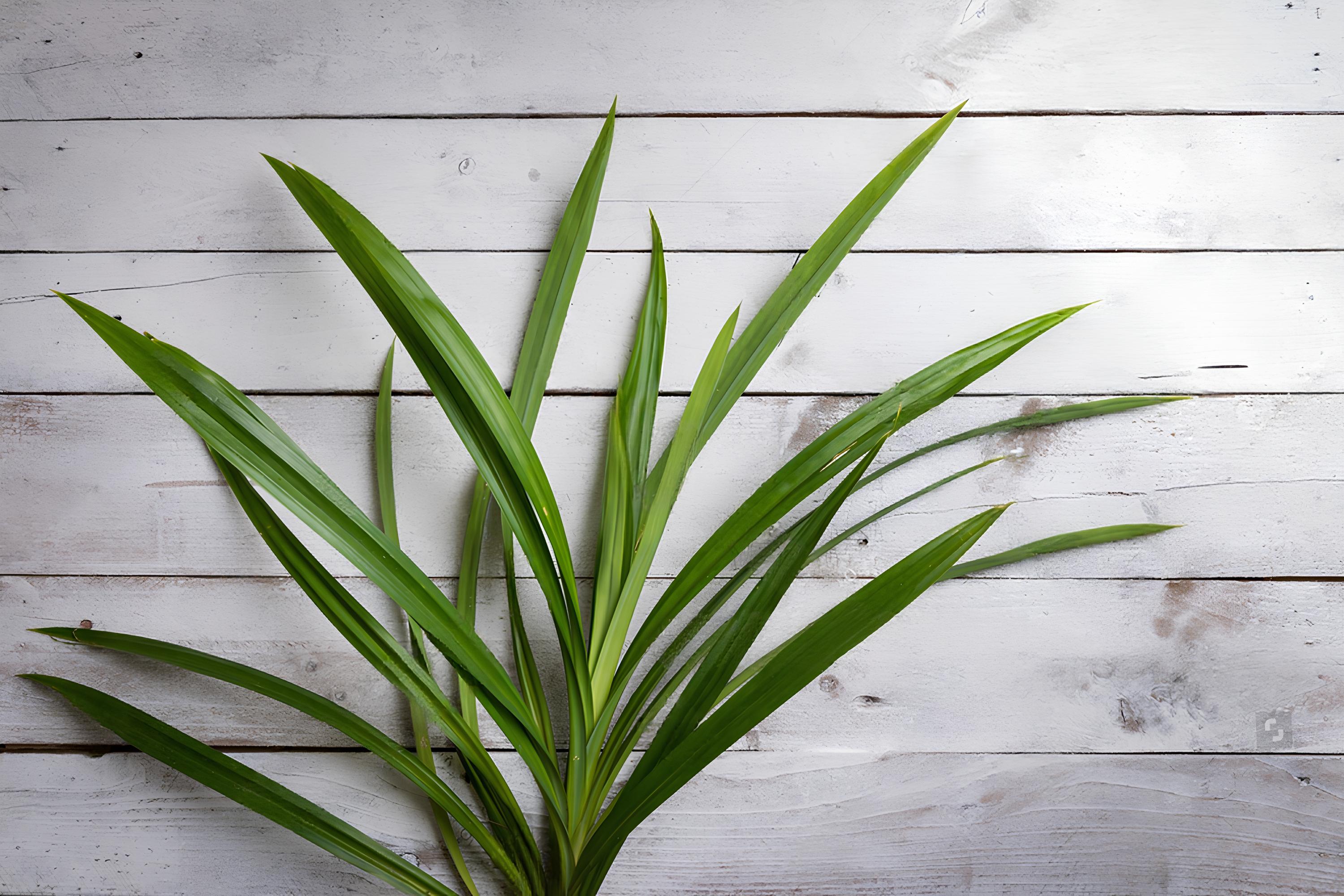
Pandan leaves (Pandanus amaryllifolius)
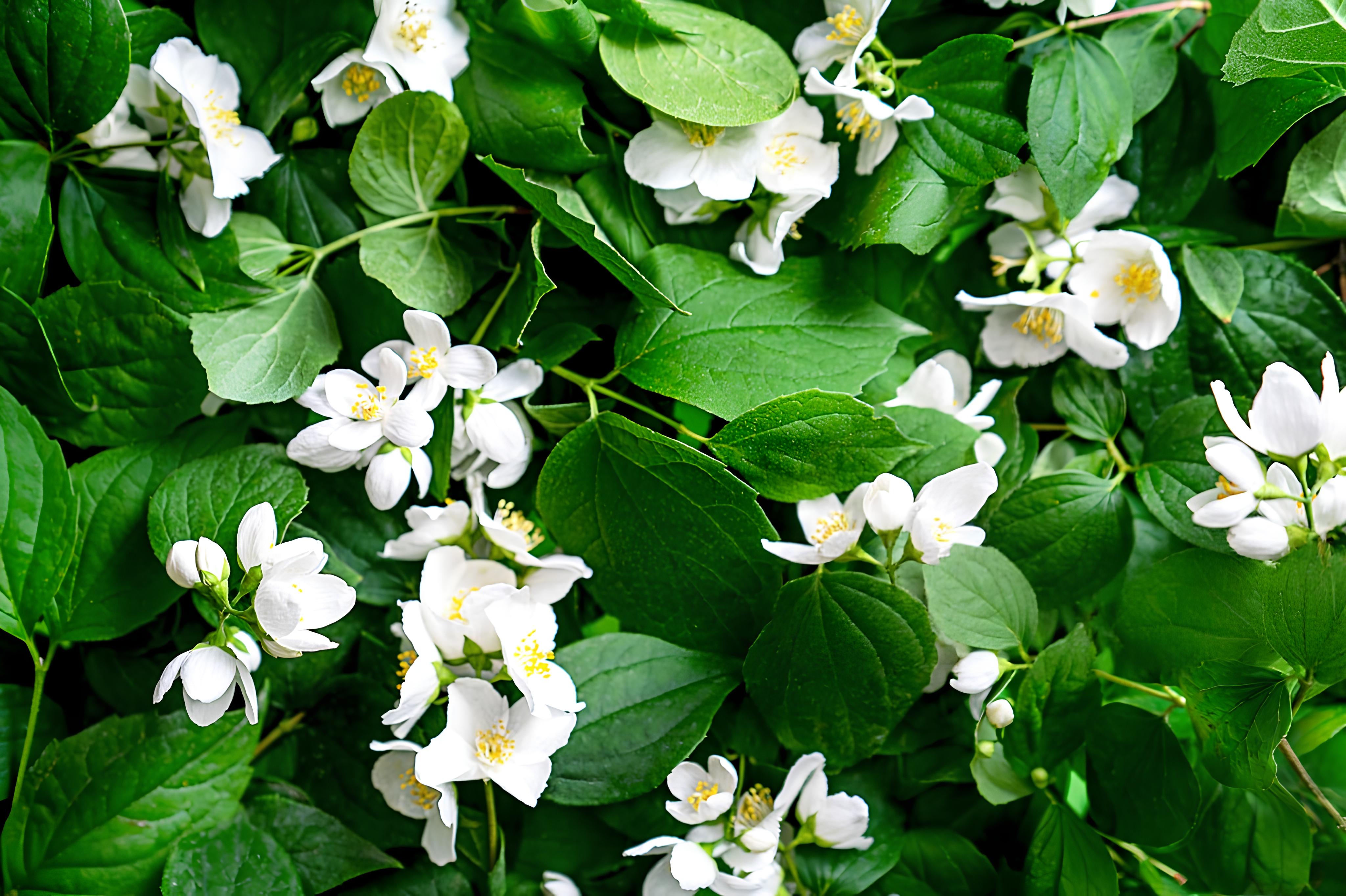
Jasmine leaves and flowers (Jasminum sambac)
Lemongrass (Cymbopogon nardus)
Spice Ingredients
Cloves (Syzygium aromaticum)
Nutmeg (Myristica fragrans)
White cumin (Cuminum cyminum)
Black cumin (Nigella sativa)
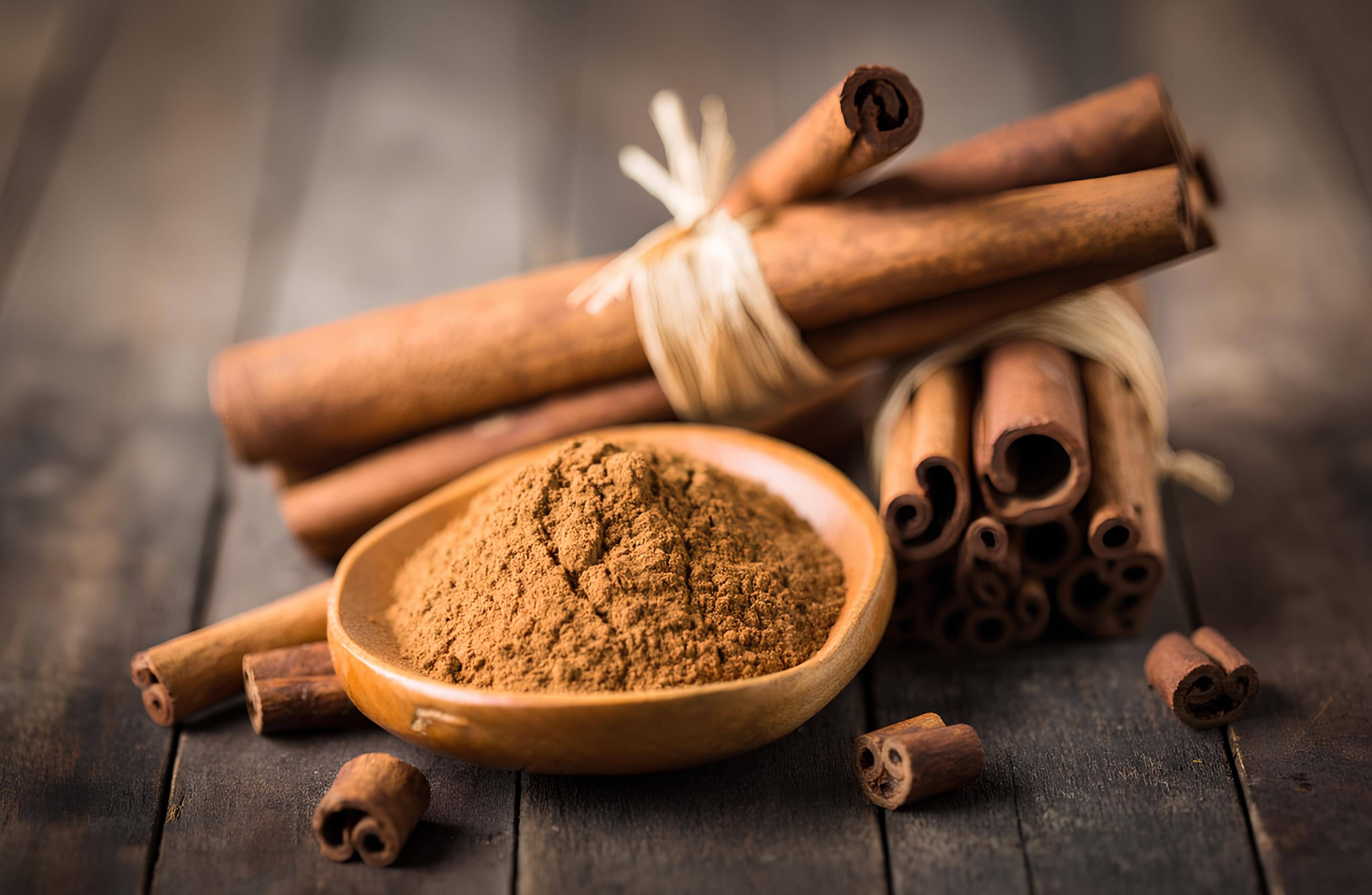
Cinnamon (Cinnamomum verum) - optional addition, often used for aroma and body warming
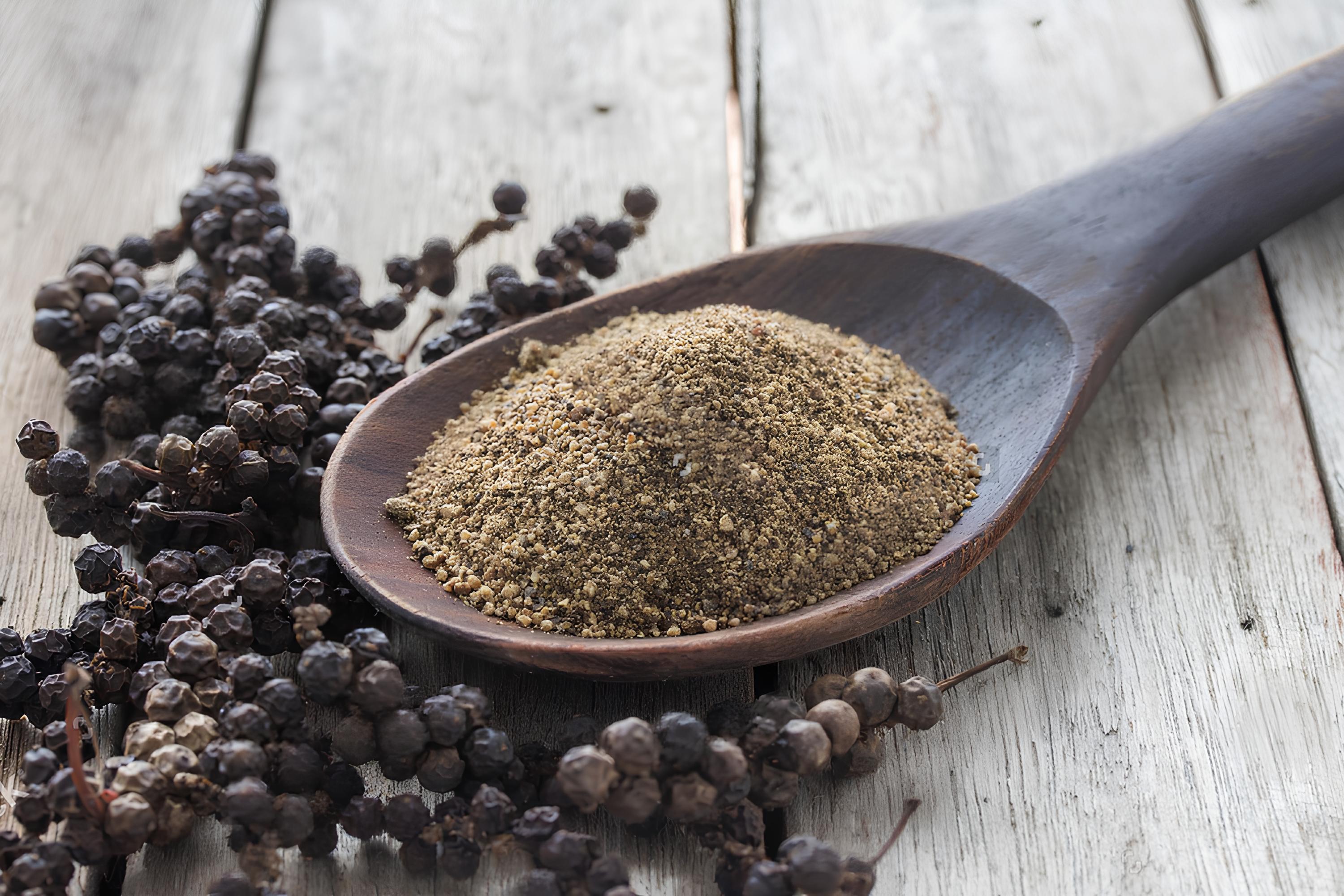
Black pepper (Piper nigrum) - optional addition, for warming properties and to stimulate blood circulation
Root and Rhizome Herbs
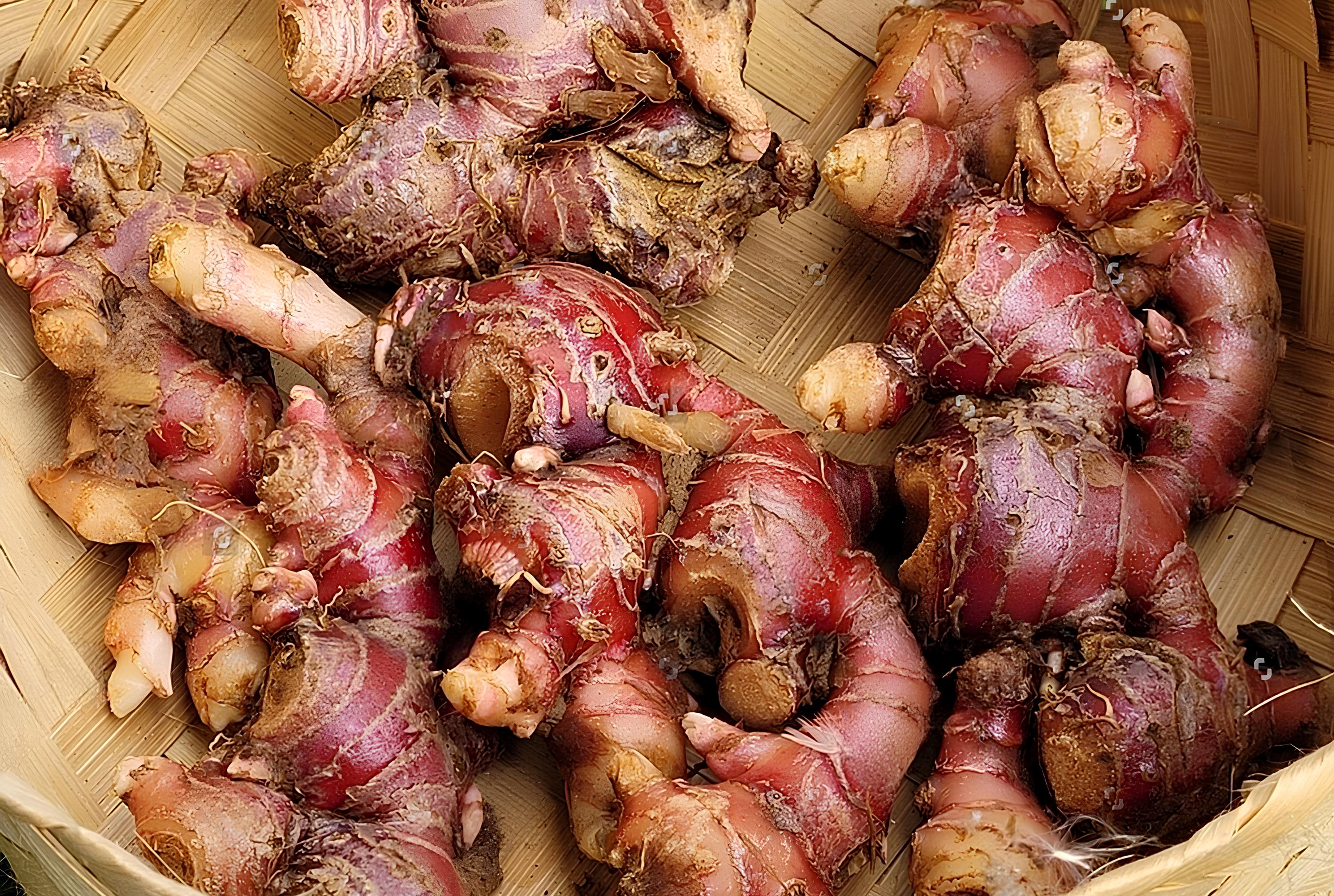
Red ginger (Zingiber officinale)
Fresh turmeric (Curcuma longa)
Aromatic ginger (Kaempferia galanga)
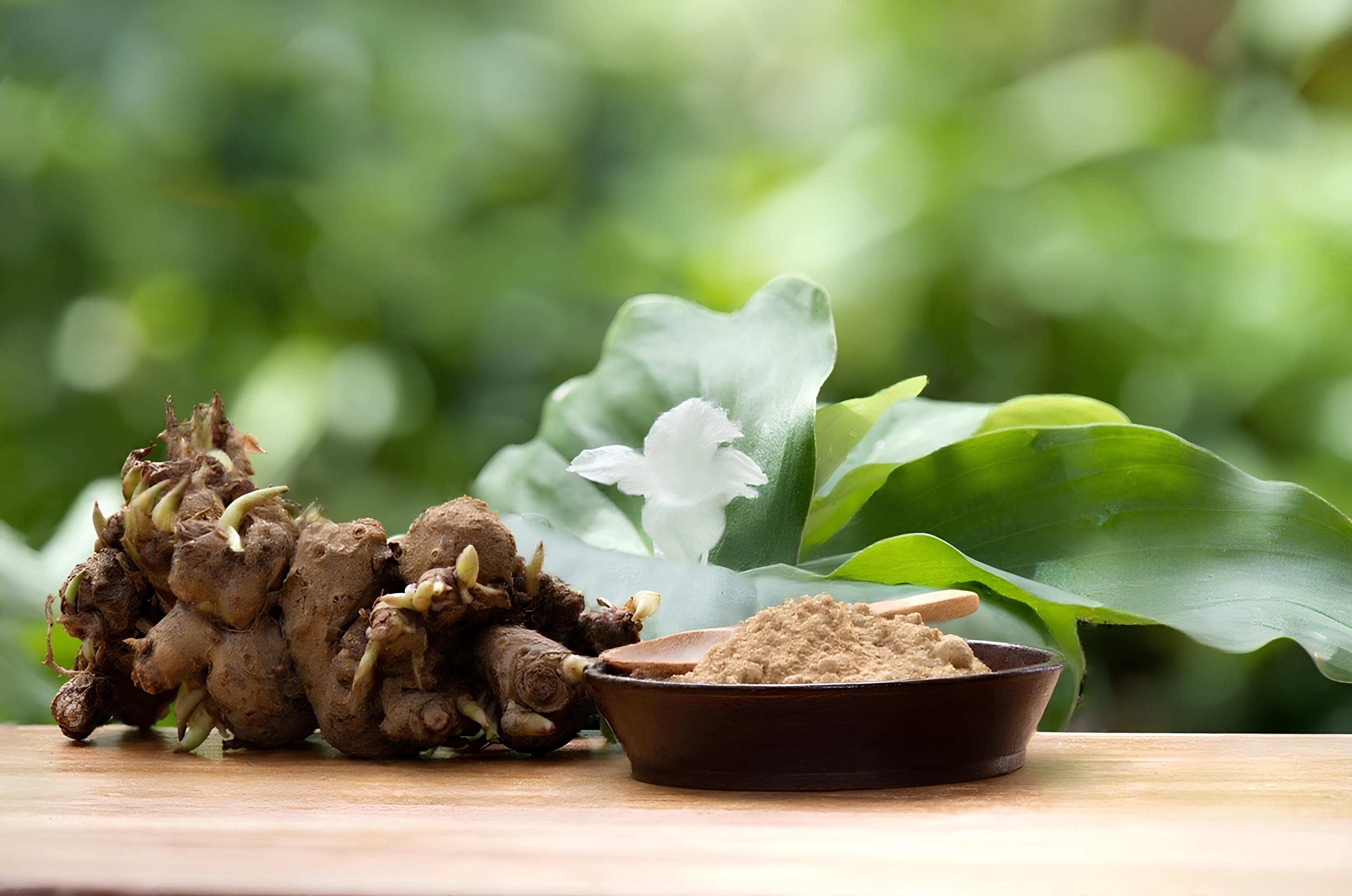
Galangal (Alpinia galanga) - optional addition
Additional Ingredients for the Paste
Garlic (Allium sativum)
Lime juice (Citrus aurantiifolia)
Finely ground rice – used as a thickener
Virgin coconut oil – occasionally used to moisten the texture of the paste
The preparation of pilis follows a systematic process to preserve the medicinal properties of each ingredient and produce a paste that adheres well to the forehead of postpartum mothers. The main steps are as follows:
Step 1: Preparation of Fresh Ingredients
Begin by preparing all fresh ingredients, including leaves, flowers, and root/rhizome herbs.
Wash thoroughly under running water to remove dirt, dust, or insects. Root-based herbs, which often retain soil, should be scrubbed carefully before cutting into small pieces to ease the pounding process. Garlic cloves must also be peeled and washed clean.
Set all ingredients aside in a fresh and clean state to ensure their properties are preserved before further preparation.
Step 2: Sangai (Dry Roasting without Oil)
Once the fresh ingredients are ready, prepare the spices and rice using the sangai method (dry roasting without oil in a pan).
Place the spices into a heated pan and roast until they release a fragrant aroma, indicating that the essential oils have been activated.
Roast the rice lightly until it turns pale yellow and is completely dry, taking care not to burn it.
Set the roasted ingredients aside
Step 3: Pounding and Grinding
Pound the fresh leaves and root herbs using a mortar and pestle until finely ground. This traditional method is preferred because it preserves flavor, essential oils, and medicinal properties better than modern tools.
Grind the roasted spices and rice into a fine powder using a dry blender.
Place the ingredients into three separate containers: one for leaves and rhizomes, one for spices, and one for rice.
Step 4: Combining and Forming the Pilis Paste
Mix the pounded fresh ingredients with the ground spices in a clean container. Blend carefully to ensure an even mixture.
Gradually add the roasted rice while stirring gently until fully incorporated. The rice acts as a thickening agent, giving the paste a denser texture.
To adjust consistency, add lime juice slowly, followed by a few drops of virgin coconut oil. These not only moisten the mixture but also enhance its aroma and medicinal benefits.
Mix until the paste reaches a slightly thick consistency—firm enough to adhere to the forehead without dripping
Step 5: Application of Pilis
Before application, the postpartum mother should ensure her body is fresh and clean, ideally after bathing, when the skin’s pores are more open for better absorption.
Cleanse the forehead with warm water or a damp cloth to remove oil, sweat, or dirt.
Apply a thin layer of pilis paste using a clean finger or spoon, spreading evenly across the forehead. The layer should be sufficient to cover but not overly thick.
Leave the paste to dry naturally for 2 to 3 hours without disturbance. During this period, the herbs provide a cooling effect, relieve dizziness, and prevent angin (wind) from entering the body.
Afterward, remove the dried paste using warm water or a damp cloth.
Repeat the application twice daily, morning and evening, throughout the 40-day confinement period.
Traditional Practice Tips
For best results, pilis should ideally be prepared fresh each day. If made in larger quantities, it can be stored in an airtight container in a cool, dry place. Traditionally, the preparation and application of pilis were often assisted by a bidan (traditional midwife) or family members, reflecting its role not only as a treatment but also as a cultural ritual of postpartum care.
Reference Source
Bahan Bacaan
Abdullah, R., & Ubaidillah Wan Abas, W. M. (2023). Superstitious practices related to babies in the Malay Muslim community of Malacca. Jurnal Islam Dan Masyarakat Kontemporari, 24(2).
Akhiar, S. K. B. (2016). Amalan dan penggunaan herba dalam perubatan tradisional Melayu selepas bersalin di zon tengah, Semenanjung Malaysia (Doctoral dissertation, Universiti Tun Hussein Onn Malaysia).
Barakbah, A. (2007). Ensiklopedia perbidanan Melayu: Sebuah perbendaharaan ilmu perubatan dan penjagaan kesihatan. Utusan Publications.
Khamis, H. J. (1997). Adat lama perkahwinan orang Melayu Muar. Malaya in History/Malaysia in History dan Malaysia Dari Segi Sejarah, 25, 65–89.
Musa, M. S. (2023). Ilmu perubatan tradisional etnik Melayu Sarawak: Traditional ethnic medicine of Sarawak Malays. Jurnal Borneo Arkhailogia (Heritage, Archaeology and History), 8(1), 189–202.
PantangPlus. (n.d.). Khasiat tapel, param, dan pilis berpantang. PantangPlus. https://pantangplus.com/khasiat-tapel-param-dan-pilis-berpantang/
The Asian Parent. (n.d.). Manfaat parem untuk ibu melahirkan. The Asian Parent Indonesia. https://id.theasianparent.com/aa000215-manfaat-parem-untuk-ibu-melahirkan
Tokoh (jika ada temu bual tokoh)
Location
State JKKN Contact Information
Cultural Officer
Jabatan Kebudayaan dan Kesenian Negara
Use the form below to contact the Informant/Figure/Editor/Researcher directly. We will respond to your inquiry as soon as possible!


