

ARTS AND CULTURE INFORMATION GATEWAY
Immerse yourself in the colorful world of art and culture! From traditional heritage to contemporary works, discover uniqueness that reflects the nation's identity and identity
ADAT RESAM DAN BUDAYA KAUM BAJAU SUKU UBIAN – KORBAN UNTUK SI MATI
 Kampung Lagaton, Pulau Banggi, 89050 Kudat, Sabah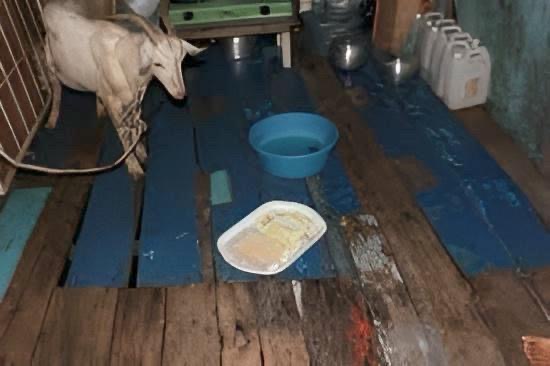
Picture
5
Video
No record
Today's Visitor
307
Number of Visitors
4383
Introduction and history
The Ubian Bajau tribe is one of the Bajau Laut ethnic communities that inhabit coastal areas in Sabah such as Banggi Island, Kudat, Sandakan, Kunak, Lahad Datu and Semporna. This community is known for its strong customs and cultural beliefs that are deeply rooted in their daily lives. One of the significant traditional practices among Bajau Ubian is the custom of sacrifice for the dead. This custom does not only involve religious aspects but is also mixed with elements of traditional beliefs inherited from their ancestors (Zaimie Sahibil, 2024). The implementation of the sacrificial custom is seen as an obligation that must be fulfilled by the family of the deceased to ensure that the spirit of the departed can safely go to Padang Masyhar using the ride in the form of the sacrificial animal (Sahibil, 2016).
The sacrificial ritual in the Bajau Ubian community functions as a symbolic medium that is believed to help the spirit of the deceased continue its journey to the afterlife, where the sacrificial animal is considered to be the spirit's ride to Padang Masyhar. This practice not only symbolizes the help of the spirit's journey, but also reflects the family's respect and love for the deceased, making it a manifestation of faith and a spiritual bond between the family and the spirit of the deceased (Zaimie Sahibil, 2024).
-
-
1. Preparation of the Sacrifice Ceremony
The preparation process for the custom of sacrifice for the Dead in the Bajau Ubian community begins as early as a week before the day of slaughter. The sacrificial animal is carefully selected and carefully cared for in the home of the deceased's family. According to the traditional beliefs of Bajau Ubian, the sacrificial animal is considered a representative of the spirit of the deceased. Therefore, it is treated with full custom as a sign of respect as if it were the living dead. This sacrificial animal is not only placed outside the house, but is usually placed in a special room that signifies the sacredness of the ceremony that is about to take place.
Close family members will give special food and drinks such as yellow rice and coffee or some families will prepare food that was a favorite of the deceased when he was alive. This act is symbolic which reflects the family's effort to 'connect' themselves with the spirit of the deceased, as they believe that the spirit of the deceased is also present in the form of the animal. If the sacrificial animal is not well cared for or family members are not involved in the preparation process, this will cause the spirit of the deceased to be restless or prevented from entering the afterlife safely.

Photo 1: The sacrificial goat is given food
Source: Sahibil (2016)
2. Bathing the Sacrifice Animal
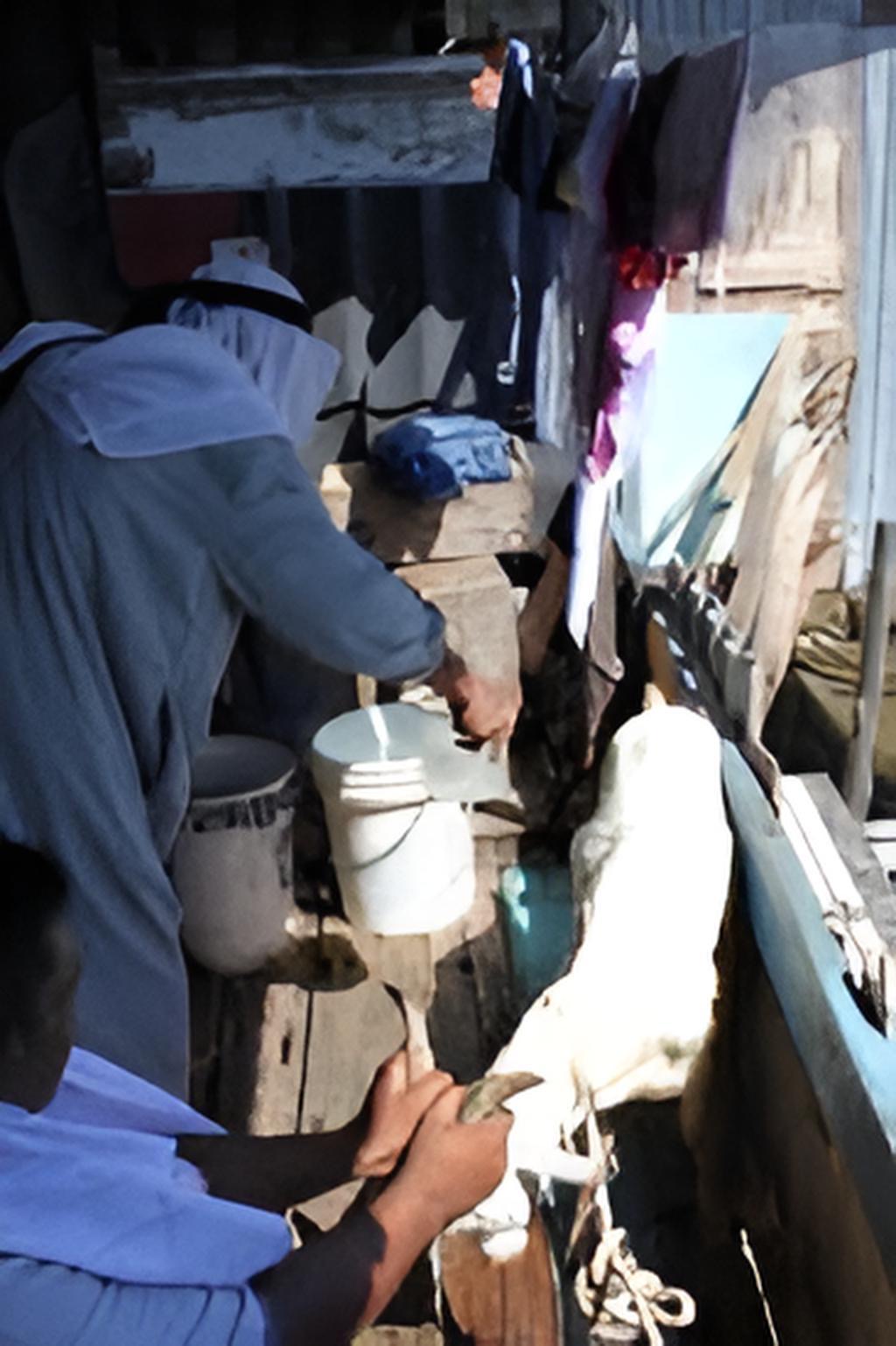
When the day of slaughter arrives, that is after the Adha Eid prayer, the sacrificial animal will be bathed by the imam accompanied by the recitation of prayers and verses from the Holy Quran. This bathing process aims to clean the sacrificial animal as a symbol of spiritual purification because the Bajau Ubian community believes that the sacrificial animal needs to be clean before being sacrificed as a sign of respect for the spirit of the deceased as well as preparation to face God. In addition to being bathed, the goat will be sprayed with fragrances such as attar oil or musk oil. Both of these processes reflect the belief that a 'clean' sacrificial animal will help the spirit of the deceased enter the afterlife more easily and honorably.

Photo 2: Memandikan Haiwan Korban
Sumber: Sahibil (2016)
3. Menyerahkan Hantaran Korban
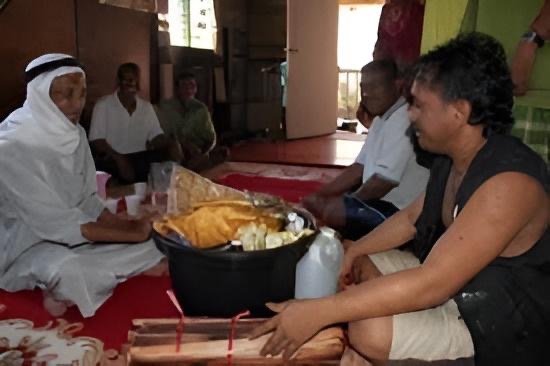
Setelah haiwan korban dimandikan, wakil keluarga akan melakukan proses penyerahan hantaran korban iaitu intipati terpenting dalam adat korban untuk si mati. Hantaran ini biasanya terdiri daripada beberapa barangan seperti kain (mengikut jantina arwah), makanan kuih tradisional Bajau Ubian (kuih Penjaram, kuih Panganan, kuih Tina’ie Bollong), atau barang simbolik yang mewakili identiti arwah si mati yang akan diserahkan kepada imam selaku pemimpin upacara. Penyerahan hantaran ini melambangkan permulaan ritual korban yang sah dan dianggap sebagai simbol niat murni keluarga untuk mempersembahkan ibadah korban bagi arwah si mati.

Foto 3: Penyerahan hantaran korban
Sumber: Sahibil (2016)
Semasa penyerahan, wakil ahli keluarga arwah, akan melafazkan ucapan khusus seperti:
Lafaz penyerahan (Wakil keluarga arwah):
‘Assalammualaikum, tuan iman aku wakil mah kah luarga ku noongan duaan pagkulbanan arwah emmahku tahun tiahe kelna Allah Taala’.
Maksud: Assalamualaikum tuan imam saya mewakili keluargaku untuk menyerahkan hantaran barangan kurban untuk arwah ayahku tahun ini kerana Allah Taala.
Lafaz penerimaan (Imam):
“Walaikumsalam, taimaku soongan duaan kulban tiahe tu mah tahun diahe tu kelna Allah Taala”.
Maksud: Walaikumsalam, aku terima hantaran barangan kurban ini pada tahun ini
kerana Allah Taala.
Selepas itu, imam akan bertanya kepada keluarga mengenai butiran arwah si mati seperti nama, umur, dan tarikh kematian sebagai tanda pengesahan dan dicatatkan pada sehelai kertas untuk tujuan dikuburkan bersama dengan darah haiwan korban.
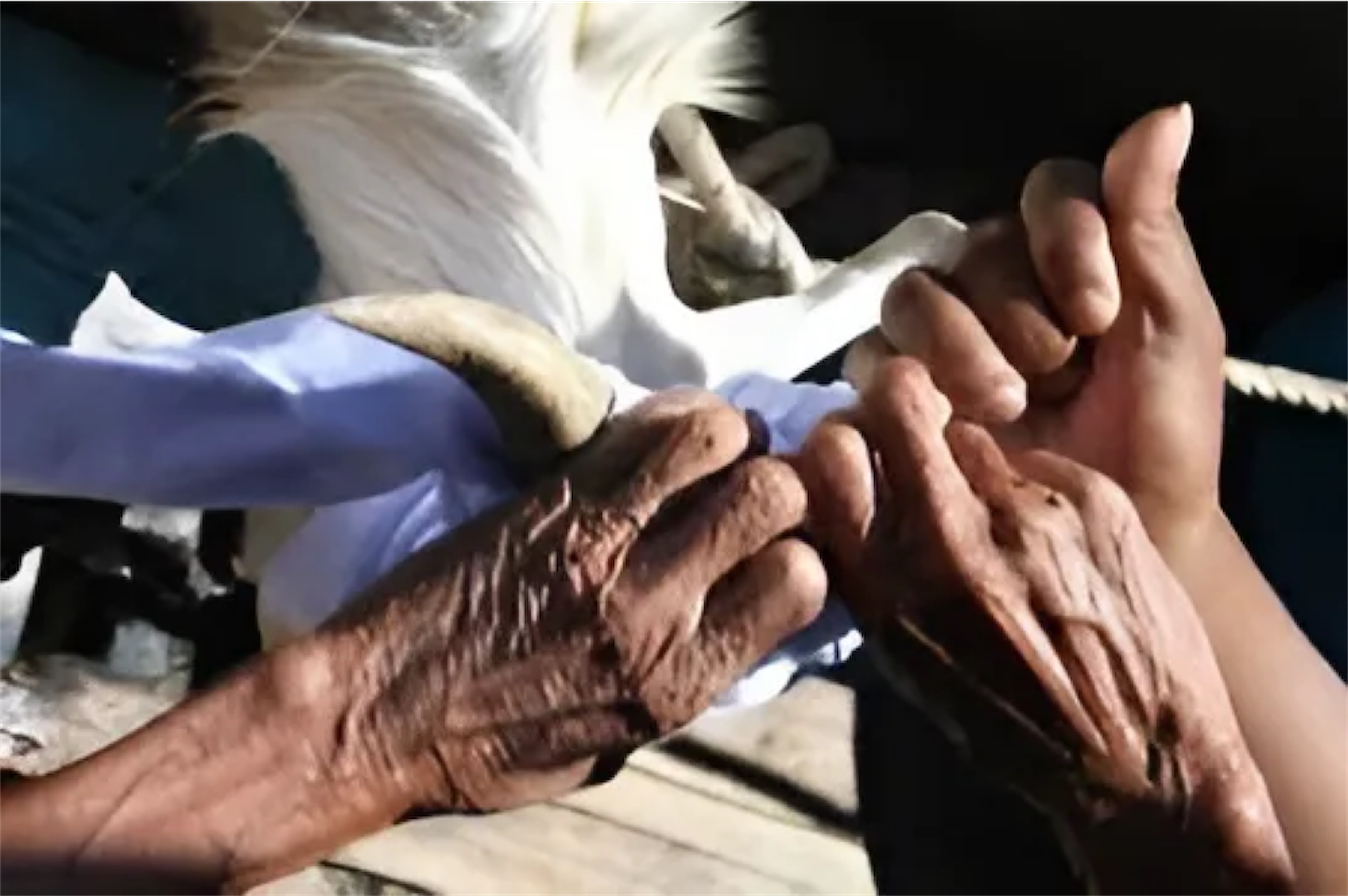
4. Mengikat Serban pada Tanduk/Kepala Haiwan Korban
Usai acara penyerahan hantaran korban, proses mengikat serban pada tanduk atau kepala haiwan korban dilakukan sebelum penyembelihan dijalankan. Serban yang digunakan adalah kain putih yang melambangkan kesucian dan kesempurnaan iman. Serban ini diikat pada tanduk atau kepala haiwan korban sebagai lambang keislaman dan penghormatan terhadap arwah si mati.

Foto 4: Mengikat Serban
Sumber: Sahibil (2016)
Mengikut kepercayaan masyarakat Bajau Ubian, serban yang diikat pada tanduk atau kepada haiwan korban berfungsi sebagai simbol status dan kedudukan roh si mati di alam akhirat yang membawa simbol makna kebesaran dan kedaulatannya. Oleh yang demikian, signifikan proses ini bukan sahaja sebagai sebahagian daripada proses penyembelihan, tetapi ia juga satu upacara yang menunjukkan maruah arwah si mati. Seiring dengan itu, imam akan membacakan doa dan ayat-ayat suci Al-Quran di sepanjang pengikatan serban untuk memohon keberkatan serta memastikan roh dapat diterima dalam keadaan terhormat.
5. Pemakaian Kain Pelikat

Foto 5: Memakaikan Kain Pelikat
Sumber: Sahibil (2016)
Selepas sahaja serban selesai diikat, haiwan korban akan dipakaikan dengan kain pelikat sebagai simbol pakaian terakhir untuk roh si mati sebelum ia 'menghadiri' alam akhirat. Kain pelikat ini dianggap sebagai pakaian rasmi yang melambangkan kesempurnaan dan persediaan roh untuk ke Padang Masyhar. Masyarakat Bajau Ubian percaya bahawa setiap roh perlu berpakaian lengkap dan terhormat semasa menuju ke alam akhirat. Sekiranya haiwan korban tidak dipakaikan kain pelikat, mereka khuatir bahawa roh si mati akan memasuki Padang Masyhar dalam keadaan berbogel, yang dianggap sebagai satu penghinaan kepada maruah si mati dan keluarganya.
6. Penyembelihan dan Bacaan Doa
Setelah sempurnanya proses pemakaian serban dan kain pelikat, haiwan korban akan dibawah ke tapak kornan. Satu lobang tanah akan dikorek sedalam 1 kaki yang berfungsi sebagai takungan untuk memastikan darah haiwan korban mengalir. Sebelum penyembelihan dimulakan, imam akan melafazkan niat dan doa khusus yang berfungsi untuk menyucikan haiwan korban serta memastikan ibadah ini diterima oleh Tuhan. Lafaz niat yang disebutkan adalah:
“Itonah kulban [nama arwah si mati] matahun tiahie tu, sinongan eindahnamaka banaan anak-anaknah kerana Allah Taala.”
Maksud: Ini adalah qurban untuk arwah [nama si mati] pada tahun ini, yang dipersembahkan oleh isteri dan anak-anaknya kerana Allah Taala.
Nama si mati akan disebut dengan jelas untuk menandakan bahawa korban tersebut didedikasikan secara khusus bagi roh individu berkenaan. Salah satu keunikan yang terdapat dalam adat ini ialah penggunaan helaian kertas yang dicatatkan dengan nama penuh si mati, tarikh kematiannya, serta butiran niat korban yang telah ditulis dalam proses penyerahan hantaran korban. Kertas ini dilipat dan diletakkan di atas tubuh haiwan korban semasa doa dibacakan. Selepas penyembelihan selesai, kertas tersebut akan direndam bersama darah haiwan korban dan kemudian ditanam di tapak penyembelihan bersama-sama sisa darah yang mengalir. Tindakan ini dipercayai sebagai cara untuk memastikan roh si mati ‘mengenali’ bahawa korban tersebut dilakukan khusus untuknya.
7. Melapah
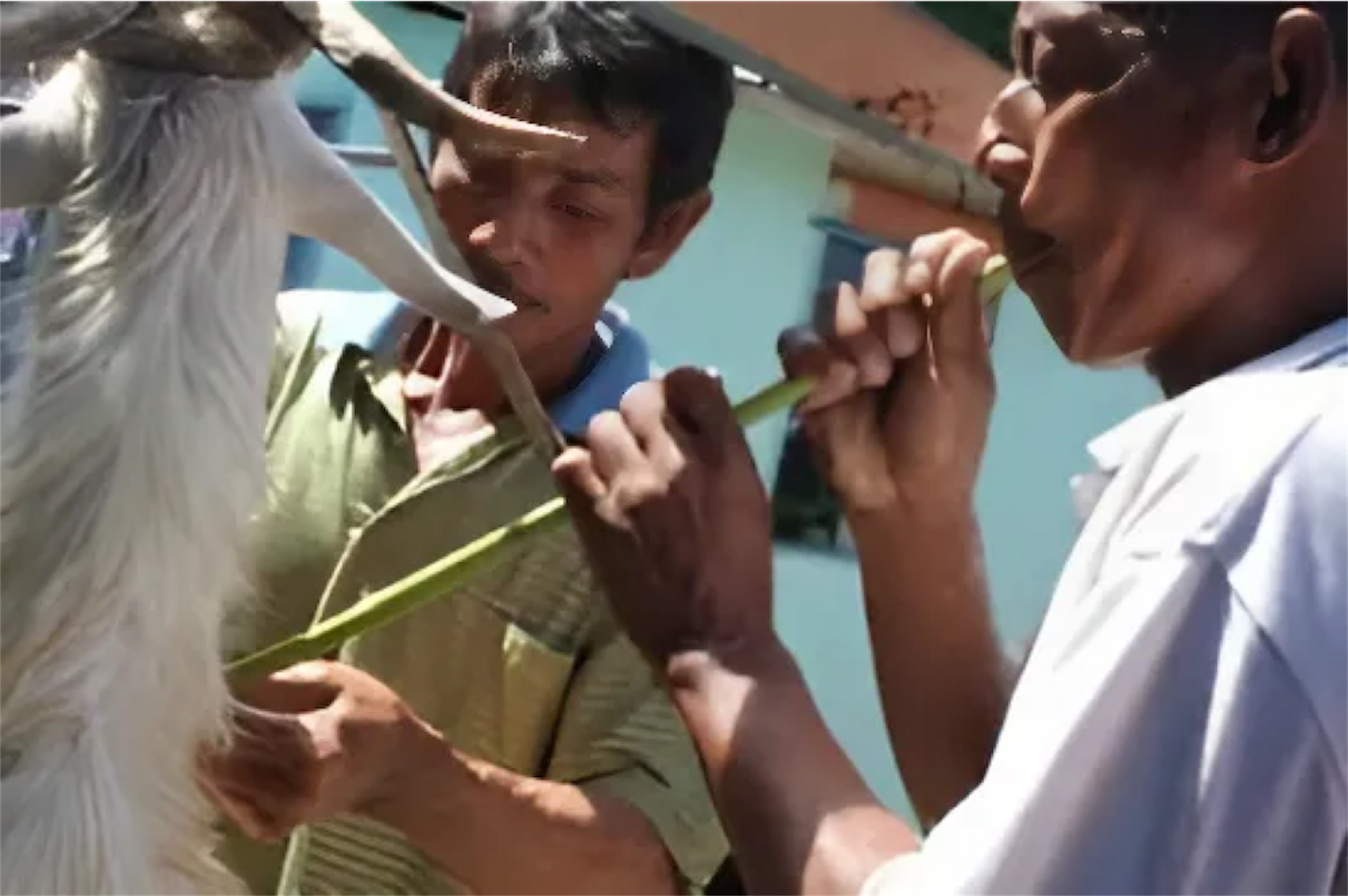
Proses terakhir dalam adat korban masyarakat Bajau Ubian adalah Melapah. Sebelum daging mula dilapah, perbuatan ‘meniup batang daun betik’ ke arah daging haiwan korban akan dilakukan. Masyarakat Bajau Ubian percaya bahawa tiupan ini berfungsi sebagai satu cara untuk ‘mengusir’ roh-roh jahat, hantu, atau jin yang dipercayai berada di sekeliling binatang korban. Tiupan ini dianggap mampu membersihkan kawasan sekitarnya daripada kehadiran entiti negatif yang boleh mengganggu atau mencemarkan kesucian ibadah korban tersebut. Daun betik dipilih kerana ia dianggap mempunyai khasiat perubatan dan kemampuan mistik yang dipercayai berkesan untuk menghalang kuasa jahat. Tiupan ini juga diiringi dengan bacaan doa atau zikir untuk memohon perlindungan dan keselamatan sepanjang proses melapah dilakukan.
Setelah itu, Kulit binatang akan dikupas perlahan-lahan dan daging akan dipotong kepada tiga bahagian utama: satu bahagian untuk keluarga, satu bahagian untuk saudara-mara terdekat, dan satu bahagian lagi untuk diagihkan kepada golongan fakir miskin.

Foto 6: Meniup Batang Daun Betik
Sumber: Muhd Hadhari Atong, 2024
Dalam tradisi Bajau Ubian, memberikan daging korban kepada golongan fakir miskin adalah satu bentuk sedekah yang penting dan wajib dilaksanakan, kerana ia dianggap sebagai pemurnian bagi keluarga si mati. Pengagihan ini bertujuan untuk memastikan bahawa roh si mati mendapat keberkatan, dan ibadah korban yang dilakukan diterima oleh tuhan.
Dr. Zaimie Sahibil. (58 tahun). Kampung Lagaton, Pulau Banggi, 89050 Kudat, Sabah
Reference Source
Sahibil, Z. (2016). Ritual Adat Korban dalam Adat Masyarakat Ubian. Jurnal Gendang Alam, 6. https://doi.org/10.51200/ga.v6i.511
Location
State JKKN Contact Information
Puan Nurshahrinna Syahrial
Cultural Officer
Jabatan Kebudayaan dan Kesenian Negara, Sabah
Kompleks JKKN Sabah,
Jalan Tasik off KM4 Jalan Penampang,
88200 Kota Kinabalu
SABAH
088-205070
Use the form below to contact the Informant/Figure/Editor/Researcher directly. We will respond to your inquiry as soon as possible!


