

ARTS AND CULTURE INFORMATION GATEWAY
Immerse yourself in the colorful world of art and culture! From traditional heritage to contemporary works, discover uniqueness that reflects the nation's identity and identity
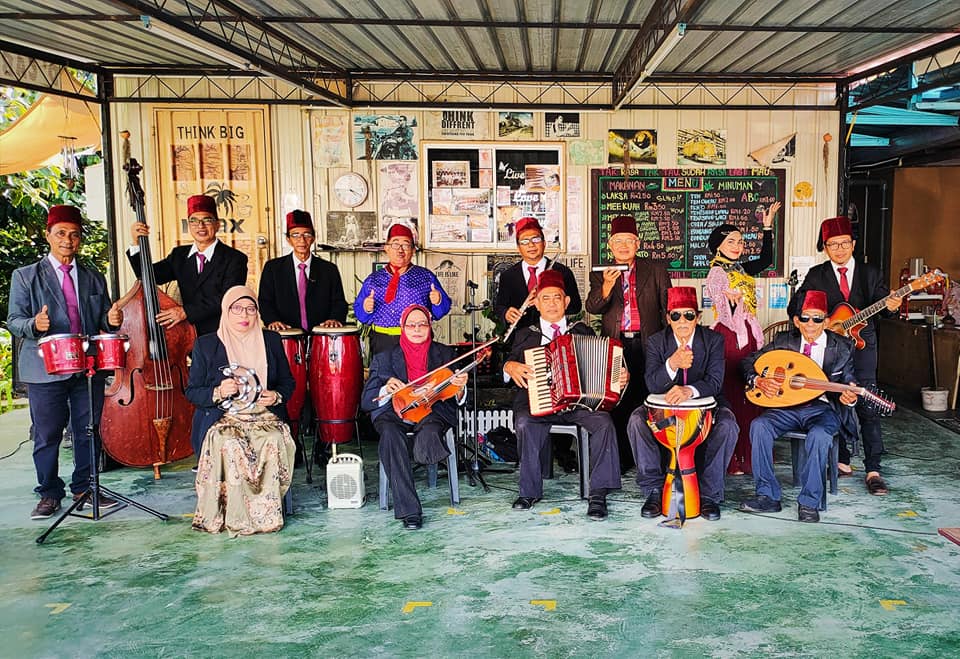
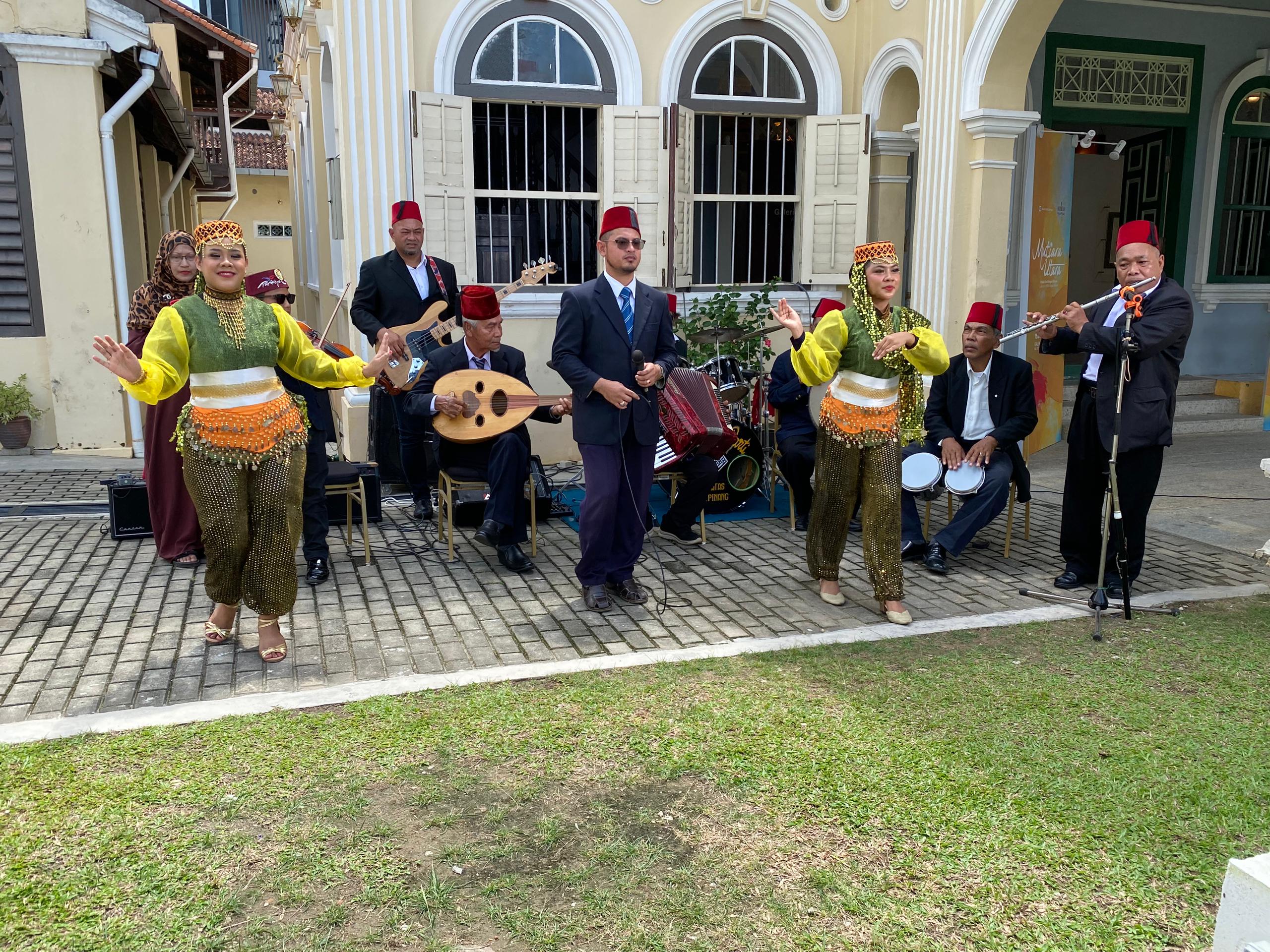
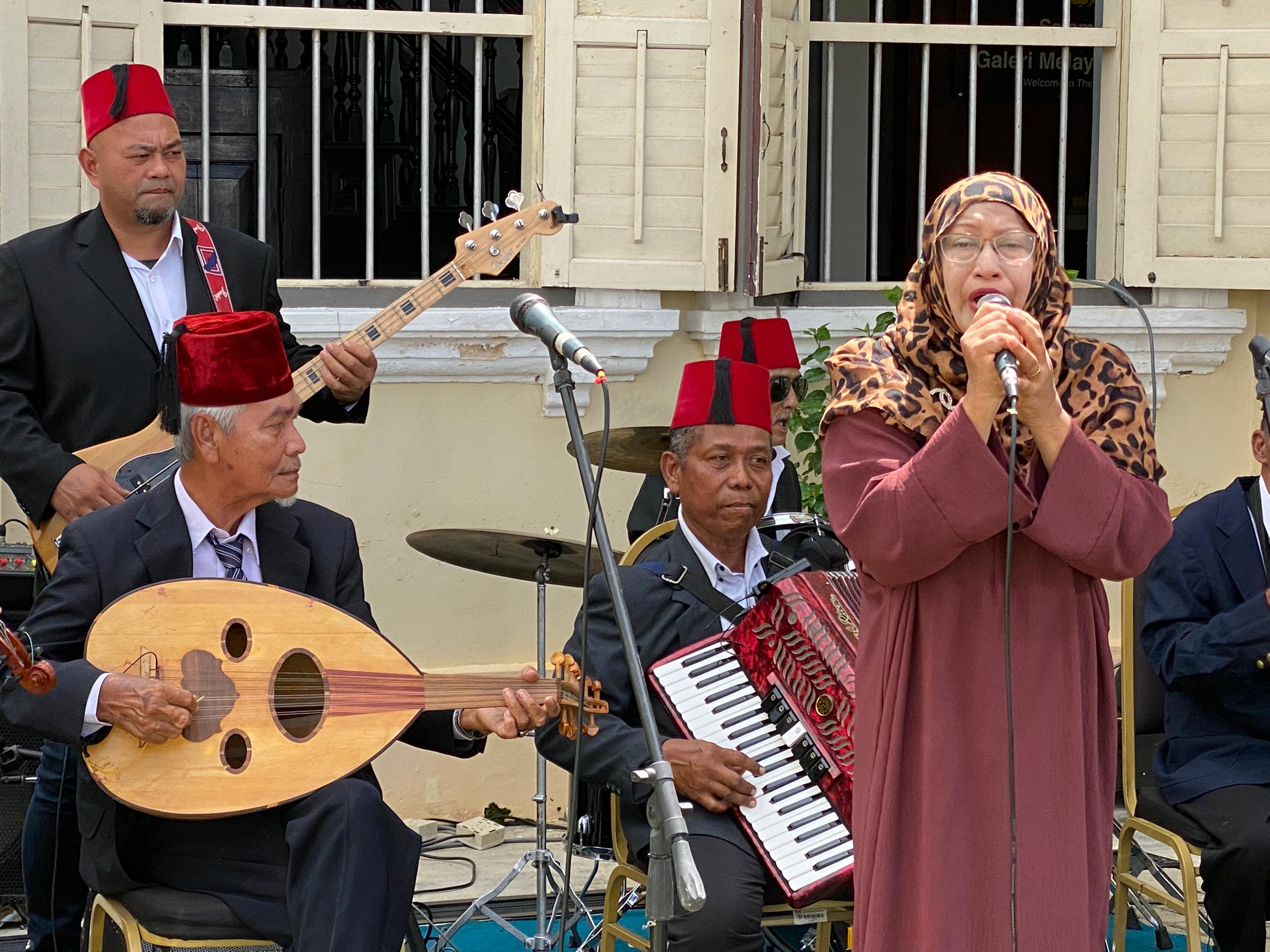
 Kumpulan Ghazal Party Kepala Batas, No. 6087, Paya Keladi Hujung, 13200 Kepala Batas, Seberang Perai Utara, Pulau Pinang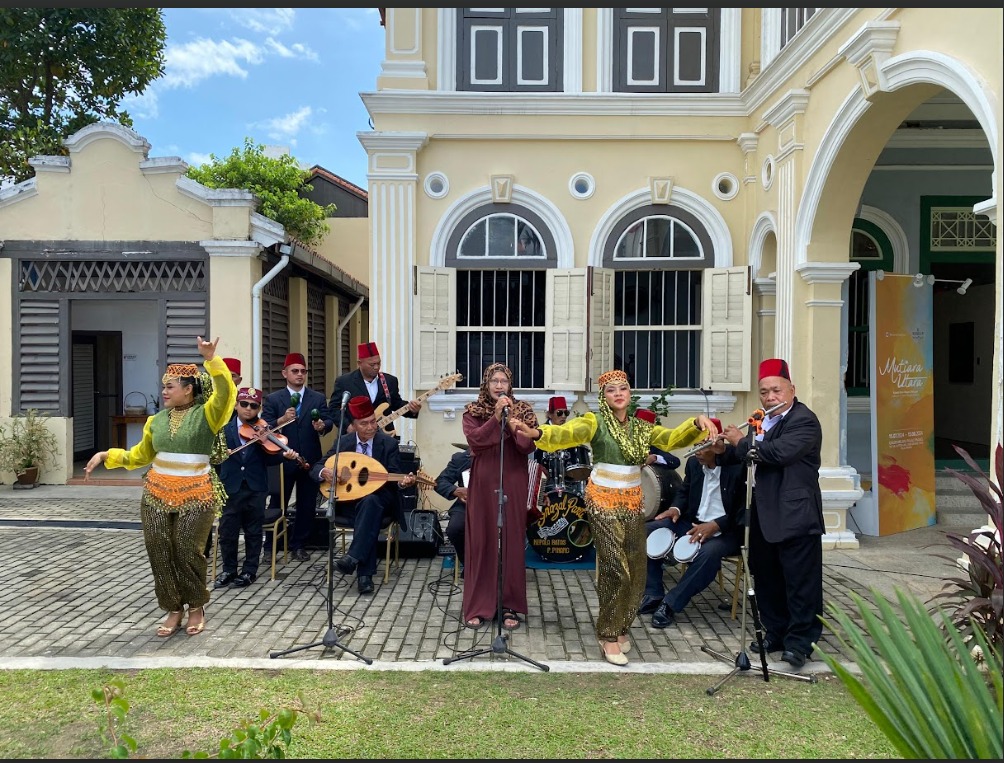


Picture
12
Video
Available
Today's Visitor
1253
Number of Visitors
5812
Introduction and history
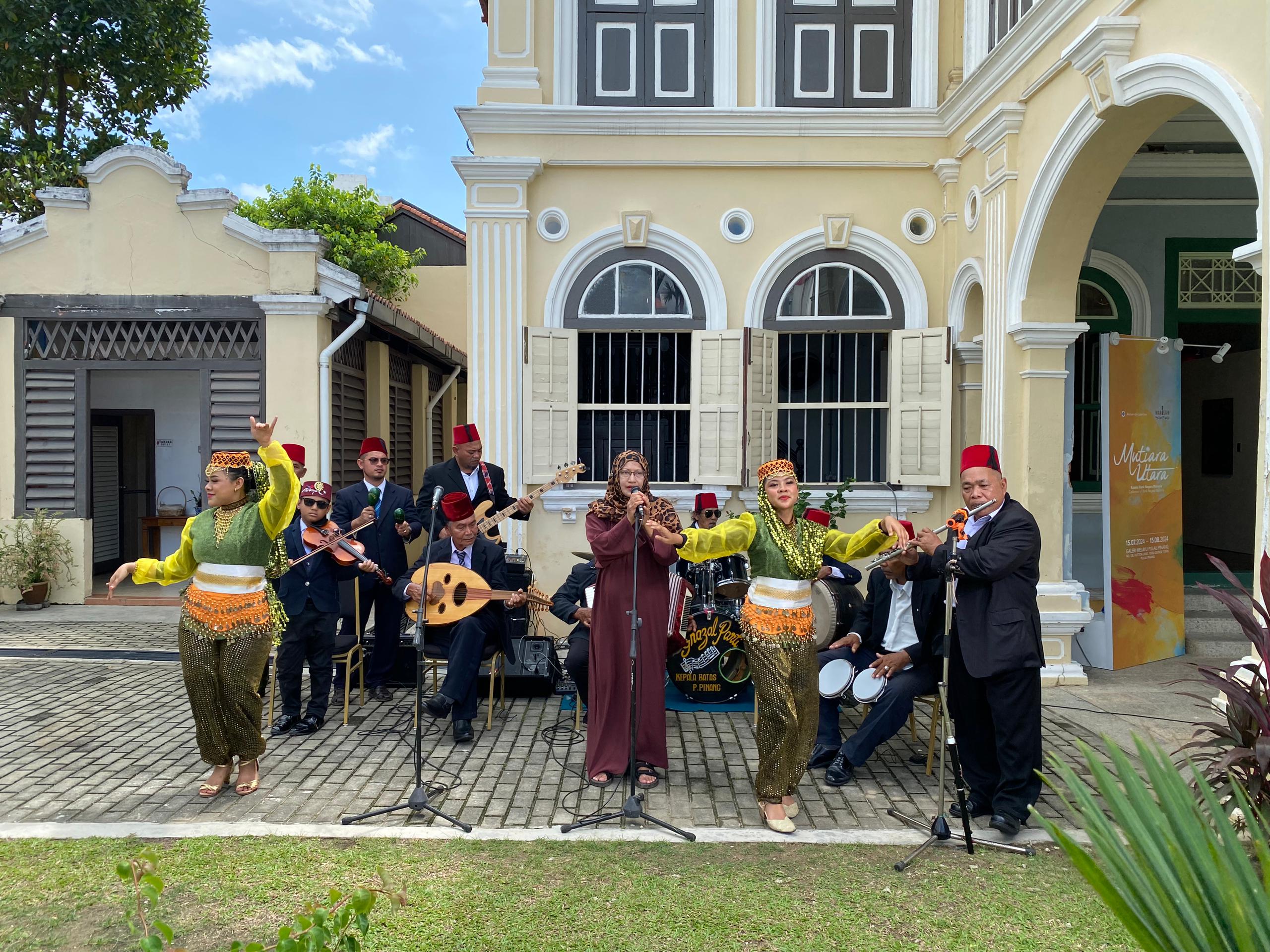
Ghazal Parti is a traditional Malay musical performance that blends singing, instrumental music, dance, and comedy into one lively and entertaining show. According to Kamus Dewan, the term ghazal refers to music played using instruments such as the Gambus (a traditional lute). At the same time, part denotes the celebratory and festive atmosphere that accompanies the performance.
The roots of Ghazal Parti are believed to be traced back to the Middle East, particularly to the rich musical and poetic traditions of Arab culture. This art form is said to have arrived in the northern region of Peninsular Malaysia around the 1950s, introduced by the renowned religious scholar Haji Abdullah Fahim, grandfather of former Malaysian Prime Minister Tun Abdullah Ahmad Badawi. Having lived for many years in Mecca, he returned with elements of ghazal art, adapting it as a tool for community education and spiritual entertainment.
In its early days, Ghazal Parti was typically performed at religious gatherings or post-meeting sessions among Islamic scholars. The songs carried advisory messages, moral values, and religious teachings. The melodies, heavily influenced by desert rhythms and sung largely in Arabic, also conveyed patriotic sentiments and themes of communal unity.
Some popular Arabic songs featured in Ghazal Parti include Alabaladi, Anawintal Wahdina, Ahbabinna, Wai Ya, Ya Gamil, Istak Na Ya Albi, and Ma’ai En Telu. Though deeply rooted in traditional melodies, Ghazal Parti has since evolved and can now incorporate modern and contemporary songs, making it more accessible to wider audiences.
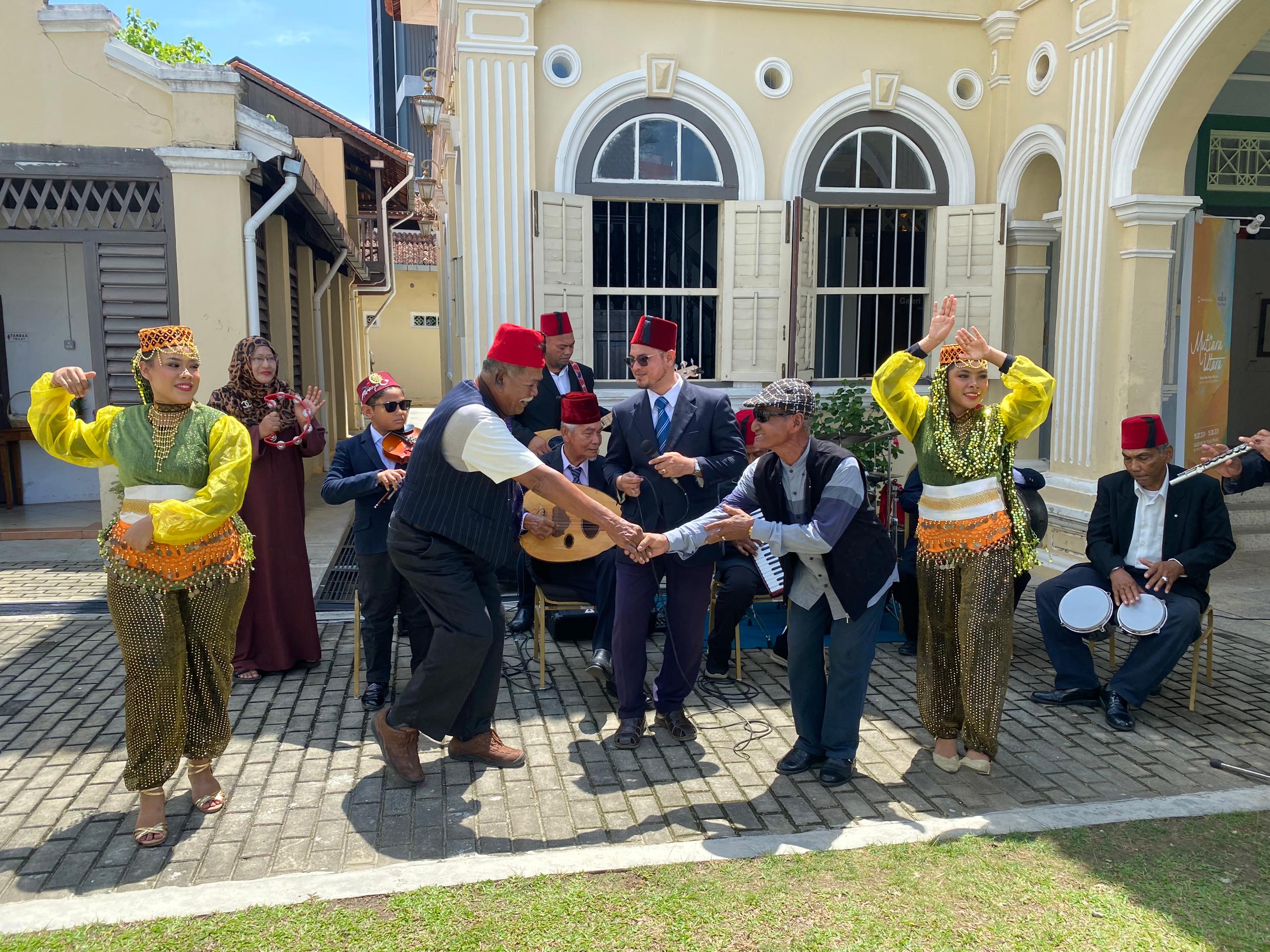
The dance component of Ghazal Parti has also undergone a notable transformation in terms of gender roles. Originally, dances were performed by male dancers, including those with soft or feminine traits. However, over time, these roles have been fully taken over by female performers. Traditional attire such as the Baju Kurung, Kain Batik, and Headscarves are still worn today, preserving the cultural heritage of the performance.
One of the most distinctive aspects of a Ghazal Parti performance is the inclusion of comedic interludes. These moments provide light-hearted entertainment for the audience while allowing musicians and singers brief periods of rest. The humour is usually spontaneous, witty, and sometimes subtly infused with social commentary, making the performance not only enjoyable but also thought-provoking.
Ghazal Parti is more than just entertainment; it plays a vital role in conveying educational, moral, and social messages to the community. Within the context of Malay tradition, the Ghazal serves as a medium for delivering advice, religious teachings, and positive values that help shape individual identity and social conduct.
Here are the primary functions of Ghazal Parti:
Social and Religious Education
The lyrics in Ghazal Parti's performances are often rich in advice, life reflections, and spiritual messages, delivered in a subtle yet impactful manner. They help audiences understand core values such as sincerity, patience, love for the homeland, and respect for others.
In Ghazal Parti performances, costumes and accessories play a significant role in reflecting the elegance and uniqueness of this art form. The appearance of dancers and musicians not only represents the cultural identity of the performance but also symbolises the heritage passed down through generations.
In the early development of Ghazal Parti, male dancers often dressed as women. They wore Baju Kurung, Batik Sarongs, and Headscarves, accompanied by light makeup to portray a feminine appearance. This practice emerged due to the restrictions on female participation in public dance performances at the time.
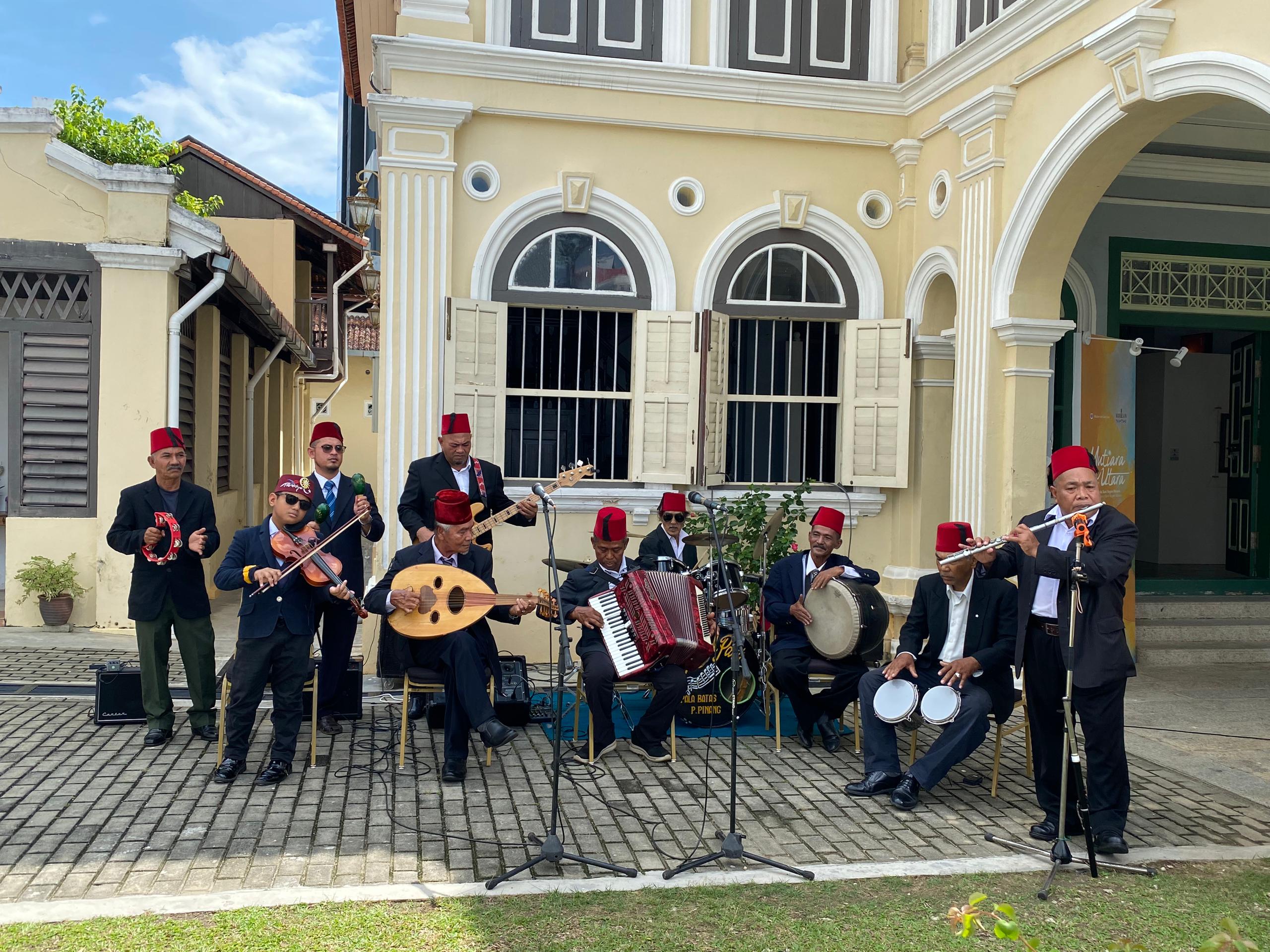
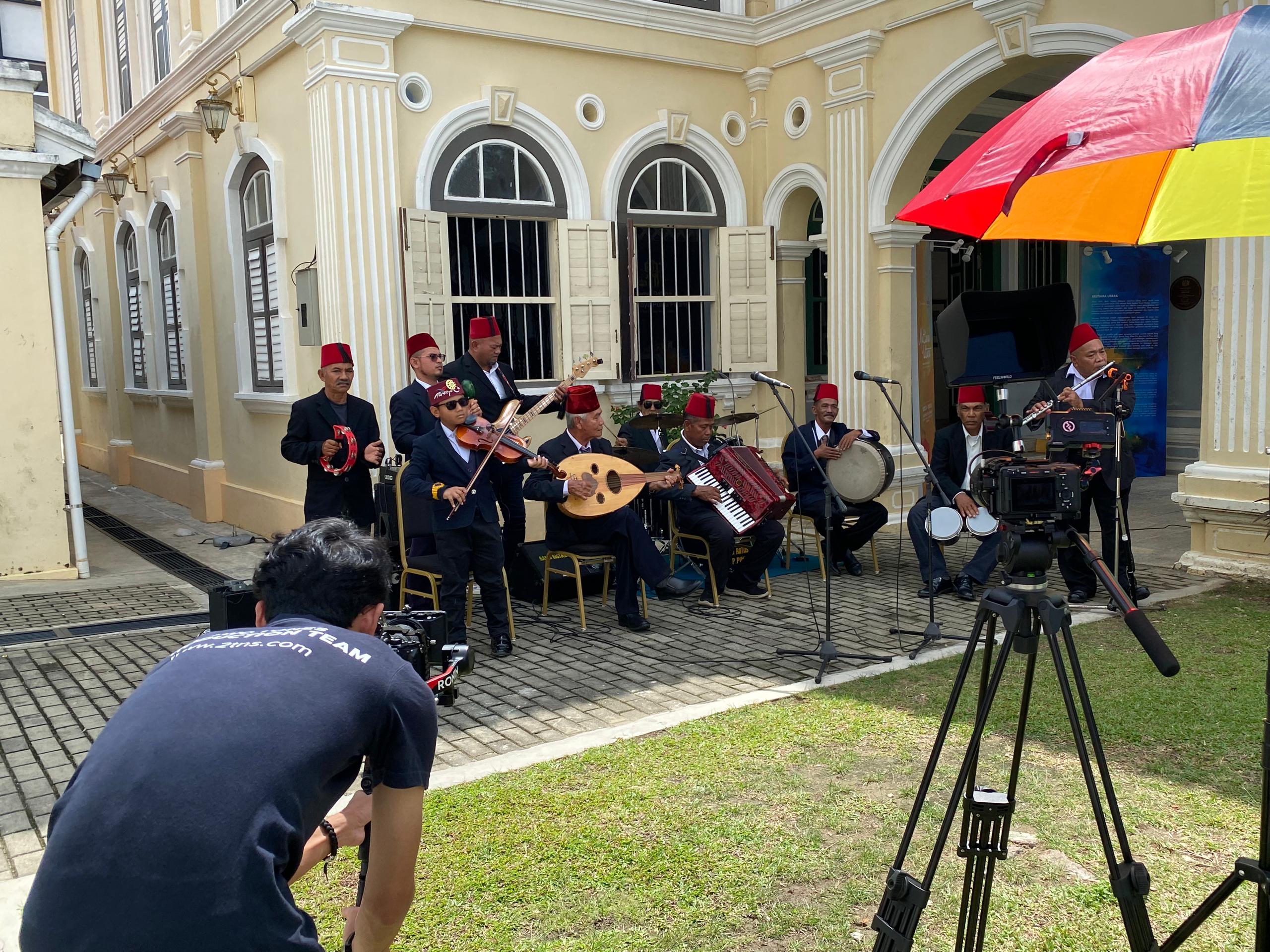
A Ghazal Parti performance would not be complete without its distinct set of musical instruments, which form the core identity of the ensemble. The unique sound of Ghazal Parti arises from a blend of modern and traditional instruments, combining the Middle Eastern desert ambience with classic Malay nuances. Below are the primary instruments used in a typical Ghazal Parti performance:
Accordion
The accordion is a Western instrument that produces sound by compressing and expanding air through buttons and keys. In Ghazal Parti, it provides the main melody and creates a romantic, nostalgic harmonic backdrop.
Violin
The violin plays a key role in expressing emotion and nuance in each song. Often used for melodic embellishments or improvisations, it enriches the performance with its Arab-Malay melodic style.
Flute
Made from bamboo or metal, the flute adds a soft and melodious tone to the ensemble. Its airy sound introduces a mystical and ethnic dimension, deepening the atmosphere of the performance.
Bass Guitar
The bass guitar acts as the rhythmic backbone, providing a steady pulse and supporting the overall harmony. Typically plugged in as an electric instrument, it introduces a modern texture to the traditional musical setting.
Drum
Drums help establish the tempo and dynamics, particularly in more upbeat songs. When combined with traditional percussion, they produce energetic and captivating rhythms that drive the performance forward.
A Ghazal Parti performance blends music, singing, and dance, requiring careful planning and preparation to ensure a smooth, engaging, and culturally rich experience for the audience. From song selection to musician arrangement, each element plays a crucial role in creating the performance’s distinctive atmosphere.
Most of the songs featured in Ghazal Parti originate from the Arab world, particularly from Egyptian musical traditions. Commonly performed pieces include Aalabadi, Anawintal Wahdina, Ya Gamil, Ahbabina, Ma’ai Entalu, and Istak Na Ya Albi. To appeal to modern audiences, contemporary songs such as Kun Anta and Nourel Chams are also included, especially popular among the younger generation. This reflects the flexibility and timelessness of Ghazal Parti in bridging generations and musical tastes.
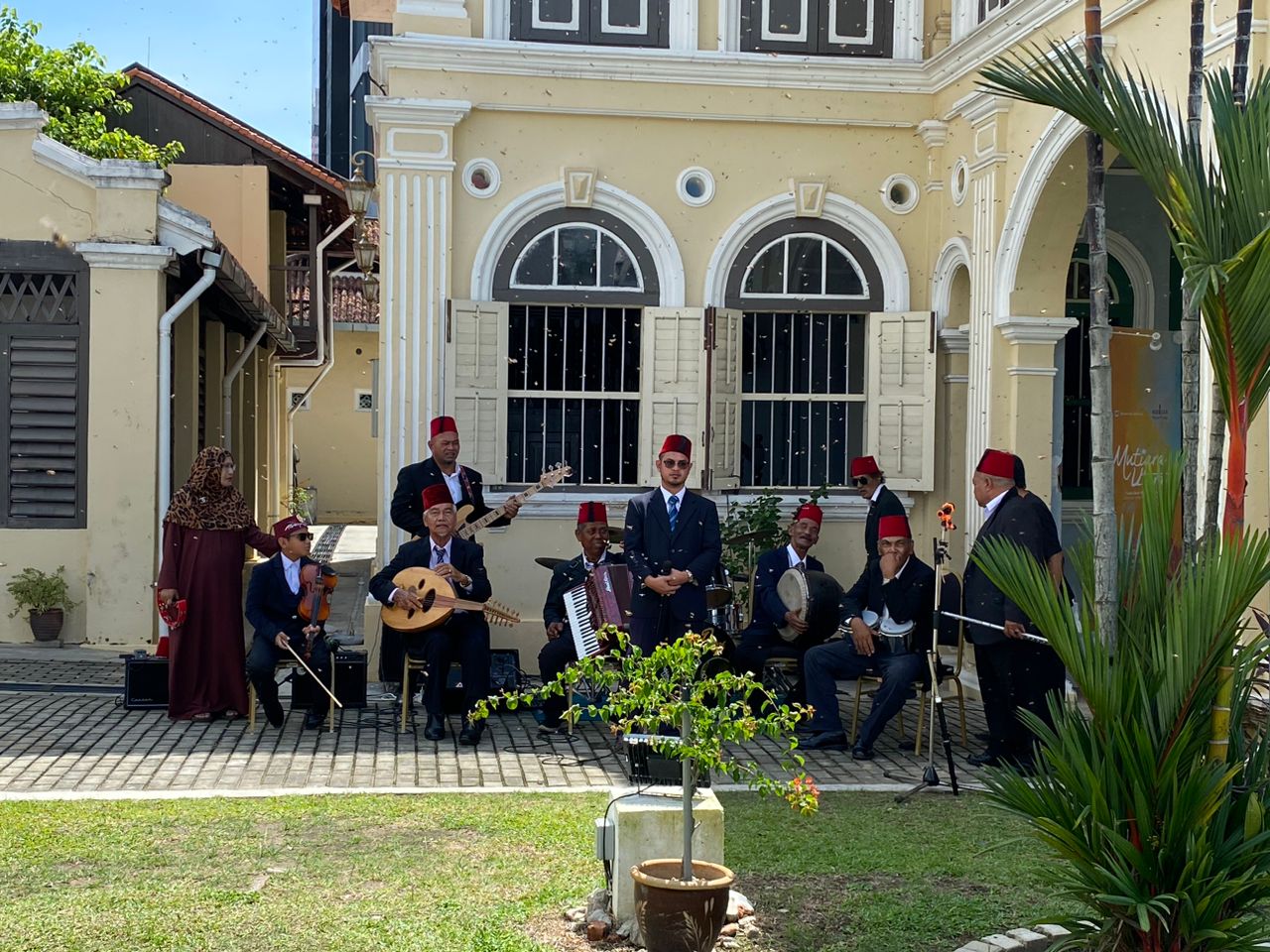
A typical Ghazal Parti ensemble usually consists of 8 to 12 musicians, depending on the number and type of instruments used. The standard arrangement includes instruments such as the accordion, two violins, gambus (lute), flute, bass guitar, drums, rebana, bongo drums, tambourine, and maracas. This setup creates a rich and harmonious musical ensemble, with the accordion or violin often taking the lead in melody. At the same time, percussion instruments and the bass guitar provide rhythmic drive and background accompaniment.
-
Reference Source
Bahan Bacaan
Aziz, S. A. (2018). Meremajakan ghazal parti: warisan persembahan muzik Melayu. Penerbit Universiti Sains Malaysia.
Jähnichen, G. (2014). Parody And Dance in Ghazal Parti. Interculturalism and the Mobility of the Performing Arts, 14, 147.
Malik, M. A. (2023, October 15). Jangan biar Ghazal Parti hilang ditelan zaman. MalaysiaGazette. https://malaysiagazette.com/2023/10/15/jangan-biar-ghazal-parti-hilang-ditelan-zaman-razali/
Siti Haliza Yusop. (2015, September 8). Evolusi Ghazal Parti. Berita Harian. https://www.bharian.com.my/bhplus-old/2015/09/80509/evolusi-ghazal-parti
Location
State JKKN Contact Information
Zurairi bin Hanip
Cultural Officer
Jabatan Kebudayaan dan Kesenian Negara, Pulau Pinang
Kompleks Pustaka Warisan Seni,
Lot No. 2180 Lintang P. Ramlee,
Off Jalan P.Ramlee
10460 PULAU PINANG
04-281 7791 /7792
Use the form below to contact the Informant/Figure/Editor/Researcher directly. We will respond to your inquiry as soon as possible!


