

ARTS AND CULTURE INFORMATION GATEWAY
Immerse yourself in the colorful world of art and culture! From traditional heritage to contemporary works, discover uniqueness that reflects the nation's identity and identity
 Kampung Surau Kuala Jengal, 23000 Dungun, Terengganu.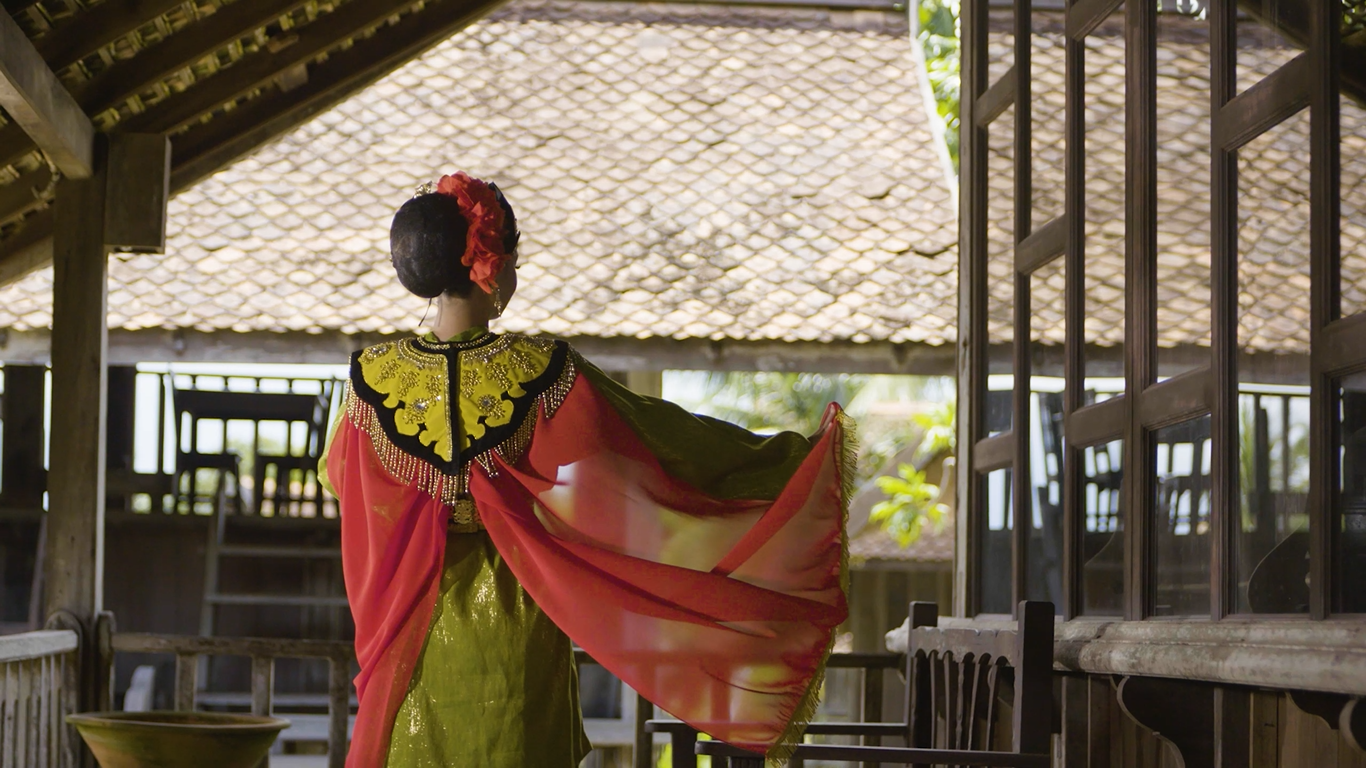




Picture
19
Video
Available
Today's Visitor
31
Number of Visitors
4484
Introduction and history
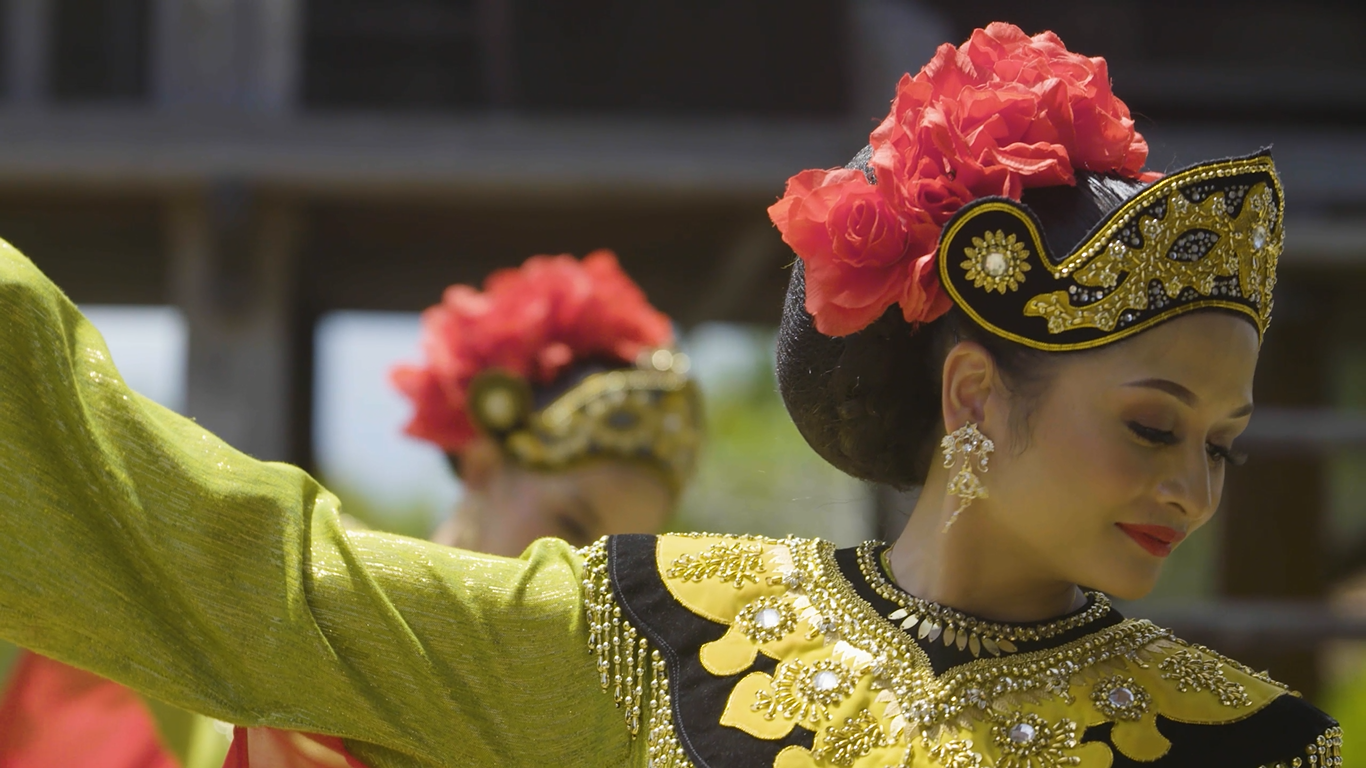
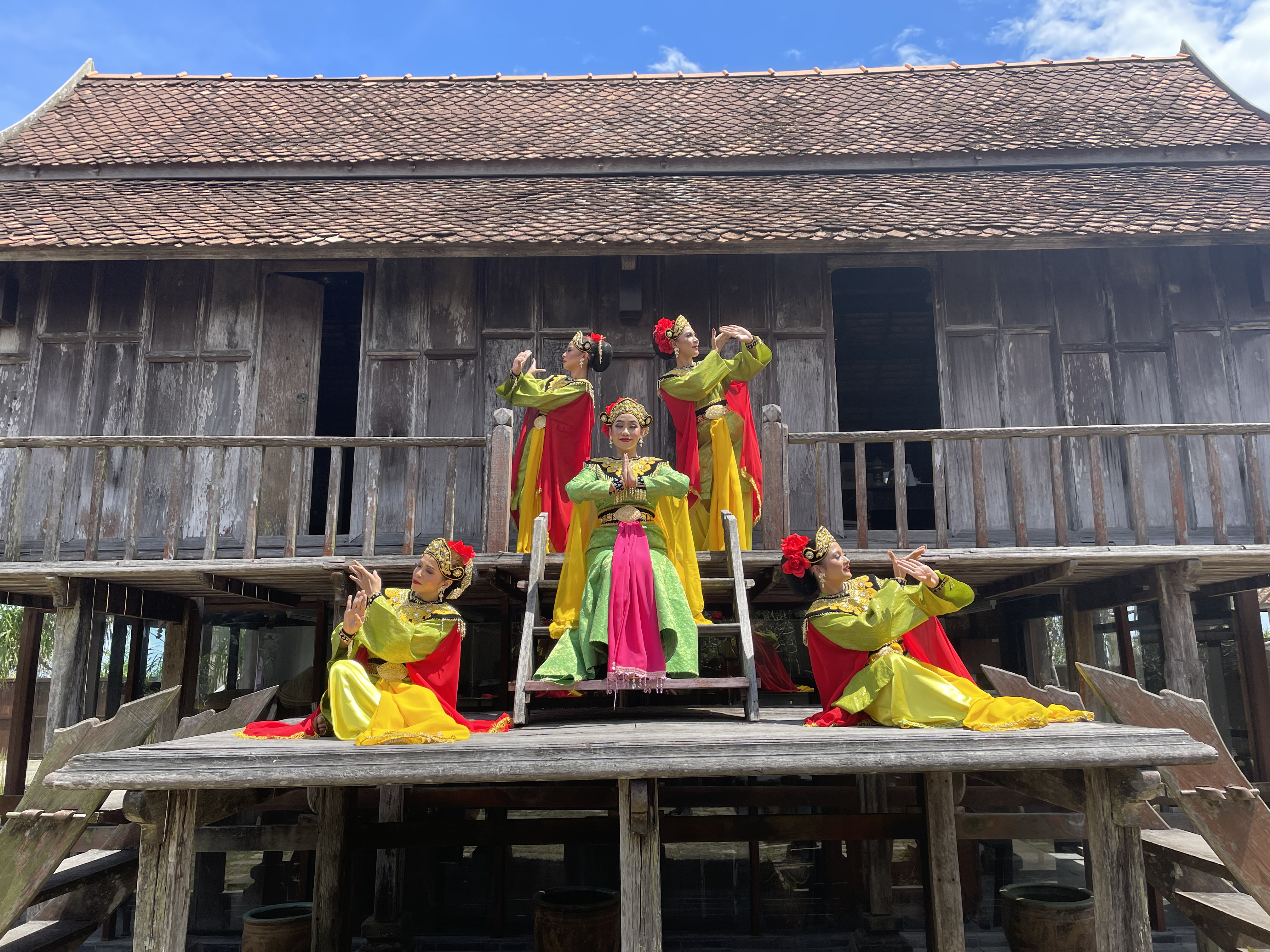
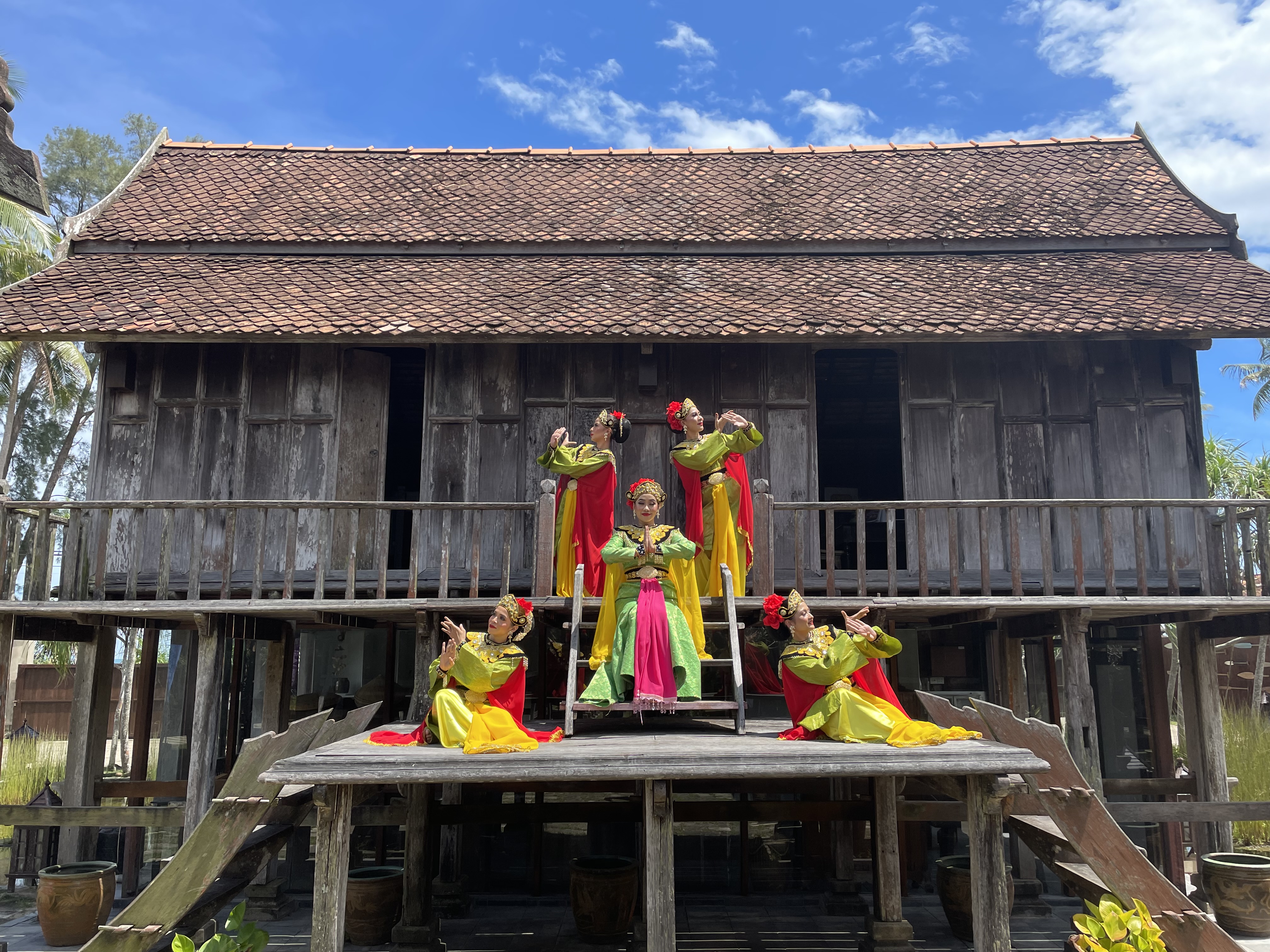
Tarian Saba’ was a dance and singing performance associated with disease outbreaks suffered by the Terengganu Malays the past three centuries. The dance was used to heal those illnesses. The healing was started by a female shaman named Che Mek Comot around 1718 in Kampung Kuala Jengal, Dungun, Terengganu.
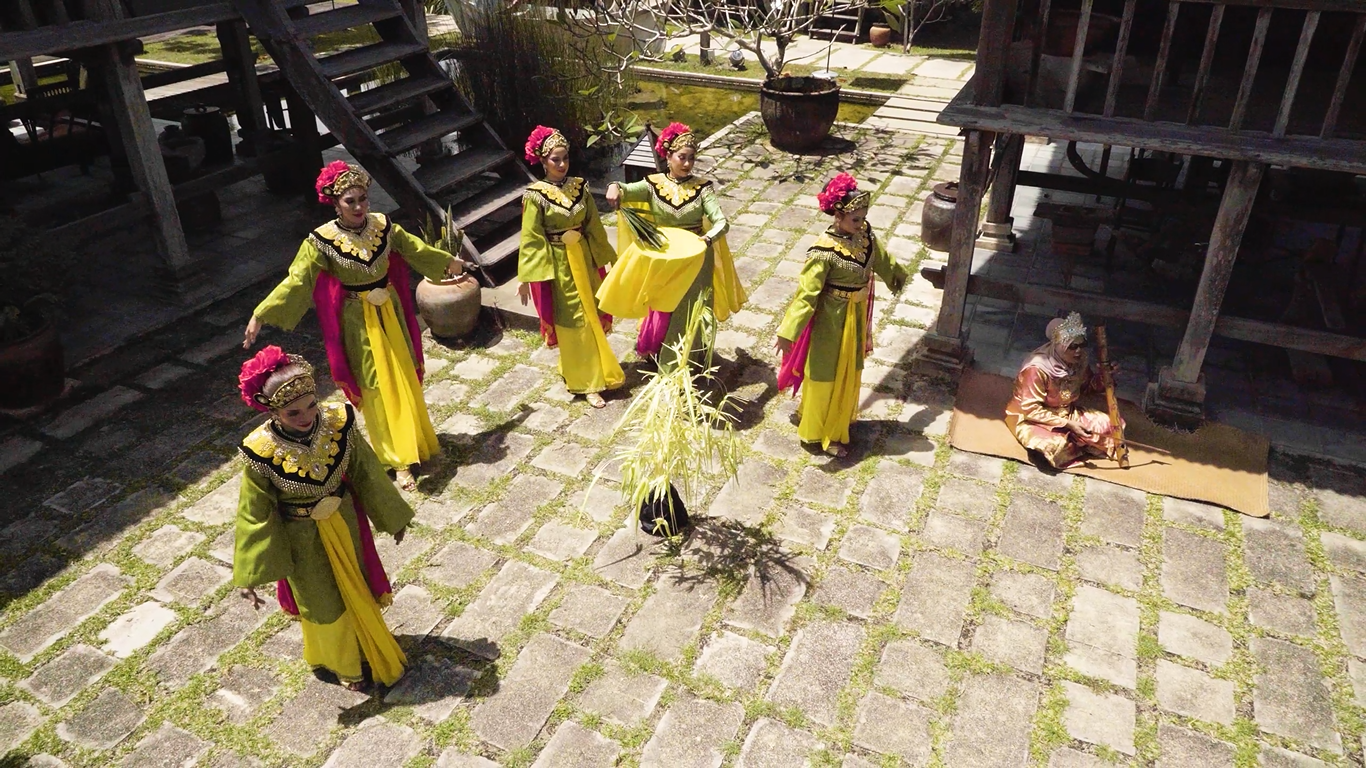
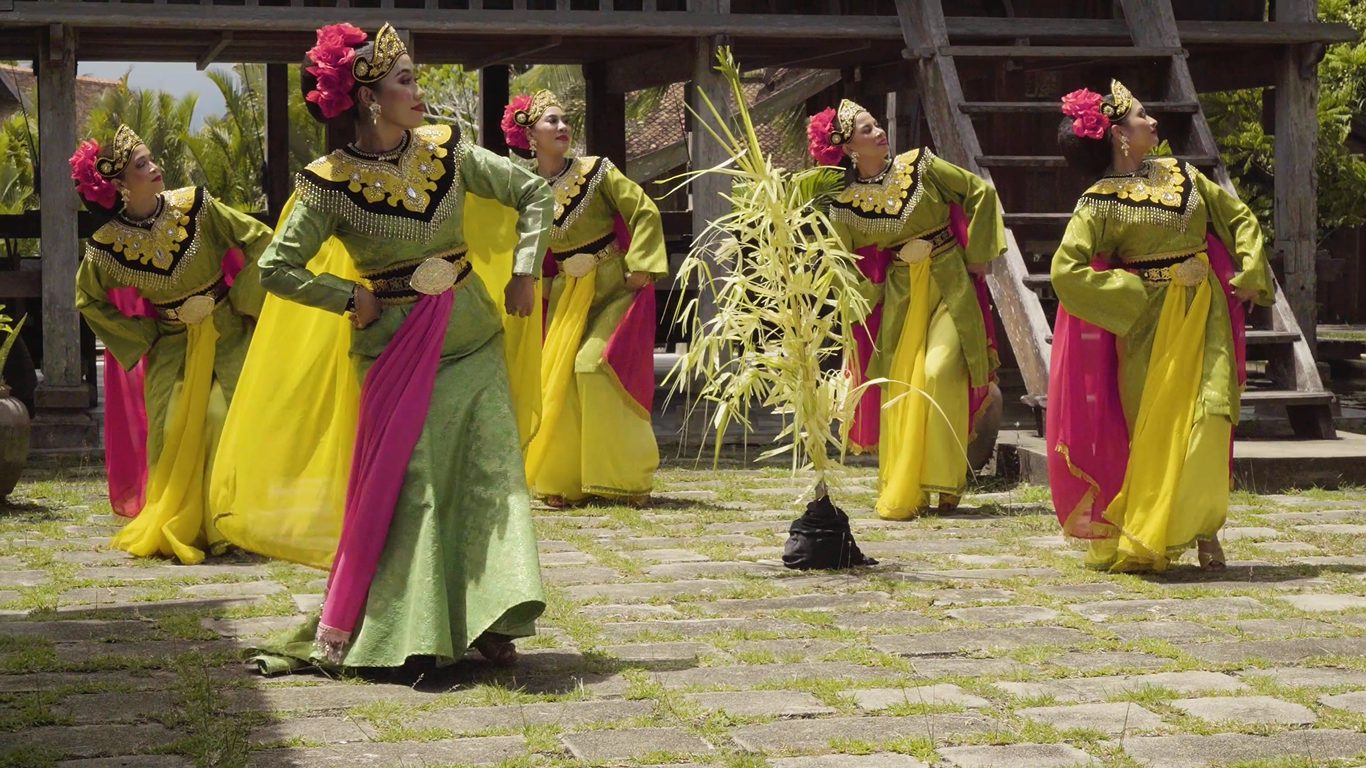
In those days, the practice of healing was almost theatrical, where the shaman would call and appeal to the deity at the beginning of the ritual. The deity-calling was carried out to ensure the treatment would run smoothly. A small coconut tree, the sabak (saba'), was carved for the deity calling and the dance began from this tree. The tree portrayed a flower garden in in the spiritual world.
Most of the time the shaman conducted the rituals at night, taking one to three nights in a row. It was also performed in a special selected room (of the house). Thirty-three songs were sung in the dance, five of them were: Anak Burung Baniong, Dewa Awan, Muda Di Awan, Nur Sakti, Anak Tedung and Anak Udang.
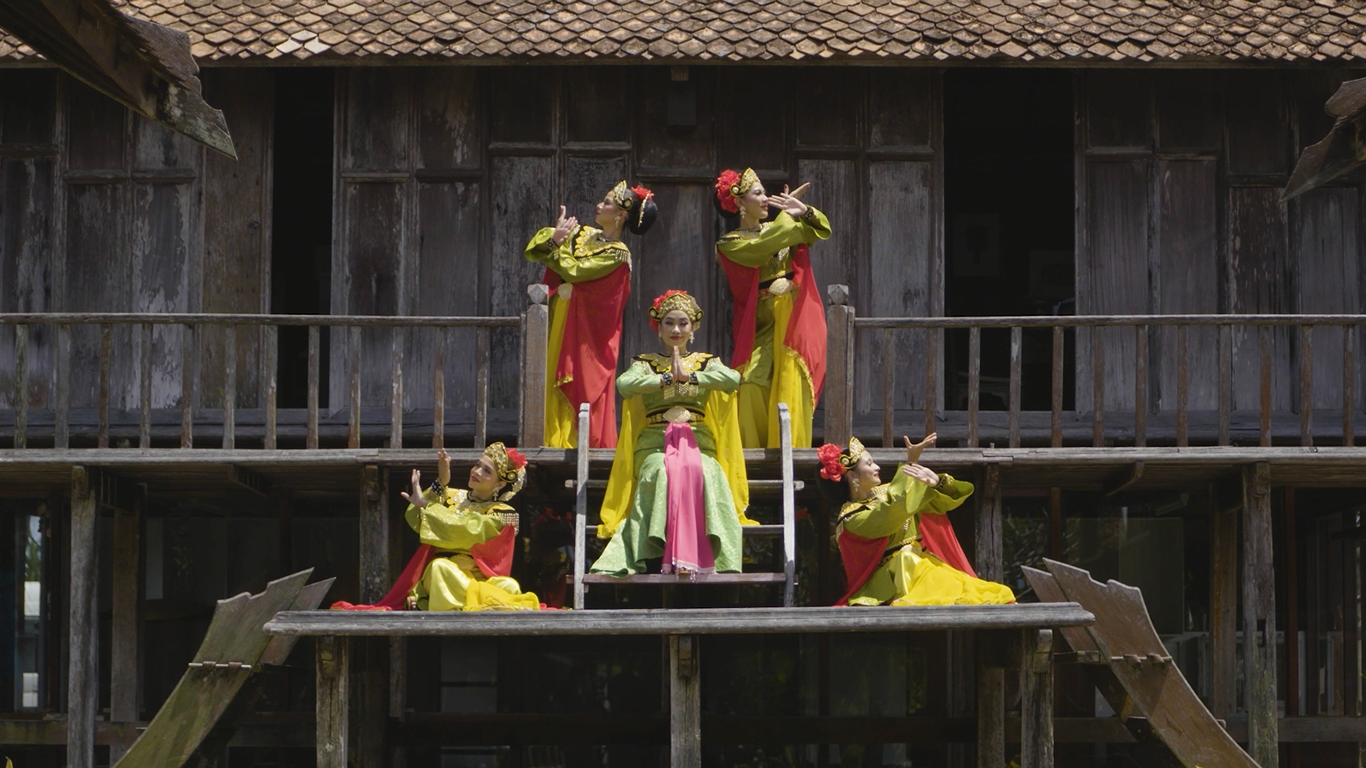
At the present time, tarian saba', performed to heal illnesses as ritual healing, has ceased as it is prohibited by Islamic laws. Instead, it is danced as entertainment and performance arts sans the worship elements.
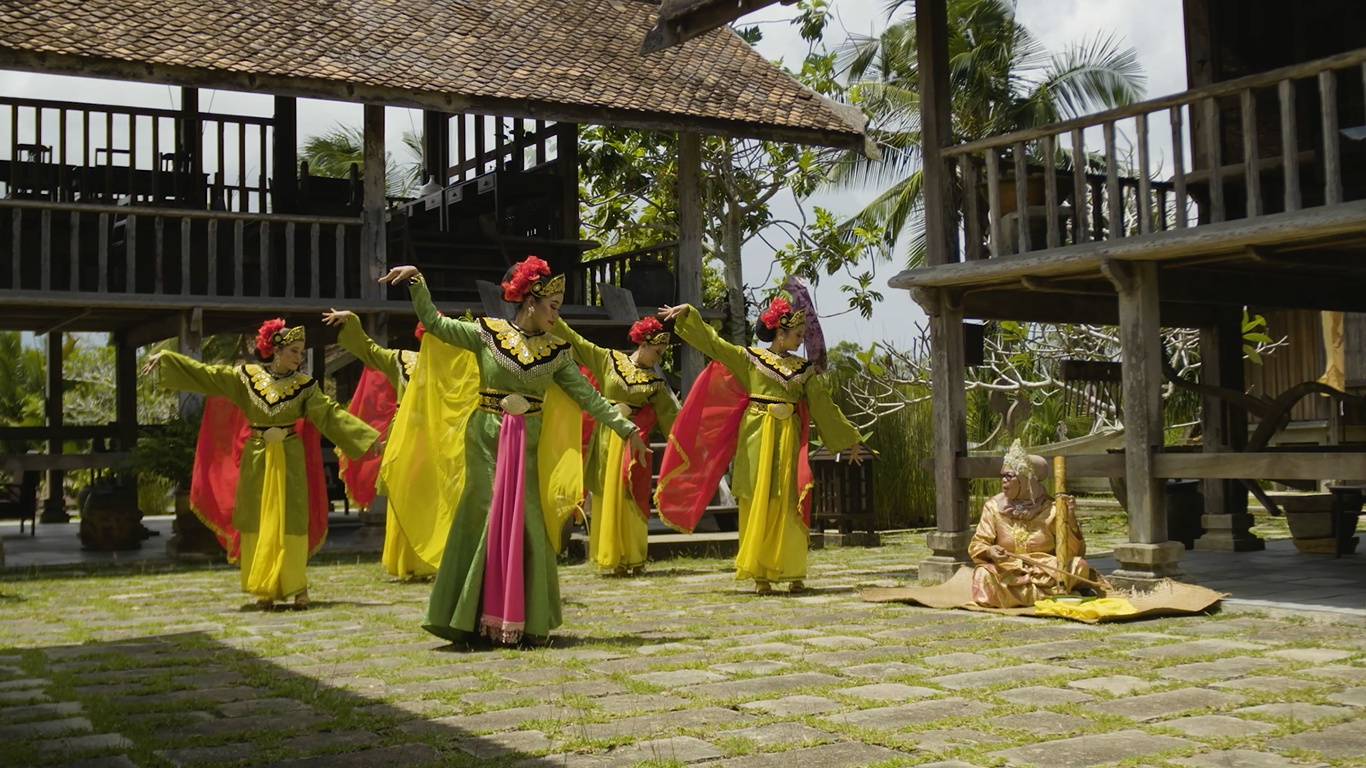
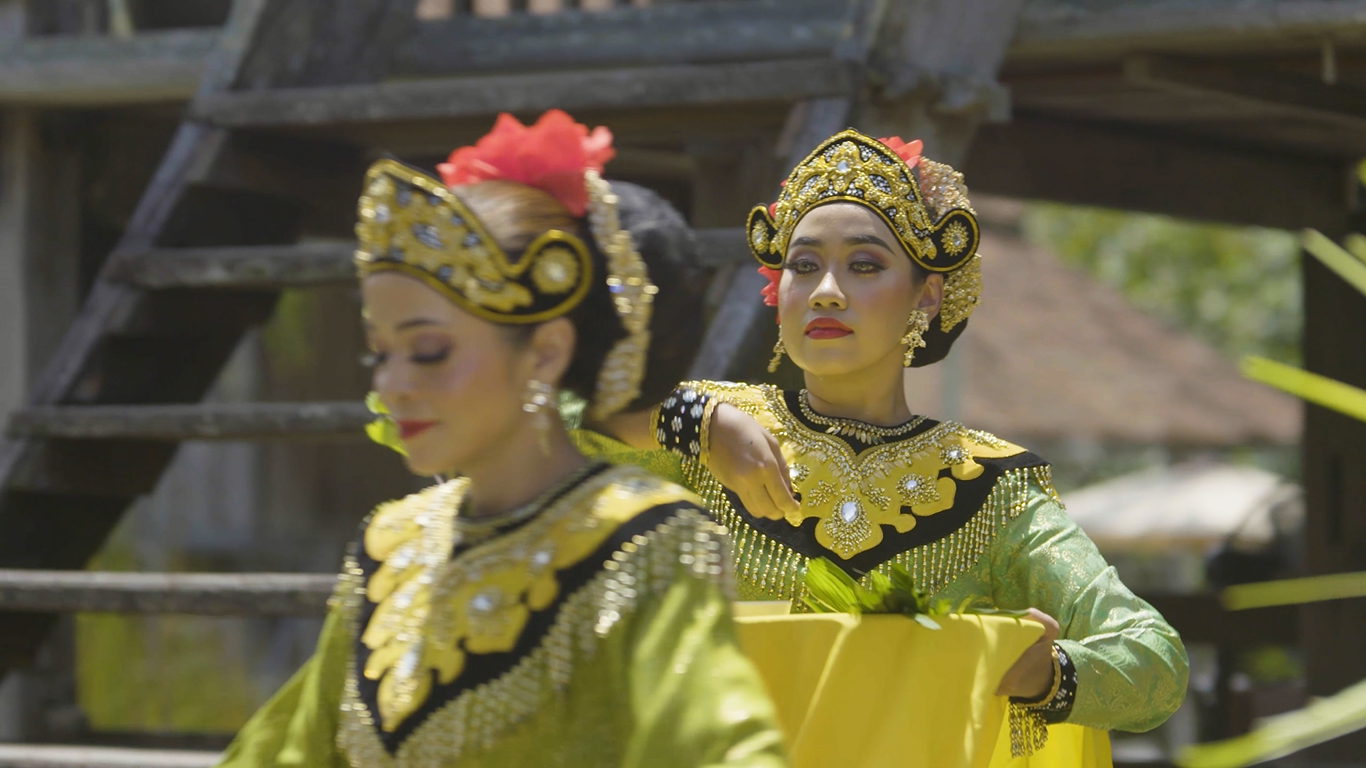
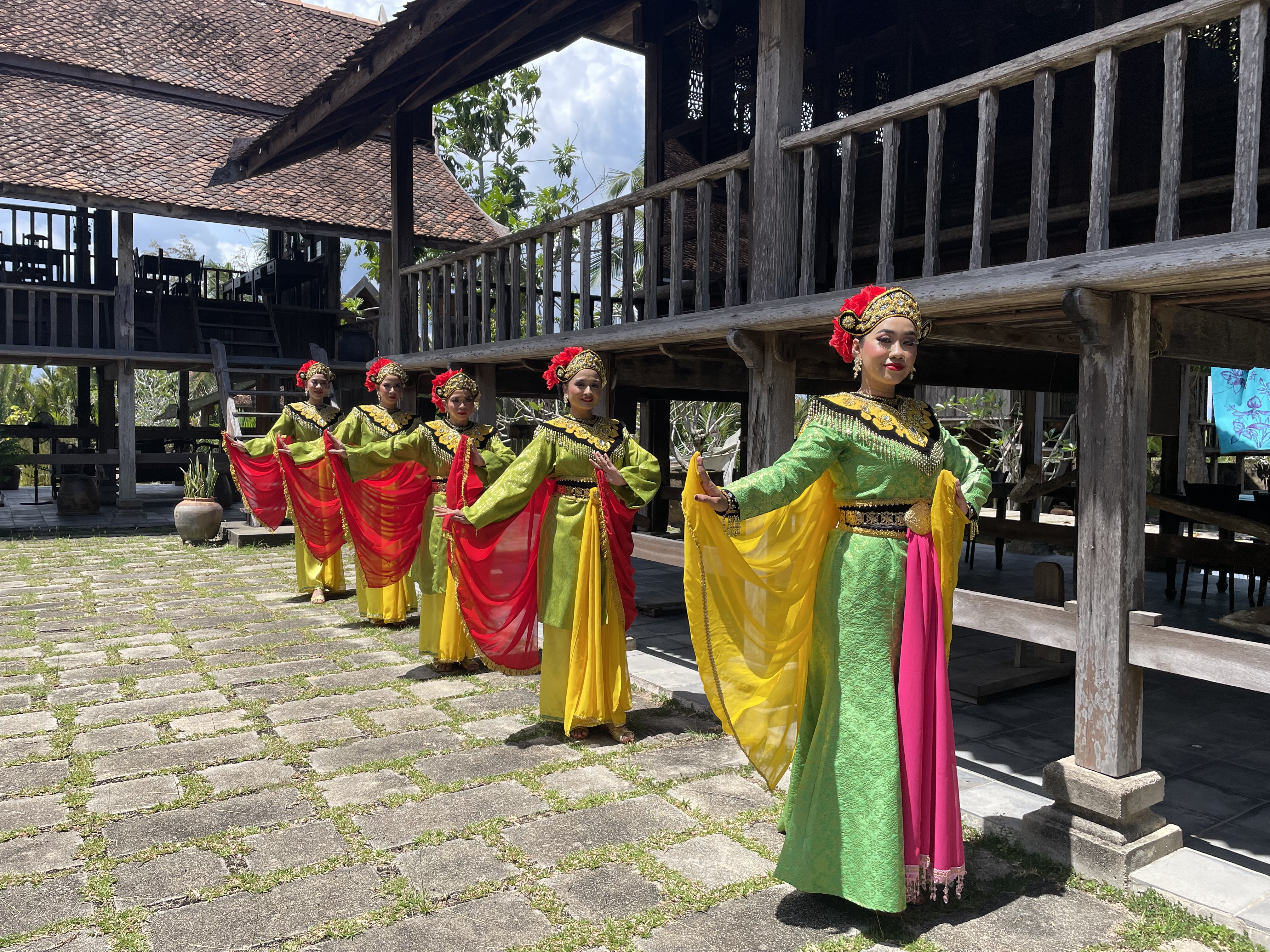
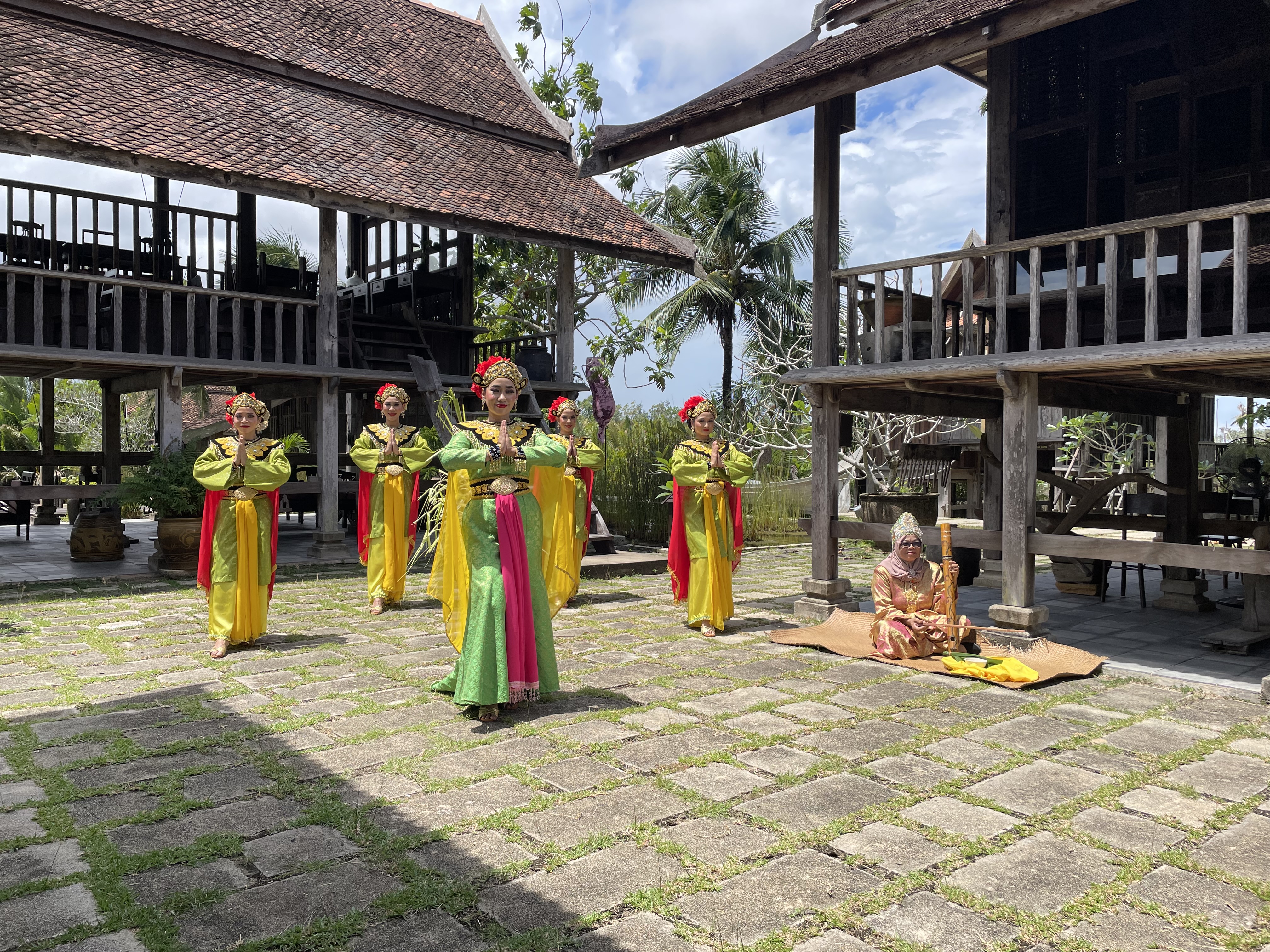
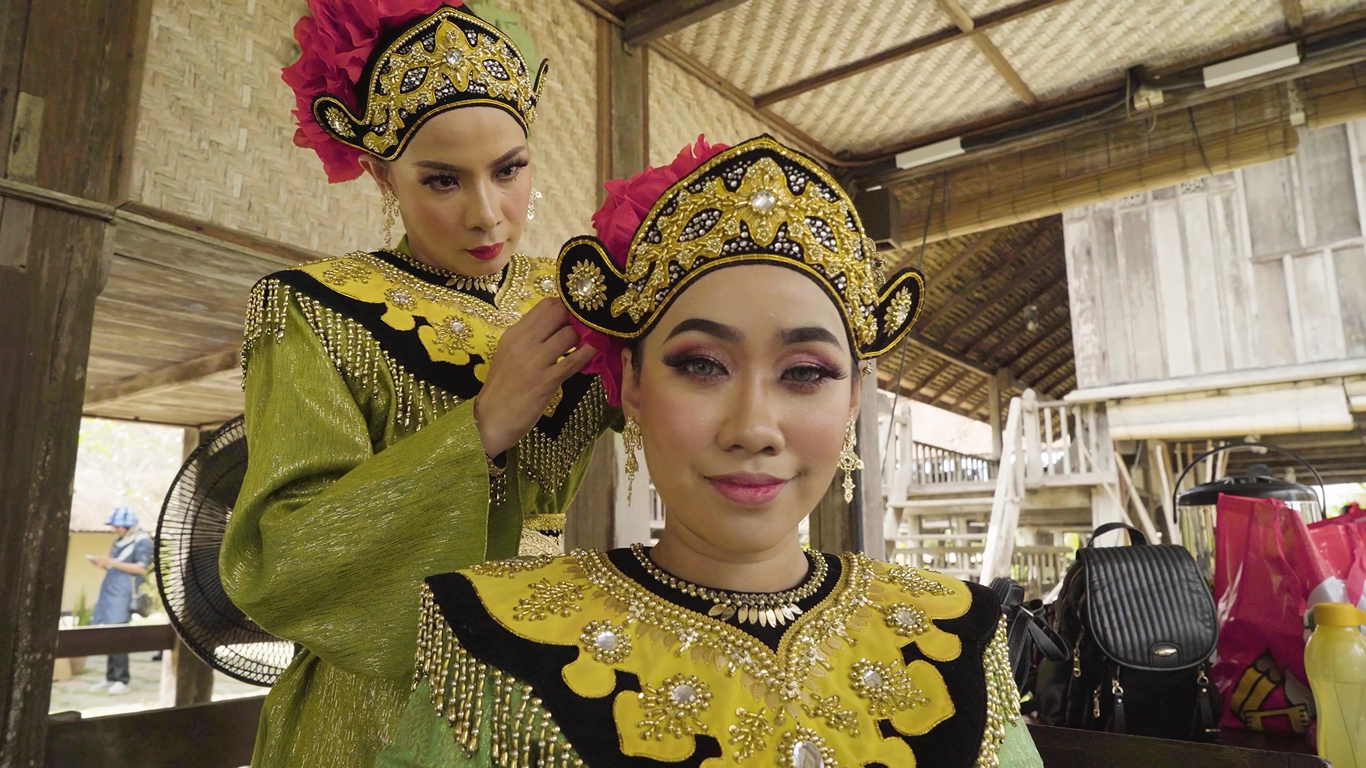
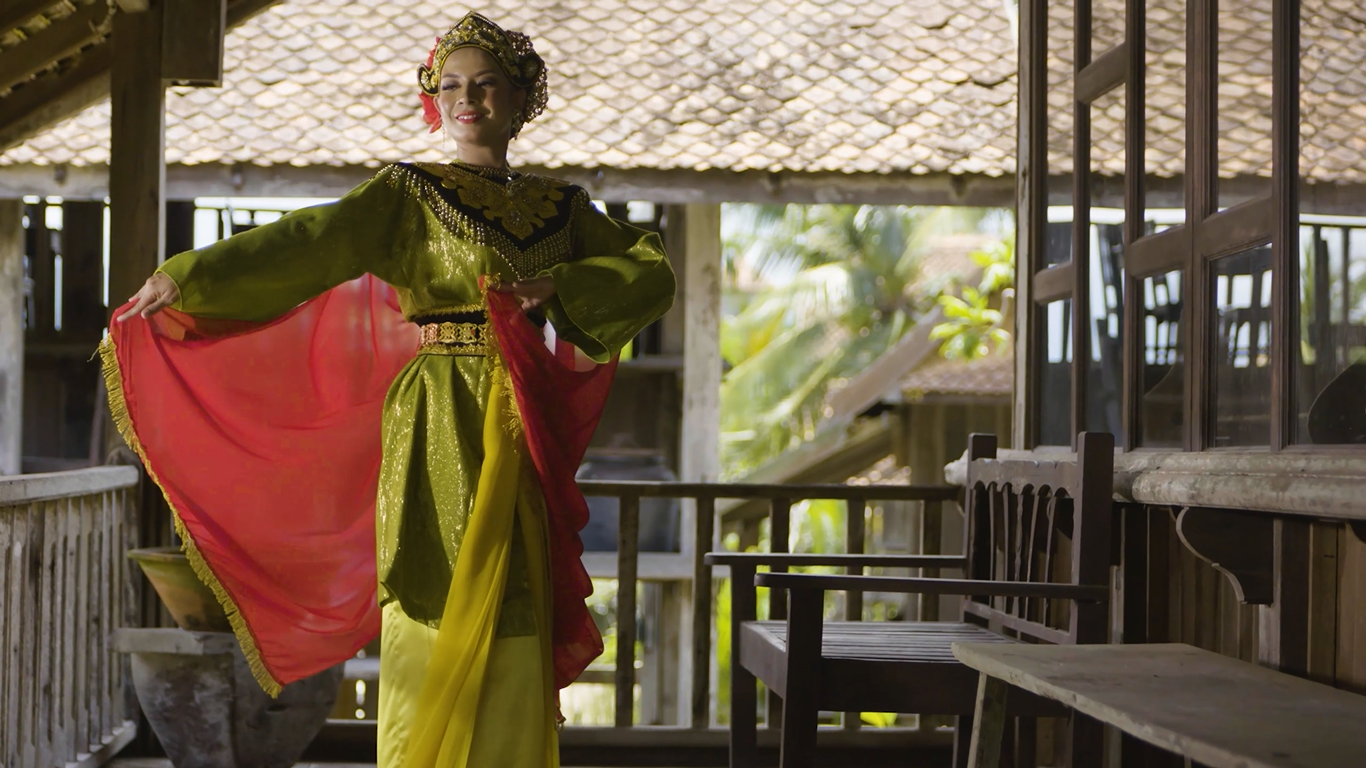
Performing, dancers and musicians wear baju kurung, baju Melayu and tanjak (a headgear). The female dancers wear a headdress with a bun, a velvet waist band, a yellow or green scarf on the arm to imitate the flapping of a fairy’s wings.
The dance requires traditional musical instruments such as Anak Umbang, Gong and Rebana.
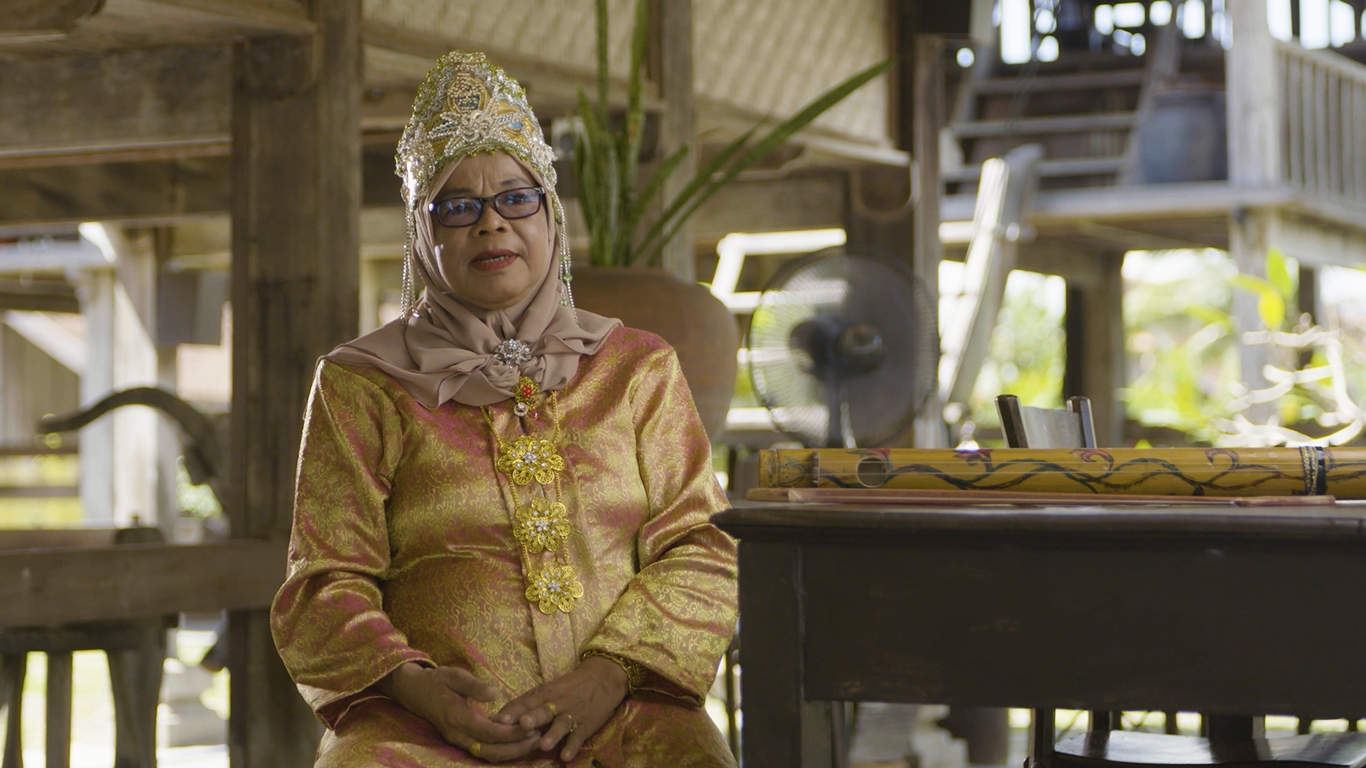
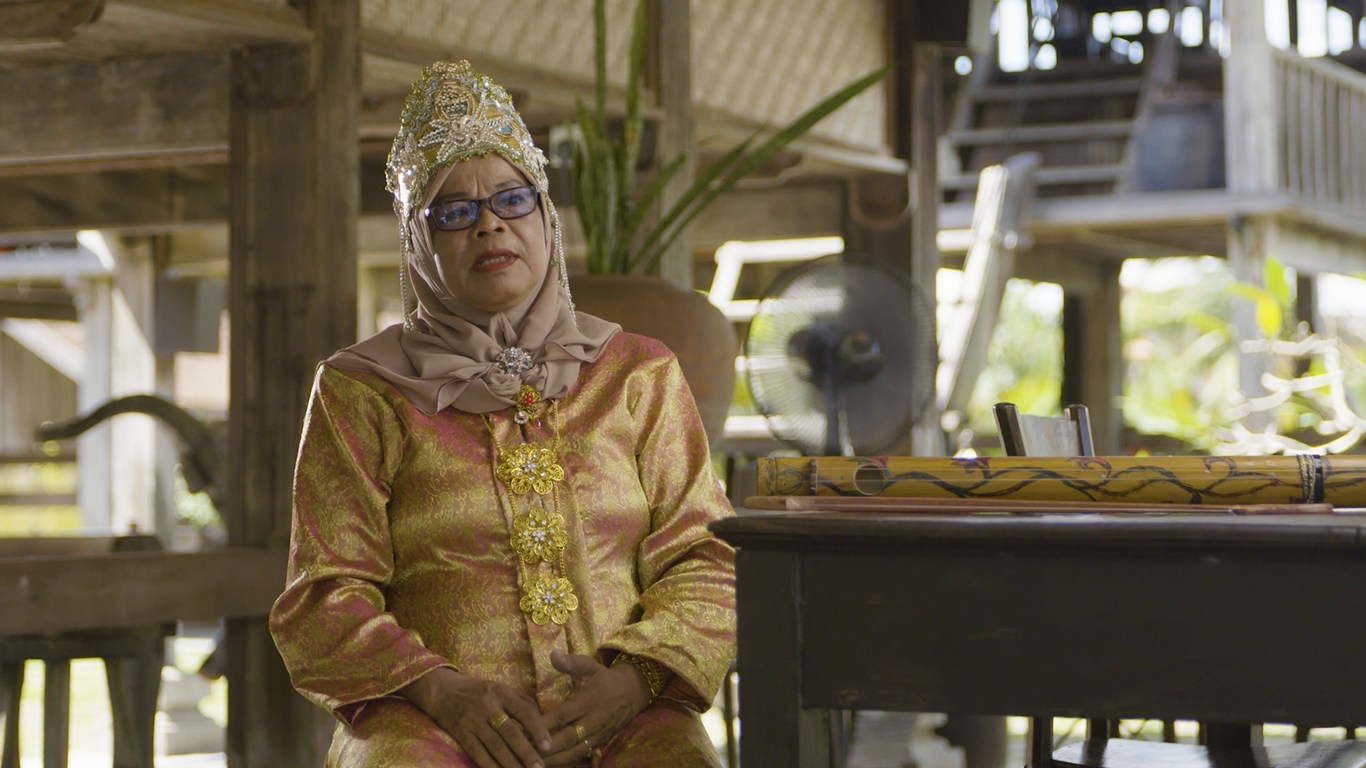
Among those who have championed the saba' arts is Che Wan Noorsaidi Che Wan Abdul Rahman, or more known as Mok Zah. She is the 9th generation of saba' dancers. Other than singing and dancing it, Mok Zah also plays traditional musical instruments, the Anak Umbang, gong and rebana, for the dance.
Achievements
• Performed at the events of the Ministry of Tourism, Arts and Culture, the National Department of Culture and Arts; and the Terengganu State Government: Dance Festival, Traditional Art Theater, Citrawarna Malaysia
• Performed at Terengganu Museum weekend programs.
• Instructor of the JKKN apprenticeship program.
• Recognized as the Saba' Artistic Figure in 2015 in conjunction with the Terengganu State Cultural Figure Award program.
• Staged a traditional theater in Matic, Kuala Lumpur, 4 & 5 August 2023 in conjunction with the Traditional Arts Theatre.
• Reference of Tarian in Malaysia and internationally.
Reference Source
i.
Bahan
Bacaan
- Tarian saba buku kecil Kementerian Kebudayaan,
Kesenian dan Pelancongan 1983 - 21 p. ill 19 cm. - (Siri mengenal budaya: 13).
- VCD terbitan JKKN pada tahun 2005 judul Tarian
Tradisional Terengganu.
- Buku - Umi
Abdullah (2005) judul Tarian Tradisional Terengganu, Kementerian Kebudayaan,
Kesenian dan Warisan Malaysia.
- Laman Web Mohd Kipli Rahman: (2016), Persembahan Saba:
Suatu Ritual Penyembuhan dari Perspektif Kosmologi, Malaysia Journal of Society
and Space, 12 (8).
ii.
Tokoh (jika
ada temu bual tokoh)
- Che Wan Noorsaidi Binti Che Wan Abdul Rahman (Tokoh)
- Encik Badrol (012-9069106) Kelab Kebudayaan Daerah Dungun
Location
State JKKN Contact Information
Encik Azaha Othman
Cultural Officer
Jabatan Kebudayaan dan Kesenian Negara Terengganu
Kompleks JKKN Terengganu
Kuala Ibai,
20400, Kuala Terengganu,
TERENGGANU DARUL IMAN
09-617 8831
Use the form below to contact the Informant/Figure/Editor/Researcher directly. We will respond to your inquiry as soon as possible!


