

ARTS AND CULTURE INFORMATION GATEWAY
Immerse yourself in the colorful world of art and culture! From traditional heritage to contemporary works, discover uniqueness that reflects the nation's identity and identity
 Fakulti Muzik dan Seni Persembahan, Universiti Pendidikan Sultan Idris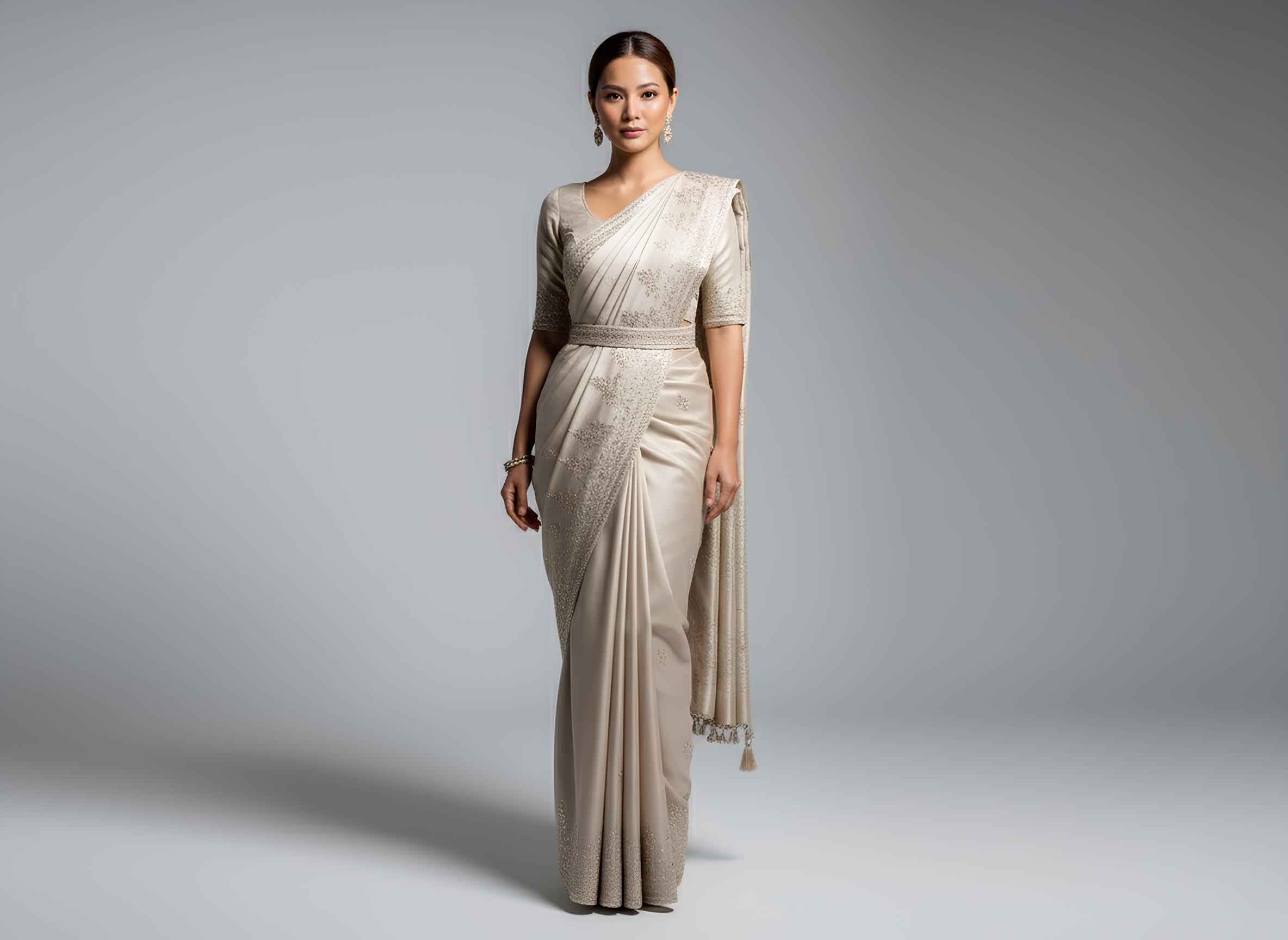
Picture
7
Video
No record
Today's Visitor
776
Number of Visitors
19280
Introduction and history
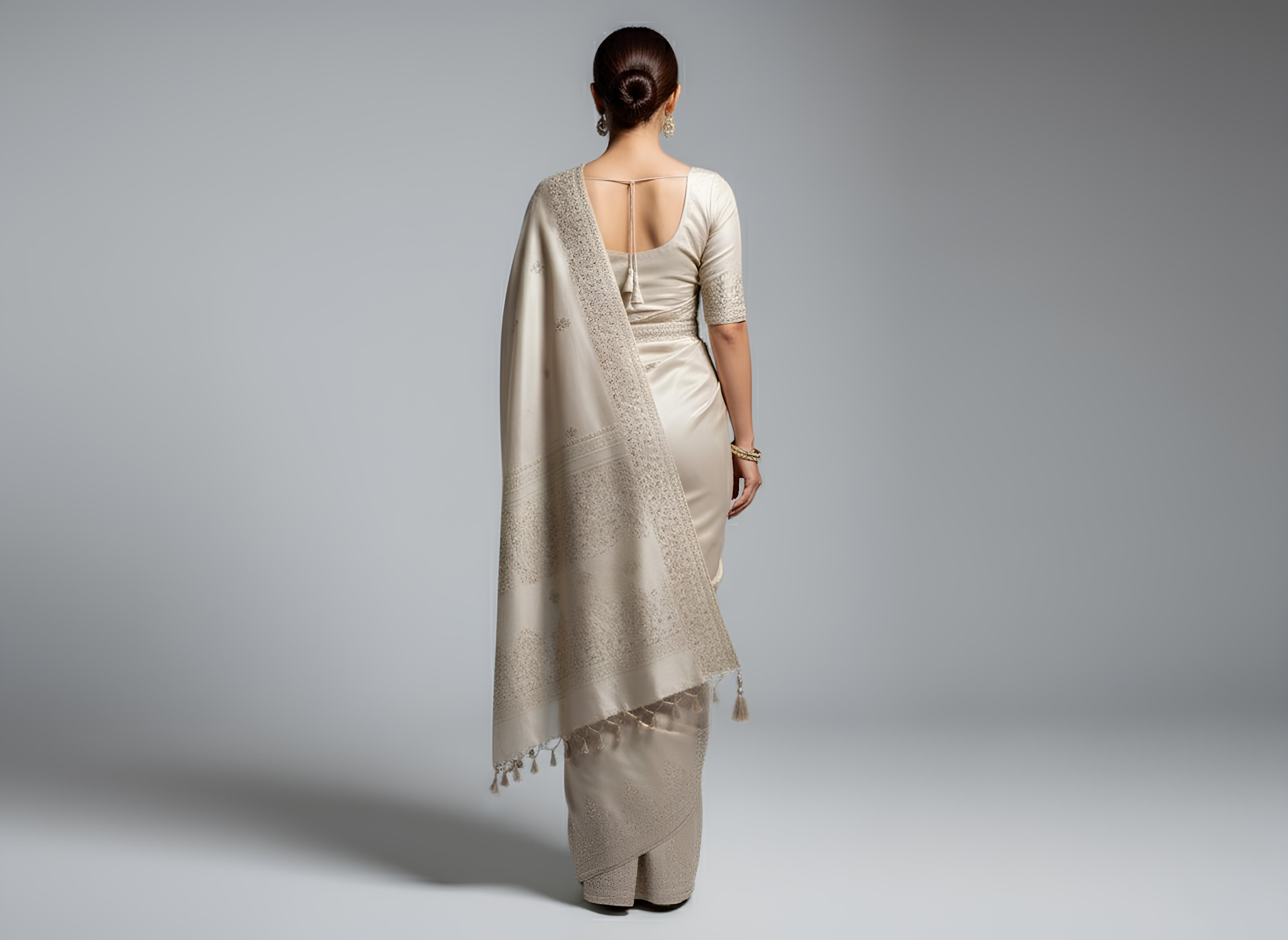
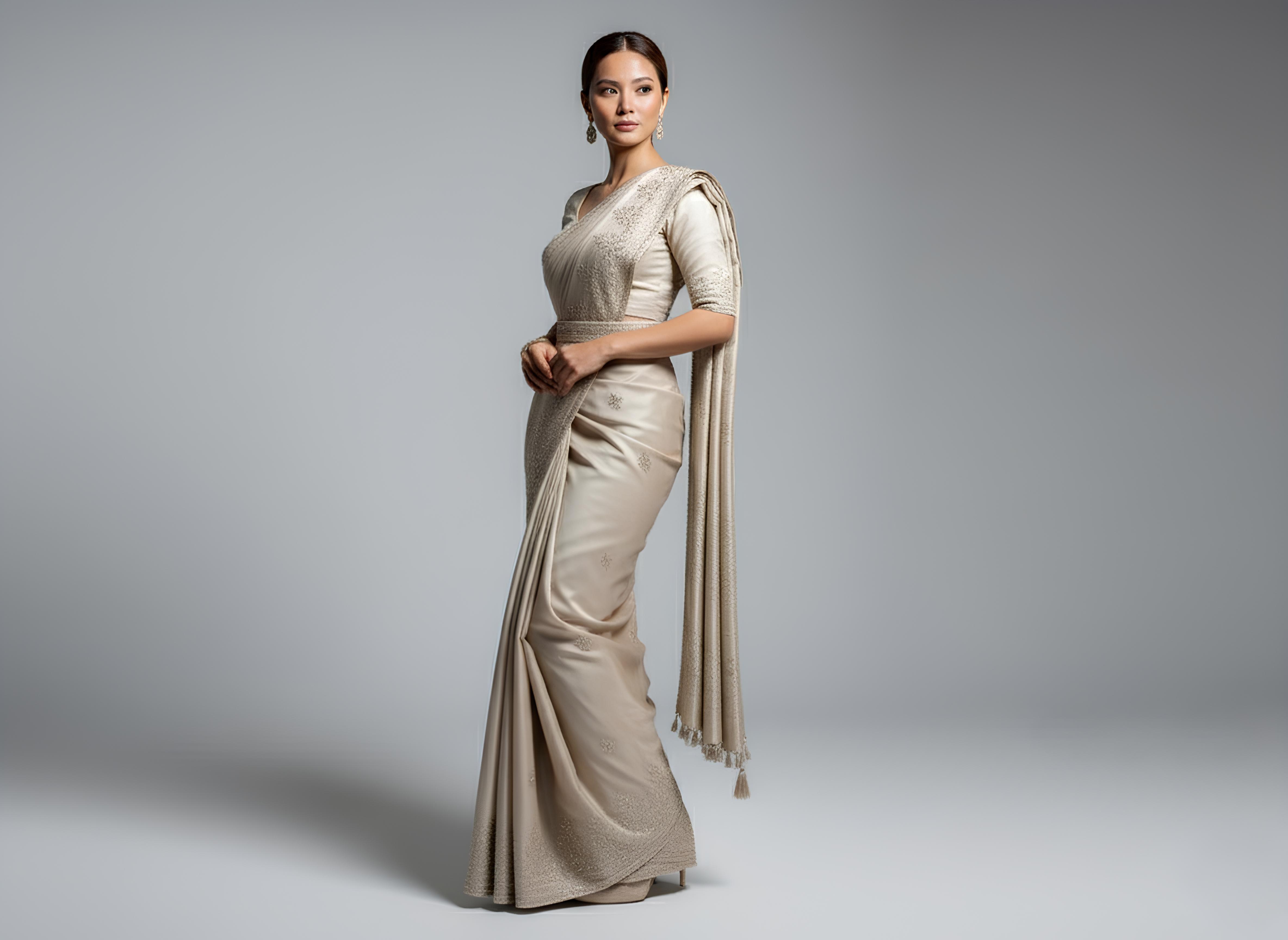
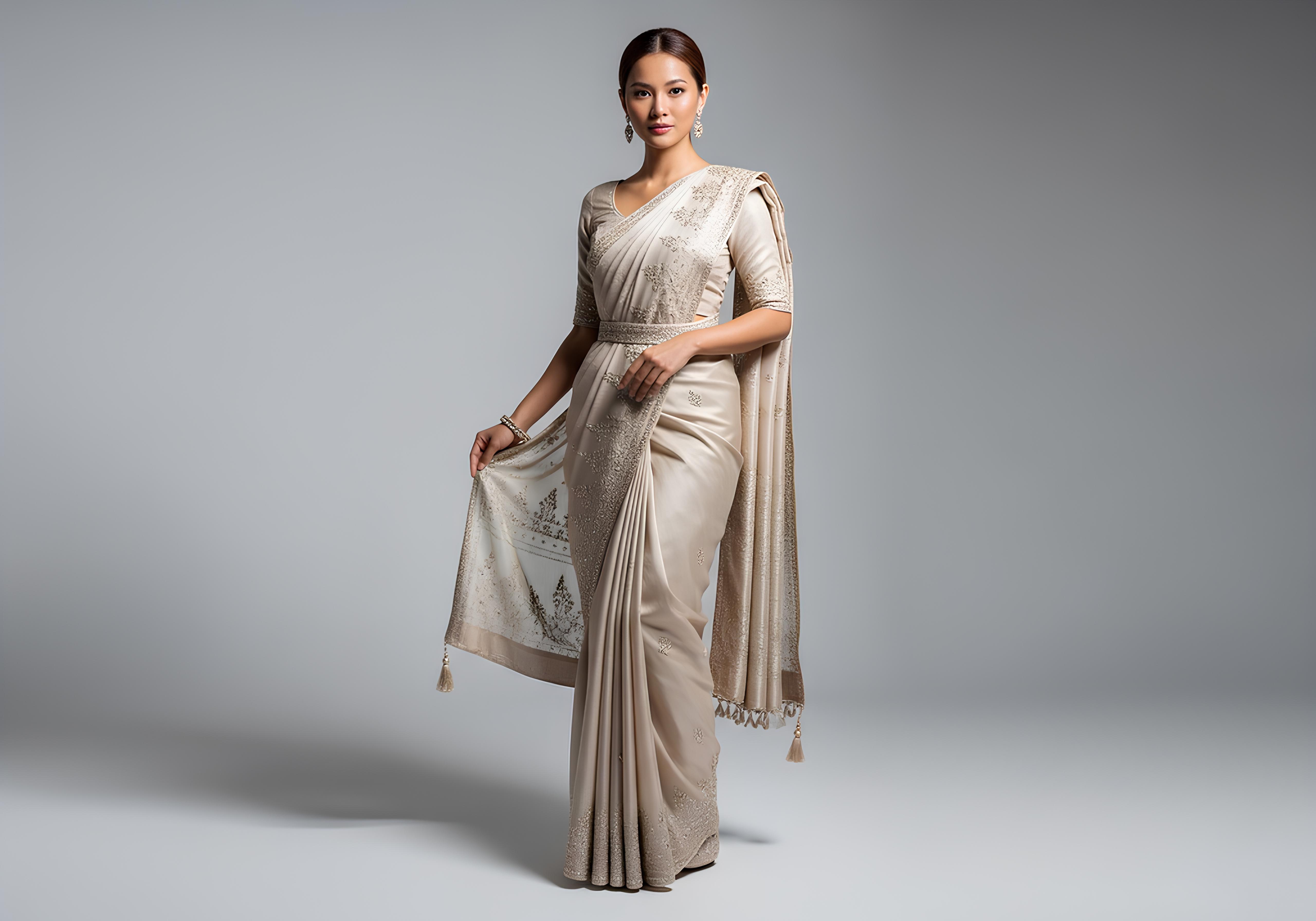
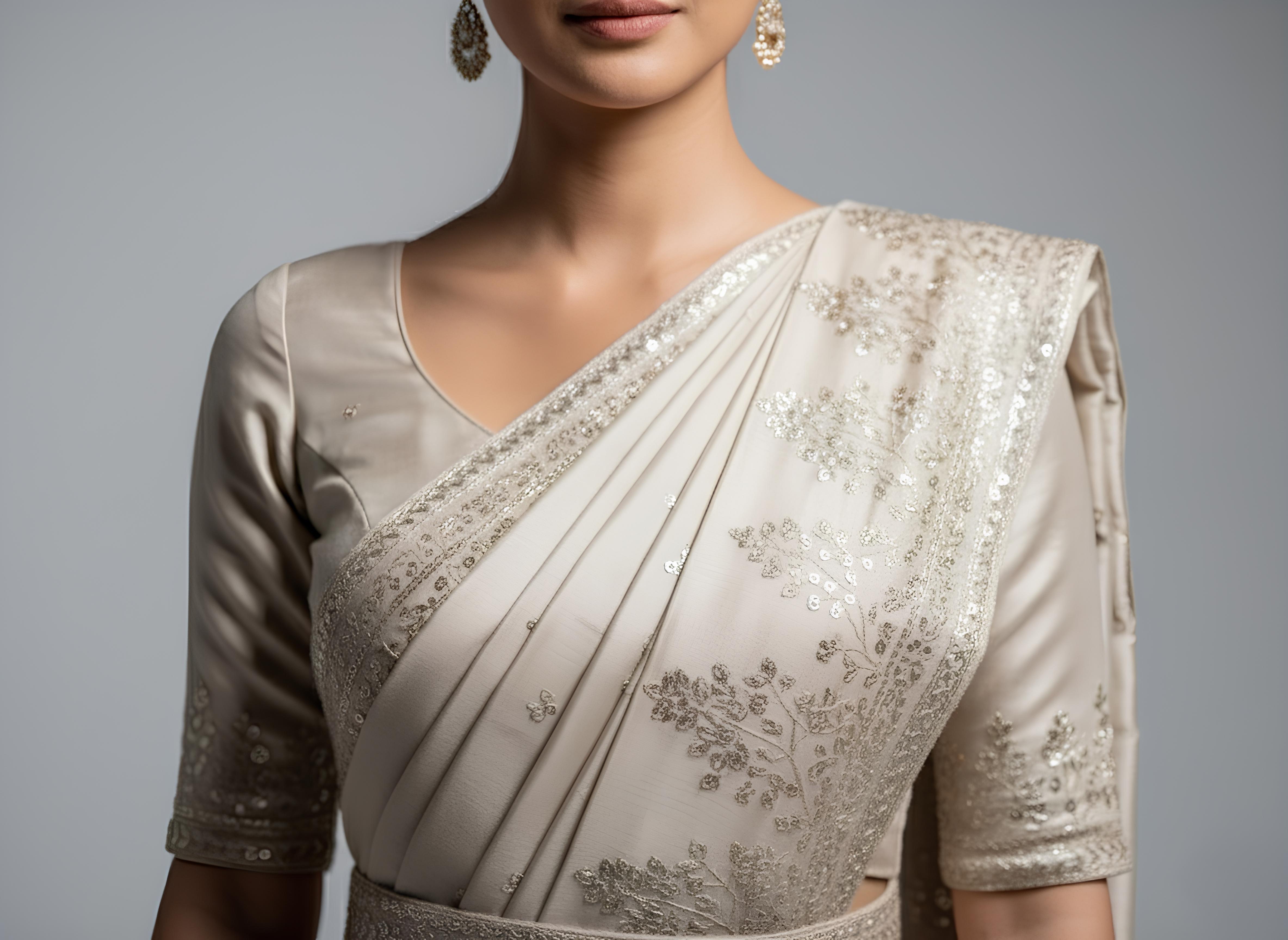
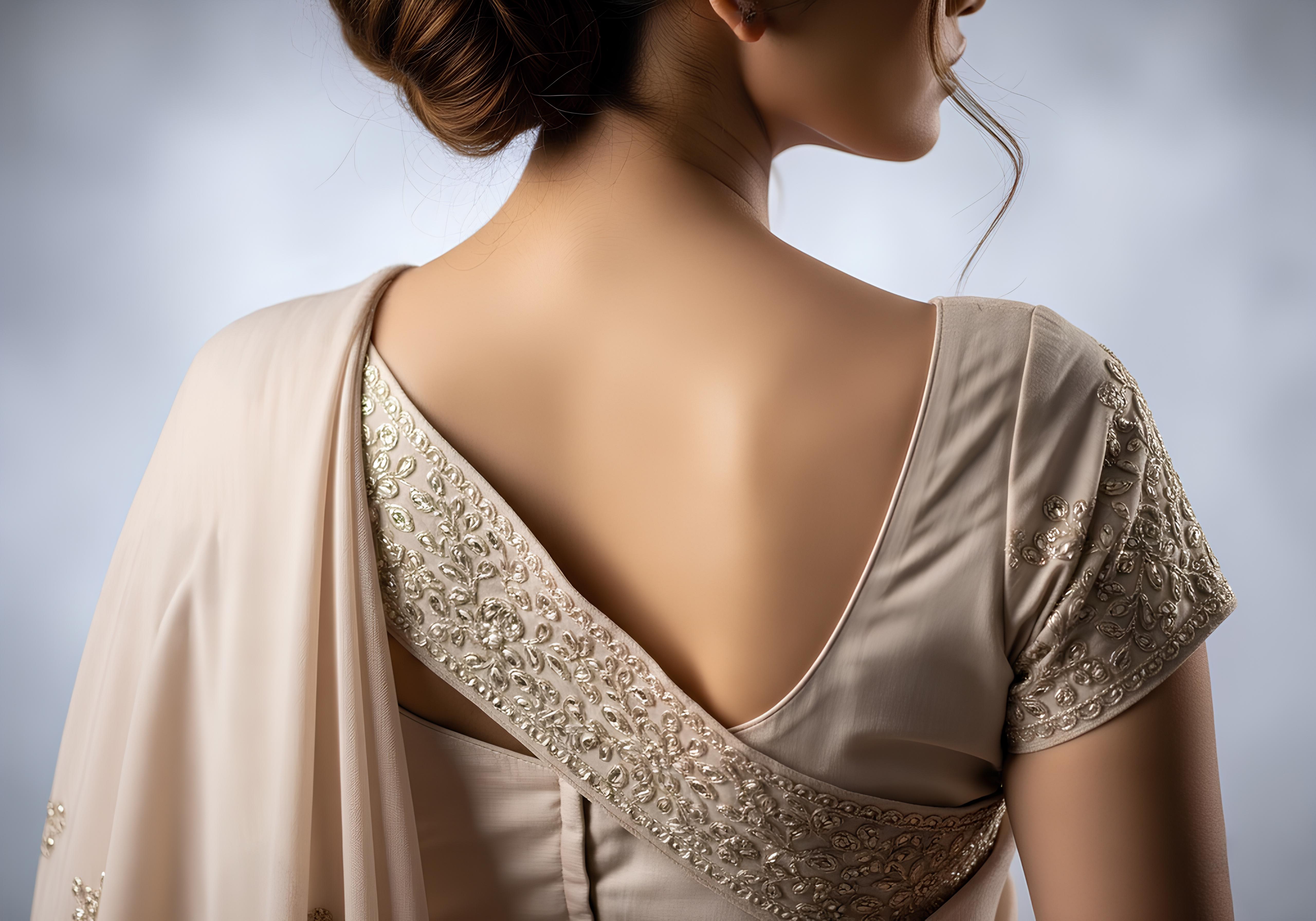
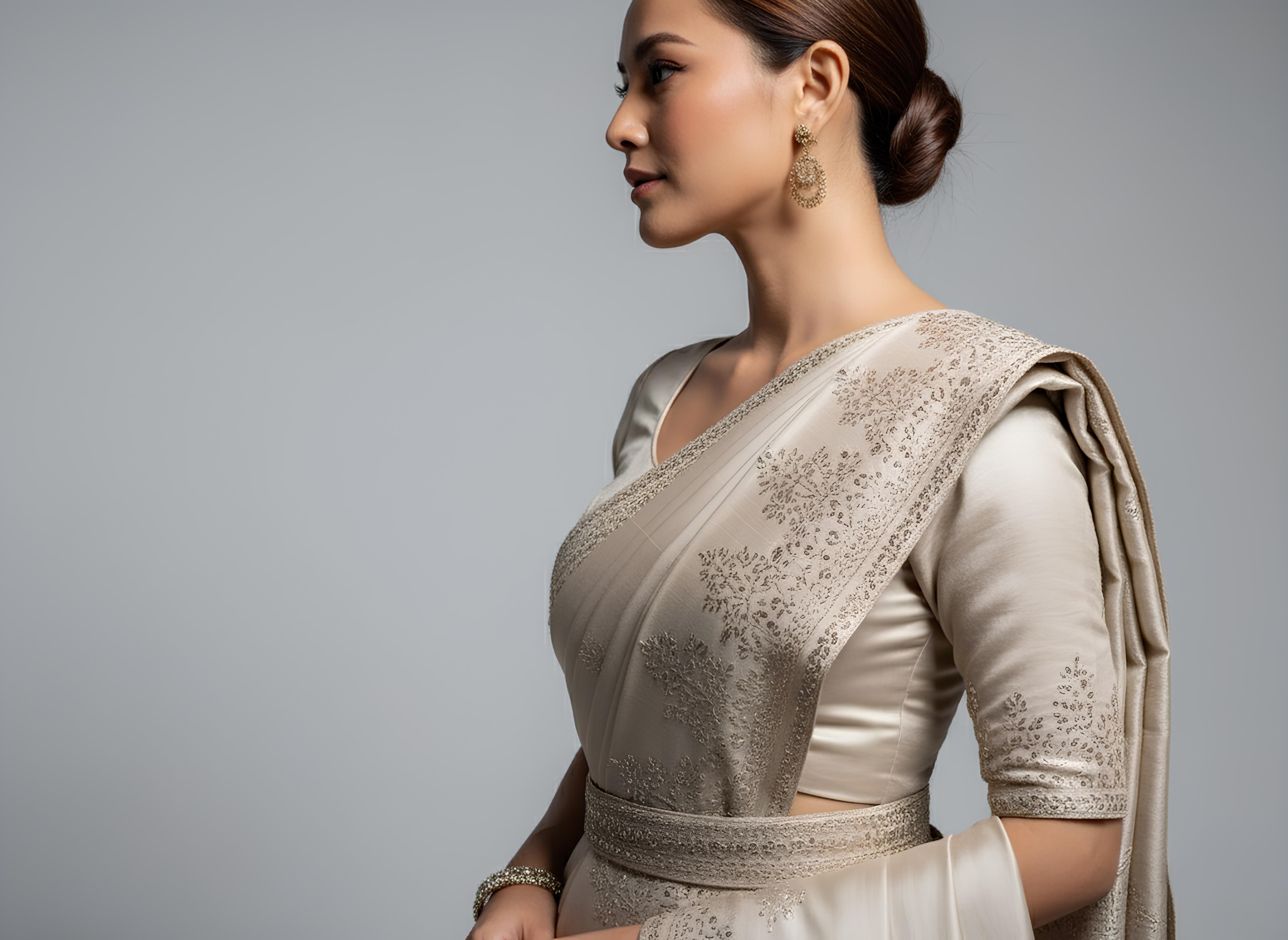
The saree is a traditional garment of remarkable elegance, deeply embedded with cultural significance, particularly among Indian communities across the world, including Malaysia. Its uniqueness lies in its construction—an unstitched length of fabric, usually measuring between 4.5 and 9 meters long and about 1 meter wide. The artistry of the saree emerges in its draping, which can be styled in numerous ways and is typically paired with a Choli or Ravukai (a short blouse) and an underskirt known as a Petticoat or Pavada. From an aesthetic perspective, the saree showcases an extraordinary variety of fabrics, patterns, colors, and draping techniques that reflect personal identity, social status, and creativity. This enduring versatility elevates the saree beyond mere clothing, transforming it into a cultural symbol imbued with both artistic and historical value.
The origins of the saree can be traced back to the Indus Valley Civilization (2800–1800 BCE). Archaeological findings, including figurines of priests and female dancers, depict the use of long, draped fabrics resembling the saree of today. This suggests that the practice of wearing unstitched cloth has existed for millennia and was integral to the lifestyle and culture of ancient societies. Linguistically, the term saree derives from the Sanskrit word śāṭī, meaning “a strip of cloth.” References to the saree also appear in classical Tamil works such as Silappadikaram and Kadambari, as well as in the great Sanskrit epics, the Mahabharata and the Ramayana. Over time, the saree evolved from a simple garment into a luxurious attire adorned with embroidery, beads, and intricate gold or silver threadwork—symbols of wealth, artistry, and prestige.
The journey of the saree to Malaya is closely linked to the migration of Indian communities, particularly from Tamil Nadu, Kerala, and Andhra Pradesh. During the 19th and early 20th centuries, under British colonial rule, large numbers of Indian laborers were brought to work in rubber plantations, estates, and construction projects. Alongside their labor, they carried with them their language, religion, traditions and attire, including the saree, which became the primary dress of Indian women. In the early years, sarees were worn daily, even for plantation work, because of their lightweight, practical, and adaptable nature.
Over time, however, the saree transitioned from everyday attire to a garment reserved for special occasions. As socioeconomic conditions improved and lifestyles shifted, the saree became more closely associated with cultural and religious events. Today, it is most prominently worn during festivals such as Deepavali, Thaipusam, and Ponggal, as well as at weddings and formal ceremonies within the Indian community. The saree also evolved in draping styles, with the Nivi drap, originating from Andhra Pradesh, emerging as the most popular in Malaysia. Its elegance and practicality make it suitable for both formal and semi-formal settings.
The saree also exists in a variety of distinguished types, chosen according to occasion, social standing, and personal preference. Among the most renowned is the Kanchipuram or Kanjivaram saree, celebrated for its high-quality silk and elaborate Zari (gold thread) weaving, often chosen by brides as the “queen of silks.” The Mysore Silk saree, by contrast, is admired for its softness and understated sophistication, while the Benares saree from Varanasi is famed for its opulent gold and silver brocade, often treasured as a family heirloom passed down across generations as a symbol of continuity and tradition.
Despite the rise of contemporary attire such as the salwar kameez and lehenga, the saree endures as a timeless garment. It remains a symbol of grace, heritage, and identity for Indian women, particularly within Malaysia’s multicultural society. The saree is not merely an attire but a canvas of cultural expression, embodying values, aesthetics, and pride in ethnic identity. Its continued presence in festivals, weddings, and ceremonies across generations makes it a living testament to tradition and modernity, enriching Malaysia’s cultural diversity and reaffirming the saree’s place as one of the world’s most enduring and elegant garments.
The saree serves as a cultural symbol, a medium of self-expression, and a marker of social status. Its significance can be observed across multiple dimensions, as outlined below:
Symbol of Cultural Identity and Heritage
The saree is a visible marker of Indian identity, representing origins, traditions, and cultural values. In multicultural Malaysia, it functions as a visual symbol that distinguishes the Indian community while simultaneously enriching the nation’s cultural mosaic. Its continued use links modern women to their ancestry, making the saree a treasured heritage passed down through generations.
Attire for Formal Occasions and Celebrations
The saree is central to formal and festive occasions due to its elegance, modesty, and rich symbolism. Among the key contexts are:
Religious Festivals – During celebrations such as Deepavali, Thaipusam, and Navaratri, women wear new, brightly colored sarees as expressions of joy and reverence.
Weddings – Bridal sarees, especially Kanchipuram or Benares varieties woven with gold and silver threads, are considered sacred and luxurious. They symbolize purity, fertility, and family prestige, making them essential attire in traditional Indian
weddings.
Formal and Social Functions – Whether at official dinners, cultural festivals, or social gatherings, the saree remains a preferred choice for its sophistication, grace, and prestige.
Indicator of Social and Economic Status
The quality of fabric, intricacy of design, and use of luxurious elements such as zari (gold thread) or gemstones often reflect the wearer’s economic standing. For instance, the Kanchipuram silk saree is associated with affluence and high social status, while simpler cotton sarees are worn for daily life, symbolizing modesty and practicality.
Reflection of Life Stages and Roles
Colors and styles often signify life stages and social roles for women in Indian society, including Malaysia:
Red – Symbolizes fertility and sanctity; commonly worn by brides and married women.
White or muted shades – Traditionally worn by widows, representing simplicity, spiritual withdrawal, and respect for a departed spouse.
Yellow and green – Considered auspicious, frequently chosen for religious rituals and cultural ceremonies.
Through such symbolic use of color and draping, the saree communicates age, marital status, and social roles, functioning as a non-verbal language within the community.
Practicality and Comfort
Despite its intricate appearance, the saree is remarkably practical. Cotton sarees, in particular, are well-suited to Malaysia’s tropical climate, offering breathability and freedom of movement. Historically worn even for plantation work, they continue to adapt to various settings, from casual daily wear to formal occasions. This versatility underscores the saree’s enduring relevance in everyday life.
Medium of Artistic Expression and Creativity
Each saree is a work of art, crafted through techniques such as handloom weaving, embroidery, batik or block printing. Motifs often draw inspiration from flora, fauna, Hindu mythology, and symbolic traditions, embedding cultural meaning into the fabric. For the wearer, choices in draping style, blouse design, and accessories allow for personal expression, showcasing individuality and creativity.
Accessories are often regarded as the “soul” of the saree, as the attire is rarely considered complete without them. Their selection depends on the occasion, the grandeur of the saree, and the personal style of the wearer.
Jewelry
Earrings – Jhumka (bell-shaped earrings) are timeless classics, while long, gem-studded designs offer a more contemporary look.
Necklaces – Ranging from simple gold chains to elaborate layered pieces such as haram or attigai. Temple jewelry, adorned with deity motifs, is especially cherished during religious ceremonies.
Bangles – Traditionally worn in large numbers and in a variety of colors, bangles may be made of glass, metal, or gold, often embellished with gemstones. The jingling sound of bangles is believed to bring good fortune.
Rings and Nose Ornaments – The Mookuthi (nose stud) enhances facial beauty, while rings add refinement to the ensemble.
Waist Ornaments (Kamarbandh / Oddiyanam) – Decorative belts crafted from gold or other metals secure the drape and accentuate the waistline, highlighting the wearer’s silhouette.
Hair Adornments
Flowers – Fresh jasmine blossoms (malli poo) tucked into a bun are a tradition, offering beauty along with their fragrance.
Bun Accessories – Golden hairpins or ornaments such as the jhummar further elevate elegance, particularly for brides.
Pottu or Bindi
The pottu or bindi, a decorative dot placed on the forehead, is considered an essential complement to the saree. Available in various shapes, sizes, and colors, from simple adhesive designs to those drawn with sindur, the bindi serves not only as an aesthetic enhancement but also as a symbol of spiritual significance in Hindu tradition.
Footwear
The saree is typically paired with embellished sandals, high-heeled slippers, or traditional chappals adorned with beads, sequins, or embroidery, harmonizing with the fabric and design of the garment.
Handbags
Small accessories such as clutches or potli bags (ornate drawstring pouches) are commonly carried. These are often matched to the saree’s colour or motif, completing the overall appearance with elegance and cohesion.
The choice of fabric for a saree depends largely on the occasion, climate, social status, and personal preference. Each material offers a distinct look, texture, and aura, making the saree one of the most versatile garments in the world.
Silk
The most luxurious and esteemed of fabrics, silk is traditionally worn at major celebrations and weddings. It offers an exclusive sheen, a graceful drape, and symbolizes refined taste and sophistication.
Kanchipuram Silk (Kanjivaram)
Produced from pure, heavy silk in Kanchipuram, Tamil Nadu, this fabric is famous for its intricate zari (gold thread) weaving and motifs such as peacocks, flowers, and temple designs. Often called the “queen of silks,” the Kanchipuram saree is frequently treasured as a family heirloom, representing wealth, dignity, and high social standing.
Benares Silk
Originating from Varanasi, Benares silk is softer and lighter than Kanchipuram but equally opulent. Its hallmark lies in delicate gold and silver thread embroidery, producing elegant and luxurious designs that are highly prized for weddings and special occasions.
Mysore Silk
Renowned for its smooth texture, lightweight quality, and subtle sheen, Mysore silk is valued for comfort while still maintaining an aura of grace and elegance.
Tussar Silk
Characterized by a slightly coarse texture and natural earthy tones, Tussar silk exudes rustic charm and understated elegance. Though less refined than standard silk, it is cherished for its distinctive appeal, especially among women who appreciate traditional styles.
Cotton
The most practical choice for daily wear, work, or casual gatherings in tropical climates, cotton sarees are breathable, lightweight, and comfortable. A notable variety is the Chettinad cotton saree from Tamil Nadu, celebrated for its bright colors and bold checked patterns.
Chiffon
Chiffon is light, soft, and semi-transparent, creating graceful, flowing drapes. Often chosen for evening functions or modern gatherings, chiffon sarees accentuate the body’s silhouette with understated elegance.
Georgette
Slightly heavier than chiffon yet equally fluid, georgette is a favored fabric for printed sarees or those embellished with sequins and beads. Its strength allows it to support heavier decorative work without compromising its graceful drape.
Silk-Cotton Blend
A silk-cotton blend combines the luxury of silk with the comfort of cotton. More affordable yet still elegant, it is a versatile fabric suitable for both formal events and casual occasions.
Contemporary Fabrics (Net, Satin, Velvet)
In modern fashion, designers have experimented with net, satin, and velvet to diversify saree styles. Net sarees with heavy embroidery or velvet-bordered sarees have become especially popular among younger generations, offering a modern flair while retaining traditional aesthetics.
Across India, there are dozens of sari draping styles, each influenced by regional traditions and cultural practices. However, the most popular and widely practiced style in Malaysia is the Nivi drape, which originates from Andhra Pradesh. This style is favored for its practicality, neatness, and elegance, making it suitable for formal events, religious ceremonies, and festive occasions.
PART 1: PREPARATORY STEPS
Before beginning the draping process, proper preparation is essential to ensure the sari sits securely, comfortably, and remains in place throughout the day.
Base Garments
Blouse (Choli): Select a blouse that matches the color and design of the sari. It should fit comfortably, not too tight to allow ease of movement.
Underskirt (Petticoat/Pavada): This long skirt acts as the “anchor” for the sari drape. Its drawstring must be tied tightly around the waist (slightly above the navel). Ideally, the petticoat should match the sari’s base color so it does not stand out.
Footwear
Footwear should be worn first, whether high heels, sandals, or slippers. This ensures the sari’s length falls correctly, preventing it from appearing too short or dragging excessively on the floor.
Supporting Accessories
Keep a few safety pins of various sizes at hand. These are indispensable for securing the pleats, tucks, and the pallu so that the drape remains neat and intact.
PART 2: STEP-BY-STEP GUIDE (NIVI STYLE)
Step 1: The Basic Tuck
Hold the plain or less-decorated end of the sari.
Starting at the right side of the waist, tuck the edge into the petticoat.
Wrap the sari around the waist once, moving from right to left, and return to the front.
Ensure the bottom edge of the sari just grazes the floor or hovers slightly above it.
Step 2: Creating the Front Pleats
Take the length of fabric hanging after the first wrap.
Using your fingers, fold pleats about 12–13 cm (5 inches) wide.
Make 5–7 pleats, depending on the length of the sari.
Keep the pleats even, straight, and aligned.
Tuck the pleated section into the petticoat at the center of the waist, with pleats facing to the left.
Secure with a safety pin to hold them firmly in place.
Step 3: The Second Wrap Around the Body
Take the remaining length of fabric and wrap it around the body again, this time from left to right.
Pass it across the left hip, around the back, and bring it forward under the right arm.
Drape it neatly across the chest.
Step 4: Styling the Pallu (Shoulder Drape)
The final portion of the sari, the pallu, is the most decorative end.
Bring the pallu from under the right arm, across the front of the torso, and place it over the left shoulder.
Two common styles are:
Pleated Pallu: Fold the pallu into neat pleats, pin it on the left shoulder, and allow it to fall gracefully, usually to knee length at the back.
Open/Flowing Pallu: Leave the pallu loose over the shoulder for a more relaxed or modern appearance, allowing it to drape naturally over the arm.
Step 5: Final Adjustments
Check your reflection from different angles.
Ensure all tucks and pleats are neat, with no bulging or loose fabric.
Arrange the front pleats so they fall straight and evenly.
Pin additional sections if necessary to keep the pallu and drape securely in place throughout the day.
PART 3: COORDINATING ACCESSORIES
Once the sari is draped, accessories play an important role in completing the overall look:
Earrings, necklaces, and bangles enhance elegance.
A bindi or pottu on the forehead highlights traditional charm.
Fresh jasmine flowers or hair ornaments provide a classic touch to the hairstyle.
Clutches or potli bags, paired with embellished sandals, complete the look from head to toe.
-
Reference Source
Bahan Bacaan
Deepshikha, Y., Yammiyavar, P., & Nath, N. (2018, March). Textiles as communicating links for cultural traditions. In International Conference on Kansei Engineering & Emotion Research (pp. 168–177). Singapore: Springer Singapore.
Fuller, C. J., & Haripriya, R. (2018). The eternal saree: The role of a traditional garment in the construction of Tamil identity. South Asia: Journal of South Asian Studies, 41(3), 543–559. https://doi.org/10.1080/00856401.2018.1475529
Jayakumar, D. (2012). Traditional Indian costumes and textiles. Ministry of Culture, Government of India.
Jayaneththi, R. (1979). Dress code of Indian plantation labourers in South Asia. In Circulation of cultures and culture of circulation (p. 164).
Lynton, L. (1995). The sari: Styles, patterns, history, techniques. Thames & Hudson.
Portal Rasmi Jabatan Kebudayaan dan Kesenian Negara (JKKN). (2022). Busana tradisional masyarakat India di Malaysia. Kementerian Pelancongan, Seni dan Budaya Malaysia. Dicapai pada 15 September 2025, dari https://www.jkkn.gov.my/pemetaan-budaya/busana/sari
Pooja, S. D., & Sofia, H. (n.d.). From tradition to transformation: The saree as a mirror of cultural and gender dynamics.
Priya, K., & Nair, M. M. (n.d.). Saree: Stitching together the silks of literature and fashion. AE International Journal of Multidisciplinary Research, 169.
Rathi, A. (2020). The story of the sari. The Heritage Lab. Dicapai pada 15 September 2025, dari https://www.theheritagelab.in/sari-story
Sandhu, K. S. (2010). Indians in Malaya: Immigration and settlement, 1886–1957. Cambridge University Press.
Savithri, G., Sujathamma, P., & Ramanamma, C. H. (2013). Glory of Indian traditional silk sarees. International Journal of Textile and Fashion Technology, 3(2), 61–68.
Uthirapathi, A. (2019). The significance of Kanchipuram silk sarees in Tamil weddings. Journal of Ethnic and Cultural Studies, 6(2), 25–38.
Yammiyavar, P. (2019). Expressions of traditional textiles of India: A cultural probe. International Journal of Affective Engineering, 18(2), 101–107.
Ecentral. (n.d.). Baju tradisional masyarakat India. Dicapai pada 15 September 2025, dari https://ecentral.my/baju-tradisional-masyarakat-india/
Fifyfathia. (n.d.). [Blog post tentang budaya India]. Dicapai pada 15 September 2025, dari https://fifyfathia.blogspot.com/
PKPGBK6. (n.d.). Kaum India. Dicapai pada 15 September 2025, dari https://pkpgbk6.weebly.com/kaum-india.html
Location
State JKKN Contact Information
Cultural Officer
Jabatan Kebudayaan dan Kesenian Negara
Use the form below to contact the Informant/Figure/Editor/Researcher directly. We will respond to your inquiry as soon as possible!


