

ARTS AND CULTURE INFORMATION GATEWAY
Immerse yourself in the colorful world of art and culture! From traditional heritage to contemporary works, discover uniqueness that reflects the nation's identity and identity
 Fakulti Muzik dan Seni Persembahan, Universiti Pendidikan Sultan Idris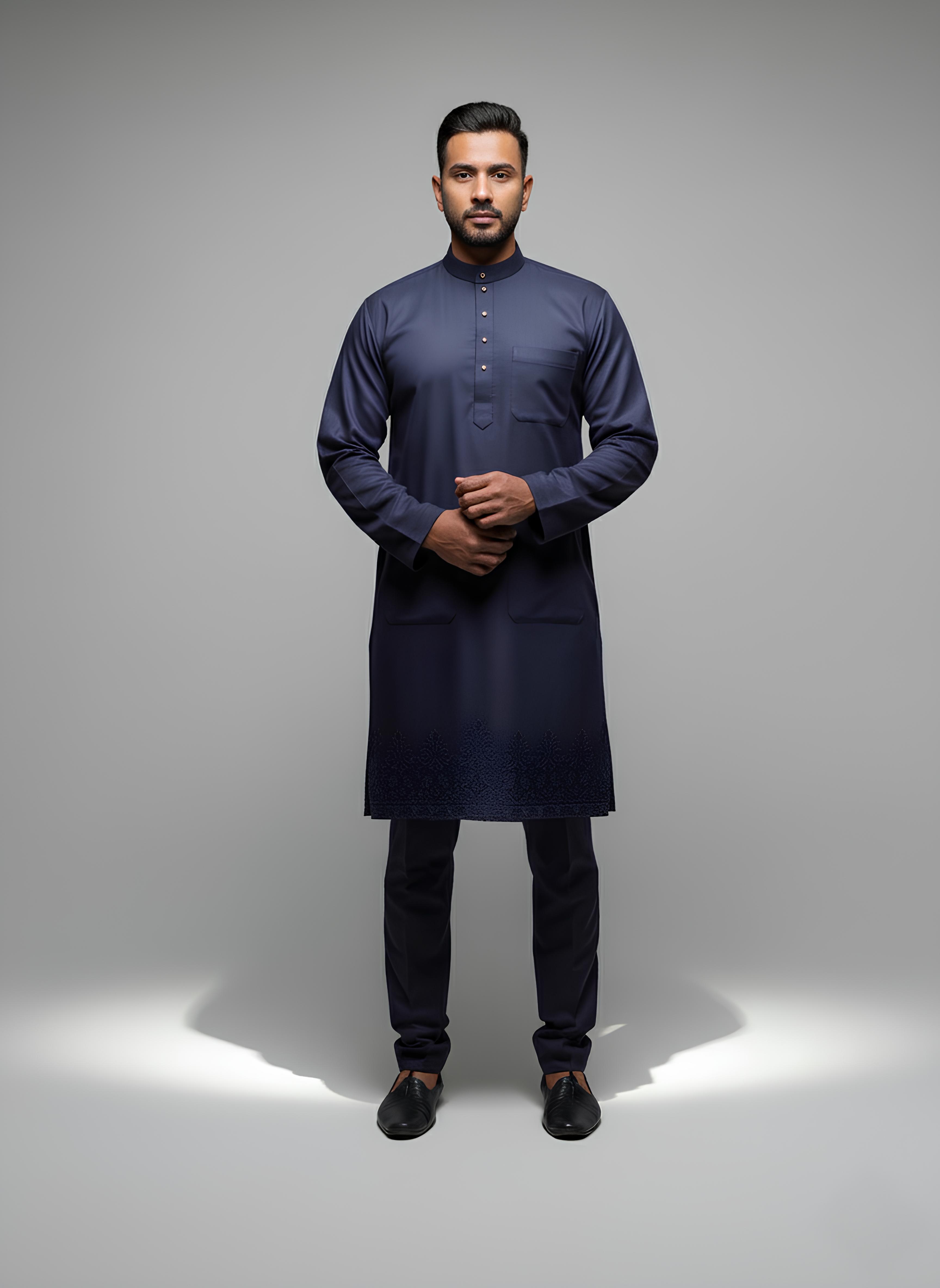
Picture
6
Video
No record
Today's Visitor
265
Number of Visitors
2466
Introduction and history
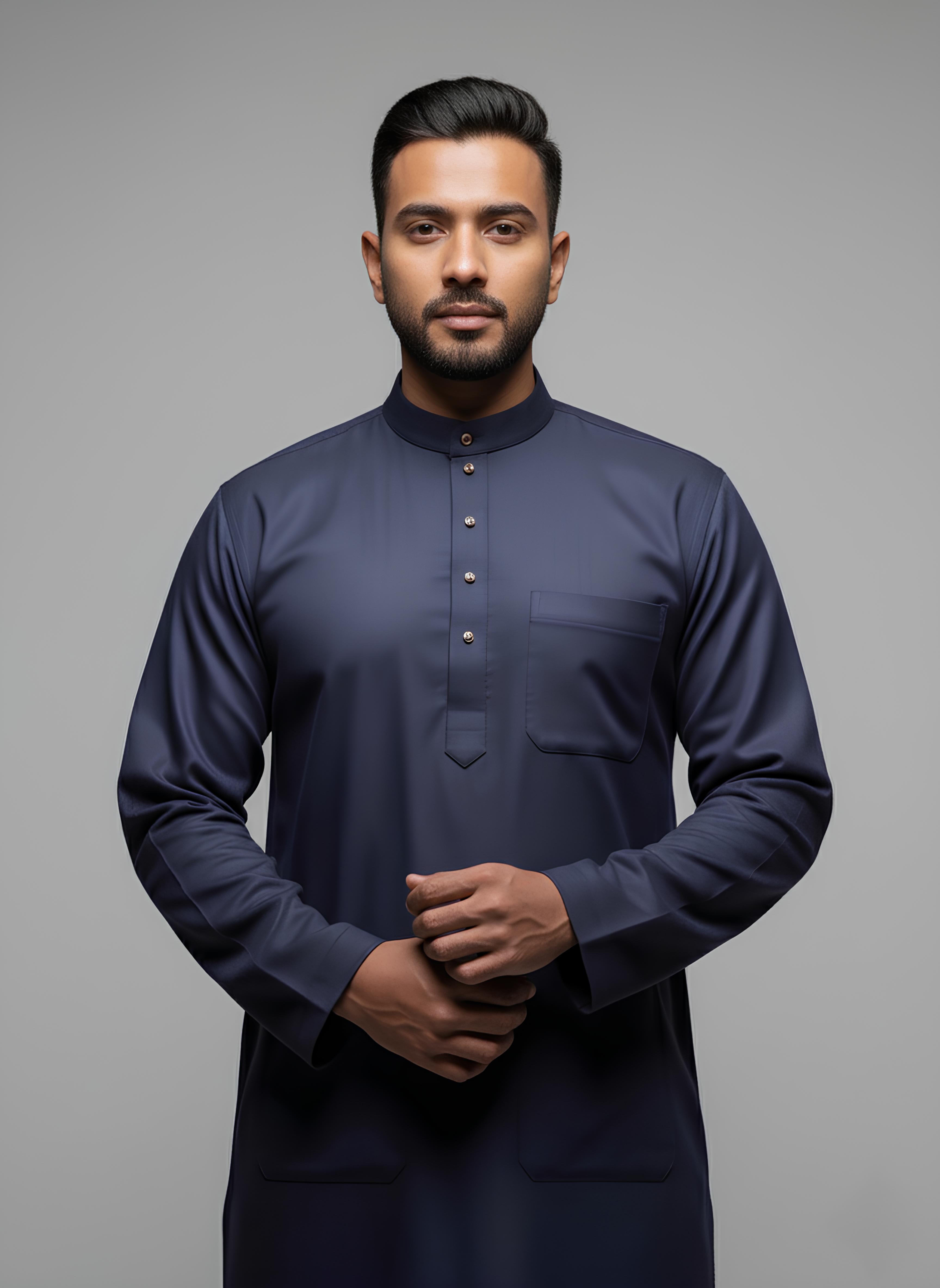
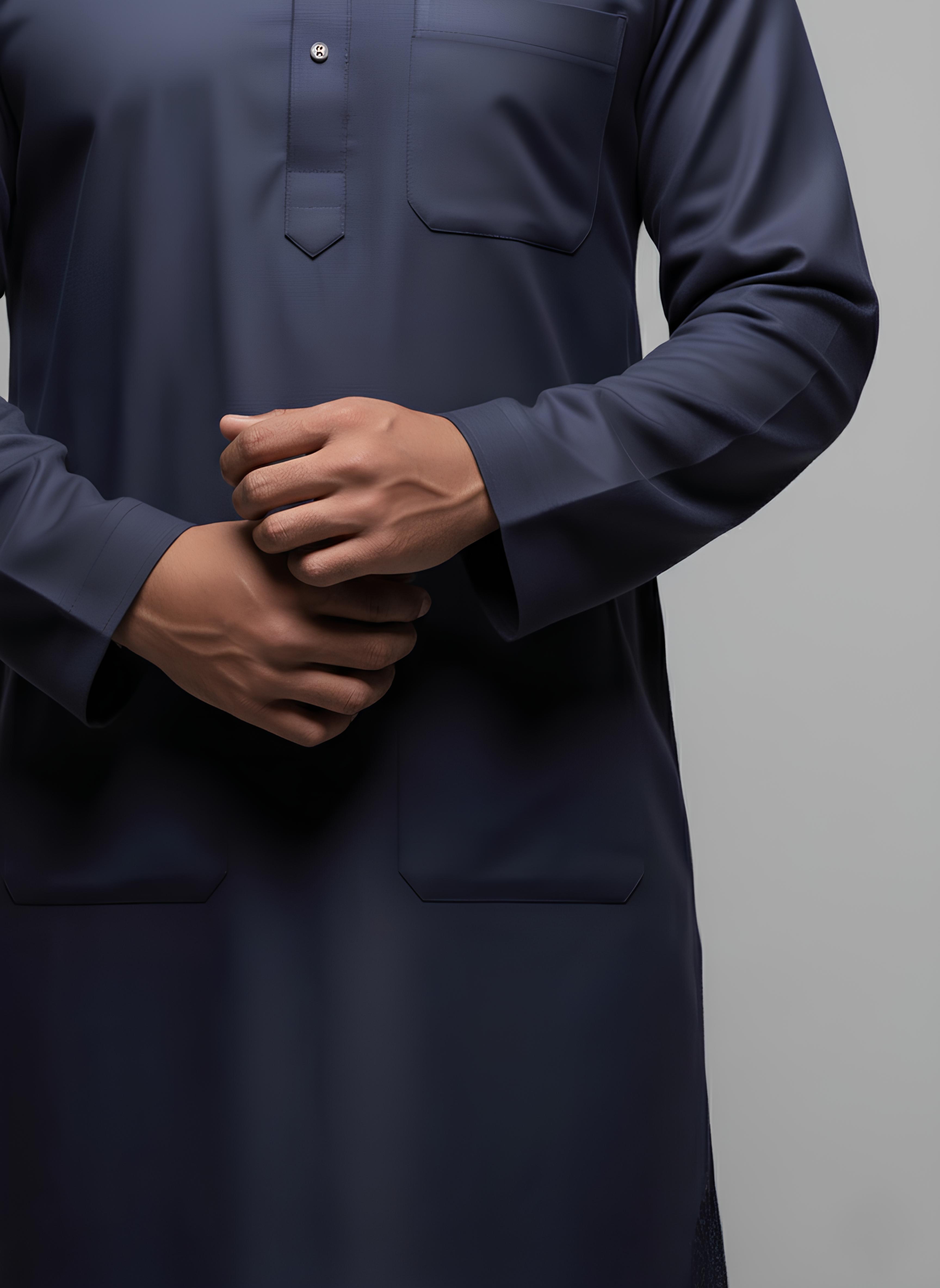
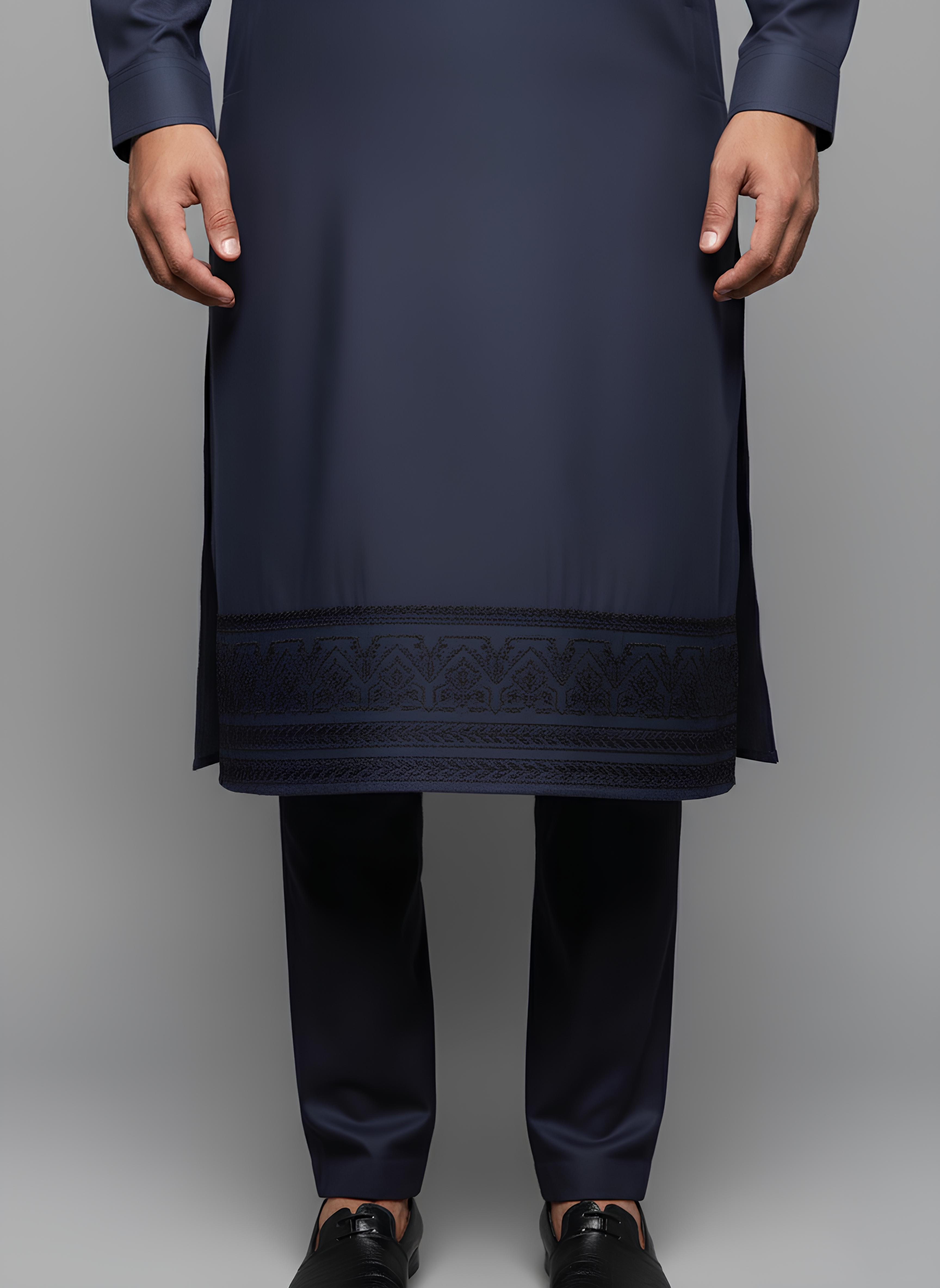
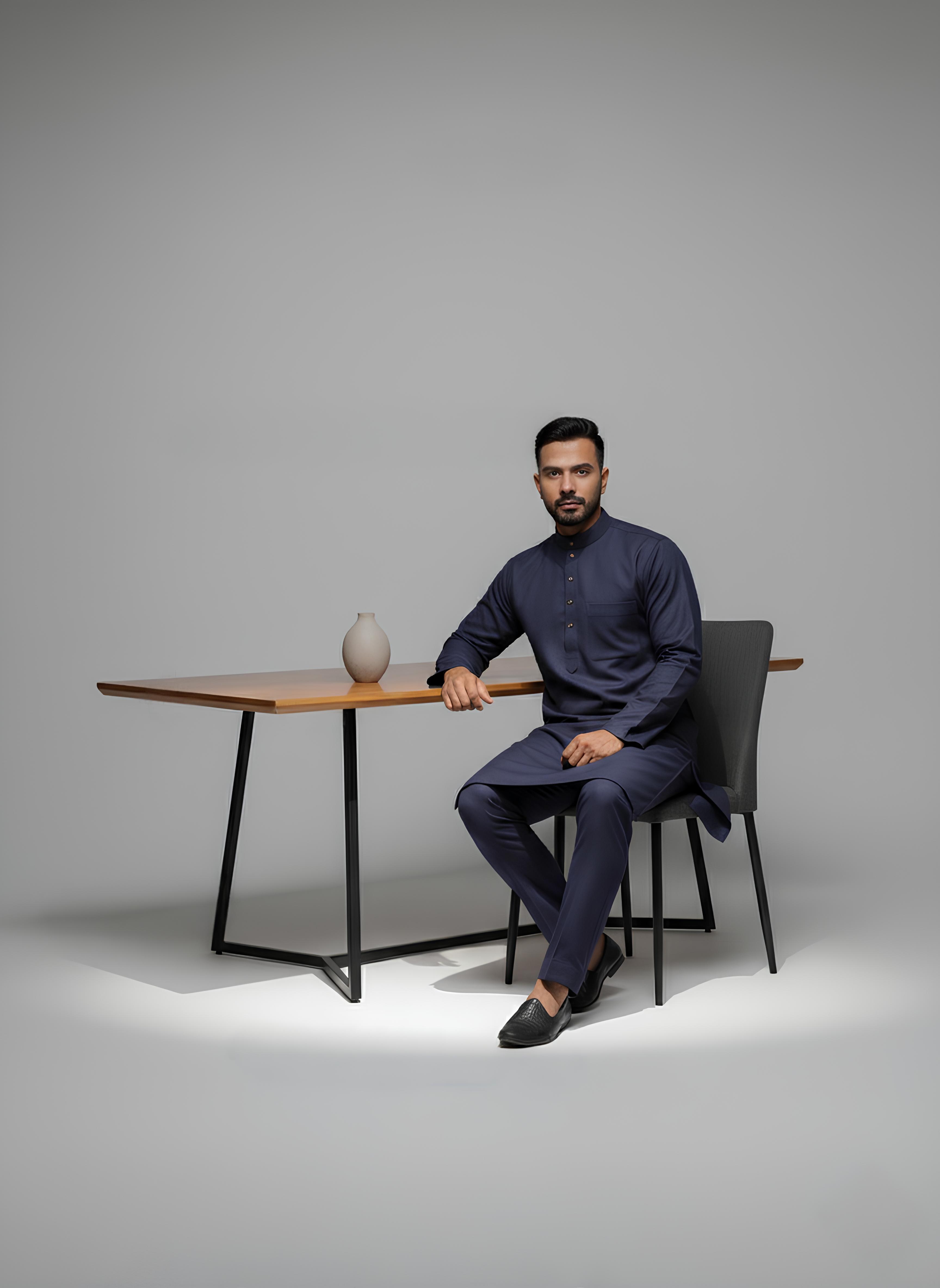
- The kurta is a traditional garment closely associated with the people of South Asia, particularly in India, Pakistan, Bangladesh, and Afghanistan. The term kurta has multiple linguistic roots: from the Sanskrit word kurtaka, meaning “shirt” or “long tunic,” and from Persian, where it refers to a “collarless garment.” The basic design features a straight, loose cut that typically extends to the knees or slightly below. In its earliest form, the kurta was worn by farmers and laborers for its simplicity, lightness, and comfort qualities that made it ideal for hot climates. Over time, however, it was adopted by nobility and royal courts, with versions embellished by fine embroidery, luxurious detailing, and premium fabrics such as silk and linen.
- The history of the kurta is deeply connected to the Indus Valley Civilization, where loose-fitting garments first emerged as a practical adaptation to tropical and subtropical climates. Its significance grew with the rise of Islamic civilization and the influence of the Mughal Empire, which elevated the kurta into a prominent attire for social, religious, and festive occasions. Beyond everyday wear, the kurta became integral to religious ceremonies, cultural celebrations, and royal gatherings. This versatility established it as a lasting symbol of modesty, comfort, and cultural identity throughout South Asia.
- The kurta was introduced to Malaysia through Indian traders, particularly the Indian-Muslim community, centuries ago. Trade, migration, and intermarriage facilitated its integration into the local cultural landscape. Initially, it was primarily associated with the Indian-Muslim community, but over time, it was embraced by diverse ethnic groups. Its evolution became especially visible when the Malay community adopted the kurta, particularly during Hari Raya Aidilfitri, weddings, and other formal occasions. Local fashion designers have since reinterpreted its design to suit modern tastes, Malaysia’s tropical climate, and the nation’s multicultural lifestyle.
- In Malaysia today, the kurta transcends ethnic and religious boundaries, firmly establishing itself as part of mainstream fashion. Its variations range from the traditional long and flowing design to modern versions with shorter, more casual, and minimalist cuts. Contemporary kurtas are styled not only with traditional trousers such as pajama or salwar but also with jeans or slacks, making them versatile for both formal and casual wear. The garment’s popularity continues to grow, particularly during Hari Raya Aidilfitri, when it often serves as an alternative to the baju Melayu, especially among younger men who prefer a simpler, stylish, and comfortable look.
- Today, the kurta has become an integral part of Malaysia’s fashion identity, embodying both cultural preservation and adaptation. It reflects the country’s diversity while demonstrating how traditional attire can cross cultural boundaries and evolve to meet contemporary needs. The kurta’s journey from South Asia to Malaysia illustrates its enduring relevance, not only as a piece of clothing but also as a marker of unity, tradition, and modernity within a multicultural society.
At its core, the kurta was originally designed as a simple, comfortable daily garment. In Malaysia, however, its functions have expanded far beyond this traditional role. Today, the kurta carries multiple functions and symbolic roles that reflect both practicality and cultural significance.
Festive Attire
The kurta has evolved into a popular choice among young men who wish to appear stylish yet practical. During Hari Raya Aidilfitri, it is often chosen as an alternative to the baju Melayu because of its simple design that does not require a samping. Its versatility in being paired with modern trousers, such as jeans or slacks, makes it a symbol of a contemporary lifestyle that values comfort without neglecting tradition.
Wedding and Celebration Attire
The kurta also plays a significant role in weddings and celebratory occasions, particularly during engagements and the henna night. For such events, kurtas are typically more luxurious, crafted from exclusive fabrics like silk or linen and embellished with embroidery, beads, or ethnic motifs. These details not only enhance the groom’s appearance but also offer guests a refined and prestigious look. In this context, the kurta represents status, elegance, and cultural aesthetics.
Religious and Formal Wear
For Muslims in Malaysia, the kurta is often worn during prayers at the mosque as an alternative to the jubah or baju Melayu. Its loose cut ensures comfort in worship while preserving modesty. Beyond religious use, the kurta is also accepted in certain government and organizational functions as formal attire, reinforcing cultural identity while upholding Malaysia’s multicultural values.
Modern and Casual Fashion
In contemporary fashion, the kurta has gained recognition as a versatile garment suitable for both casual and formal settings. Its designs now span a wide range of colors, patterns, and cuts, from minimalist and plain to more elaborate and fashion-forward styles. Short kurtas are well-suited for daily wear, while longer versions made from premium fabrics project an elegant image for formal occasions. This adaptability makes the kurta a wardrobe staple across occasions, generations, and social groups.
A Symbol of Identity and Cultural Unity
Beyond its aesthetic and practical functions, the kurta serves as a cultural symbol in Malaysia. Its widespread popularity among Malays, Indian-Muslims, and other ethnic communities reflects its acceptance as part of the national fashion landscape. The kurta thus functions as a medium of cultural unity and a marker of harmony in Malaysia’s diverse and multicultural society.
As a traditional garment that has continuously evolved, the kurta is not merely a piece of clothing but is often complemented with matching attire and accessories that enhance its style, identity, and suitability for various occasions. Some of the common attire and accessories paired with the kurta include:
Trousers Paired with the Kurta
Traditional trousers (pajama/salwar/churidar):
The kurta is traditionally worn with loose trousers such as pajama or salwar. For modern styles, the churidar—tapered trousers fitted at the ankles—remains a popular choice for a more formal and classic appearance.
Modern trousers (jeans/slacks/chinos):
In Malaysia, many choose to style the kurta with jeans, slacks, or chinos. This creates a more contemporary look that is suitable for casual wear, festive celebrations, or daily activities.
Footwear
Traditional footwear:
In its South Asian cultural origins, the kurta is often paired with jooti or mojari shoes, typically made of leather and decorated with embroidery.
Modern footwear:
In Malaysia, styling is more flexible, with options such as sandals, loafers, sneakers, or leather shoes to achieve a more fashionable look suitable for different occasions.
Headgear
Songkok:
Among the Malay community, the songkok is a key accessory often worn with the kurta during Hari Raya Aidilfitri or at formal religious ceremonies.
Kopiah (skullcap):
More casual than the songkok, the kopiah is commonly worn for prayers or at religious gatherings.
Turban:
Less popular in casual settings, the turban is still used in certain religious contexts to complement the kurta.
Additional Accessories
Shawl or stole:
Although more commonly associated with women’s attire, men occasionally wear a light shawl to add a touch of elegance, particularly at weddings.
Wristwatches, rings, and bracelets:
Modern accessories such as watches, rings, and bracelets are often styled with the kurta to add a personal and contemporary touch.
Decorative buttons (studs or brooches):
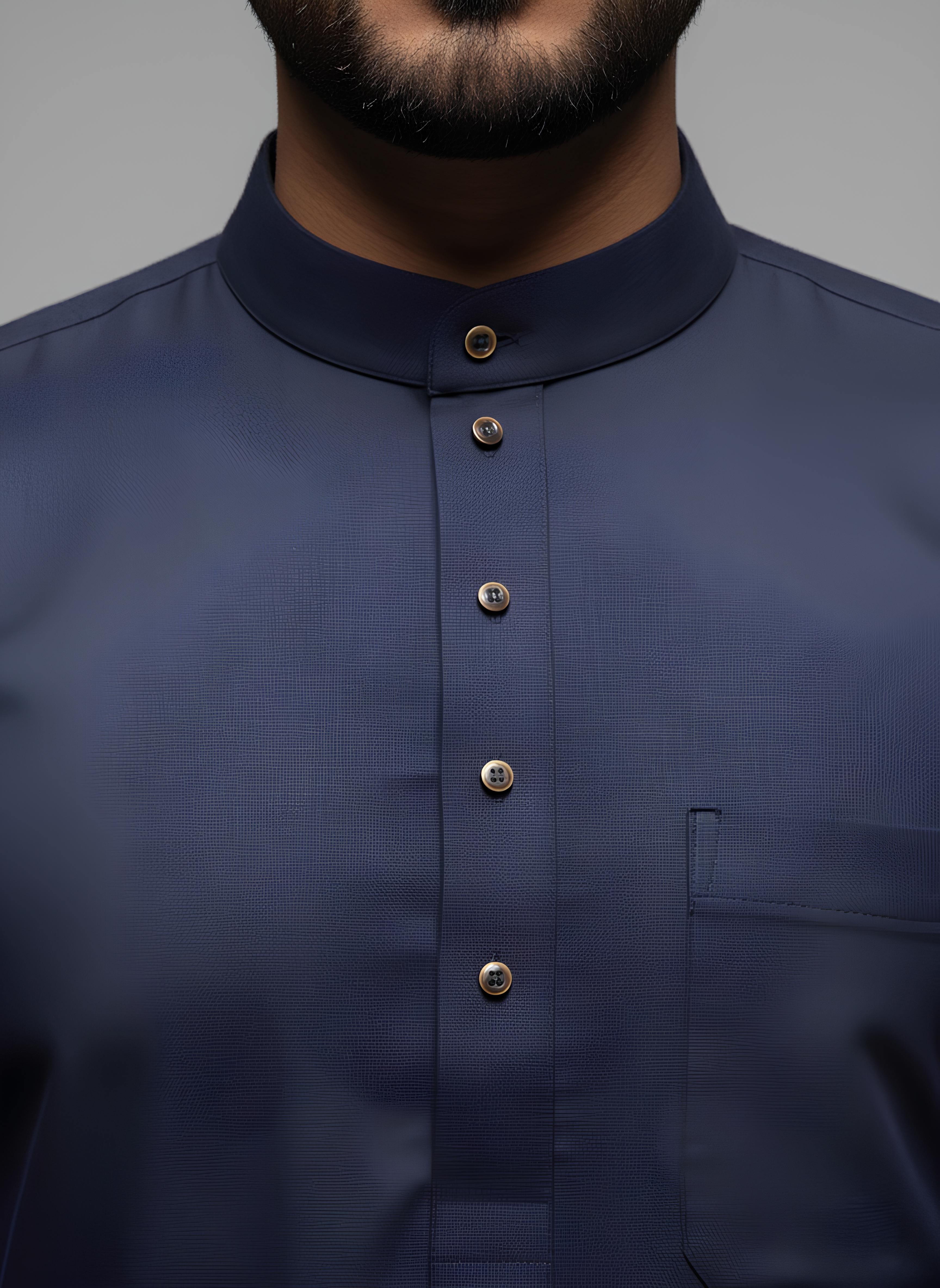
Some modern kurtas come with decorative buttons or small pins that embellish the collar and chest area.
Variations of the Kurta
Short kurta:
More casual, often worn with jeans or khakis.
Long kurta:
Presents an elegant appearance, suitable for weddings or formal events.
Patterned kurta:
Incorporates local motifs such as batik, songket, or modern embroidery, adding a unique Malaysian cultural identity to kurta fashion.
The choice of fabric is a crucial element in the making of a kurta, as it determines not only the wearer’s comfort but also the garment’s style, durability, and aesthetic appeal. Fabrics are usually selected according to the kurta’s intended purpose—whether for daily wear, casual outings, religious functions, or formal ceremonies.
Cotton
Cotton remains the most popular fabric for everyday kurtas. Lightweight, breathable, and highly comfortable, it is perfectly suited to Malaysia’s hot and humid tropical climate.
Silk
Silk is associated with exclusivity and luxury, making it the fabric of choice for weddings, festive occasions, and formal events. Its natural sheen exudes elegance, and it is often enhanced with fine embroidery in gold or silver threads to create a regal appearance.
Linen
Linen offers both comfort and sophistication. Its slightly textured surface gives kurtas a relaxed yet refined look, making it ideal for casual as well as semi-formal gatherings.
Brocade
Brocade is a richly woven fabric characterized by raised, ornate patterns. Kurtas made from brocade are typically reserved for weddings or significant ceremonies, where their grandeur highlights prestige and cultural elegance.
Polyester and Modern Blends
Polyester and blended fabrics have become increasingly common in modern kurta production. Known for their durability, wrinkle resistance, and easy maintenance, these materials cater to the practical needs of contemporary lifestyles.
Local Patterned Fabrics
In Malaysia, modern kurtas are often enriched with traditional textiles such as batik, songket, and handwoven cloth. Incorporating these fabrics not only elevates the aesthetic value of the garment but also reinforces its role as a marker of cultural identity within the Malaysian fashion landscape.
The kurta is a remarkably versatile garment that can be styled in multiple ways, making it suitable for occasions ranging from casual daily wear to formal events. How it is worn depends largely on the type of kurta, the choice of trousers, and the accessories that complete the overall ensemble.
Traditional Style
In its traditional form, the kurta is typically paired with loose trousers such as pajama, salwar, or churidar. This classic combination offers an authentic, formal, and comfortable look, making it the preferred choice for religious observances, festive celebrations, and ceremonial occasions. Wearing the kurta in this way preserves cultural authenticity while highlighting modesty and respect for tradition.
Modern Style
In contemporary Malaysia, the kurta has been reinterpreted into more fashionable forms. It is often styled with jeans, slacks, or chinos to achieve a casual yet refined look. Short kurtas or those with minimalist patterns are well-suited for informal gatherings, while longer kurtas made of luxurious fabrics such as silk, linen, or brocade are ideal for weddings, formal functions, and festive occasions. This adaptability makes the kurta a multipurpose garment that effortlessly bridges tradition and modernity.
Accessories
Accessories further enhance the appeal of the kurta. During Hari Raya or other religious events, it is commonly paired with a songkok or kopiah, while turbans add a more spiritual dimension in specific cultural contexts. For footwear, traditional jooti or mojari create a timeless classic look, whereas loafers, sandals, or even sneakers lend a modern twist. Additional accents, such as wristwatches, decorative buttons, or light shawls, offer a personal touch, making the kurta not only stylish but also an expressive reflection of individuality.
-
Reference Source
Bahan Bacaan
Mohamad, M., & Abdullah, R. (2020). Perbezaan budaya pakaian [Conference paper]. ResearchGate. https://www.researchgate.net/publication/341685405_Perbezaan_Budaya_Pakaian
Richart by Suhani. (n.d.). The evolution of kurta pajama: A journey through tradition and modernity. Richart by Suhani. Retrieved September 14, 2025, from https://richartbysuhani.com/blogs/news/the-evolution-of-kurta-pajama-a-journey-through-tradition-and-modernity
Scribd. (n.d.). Pakaian tradisional kaum di Malaysia. Scribd. Retrieved September 14, 2025, from https://www.scribd.com/document/413264738/Pakaian-Tradisional-Kaum-Di-Malaysia
Shree Kama. (n.d.). The history and evolution of the kurta: A timeless garment. Shree Kama. Retrieved September 14, 2025, from https://www.shreekama.com/en-intl/blogs/fashion-tips/the-history-and-evolution-of-the-kurta-a-timeless-garment
Location
State JKKN Contact Information
Cultural Officer
Jabatan Kebudayaan dan Kesenian Negara
Use the form below to contact the Informant/Figure/Editor/Researcher directly. We will respond to your inquiry as soon as possible!


