

ARTS AND CULTURE INFORMATION GATEWAY
Immerse yourself in the colorful world of art and culture! From traditional heritage to contemporary works, discover uniqueness that reflects the nation's identity and identity
 Fakulti Muzik dan Seni Persembahan, Universiti Pendidikan Sultan Idris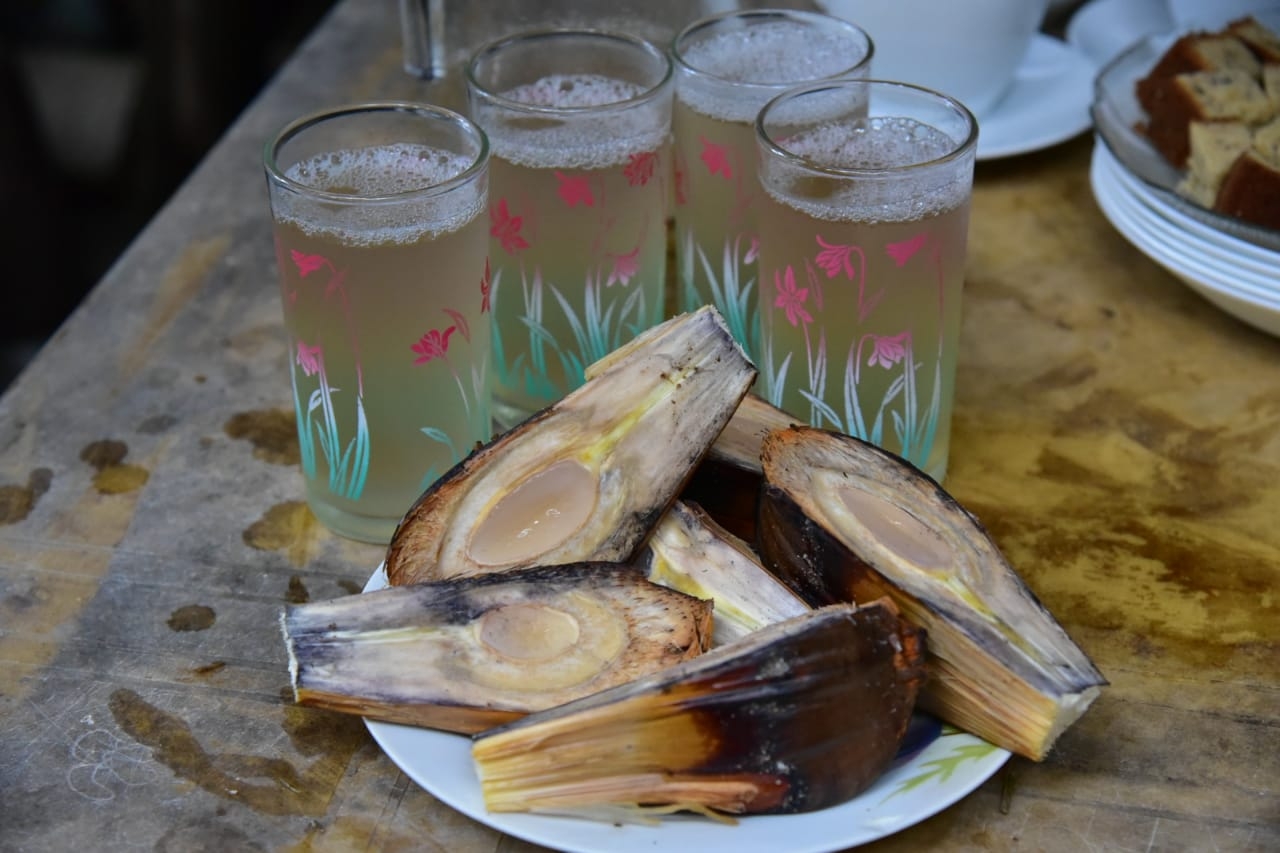
Picture
7
Video
No record
Today's Visitor
402
Number of Visitors
2214
Introduction and history
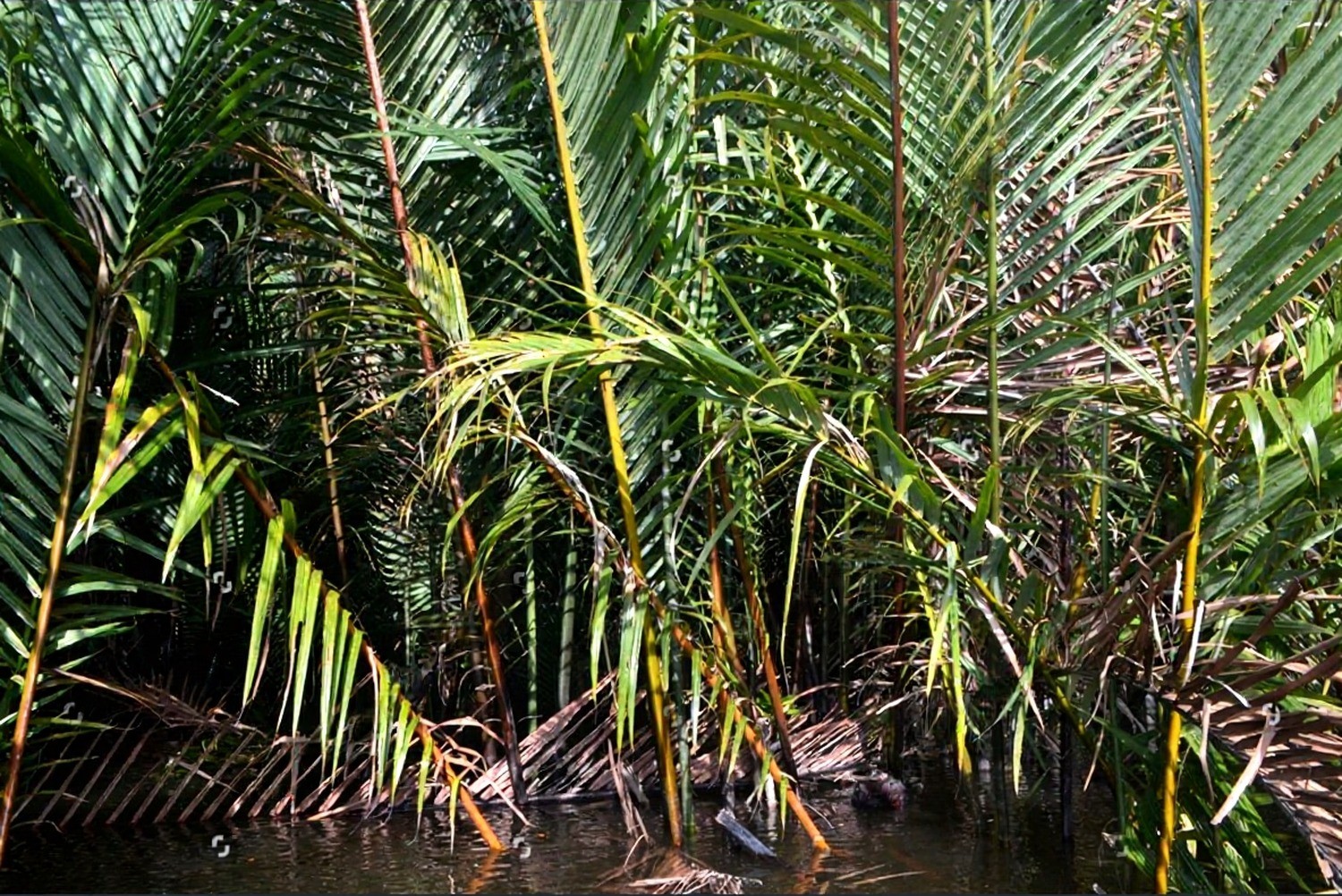
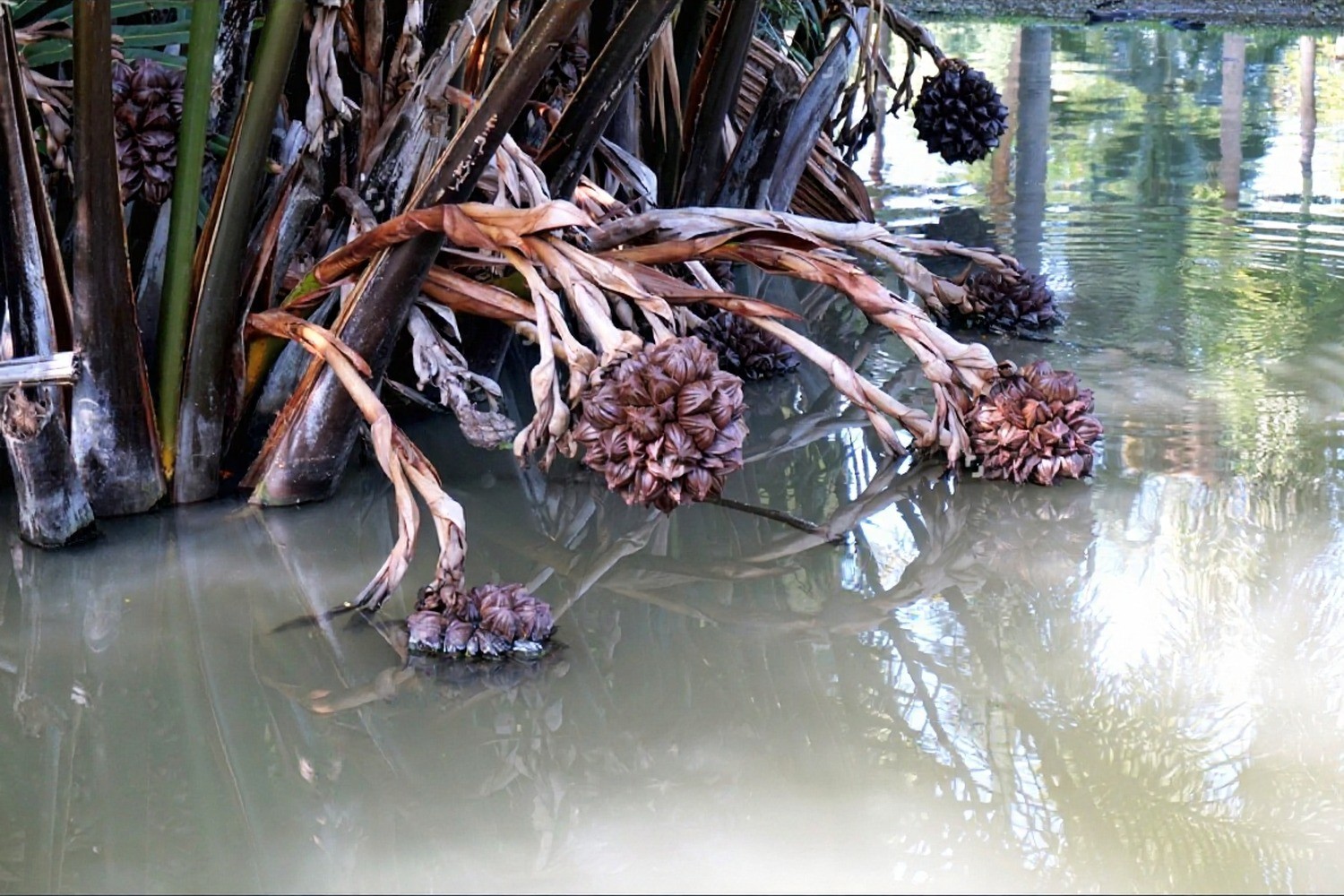
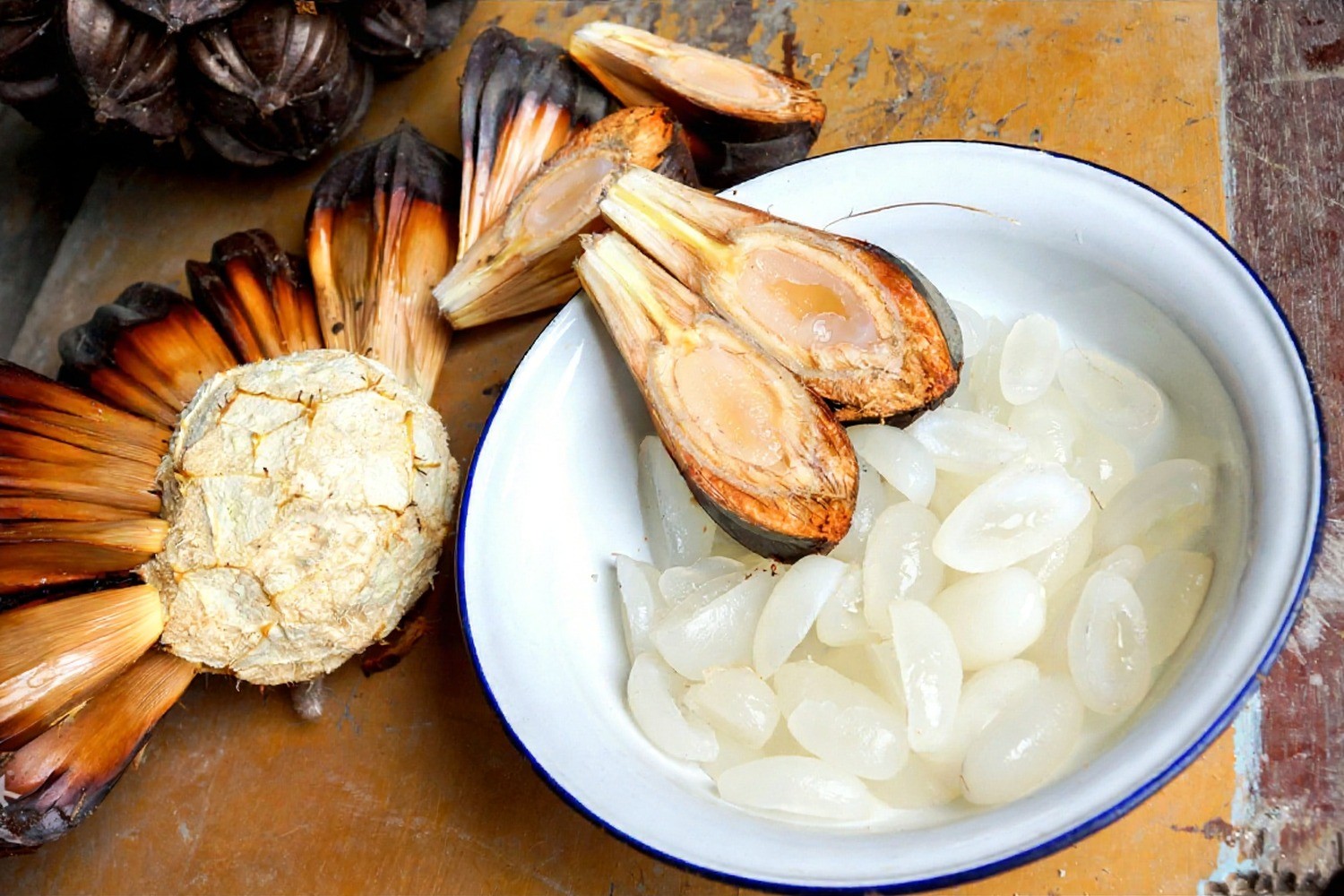
Air Nira Nipah is a traditional beverage produced from the inflorescence (mayang) of the nipa palm (Nypa fruticans). These palm species thrive abundantly in mangrove swamps, coastal areas, and river estuaries. In Kedah, this plant is commonly found in muddy coastal regions, particularly in Yan, Kuala Kedah, Kubang Pasu, and several other northern areas of the state.
In addition to growing naturally, there are also small plantations cultivated by local communities for a more systematic production of nira. The existence of these managed plantations allows Air Nira Nipah to be collected in larger quantities, thereby meeting market demands and strengthening its commercial potential as a traditional beverage in Kedah.
The tradition of tapping nira from the nipa palm has been practiced for generations by local communities, mainly as a refreshing drink after working in the paddy fields, forests, or at sea. The process requires skill and precision, where the palm’s inflorescence must be massaged or tapped gently for several weeks before being cut to release high-quality nira. The liquid obtained is rich in sucrose and protein, and it is well known for its health benefits such as aiding digestion, relieving constipation, cooling the body, and restoring energy.
The uniqueness of Air Nira Nipah lies not only in its nutritional value and natural freshness but also in its role as part of the cultural identity of the coastal communities in Kedah. To this day, it remains a popular choice, whether sold at markets and roadside stalls or served during village gatherings as a symbol of Kedah’s traditional beverage heritage.
Traditionally, it is consumed as a thirst-quencher after daily activities such as working in the paddy fields, at sea, or in the forests. Its refreshing taste makes this beverage suitable for restoring lost energy and cooling down the body, especially in hot weather. In Kedah and the northern regions of Peninsular Malaysia, which are known for their hot and scorching climate throughout the year, Air Nira Nipah has become a highly favored drink and is often the first choice of the local community to relieve thirst.
Apart from being a traditional refreshment, Air Nira Nipah is also recognized for its health benefits. Its natural content, rich in sucrose and protein, provides additional energy to the body. It is also believed to help relieve constipation, improve digestion, and support kidney function. With its cooling properties, this drink is considered a natural remedy to regulate body temperature and restore freshness after fatigue.
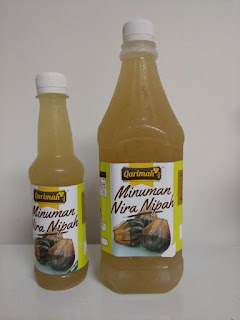
From an economic perspective, Air Nira Nipah has also developed into a commercial product. It is commonly sold in markets and roadside stalls, and becomes a top choice during the month of Ramadan due to the high demand as a popular beverage for breaking fast. In addition to being sold fresh, Air Nira Nipah has now been commercialized in the modern market in the form of ready-to-drink bottled products or processed variants with longer shelf life. This innovation allows Air Nira Nipah to be marketed more widely, not only within the state of Kedah but also across the country. Such developments have transformed Air Nira Nipah into not only a part of the cultural heritage of coastal communities but also a significant source of income for local residents and small entrepreneurs.
-
Air Nira Nipah is produced naturally, without the use of chemical additives or additional ingredients. Its basic components are:
The inflorescence (male flower stalk) of the nipa palm which is tapped to release the sap.
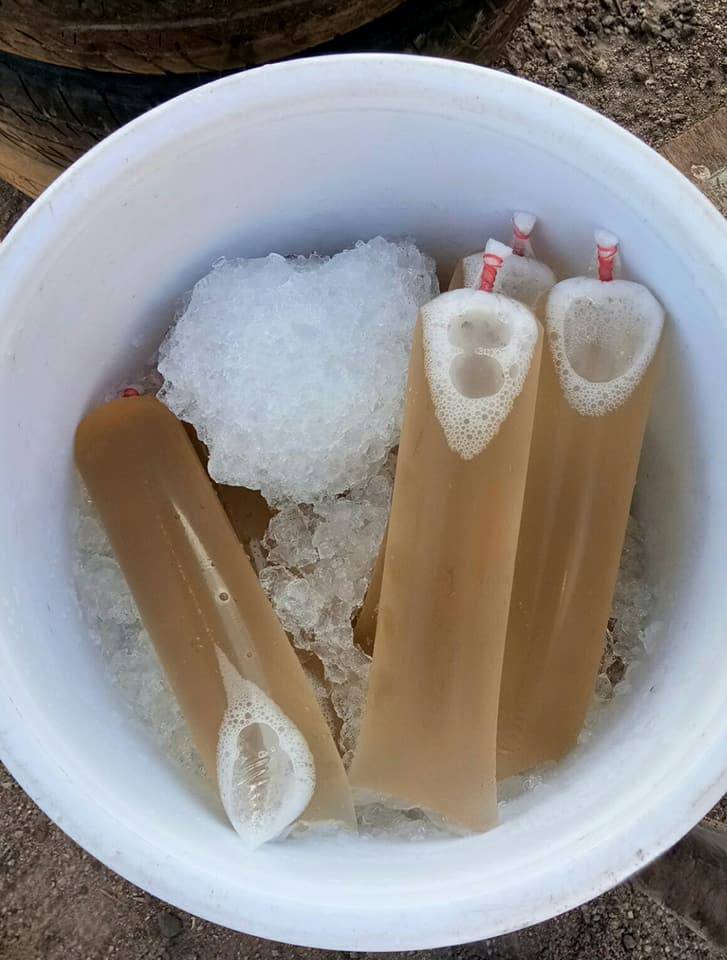
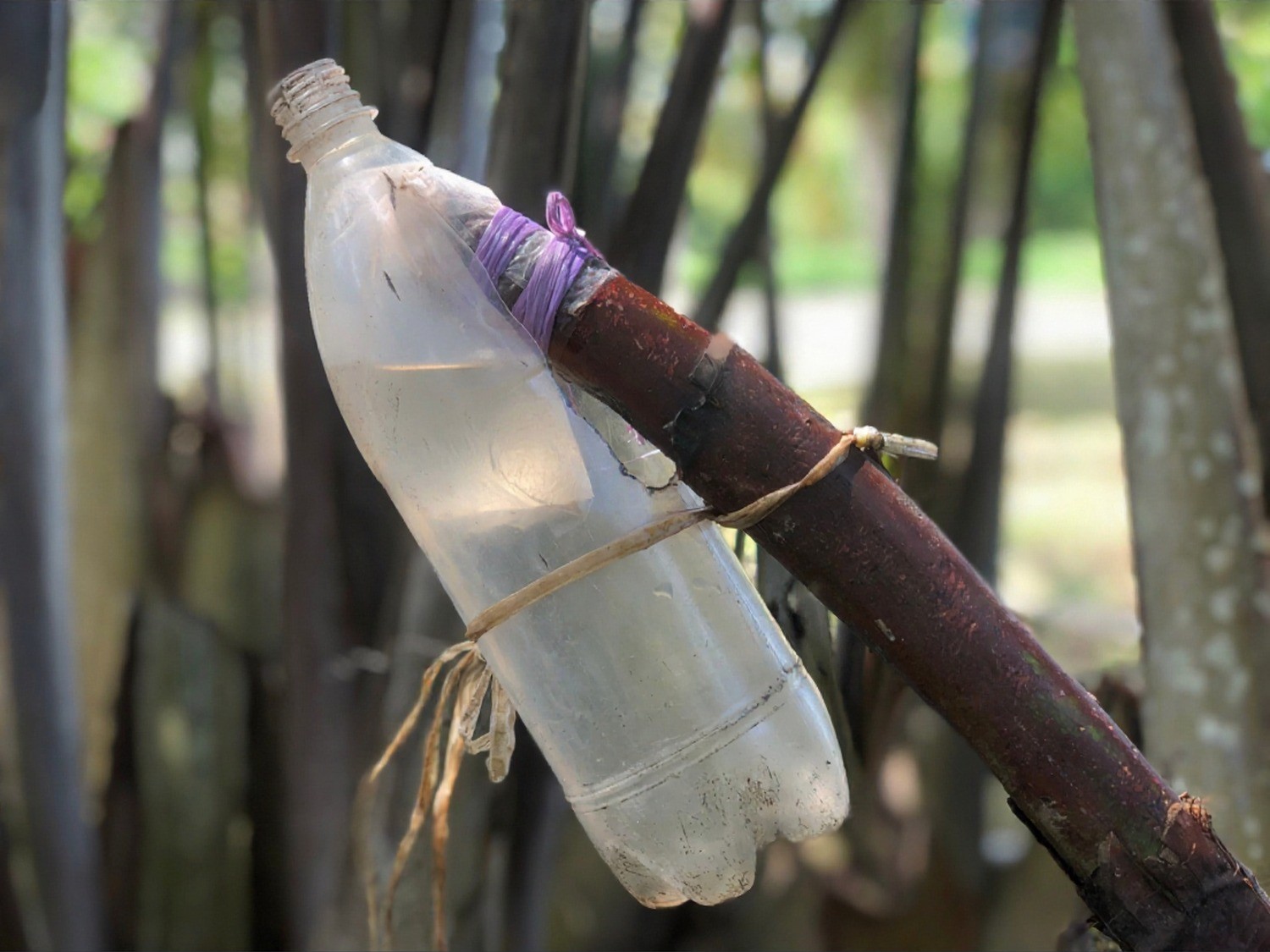
A collection container (such as bamboo, bottles, or clean plastic vessels) to gather the dripping sap.
Occasionally, a small amount of edible lime is added to the container to prevent the nira from turning sour too quickly due to natural fermentation.
The preparation of Air Nira Nipah requires specific traditional skills:
Step 1: Tapping the Inflorescence
A small cut is made on the stalk of the male nipa palm flower using a sharp knife.
This process must be carried out carefully to ensure that the sap flows smoothly and continuously.
Step 2: Collecting the Sap
A container, such as a bamboo or a bottle, is attached to the cut stalk to collect the dripping sap.
This process is usually done in the morning or evening, as the flow of sap is more stable during these times.
Step 3: Filtering
The collected sap is first filtered to remove any dirt or small insects that may have entered the container.
This ensures that the nira remains clean and safe for consumption.
Step 4: Serving
Fresh Air Nira Nipah can be consumed immediately after filtering.
To preserve its natural sweetness and freshness, it is best consumed within a few hours of tapping, as it easily changes in taste if left exposed for too long.
Step 5: Other Variations
In addition to being consumed fresh, Air Nira Nipah can also be processed into other products, such as nipa vinegar, which has both medicinal and commercial value.
This process is carried out with specific methods to ensure its quality and health benefits are preserved.
-
Reference Source
Bahan Bacaan
Hello Doktor. (n.d.). Khasiat nira nipah. Hello Doktor. Retrieved August 23, 2025, from https://hellodoktor.com/pemakanan/fakta-nutrisi/khasiat-nira-nipah/
Ibrahim, M., Kamal, N. I. H., & Omar, M. H. (2020). Nira water bottle design in a bid to elevate Malaysian coconut industry.
Lempang, M. (2013). Produksi Nypa fruticans dari nira nipah. Jurnal Penelitian Hasil Hutan, 31(2), 110–119. https://doi.org/xxxx
Malaysia Aktif. (2023, March 26). Tidak menang tangan terima tempahan air nira apabila tiba bulan Ramadan. Malaysia Aktif. Retrieved August 23, 2025, from https://malaysiaaktif.my/2023/03/tidak-menang-tangan-terima-tempahan-air-nira-apabila-tiba-bulan-ramadan/
Hamid, N. A., & Hassan, F. (2018). Potensi Lembah Bujang sebagai destinasi pelancongan kulinari berasaskan sumber alamiah: Satu kajian awal [Potential of Bujang Valley as a culinary tourism destination based on natural resources: An initial study]. Geografia, 14(4), 77–91.
Rose, R. A. C., Terbizi, N., Zainol, R. M., Lyndon, N., & Jaafar, M. (2015). Potensi Kuala Sanglang, Perlis sebagai destinasi agropelancongan: Satu kajian tanggapan pelancong [Potentials of Kuala Sanglang, Perlis as an agrotourism destination: A tourist perception study]. Geografia, 11(8), 47–62.
Tuak Qarimah. (2017, April 2). Air nira nipah asli. Blogspot. Retrieved August 23, 2025, from https://airtuakqarimah.blogspot.com/2017/04/air-nira-nipah-asli.html
Location
State JKKN Contact Information
Encik Mohammad Salleh bin Mahmud
Cultural Officer
Jabatan Kebudayaan dan Kesenian Negara, Kedah
Kompleks JKKN Kedah
Lot PTD 400, Pumpong
05250 Alor Setar
KEDAH DARUL AMAN
011-10899646
Use the form below to contact the Informant/Figure/Editor/Researcher directly. We will respond to your inquiry as soon as possible!


