

ARTS AND CULTURE INFORMATION GATEWAY
Immerse yourself in the colorful world of art and culture! From traditional heritage to contemporary works, discover uniqueness that reflects the nation's identity and identity
 Fakulti Muzik dan Seni Persembahan, Universiti Pendidikan Sultan Idris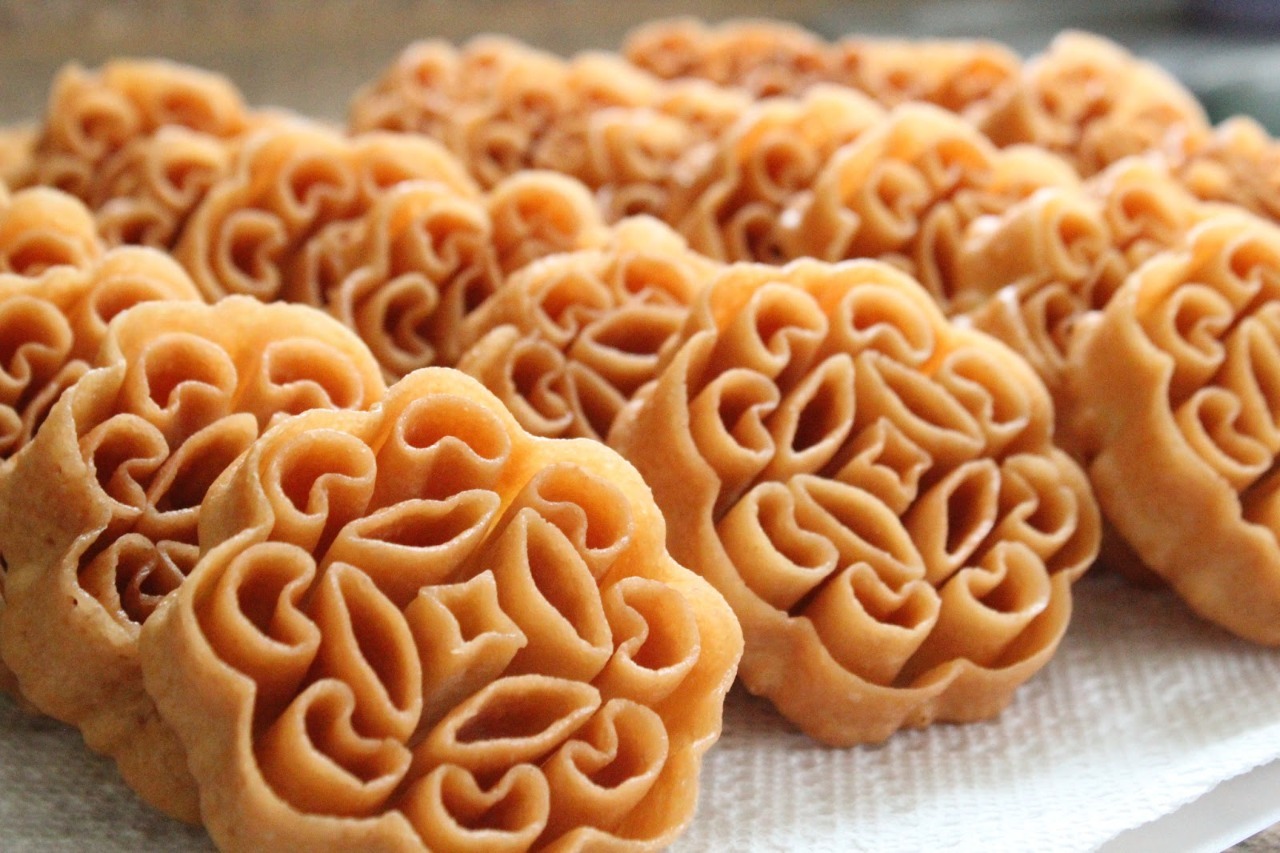

Picture
4
Video
No record
Today's Visitor
2
Number of Visitors
2261
Introduction and history
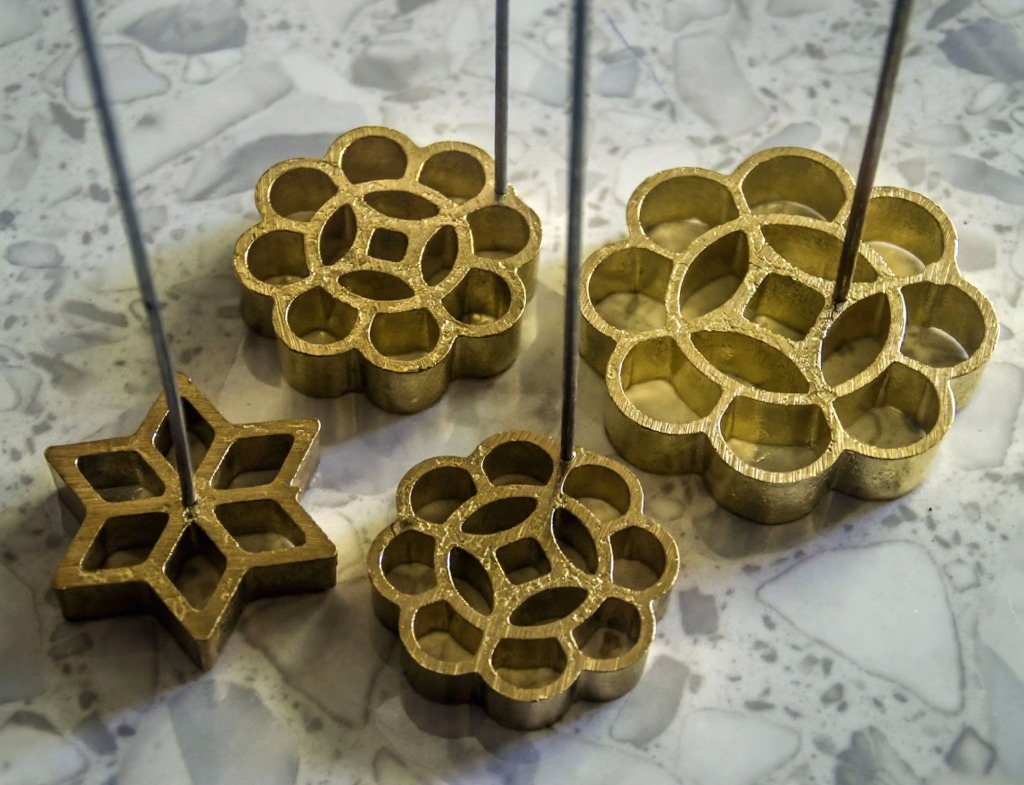
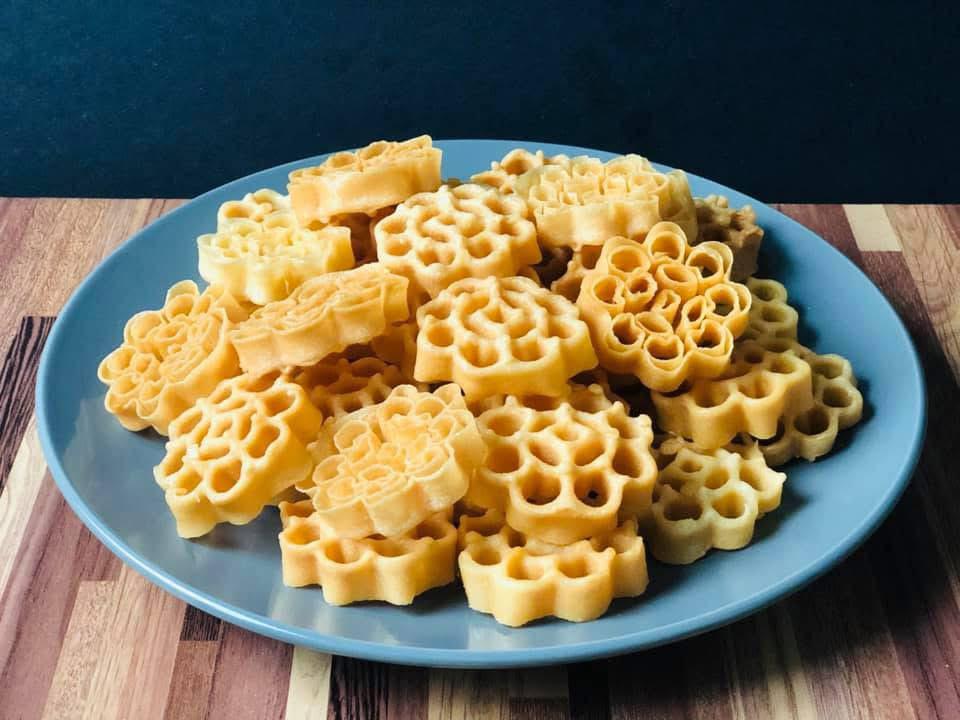
Kuih Loyang is one of the most well-known traditional cookies in Malaysia, especially during festive seasons such as Hari Raya Aidilfitri, Deepavali, and the Lunar New Year. It is also known by many other names, including Kuih Goyang, Kuih Ros, Kuih Bunga Durian, Kuih Cap, Kuih Sarang Lebah, Kuih Siram, and Kuih Acuan. Its uniqueness lies in its flower-like shape, crispy texture, and the distinctive preparation method that uses a brass or copper mould. The original colour of Kuih Loyang is golden, but in modern times, innovations have introduced versions in various colours to appeal to younger generations.
Historically, Kuih Loyang is believed to have originated from South India, particularly Tamil Nadu and Kerala, where it is known as Achu Murukku or Achappam. The name achappam comes from the Malayalam language: “ach” means mould, while “appam” means bread or cake. In Tamil Nadu, it is called Achu Murukku, in Andhra Pradesh, it is known as Gulabi Puvvulu (meaning rose flower in Telugu), and in Odisha, it is called Mahunada Khaja. The cookie is said to have been introduced to India by Dutch and Portuguese traders, and later became part of the culinary heritage of Anglo-Indian communities, Goan Christians, as well as the Malabar Jewish and Nasrani Thomas communities, who added their variations, such as cardamom or black sesame seeds, to the batter.
The colonial influence of this cookie also spread to other countries. In Sri Lanka, it is known as Kokis, derived from the Dutch word koekjes (cookies). In Portugal, it is called Rose de Coque, in Scandinavia Rosettes, in Mexico Buñuelos de Viento, in Spain Flores Manchegas, in Indonesia Kembang Goyang, in Laos and Thailand Kanom Dok Bua/Dok Jok (meaning lotus flower), in Iran Nan Panjereh, and in Bangladesh Fuljhuri Pitha. This diversity of names reflects the cultural exchanges that took place through trade, colonialism, and international culinary adaptation.
In Malaysia, the name “Kuih Goyang” refers to the preparation technique, in which the mould is dipped into the thin batter and then placed into hot oil, where it is shaken until the cookie detaches. Meanwhile, the term “Ros” refers to its rose-like shape, and “Loyang” not only refers to the brass or metal material used for the mould but, according to the Kamus Dewan published by Dewan Bahasa dan Pustaka, also means a cake mould in Malay.
Interestingly, Kuih Loyang is especially popular in the state of Kedah and is considered one of the traditional cookies closely tied to Malay culinary heritage there. It is often served as a must-have treat during feasts, communal gatherings, and particularly during Hari Raya Aidilfitri. In Kedah, the skill of making Kuih Loyang has been passed down through generations, becoming part of the state’s culinary identity. Many small-scale producers in Kedah also turn it into a source of supplementary income, especially during festive seasons when demand increases significantly.
Thus, the history of Kuih Loyang reflects the cultural interactions between East and West, with its journey stretching from South India to Malaysia and then across the globe. In Malaysia, especially in Kedah, the cookie remains a celebrated culinary heritage, not only as a festive delicacy but also as a symbol of creativity, continuity, and cultural diversity.
As a traditional delicacy, Kuih Loyang primarily serves as a light snack that is commonly enjoyed during festive seasons, communal gatherings, or simply as a daily treat. Its sweet, slightly creamy flavour, crispy texture, and beautiful flower-like shape make it a favorite across all age groups. It is also among the must-have treats during Hari Raya Aidilfitri as well as other festive occasions, including Deepavali and the Lunar New Year.
One of the unique qualities of Kuih Loyang is its long shelf life, provided it is stored in an airtight container. This makes it suitable for serving at various traditional events such as memorial feasts (majlis tahlil), communal banquets (kenduri), engagements, and even weddings. In fact, Kuih Loyang is often given as a token of appreciation to guests or prepared as part of a goodies pack for those attending such events.
In addition, Kuih Loyang carries significant commercial value. Demand for the cookie rises especially during festive seasons, creating opportunities for small-scale entrepreneurs, homemakers, and local vendors to generate income. Its distinctive shape and durability also make it highly marketable, not only for local consumption but also as a potential traditional food souvenir with wider appeal.
-
The ingredients used to make Kuih Loyang are simple and easy to obtain. A combination of flour, coconut milk, sugar, and eggs produces a thin yet slightly thick batter, suitable for shaping with a special mould. The ingredients required are as follows:
500 g rice flour
2 eggs
250 ml fresh coconut milk (can also be substituted with boxed coconut milk using the same measurement)
1 glass of granulated sugar
1 teaspoon slaked lime water (kapur makan)
400 ml water
1 teaspoon salt
The process of preparing Kuih Loyang requires precision and patience, as it involves using a special mould that must be heated in hot oil before being dipped into the batter. The technique of gently shaking the mould during frying is the key to producing cookies that are beautifully shaped, crispy, and do not stick. Although it may seem challenging at first, with practice and proper heat control, Kuih Loyang can be made perfectly. The preparation steps are as follows:
Step 1: Preparing the Batter
Combine rice flour, sugar, salt, and slaked lime water in a large mixing bowl.
Add coconut milk, eggs, and water gradually while stirring until well mixed.
Ensure the batter is smooth, without lumps, and has a thin yet slightly thick consistency.
Step 2: Preparing the Mould and Oil
Heat cooking oil in a wok over medium heat.
Submerge the mould in the hot oil for a few minutes until it is thoroughly heated.
Step 3: Shaping the Cookies
Remove the heated mould and dip it into the batter (do not fill it; leave some space at the top).
Place the mould with batter back into the hot oil.
Gently shake the mould until the batter detaches and expands into the signature floral shape.
Step 4: Frying
Fry the cookies until they turn golden brown and crispy.
Remove and drain excess oil using a strainer or kitchen paper towels.
Step 5: Storage
Allow the cookies to cool completely.
Store them in an airtight container to maintain crispiness and prolong shelf life.
-
Reference Source
Bahan Bacaan
Hanifah, M. F. B. M. (2018). The study of vibration motion of honey kuih loyang mold frame (Doctoral dissertation, Universiti Sains Malaysia).
Iskandar, T. (1984). Kamus Dewan (hlm. 350). Dewan Bahasa dan Pustaka.
Ismail, A. N. A. B. (2019). The vibration analysis of kuih loyang mold frame (Doctoral dissertation, Universiti Sains Malaysia).
Nyambar, N. (2019, Mei 18). Penganan Jala antara sajian kuih tradisi istimewa Hari Gawai. Astro Awani. Astro AWANI Network Sdn. Bhd. https://www.astroawani.com/berita-malaysia/penganan-jala-antara-sajian-kuih-tradisi-istimewa-hari-gawai-208246
Sedap, cantik, ringkas. (2015, Februari 22). [Artikel diarkibkan]. Dicapai pada 22 Februari 2015, daripada https://web.archive.org/web/20150222/http://example-link
Resipi kuih loyang: Kuih ros rangup memang terbaik. (n.d.). Rasa. Dicapai pada 7 Januari 2024, daripada https://www.rasa.my/resipi-kuih-loyang-kuih-ros-rangup-memang-terbaik/
Location
State JKKN Contact Information
Encik Mohammad Salleh bin Mahmud
Cultural Officer
Jabatan Kebudayaan dan Kesenian Negara, Kedah
Kompleks JKKN Kedah
Lot PTD 400, Pumpong
05250 Alor Setar
KEDAH DARUL AMAN
011-10899646
Use the form below to contact the Informant/Figure/Editor/Researcher directly. We will respond to your inquiry as soon as possible!


