

ARTS AND CULTURE INFORMATION GATEWAY
Immerse yourself in the colorful world of art and culture! From traditional heritage to contemporary works, discover uniqueness that reflects the nation's identity and identity
 Fakulti Muzik dan Seni Persembahan, Universiti Pendidikan Sultan Idris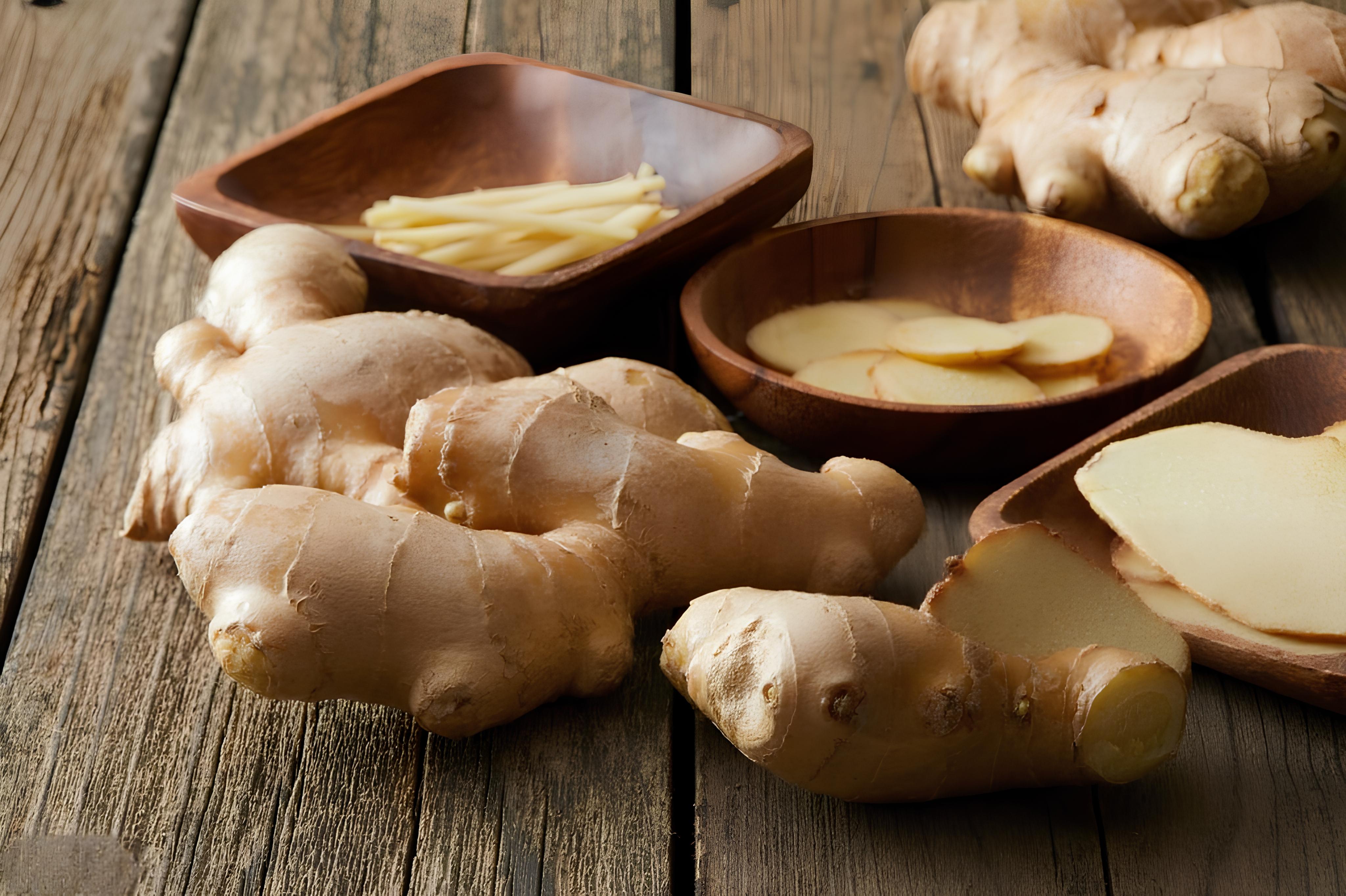


Picture
10
Video
No record
Today's Visitor
15
Number of Visitors
1057
Introduction and history
A boil is a type of skin condition that almost everyone may experience at some point in their lives. It appears as a small, pus-filled lump on the skin's surface, caused by a bacterial infection known as Staphylococcus aureus. This bacterium naturally inhabits the skin surface and the nasal cavity. When small cuts, cracks, or damage occur on the skin, the bacteria can easily enter the hair follicles or oil glands, triggering an infection. As a result, the affected skin becomes red, swollen, warm, filled with pus, and causes throbbing pain.
Apart from bacterial infection, other factors can also increase the risk of developing boils. These include a weakened immune system, chronic illnesses such as diabetes, and constant friction on the skin that irritates. For individuals with low immunity, boils can be more severe as they have the potential to lead to complications such as blood poisoning (sepsis) if left untreated. Therefore, modern medical treatment in hospitals is crucial in such cases. However, for healthy individuals without underlying diseases, boils are usually not contagious and are not life-threatening.
In the context of traditional Malay ethnomedicine, natural remedies have long been practised to relieve pain, speed up the maturation process of boils, and help them shrink or burst. These traditional methods have been passed down through generations because they are considered safer, more affordable, easily accessible, and utilise natural resources found around the home or garden. Common ingredients traditionally used in treating boils include ginger, slaked lime, neem oil, garlic, turmeric, black cumin oil, cajuput oil, mimosa leaves, betel leaves, and pure honey. All of these are plants or natural products that are easily found around homes, gardens, or local markets.
The use of these ingredients has been practised for generations due to historical and cultural factors in traditional societies. In the past, access to hospitals and modern medical care was very limited, especially in rural areas. As a result, communities relied more on natural resources as their primary treatment method. This practice not only emerged as a practical solution but also reflected the wisdom of earlier generations in adapting to their natural environment. Even today, although modern treatments are readily available, these traditional methods are still practised because they are believed to be effective.
In general, traditional treatments for boils function to reduce the pain and swelling that arise from bacterial infection. By using natural ingredients with antiseptic and anti-inflammatory properties, these remedies help soothe the affected skin area and provide relief to the patient. Furthermore, traditional treatments also play a role in accelerating the maturation process of the boil, allowing pus to be discharged more quickly and cleanly. This is important because pus that remains trapped, if not expelled, may cause the infection to worsen or spread to surrounding areas.
Additionally, traditional remedies help cleanse the wound site, making it less likely to be reinfected by other bacteria. The antibacterial properties found in herbs such as garlic, betel leaves, and turmeric act as natural cleansing agents. These ingredients are also believed to strengthen the skin’s natural defences, thereby speeding up the healing process without relying entirely on modern medicine. Through this holistic approach, the treatment targets not only the symptoms of the illness but also maintains balance between the body and its surrounding environment.
Beyond physical health, traditional boil treatments hold an important role in preserving the local wisdom of the Malay community. This practice demonstrates how plants and herbs are utilised comprehensively in daily life, not only as food but also as medicinal remedies. It reflects the close relationship between humans and nature, where earlier generations adapted medical knowledge from lived experience and careful observation handed down through time. Thus, traditional treatments for boils contribute not only to physical well-being but also to the strengthening of cultural identity, the preservation of ethnic medical heritage, and the continuity of social values passed from generation to generation.
A variety of natural ingredients are used in the traditional treatment of boils. All of these fall under the category of Malay ethnomedicine, which continues to be practised today. The following provides a detailed explanation of each ingredient:
Ginger (Zingiber officinale)
Ginger is a warming spice commonly used to improve blood circulation. In the treatment of boils, ginger is believed to reduce inflammation and accelerate the maturation process. The compound gingerol in ginger possesses both anti-inflammatory and antibacterial properties, which help relieve pain and eliminate bacteria at the site of infection.
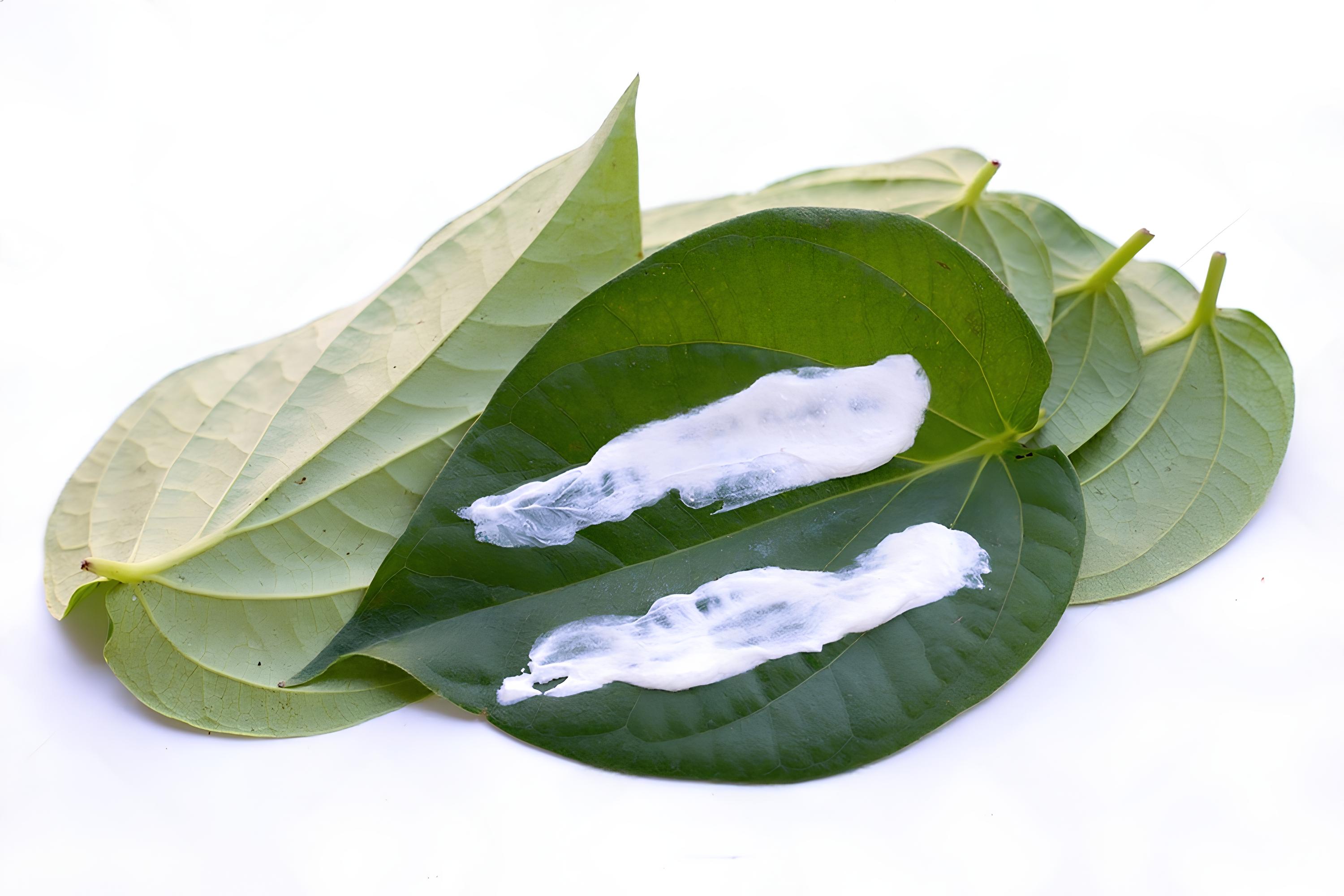
Slaked Lime
Slaked lime is a mineral substance traditionally mixed with areca nut and betel leaves in the practice of chewing betel. In the context of boil treatment, it is believed to dry out the boil quickly due to its hot and alkaline nature.
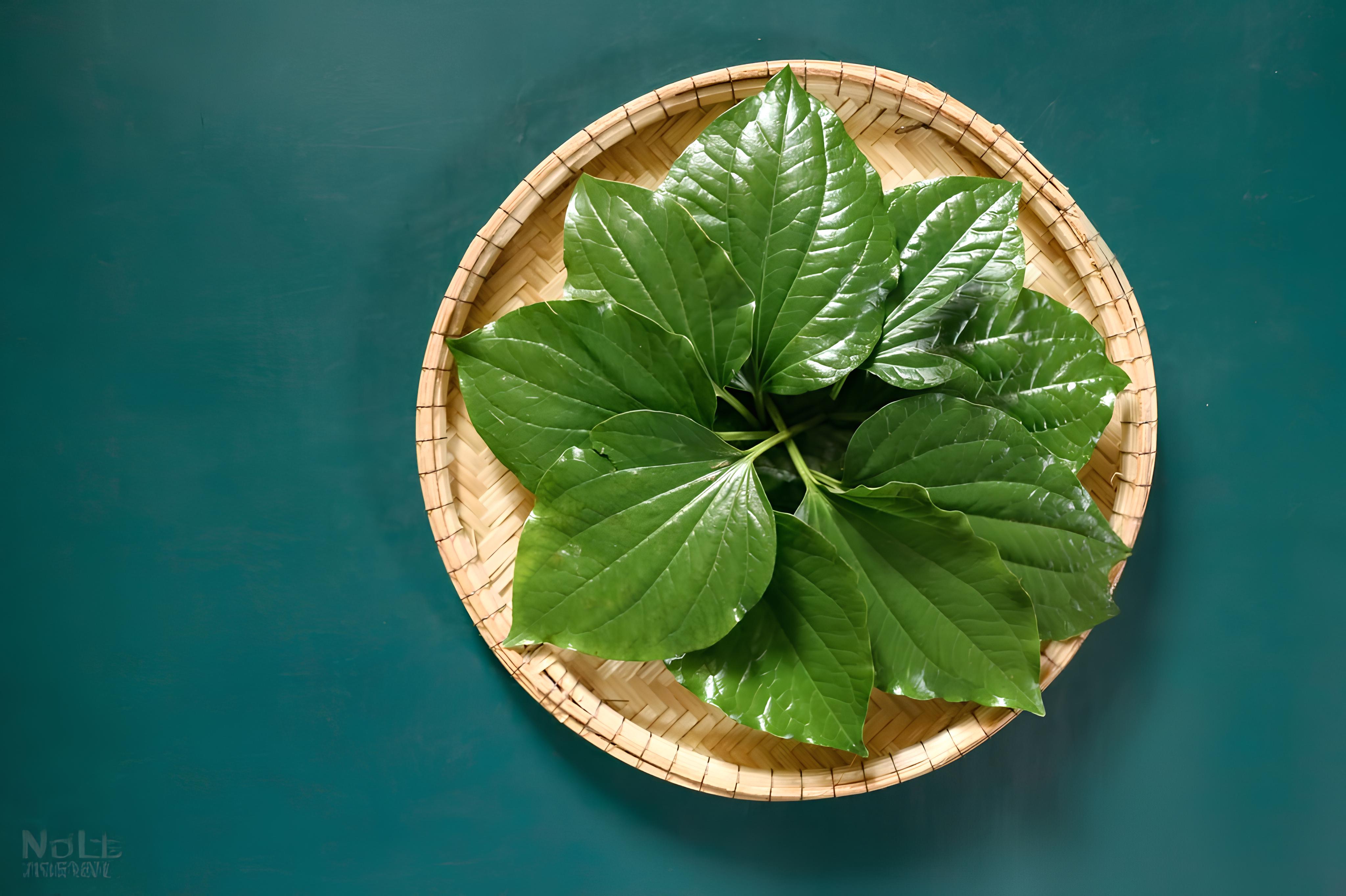
Betel Leaf (Piper betle)
Betel leaf is highly synonymous with traditional Malay medicine. Rich in phenolic compounds, it has antiseptic, antibacterial, and antioxidant properties. When crushed or pounded, the leaf can be applied directly to boils to inhibit bacterial growth and accelerate healing.
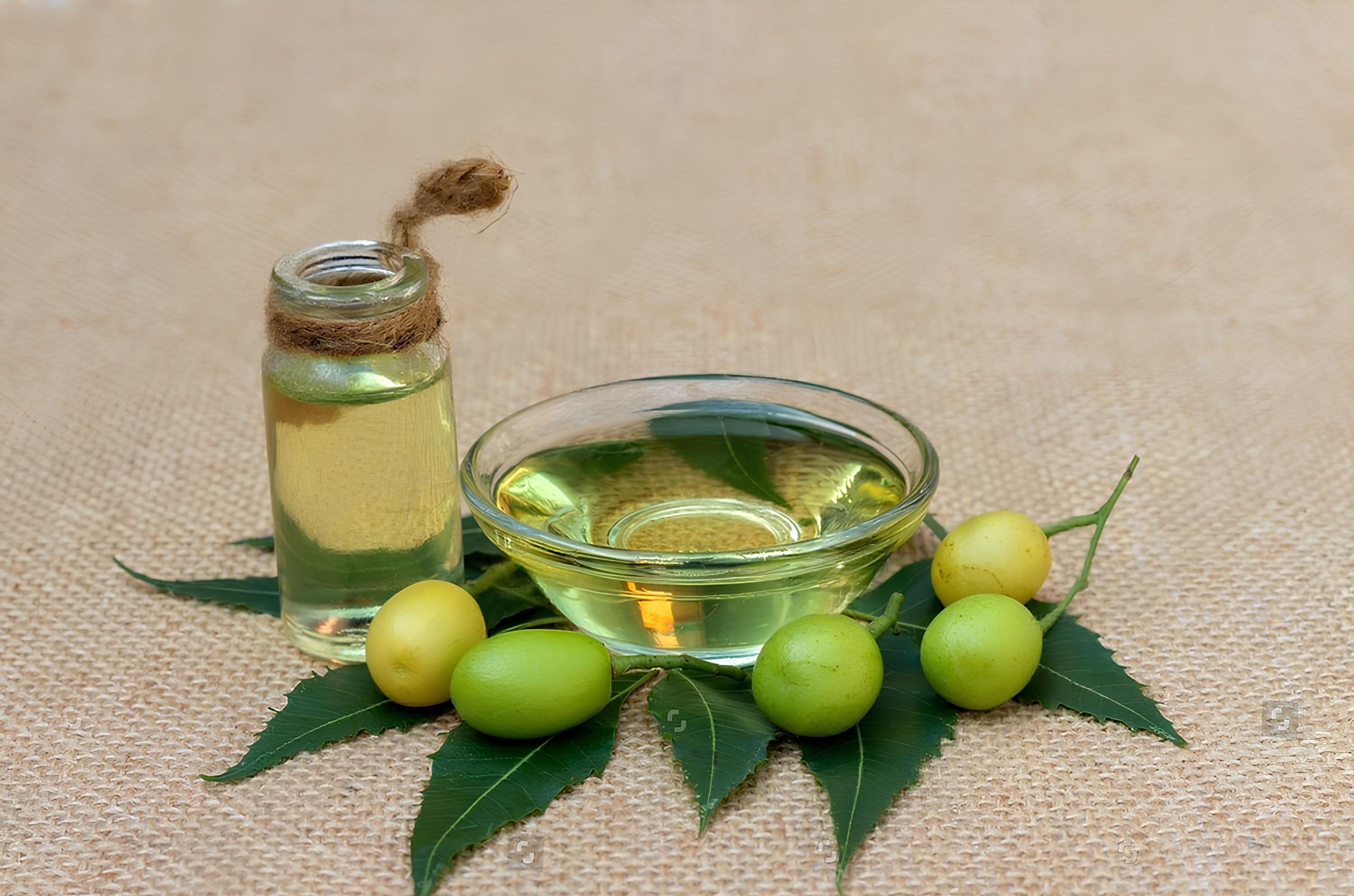
Neem Oil (Azadirachta indica)
Neem oil is extracted from the seeds or leaves of the neem tree. It is well known for its antiseptic, antibacterial, and anti-inflammatory properties. Commonly used in both Ayurvedic and traditional Malay medicine, neem oil, when applied to boils, helps reduce swelling, kill bacteria, and accelerate skin recovery.
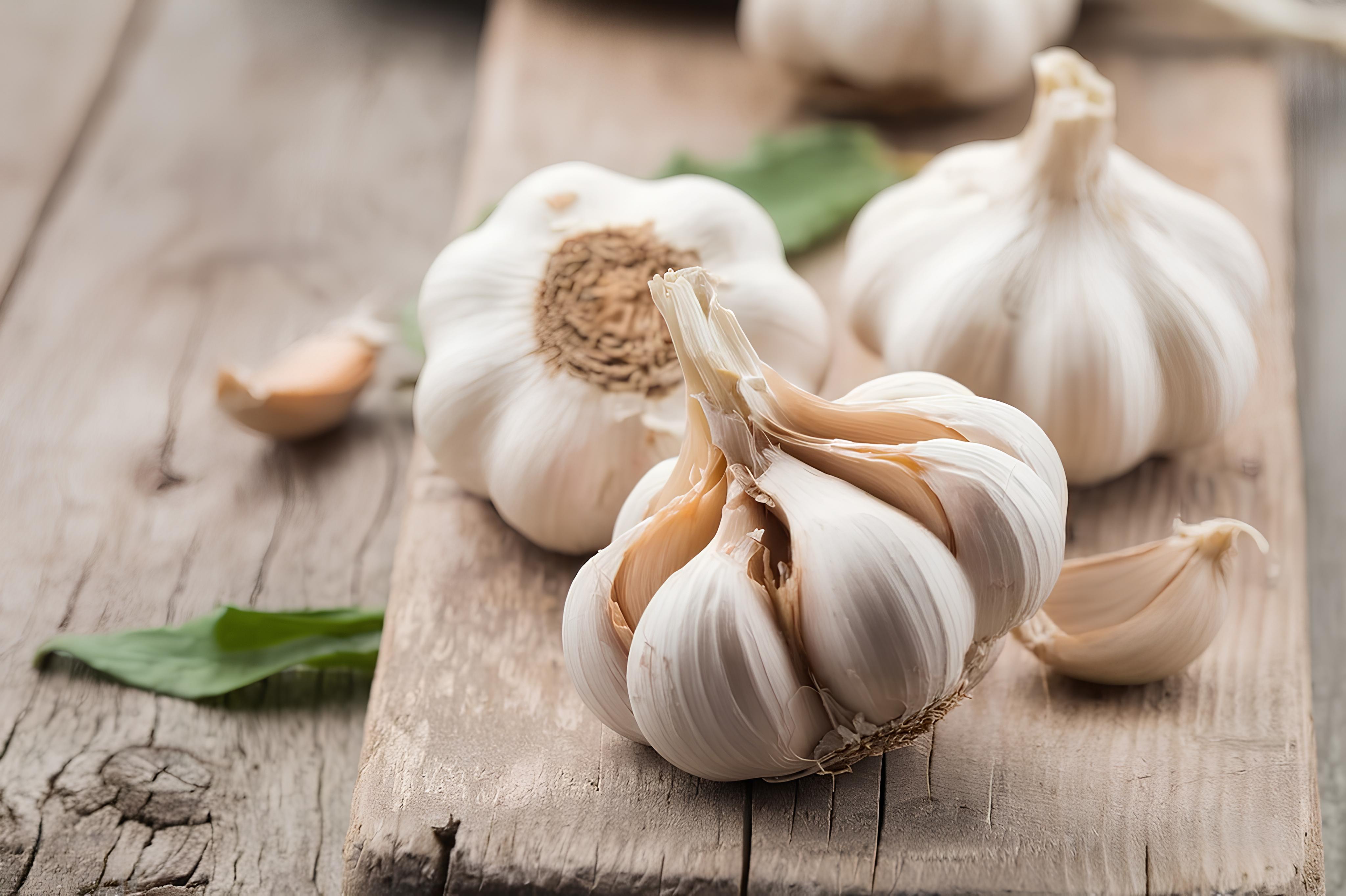
Garlic (Allium sativum)
Garlic is a highly effective natural antibiotic. The allicin compound in garlic functions as a potent antibacterial and antifungal agent, making it a widely used remedy for skin infections, including boils.
Turmeric (Curcuma longa)
Turmeric is a primary ingredient in Malay ethnomedicine. The curcumin it contains acts as an anti-inflammatory, antiseptic, and antibacterial agent. It is believed to reduce swelling and speed up the maturation of boils, making it easier for pus to be expelled.
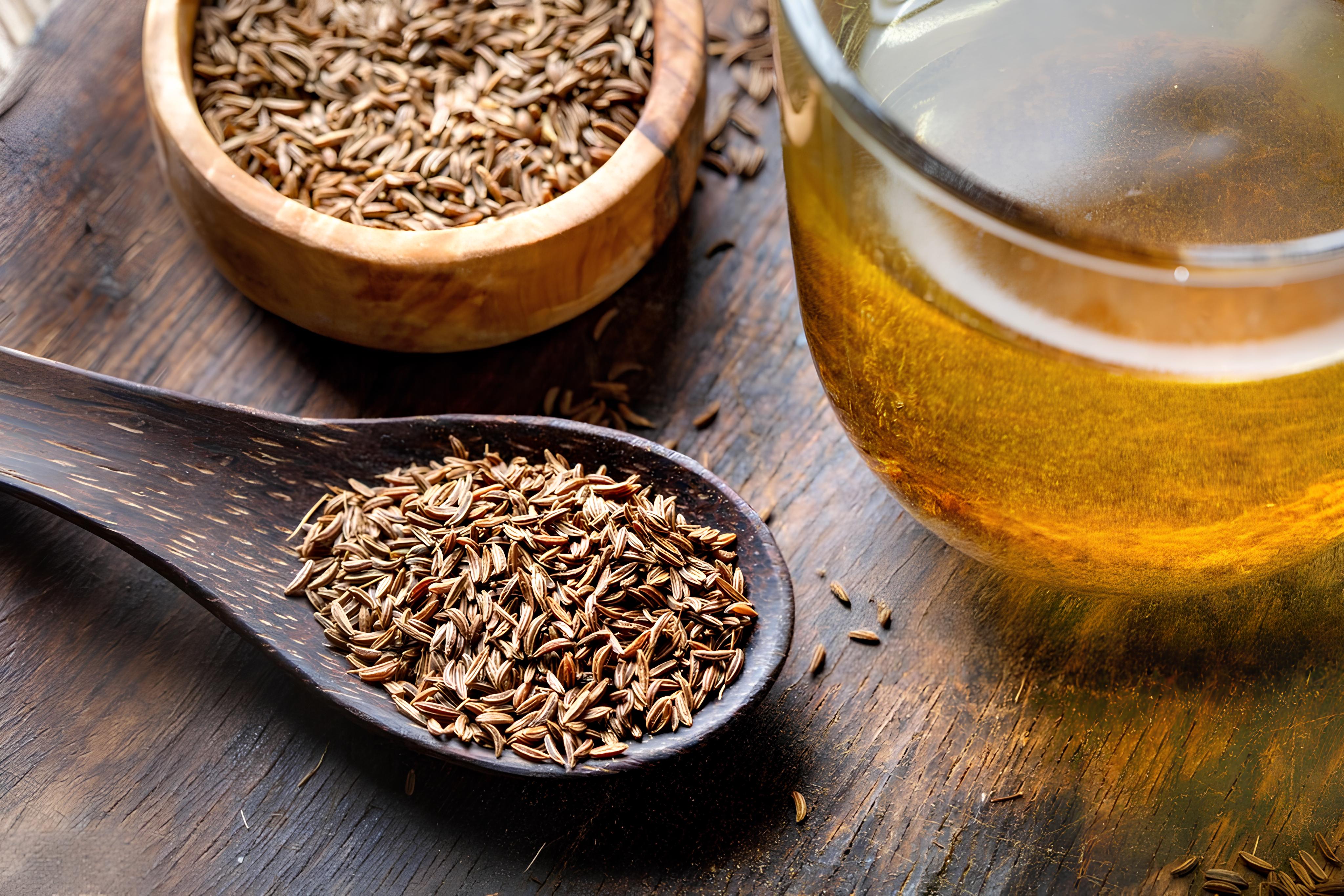
Black Cumin Oil (Nigella sativa)
Commonly known as habbatus sauda, black cumin oil is obtained from the seeds of Nigella sativa. It contains thymoquinone, a compound with anti-inflammatory and antibacterial properties, while also enhancing the immune system.
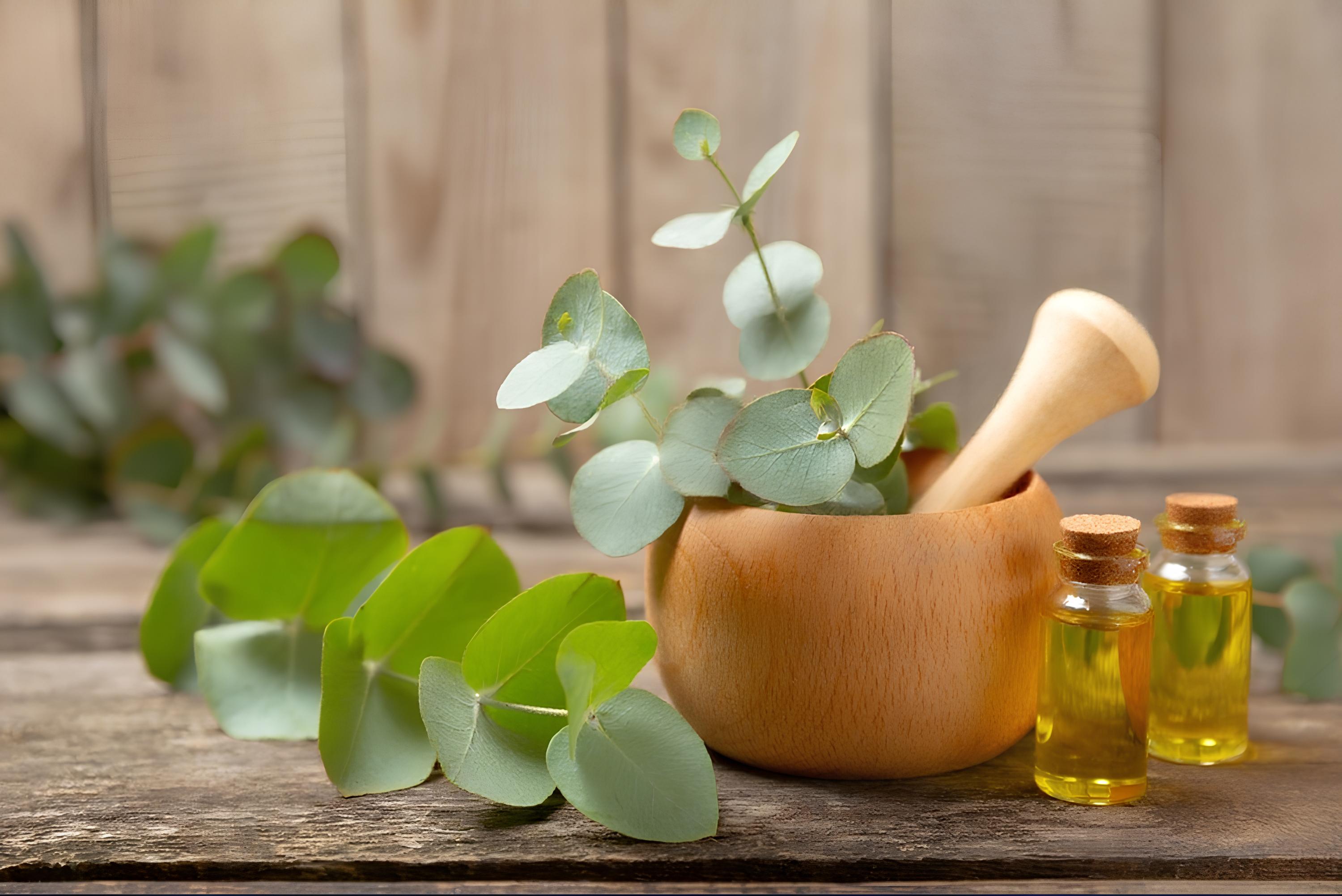
Cajuput Oil (Melaleuca cajuputi)
Cajuput oil is a traditional remedy well known for its warming effect on the body, its ability to relieve colds, and to reduce itchiness. It also has antiseptic and antibacterial properties. When applied to boils, cajuput oil helps reduce swelling and eliminates bacteria responsible for skin infections.
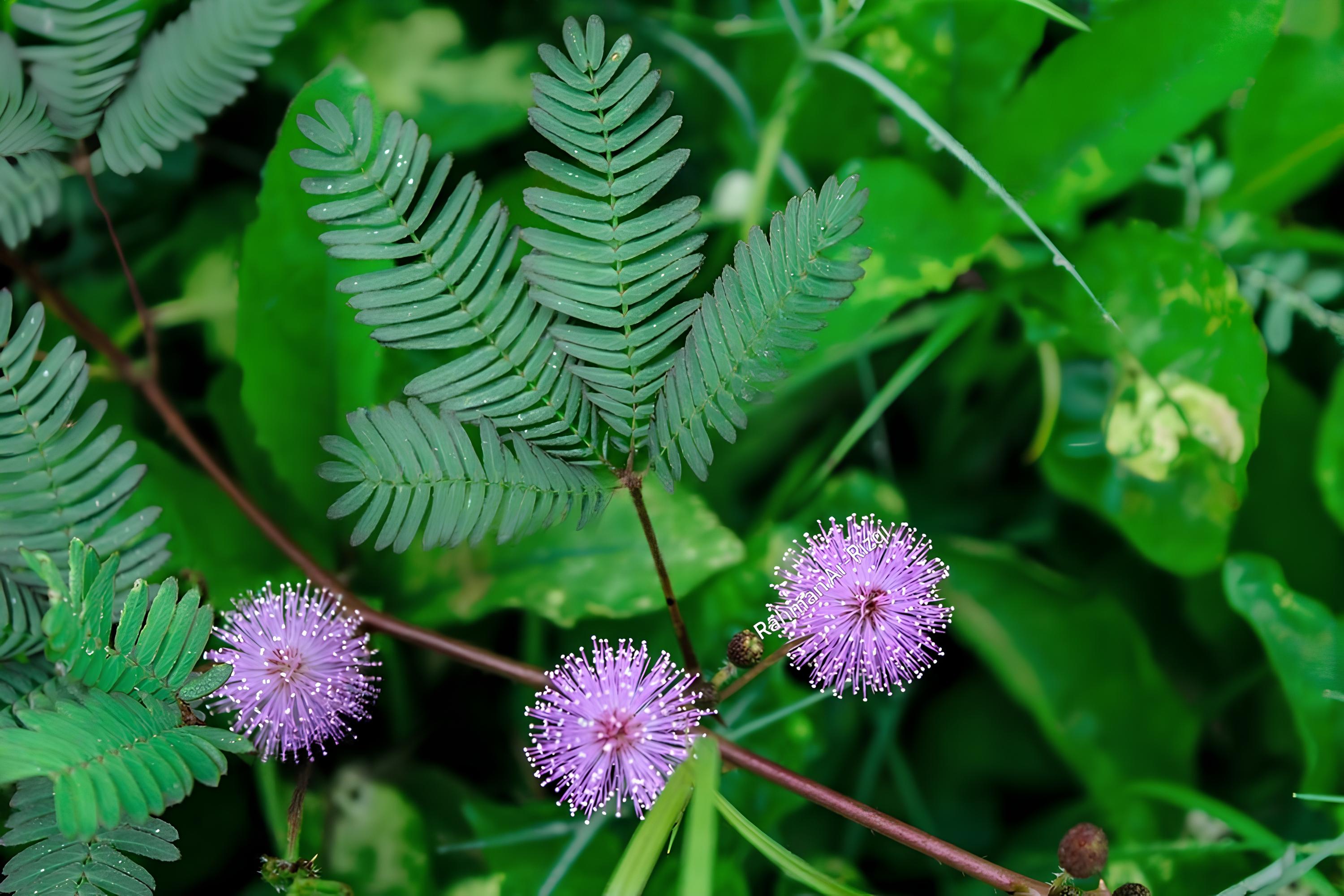
Mimosa Leaf (Mimosa pudica)
Mimosa, commonly known as the “touch-me-not plant,” possesses medicinal qualities that are not widely recognised in modern society. In traditional practice, the leaves are finely pounded and applied as a poultice on boils to reduce inflammation. It is believed to hasten the ripening of boils and alleviate pain.
Pure Honey
Pure honey is a natural substance renowned for its numerous health benefits. It possesses antibacterial and anti-inflammatory properties, making it effective in accelerating the healing process of wounds and skin infections.
Traditional treatments for boils require different preparation processes depending on the ingredients used. The following outlines the methods of preparation and application for each remedy:
Treatment with Ginger
Take 2–3 slices of fresh ginger.
Pound until fine or lightly heat over a flame until the juice is released.
Apply directly onto the surface of the boil.
It can also be mixed with a small amount of coconut oil to enhance effectiveness.
Treatment with Slaked Lime
Take a small amount of slaked lime and dilute it with water.
Mix until a thick paste forms.
Apply a thin layer of the paste directly to the boil. Avoid applying too thickly, as this may irritate the skin.
Leave until dry, then rinse with warm water.
Treatment with Betel Leaves
Take 2–3 fresh betel leaves.
Wash thoroughly and briefly wilt them over a low flame.
Crush or pound until the juice is released.
Place the leaf directly on the boil and wrap with a clean cloth.
Replace the dressing every 3–4 hours.
Treatment with Neem Oil
Take a few drops of pure neem oil.
Apply evenly on the boil using a clean cotton pad.
Repeat 2–3 times daily until swelling subsides.
Alternatively, neem leaves can be finely pounded and applied as a poultice on the boil.
Treatment with Garlic
Take 1–2 fresh garlic cloves.
Crush until the juice is released.
Place directly on the boil for 10–15 minutes. Avoid leaving it for too long, as garlic may irritate sensitive skin.
Rinse with clean water. Repeat twice daily.
Treatment with Turmeric Root
Take a piece of fresh turmeric root and wash it thoroughly.
Pound or grind until smooth.
Mix with a small amount of coconut oil or olive oil.
Apply the poultice to the boil and cover it with a clean cloth.
Repeat this process after each bath for optimal results.
Treatment with Black Cumin Oil
To prepare black cumin oil traditionally, take a handful of black cumin seeds, dry roast them (without oil) to release their aroma, then pound or grind them until they are crushed. Wrap in a clean cloth and press to extract the oil. Store the oil in a dark glass bottle to maintain quality.
For boil treatment: Take a few drops of the oil and apply it directly to the boil with a cotton pad.
Gently massage the area while applying.
It can also be mixed with pure honey before application.
Use twice daily until the boil subsides.
Treatment with Cajuput Oil
To prepare cajuput oil traditionally, collect fresh leaves and young twigs of the cajuput tree. Wilt them briefly under the sun to reduce excess moisture. Please place them in a large pot or traditional distiller and heat with steam until the oil vaporises. The vapour passes through pipes into a cooling chamber, where the oil separates from the water due to density differences. The cajuput oil floating on the surface is then collected and stored in bottles.
For boil treatment: Place 3–4 drops of cajuput oil on a clean cotton pad.
Apply directly onto the boil for several minutes.
Repeat 2–3 times daily.
This method helps reduce swelling and provides a warming effect at the site of the infection.
Treatment with Mimosa Leaves
Pick several fresh mimosa leaves.
Pound until fine.
Apply the paste directly onto the boil.
Leave for 20–30 minutes before rinsing off.
Repeat daily until the boil matures and bursts.
Treatment with Pure Honey
Take 1–2 teaspoons of pure honey.
Apply directly onto the boil using a cotton pad or clean finger.
Leave for 15–20 minutes, then rinse with warm water.
Repeat daily to accelerate healing.
In addition to topical application, pure honey may also be consumed to strengthen the immune system.
Reference Source
Bahan Bacaan
Fu’adah, I. T., Putri, A. S., Nasar, N. A. S., Pomalingo, D. R., Werawati, A., Utami, A., … & Priono, F. A. (2025). Edukasi pengobatan herbal gel daun bandotan (Ageratum conyzoides L.) untuk penyakit kulit bisul di kalangan masyarakat RPTRA Sunter Agung Jakarta Utara. JAM: Jurnal Abdi Masyarakat, 6(1), 110–115.
mStar. (2022, May 20). Ada 4 cara mudah rawat bisul tanpa perlu jumpa doktor, paling penting tak menyakitkan. https://www.mstar.com.my/xpose/famili/2022/05/20/ada-4-cara-mudah-rawat-bisul-tanpa-perlu-jumpa-doktor-paling-penting-tak-menyakitkan
Berita Harian. (2022, September 18). Bisul pecah, bakteria masuk ke salur darah. https://www.bharian.com.my/hujung-minggu/sihat/2022/09/996394/bisul-pecah-bakteria-masuk-ke-salur-darah
World Health Organization. (2023). WHO traditional medicine strategy 2025 (WHO publication no. B09262). World Health Organization. https://iris.who.int/bitstream/handle/10665/380556/B09262-eng.pdf
Xtra. (2022, June 15). 20 petua untuk menghilangkan bisul, murah dan jimat. https://www.xtra.com.my/20-petua-untuk-menghilangkan-bisul-murah-dan-jimat/
ii)Tokoh (jika ada temu bual tokoh)
Location
State JKKN Contact Information
Cultural Officer
Jabatan Kebudayaan dan Kesenian Negara
Use the form below to contact the Informant/Figure/Editor/Researcher directly. We will respond to your inquiry as soon as possible!


