

ARTS AND CULTURE INFORMATION GATEWAY
Immerse yourself in the colorful world of art and culture! From traditional heritage to contemporary works, discover uniqueness that reflects the nation's identity and identity
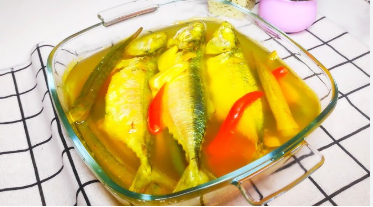
IKAN SINGGANG

Picture
1
Video
No record
Today's Visitor
823
Number of Visitors
9260
Introduction and history
Ikan Singgang is a traditional Malay dish originating from the East Coast of Malaysia, particularly in Terengganu and Kelantan. It is a type of fish soup cooked with simple yet flavorful ingredients, known for its spicy and sour taste. This dish is renowned for its deliciousness and is often served during festive occasions or as an everyday meal.
Origins of Ikan Singgang
Connection to Fishermen's Lives
Ikan Singgang is believed to have originated from the lives of fishermen along the East Coast of Malaysia, especially in Terengganu and Kelantan, where seafood is the primary food source. The dish combines simple and fresh ingredients from the sea, such as fish, ginger, turmeric, and lime. It became popular due to its accessible ingredients, making it ideal for coastal communities who rely on seafood for their livelihood.
Influence of Malay Culture
The dish is influenced by traditional Malay cuisine, which emphasizes the use of natural ingredients such as spices and herbs. Ikan Singgang is a prime example of a dish that uses traditional Malay spices to create a rich and refreshing flavor, with a tangy twist from ingredients like tamarind slices or lime.
Light and Nutritious Dish
Typically, Ikan Singgang is made with fresh fish such as mackerel, scad, or tuna, boiled with water, ginger, turmeric, lime leaves, and tamarind slices for flavor. It is known as a light and nutritious dish because it is high in protein from the fish and rich in antioxidants from spices like turmeric and ginger.
Daily Meal and Festive Dish
Although Ikan Singgang is often enjoyed as a daily meal, it is also popular during festive occasions or gatherings, especially on the East Coast. Its quick and simple preparation makes it a perfect choice for family meals. The dish is also favored for its fresh taste and high nutritional value.
Use of Local Spices and Herbs
Ikan Singgang utilizes ingredients easily found in the local environment, such as ginger, turmeric, lime, and kesum leaves (also known as basil leaves). These spices not only provide a unique flavor but also offer health benefits, such as anti-inflammatory properties, improved digestion, and body detoxification.
Characteristics Of Ikan Singgang
The unique elements of Ikan Singgang define its identity as one of the traditional Malay dishes from the East Coast of Malaysia. Below are its main characteristics:
Key Ingredient – Fresh Fish
Fish is the main ingredient of Ikan Singgang. Commonly used types include mackerel, scad, tuna, or other sea fish readily available along the coast. The fish is usually cooked fresh without the need for frying or grilling beforehand.
Spicy and Sour Taste
Ikan Singgang is known for its spiciness, derived from chili padi (bird’s eye chili) or sometimes chili powder, and its sourness from ingredients such as tamarind slices or lime. This combination creates a unique, refreshing taste that is very appetizing.
Use of Traditional Spices
Spices such as ginger, turmeric, and galangal are essential in making Ikan Singgang. These spices impart a rich and distinctive flavor to the fish soup. Turmeric adds the yellow color that sets Ikan Singgang apart from other fish soups.
Clear and Light Broth
Ikan Singgang is cooked in a clear broth, unlike other soups that may be thicker. The broth is made from boiling fish and spices, resulting in a light, non-greasy, and easily digestible soup. The clear broth is a signature feature of Ikan Singgang, distinguishing it from richer or heavier fish soups.
Non-Oily Dish
The preparation of Ikan Singgang typically does not involve the use of oil. Its broth is lighter and less greasy, making it a fresh and healthy option for those seeking a nutritious yet light dish.
Nutritious and Healthy Meal
Ikan Singgang is rich in protein from the fish and antioxidants from spices like turmeric and ginger. These spices also have anti-inflammatory properties and promote good digestion, making it a very nutritious choice. It is also suitable for weight management due to its low calorie and fat content.
Served with White Rice
Ikan Singgang is often served with white rice as the main dish. The soft and slightly sticky rice pairs perfectly with the spicy and sour fish broth. It is also commonly enjoyed with sambal belacan (spicy chili paste) or fresh vegetables, a practice typical in Malay dining.
The functions of Ikan Singgang can be viewed from cultural, nutritional, social, and economic perspectives. Here are some of its primary functions:
As a Healthy and Nutritious Dish
Ikan Singgang is a dish rich in nutrients, especially protein from the fish, as well as omega-3 fatty acids that are beneficial for heart health and the nervous system.
Spices like ginger, turmeric, and lime not only enhance the flavor but also offer health benefits such as anti-inflammatory properties, antioxidants, and improved digestion. This makes the dish a healthy and refreshing option.
As a Traditional Dish That Represents Culture
Ikan Singgang serves as a preserver of Malay culinary heritage. It is one of the dishes strongly associated with the East Coast of Malaysia, especially Terengganu and Kelantan.
This dish allows younger generations to learn about Malay dining culture and appreciate the use of traditional spices and locally sourced ingredients. It also introduces the artistry of Malay cuisine, which emphasizes simplicity in ingredients but richness in flavor and meaning.
A Symbol of Simplicity and Value
Ikan Singgang symbolizes simplicity in cooking. Despite consisting of easily obtainable ingredients like fresh fish, turmeric, ginger, and tamarind slices, the resulting taste is still rich and meaningful.
The dish reflects the values of simple living that form the foundation of Malay culture. It teaches the importance of creatively and effectively utilizing available resources.
Traditional Ikan Singgang Recipe involves a simple process using fresh ingredients and traditional spices.
Ingredients:
Fish (fresh mackerel, scad, or tuna) – around 2-3 pieces, cleaned
Ginger – 2-3 cm, sliced thinly
Galangal – 2-3 cm, sliced thinly
Fresh turmeric – 2-3 cm, crushed or finely chopped
Bird’s eye chili – 3-5 pieces (adjust to desired spiciness level)
Tamarind slices – 2-3 pieces (or as needed)
Water – 3-4 cups (depending on the amount of fish and desired broth consistency)
Salt – to taste
Sugar – a pinch (to balance the flavors)
Preparation Steps:
Prepare the Ingredients:
Clean the fish and remove the innards and fins as needed. Cut the fish into several portions if required.
Crush or slice the ginger and turmeric. If using fresh turmeric, it will give the broth its signature yellow color.
Boil the Water:
Add water to a pot and bring it to a boil over medium heat.
Add the galangal, ginger, turmeric, and bird’s eye chili. Let these ingredients boil with the water to release their aroma.
Add the Fish:
Once the water boils and the spices have released their fragrance, add the cleaned fish. Let the fish cook in the broth. Avoid stirring too much to prevent the fish from breaking apart.
Add the Tamarind Slices:
Add tamarind slices to give the broth its tangy flavor. This sourness is essential in creating a balanced flavor for the dish.
Season the Broth:
Once the fish is cooked, season the broth with salt to taste and a pinch of sugar if needed to balance the sour and spicy flavors.
Simmer Briefly:
Let the broth simmer for a few minutes to allow the fish and spices to fully combine, and for the fish to become tender.
Reference Source
Bahan Bacaan
Mohd. Rosli, M. S., & Ab. Rahman, M. H. (2015) Warisan Masakan Melayu: Sejarah dan Evolusi. Kuala Lumpur: Dewan Bahasa dan Pustaka.
Aziz, M. M. (2018).
Masakan Tradisional Pantai Timur: Keunikan dan Kepelbagaian. Kota Bharu: Penerbitan Universiti Malaysia Kelantan.Sani, N. (2020).
Dari Dapur Tradisional: Resepi dan Cerita Masakan Melayu. Kuala Lumpur: Penerbitan Tinta.
Nor Azah, N., & Mohd Ali, M. (2017).
Kepelbagaian Masakan Malaysia: Dari Pantai Timur ke Barat. Kuala Lumpur: Institut Terjemahan Negara Malaysia.
Tokoh (jika ada temu bual tokoh)
Location
State JKKN Contact Information
Encik Azaha Othman
Cultural Officer
Jabatan Kebudayaan dan Kesenian Negara Terengganu
Kompleks JKKN Terengganu
Kuala Ibai,
20400, Kuala Terengganu,
TERENGGANU DARUL IMAN
09-617 8831


