

ARTS AND CULTURE INFORMATION GATEWAY
Immerse yourself in the colorful world of art and culture! From traditional heritage to contemporary works, discover uniqueness that reflects the nation's identity and identity
 Penggiat Rebana Senandung Malam, No. 322, Jalan Jelutong, Kampung Dato' Ahmad Said Tambahan 3, 30200 Ipoh, Perak.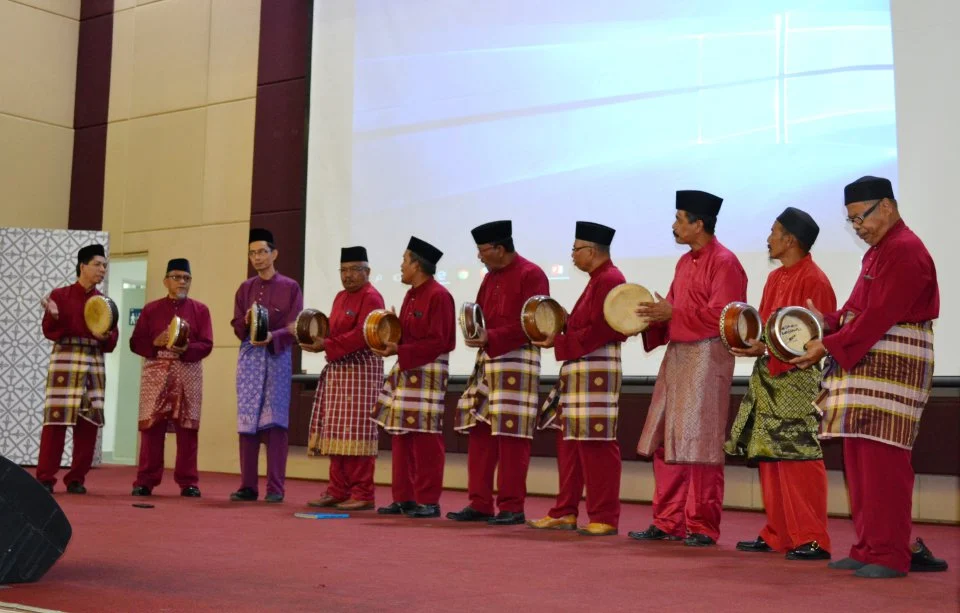
Picture
2
Video
Available
Today's Visitor
1660
Number of Visitors
6530
Introduction and history
The Rebana Perak is one of the most renowned traditional musical instruments in the state of Perak Darul Ridzuan, particularly along the banks of the Perak River, stretching from the Kuala Kangsar district to the southern region in Bagan Datoh district. The word Rebana originates from two Arabic words: Rab, which means "strike" or "beat," and Na, which means "us." Therefore, Rebana can be interpreted as "our beat" or "our strike."This instrument is often played during specific ceremonies and shares similarities with the kompang, especially in terms of the occasions in which it is performed.
The Rebana Perak plays an important role in various cultural and traditional contexts of the Malay community. The Rebana Perak is often played in groups as a traditional musical instrument to produce a unified rhythm and harmony. Several players use rebana drums of different sizes and pitches in performance ensembles, combined with other instruments such as the marwas or serunai. This combination results in lively, spirited performances that reflect the richness of Malay culture. The function of the Rebana Perak extends beyond mere entertainment, encompassing social, religious, and artistic aspects.
In a religious context, the Rebana Perak is frequently used to accompany Zikir or prayers during religious ceremonies. The rhythms produced by the Rebana Perak create a calming atmosphere, deepening the participants' spiritual experience. In this regard, the Rebana Perak serves as a musical instrument and a medium to enhance spiritual reflection and foster communal unity through religious activities.
Additionally, the Rebana Perak plays a significant role in traditional Malay performing arts, particularly in dances such as Zapin, Inang, and Joget. In this context, the Rebana Perak provides the rhythm and tempo that guide the dancers’ movements. The lively and rhythmic beats of the rebana help synchronize the dancers' steps, creating dynamic performances that captivate audiences. These performances not only serve as a form of entertainment but also act as a medium to introduce and preserve the traditions of Malay dance arts.
This performance has no specific attire or costume associated with its practice. However, during formal events, Rebana players typically wear traditional Malay attire, with men donning the Baju Melayu Lengkap and women wearing Baju Kurung, both in matching colour tones.
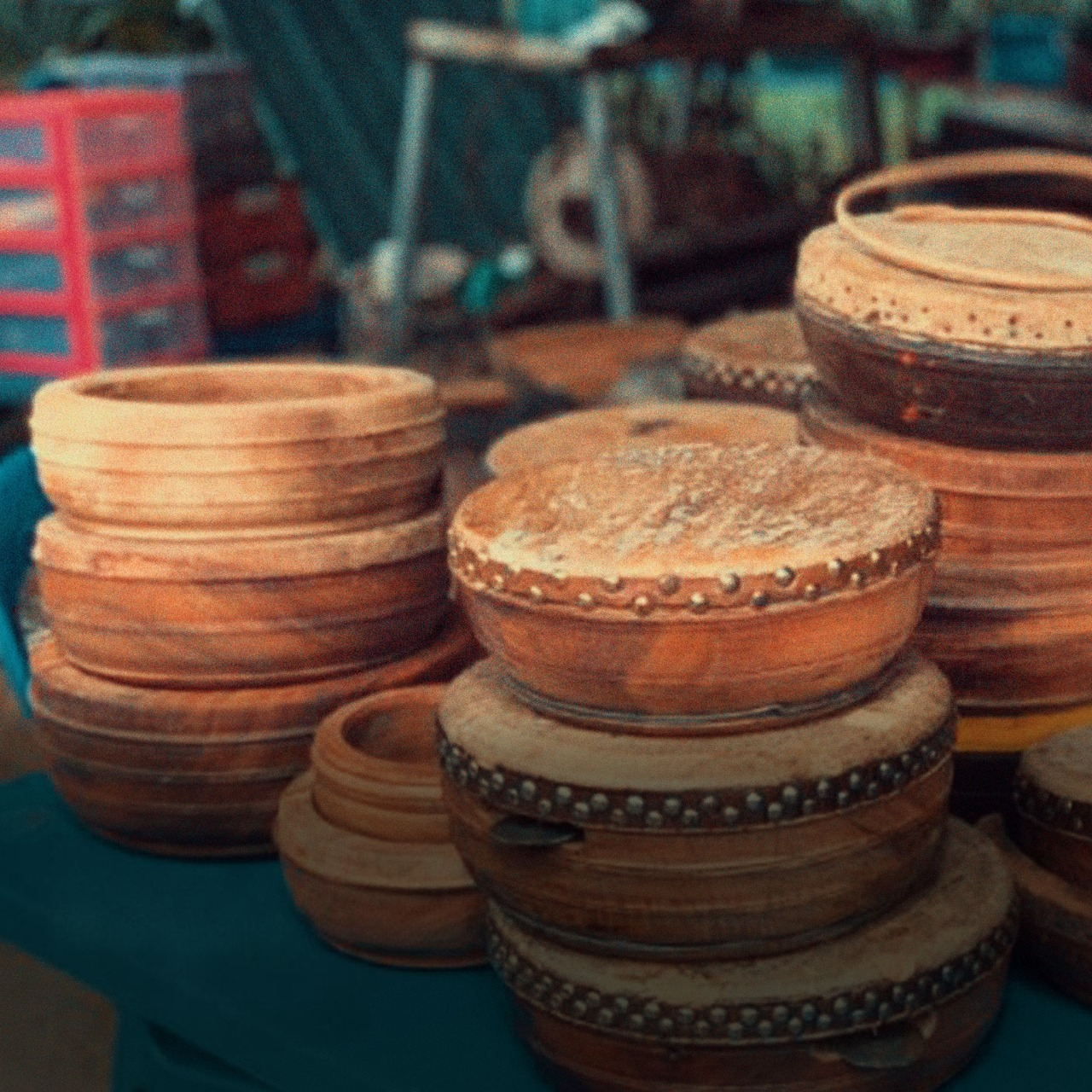
The Rebana Perak has a diameter ranging from 10 to 13 inches and a height of 4 to 5 inches. It is crafted from two main materials: wood and animal hide. The wooden frame or structure of the rebana is typically made from Halban, Jackfruit, or Sungai wood. Meanwhile, the drumhead or diaphragm, which is struck to produce sound, is made from cow or buffalo hide. Cow and buffalo hides are said to produce a more pleasant sound compared to goat hides.
The process of making a Rebana Perak is not overly complex when compared to other percussion instruments. However, it requires meticulous craftsmanship and precision to ensure the best sound quality and durability, guaranteeing a high standard of performance.
-
Reference Source
Bahan Bacaan
Nadzri Mohamad & Ahmad Kamal Mohd. Yusop. (2023). Pendokumentasian Rebana Perak Sebagai Satu Warisan Muzik Tradisional Negeri Perak. Jurnal Tuah, 69-75
Nawani, M. F. (2013). Pewarisan Permainan Rebana Perak di Kampung Sungai Air Tawar. UNIMAS.
Saaid, S. A., & Malek, M. R. (1995). Kesenian dan Hiburan Tradisional. Kuala Lumpur: Penerbit Prisma Sdn. Bhd.
Salleh, N. M. (1995). Alat Muzik Tradisional Dalam Masyarakat Melayu Malaysia. Selangor: Jabatan Kebudayaan dan Kesenian Negara.
Suri, M. Z. S. (2017, December 18). Rebana Perak produk baharu pelancongan negeri. Berita Harian. Diambil daripada https://www.bharian.com.my/berita/nasional/2017/12/365017/rebana-perak-produk-baharu-pelancongan-negeri
Yusoff, W. A. K. (2006). Budaya Popular Dalam Pembangunan Masyarakat dan Budaya Melayu. Kuala Lumpur: Universiti Malaya.

Location
State JKKN Contact Information
Encik Yufazli Yusof
Cultural Officer
Jabatan Kebudayaan dan Kesenian Negara Perak
Kompleks JKKN Perak,
Lot 20561@20565 Jalan Caldwell,
Off Jalan Raja Di Hilir,
30350 Ipoh,
PERAK DARUL RIDZUAN
05-253 7001 / 05-254 1027
Use the form below to contact the Informant/Figure/Editor/Researcher directly. We will respond to your inquiry as soon as possible!


