

ARTS AND CULTURE INFORMATION GATEWAY
Immerse yourself in the colorful world of art and culture! From traditional heritage to contemporary works, discover uniqueness that reflects the nation's identity and identity
RAWATAN SAKIT TUAN
 Fakulti Muzik dan Seni Persembahan, Universiti Pendidikan Sultan Idris


Picture
17
Video
No record
Today's Visitor
12
Number of Visitors
68
Introduction and history
Erectile dysfunction, locally referred to in Malay as Sakit Tuan, encompasses diseases and functional disorders affecting the male reproductive organs. According to Mohd Ismail Tambi (1995), a renowned Malaysian andrologist, sakit tuan is defined as “diseases and functional problems that occur in the male reproductive organs,” which may involve the penis, testicles, scrotum, and other related structures. Common issues include erectile dysfunction, problems with penile rigidity, premature ejaculation, and delayed ejaculation. This definition is consistent with the European Association of Urology (EAU), which highlights erectile dysfunction and premature ejaculation as the main concerns (Wespes et al., 2002).
In modern medicine, erectile dysfunction (previously referred to as impotence) is defined as “the inability to maintain penile rigidity for sexual intercourse, resulting in dissatisfaction for the patient” (Feldman et al., 1994). Ragg (1997) further categorizes erectile dysfunction into several conditions: never experiencing an erection; previously achieving erections but no longer; having erections only during sleep or upon waking; achieving erections but not during intercourse; experiencing erections with a partner but finding them inadequate or short-lived; and finally, achieving erections only after prolonged effort.
Premature ejaculation is also recognized as a major problem related to erectile dysfunction. The International Society for Sexual Medicine (ISSM) defines it as “the inability of a man to control ejaculation, which almost always or always occurs within 1 minute of vaginal penetration, and the inability to delay ejaculation on all or nearly all penetrations, leading to distress, frustration, interpersonal difficulty, and avoidance of sexual activity” (McMahon et al., 2008). It is often classified as a form of secondary impotence that may arise from psychological factors (such as limited sexual experience, unstable arousal levels, or other psychogenic conditions) or biological causes, including penile hypersensitivity (Paick et al., 1998; McMahon et al., 2004).
The broader problem of erectile dysfunction also extends to male infertility, which refers to the inability of sperm to achieve conception. Infertility is considered a profound issue because it affects both emotional well-being and physical life goals, given that procreation is a fundamental human aspiration (Mahlstedt, 1985). Inhorn (2004, p. 162) defines infertility as “the failure to achieve pregnancy after one year or more of unprotected intercourse, resulting in involuntary childlessness.” Male infertility may be caused by oligospermia (low sperm count), asthenospermia (poor sperm motility), teratospermia (abnormal sperm morphology), or azoospermia (absence of sperm). Although infertile men may retain normal sexual function, the social stigma remains severe, as infertility is often seen as a failure to fulfill the cultural and familial responsibility of fatherhood (Inhorn, 2004, p. 163).
In Malay society, modern medical treatments are widely accepted; however, traditional healing methods remain integral to addressing erectile dysfunction. Malay traditional medicine views men’s health as not only physical or biological but also connected to energy balance, vitality, and spiritual harmony with nature. As such, treatment is holistic, involving the body, mind, and spirit.
Three principal traditional approaches are commonly practiced:
Genital Massage
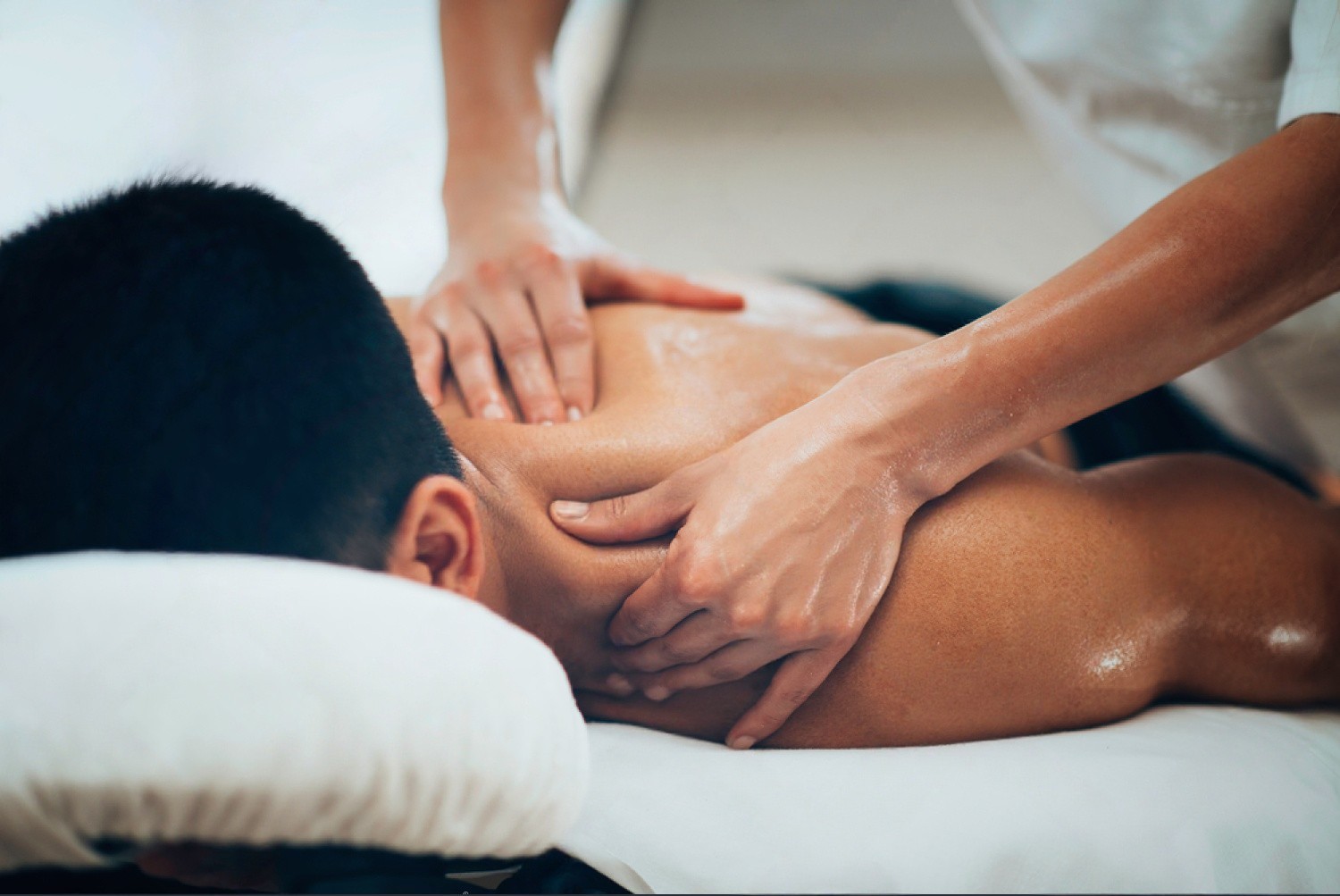
This manual therapy, performed by trained practitioners, improves blood circulation in the penis and adjacent areas such as the waist and thighs. It is believed to strengthen penile muscles, enhance vital energy, and restore rigidity. Beyond its physiological function, Genital Massage is also valued for restoring men’s confidence, particularly in marital life.
Traditional Remedies
For generations, the Malay community has relied on herbal formulations including tongkat ali, akar ubi jaga, halia bara, kacip fatimah, and daun sirih. These herbs are believed to possess aphrodisiac effects, boost vitality, and support reproductive health. Herbal treatments remain popular due to their natural origins and perceived safety compared to chemical-based medicines.
Wafak (Spiritual Treatment)
Wafak involves spiritual elements such as prayers and Qur’anic verses written or recited by traditional healers. This practice is based on the belief that erectile dysfunction may also stem from spiritual imbalances or subtle disturbances. It is often used alongside physical treatments like genital massage and herbal remedies.
The treatment of erectile dysfunction carries multiple functions and roles for men, providing benefits that span health, psychological well-being, marital relationships, and social responsibilities. The following are the key functions and roles of erectile dysfunction treatment:
Restoring Male Reproductive and Sexual Function
Treatment for erectile dysfunction primarily addresses conditions such as impotence, premature ejaculation and infertility. From a physiological perspective, it improves blood circulation, strengthens the muscles and nerves of the penis, stabilizes hormonal levels, and enhances sperm quality. These improvements help restore both sexual confidence and reproductive capacity. The restoration of sexual function is not only essential for satisfaction in intimate relationships but also plays a critical role in safeguarding reproductive health. For couples, this ensures the opportunity to conceive, thereby reducing the emotional and social pressures often linked to infertility. In a broader cultural context, the restoration of vital energy contributes to overall household well-being, as a man’s ability to fulfill marital intimacy is regarded in Malay culture as one of the foundations of marital harmony.
Reducing Psychological and Emotional Stress
Sexual disorders such as erectile dysfunction or premature ejaculation often result in low self-esteem, anxiety, and mental distress among men. These conditions not only impair sexual performance but also diminish overall quality of life, potentially leading to feelings of shame, loss of confidence, and even depression. Within marital relationships, unresolved sexual dysfunction can cause disappointment, misunderstandings, and conflict, disrupting household harmony. Consequently, treatment for erectile dysfunction plays a crucial role in alleviating psychological stress by restoring confidence, reducing anxiety, and reestablishing emotional balance. With improved mental stability, men can enjoy a better quality of life, strengthen interpersonal relationships, and return to family life with greater harmony.
Preserving Marital Harmony
In Malay cultural values, a man’s ability to fulfill his partner’s sexual needs, particularly through the adequate provision of marital intimacy, is considered essential for household stability. This responsibility not only addresses physical satisfaction but also symbolizes affection, responsibility, and the emotional bond between husband and wife. Failure to meet these expectations may lead to disappointment, feelings of neglect, and ongoing disputes. Thus, treatment for erectile dysfunction functions as an important preventive effort against marital conflict, infidelity, and instability. By ensuring that both the physical and spiritual dimensions of marriage are fulfilled, such treatments help reinforce marital harmony and strengthen the family institution, which serves as the foundation of society.
Ensuring the Continuity of Lineage and Social Structure
Across Malay culture and many global traditions, having children is regarded as one of the primary purposes of marriage. A man’s ability to produce heirs not only reflects physical vitality but also symbolizes success in fulfilling social and familial responsibilities. Conversely, infertility is often stigmatized, as it may be perceived as a failure of masculinity and an inability to fulfill one’s social role. Treatment for erectile dysfunction and fertility-related conditions provides men with opportunities to pursue fatherhood, whether through modern medical or traditional therapeutic approaches. In this way, lineage continuity is safeguarded, family structures are preserved, and the negative stigma associated with male infertility can be reduced. Ultimately, these treatments reinforce the family as the cornerstone of societal well-being.
-
The equipment and materials used in the treatment of erectile dysfunction vary depending on the specific healing method applied. In Malay traditional practice, the preparation of appropriate materials is considered essential, particularly in genital massage, as these substances serve to lubricate, warm, and restore the strength of muscles and nerves. The following are the primary materials and equipment commonly employed:
Massage Oils
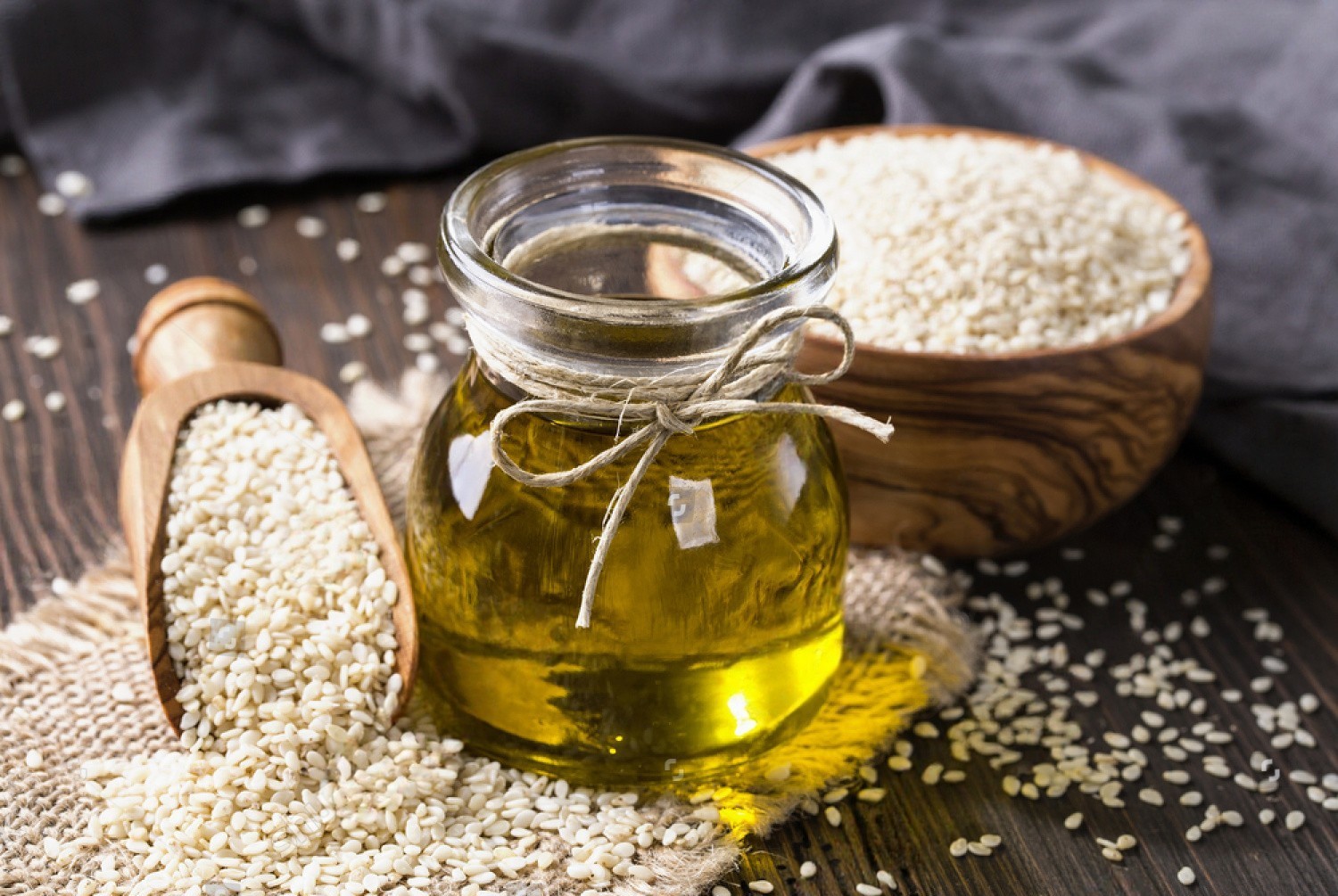
Sesame oil mixed with crushed radish seeds and heated for 15 minutes.
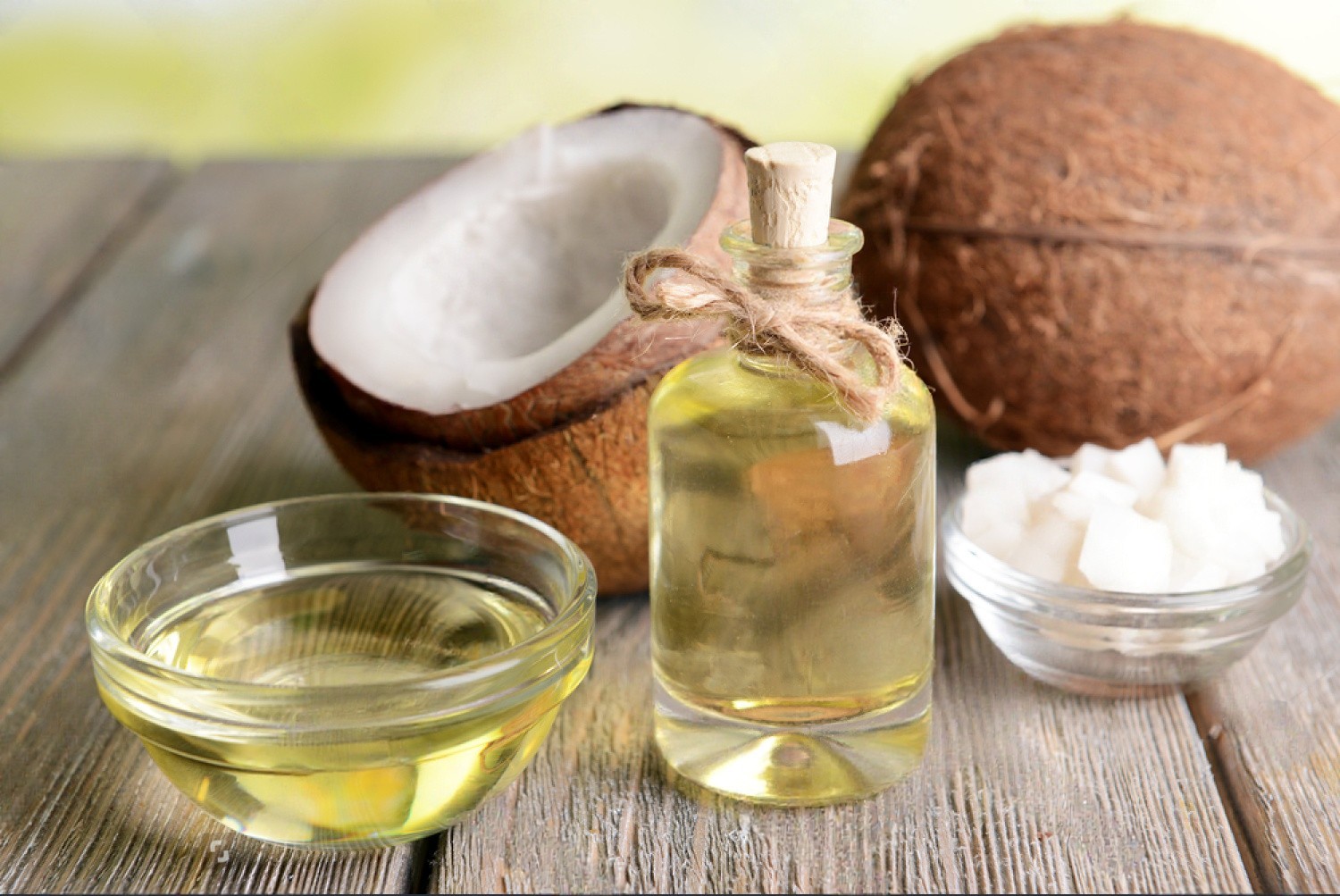
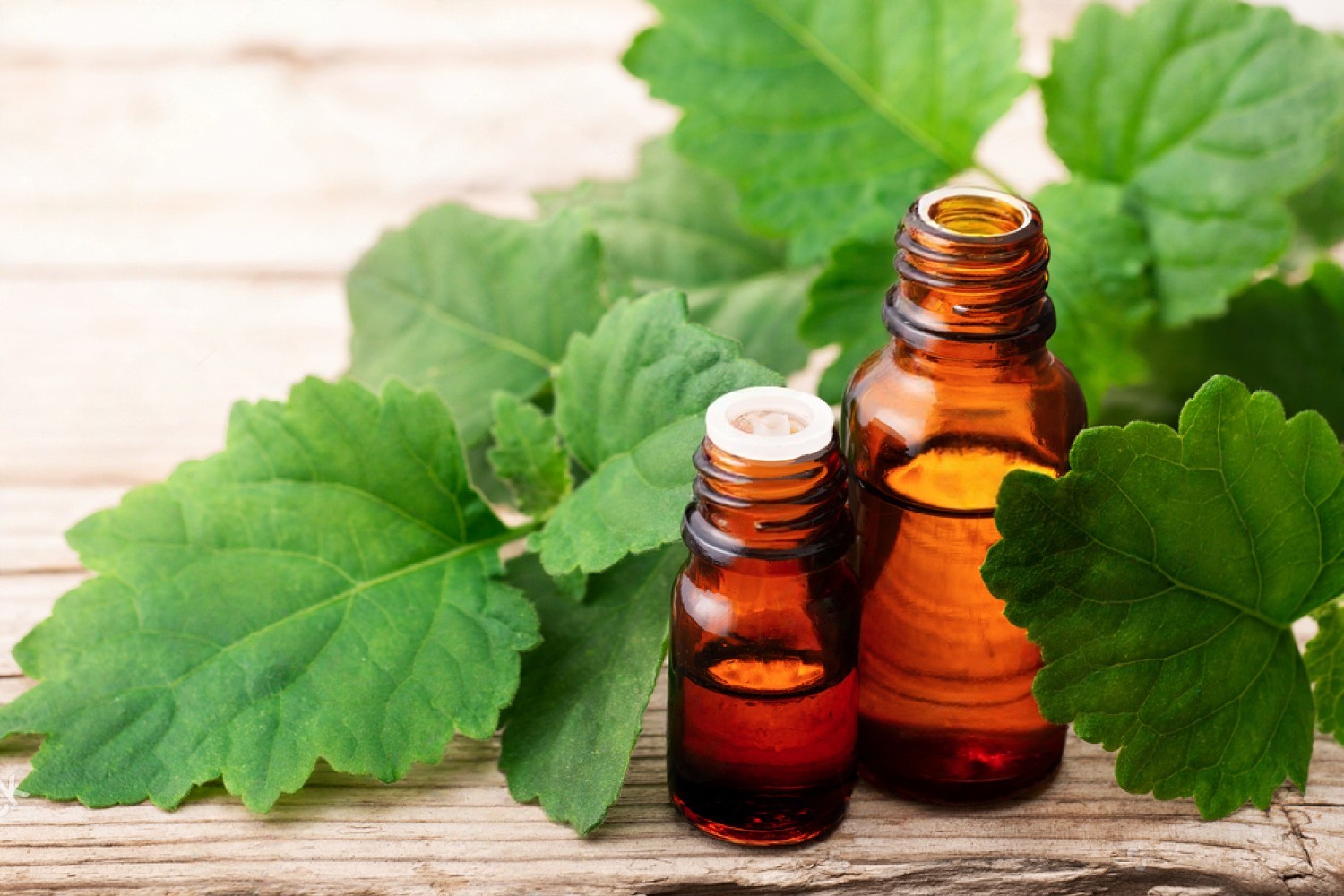
Patchouli leaves are boiled in coconut oil until they reach a rolling boil.
Spilanthes oil is commonly used to massage the penis to relieve swelling caused by trapped wind.
Internal Remedies (for oral consumption by the patient)
A mixture of ghee, rock sugar, black cumin, pudi (a traditional spice) and vinegar, prepared together and accompanied by the recitation of a specific prayer (Qul Huwallah repeated three times).
The remedy is consumed for three consecutive mornings during the treatment period.
Additional Equipment
A mattress or mat, used for positioning the patient, either lying face up or face down.
A modesty cloth to maintain privacy and cultural propriety during treatment.
A small towel, used for wiping excess oil after a massage.
Ingredients for Traditional Remedies
Traditional treatments based on herbs and dietary practices hold significant value as an alternative or complement to modern medicine. Traditional remedies provide an alternative that is more widely accepted by the community because they are natural, easily accessible, affordable, and closely tied to local culture. Each ingredient listed below serves different functions depending on its type and method of preparation. Among the ingredients used in traditional remedies for erectile dysfunction are:
Ingredients for Traditional Dietary Remedies (According to Teks Tajul Muluk)
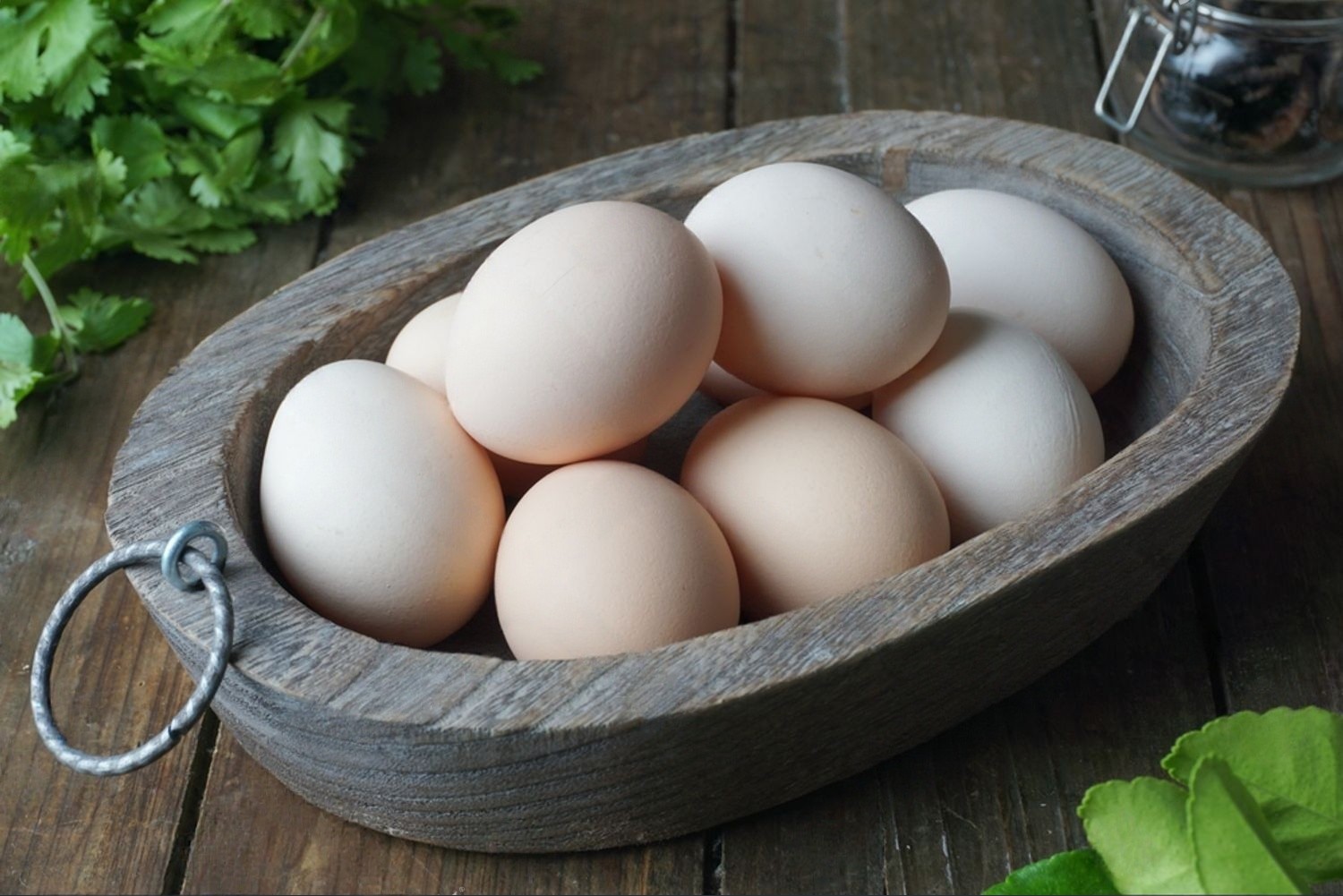
7 free-range chicken eggs (to be boiled)
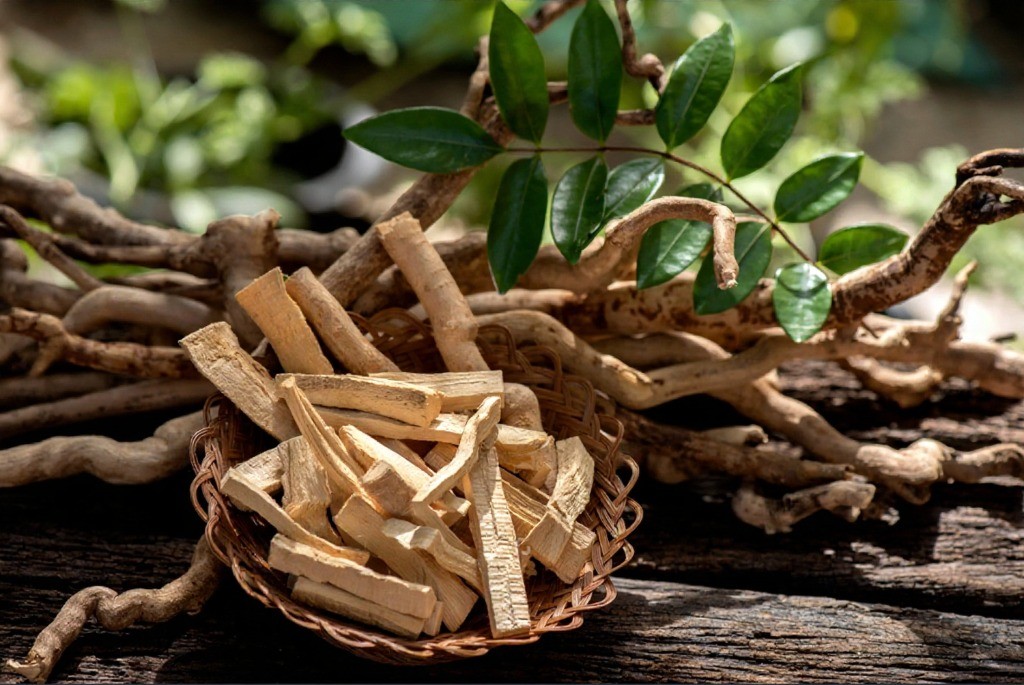
Tongkat ali
1 cup of hot water
Ingredients for the Dietary Practices of Saidina Ali (Based on Hikayat Nurul Lisan)
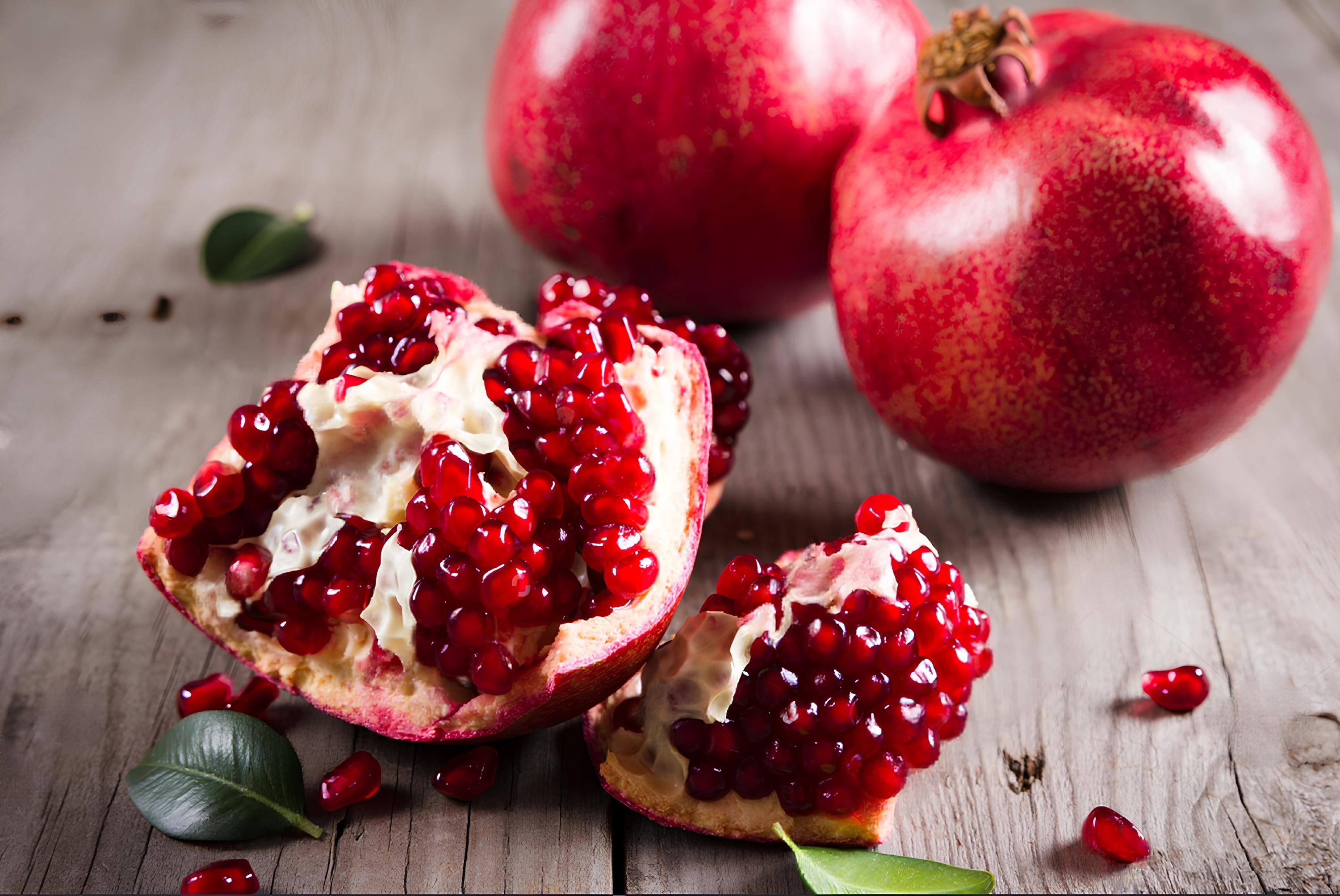
3 pomegranates
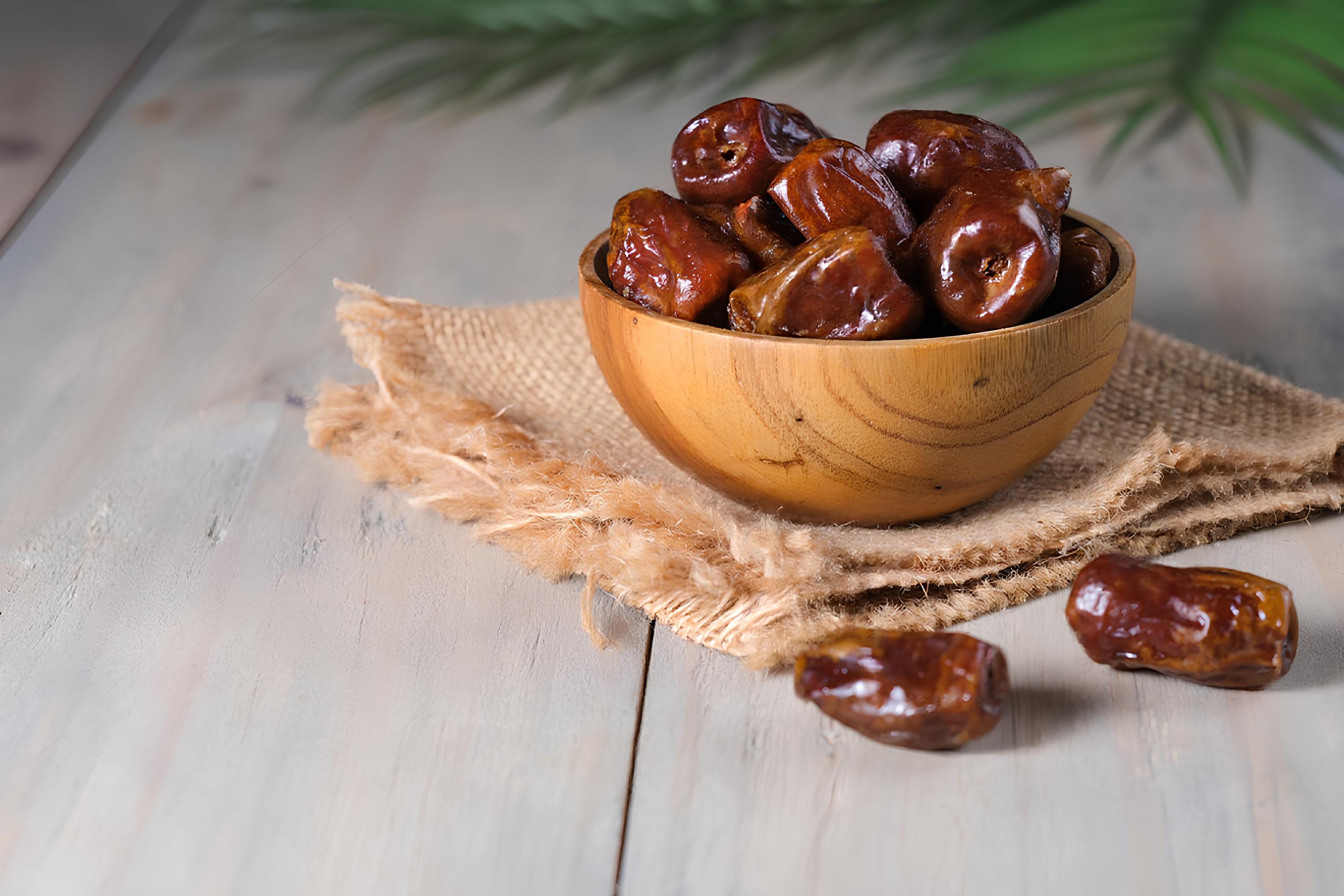
7 dates
Ingredients for Premature Ejaculation Remedies
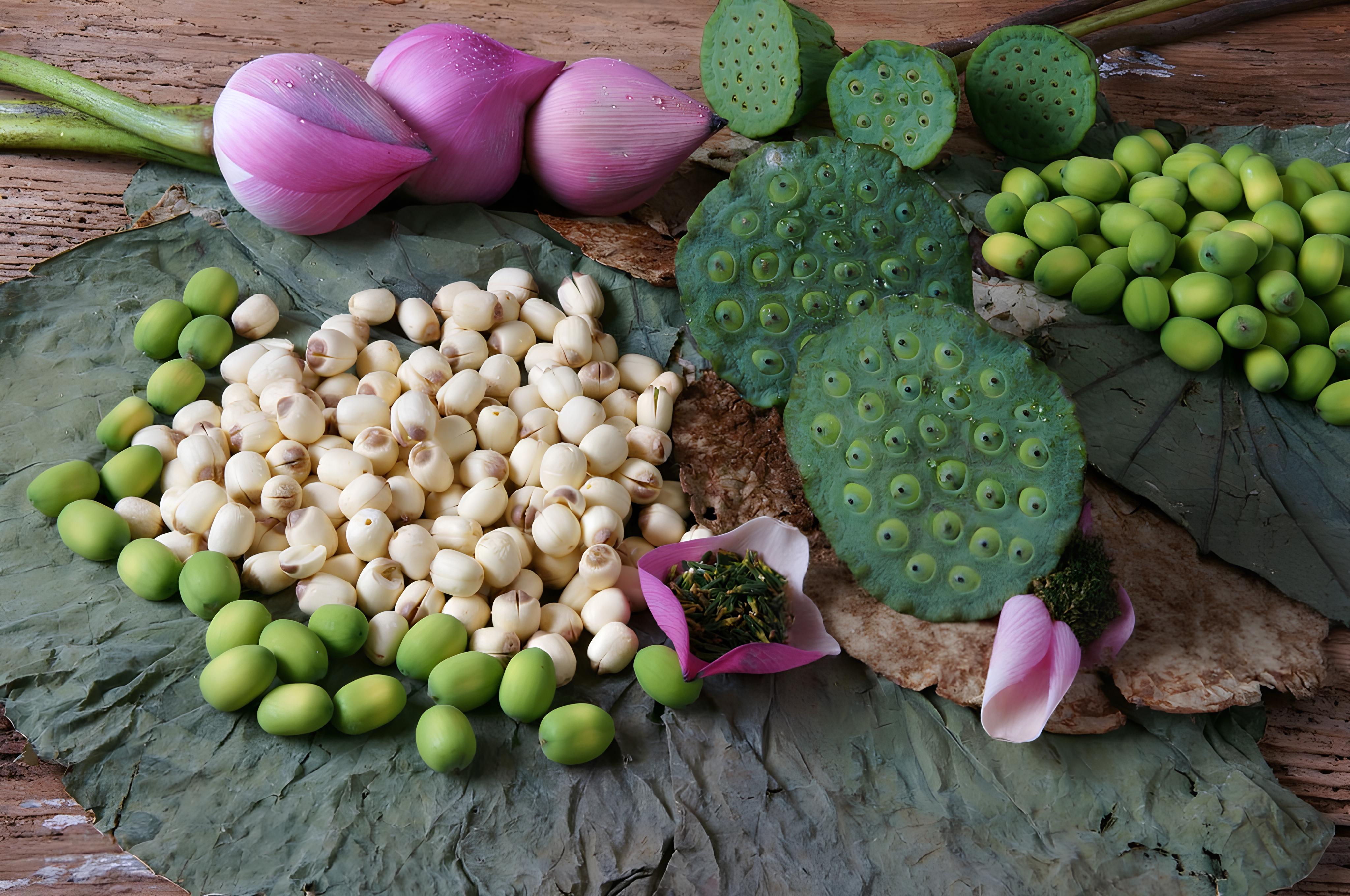
11 grams of lotus seeds
2 tablespoons of pure honey
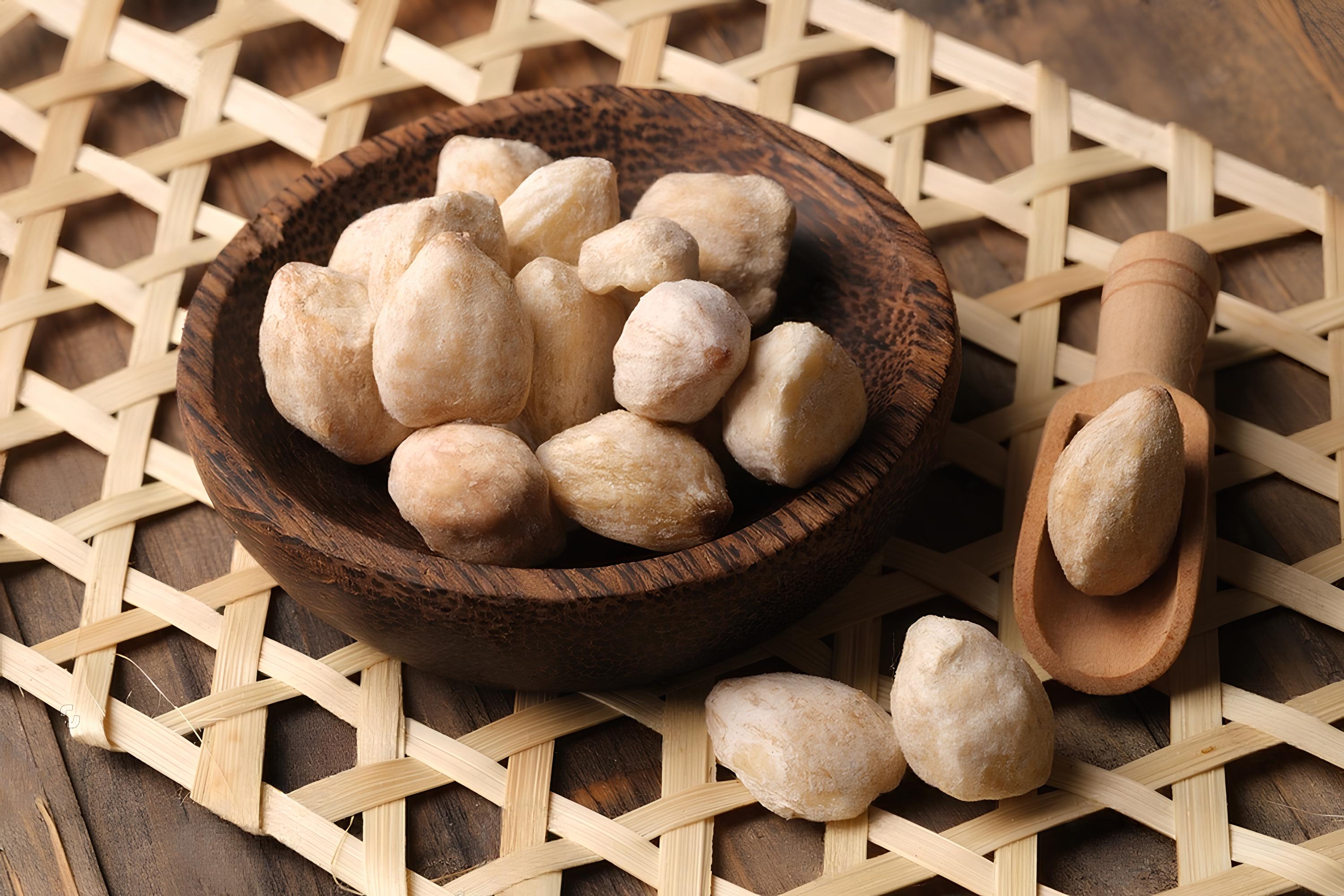
1 areca nut
1 candlenut
3 free-range chicken eggs
1 cup of boiling water
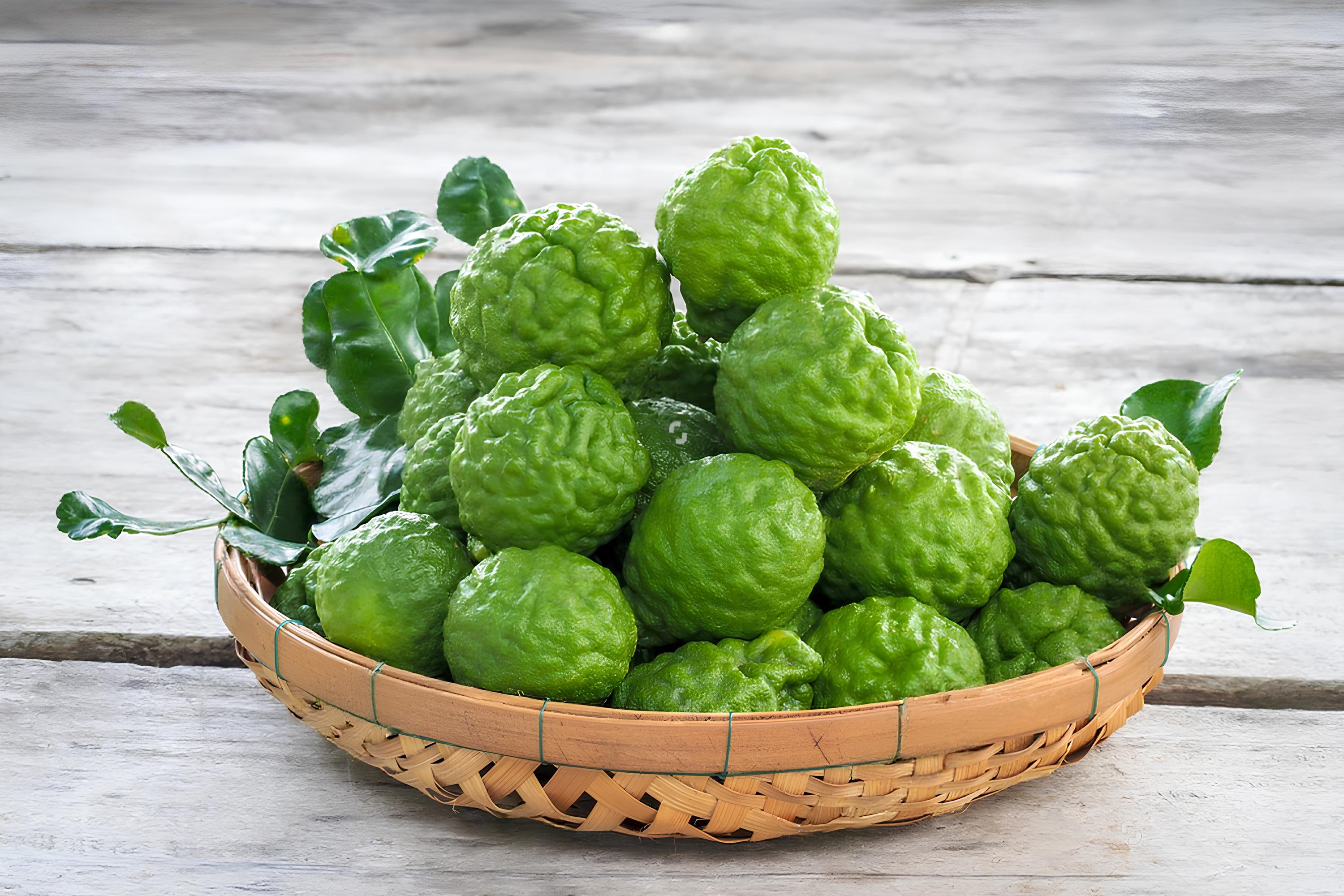
Kaffir lime peel
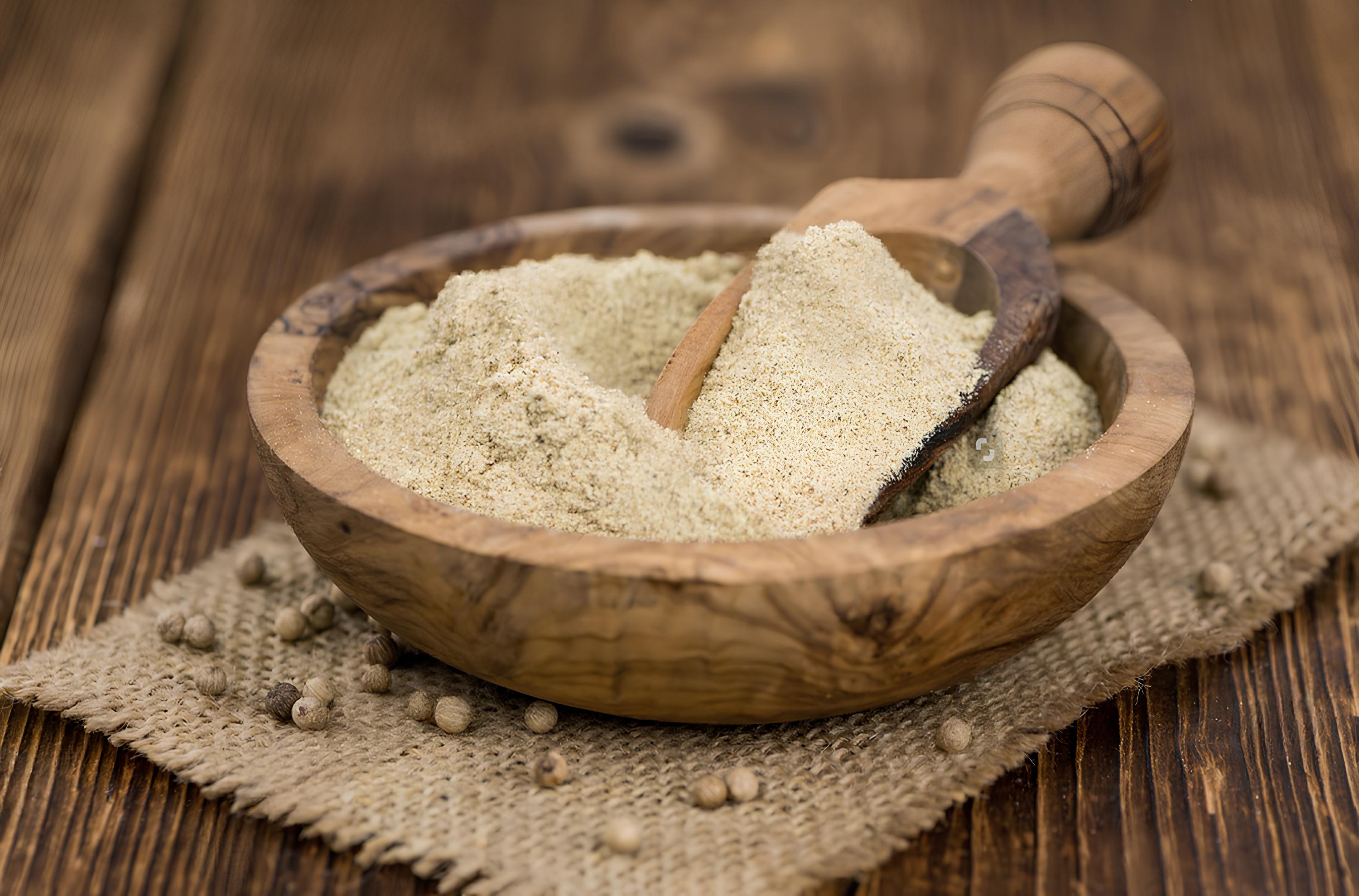
White pepper, finely ground
Ingredients for Remedies to Thicken and Increase Semen
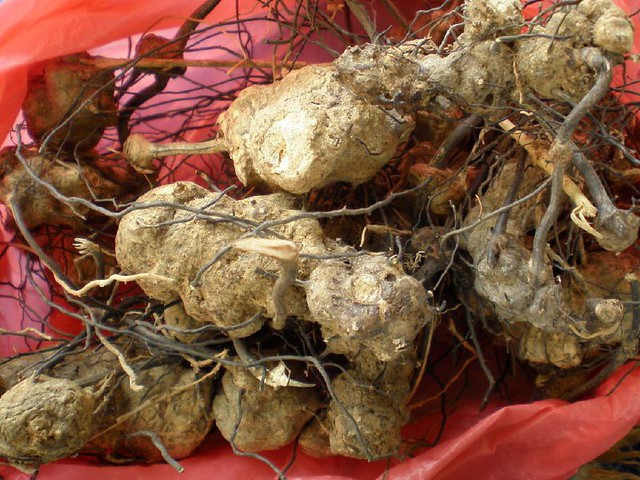
3 ubi jaga tubers
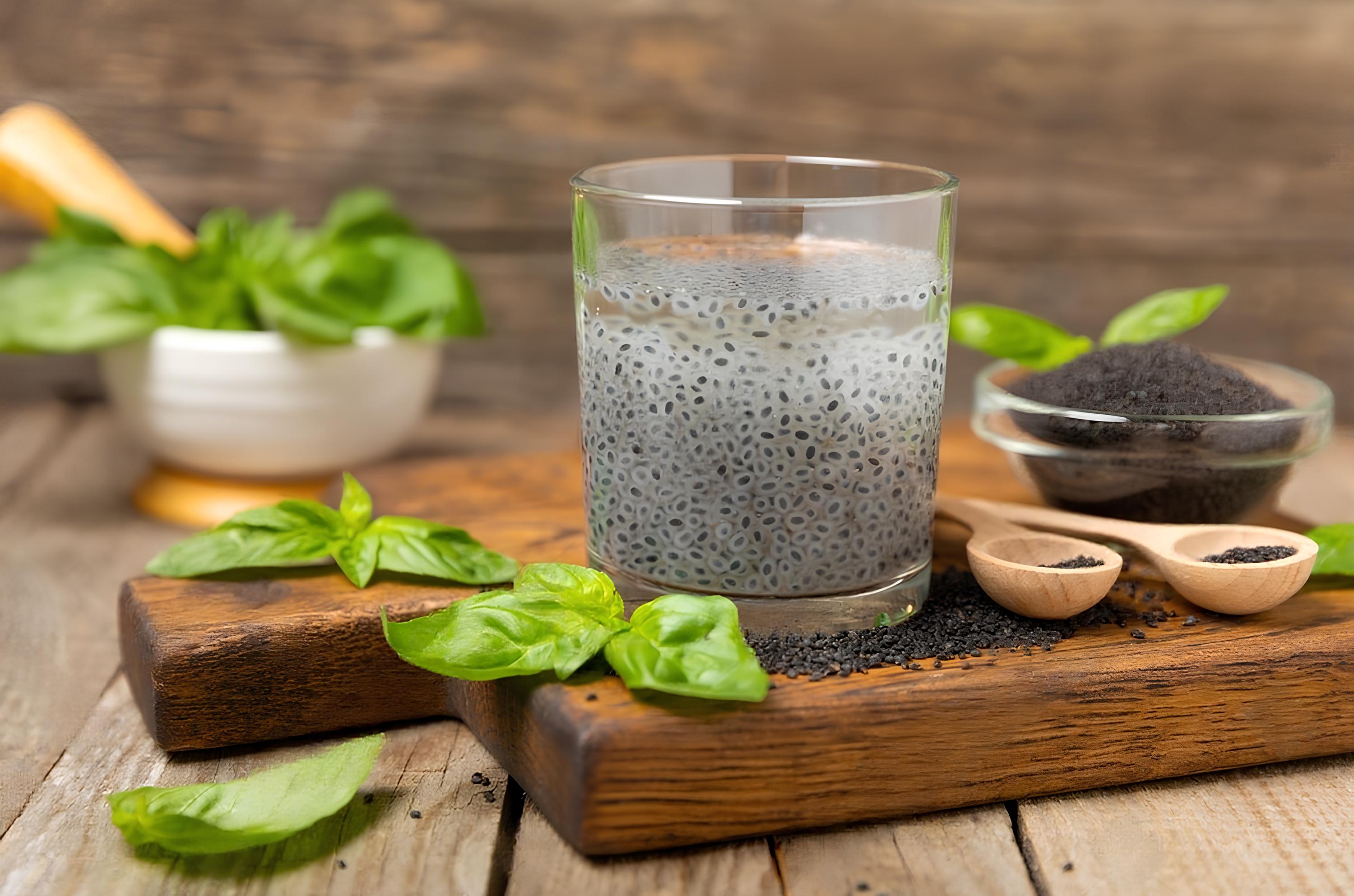
1 tablespoon of basil seeds
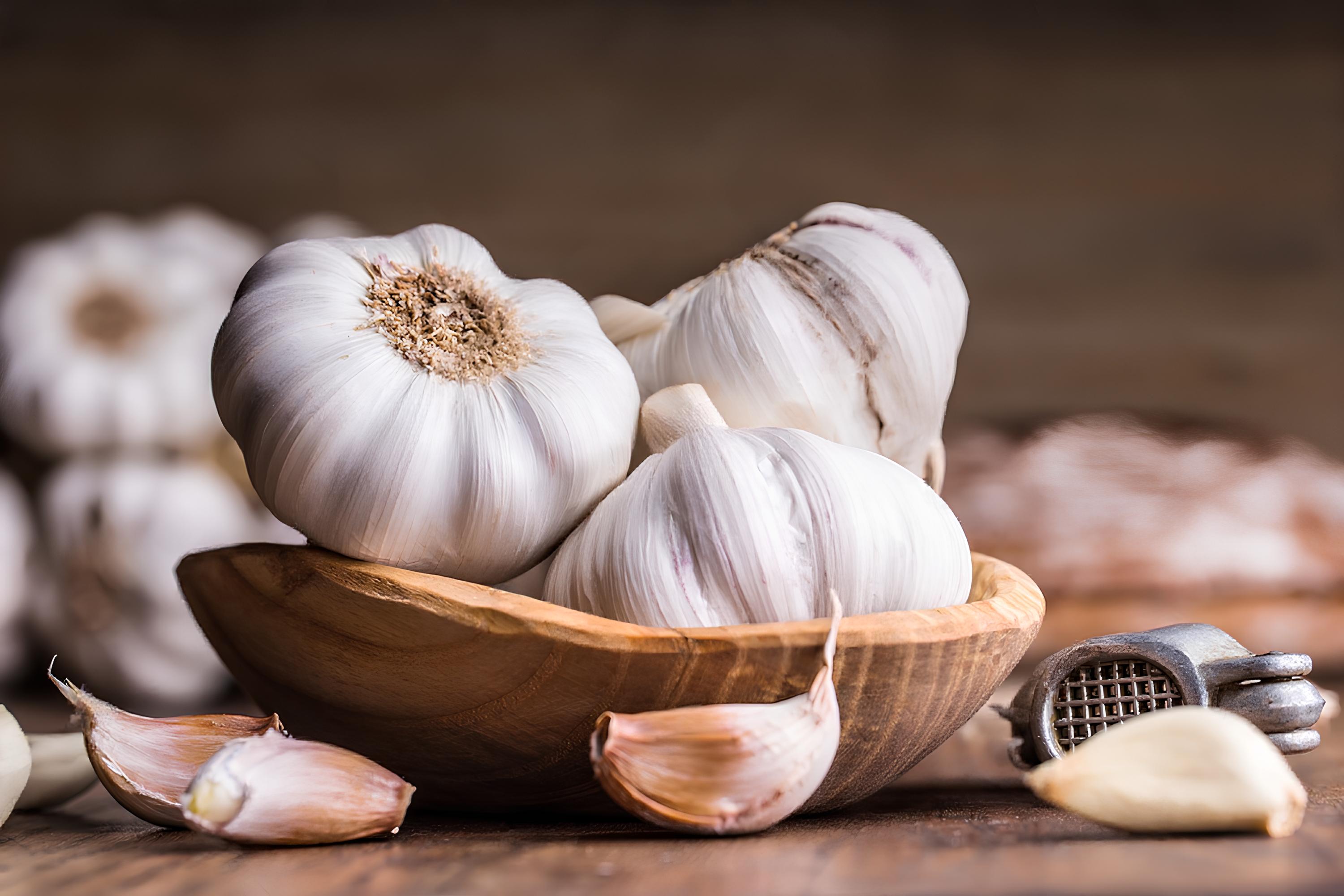
3 cloves of garlic
1 cup of boiling water
The Genital Massage Method (Urut Batin)
Lexically, urut or massage is defined as “pressing, rubbing, and kneading parts of the body with the hands for refreshing or healing” (Kamus Dewan, 2000). Abdullah al-Qari (2005) emphasizes that massage is a form of therapy without medicine, closely tied to the “importance of blood,” since blood carries nutrients, oxygen, enzymes, and healing properties throughout the body. From a physiological perspective, massage serves the following purposes:
Releasing knots in the veins and muscles to improve blood circulation
Relaxing the nerves and calming the muscles
Facilitating the elimination of waste through sweat, urine, and flatulence
Warming the body and stabilizing its temperature
Genital massage is performed systematically by targeting specific nerve points, major muscles, and blood flow pathways to the penis. The following are detailed steps based on traditional practitioner sources (Amran Kasimin & Abdullah Seman, 1995; Mohd Kushairi Salleh, 2000; Ruhani, 2004):
Step 1: Patient Preparation
The patient lies either on their back or face down, depending on the treatment focus.
The private area is covered, exposing only the parts to be massaged.
The practitioner applies special oil to the palms and the massage area.
Step 2: Massage Points and Areas
Pubic Area / Lower Abdomen
Place the fingertips on the pubic area.
Press gently and push upward toward the navel.
Purpose: To enhance blood circulation to the penis.
Soles of the Feet (Reflexology)
Massage specific points on both soles with the thumbs.
Repeat alternately for both feet.
Between the Toes
Apply moderate pressure between the toes.
Stimulates fine nerves connected to penile function.
Calf Muscles
Massage downward from below the knee to the ankle.
Performed on both calves.
Main Vital Energy Vein – Inner Thigh
Massage from the upper thigh toward the knee, focusing on the inner thigh.
Regarded as the primary point of tenaga batin (vital energy).
Around the Penis
Massage slowly from the base toward the shaft.
Avoid direct stimulation of the glans; focus on the base.
Specific prayers are recited during the massage.
Step 3: Additional Techniques
Massage the back of the thighs upward toward the base of the penis near the anus.
Use palms to massage from the abdomen to the pubic area.
Press the base of the penis with three fingers while supporting the glans with the other hand.
Massage the underside of the penis from the root toward the coronal ridge.
Apply gentle pressure at the base of the penis near the anus using the thumb.
Step 4: Recitation of Prayers / Zikr
Qur’anic recitations, supplications, and zikr as spiritual elements of healing accompany massage.
Specific prayers correspond to particular areas such as the pubic region, thighs, or vital energy points.
Step 5: Repetition and Consistency
The massage is repeated several times according to patient tolerance.
Typically performed 3–7 times per session and practiced regularly (several times a week).
Over-massaging is discouraged to prevent injury to muscles or nerves.
Traditional Remedy Methods
In addition to Genital Massage, traditional remedies are widely accepted because they are natural, accessible, affordable, and culturally embedded. Many herbs have been studied and found to have aphrodisiac properties, improve fertility, and enhance male reproductive function without the severe side effects often associated with chemical medicines. The following are preparation methods using traditional medicinal ingredients.
Preparation of Traditional Dietary Practice (According to Teks Tajul Muluk)
Take 7 free-range chicken eggs and boil them until cooked.
Peel the boiled eggs, then inscribe selected Qur’anic verses on their shells: First egg: Surah Taha (20:25–28); Second egg: Surah Yunus (10:81–82); and Third egg: Surah al-Isra’ (17:82).
Eat one egg per day in sequence for three consecutive days.
At the same time, boil the tongkat ali bark until it reaches the boiling point.
Recite the same Qur’anic verses over the tongkat ali decoction.
After consuming the boiled eggs, drink the tongkat ali decoction alternately.
This practice is carried out consistently each time the free-range chicken eggs are consumed.
-
Reference Source
Bahan Bacaan
Feldman, H. A., Goldstein, I., Hatzichristou, D. G., Krane, R. J., & McKinlay, J. B. (1994). Impotence and its medical and psychosocial correlates: Results of the Massachusetts male aging study. The Journal of Urology, 151(1), 54–61.
Inhorn, M. C. (2004). Middle Eastern masculinities in the age of new reproductive technologies: Male infertility and stigma in Egypt and Lebanon. Medical Anthropology Quarterly, 18(2), 162–182.
Mahlstedt, P. P. (1985). The psychological component of infertility. Fertility and Sterility, 43(3), 335–346.
McMahon, C. G., Althof, S. E., Waldinger, M. D., Porst, H., Dean, J., Sharlip, I. D., Adaikan, P. G., Becher, E., Broderick, G. A., Buvat, J., Dabees, K., Giraldi, A., Giuliano, F., Hellstrom, W. J., Incrocci, L., Laan, E., Meuleman, E., Perelman, M. A., Rosen, R. C., Rowland, D. L., &
Segraves, R. (2008). An evidence-based definition of lifelong premature ejaculation: Report of the International Society for Sexual Medicine (ISSM) Ad Hoc Committee for the definition of premature ejaculation. The Journal of Sexual Medicine, 5(7), 1590–1606.
Mohd Ismail Tambi. (1995). Pengenalan dan rawatan sakit tuan. Kuala Lumpur: Utusan Publications and Distributors Sdn. Bhd.
Paick, J. S., Jeong, H., & Park, M. S. (1998). Penile sensitivity in men with premature ejaculation. International Journal of Impotence Research, 10(4), 247–250.
Ragg, M. (n.d.). Mengatasi masalah mati pucuk (A. Mustaffa & A. Saad, Trans.). Tanpa tempat penerbitan: Asa Publications Sdn. Bhd.
Wespes, E., Amar, E., Hatzichristou, D. G., Montorsi, F., Pryor, J., & Vardi, Y. (2002). Guidelines on erectile dysfunction. European Urology, 41(1), 1–5.
Location
State JKKN Contact Information
Cultural Officer
Jabatan Kebudayaan dan Kesenian Negara
Use the form below to contact the Informant/Figure/Editor/Researcher directly. We will respond to your inquiry as soon as possible!