

ARTS AND CULTURE INFORMATION GATEWAY
Immerse yourself in the colorful world of art and culture! From traditional heritage to contemporary works, discover uniqueness that reflects the nation's identity and identity
 Fakulti Muzik dan Seni Persembahan, Universiti Pendidikan Sultan Idris

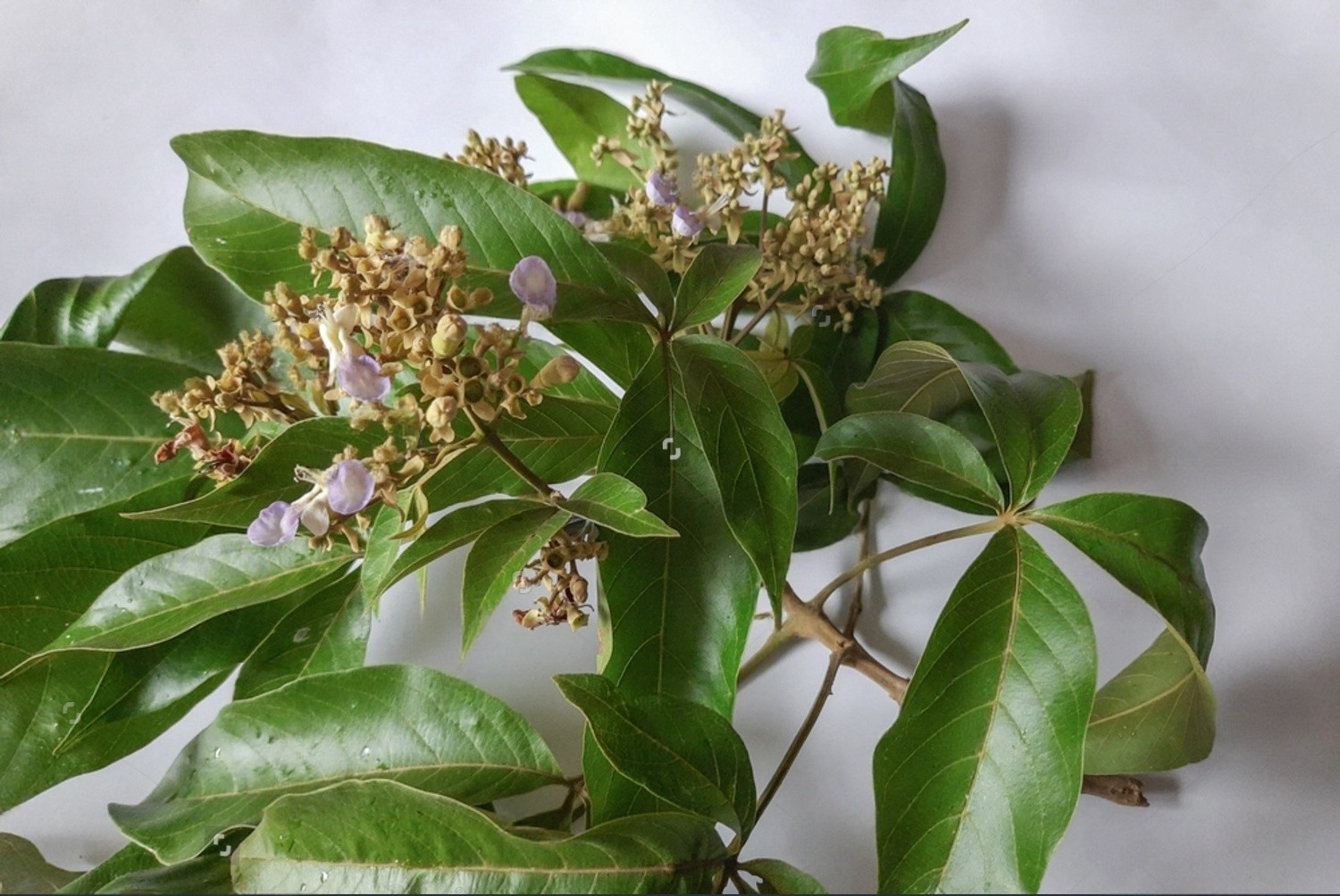
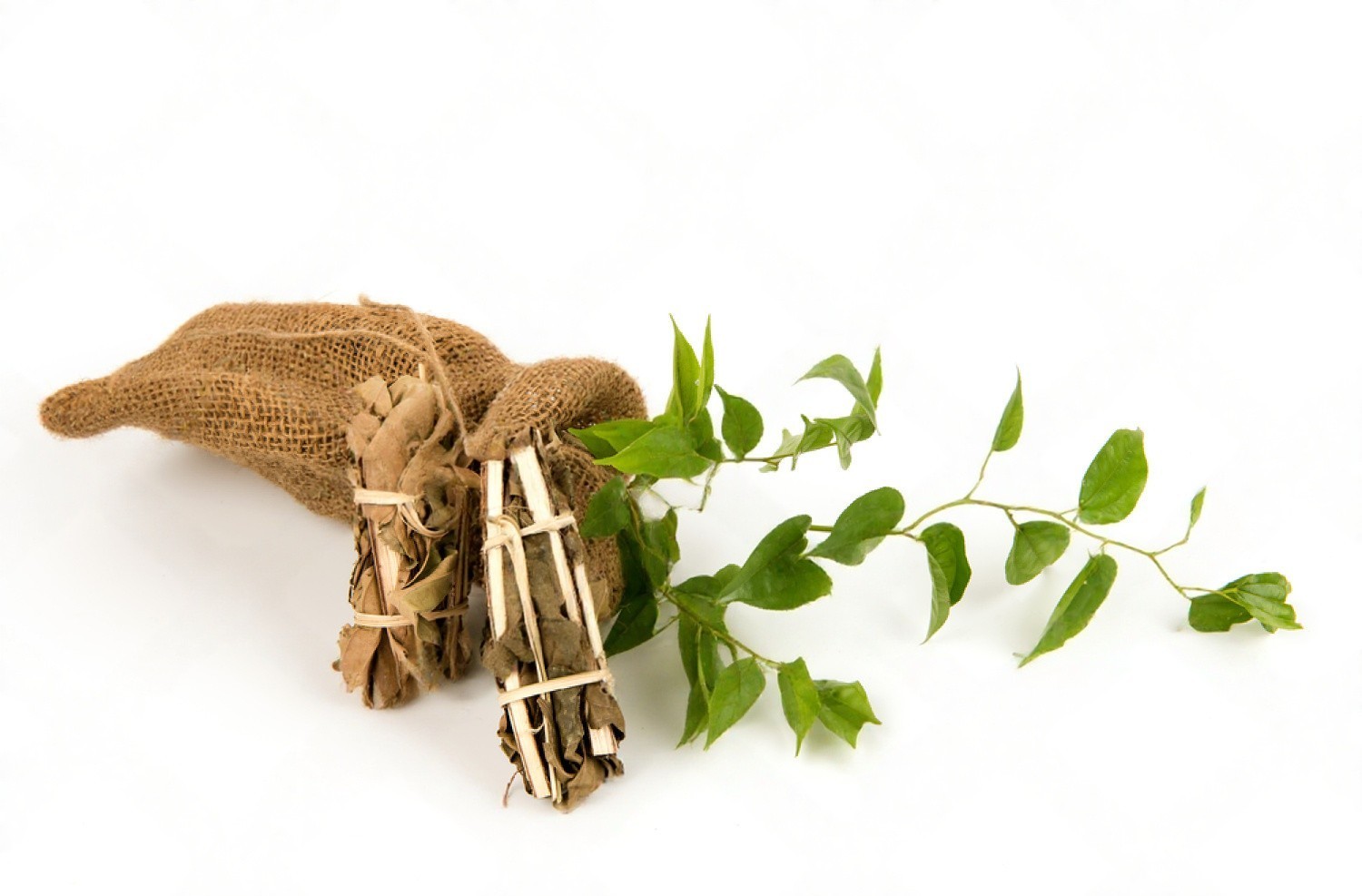
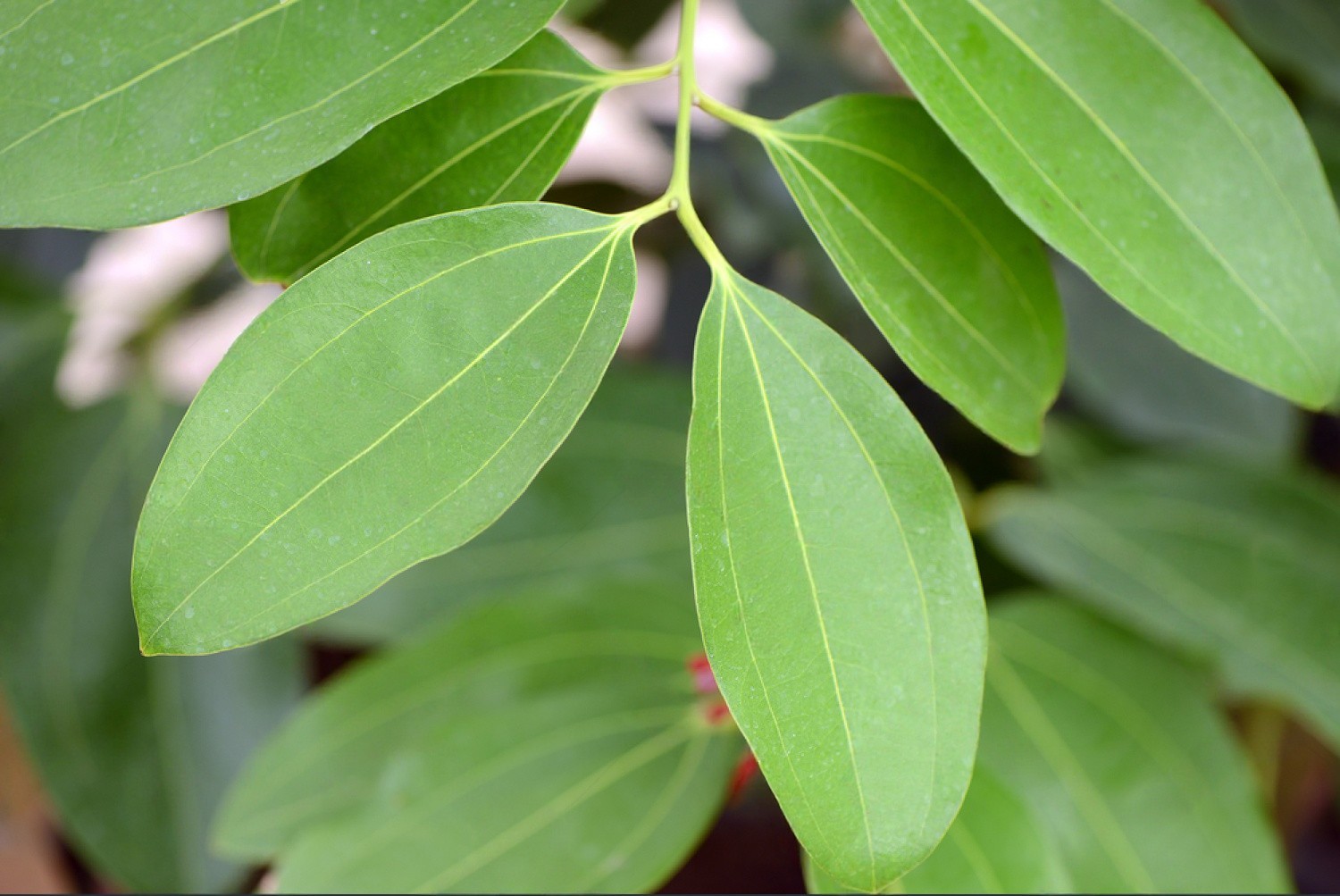
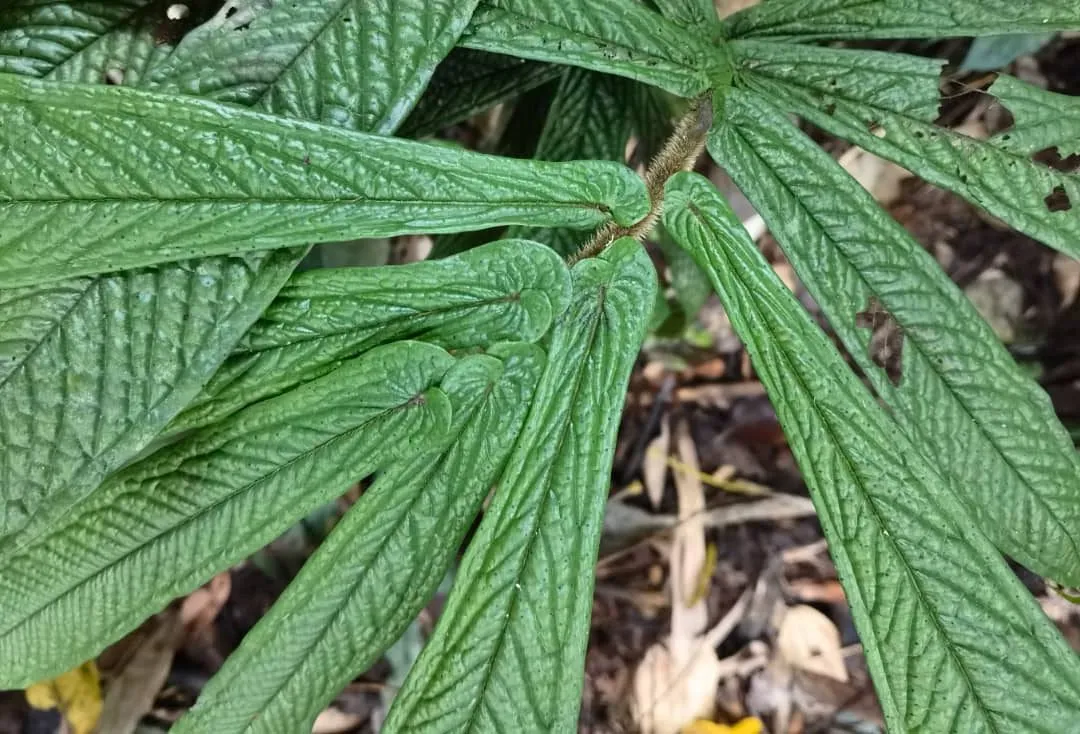
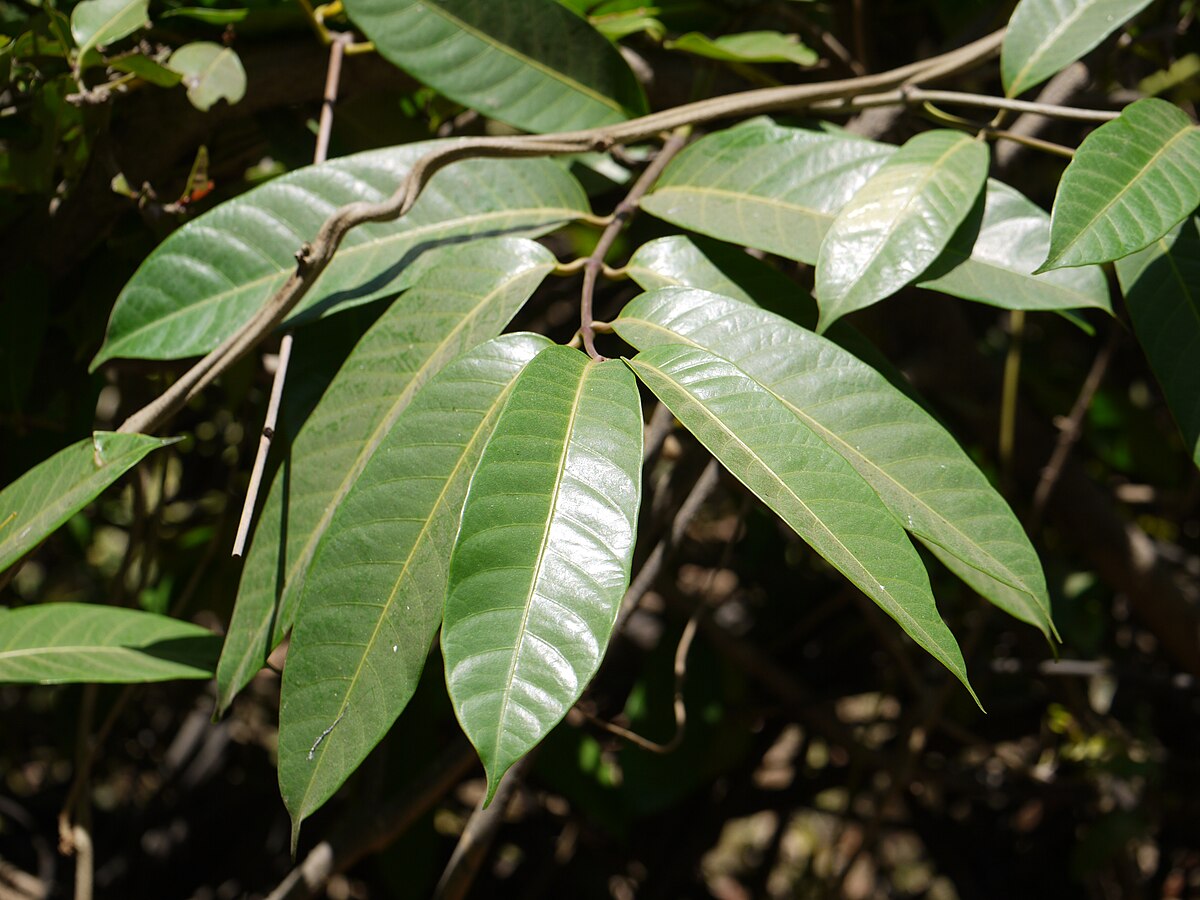
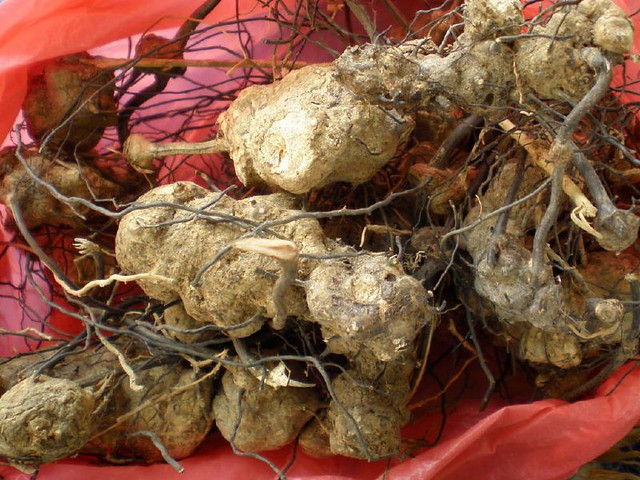
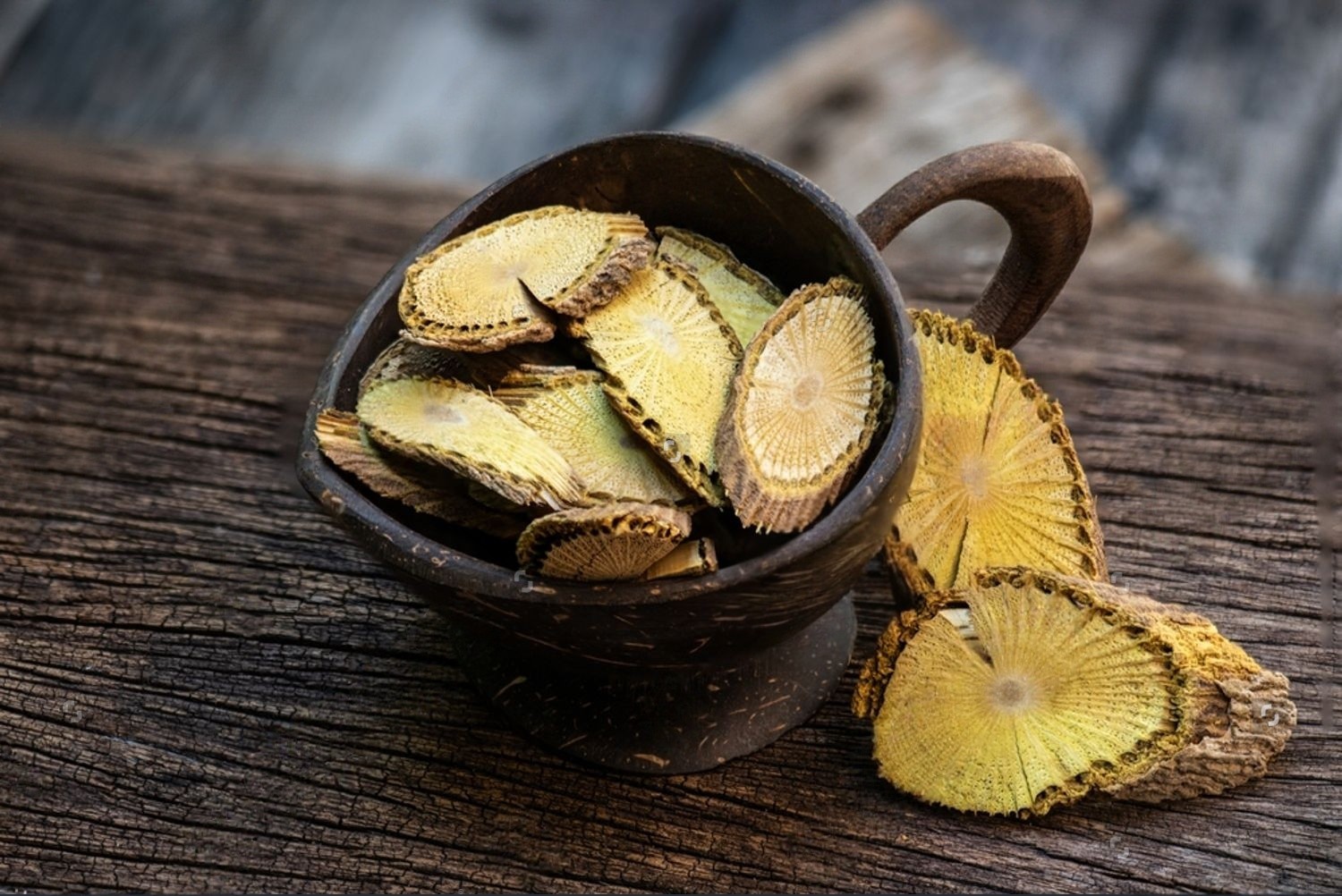
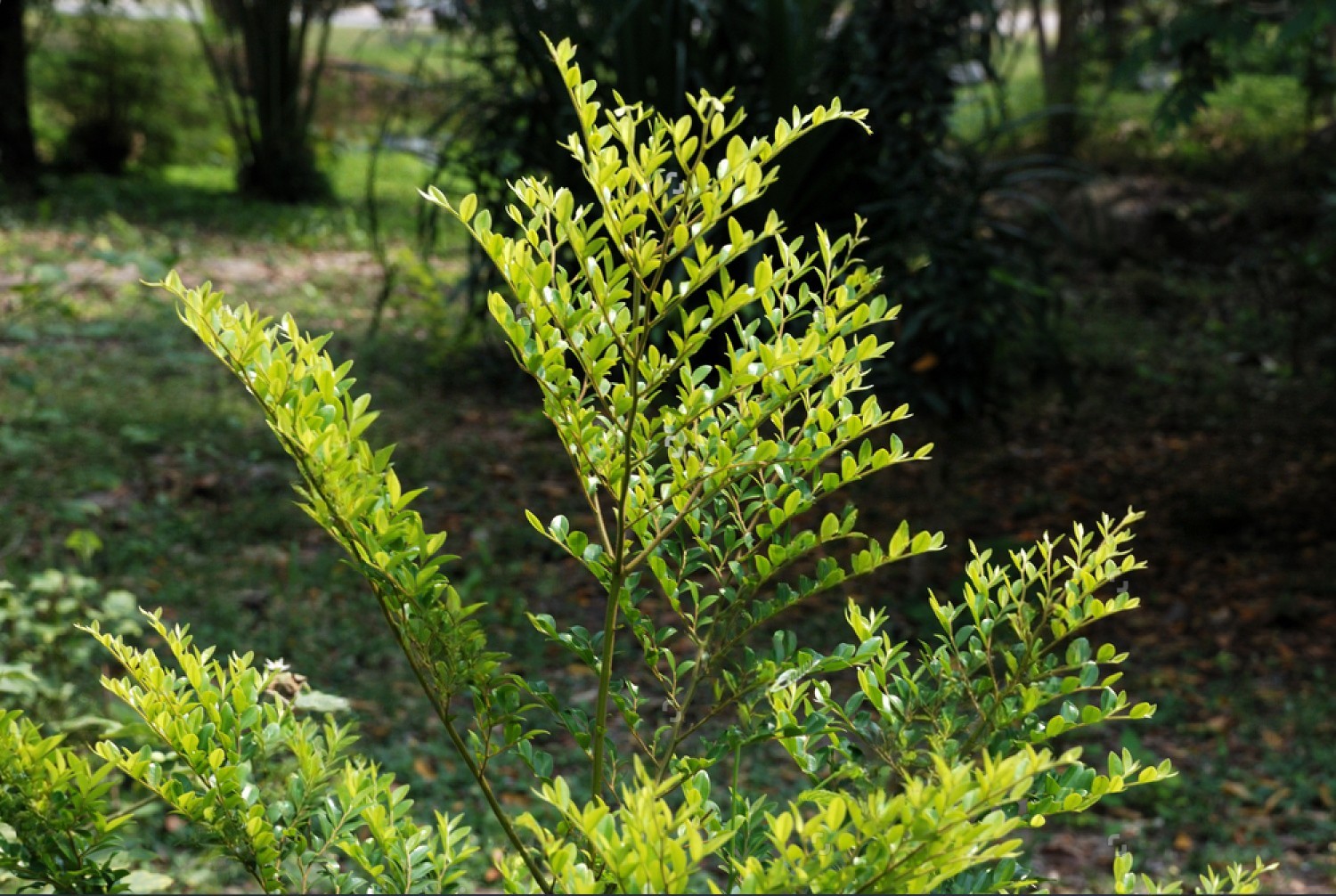
Picture
18
Video
No record
Today's Visitor
8
Number of Visitors
70
Introduction and history
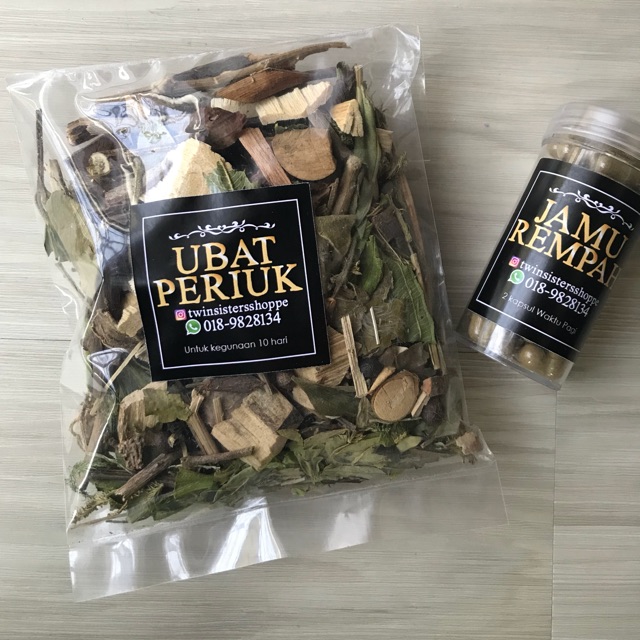
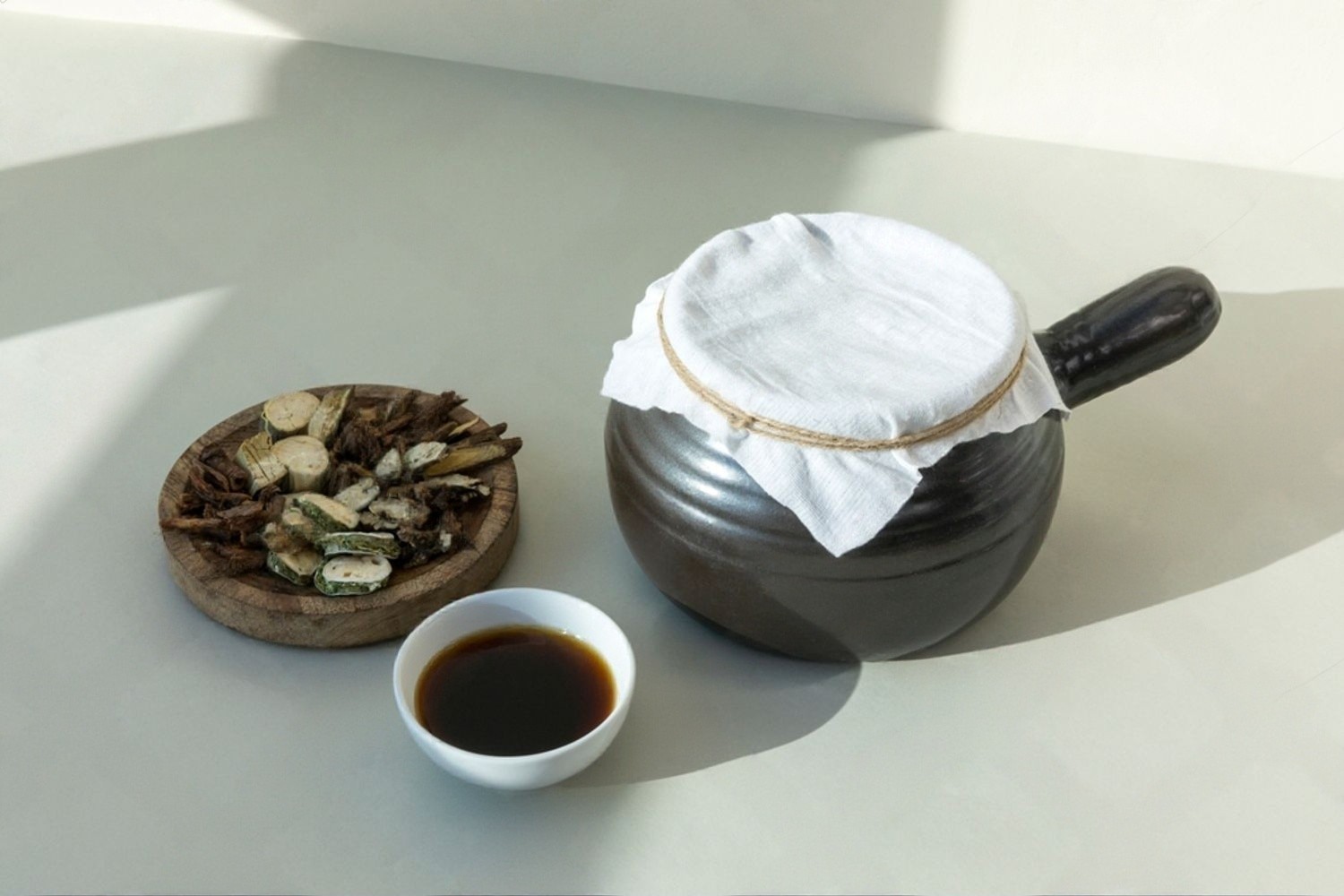
Ubat Periuk, also fondly called Ubat Piok in the dialect of some Malay communities, is a type of traditional medicine that has been passed down for generations. It consists of a mixture of selected roots, bark, stems, and herbal leaves that are boiled for a long period until they produce a nutritious decoction for drinking. This practice has long been synonymous with Malay society, particularly among mothers in the postpartum period. Ubat Periuk is often regarded as the “mother of all medicines” because it functions as an internal cleanser and a holistic health tonic. Its taste is not overly bitter, resembling unsweetened black tea, making it acceptable to most consumers.
In Malay traditional medicine, Ubat Periuk plays a significant role during the pantang (postpartum confinement) period. It is believed to restore energy, improve blood circulation, contract the uterus, heal internal wounds, enrich the blood, and refresh the body of postpartum mothers (Awang, 2008). Beyond postnatal care, it is also consumed for general health purposes, including treating vaginal discharge, relieving body aches, expelling excess wind, regulating blood pressure, and promoting urination. This indicates that Ubat Periuk is not solely a postpartum remedy but also part of the daily health regimen of the Malay community.
From a preparation perspective, Ubat Periuk ingredients are traditionally sourced from the forest or village gardens. The herbs are sun-dried until all moisture or sap is removed before being chopped or sliced into smaller pieces. Once dried, the herbs are easier to store at room temperature for a longer duration. This practice allows villagers to keep a supply of Ubat Periuk either for personal use or for sale. In modern contexts, Ubat Periuk has been commercialized and is now sold in airtight plastic packaging, complete with usage instructions, expiry dates, and pricing—aligned with the requirements of standardized health products (Zainal & Rahman, 2017).
Furthermore, Ubat Periuk reflects the local wisdom of the Malay community, which embraces a holistic approach to medicine. According to Laderman (1983), Malay traditional medicine emphasizes not only physical treatment but is also closely tied to spiritual aspects, cultural customs, and pantang (taboos or restrictions). Hence, the consumption of Ubat Periuk is often combined with confinement practices, traditional massage, and specific dietary regimens. This highlights how Ubat Periuk forms part of a broader system of traditional health practices that complement community life.
Today, even with the widespread availability of modern medicine, Ubat Periuk continues to hold a place in Malay society and is more accessible than ever. It functions not only as a natural remedy but also as a cultural identity marker of the Malay people, who are rich in herbal knowledge. The presence of Ubat Periuk products in contemporary markets demonstrates the resilience of Malay traditional medicine in adapting to commercialization trends and in maintaining public awareness of herbal-based healthcare.
Ubat Periuk plays an important role in Malay traditional medicine, particularly as a health practice for women after childbirth and also as a general tonic for both men and women. It functions not only on a physical level but also reflects the holistic approach of Malay society in maintaining the balance of body, mind, and emotions.
Postpartum Benefits
Cleanses impure blood and heals internal wounds
The decoction of Ubat Periuk is believed to accelerate the body’s recovery process by expelling lochia (postnatal blood discharge) and promoting faster healing of internal wounds.
Contracts and strengthens the uterus and abdominal muscles
Its consumption helps the uterus return to its original state while tightening and strengthening the abdominal muscles that have loosened after childbirth.
Restores energy and improves blood circulation
Mothers in confinement regain lost energy during labor, while improved blood circulation helps prevent clotting and fatigue.
Warms the body and expels wind
The naturally warming properties of the herbs helabourlp reduce sensations of coldness in the body and eliminate trapped wind that causes discomfort.
Enhances breast milk production
Certain ingredients are believed to stimulate milk production, thereby supporting smoother breastfeeding for the infant.
General Health Benefits (for Men and Women)
Detoxifies the body
The herbal combination acts as a natural detoxifying agent, flushing out excess waste and toxins from the body.
Promotes blood circulation
The herbal infusion enhances blood circulation, which is essential for heart health, stamina, and overall vitality.
Boosts energy and reduces fatigue
Regular consumption of Ubat Periuk is believed to increase physical endurance and reduce tiredness from daily activities.
Relieves joint pain, body aches, and muscle strain
With its anti-inflammatory qualities, the decoction helps ease muscle soreness and joint pain, common among adults and the elderly.
Alleviates menstrual pain and vaginal discharge issues
Ubat Periuk is also used for women’s reproductive health, helping regulate menstrual cycles and treat conditions such as vaginal discharge.
Promotes youthfulness and balances hormones
Consumers believe it can stabilize hormonal levels, maintain healthy skin, and preserve bodily freshness over the long term.
-
Ubat Periuk primarily consists of a wide variety of herbs, roots, stems, leaves, and barks selected for their perceived medicinal properties. The exact mixture often varies depending on the healer or preparer, largely influenced by the availability of plants in their local environment. Despite these variations, the main principle remains consistent: to use a balanced combination of herbs in terms of taste, aroma, and health benefits. Common plants used in the preparation of Ubat Periuk include the following:
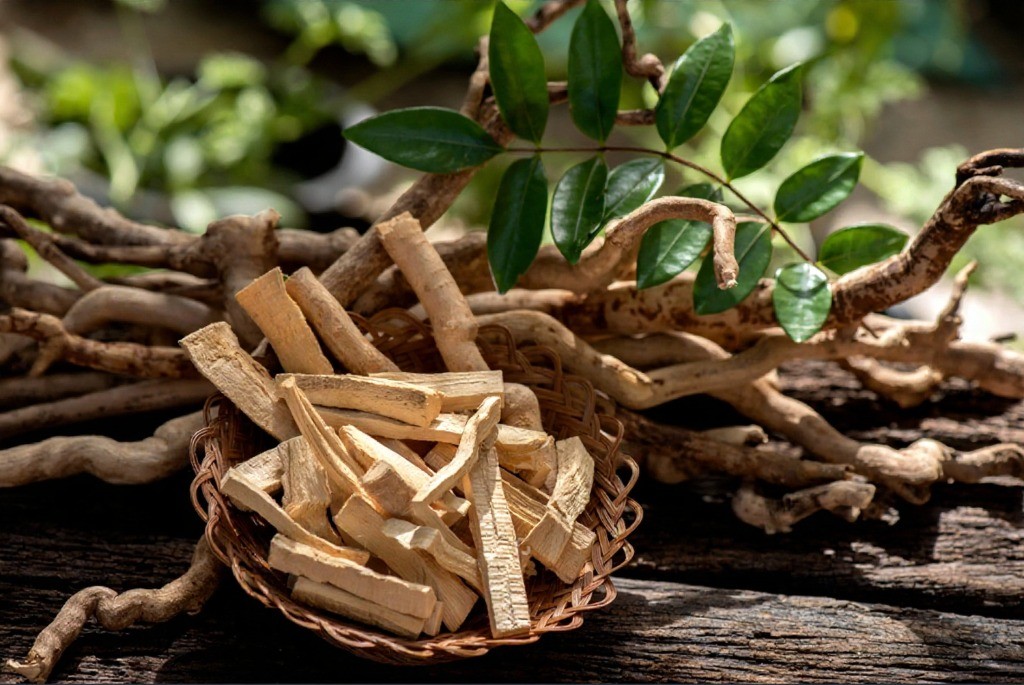
Tongkat Ali (Eurycoma longifolia)
Widely known in Malay traditional medicine, this root is used to enhance vitality, strengthen muscles, and improve male fertility.
Kacip Fatimah (Labisia pumila)
Closely associated with women’s health, especially postpartum, it is believed to contract the uterus, regulate hormones, and restore inner strength.
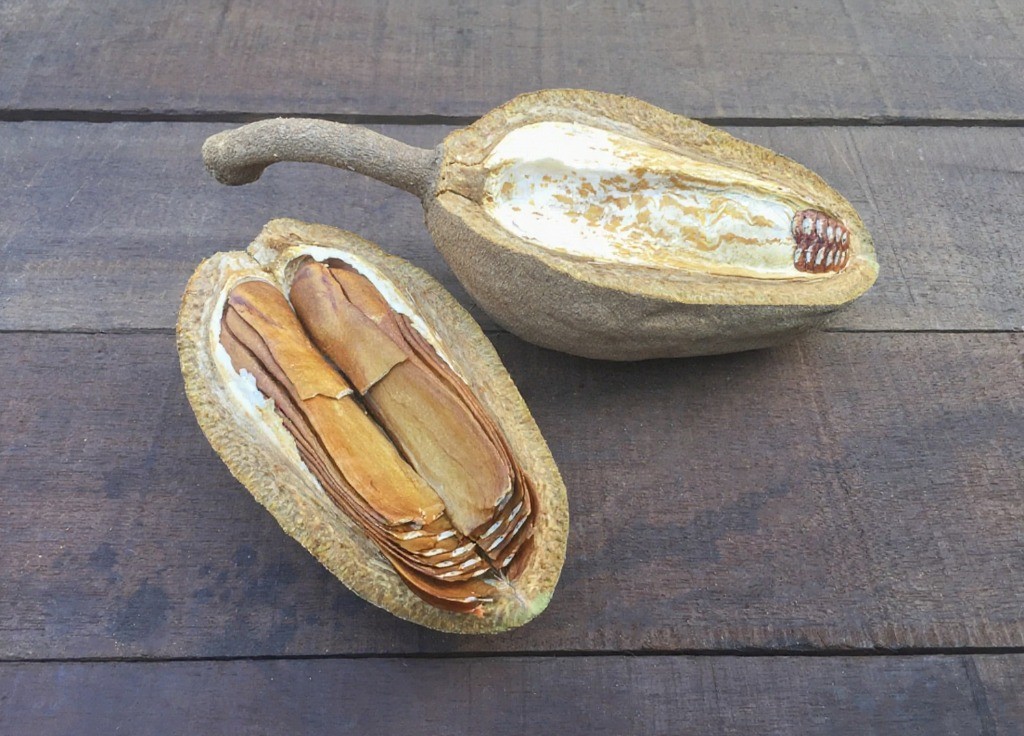
Buah Tunjuk Langit (Swietenia macrophylla)
The seeds are said to reduce blood sugar levels, promote circulation, and strengthen the immune system.
Lemba Batu (Staurogyne merguensis)
Often used as a supplementary ingredient to refresh the body, boost energy, and maintain bodily balance.
Halban (Vitex pinnata)
Its leaves are believed to relieve muscular aches and reduce fatigue.
Gajah Tarik (Strychnos axillaris)
The roots of this plant are traditionally consumed as a tonic to improve physical strength and endurance.
Teja Lawang (Cinnamomum iners)
A type of cinnamon bark, it serves both as a flavouring agent and as a digestive aid.
Tongkat Ali Hitam (Polyalthia bullata)
Considered stronger than common Tongkat Ali, it is believed to boost stamina and male reproductive health.
Tengkuk Biawak (Anodendron candolleanum)
Traditionally used to cleanse the blood and restore strength after illness or childbirth.
Ubi Jaga (Smilax myosotiflora)
Known as a natural aphrodisiac and stamina enhancer, it is also believed to improve blood circulation.
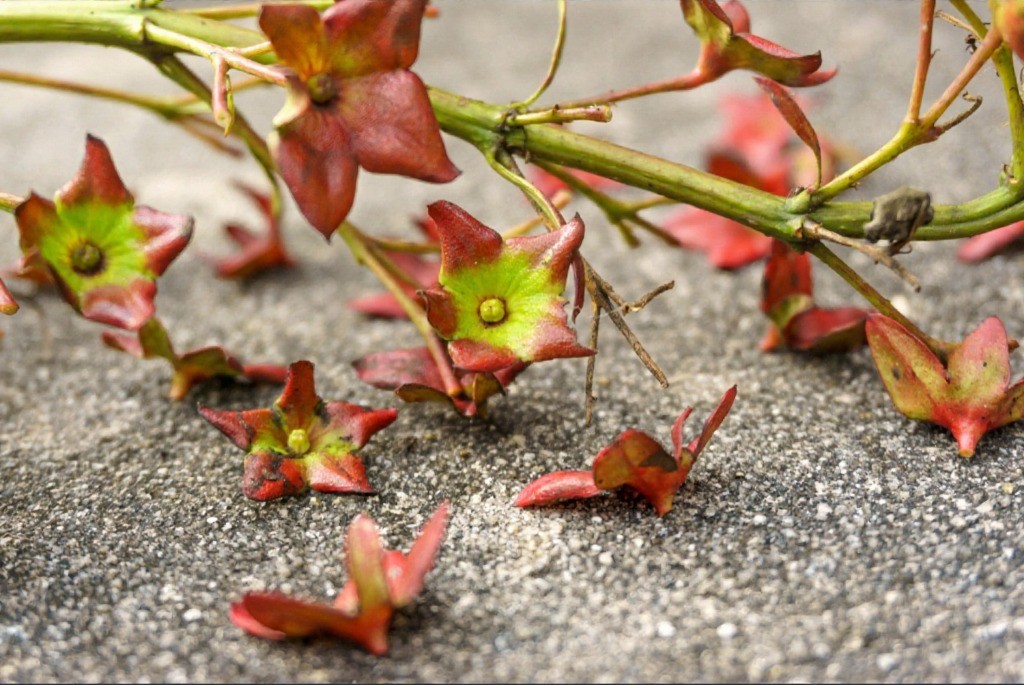
Herba Sekunyit (Coscinium fenestratum)
Recognizable by its yellow stem, it is used to reduce body heat and cleanse the internal system.
Payung Ali (Diospyros buxifolia)
Traditionally consumed to boost energy, strengthen the immune system, and rejuvenate the body.
Tongkat Haji/Samad/Setulang (Prismatomeris tetrandra)
This root is used to enhance inner vitality and is believed to impart a natural radiance to the body.
Rempah Gunung/Kulit Lawang Kecil (Cinnamomum javanicum)
Besides adding fragrance, it also functions as an antimicrobial agent and digestive aid.
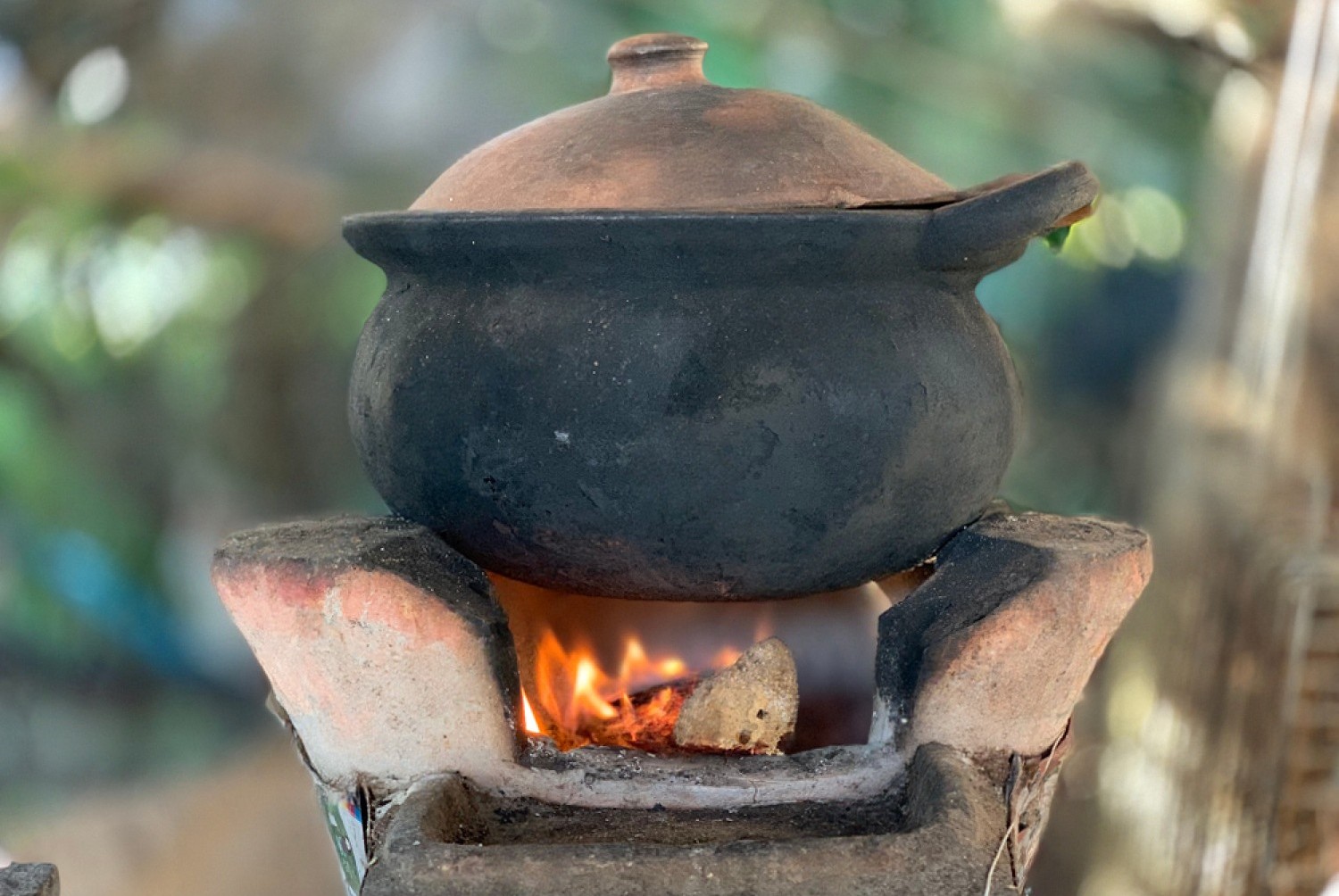
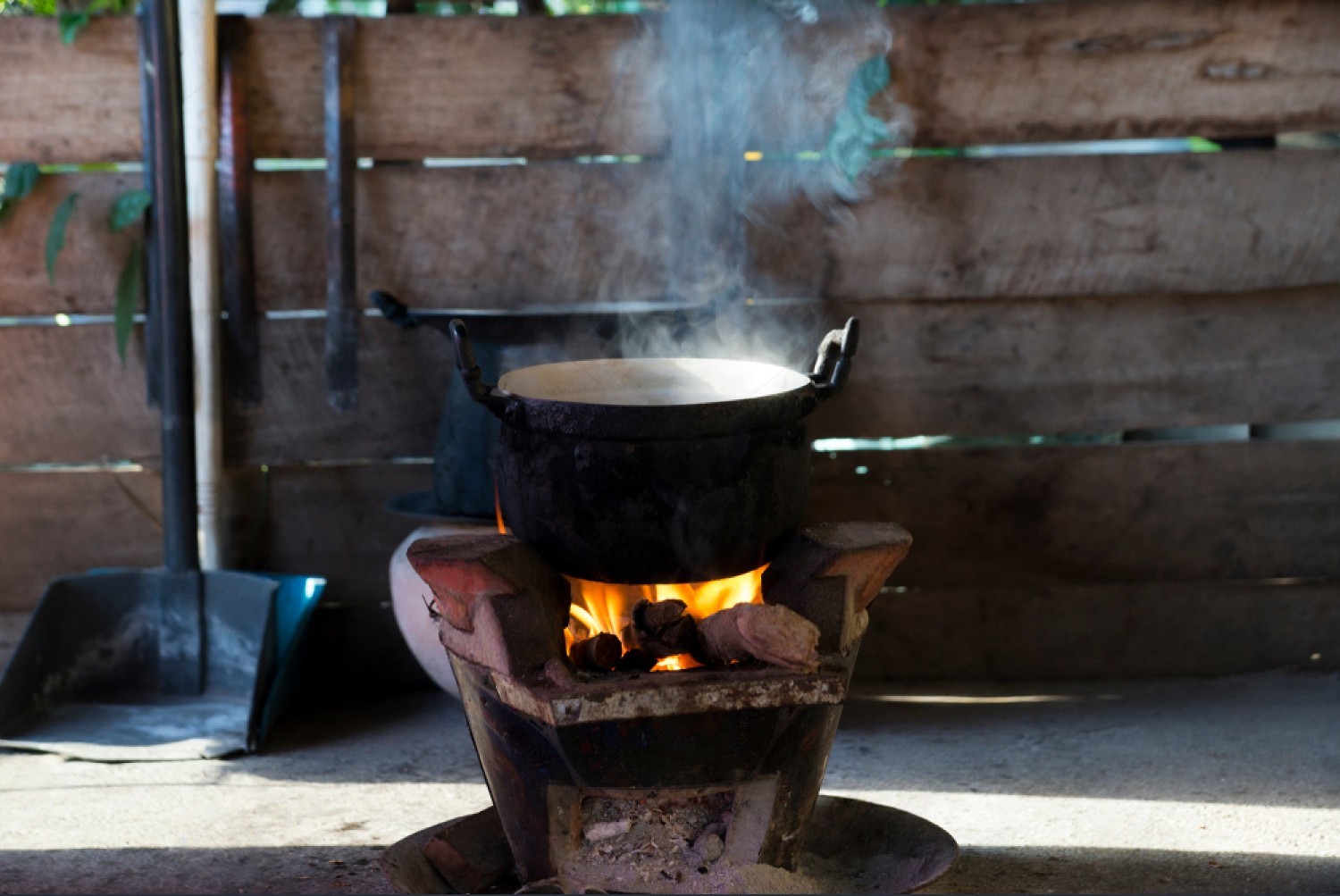
These herbs are usually boiled in earthenware pots, such as belanga or buyung (traditional clay pots), as it is believed that clay preserves the natural efficacy of the plants better than metal pots. However, in modern practice, iron or stainless-steel pots are commonly used due to their convenience. The Malay preference for clay pots reflects a traditional philosophy that meticulous preparation influences the effectiveness of the remedy for the user.
The preparation process of Ubat Periuk is regarded as an art within Malay traditional medicine. It requires precision, as the amount of water, duration of boiling, and measurement of herbs play crucial roles in determining the effectiveness of the decoction. In general, the preparation method consists of the following steps:
Step 1: Preparation Stage
All herbs, roots, stems, and leaves are thoroughly cleaned to remove dust, soil, or natural sap.
Traditionally, the mixture is placed in clay pots (belanga or buyung), as clay is believed to preserve the natural properties of the herbs better than modern iron pots. In contemporary practice, however, metal or stainless-steel pots are often used due to their availability.
The measurement of herbs usually follows the recommendations of traditional practitioners, such as a handful of roots, three slices, or an inch-long piece of root. These proportions are important to prevent excessive use, which may cause side effects.
Step 2: Boiling Process
The herbs placed in the pot are covered with sufficient water, typically three glasses.
The mixture is simmered over low heat until it boils, and the volume is reduced to about one glass.
In modern practice, one packet of Ubat Periuk is usually boiled with a full pot of water and left to boil until the essence of the herbs is fully extracted.
Step 3: Consumption Method
The strained decoction is consumed warm, usually twice a day—one glass in the morning and one in the evening.
For postpartum mothers (normal delivery, caesarean section, or miscarriage), it is traditionally consumed three times daily, starting from the third day after childbirth until the end of the confinement period.
Any remaining liquid should be left in the pot, not refrigerated. Before drinking, it is reheated.
The boiled herbs can be refilled with water and reused for up to 7–10 days, as each boiling is believed to continue releasing herbal extracts.
Restrictions and Warnings
Not recommended for pregnant women, as certain ingredients may harm the fetus.
Not suitable for infants or children under 16, as their bodies are not prepared to handle concentrated herbal decoctions.
Breastfeeding mothers are advised to avoid Ubat Periuk due to potential risks for the infant’s health.
Patients with chronic illnesses under medical supervision (e.g., kidney, liver, or heart conditions) should consult their doctors before consuming Ubat Periuk.
It should not be consumed simultaneously with modern medication, as herbal-drug interactions may cause unwanted effects.
Traditional Usage Tips
In Malay cultural tradition, there are specific guidelines for postpartum mothers:
Ubat Periuk decoction is best consumed after the third day of childbirth, when the body is more prepared for internal healing.
The practice is continued until the end of the confinement period (40–44 days) or until internal wounds are fully healed.
It is recommended to drink before meals, as the body can absorb the herbal nutrients more effectively.
-
Reference Source
Bahan Bacaan
Akhiar, S. K. B. (2016). Amalan dan penggunaan herba dalam perubatan tradisional Melayu selepas bersalin di zon tengah, Semenanjung Malaysia (Doctoral dissertation, Universiti Tun Hussein Onn Malaysia).
Anim Hosnan. (2023, Ogos 17). Ubat periuk – Apa dia? Anim Agro Technology. https://animhosnan.blogspot.com/2023/08/ubat-periuk-apa-dia.html
Jamal, J. A., Ghafar, Z. A., & Husain, K. (2011). Medicinal plants used for postnatal care in Malay traditional medicine in the Peninsular Malaysia. Pharmacognosy Journal, 3(24), 15–24. https://doi.org/10.5530/pj.2011.24.3
KeepDara. (n.d.). Ubat periuk. KeepDara. https://www.keepdara.com/product/ubat-periuk/
Malaysia, F. P. S. (n.d.). Ekosistem tanah tinggi sebagai santuari tumbuhan penawar di Semenanjung Malaysia. In Healing power from nature: Current trends and perspectives (p. 59).
Normina, A. B., Noradhiah, T., Y. B., H., C. K., T., Kandiah, M., Aris, A. Z., & Tan, E. S. (2019). Consumption of Malay herbal medicine (MHMs) during pregnancy and postpartum. Indian Journal of Public Health, 10(1297), 10–5958. https://doi.org/10.4103/ijph.IJPH_1297_19
Ong, H. C. (2004). Tumbuhan liar: Khasiat ubatan & kegunaan lain. Utusan Publications.
Saudi, M. (2002). Pengekstrakan alkaloid pokok Coscinium blumeanum miers (pokok kekunyit).
Wan Zawawi. (2017, Ogos 8). Apa yang anda perlu tahu tentang ubat periuk. WanZawawi.Net. https://wanzawawi.net/2017/08/apa-yang-anda-perlu-tahu-tentang-ubat-periuk/
Yunos, Y., & Mohamed, N. (2011). Ramuan flora dan fauna dalam mujarabat Melayu. Jumantara: Jurnal Manuskrip Nusantara, 2(2), 1–29.
Location
State JKKN Contact Information
Cultural Officer
Jabatan Kebudayaan dan Kesenian Negara
Use the form below to contact the Informant/Figure/Editor/Researcher directly. We will respond to your inquiry as soon as possible!