

ARTS AND CULTURE INFORMATION GATEWAY
Immerse yourself in the colorful world of art and culture! From traditional heritage to contemporary works, discover uniqueness that reflects the nation's identity and identity
MELEGAKAN SAKIT GIGI
 Fakulti Muzik dan Seni Persembahan, Universiti Pendidikan Sultan Idris



Picture
6
Video
No record
Today's Visitor
12
Number of Visitors
67
Introduction and history
Toothache is one of the most common oral health issues affecting people of all ages. The pain may arise from various causes, such as dental caries (tooth decay), gum infections, cracked teeth, or nerve-related issues. The discomfort often disrupts daily activities and can even impact one’s appetite and sleep quality.
In the context of modern dentistry, toothache treatment is typically carried out through a professional examination at a dental clinic or hospital. Common treatments include dental fillings to repair cavities, root canal therapy for damaged tooth nerves, and tooth extraction in cases of severe decay. Additionally, painkillers, antibiotics, and antiseptic mouth rinses are prescribed to alleviate pain and prevent infection. This modern approach is considered more effective in providing long-term solutions because it not only alleviates pain but also addresses the root cause of dental and gum problems.
However, long before the existence of modern dental care, traditional Malay communities practised various natural remedies to temporarily ease a toothache. These folk remedies emerged out of necessity, as access to dental clinics or professional dentists was limited in the past, especially in rural areas. People therefore relied on natural resources, such as herbs, spices, and household ingredients, which were believed to possess anti-inflammatory, antibacterial, and analgesic properties.
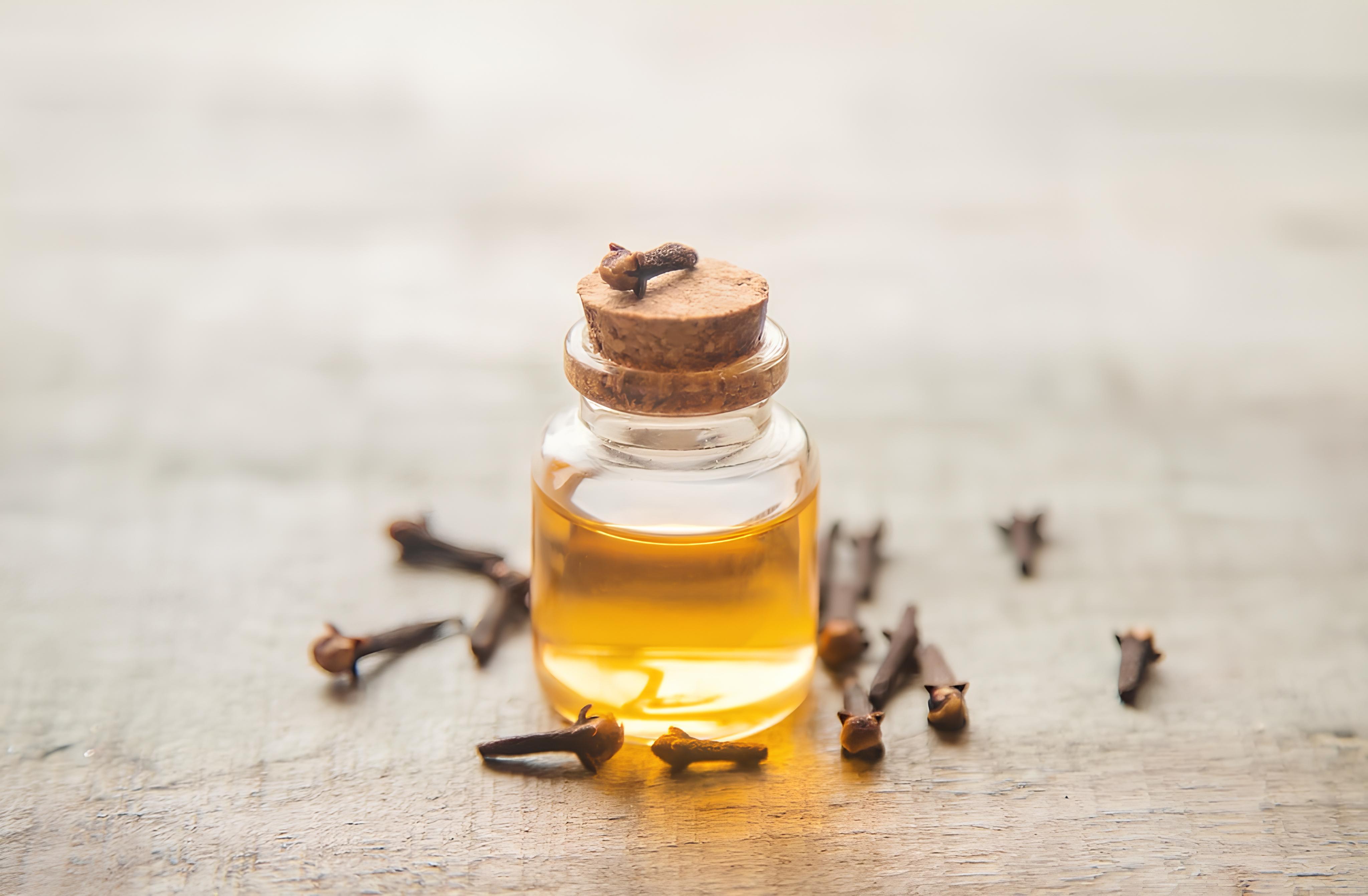
Among the most common traditional remedies is the use of clove (Syzygium aromaticum), which contains an active compound called eugenol, known for its analgesic (pain-relieving) and antibacterial effects. It can be applied in two ways: by placing a whole dried clove directly on the aching tooth to create a numbing effect, or by applying clove oil to a cotton swab and pressing it against the affected tooth or gums. This method is effective in temporarily reducing pain while helping to control bacterial growth.
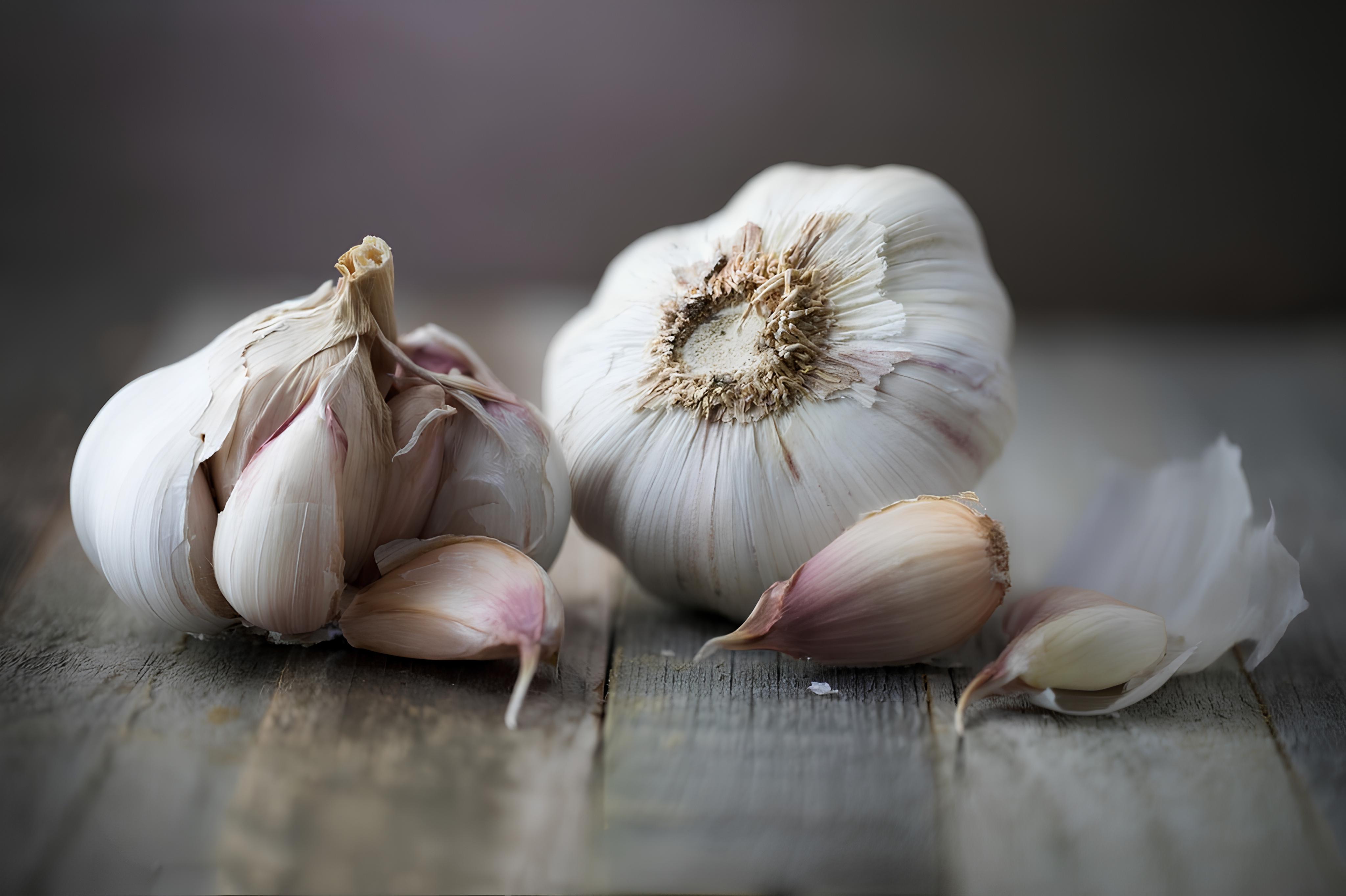
Another widely recognised remedy is garlic (Allium sativum), which acts as a natural antibiotic due to its allicin content, which possesses antibacterial, antifungal, and anti-inflammatory properties. Garlic cloves are usually crushed and applied directly to the aching tooth or chewed gently to release their juice. Apart from alleviating pain, garlic is believed to help prevent the spread of infection in the teeth and gums. Though its strong taste may be unpleasant, its effectiveness has long been recognised in traditional medicine.
Some also turn to aloe vera (Aloe barbadensis miller), more popularly known as a skin-healing and soothing plant. Its gel, however, is equally beneficial for oral health due to its anti-inflammatory, antibacterial, and cooling properties. Aloe vera gel can be applied directly to the gums or around the affected tooth to reduce swelling and pain, while also promoting the healing of minor mouth wounds.
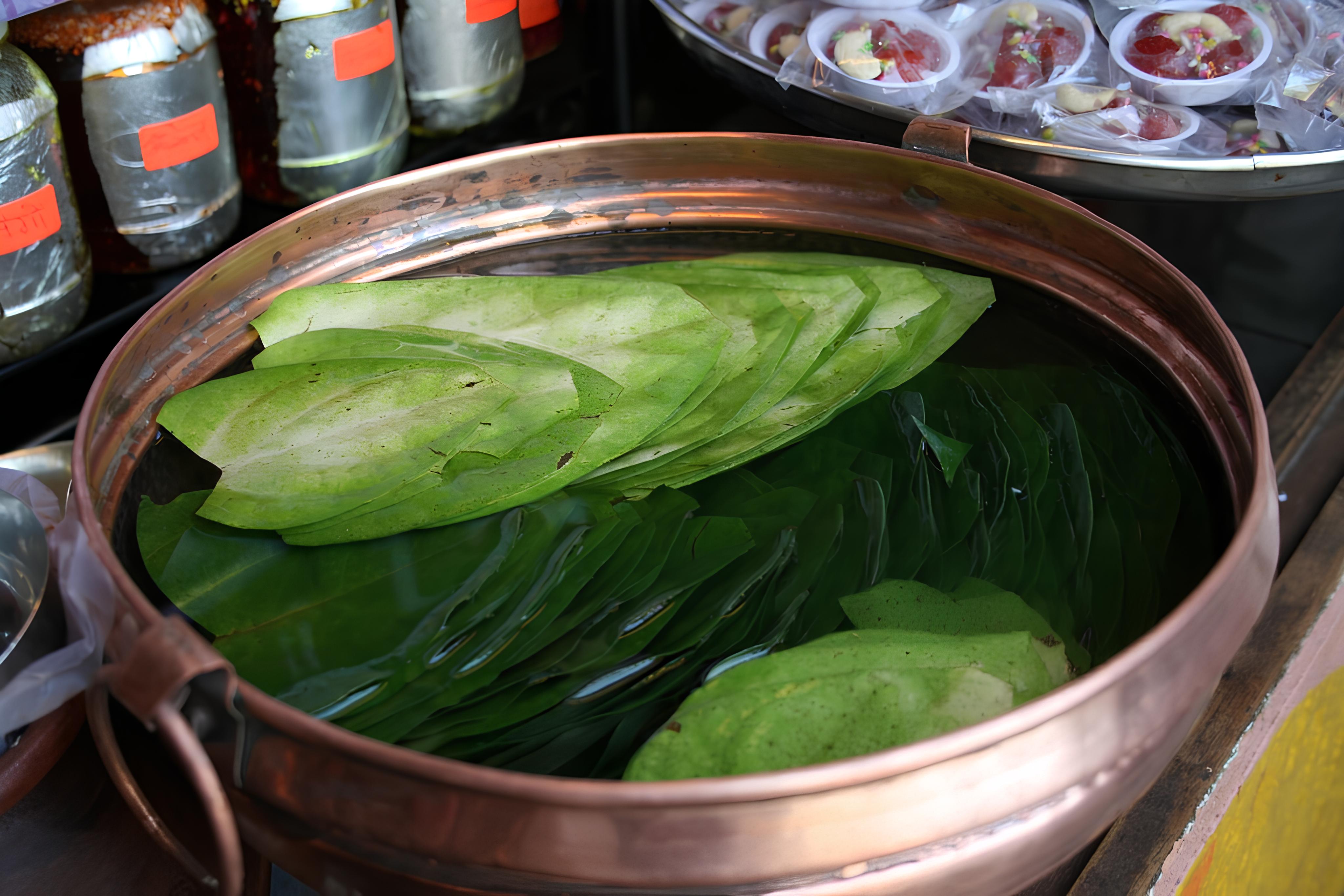
Another popular traditional remedy is the use of betel leaves (Piper betle), which has long been valued in Malay culture for maintaining oral health. Betel leaves contain natural antiseptic compounds that inhibit the growth of bacteria. They can be used in two ways: boiling the leaves to make a mouth rinse, or chewing fresh leaves to release their therapeutic effects. This practice not only helps relieve toothache but also promotes oral cleanliness and prevents bad breath.
Finally, the simplest and most accessible remedy is saltwater gargling, which remains one of the most effective household methods for easing a toothache. Salt has natural antiseptic properties that help kill bacteria, reduce inflammation, and flush out food particles trapped between the teeth. The preparation is simple: dissolve half a teaspoon of salt in a glass of warm water and use it to rinse the mouth for 20–30 seconds. This practice can be repeated several times a day to relieve pain and maintain oral hygiene.
These practices demonstrate the creativity and wisdom of traditional Malay communities in addressing health problems based on local knowledge. Ingredients such as cloves, turmeric, ginger, garlic, and betel leaves were not only used in cooking but also served as natural remedies for toothache relief. Although such treatments only provide temporary comfort, they remain part of a cultural heritage of traditional medicine, still practised today as an initial recourse before seeking modern dental care.
Traditional approaches to relieving toothache in Malay society have long played a crucial role in providing initial relief from pain. The following outlines the key functions and roles of these remedies:
Relieving Pain
The primary function of traditional toothache remedies is to alleviate the pain experienced by the patient. Natural ingredients, such as cloves, are commonly used because the eugenol they contain helps numb dental nerves and provide quick relief from throbbing pain.
A dried clove can be placed directly on the aching tooth, or clove oil can be applied to a cotton ball and pressed onto the affected area, both of which act as natural analgesics. Additionally, other ingredients, such as garlic and aloe vera, are valued for their anti-inflammatory and soothing properties, which help calm inflamed gums and enhance patient comfort. While the relief is temporary, this function is crucial in providing immediate comfort before more comprehensive treatment can be sought.
Treating and preventing infection
Beyond pain relief, traditional remedies also serve to treat and prevent infections, which are often the underlying cause of oral health problems. Garlic, rich in allicin, functions as a natural antibacterial agent that effectively suppresses bacterial growth responsible for tooth decay and gum swelling. In practice, crushed garlic may be applied directly to the aching tooth or chewed gently to release its juice, serving as a natural antibiotic.
Betel leaves are another common choice, valued for their antiseptic compounds that cleanse the mouth and inhibit bacterial growth. Betel leaf decoctions are often used as a mouth rinse, while fresh leaves may be chewed to strengthen the gums and relieve a toothache. Aloe vera further supports healing with its antibacterial and cooling effects, helping to repair oral tissues more quickly. These remedies thus play a dual role in controlling infection and strengthening oral resistance against more serious conditions.
Reducing inflammation and swelling
Gum inflammation and swelling around the teeth are frequent causes of severe toothaches. In traditional Malay medicine, several natural ingredients are used to reduce swelling naturally. Aloe vera gel, renowned for its anti-inflammatory and cooling properties, is applied directly to swollen gums to alleviate discomfort and reduce irritation. Garlic, too, offers anti-inflammatory benefits in addition to its antibacterial properties, helping to reduce gum inflammation.
Saltwater rinses are also a common practice, helping to cleanse the affected area of bacteria and soothe inflamed tissues. In some traditions, boiled betel leaves are used as a mouth rinse due to their antiseptic properties, which provide further relief. Collectively, these remedies function to quickly ease swelling and accelerate natural healing of the affected areas in the mouth.
Maintaining Oral Hygiene
Oral hygiene is a vital component of traditional toothache treatment, as it helps to prevent recurring infections and maintain the health of teeth and gums. Among the simplest and most effective methods is rinsing with a saltwater solution. This practice not only kills bacteria but also helps remove food particles lodged between teeth, balances the pH of the mouth, and reduces unpleasant odours.
Similarly, betel leaves are widely used either by boiling them for use as a mouth rinse or by chewing them fresh. Their natural antiseptic qualities cleanse the mouth, strengthen gums, and control plaque buildup. These practices demonstrate that Malay communities historically emphasised preventive measures that were simple, affordable, and effective in preserving oral hygiene alongside toothache relief.
Natural Alternative and Cultural Heritage
For traditional Malay communities, toothache remedies were more than just healthcare solutions,, they represented local wisdom handed down through generations. These practices arose out of necessity at a time when modern dental clinics were nonexistent or inaccessible, particularly in rural areas. As a result, people turned to natural resources such as cloves, garlic, betel leaves, aloe vera, and saltwater as alternative remedies to ease pain, reduce inflammation, and control infections.
While temporary in effect, these remedies played a vital role by providing initial relief before modern treatment could be obtained. More importantly, they embody the deep cultural connection between the Malay people and their natural environment, where every plant and ingredient was believed to hold unique healing properties. Thus, these remedies are not only physical treatments but also cultural expressions of traditional Malay medicine that remain relevant today.
Long-Term Solutions
Although natural remedies such as cloves, garlic, aloe vera, betel leaves, and saltwater are effective in providing immediate relief, their role is temporary since they do not address the root cause of the toothache. Long-term solutions require modern dental care delivered by professionals. For example, cavities must be filled or extracted, abscessed gums must be cleaned, and root canal treatment can save severely affected teeth.
In this regard, modern treatment is superior, as it addresses the underlying cause rather than merely alleviating symptoms. Therefore, traditional remedies may be considered an important first step in managing pain, while modern dentistry remains essential for ensuring long-term oral health.
-
All of these ingredients are readily available, as most are common cooking items used in daily life. Some are even grown at home in kitchen gardens for both culinary and traditional medicinal purposes. The following are the main ingredients used in traditional remedies to relieve toothache:
Cloves (Syzygium aromaticum) / Clove Oil
Garlic (Allium sativum)
Aloe Vera (Aloe barbadensis miller)
Betel Leaves (Piper betle)
Saltwater Solution
The preparation of these remedies involves basic steps such as crushing, boiling, chewing, or making a mouth rinse, depending on the type of ingredient used. The following are the traditional methods of preparation:
Cloves/Clove oil
Take a dried clove, place it directly on the aching tooth, and bite down gently to release its natural oil.
Alternatively, dip a cotton ball in clove oil and apply it to the affected tooth or gum.
To make clove oil at home, lightly crush dried cloves to help release their essential oils. Heat a small amount of carrier oil (such as olive oil) in a pot over low heat, then add the crushed cloves. Simmer gently for 5–10 minutes until the oil darkens and releases a strong aroma. Strain, cool, and store the clove oil in a clean glass bottle with a tight lid.
This method works by numbing the tooth nerves and reducing throbbing pain.
Garlic
Take one clove of garlic and crush it to release its juice.
Apply the crushed garlic directly to the aching tooth, or chew a raw clove gently.
This practice helps kill bacteria around the tooth and reduces gum swelling due to its natural antibacterial and anti-inflammatory properties.
Aloe Vera
Cut a fresh aloe vera leaf and extract the clear gel from inside.
Apply the gel directly to the swollen gum or the painful area of the tooth.
Aloe vera gel provides a cooling effect, reduces inflammation, and speeds up the healing of oral tissues.
Betel Leaves
Wash several betel leaves thoroughly and boil them in water until the water comes to a boil.
Use the warm decoction as a mouth rinse.
Alternatively, chew fresh betel leaves directly to freshen the mouth and ease a toothache.
The natural antiseptic properties of betel leaves help reduce bacterial growth and prevent infection.
Saltwater Solution
Dissolve half a teaspoon of salt in a glass of warm water.
Use the solution as a mouth rinse for 30–60 seconds, then spit it out.
Repeat several times a day to reduce inflammation, cleanse the mouth, and provide relief from a toothache.
-
Reference Source
Bahan Bacaan
Ali, I., Wajid, A., & Khan, S. (2021). Therapeutic uses of Syzygium aromaticum (clove): A review. Journal of Medicinal Plants Studies, 9(2), 44–48.
Ankri, S., & Mirelman, D. (1999). Antimicrobial properties of allicin from garlic. Microbes and Infection, 1(2), 125–129. https://doi.org/10.1016/S1286-4579(99)80003-3
Colgate. (n.d.). How to use garlic to cure toothache. Colgate. Retrieved September 1, 2025, from https://www.colgate.com/ms-my/oral-health/brushing-and-flossing/how-to-use-garlic-to-cure-toothache
eCentral. (n.d.). Bunga cengkih. eCentral. Retrieved September 1, 2025, from https://ecentral.my/bunga-cengkih/
Gupta, R., & Malhotra, S. (2012). Healing properties of Aloe vera: A review. Indian Journal of Dermatology, 57(1), 30–32. https://doi.org/10.4103/0019-5154.92652
Health.com. (2023). The truth about sodium and your health. Health. https://www.health.com/sodium-8637548
Hello Doktor. (2024). Cara hilangkan sakit gigi: 7 tip mudah di rumah. Hello Doktor. https://hellodoktor.com/kesihatan-mulut/keadaan-gigi/cara-hilangkan-sakit-gigi-7-tip/
Hello Sehat. (2024). Manfaat daun sirih untuk gigi. Hello Sehat. https://hellosehat.com/gigi-mulut/manfaat-daun-sirih-untuk-gigi/
Nair, R., Chanda, S., & Bhagat, N. (2005). Evaluation of antibacterial activity of Piper betle leaves. Indian Journal of Pharmaceutical Sciences, 67(1), 25–28.
Stellar Dental. (2023). Cara hilangkan sakit gigi. Stellar Dental. https://www.stellardental.my/ms/cara-hilangkan-sakit-gigi/
WebMD. (2023, September 15). Toothache: Causes, remedies, and treatments. WebMD. https://www.webmd.com/oral-health/guide/toothaches
Location
State JKKN Contact Information
Cultural Officer
Jabatan Kebudayaan dan Kesenian Negara
Use the form below to contact the Informant/Figure/Editor/Researcher directly. We will respond to your inquiry as soon as possible!