BERTUNGKU

Picture

7

Video

No record

Today's Visitor

6

Number of Visitors

70

Introduction and history


Bertungku is one of the traditional Malay healing practices that continues to be observed today, particularly among women during the postnatal period. This tradition has been passed down through generations for centuries. It remains an integral part of traditional health care practices that serve to restore energy, improve blood circulation, and assist in the contraction of the uterus. Within the Malay community, the practice of bertungku is not only regarded as a physical treatment but also symbolises the continuity of ancestral medical knowledge deeply rooted in cultural beliefs and practices. Although it is more commonly associated with postpartum confinement, bertungku is not limited to women alone; it is also practised by men or anyone experiencing certain health conditions such as muscle fatigue, joint pain, or bloating.


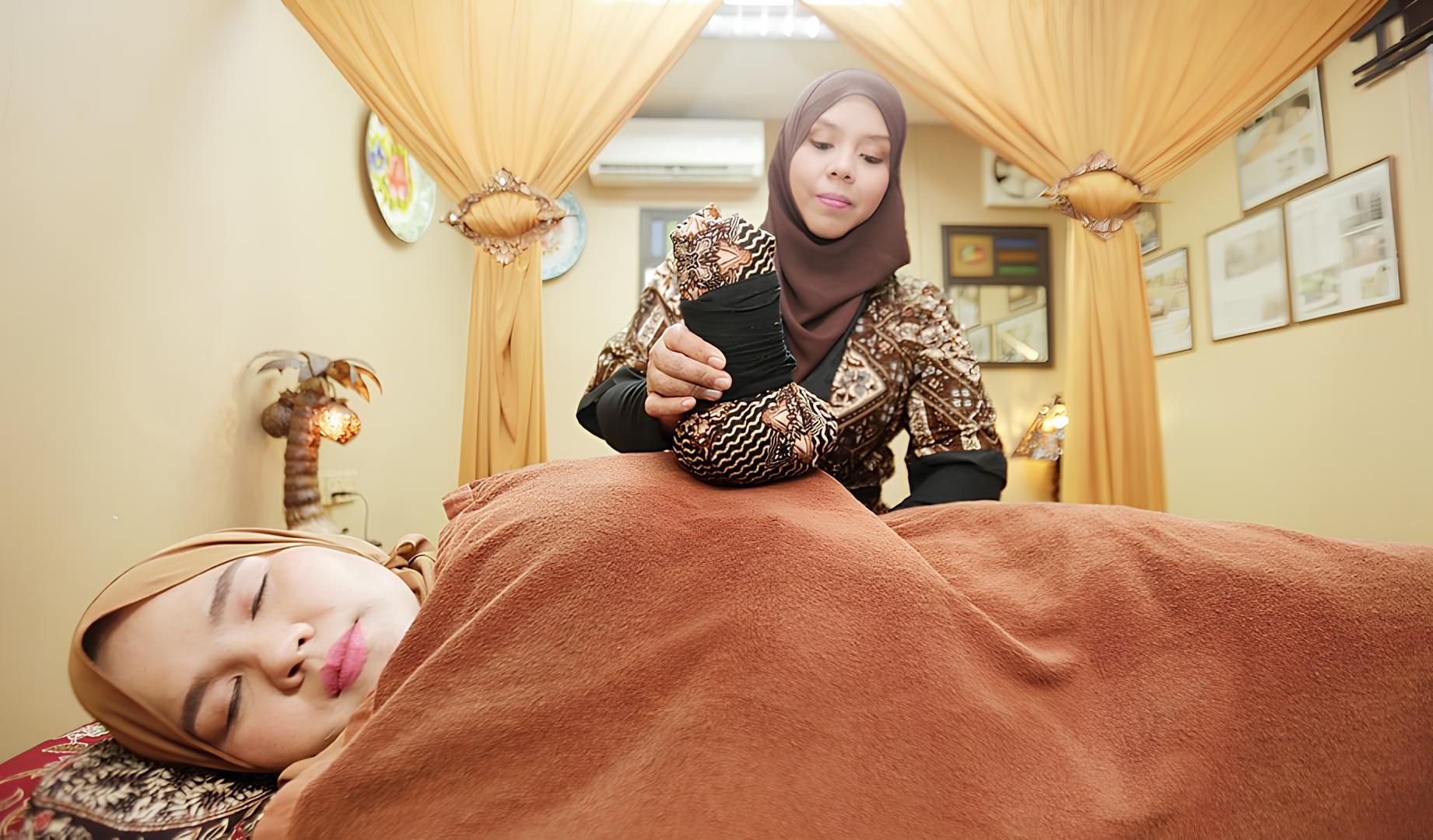
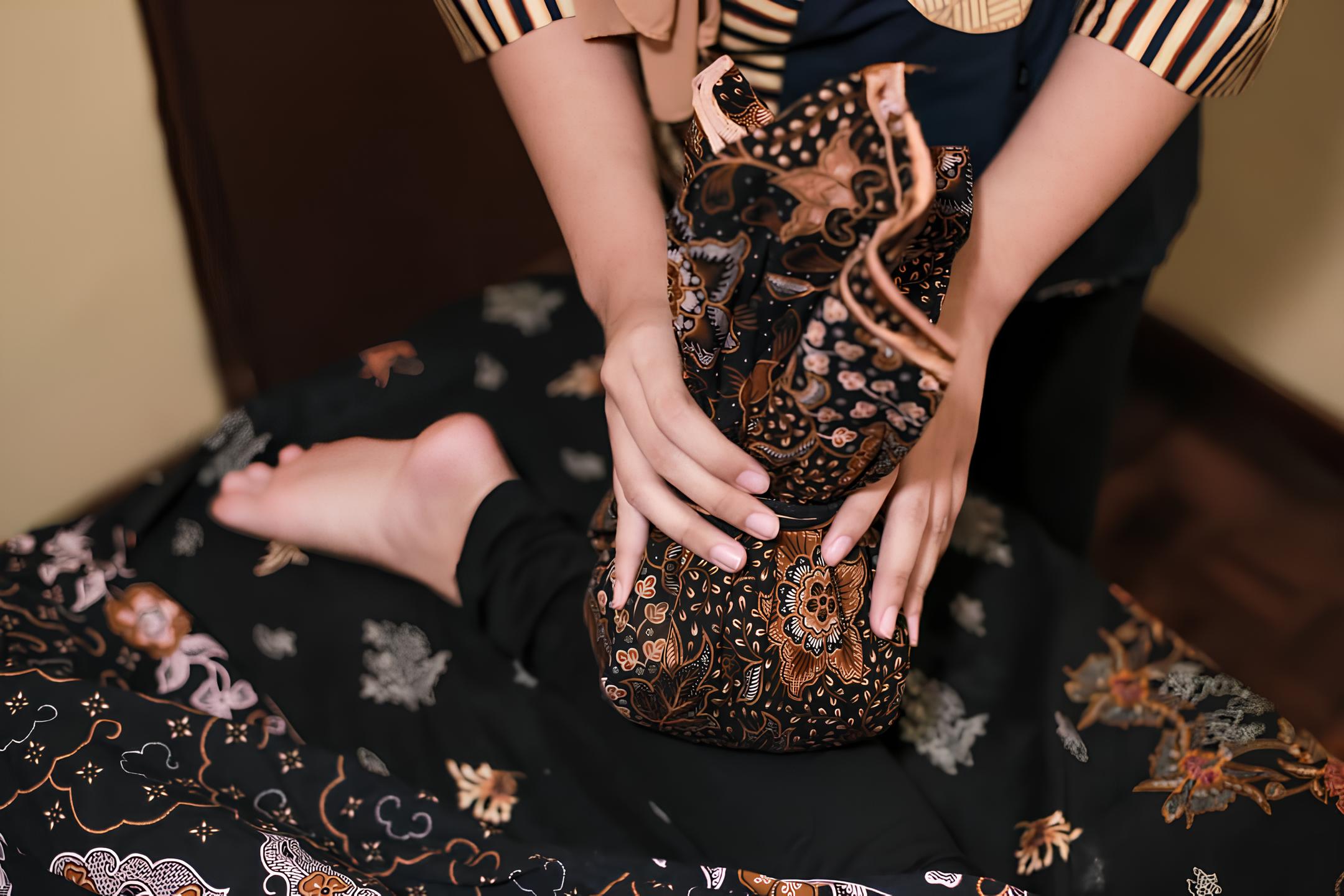
In traditional postnatal care, bertungku is usually performed after bertangas (herbal steaming) and cleansing rituals. This demonstrates that bertungku is part of a broader and more systematic sequence of self-care practices within Malay traditional medicine. The process begins with the preparation of the tungku, which is typically a river stone or a medium-sized solid stone that is first heated. Once sufficiently hot, the stone is wrapped in thick cloth or layered with selected herbal leaves before being pressed and rolled on specific parts of the body, particularly the abdomen. Practically, this practice is believed to help prevent the abdominal skin and other parts of the body from sagging or wrinkling, while also reducing pain caused by uterine contractions after childbirth. By applying the heated stone to targeted areas of the body, discomfort and pain can be alleviated, thus accelerating the overall healing process.


The history and philosophy of bertungku are closely tied to the concept of balancing hot and cold elements, which forms the foundation of traditional Malay medicine. This concept aligns with the philosophies of Greek and Ayurvedic medicine, both of which emphasise humoral balance as the basis of health. Within Malay belief systems, heat is perceived as an energy capable of counterbalancing the cold element in the body, which is often associated with weakness, illness, or fatigue. Thus, bertungku is not merely a practical heat-based therapy but also carries symbolic meaning in the effort to restore harmony between the body and the human spirit. It can be considered a form of traditional heat physiotherapy proven to stimulate blood circulation, accelerate healing, and enhance bodily comfort.


As time has progressed, the functions of bertungku have expanded beyond postnatal care. Today, it is practised more broadly for general health purposes, especially to relieve muscle tension, dispel excess wind from the body, improve circulation, and refresh a fatigued body. Some women also practice bertungku as a traditional remedy to alleviate menstrual cramps or discomfort during menstruation. This development demonstrates how bertungku has adapted to meet contemporary health needs while retaining its relevance in modern society.


Furthermore, the tools used in the practice of bertungku have also diversified. The most traditional form is the river stone tungku, regarded as more effective because it retains heat for a longer period and is believed to absorb the medicinal benefits of the herbs wrapped around it. In modern confinement care, the use of an iron tungku has become increasingly common, as it is more practical and easier to manage. Newer innovations have even introduced modern tungkus equipped with additional features, such as aromatherapy, to enhance the therapeutic effect. This evolution illustrates that although bertungku originates from ancient traditions, it has been able to grow and adapt to the needs and lifestyle of contemporary society without compromising its intrinsic value as a heritage of traditional medicine.

Functions and Roles

The primary function of the practice of bertungku is to apply direct heat to specific parts of the body in order to stimulate blood circulation and relieve pain. In traditional postpartum health care, bertungku plays a vital role, as the transfer of heat from the tungku to the body accelerates recovery. The consistent warmth stimulates blood flow, enhances the circulation of oxygen and nutrients, and reactivates the body’s system that has been weakened by childbirth. From a physiological perspective, this heat therapy closely aligns with modern medical approaches such as thermotherapy, which is used to relax muscles, reduce inflammation, and provide comfort to a tense body.

1) For Postpartum Women

One of the most significant functions of bertungku for women after childbirth is to aid in the contraction of the uterus. The continuous application of heat to the abdomen stimulates the uterine muscles to contract more quickly, thereby restoring the reproductive organ to its original size. In Malay culture, uterine contraction is regarded as an essential part of women’s health, not only for physical recovery but also as a symbol of renewed strength and vitality following childbirth. Through bertungku, postpartum women may reduce the risk of complications such as uterine prolapse, excessive bleeding, or prolonged discomfort. Thus, bertungku serves both as a traditional treatment and as a preventive measure against postnatal health issues.

2) Expelling “Wind” from the Body

Another important function of bertungku is to reduce excess “wind” in the body. Within the framework of Malay traditional medicine, the presence of excessive wind is often believed to be the cause of bloating, stomach discomfort, or general unease. The warmth from the tungku applied to specific parts of the body is thought to help release trapped wind, thereby providing immediate relief. This makes bertungku a relevant practice not only for women after childbirth but also for anyone suffering from digestive issues or bodily discomfort caused by wind. In a modern context, many people view this as a natural alternative to alleviate discomfort that would otherwise be treated with medication.

3) Enhancing Blood Circulation

Bertungku also functions as a therapy to improve blood circulation. The heat transferred from the tungku causes the blood vessels to dilate, which in turn facilitates better circulation throughout the body. For postpartum women, this is particularly important, as it helps prevent blood clotting or the formation of retained blood, which can commonly occur during the confinement period. Improved circulation also expedites the expulsion of lochia (postnatal discharge) from the uterus, thereby reducing the risk of infection or other complications. From a modern medical perspective, this function aligns with the principles of heat physiotherapy, which can stimulate cellular metabolism, accelerate tissue healing, and enhance the body’s immune response.

4) Relieving Muscle and Joint Pain

Another significant role of bertungku is in alleviating muscle and joint pain. The warmth generated by the tungku acts as a natural therapy for tense, stiff, or fatigued muscles. For women who have just given birth, muscle strain often occurs due to the physical exertion of labour, and bertungku provides immediate relief to areas such as the abdomen, lower back, thighs, and calves. Similarly, for individuals who suffer from joint pain or general body fatigue, bertungku is a simple, affordable, and effective treatment option. This demonstrates that bertungku is not only relevant in postnatal care but also contributes to the overall physical well-being of the wider community.

5) Self-Care and Cultural Identity

Beyond its medical functions, bertungku also carries symbolic value as a form of self-care within Malay culture. The practice highlights the intimate relationship between the human body and the natural environment, particularly through the use of natural materials such as river stones, herbs, and traditional cloth wraps. It reflects the Malay philosophy of life, which emphasises balance between the body, mind, and environment. Thus, bertungku is not only regarded as a physical treatment but also as a cultural manifestation of holistic health. In this way, the practice reinforces cultural identity and preserves traditional knowledge that continues to thrive despite the pressures of modernisation.

6) Commercial Aspects

In addition to its health and cultural roles, bertungku now also plays an important part in the commercial sphere. The growth of the traditional health and modern wellness industries has made Bertungku one of the key attractions in spas and postpartum care centres. Many spa operators, traditional health practitioners, and village midwives utilise this method as a sustainable source of income.
The increasing demand from urban communities, who are returning to nature-based treatments, has opened up significant opportunities for the professional practice of bertungku to expand. This phenomenon not only strengthens the position of bertungku in the modern healthcare landscape but also contributes to the economic empowerment of rural communities, especially women, who remain the primary practitioners of this traditional therapy. Therefore, bertungku is not merely a heritage of traditional health but also an economic catalyst that bridges cultural tradition with contemporary needs.


Traditional Attire/ Accessories

-

Equipment/ Ingredients

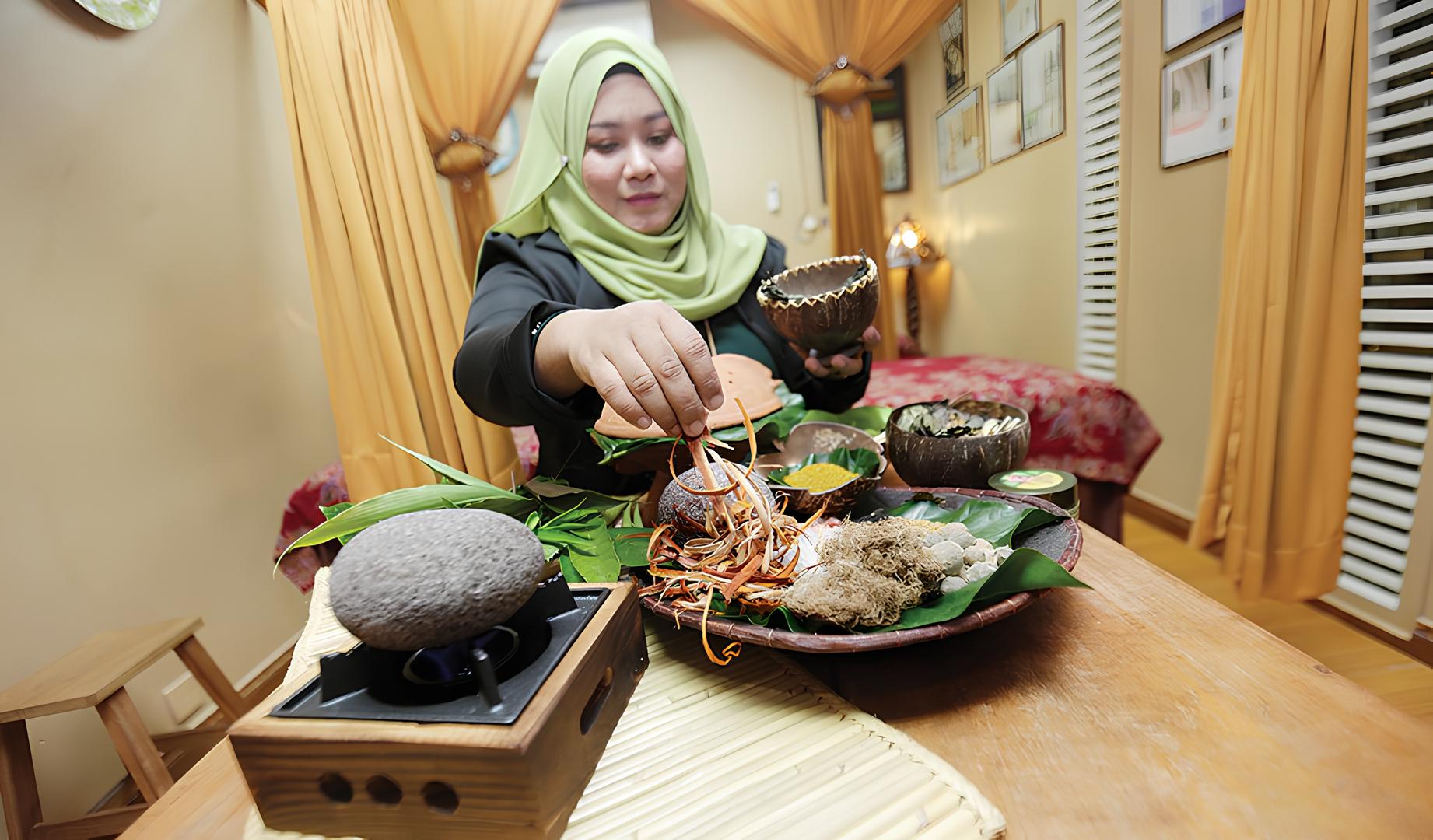
The practice of bertungku relies on natural materials, each serving a specific function—whether to retain heat, regulate temperature, transfer the medicinal properties of herbs, or provide comfort to the body. Traditionally, these materials are grouped into four main components:

1) Stone

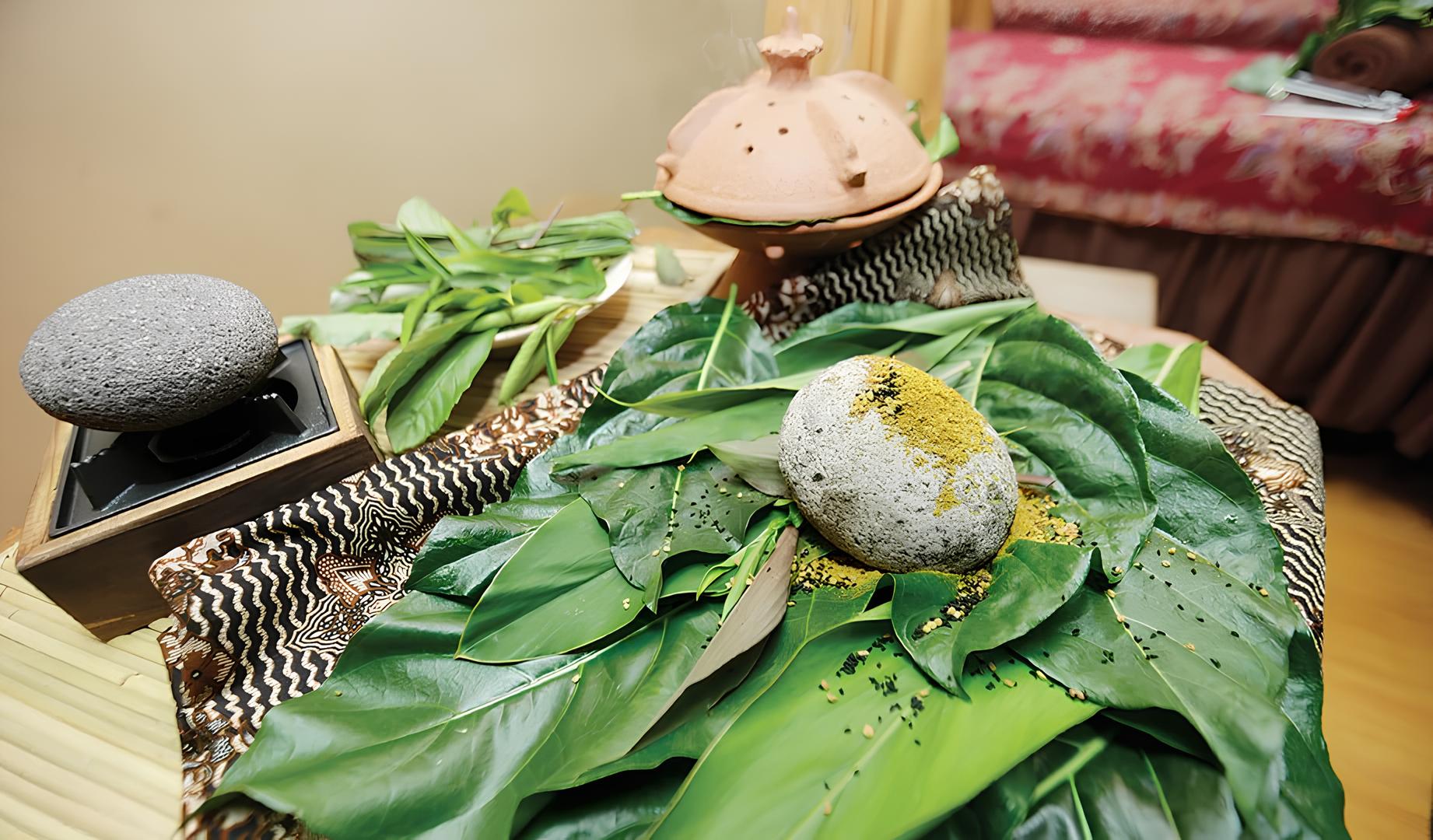
The stone is the primary and most essential element in the practice of Bertungku. River stones are typically chosen due to their solid, smooth texture and their ability to retain heat for extended periods. These stones are also durable, resistant to cracking or breaking, even when repeatedly heated. In modern practice, iron tungku are sometimes used for convenience; however, river stones are considered more authentic as they retain stable heat more effectively and are well-suited for use with herbal wrappings.

2) Cloth Wrap

The cloth wrap serves as a protective layer, preventing excessive heat from directly burning the skin. Typically, thick fabrics such as cotton or traditional woven cloth are used to ensure that heat is released gradually and evenly onto the body’s surface. In addition, the cloth wrap makes the tungku easier to handle while rolling it across the body, and also serves as a binding layer for the herbs placed together with the heated stone.

3) Herbal Oils

Herbal oils are used as an important complement to the bertungku process. Oils such as lemongrass oil, coconut oil, or traditional massage oils are typically applied to the body before bertungku begins. Their functions include moisturizing the skin, enhancing heat absorption, relieving muscle tension, and amplifying therapeutic effects. For instance, lemongrass oil is believed to expel excess “wind” from the body, while coconut oil soothes and refreshes the skin. In some traditional practices, oils also act as an effective medium to conduct heat more deeply into the muscles.

4) Ingredients in the Herbal Wrapping

In addition to the stone and cloth, a variety of leaves, herbs, and spices are wrapped around the tungku to enhance its healing properties. The main ingredients include:

Betel Leaves – naturally antiseptic, help prevent infections, and provide a refreshing aroma.

Turmeric Leaves – known for their anti-inflammatory qualities, help reduce swelling and restore the skin.

Noni Leaves – believed to relieve muscle pain and add therapeutic benefits during bertungku.

Pandan Leaves – produce a soothing fragrance, adding an element of relaxation to the treatment.

Ginger – generates natural heat, improves blood circulation, and relieves muscle pain.

Lemongrass – provides a pleasant, aromatic scent while increasing body warmth.

Asam Jawi (Java Tamarind) – traditionally used to break down blood clots and reduce postpartum swelling or bruising.

Palm Seeds, Black Pepper, and Cloves – intensify the heat of the tungku and provide additional stimulation for a fatigued body.

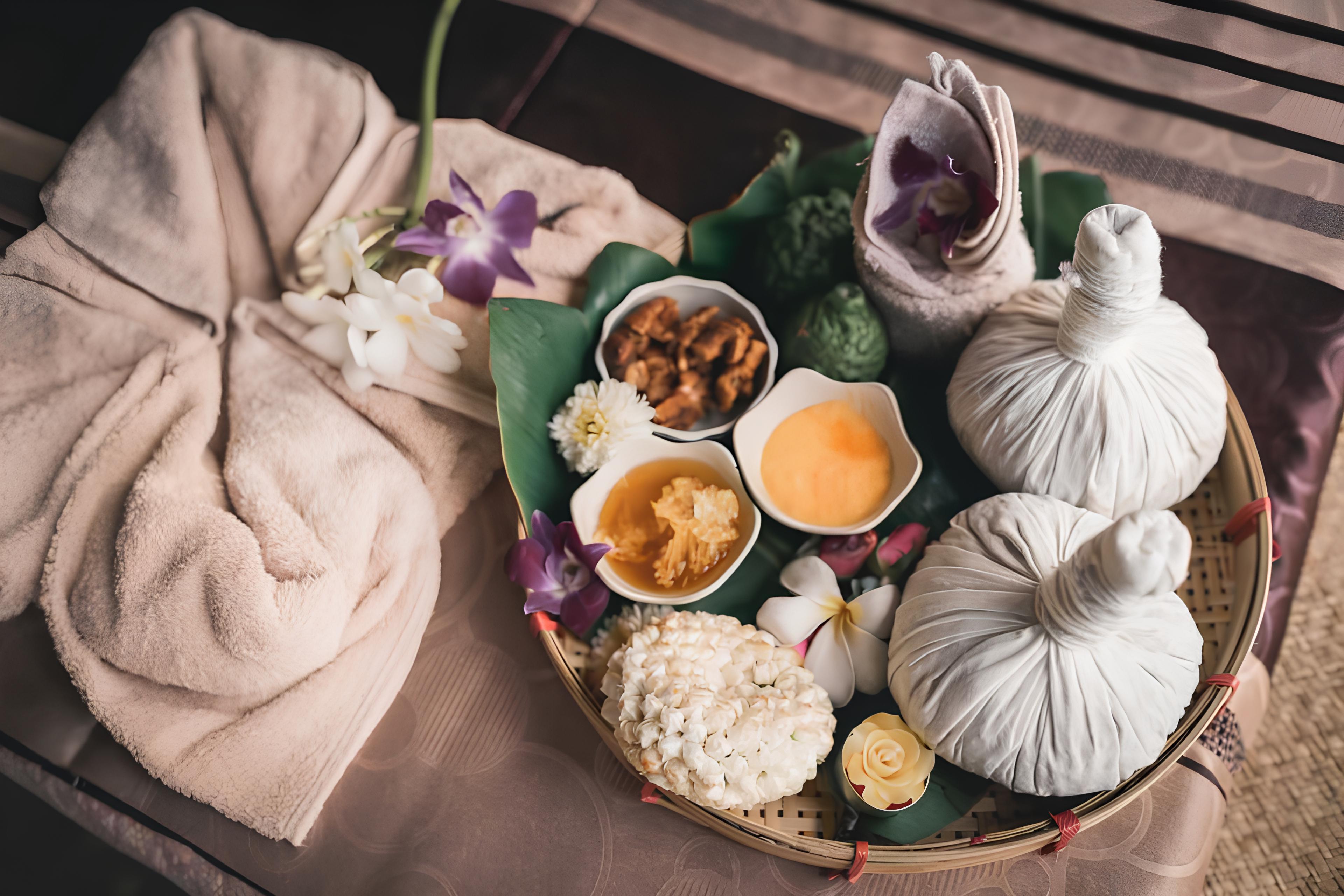
The combination of heated stone, protective cloth, herbal oils, and herbal wrapping transforms bertungku into more than just a physical treatment. It becomes a holistic therapy that integrates the elements of heat, aroma, and the natural healing properties of traditional herbs.

Method / Preparation Method / Presentation Method

The process of bertungku in traditional Malay medicine is carried out systematically, as each stage serves a distinct purpose that complements the others. It is not merely about placing a heated stone on the body, but rather involves careful preparation of materials, proper techniques, and a sequence of steps to ensure its effectiveness. The complete process is as follows:


Step 1: Preparing the Stone


The first step is to select a suitable river stone, usually solid, smooth, and medium-sized so that it can be held comfortably in the hand.

The stone is heated over embers, charcoal, or a gas stove until it reaches the desired temperature.

The purpose of this heating is to ensure that the stone can retain sufficient warmth for the treatment.

In modern practice, iron tungku are sometimes used as they can be reheated easily; however, river stones are considered more traditional and are believed to be more effective in retaining steady heat.


Step 2: Preparing the Herbal Wrapping


While the stone is heating, betel leaves, turmeric leaves, noni leaves, and pandan leaves are lightly wilted over a small flame or embers until they become slightly soft.

At the same time, spices such as ginger, lemongrass, asam Jawi (Java tamarind), black pepper, palm seeds, and cloves are dry-roasted (sautéed without oil) until they release a fragrant aroma.

Once ready, the softened leaves are arranged as the outer layer of the wrapping, while the roasted spices are either placed together or tucked between the leaves.

The combination of these two elements transforms the herbal wrapping into a protective layer that not only regulates the heat of the stone but also infuses the body with aroma, medicinal benefits, and therapeutic effects.


Step 3: Preparing the Body

Before applying the tungku, the targeted areas of the body are usually massaged or rubbed with herbal oils such as lemongrass oil or coconut oil.
These oils serve multiple purposes: lubricating the skin, facilitating the smooth movement of the tungku, and enhancing the absorption of heat into the muscle layers.
In addition, the oils provide therapeutic benefits, lemongrass oil is believed to help dispel excess wind from the body, while coconut oil soothes, softens, and refreshes the skin.

Step 4: The Bertungku Process

The tungku wrapped in cloth and herbs is held in the hand and then gently pressed or rolled over specific parts of the body.
The primary areas of focus are the abdomen, lower back, thighs, calves, and joints that feel tense or sore.
The process involves gently pressing the heated stone onto the body while moving it in accordance with blood flow.
In some traditions, the process of bertungku is repeated several times until the heat of the stone diminishes.

Step 5: Adjusting Heat and Comfort

If the tungku is too hot, it can be covered with an additional layer of cloth or left to cool slightly until it reaches a comfortable temperature.
This adjustment of heat is crucial to ensure that the treatment is carried out safely without causing burns to the skin.
After the bertungku session, the treated areas of the body usually feel lighter, warmer, and more relaxed. Users are also advised to rest briefly, allowing the body to absorb the therapeutic effects of the heat fully. In postnatal care, bertungku is often combined with other traditional practices such as bertangas (herbal steaming), massage, and pilis (herbal forehead paste) to complete a holistic recovery process.

Figures and Achievements

-

Reference Source

Bahan Bacaan

Bidin, A. A. H. (2012). Penjagaan kesihatan wanita semasa dalam pantang: Amalan dan kepercayaan [Women’s health care during postpartum: The practice and beliefs]. Geografia: Malaysian Journal of Society and Space, 8(7), 66–76.


Hasbullah, H. W. A. H., & Hassan, N. N. N. (2017). Amalan perubatan herba dan keseimbangan humoral dalam penjagaan kesihatan post partum wanita Melayu: Perspektif budaya dan perubatan [Herbal medicine practices and humoral balance in post partum health care for Malay women: Culture and medicine perspective]. Asian Journal of Environment, History and Heritage, 1(2), 163–175.


Hadi, Z. A. L., Nurshahidah, M. R., Ismail, R., Nasuha, W. S. W. N., Musa’adah, M. N., Norbaiah, M. Y., … & Nadiah, S. F. (2025). Diversity of medicinal plants in the practice of bertungku among Malay traditional practitioners (MTPs) in Peninsular Malaysia. Journal of Tropical Forest Science, 37(1), 41–47. https://doi.org/10.26525/jtfs2025.37.1.41


Hello Doktor. (n.d.). Bertungku selepas bersalin: Adakah ia selamat untuk ibu? Hello Doktor. Retrieved August 31, 2025, from https://hellodoktor.com/kehamilan/penjagaan-ibu-hamil/penjagaan-lepas-bersalin/bertungku-selepas-bersalin/

Kementerian Kesihatan Malaysia. (2018). Laporan kajian amalan perubatan tradisional dan komplementari dalam penjagaan ibu lepas bersalin. Bahagian Perubatan Tradisional dan Komplementari, KKM.

https://hq.moh.gov.my/tcm/ms/upload/amalan/laporan_kajian/postnatal.pdf


Omar, S., Cusairi, R. M., Jamaludin, S. S. S., & Lepun, E. P. (2019). Penjagaan kesihatan wanita Siam semasa mengandung dan selepas bersalin: Amalan dan kepercayaan. Geografia: Malaysian Journal of Society and Space, 15(4), 30–44.


Saari, F. A., & Apandi, S. N. A. M. (2025). Documentation on the importance and preservation of confinement practices within the Malay community in Bachok. International Journal of Creative Future and Heritage (TENIAT), 13(1), 105–127.


Sinar Harian Metro. (2017, May 25). Kebaikan bertungku & bertangas. Harian Metro. https://www.hmetro.com.my/hati/2017/05/230393/kebaikan-bertungku-bertangas

Location

Informant/Figure/Editor/Researcher
Get Directions

State JKKN Contact Information

Cultural Officer

Jabatan Kebudayaan dan Kesenian Negara

or

Use the form below to contact the Informant/Figure/Editor/Researcher directly. We will respond to your inquiry as soon as possible!