

ARTS AND CULTURE INFORMATION GATEWAY
Immerse yourself in the colorful world of art and culture! From traditional heritage to contemporary works, discover uniqueness that reflects the nation's identity and identity
 Fakulti Muzik dan Seni Persembahan, Universiti Pendidikan Sultan Idris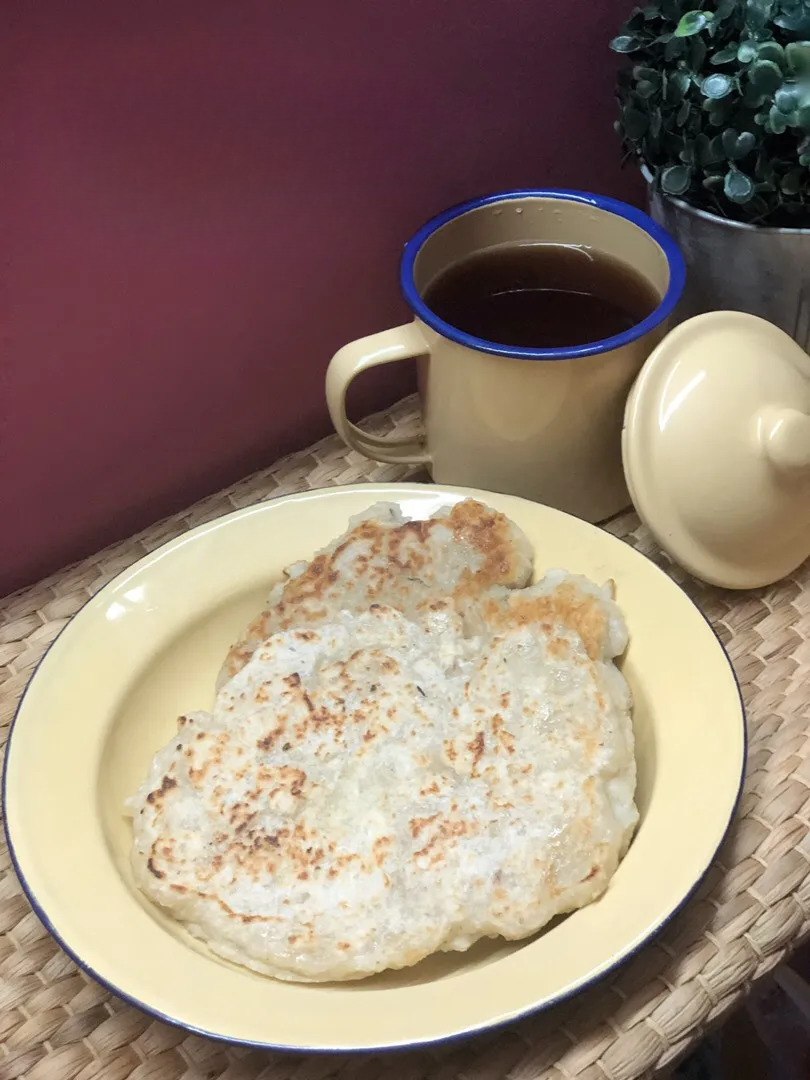
Picture
4
Video
No record
Today's Visitor
64
Number of Visitors
1357
Introduction and history
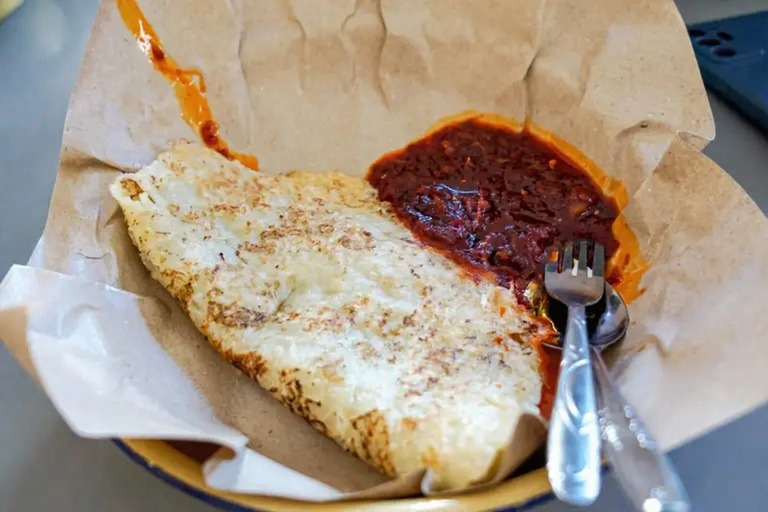
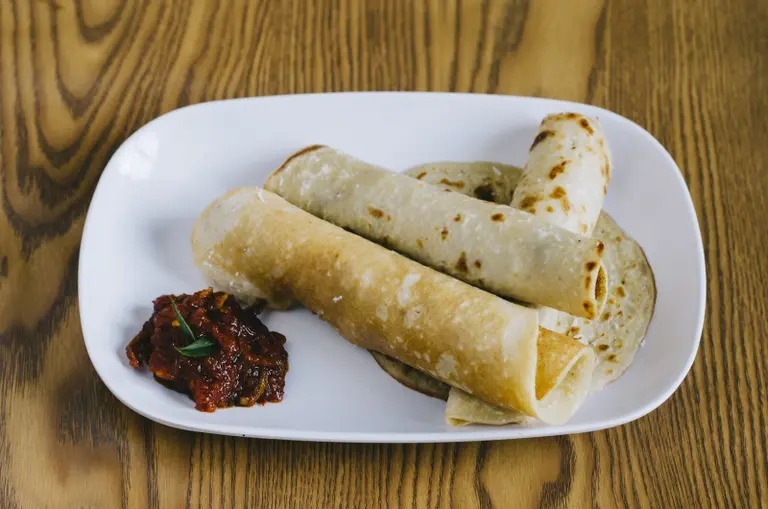
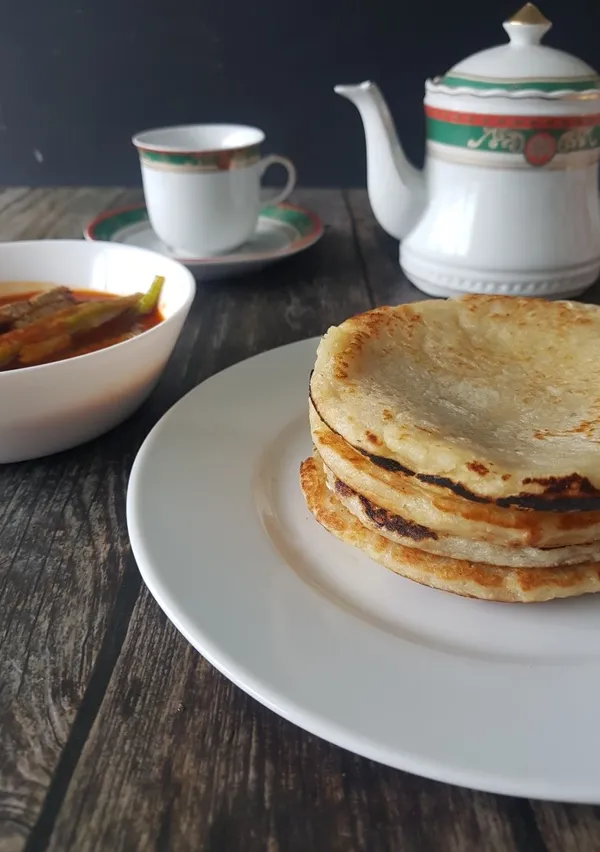
Pek Nga is a traditional Malay delicacy that is especially popular in Kedah. It resembles a coconut pancake cooked on a flat pan over medium heat and is usually enjoyed as a breakfast dish or light snack. Pek Nga is commonly served with side dishes such as fish curry, meat curry, anchovy sambal, or simply eaten with sugar.
In terms of its origin, the name “Pek Nga” is believed to have come from the northern dialect phrase “tempek atas belanga” or “tempek dalam belanga,” which means to press or spread the batter onto a hot pan for cooking. This tradition reflects the creativity of the Kedahan Malay community, who made use of basic ingredients that were easily available, such as grated coconut, wheat flour, coconut milk, and salt, to create a simple yet nutritious food that provided enough energy to start the day.
Although it is strongly associated with Kedah, Pek Nga is also known by different names in other states of Malaysia. For example, it is called Lempeng Nyor in Kelantan and Terengganu, while in Johor, Melaka, and Negeri Sembilan, it is more commonly known as Lempeng Kelapa. These variations in naming show how a similar recipe has evolved across different Malay communities, each adding slight differences in preparation methods and taste.
When compared to Western cuisine, Pek Nga can be seen as a type of traditional Malay pancake because both share almost the same ingredients and cooking methods. Just like pancakes made with flour, eggs, and milk, Pek Nga is prepared on a flat pan in much the same way. This similarity in both basic ingredients and cooking technique is what often makes Pek Nga regarded as the local version of pancakes, though it maintains its own unique identity that is deeply rooted in Kedah’s cultural heritage.
Pek Nga plays an important role in the daily life of the Kedahan community, not only as a traditional food but also as a dish with multiple functions. Firstly, it serves as a common meal for breakfast or afternoon tea. Pek Nga is well known as an energy-giving food due to its high calorie content from the use of flour, coconut milk, and grated coconut. Because of this, it is often considered a supplementary staple that can replace heavier meals, especially for villagers engaged in physical work early in the morning.
Secondly, in the social and cultural context of Kedah, Pek Nga is often regarded as a must-have dish at weddings and community gatherings. Its main advantage lies in its simplicity; it is easy to prepare, uses inexpensive basic ingredients, and can be produced in large quantities. For this reason, it is frequently served to those involved in rewang (communal food preparation) or gotong-royong (village cooperation) during feasts. On certain occasions, it is also served to guests as a gesture of hospitality.
Thirdly, from an economic and commercial perspective, Pek Nga has now found its way into breakfast stalls and small restaurants across Kedah. It adds value to the local menu by offering a traditional dish that is simple yet filling for customers. This development not only expands the role of Pek Nga from being a humble village food to a commercial product but also helps preserve the continuity of this traditional delicacy in the modern food market. Therefore, Pek Nga is more than just a heritage dish; it symbolizes the diverse functions encompassing nutrition, culture, social bonding, and even the economic life of the Kedahan community.
-
The recipe for Pek Nga is very simple and only requires basic, easily available ingredients, such as:
2 cups of wheat flour
1 cup of freshly grated young coconut
1 cup of thin coconut milk
1 teaspoon of salt
Water as needed
Note: Some recipe variations include adding a bit of sugar or using richer coconut milk to enhance the sweet and creamy flavor, depending on family preferences.
Step 1: Preparing the basic ingredients Measure 2 cups of wheat flour and place it in a large mixing bowl. Add 1 cup of freshly grated young coconut to give a naturally rich and slightly sweet flavor. Mix in 1 teaspoon of salt to balance the taste. Pour in 1 cup of thin coconut milk. Step 2: Making the batter Stir all the ingredients together using your hand or a wooden spoon until well combined. Gradually add a little water while mixing to achieve a batter that is not too runny but still pourable. Ensure the batter is smooth and free of lumps. Step 3: Preparing the pan Heat a flat pan or non-stick pan over medium heat. Lightly grease the surface of the pan with a little oil, just enough to prevent the batter from sticking. Step 4: Cooking the Pek Nga Scoop one ladleful of batter and pour it onto the hot pan. Spread the batter thinly in a round shape, similar to a pancake, using the back of the ladle. Cook until the bottom turns golden brown and releases the fragrant aroma of coconut. Gently flip it over and cook the other side until fully done. Step 5: Serving Remove the cooked Pek Nga and arrange it neatly on a serving plate. Pek Nga is best enjoyed hot, accompanied by a variety of side dishes such as fish curry, chicken curry, anchovy sambal, or simply dipped in sugar.
-
Reference Source
Bahan Bacaan
Fauzi, F. A., Jamil, J., & Majid, H. N. A. (2022). Dari Perlis ke Sabah: Warna-warni kuih-muih warisan Malaysia. Pelestarian makanan warisan Melayu diwarisi sejak zaman ke zaman, peliharalah hidangan setiap satu, jadikan panduan juga rujukan (hlm. 133).
Jalaluddin, S. (n.d.). Kuih Pek Nga. Cookpad. https://cookpad.com/my/recipes/10011249
Location
State JKKN Contact Information
Encik Mohammad Salleh bin Mahmud
Cultural Officer
Jabatan Kebudayaan dan Kesenian Negara, Kedah
Kompleks JKKN Kedah
Lot PTD 400, Pumpong
05250 Alor Setar
KEDAH DARUL AMAN
011-10899646
Use the form below to contact the Informant/Figure/Editor/Researcher directly. We will respond to your inquiry as soon as possible!


