

ARTS AND CULTURE INFORMATION GATEWAY
Immerse yourself in the colorful world of art and culture! From traditional heritage to contemporary works, discover uniqueness that reflects the nation's identity and identity
 Fakulti Muzik dan Seni Persembahan, Universiti Pendidikan Sultan Idris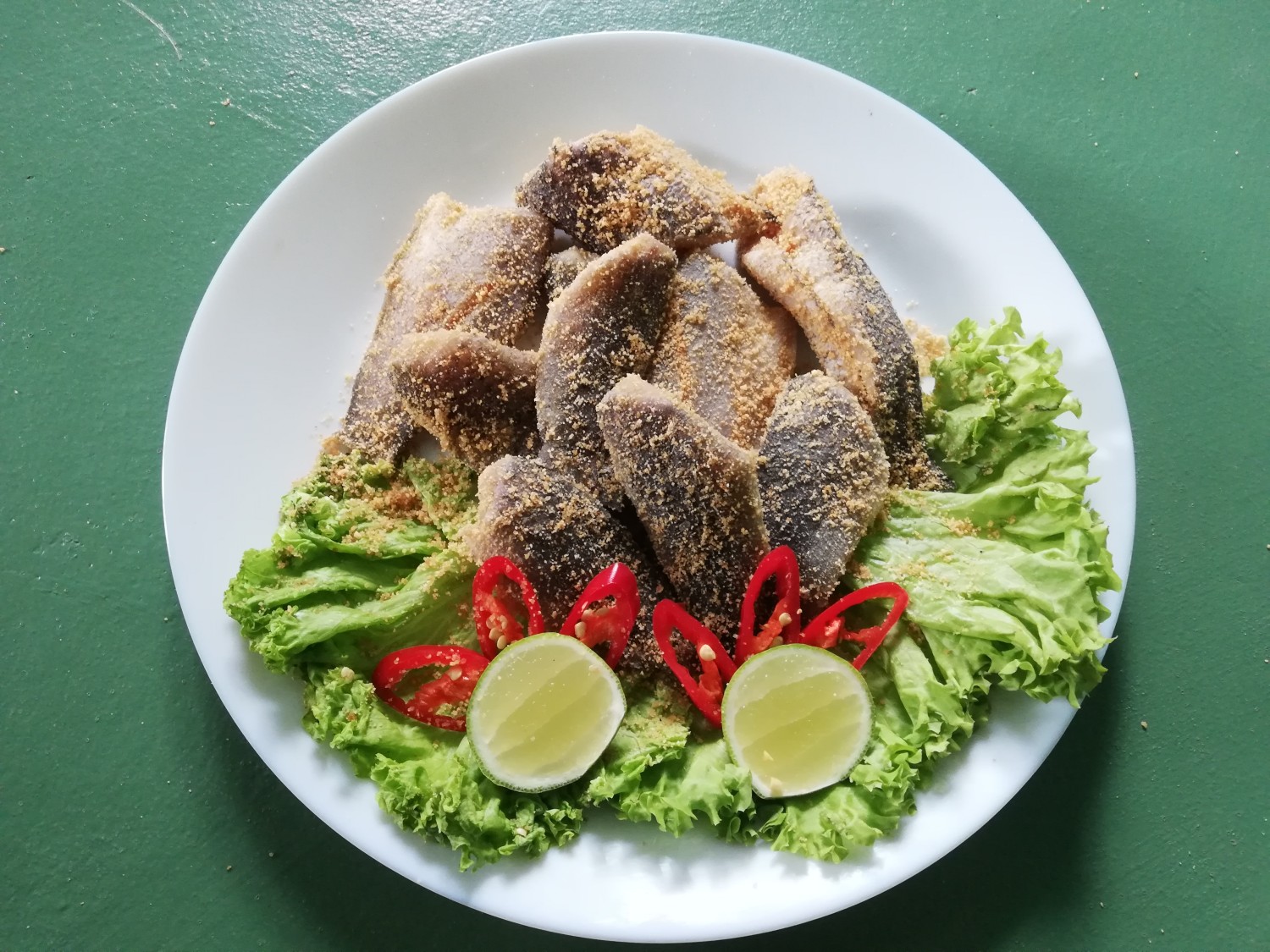
Picture
6
Video
No record
Today's Visitor
38
Number of Visitors
888
Introduction and history
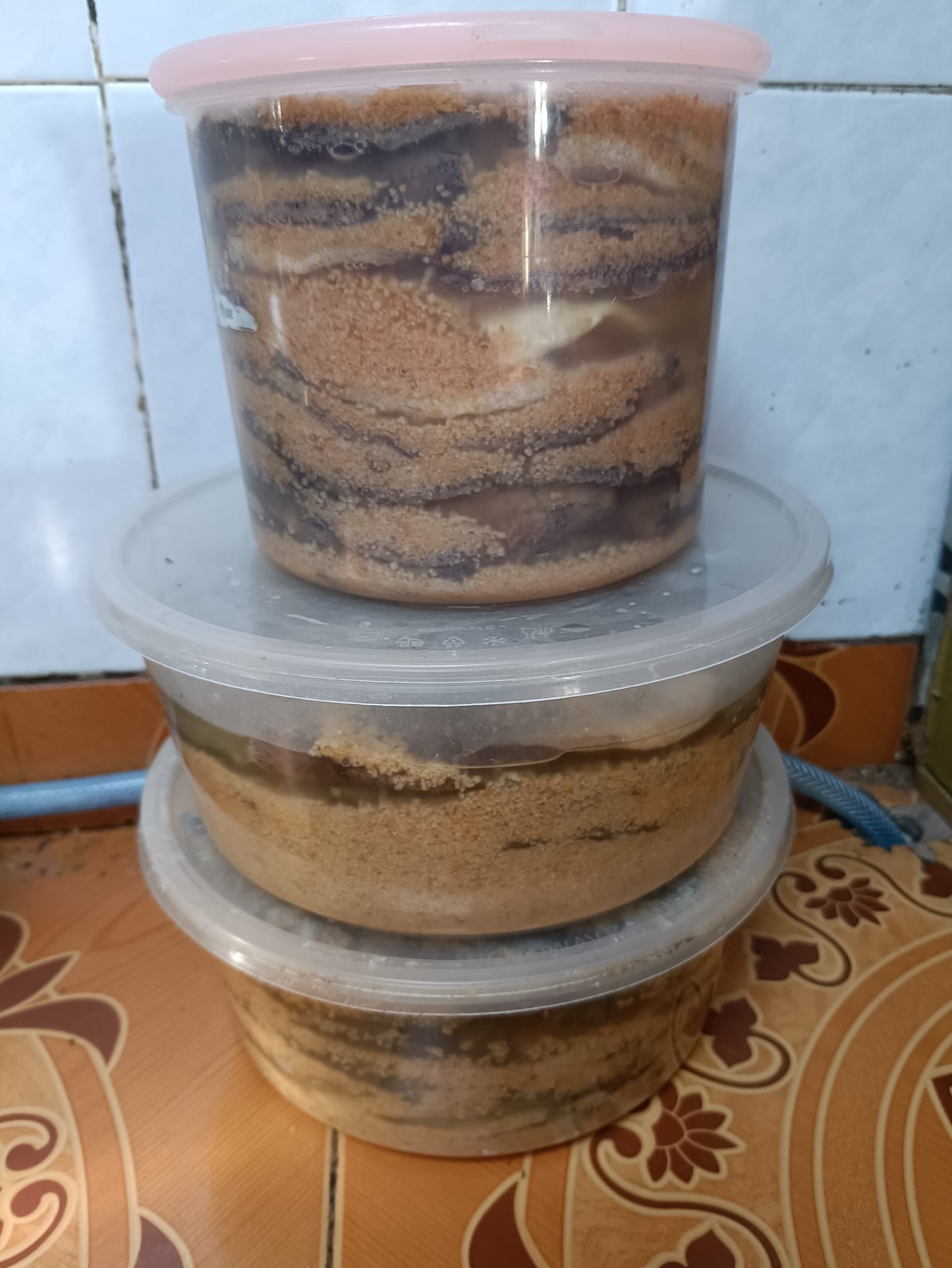
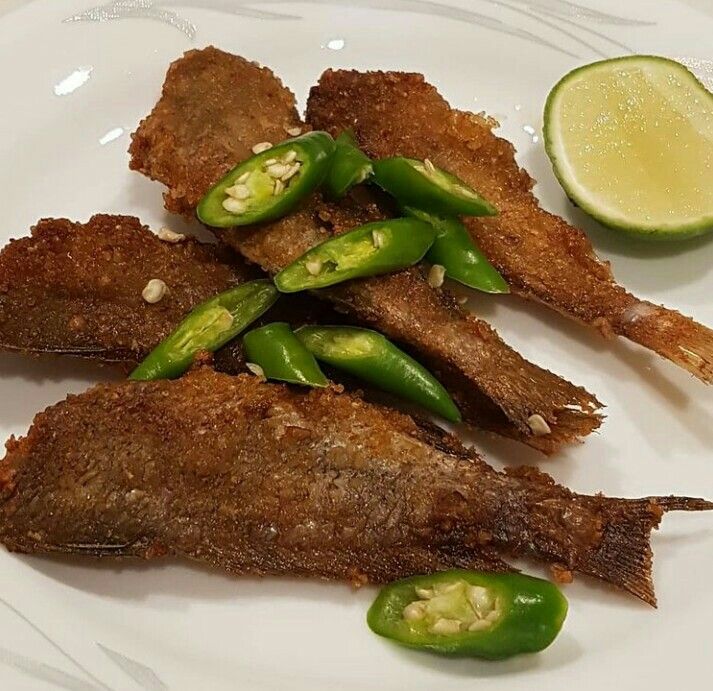
Pekasam made from ikan puyu (climbing perch) is one of the traditional heritage foods closely associated with the Malay community, particularly in the northern states of Peninsular Malaysia, such as Perlis, Kedah, and Perak. It is not merely a side dish but a reflection of the ancestral wisdom in preserving food naturally, long before the invention of modern refrigeration.
In the state of Perlis, especially, pekasam made from ikan puyu is highly popular due to the abundance of this freshwater species (Anabas testudineus), which is commonly caught or farmed by the local community. This availability makes Perlis one of the most active states in both the traditional and commercial production of pekasam.
The term pekasam is derived from the Malay word asam, referring to the fermentation process that imparts a distinctive sour flavor. This method has been practiced for centuries as a natural means of preserving surplus fish, particularly during harvest or flood seasons. Ikan puyu is especially preferred for this purpose due to its resilience, firm flesh, and suitability for fermentation.
Typically, pekasam ikan puyu is deep-fried until crispy and served with hot rice and sambal belacan. The unique combination of salty and sour flavors makes it a popular appetite stimulant. Furthermore, the fermentation process produces natural probiotics that contribute to digestive health.
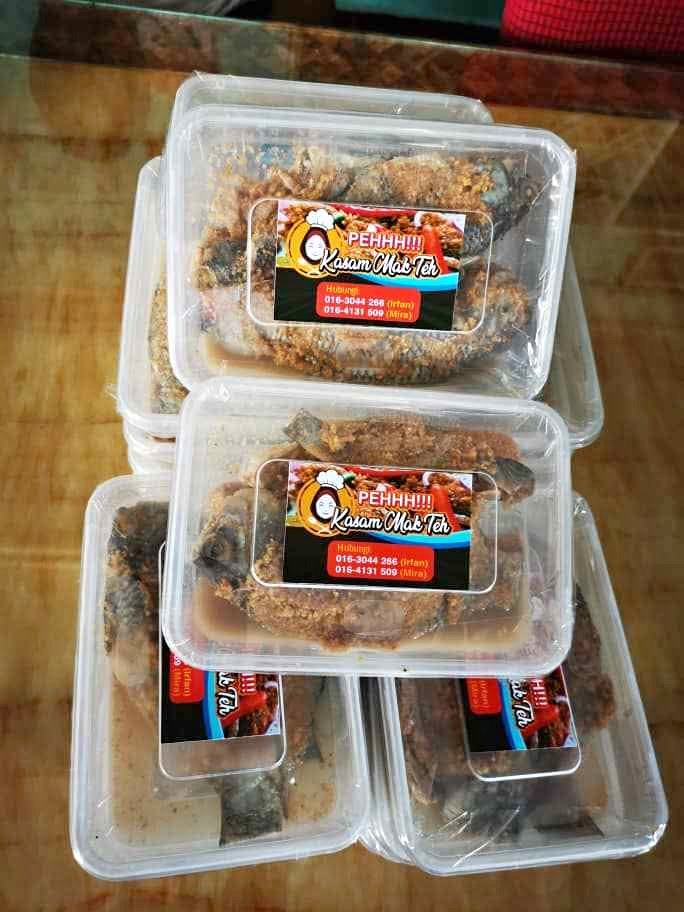
Today, pekasam ikan puyu is valued not only as a traditional delicacy but also as a commercially viable product in high demand. It is now commonly packaged in vacuum-sealed packs to extend its shelf life and meet the expectations of modern consumers, including growing demand from international markets. This development demonstrates that traditional foods such as pekasam remain relevant and possess significant potential to thrive in today’s evolving culinary landscape.
Pekasam made from ikan puyu plays a significant role as a culinary heritage, encompassing aspects of food preservation, nutritional value, cultural symbolism, and community-based economic empowerment. As a traditional preservation technique passed down through generations, pekasam enables fish to be stored for longer periods without modern refrigeration, particularly useful during flood seasons or when there is an excess catch.
Among rural communities, pekasam serves as an alternative food source that provides protein and natural probiotics from the fermentation process, which supports digestive health.
Furthermore, this dish reflects the cultural identity of the Malay community in the northern regions of Peninsular Malaysia. It is often served at communal feasts (kenduri) or traditional events, symbolizing a deep connection to heritage values.
In addition, pekasam contributes to the local economy, as it is often produced on a small scale by residents, especially women and single mothers, as a marketable product that is increasingly gaining popularity in modern markets. All of these factors make pekasam ikan puyu not only a flavorful dish but also one that holds historical, health, and socioeconomic significance.
-
Ingredients for Making Pekasam Ikan Puyu:
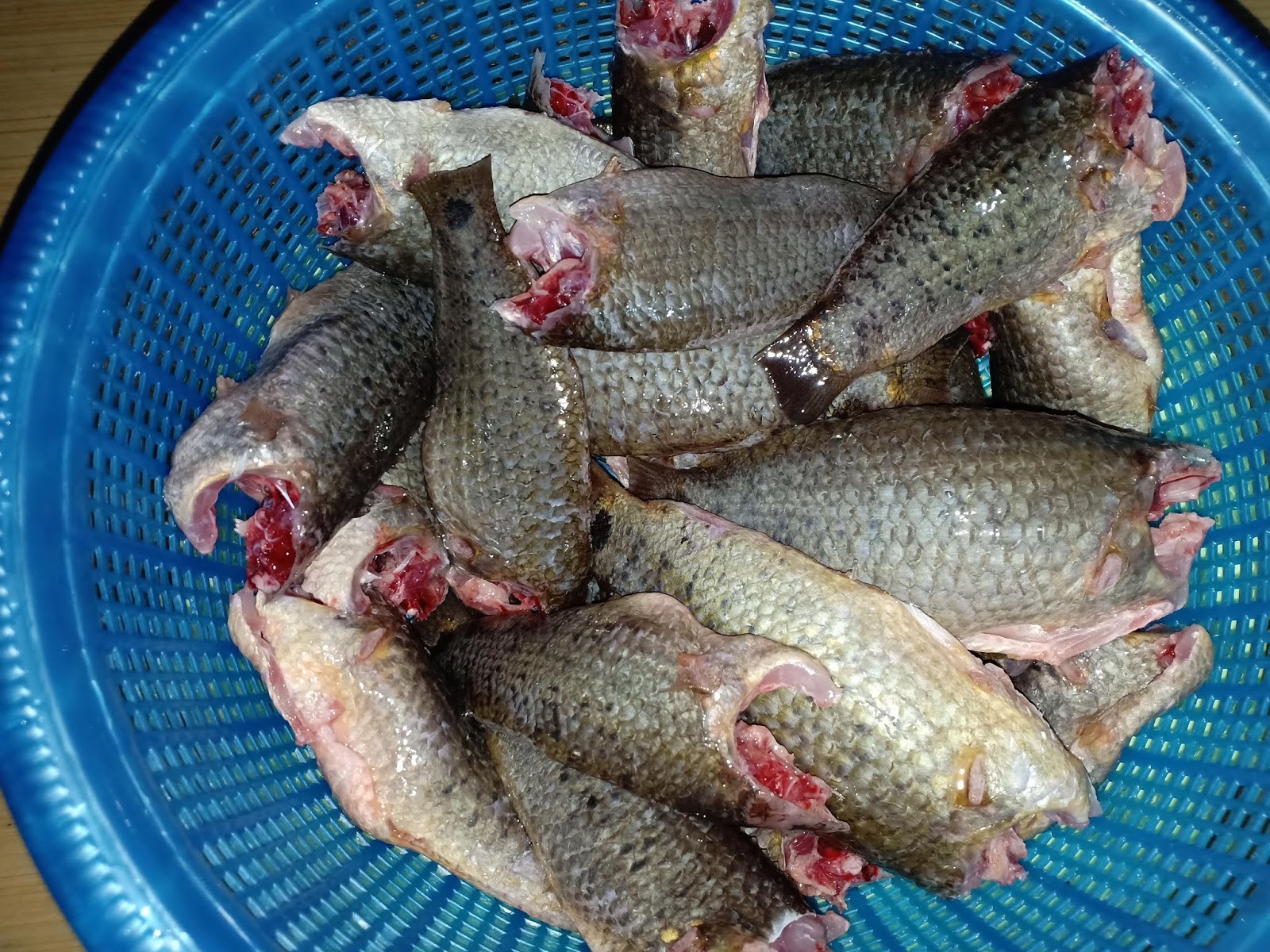
Fresh climbing perch (ikan puyu) – Cleaned and gutted (left whole, not cut).
Coarse salt – Used for the initial marination and preservation process.
Toasted rice (sangai) coarsely ground – Adds texture and aids the fermentation process.
Tamarind slices (asam keping / Garcinia atroviridis) – Provides natural sourness.
Palm sugar or white sugar (optional) – Balances the sour and salty taste.
Ground black pepper or dried chilli powder (optional) – Adds spiciness and aroma if desired.
Crushed garlic (optional in modern variations) – Enhances flavor and accelerates fermentation.
The production of pekasam made from ikan puyu involves several crucial stages that require precision and patience to ensure the best taste and quality. Below are the traditional steps in preparing pekasam puyu:
Fish Preparation
Fresh ikan puyu is thoroughly cleaned and gutted.
The fish should not be cut or sliced to preserve its whole shape during fermentation.
Drain the fish completely using a strainer or clean cloth.
Salt Curing Process
Rub the fish evenly with coarse salt and store in an airtight container for 1 to 2 days.
This process removes excess moisture from the fish and prevents the growth of mould or harmful bacteria.
Preparation of Fermentation Mix
Meanwhile, glutinous rice or regular rice is toasted (dry-fried) until golden and aromatic.
Once cooled, grind or pound the toasted rice coarsely.
Mix with tamarind slices (asam keping), sugar, and optional ingredients such as crushed garlic and black chilli for extra flavour and aroma.
Fermentation Process
After the salt-curing step is complete, the fish is wiped dry again.
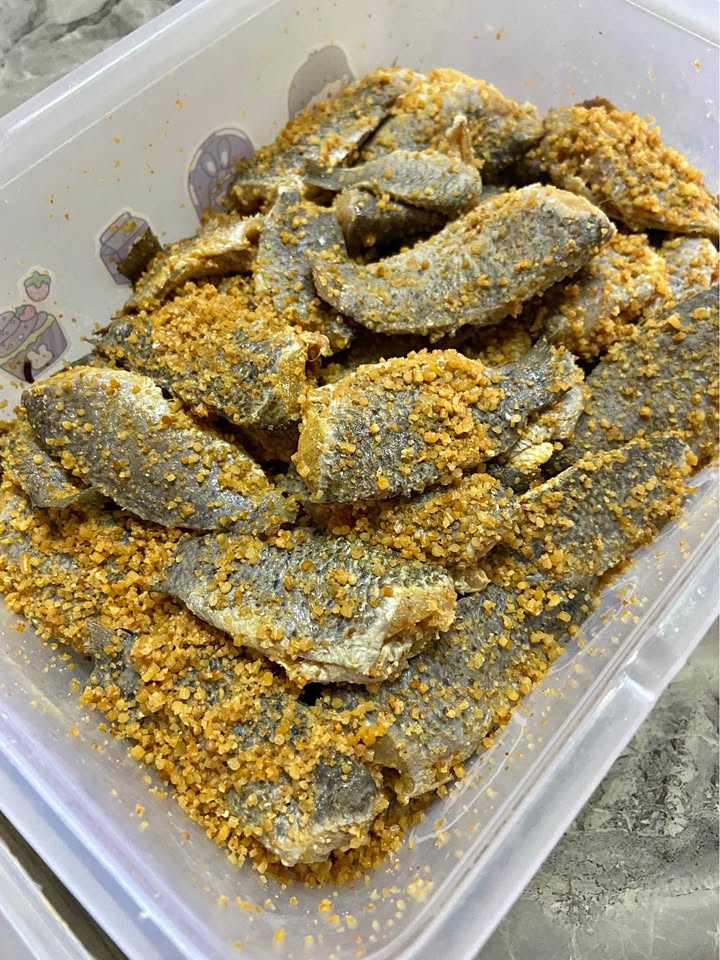
Coat the fish evenly with the toasted rice mixture and other ingredients.
Arrange the fish in an airtight container, typically a clean glass or plastic jar.
Make sure each layer of fish is alternated with the fermentation mix to ensure even fermentation.
Fermenting and Storage
Store the container in a cool, dry place for 2 to 4 weeks.
The longer the fermentation, the stronger the aroma and flavour of the pekasam.
Once fully fermented, the pekasam can be fried until crispy and served with hot rice and sambal belacan.
-
Reference Source
Bahan Bacaan
Hasan, H., Abd Aziz, M. K. N., Ahmad, J., & Noor, M. N. M. (2024). Mencari jati diri makanan Melayu Perlis: Suatu catatan awal [Searching for the identity of Perlis Malay food: An initial note]. Asian Journal of Environment, History and Heritage, 8(Special Issues), 1–14.
Umpan. (n.d.). Cara buat pekasam ikan puyu. Umpan. https://www.umpan.com.my/cara-buat-pekasam-ikan-puyu/
Cookpad. (n.d.). Resepi pekasam ikan puyu. https://cookpad.com/my/recipes/15434138
Location
State JKKN Contact Information
Siti Rohayu binti Muhamad
Cultural Officer
Jabatan Kebudayaan dan Kesenian Negara, Perlis
Kompleks JKKN Perlis
Persiaran Wawasan Kangar
01000 Kangar
PERLIS
019-504 0015
Use the form below to contact the Informant/Figure/Editor/Researcher directly. We will respond to your inquiry as soon as possible!


