

ARTS AND CULTURE INFORMATION GATEWAY
Immerse yourself in the colorful world of art and culture! From traditional heritage to contemporary works, discover uniqueness that reflects the nation's identity and identity
 Fakulti Muzik dan Seni Persembahan, Universiti Pendidikan Sultan Idris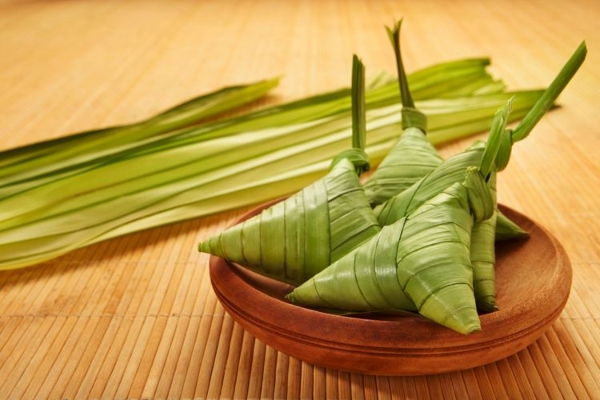


Picture
7
Video
No record
Today's Visitor
27
Number of Visitors
1638
Introduction and history
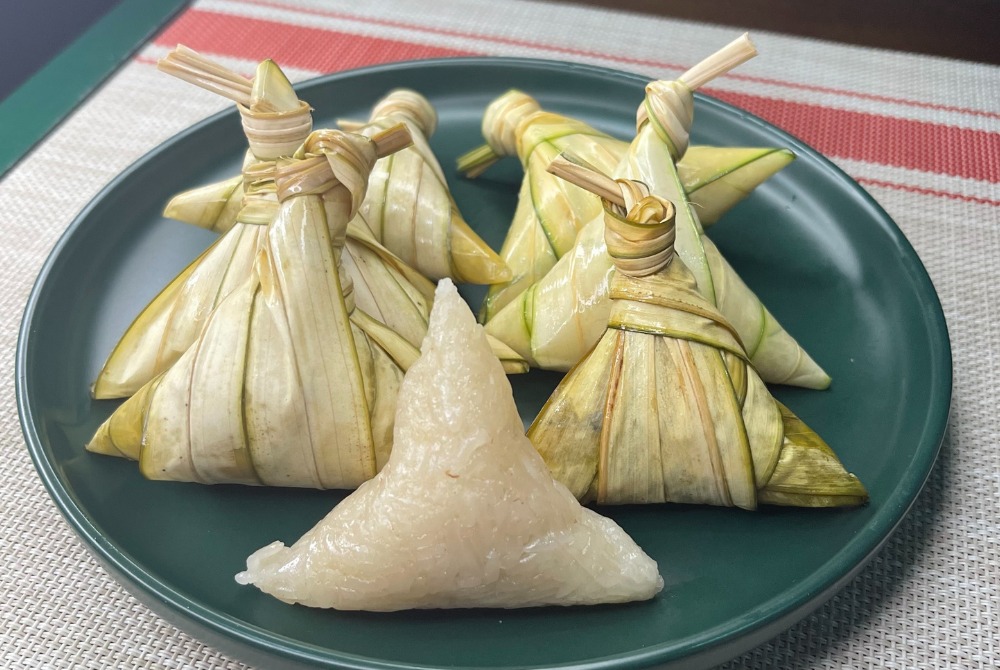
Traditionally, Ketupat Palas serves as a staple dish that is closely associated with the celebration of Hari Raya Aidilfitri and Hari Raya Aidiladha. It is typically served with dishes such as rendang, curry, or meat floss (serunding), and symbolizes festivity and gratitude in commemorating the triumph of the Islamic community. In rural areas, Ketupat Palas is also considered an essential dish at various communal gatherings such as thanksgiving feasts (kenduri kesyukuran) and memorial ceremonies (tahlil). This highlights its role as a food of appreciation and a symbol of shared celebration within traditional Malay society.
Beyond its role as a festive dish, Ketupat Palas also functions as a commercial product that helps generate supplementary income for housewives and traditional food entrepreneurs, particularly in rural communities. It is commonly sold at farmers’ markets, Ramadan bazaars, or through seasonal orders leading up to the festive season. Its ability to sustain commercial value contributes to the economic relevance of this culinary heritage, thereby supporting the preservation and continuity of Malay food culture.
-
The following are the main ingredients traditionally used in the preparation of Ketupat Palas. This recipe yields approximately 35–40 medium-sized Ketupat Palas.
1 kg Glutinous Rice
500 grams Thick Coconut Milk
1½ tablespoons Fine Salt
1 tablespoon Granulated Sugar
2 Pandan Leaves (torn and knotted)
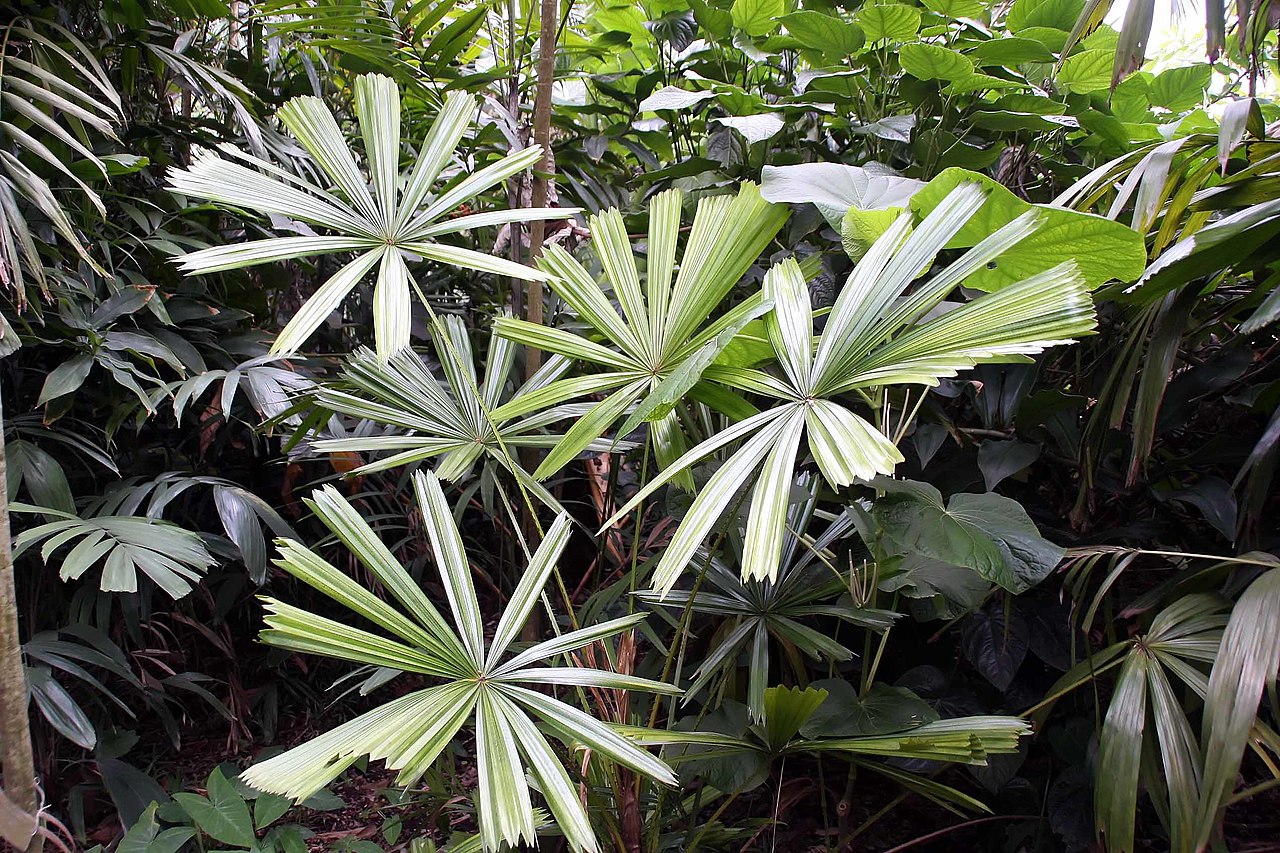
40–50 Daun Palas (Licuala spinosa, softened over low heat)
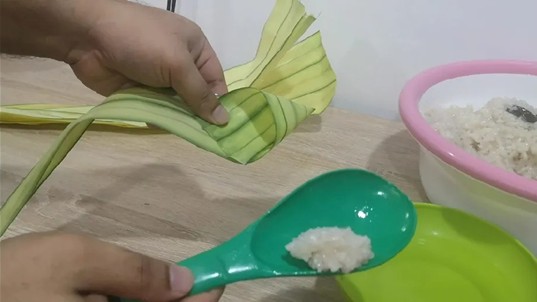
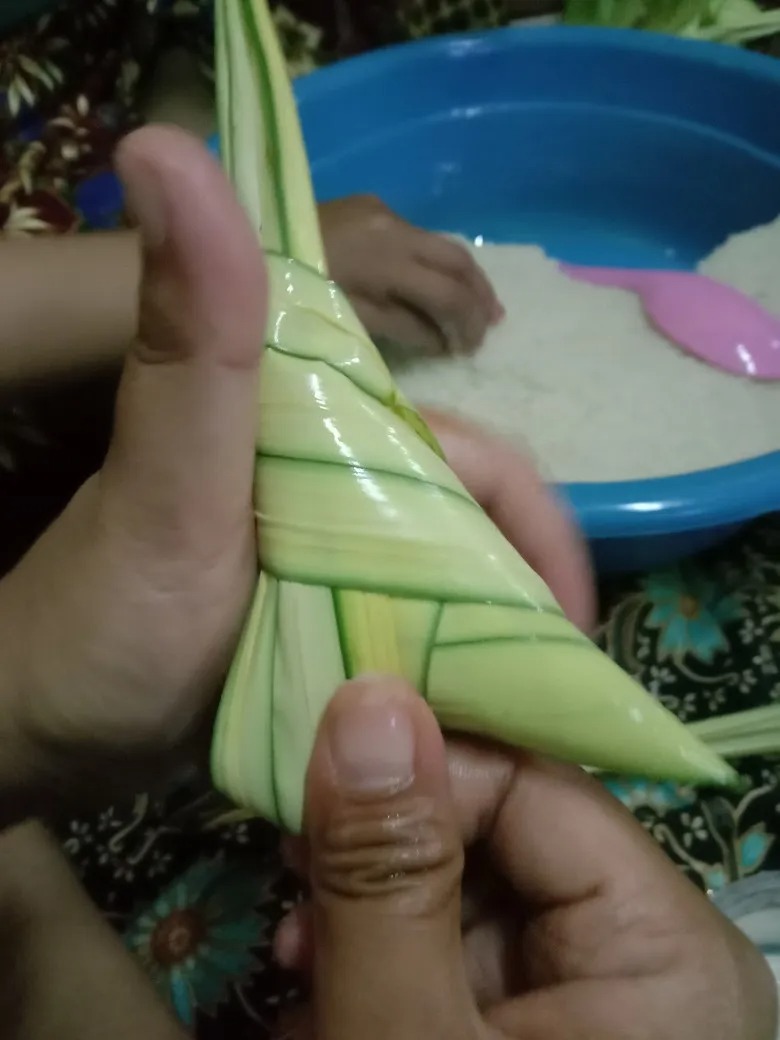
Preparation Method for Ketupat Palas; Step 1: Preparing the Ingredients Rinse the glutinous rice thoroughly, then soak it for 3–4 hours (or overnight) until it becomes soft and easier to cook. After soaking, drain the rice completely. Extract thick coconut milk from freshly grated coconut, or use packaged coconut milk as an alternative. Measure approximately 500 ml for every 1 kg of glutinous rice. Combine the coconut milk with 1½ tablespoons of salt, 1 tablespoon of sugar, and knotted pandan leaves. Mix well until evenly blended. Step 2: Cooking the Glutinous Rice Steam the drained glutinous rice for 20–30 minutes until it is half-cooked. Remove the rice from the steamer and gently mix it with the coconut milk mixture until fully absorbed. Ensure it is well incorporated without breaking the grains. Steam the mixture again for another 15–20 minutes, or until the rice is fully cooked and appears glossy. While the glutinous rice is cooking, gently soften the palas leaves over low heat to make them more pliable and less likely to tear during the wrapping process. Wipe each leaf with a clean cloth to remove any dust or residue. Take one palas leaf and fold it into a triangular cone shape. Fill the cone with one tablespoon of warm glutinous rice, lightly pressing it to create a neat and compact shape. Fold the remaining end of the leaf downward using a traditional wrapping technique until it forms a tight, firm triangle. Arrange the wrapped Ketupat Palas neatly in a steamer to ensure even cooking. Steam for 15–20 minutes to allow the rice to cook thoroughly and bind well within the leaf wrapping. Once done, remove the ketupat from the steamer and allow them to cool before storing or serving.Step 3: Preparing the Palas Leaves
Step 4: Wrapping the Ketupat Palas
Step 5: Steaming the Ketupat
-
Reference Source
Bahan Bacaan
Wikipedia contributors. (n.d.). File: Licuala spinosa 1zz.jpg [Photograph]. Wikipedia. https://en.wikipedia.org/wiki/Licuala_spinosa#/media/File:Licuala_spinosa_1zz.jpg
Lim, C. K. (2008). Taxonomic revision of the genus Licuala (Arecaceae) in Peninsular Malaysia. Gardens' Bulletin Singapore, 60(2), 349–430.
Plants of the World Online. (n.d.). Licuala spinosa Wurmb. Royal Botanic Gardens, Kew. https://powo.science.kew.org/taxon/urn:lsid:ipni.org:names:667719-1
Chemilan. (n.d.). Ketupat Palas: Cara-cara buat ketupat yang mudah. https://chemilan.com.my/ketupat-palas-cara-cara-buat-ketupat-yang-mudah/
Location
State JKKN Contact Information
Siti Rohayu binti Muhamad
Cultural Officer
Jabatan Kebudayaan dan Kesenian Negara, Perlis
Kompleks JKKN Perlis
Persiaran Wawasan Kangar
01000 Kangar
PERLIS
019-504 0015
Use the form below to contact the Informant/Figure/Editor/Researcher directly. We will respond to your inquiry as soon as possible!


