

ARTS AND CULTURE INFORMATION GATEWAY
Immerse yourself in the colorful world of art and culture! From traditional heritage to contemporary works, discover uniqueness that reflects the nation's identity and identity
 Fakulti Muzik dan Seni Persembahan, Universiti Pendidikan Sultan Idris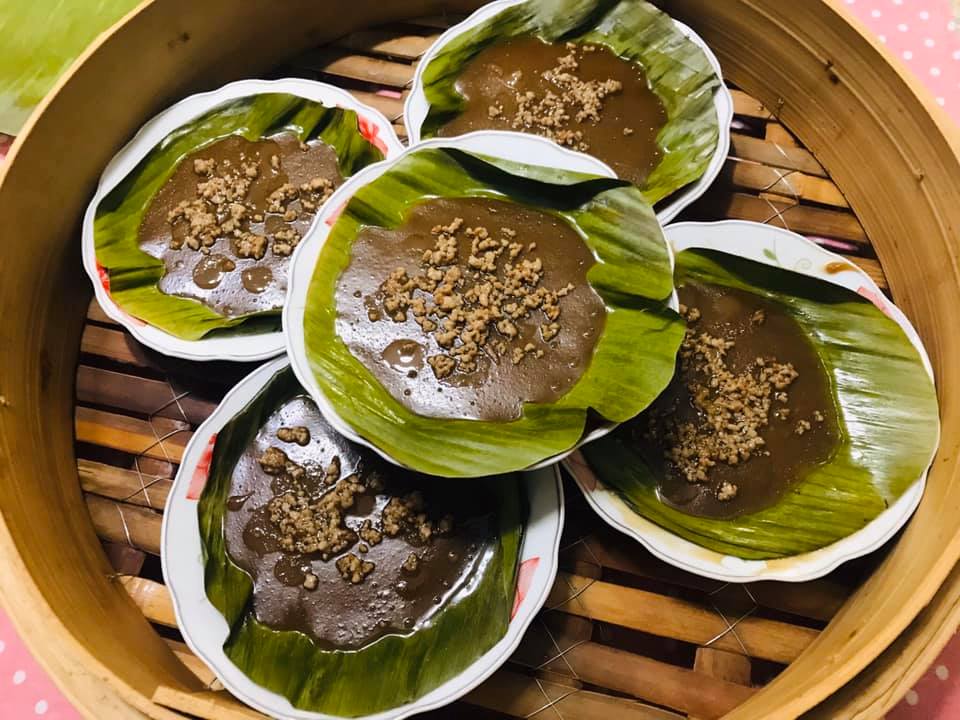
Picture
8
Video
No record
Today's Visitor
37
Number of Visitors
1537
Introduction and history
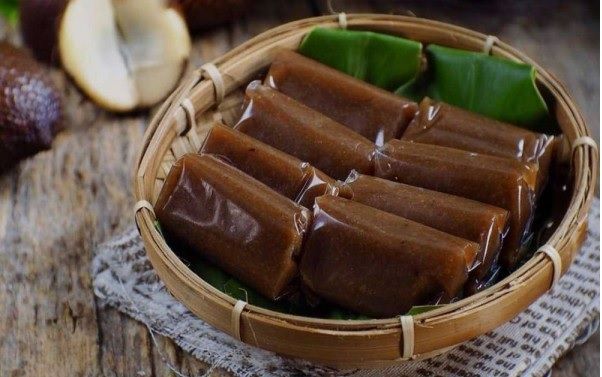
Dodol Kukus (Steamed Dodol) is a traditional delicacy popular in Malaysia, particularly originating from the state of Pahang. Unlike traditional dodol, which is typically cooked over an open fire and stirred continuously for hours, this steamed version uses a simpler steaming method that saves time. This technique allows the preparation process to be carried out without constant stirring, yet still produces a soft, smooth, glossy texture while retaining the rich, sweet, and creamy taste that is the hallmark of dodol. The uniqueness of this recipe lies in the use of tahi minyak (caramelised coconut milk solids).
In general, dodol, also known as Gelamai, is classified as a traditional sweet or confection. The term “dodol” has been recorded in lexicographical history since the 19th century, notably in A Grammar and Dictionary of the Malay Language: With a Preliminary (Vol. 2), published in 1852 by John Crawfurd. In the dictionary, the word “confectionery” is used to refer to sweets or dodol, thus demonstrating its presence in the Malay culinary tradition for at least more than 170 years.
Dodol Kukus serves multiple functions within the social, cultural, and economic contexts of the Malay community, particularly in the state of Pahang. Traditionally, dodol is regarded as a special delicacy during festive seasons, especially Hari Raya Aidilfitri. The preparation of traditional dodol, which requires a long cooking time and considerable manpower, has become a symbol of community cooperation, where family members and neighbours gather to stir the mixture in a large cauldron (kawah). This process not only aims to produce food but also strengthens social bonds through interaction and collaboration during the activity.
In the traditional method, dodol is cooked in a large kawah over moderately high heat and stirred continuously to prevent it from burning or sticking to the bottom. The stirring is done in turns to ensure the mixture cooks evenly. During the first two hours, the colour of the dodol gradually changes to a deep brown and produces many bubbles. This process continues until the bubbles disappear and the dodol reaches a glossy, dark-brown colour with a thick texture. The entire cooking process can take up to four hours before the dodol is fully ready to serve.
However, in the case of dodol kukus, its primary function is more focused on casual servings such as afternoon tea, as its preparation method is simpler and does not require hours of stirring. This practicality allows steamed dodol to be made at any time of the year, not only during festive seasons. The steaming technique makes it a popular choice for those who wish to enjoy the authentic taste of dodol in a shorter preparation time.
-
The preparation of dodol kukus requires a combination of essential ingredients that impart its signature rich, creamy sweetness, fragrant aroma, and chewy texture. Traditionally, the recipe is divided into four main components to facilitate the preparation process. Ingredient A is used to produce tahi minyak (caramelised coconut milk solids), which enhances the aroma and flavour; Ingredient B consists of banana leaves, lightly wilted over heat, to be used as a lining for the mould to prevent sticking and to add a natural fragrance; Ingredient C is a sugar mixture combining palm sugar and granulated sugar to create the colour and sweetness of the dodol; and Ingredient D is a mixture of glutinous rice flour, tapioca flour, and thick coconut milk, which forms the base texture of the dodol. This separation of ingredients not only helps ensure consistent taste and quality but also reflects the unique preparation technique of dodol kukus.
The ingredients are as follows:
Ingredient A – Tahi Minyak
1 cup thick coconut milk
A pinch of salt
Ingredient B – Dodol Lining
Banana leaves, as needed (wilted until soft)
Ingredient C – Sugar Mixture
1 cup palm sugar
½ cup granulated sugar
1 cup water
Ingredient D – Flour Mixture
2 cups glutinous rice flour
1 tablespoon tapioca flour
1½ cups thick coconut milk
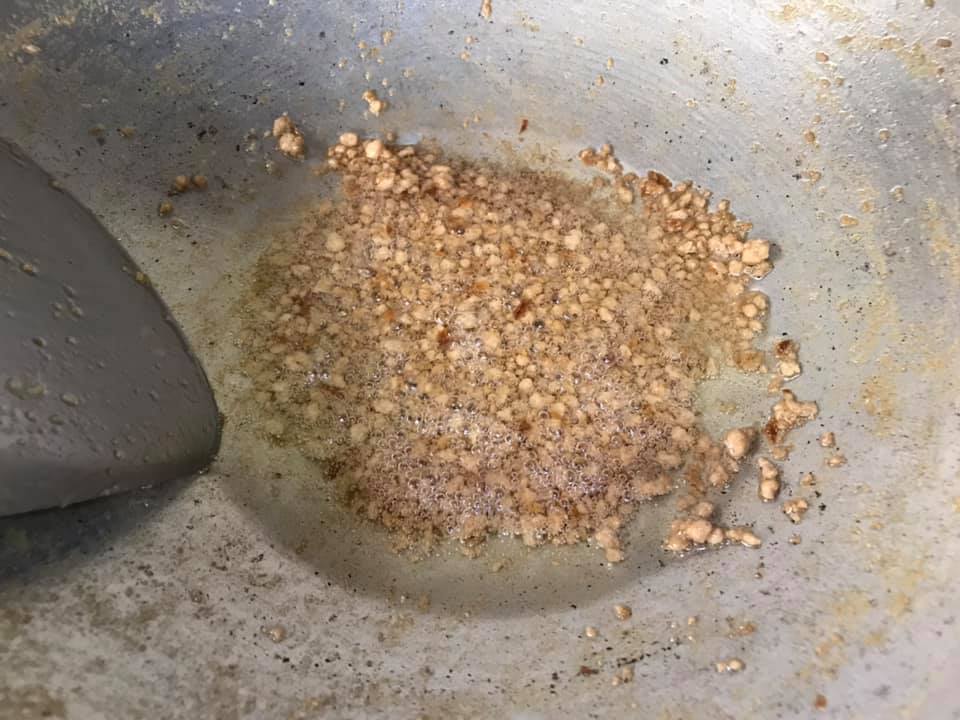
Step 1: Making Tahi Minyak
Place the thick coconut milk and a pinch of salt into a wok or saucepan.
Cook over medium heat for approximately 30 minutes until the coconut milk releases its oil and small golden-brown solids form.
Separate the oil and tahi minyak, and set aside for later use.
Step 2: Preparing the Banana Leaves
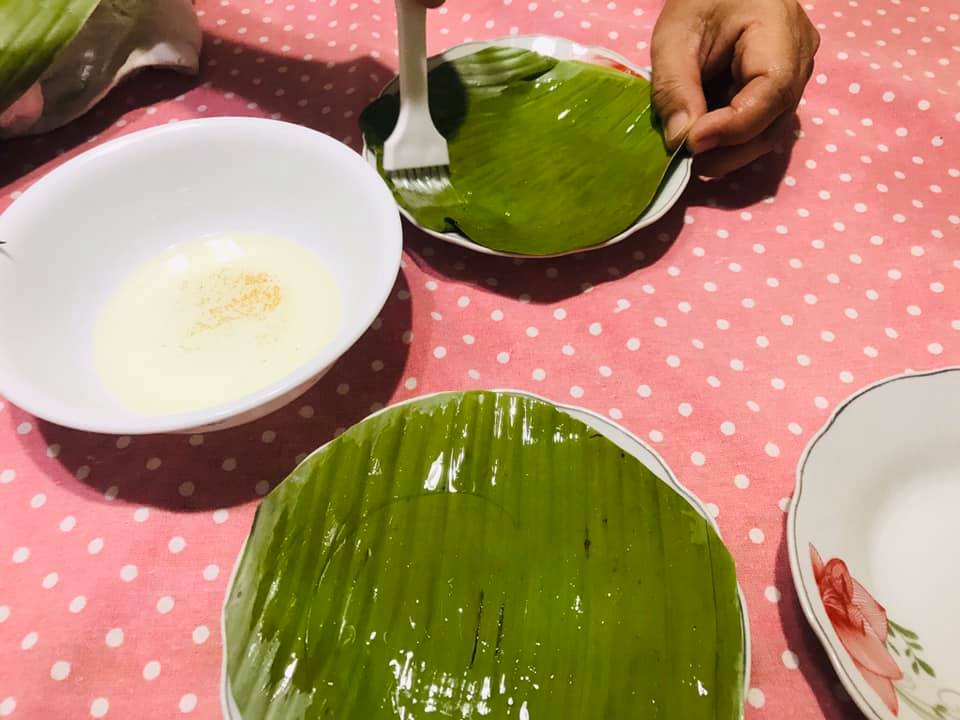
Lightly wilt the banana leaves over low heat or briefly dip them in hot water to make them softer and less likely to tear.
Wipe dry and set aside to line the baking pan.
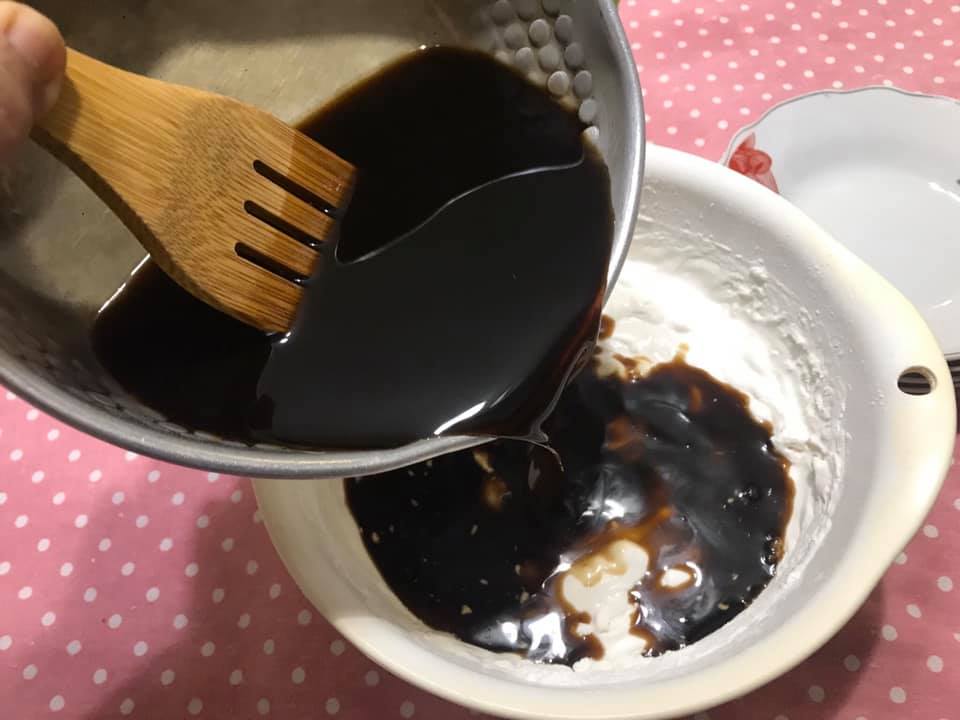
Step 3: Preparing the Sugar Mixture
Combine the palm sugar, granulated sugar, and water in a saucepan.
Cook over medium heat until all the sugar is completely dissolved.
Strain the mixture to remove impurities, then leave it to cool until lukewarm.
Step 4: Preparing the Dodol Batter
In a large mixing bowl, combine the glutinous rice flour, tapioca flour, and thick coconut milk. Mix until well blended.
Add the lukewarm sugar mixture to the flour mixture and stir until evenly combined.
Strain the batter to achieve a smooth, lump-free texture.
Step 5: Steaming the Dodol
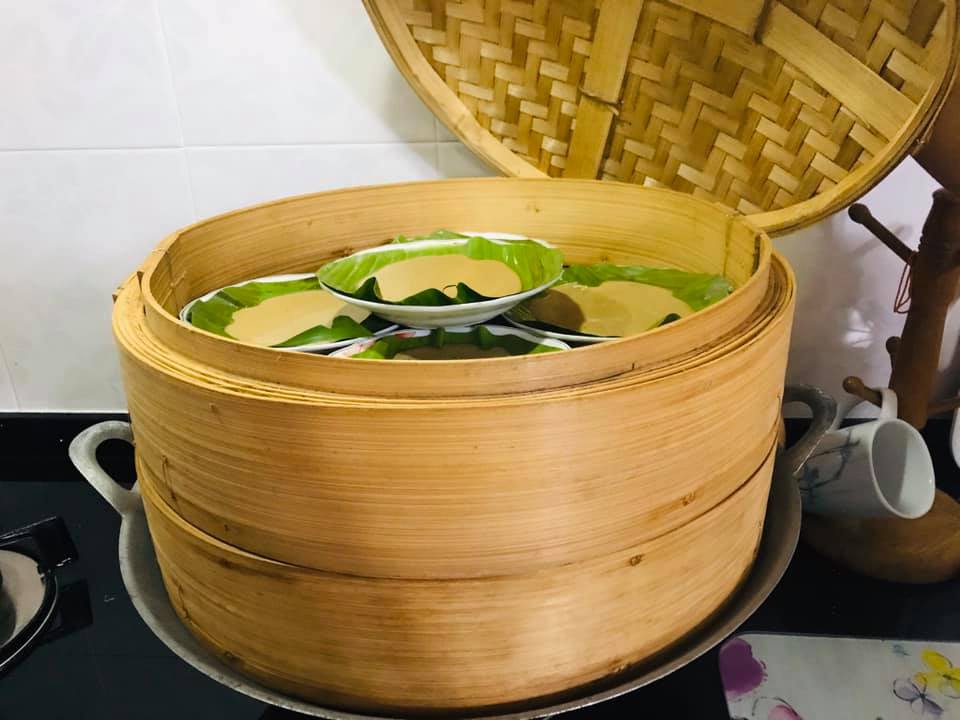
Preheat the steamer.
Brush the banana leaf lining with the oil extracted from the tahi minyak.
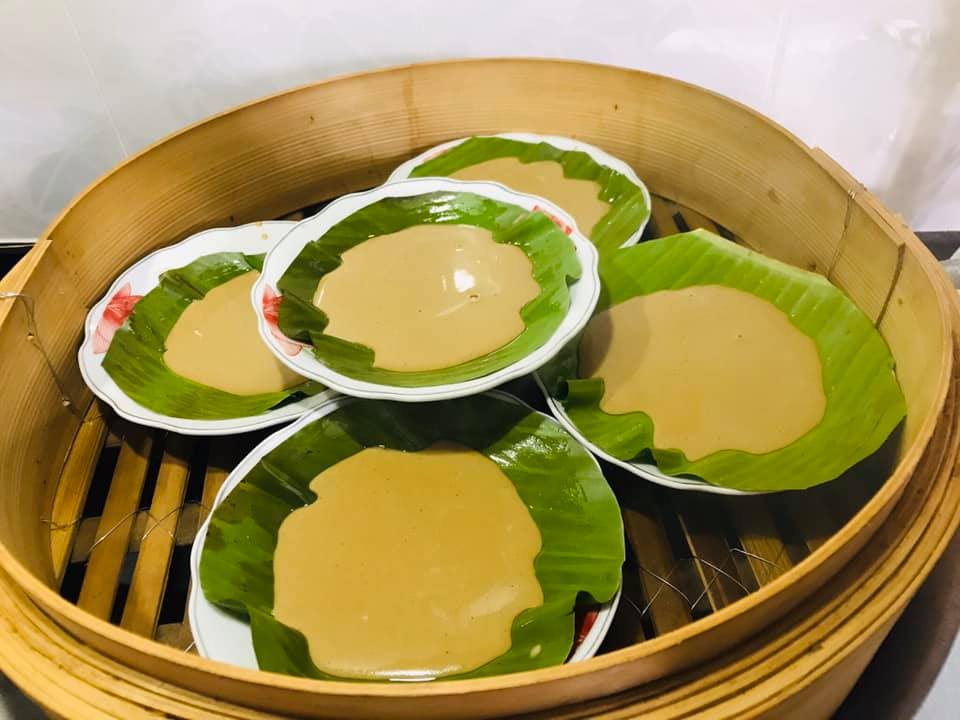
Pour the dodol batter into the prepared pan and smooth the surface evenly.
Steam for 15–20 minutes until fully cooked. Cooked dodol will appear smooth, chewy and will not stick to the fingers.
Step 6: Finishing the Dish
Once cooked, remove the dodol from the steamer and allow it to cool slightly.
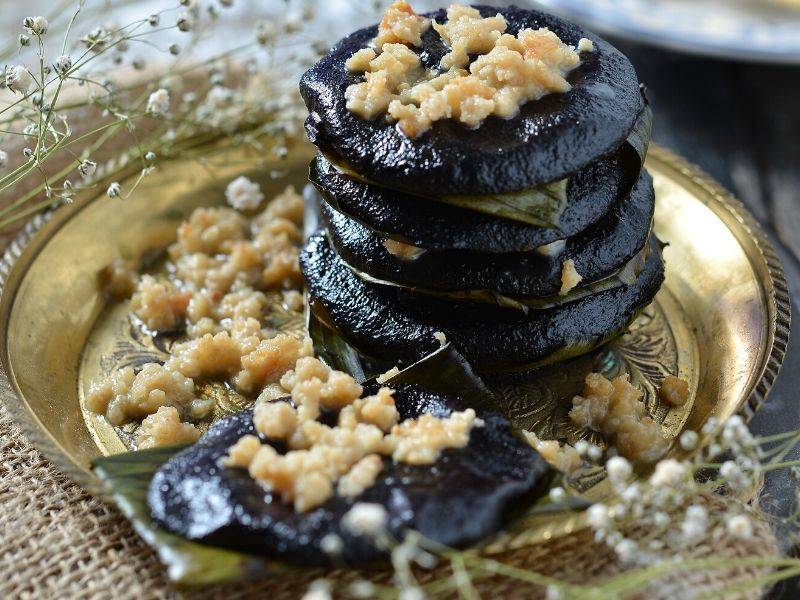
Sprinkle the tahi minyak over the surface for added richness and a fragrant aroma.
Serve the steamed dodol, ideally with hot tea.
-
Reference Source
- Bahan Bacaan
- Crawfurd, J. (1852). A grammar and dictionary of the Malay language (Vol. 2, p. 43). Smith, Elder, and Co. https://archive.org/details/grammaranddicti02crawgoog
- Resepi Bonda. (n.d.). Resepi dodol kukus kuih tradisional Pahang. https://resepibonda.my/resepi-dodol-kukus-kuih-tradisional-pahang/#google_vignette
- Cookpad. (n.d.). Dodol kukus. https://cookpad.com/my/recipes/15324143?view=search
- Shariff, S. N. F. A., Sulong, S. N., Omar, M., & Ideris, M. S. K. (n.d.). Makanan asli warisan Negeri Sembilan, Pahang dan Utara. Pelestarian makanan warisan Melayu diwarisi sejak zaman ke zaman peliharalah hidangan setiap satu jadikan panduan juga rujukan (hlm. 107).
- Noor, S. M., & Musa, M. F. (2024). Dokumentasi penyediaan kelemai: Kuih tradisional masyarakat Rawa di Perak: (Documentation of the preparation of kelemai: A traditional cake of the Rao community in Perak). Asian Journal of Environment, History and Heritage, 8(Special Issues).
Location
State JKKN Contact Information
Puan Norlelah Abd Karim
Cultural Officer
Jabatan Kebudayaan dan Kesenian Negara, Pahang
Kompleks JKKN Pahang
Lot 57100, Jalan Teluk Sisek,
25000, Kuantan,
Pahang Darul Makmur
09-517 8466
Use the form below to contact the Informant/Figure/Editor/Researcher directly. We will respond to your inquiry as soon as possible!


