

ARTS AND CULTURE INFORMATION GATEWAY
Immerse yourself in the colorful world of art and culture! From traditional heritage to contemporary works, discover uniqueness that reflects the nation's identity and identity
 Fakulti Muzik dan Seni Persembahan, Universiti Pendidikan Sultan Idris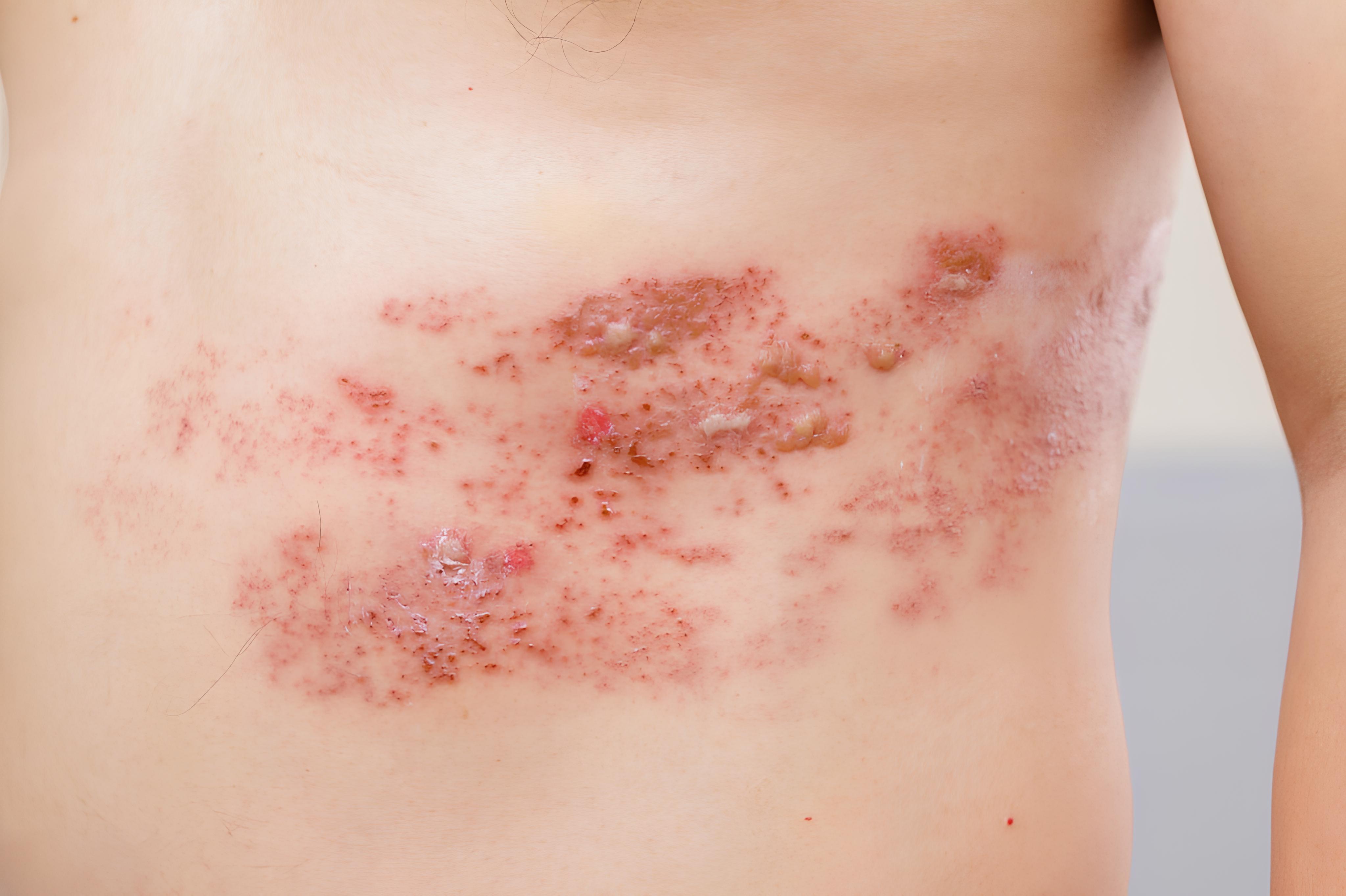
Picture
12
Video
No record
Today's Visitor
26
Number of Visitors
924
Introduction and history

Photo 1: Shingles Disease
Source: Pony Wang, obtained from istock.com
Shingles, scientifically known as Herpes Zoster, is a skin condition caused by the reactivation of the Varicella-Zoster virus, the same virus responsible for chickenpox. After a person recovers from chickenpox, the virus remains dormant in the nervous system. It may reactivate when the immune system weakens due to factors such as aging, stress, chronic illness, or certain medical treatments. In modern medicine, shingles is characterized by fluid-filled rashes accompanied by itching, burning, and nerve pain. The infection typically lasts 10 to 14 days before drying up, but in some cases it may persist for up to a month. Among elderly patients, shingles can lead to post-herpetic neuralgia (PHN), a prolonged and often difficult-to-treat nerve pain condition.
In Malay tradition, shingles is classified into several types according to the appearance of the rash and the severity of the condition. Commonly mentioned types include kayap api (fire shingles), kayap tompok (spot shingles), kayap seledar, and kayap harimau (tiger shingles). However, the two most frequently referred to in local communities are kayap ular (snake shingles) and kayap sambung (encircling shingles). Kayap ular is considered more dangerous as it usually begins on the back and spreads to the chest, and in some cases, to the forehead and eyes. If left untreated, it may cause conjunctivitis and impair vision by attacking the nerves surrounding the eyes. Meanwhile, kayap sambung is believed to be life-threatening if the rash “meets its end,” that is, encircles the entire body. Each type of shingles presents with different rash patterns; some appear as small patches, while others form a line or band around the body. Regardless of its form, shingles typically causes pain, itching, fever, body aches, loss of appetite, and often leaves scars once healed.
In modern treatment, patients are usually prescribed antiviral medications such as Acyclovir, Valacyclovir, or Famciclovir, which are most effective when started within 72 hours of the first outbreak. Antibacterial or antifungal agents may be required if secondary skin infections occur, while topical anti-inflammatory solutions such as Potassium Permanganate are used to dry out blisters. Pain relievers, including NSAIDs such as Paracetamol, Ibuprofen, or Diclofenac, help alleviate pain and discomfort. However, in cases of post-herpetic neuralgia (chronic shingles), modern medicine is often less effective in providing long-term relief, leading some patients to seek alternative therapies for additional comfort.
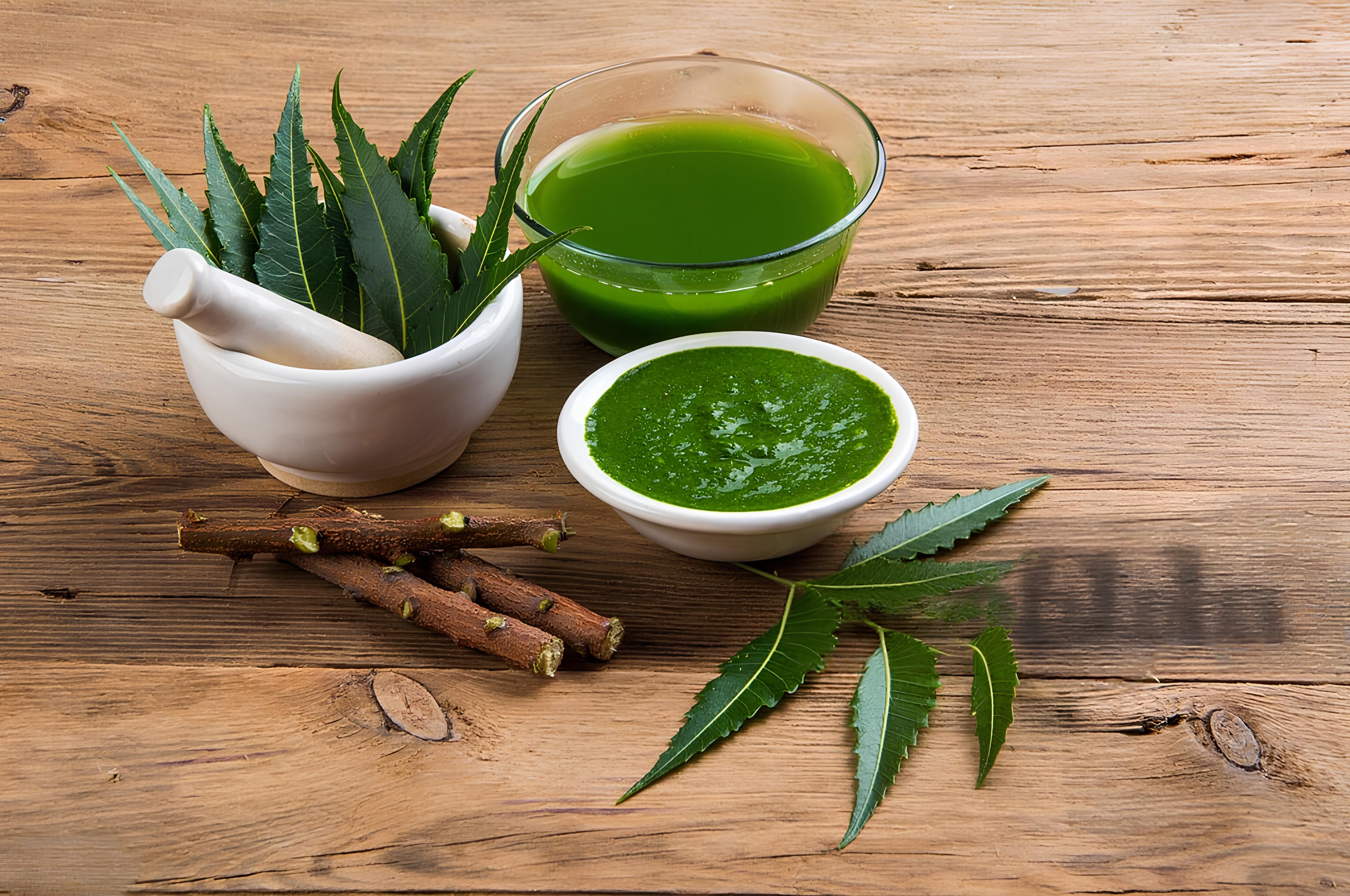
Consequently, the Malay community has long practiced various forms of traditional remedies for shingles, aimed at reducing pain and preventing the spread of the rash. These treatments involve natural home-based ingredients and bodily therapies. Among the most widely known remedies are the use of senduduk leaves, keladi candik (candik yam) stems, semambu (neem) leaves, sirih (betel) leaves, and duit-duit (gotu kola) leaves. Some practitioners also apply garlic, turmeric, or baking soda externally to dry out the rash and relieve itching. In addition to herbal and kitchen-based remedies, bekam (cupping therapy) is practiced in certain communities to remove “impure blood,” which is believed to accelerate healing.
With these diverse approaches, it is evident that traditional Malay treatments for shingles extend beyond physical healing, encompassing cultural understandings and local beliefs. While modern medicine has been scientifically proven to treat symptoms and prevent complications, traditional remedies continue to be practiced as complementary methods, valued for their natural origins and preserved as part of the cultural identity of Malay traditional medicine.
Traditional treatments for shingles are not limited to addressing the physical aspects of the disease; they also play a crucial role in providing comfort, preventing complications, and facilitating a faster recovery. The main functions of traditional shingles remedies can be outlined as follows:
Relieving Symptoms
Traditional remedies for shingles often involve the use of herbal preparations believed to possess cooling and anti-inflammatory properties. These treatments function to reduce skin inflammation and provide relief from the primary symptoms, such as pain, burning sensations, and itching caused by nerve damage and the spread of rashes on the skin’s surface. From a Malay cultural perspective, this function is considered essential not only to manage patient discomfort but also to restore bodily balance, which is perceived as being disrupted by the illness.
Accelerating Recovery
Herbal applications or plant-based medicinal baths are believed to hasten the drying process of rashes and blisters caused by shingles. This practice not only alleviates discomfort but also shortens the acute phase of the illness, thereby facilitating faster overall recovery. Indirectly, the effectiveness of these traditional remedies supports the healing of affected skin while reducing the risks of secondary infection and prolonged scarring.
Preventing Complications
Within the framework of traditional Malay medicine, shingles remedies are believed to reduce the likelihood of complications by curbing the disease’s progression at an early stage. Specifically, these treatments aim to prevent the rash from spreading extensively, particularly in cases of kayap ular (snake shingles), which is traditionally regarded as dangerous if the rash encircles the body. Thus, the role of traditional treatment is not only to provide immediate symptom relief but also to serve as a preventive measure against long-term implications that may significantly affect the patient’s quality of life.
Traditional Malay treatments for shingles rely on a variety of natural materials, particularly medicinal plants and household ingredients, which are believed to possess cooling, anti-inflammatory, and antiseptic properties. Although some of these remedies still require further scientific validation, they have been passed down through generations as a means to alleviate pain and accelerate recovery. The commonly used ingredients include:
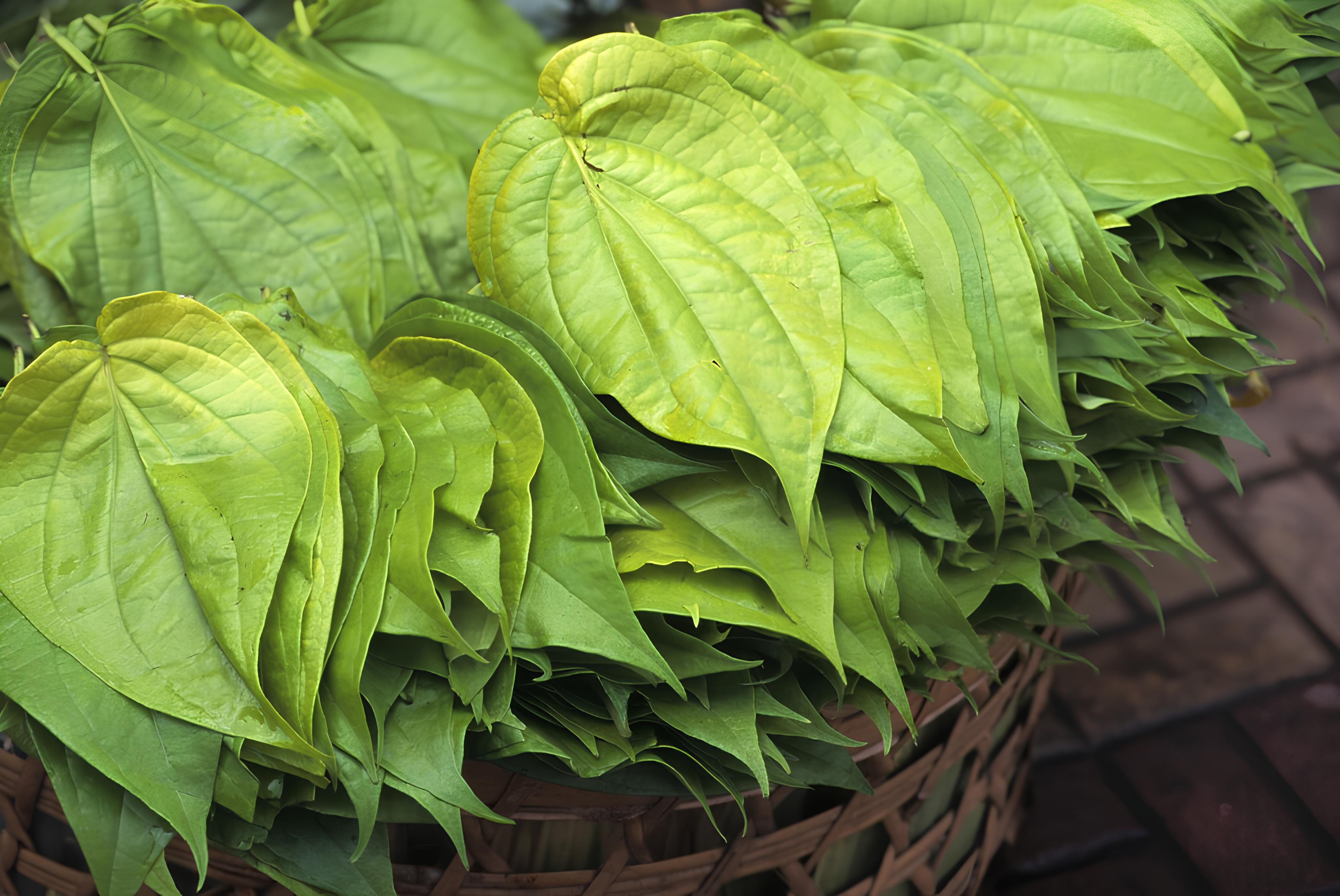
Betel Leaves
Betel leaves are widely used due to their anti-inflammatory and antiseptic qualities. Extracts from the leaves are believed to reduce itching and eliminate microbes on the skin. They are also recognized as a natural remedy for various skin conditions, including acne and allergic reactions.
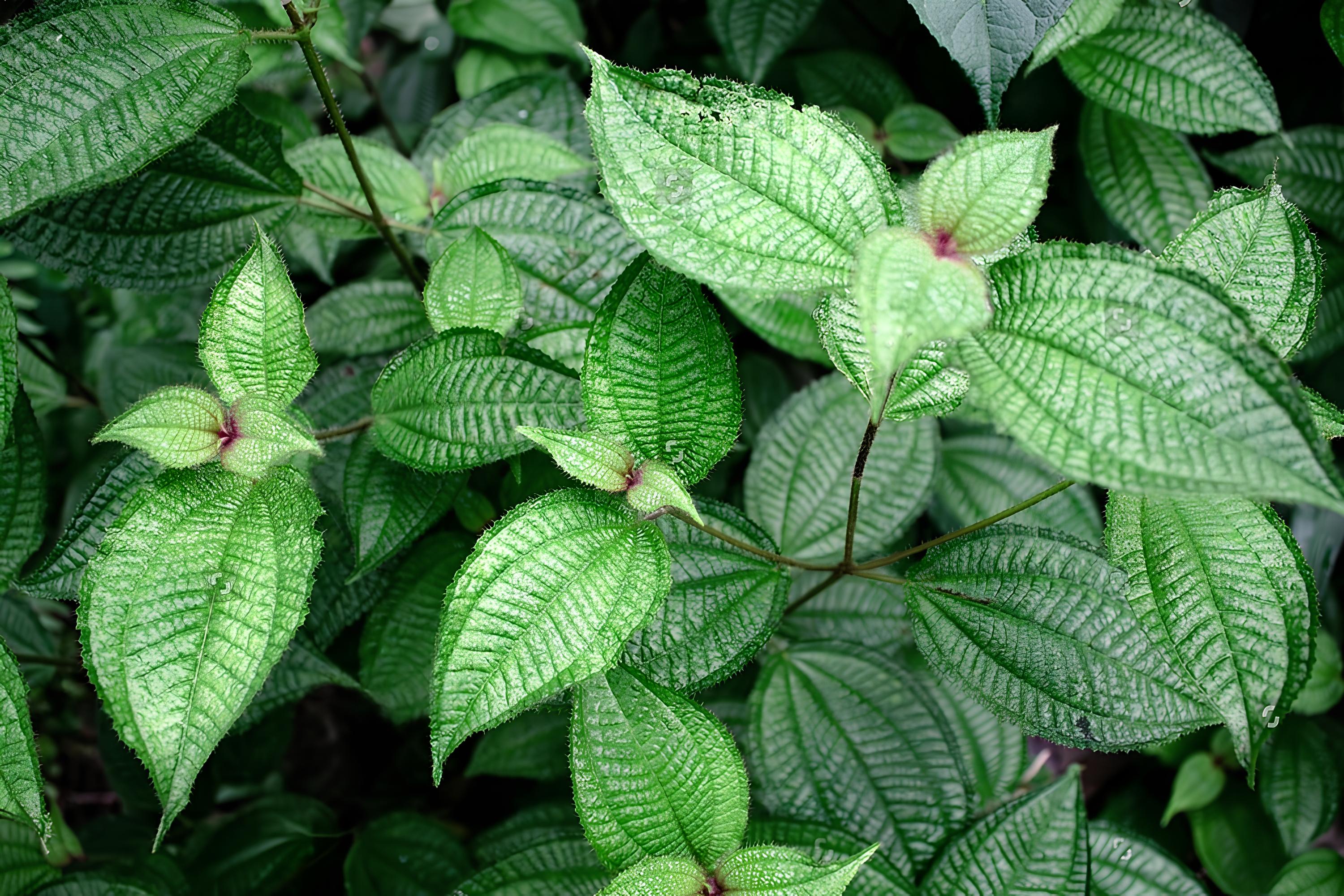
Senduduk Bulu Leaves (Melastoma malabathricum)
Senduduk Bulu leaves are valued for their wound-healing properties, as they contain flavonoids, tannins, and saponins with anti-inflammatory effects. Their natural antibacterial and antifungal components help prevent secondary infections in shingles blisters, thereby accelerating the healing process.
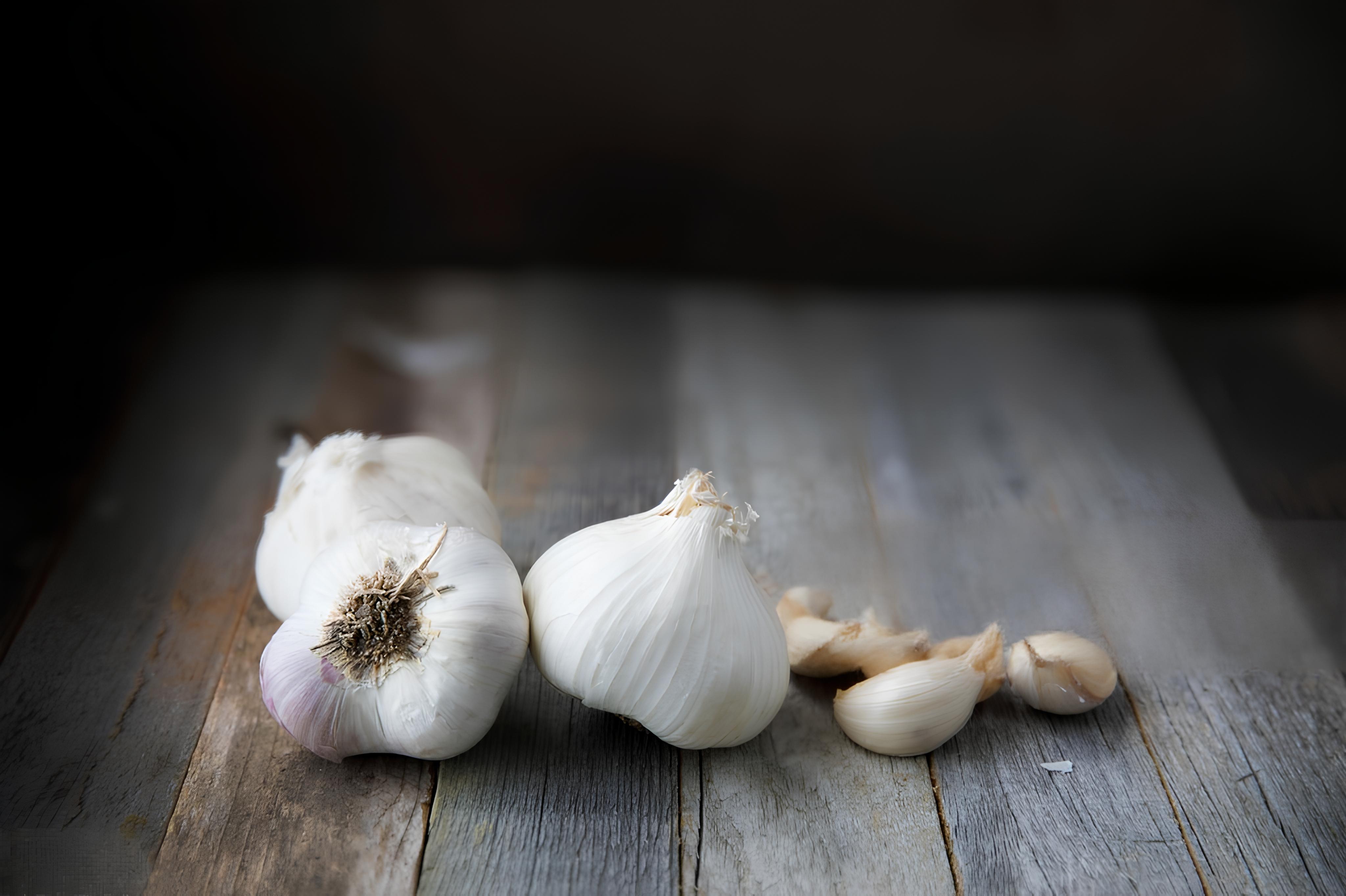
Garlic
Garlic contains natural compounds with antiseptic and anti-inflammatory effects. When applied as an extract, it is believed to relieve pain in skin affected by shingles. Although more commonly associated with traditional treatments for ringworm, garlic is also used in certain village practices for shingles.
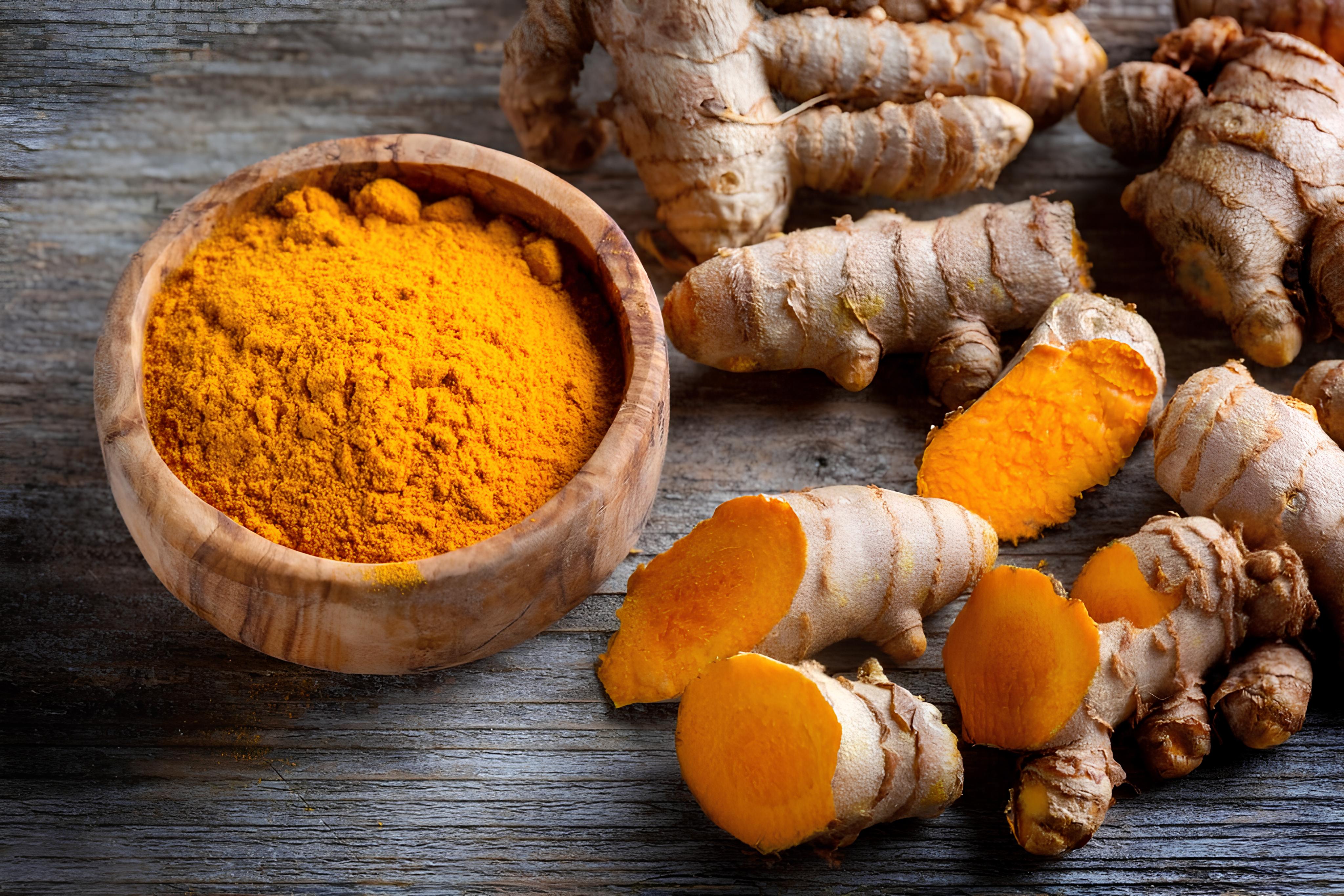
Turmeric
Turmeric, whether in powdered form or freshly grated, has been used in traditional skincare for a long time. Its active compound, curcumin, is believed to soothe irritation, reduce inflammation, and promote faster healing of shingles-affected skin.
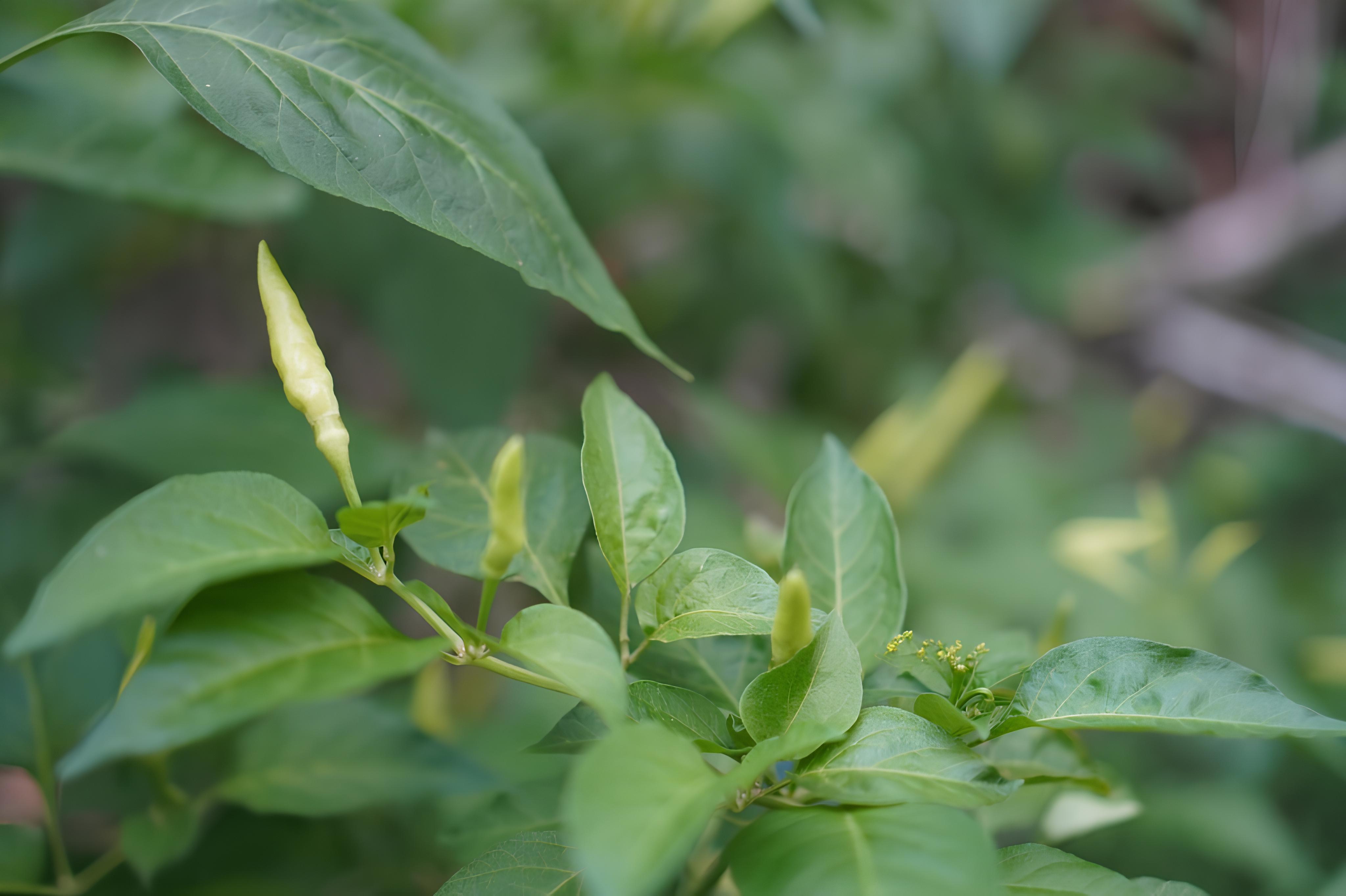
Chili Leaves and Slaked Lime
This combination is believed to produce both warming and cooling effects simultaneously. It is applied to relieve itching and speed up the drying of rashes. Additionally, it is thought to diminish shingles lesions within a few days, providing relief to patients.
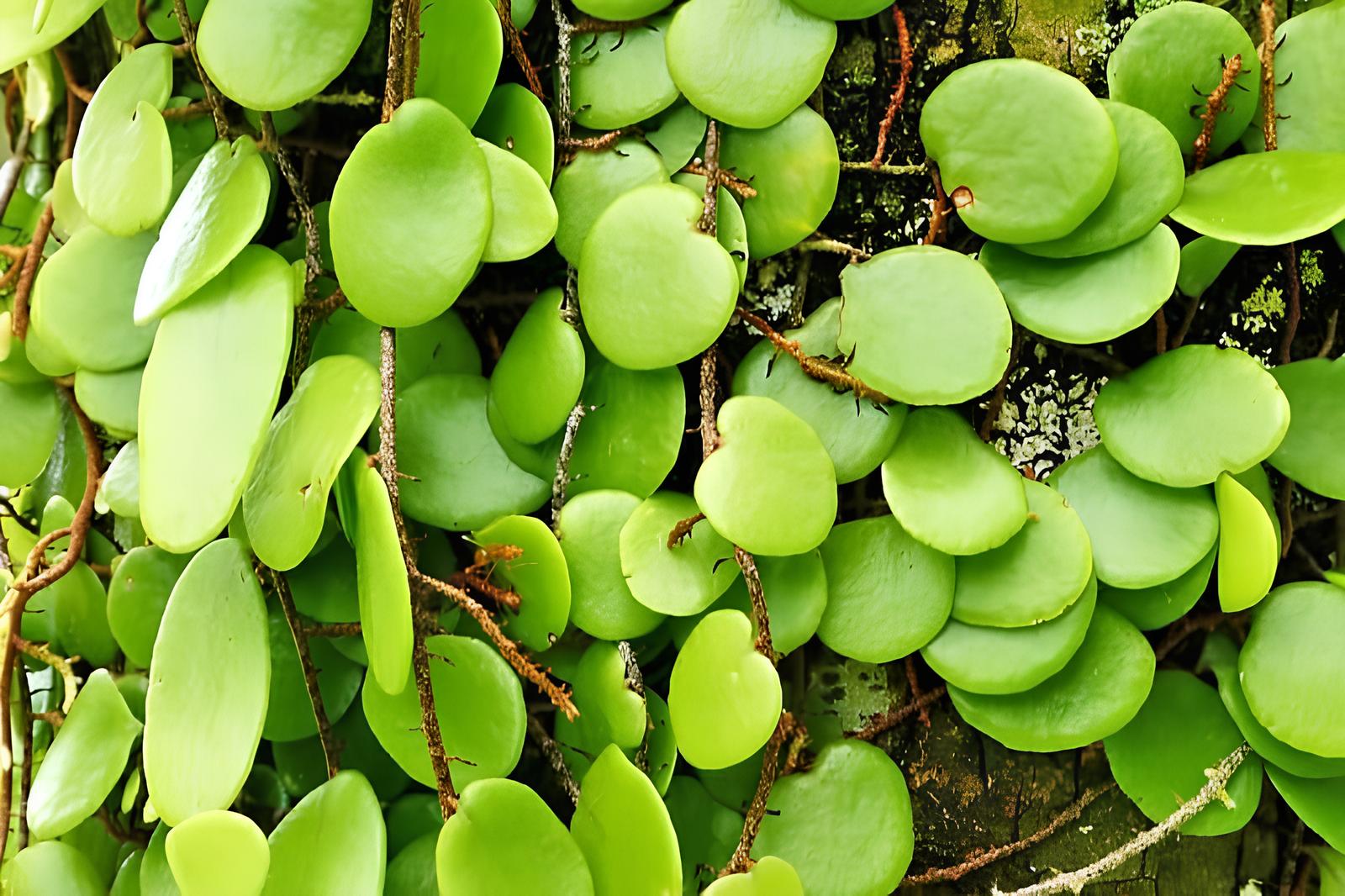
Duit-Duit Leaves (Centella asiatica)
Duit-duit leaves contain bioactive compounds such as asiaticoside and madecassoside, known for their anti-inflammatory properties. They help reduce swelling, redness, and irritation on shingles lesions. The extracts also promote collagen formation and skin regeneration, making them effective for drying rashes and minimizing scarring.
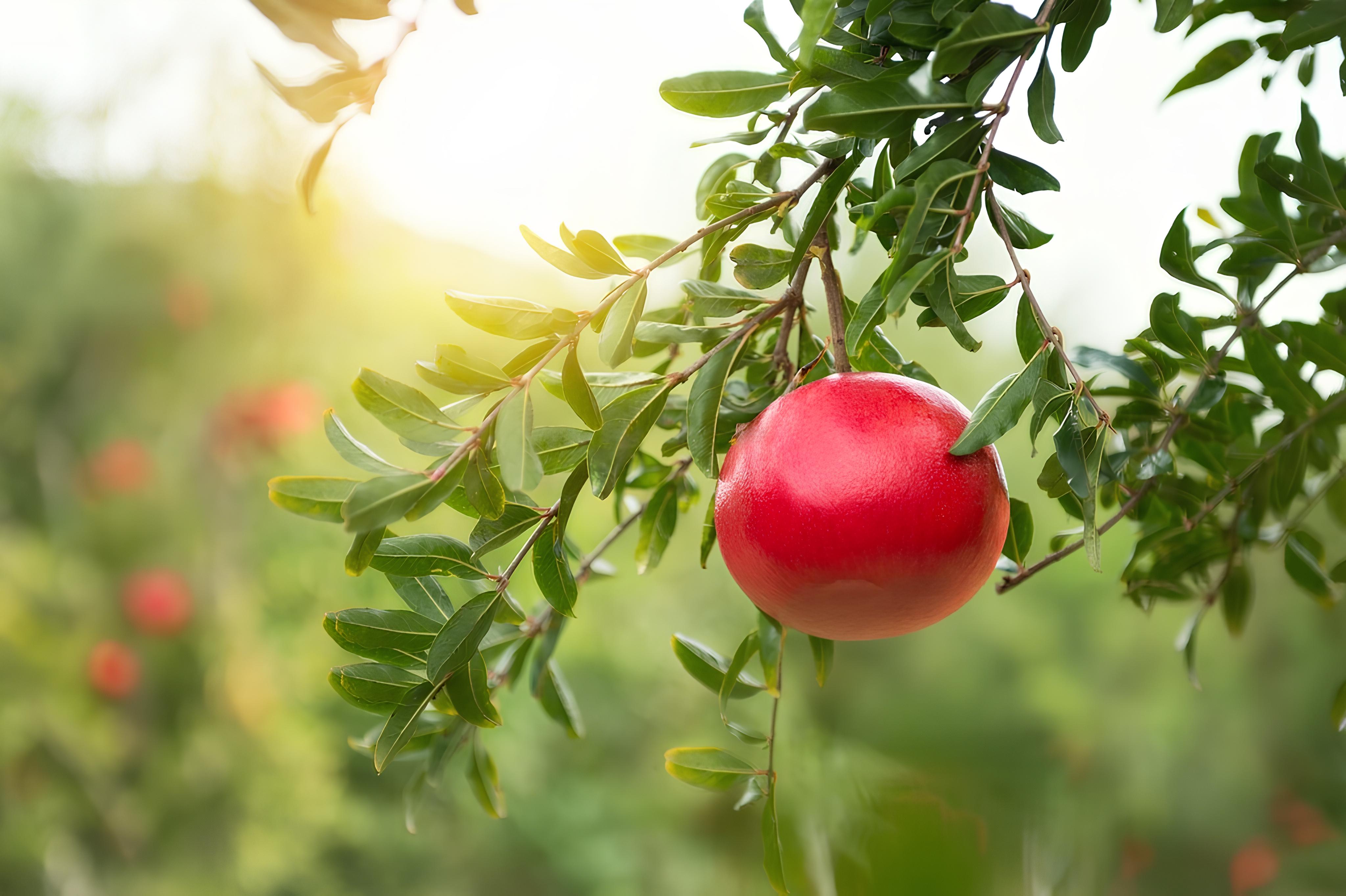
Pomegranate Leaves and Talcum Powder
Pomegranate leaves pounded together with unscented talcum powder are traditionally applied for kayap setompok (localized shingles). Pomegranate leaves contain bioactive compounds such as tannins, flavonoids, and alkaloids, which inhibit bacterial and fungal growth on the skin, preventing secondary infection. This mixture is believed to dry out shingles within three days.
Combination of Jasmine, Pomegranate, Setawar, and Neem Leaves
When pounded together into a paste, this mixture is believed to have a synergistic effect: cooling the skin, drying blisters, and reducing pain and itching while promoting faster healing. In traditional practice, this remedy is often accompanied by dietary restrictions, such as avoiding fried or allergenic foods, to enhance recovery.
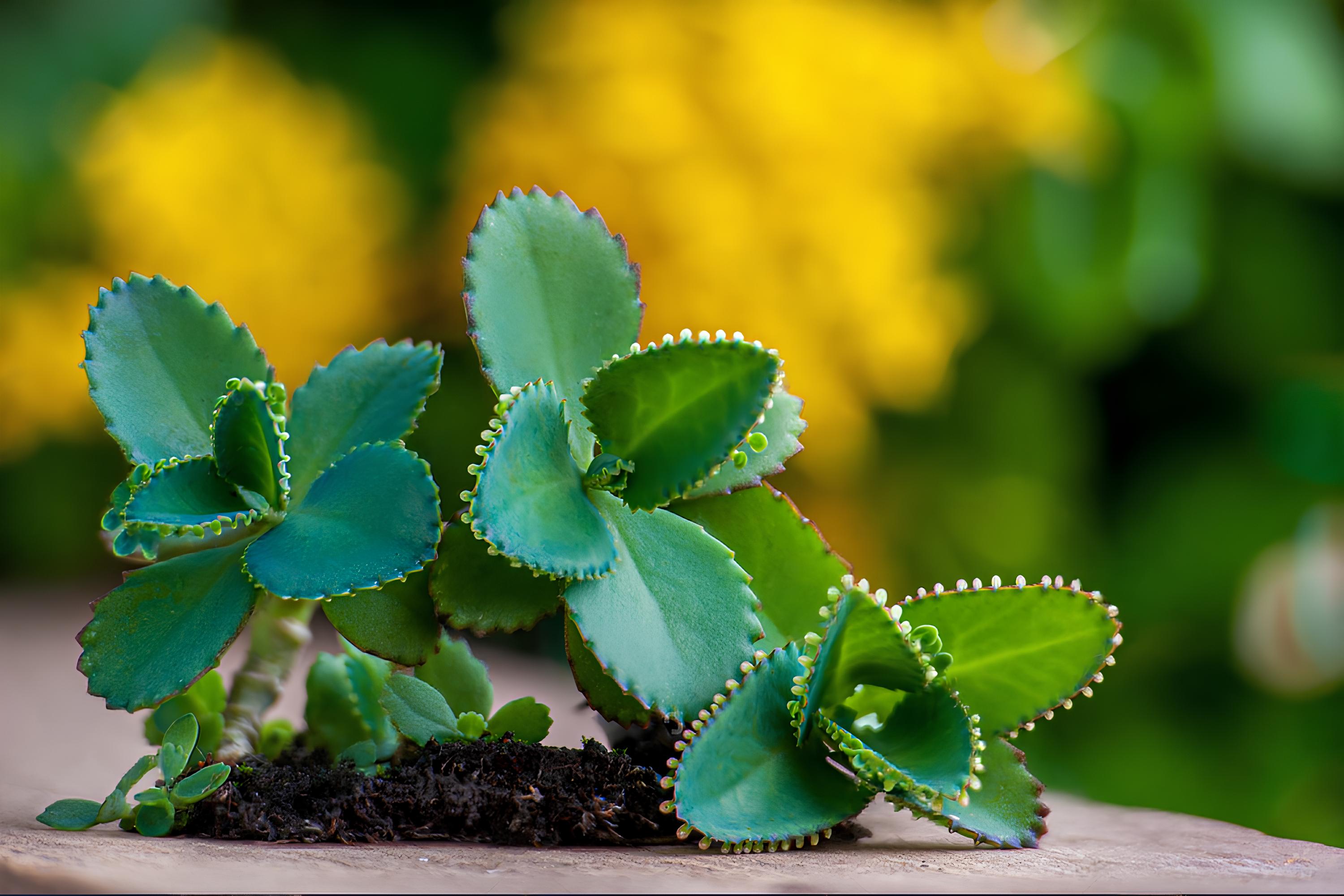
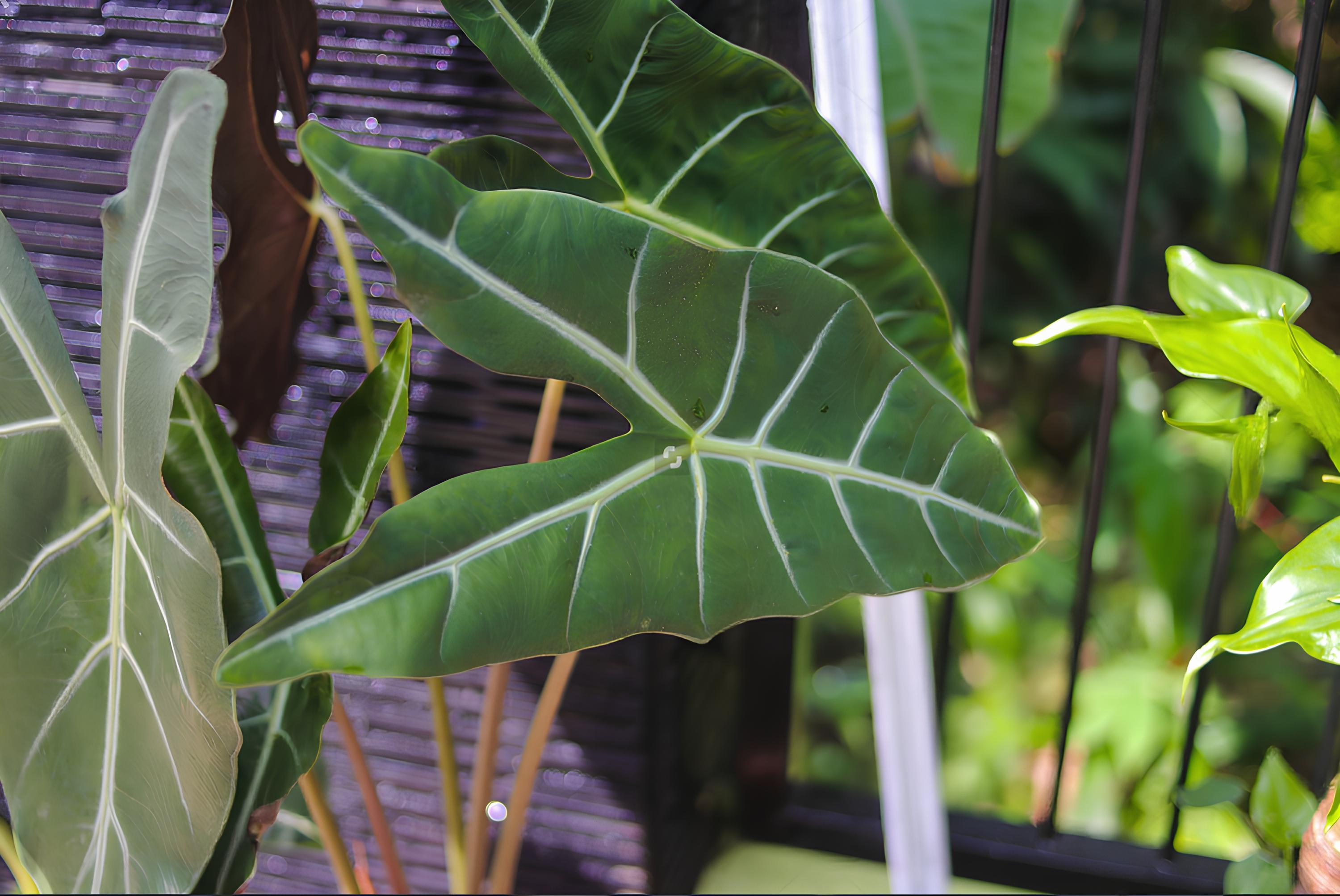
Candik Yam (Keladi Merbah)
The sap or liquid extracted from candik yam stems is applied directly to shingles lesions. In traditional belief, this sap accelerates the drying process of rashes, making blisters peel off more easily by the following day.
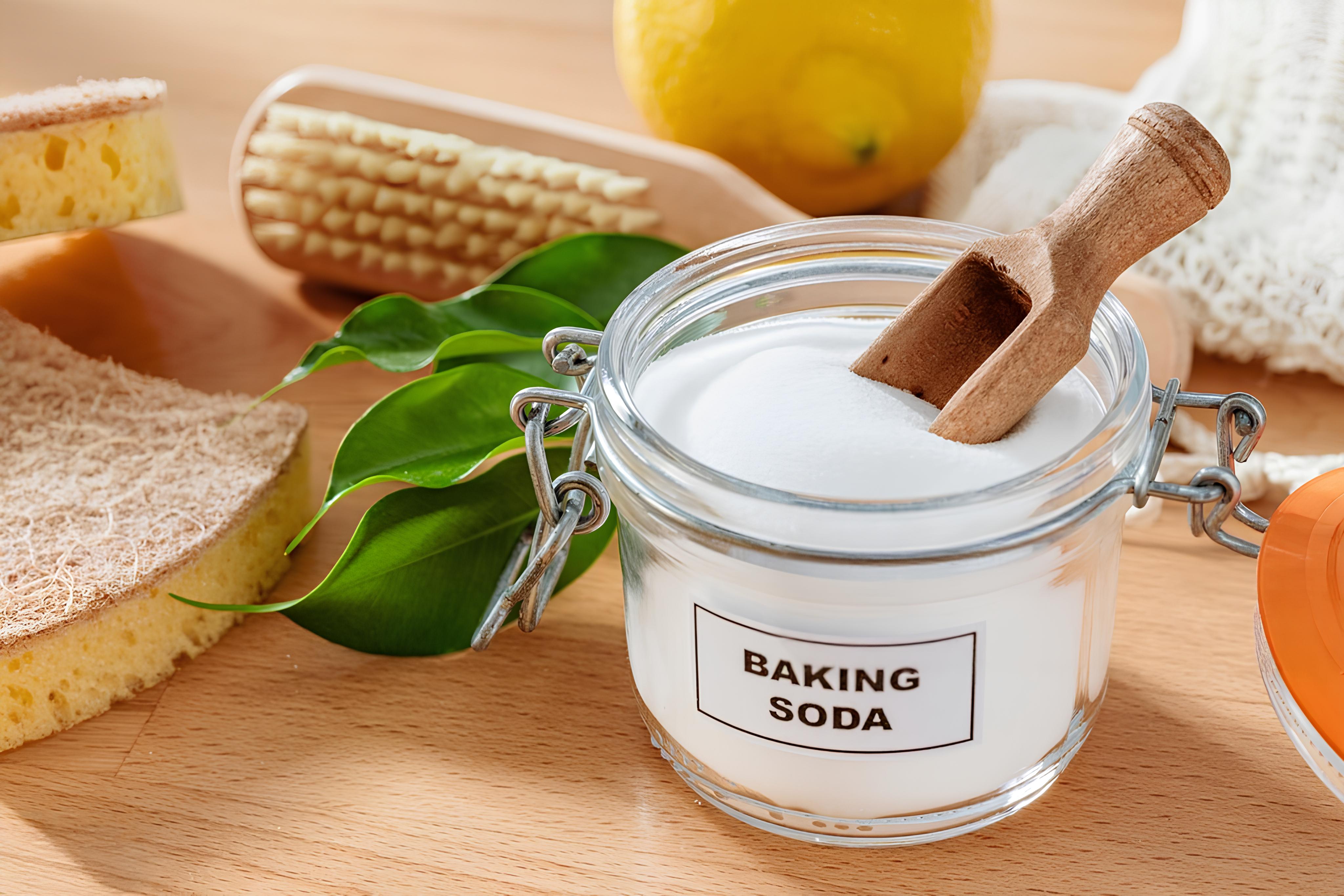
Baking Soda
Baking soda is mixed with cornflour to form a paste, which is applied to shingles blisters to speed up the drying process. However, due to its mildly corrosive nature, caution is advised as frequent use may irritate or damage the skin.
Each ingredient used in traditional remedies for shingles is prepared in a particular way to ensure effectiveness and comfort for the patient. The preparation methods for the main ingredients are as follows:
Betel Leaves (Piper betel)
Pick several fresh betel leaves and wash them thoroughly.
Boil the leaves in a pot of water until they reach a rolling boil.
Allow the decoction to cool, then use it as a bath or to wash the affected area.
Alternatively, pound the fresh leaves until fine and apply directly to the lesions.
Leave to dry for a while, then rinse with clean water.
Repeat 2–3 times daily until the shingles begin to dry.
2) Senduduk Bulu Leaves (Melastoma malabathricum)
Select several fresh senduduk bulu leaves.
Rinse with clean water to remove dirt.
Pound the leaves until fine and release their natural juice.
Apply the paste directly to the affected area.
Cover with a clean cloth or light bandage to maintain moisture.
Leave for several hours, then wash with warm water.
3) Garlic
Peel several cloves of fresh garlic.
Wash thoroughly, then pound into a fine paste.
Mix with a little clean water. Some practitioners add rock salt to extract a thicker juice.
Apply a thin layer of the paste to the lesions.
Leave for 10–15 minutes, then rinse off with clean water.
4) Fresh Turmeric
Take a piece of fresh turmeric root and wash thoroughly.
Grate or pound until fine.
Mix with a small amount of slaked lime to form a paste.
Apply a thin layer onto the affected skin.
Leave for several hours before washing off.
Repeat twice daily, typically after dawn (Subuh) and before sunset (Maghrib).
5) Chili Leaves and Slaked Lime
Pick several fresh chili leaves.
Wash, then rub together with a small amount of slaked lime until evenly mixed.
Apply the mixture to the affected area.
Leave on for 7–10 minutes, allowing it to cool the skin. Avoid leaving lime too long to prevent irritation.
Repeat twice daily for best results.
6) Duit-Duit Leaves
Pick several fresh duit-duit leaves.
Wash thoroughly, then pound until fine.
Apply both the paste and its juice to the lesions.
Cover with a clean cloth overnight.
Remove the dressing the next morning and clean the area.
7) Pomegranate Leaves and Talcum Powder
Select several fresh pomegranate leaves and wash thoroughly.
Pound the leaves until fine.
Mix with unscented talcum powder to form a paste.
Apply the paste to the lesions, especially for localized shingles (kayap setompok).
Leave for a few hours before rinsing off.
Repeat twice daily for best results.
8) Combination of Jasmine, Pomegranate, Setawar, and Neem Leaves
Prepare fresh shoots or leaves from all four plants.
Wash thoroughly.
Pound together until fine.
Mix with a small amount of talcum powder to create a thick paste.
Apply the paste to the lesions every 2–3 hours.
Continue treatment daily until the rash dries out.
9) Candik Yam (Keladi Merbah)
Cut a fresh stalk of candik yam.
Allow the sap or juice to flow out.
Apply the sap directly onto the lesions.
Let it dry naturally on the skin.
Repeat once daily until the blisters begin to peel off.
10) Baking Soda
Take a small amount of baking soda and mix it with cornflour.
Add sufficient water to form a thick paste.
Apply the paste directly onto the shingles' blisters.
Leave until dry, then wash off with clean water.
Avoid leaving it on too long, as it may cause redness and irritation of the skin.
Reference Source
Bahan Bacaan
Abascal, K. (2005). Herbs for treating herpes zoster infections. Alternative & Complementary Therapies, 11(3), 131–134. https://doi.org/10.1089/act.2005.11.131
Ahmad, K., & Ariffin, M. F. M. (2014). Terapi ruqyah berasaskan al-Quran: Analisis signifikannya dalam rawatan penyakit. Jurnal Darul Quran, 18, 87–125.
Ahmad, S. (2002). Traditional medicine in Southeast Asia with special reference to Malaysia and Indonesia. In Geography, culture and education (pp. 51–64). Springer Netherlands. https://doi.org/10.1007/978-94-017-2925-6_6
Ariff, K. M., & Beng, K. S. (2006). Cultural health beliefs in a rural family practice: A Malaysian perspective. Australian Journal of Rural Health, 14(1), 2–8. https://doi.org/10.1111/j.1440-1584.2006.00756.x
Cleveland Clinic. (n.d.). Varicella-Zoster virus (chickenpox & shingles). Cleveland Clinic. Retrieved September 3, 2025, from https://my.clevelandclinic.org/health/diseases/varicella-zoster-virus
Hello Doktor. (2021, December 30). Ubat kayap cara kampung: Mana satu yang berkesan? Hello Doktor. Retrieved September 3, 2025, from https://hellodoktor.com/sihat-bergaya/masalah-kulit/ubat-kayap-cara-kampung/
Hijikata, Y., Yasuhara, A., & Sahashi, Y. (2005). Effect of an herbal formula containing Ganoderma lucidum on reduction of herpes zoster pain: A pilot clinical trial. The American Journal of Chinese Medicine, 33(4), 517–523. https://doi.org/10.1142/S0192415X05003065
Ramli, K., & Yusoff, S. H. (2019). Perubatan Nabi: Kefahaman terhadap sunnah dan praktis perawat. ‘Abqari Journal, 17(1), 97–106.
Sirap Limau. (2020, May 15). Cara merawat kayap: Petua tradisional untuk hilangkan kayap. Sirap Limau. Retrieved September 3, 2025, from https://siraplimau.com/cara-merawat-kayap/
Yarnell, E., & Abascal, K. (2005). Herbs for treating herpes zoster infections. Alternative & Complementary Therapies, 11(3), 131–134. https://doi.org/10.1089/act.2005.11.131
Tokoh (jika ada temu bual tokoh)
Location
State JKKN Contact Information
Cultural Officer
Jabatan Kebudayaan dan Kesenian Negara
Use the form below to contact the Informant/Figure/Editor/Researcher directly. We will respond to your inquiry as soon as possible!


