

ARTS AND CULTURE INFORMATION GATEWAY
Immerse yourself in the colorful world of art and culture! From traditional heritage to contemporary works, discover uniqueness that reflects the nation's identity and identity
 Fakulti Muzik dan Seni Persembahan, Universiti Pendidikan Sultan Idris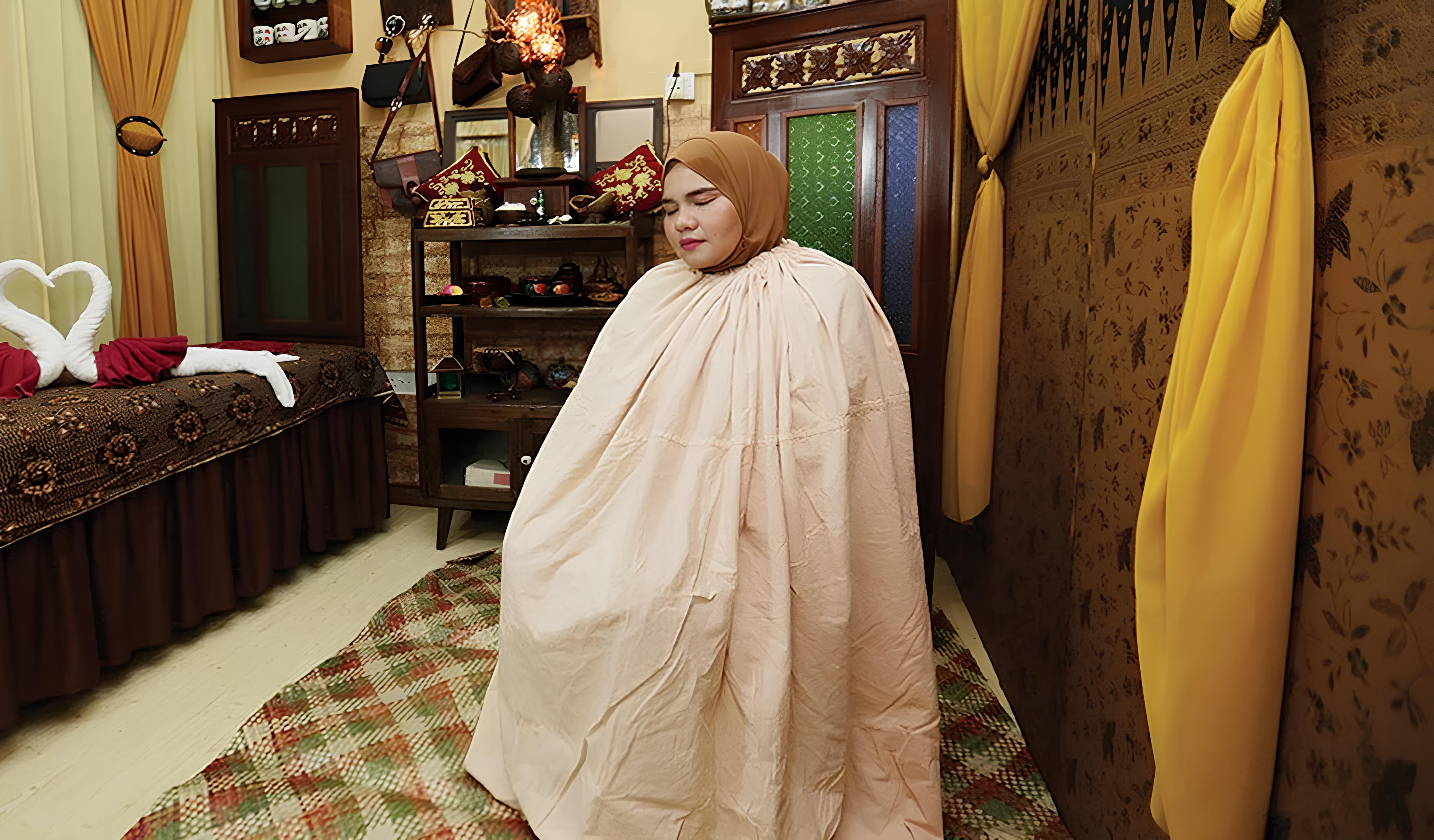
Picture
7
Video
No record
Today's Visitor
323
Number of Visitors
2807
Introduction and history
Bertangas is a traditional practice of the Malay community that has been passed down from one generation to the next, particularly among women. It refers to a form of herbal steam treatment used to maintain both internal and external health, often described as “herbal steam bathing.” The process involves exposing the female intimate area to steam derived from boiled medicinal herbs with the aim of cleansing the vagina and uterus, improving blood circulation, preventing irritation, and maintaining overall vaginal health. Traditionally, this practice is commonly carried out by women after childbirth as part of the postpartum recovery process (pantang). However, beyond this function, bertangas is also practised at other times, such as in preparation for marriage or as a periodic wellness therapy.
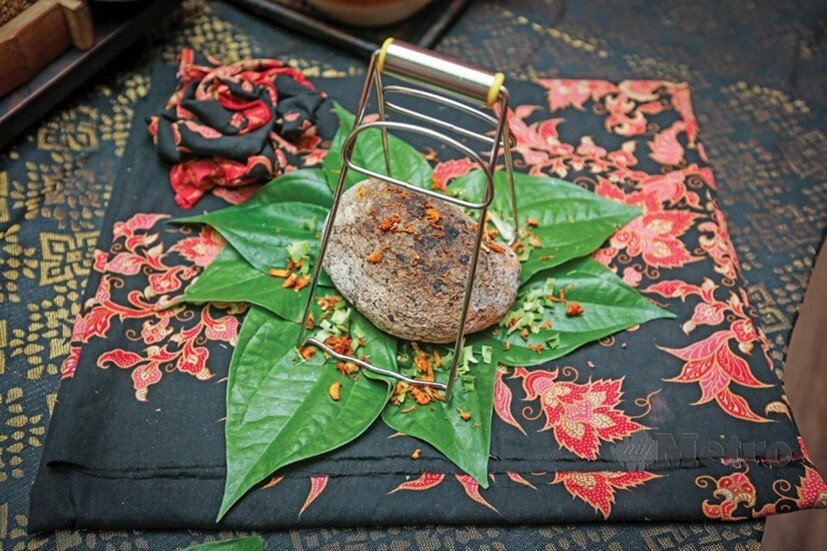
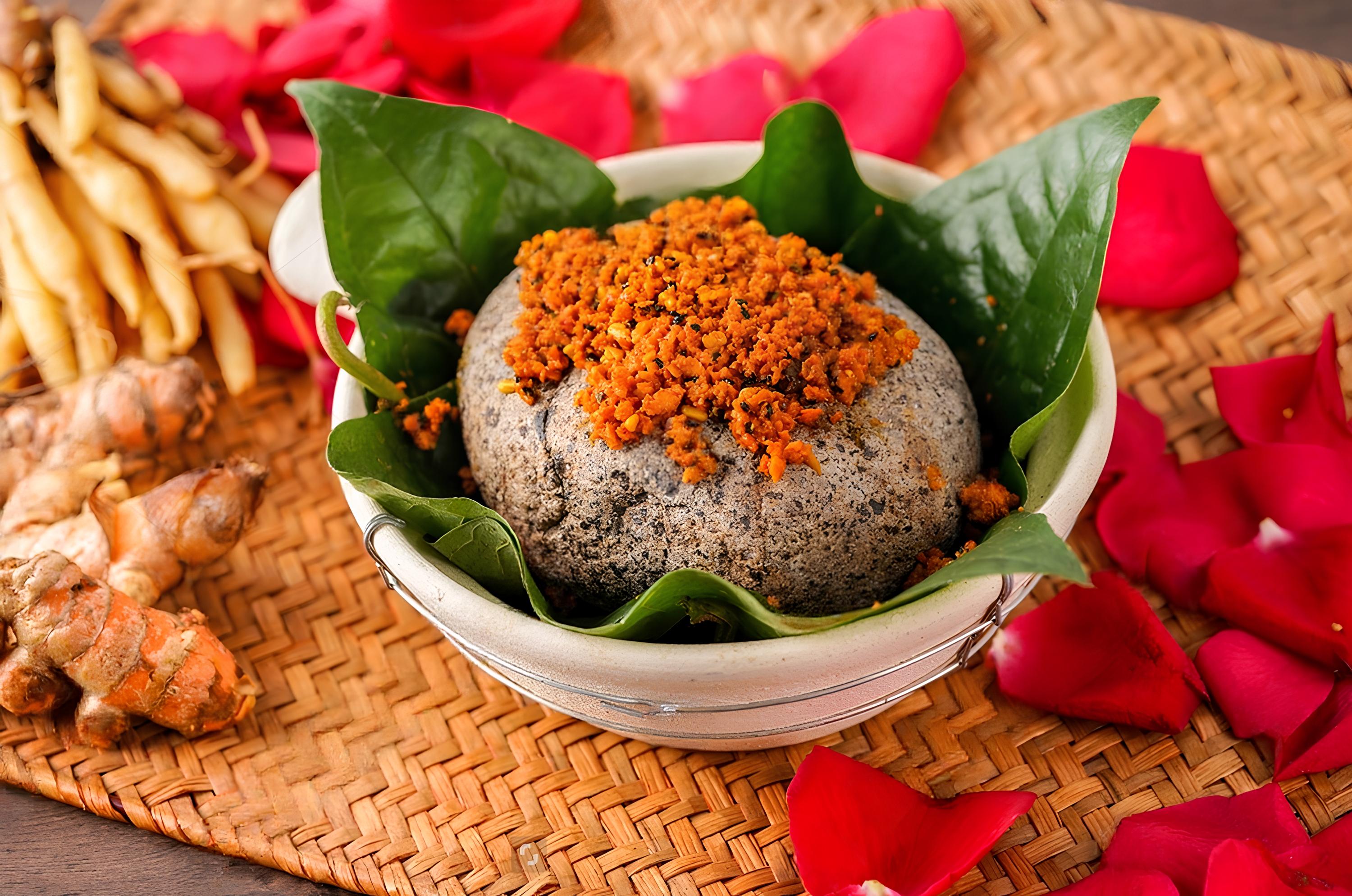
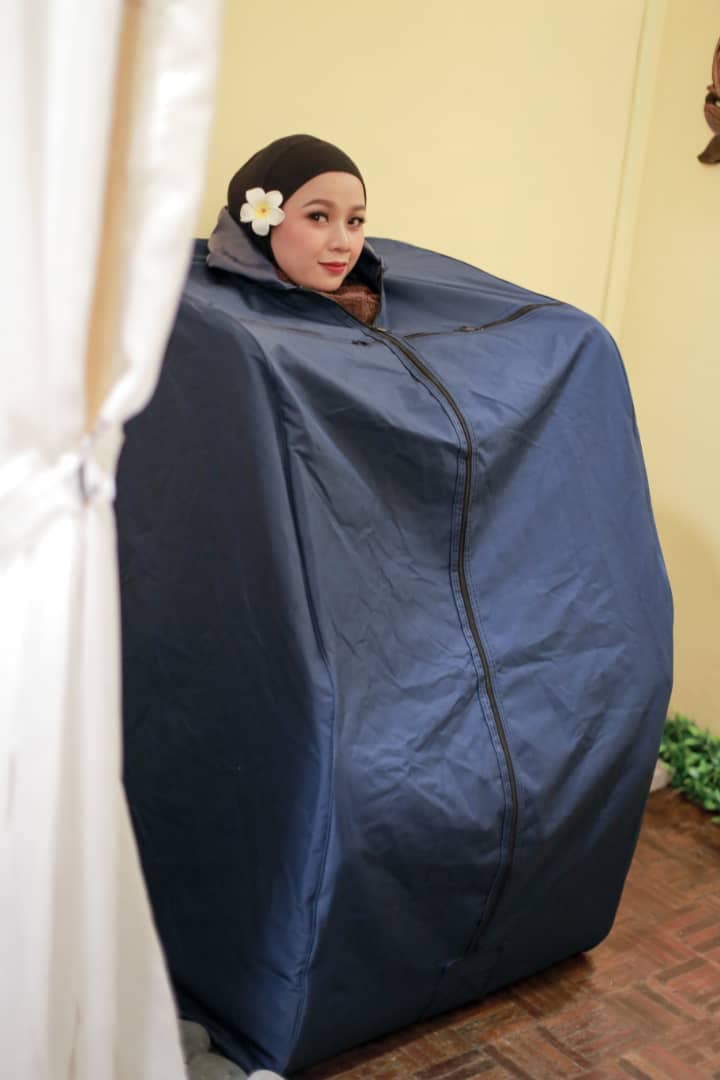
In general, there are two main types of bertangas, namely tangas kering (dry steaming) and tangas basah (wet steaming). Tangas kering is performed using river stones that are heated for about an hour over a small fire. Once sufficiently hot, the stones are sprinkled with powdered herbs prepared from selected traditional ingredients. The smoke produced from the combination of the herbs and heated stones warms the female intimate area. This method is considered simpler and is more suitable for women who cannot tolerate prolonged exposure to intense steam. Meanwhile, tangas basah uses water boiled together with leaves and selected herbs. The steam from this herbal decoction is then used as a form of “herbal sauna” for the intimate area and the body. This method produces a refreshing effect similar to steam bathing, as the herbal vapours penetrate the skin through the pores.
Women’s Internal Health
One of the primary functions of bertangas is to promote uterine and vaginal health. The herbal steam produced during the process is believed to contract the uterus after childbirth, expel residual lochia or menstrual blood, and strengthen the vaginal muscles. This makes it a treatment closely aligned with the needs of women, particularly during the postpartum period (pantang). Additionally, bertangas serves to eliminate excess wind (angin) and toxins from the body. The hot steam helps open skin pores, while herbs such as betel leaves (daun sirih), turmeric (kunyit hidup), manjakani, and various spices act as natural detoxifying agents that refresh the body.
Personal Care
In terms of hygiene, bertangas helps reduce unpleasant odours. It restores the natural balance of vaginal flora while imparting freshness through the use of aromatic herbs. The practice is also believed to reduce overall body odour, thereby boosting a woman’s self-confidence. Furthermore, the heat from herbal steam stimulates blood circulation to the reproductive system and the entire body, which helps to relieve fatigue, back pain, or muscle stiffness often experienced after childbirth or due to daily exhaustion.
Physical and Emotional Well-being
From a psychological perspective, bertangas contributes to relaxation and emotional well-being. The calming process, combined with the soothing aroma of herbs, helps to alleviate stress and mental fatigue. For modern women balancing careers and family responsibilities, the experience of bertangas resembles that of a traditional spa therapy, rejuvenating both body and mind. Moreover, bertangas is also associated with women’s fertility and menstrual regulation. When practised regularly, it is believed to assist women with irregular menstrual cycles, treat vaginal discharge, and strengthen uterine health, thereby supporting fertility and reproductive functions.
Social Function (Marriage Preparation)
Beyond health benefits, bertangas also carry cultural and social significance in Malay society. In some communities in Malaysia, it forms part of the traditional wedding preparations undertaken by both bride and groom. The practice is not merely ritualistic but is considered important for reducing body odour so that the couple appears clean and fresh on their wedding day.
There exists a belief that after undergoing bertangas, the perspiration released from the body no longer carries an unpleasant odour but instead becomes fragrant, or at least lighter in scent. This is regarded as especially significant since the bride and groom will be seated before the public as “king and queen for a day.” Thus, bertangas function not only as a form of traditional medicine and women’s healthcare but also as a symbolic act of self-preparation and purification before entering a major life transition.
-
In traditional Malay medicine, the ingredients used in bertangas are generally categorised into two main methods: bertangas basah and dry steaming. Both methods employ similar selected herbs, but the mode of preparation differs according to the intended purpose of treatment. The following are the main ingredients used:
Ingredients for Bertangas Basah (Herbal Decoction / Herbal Steam)
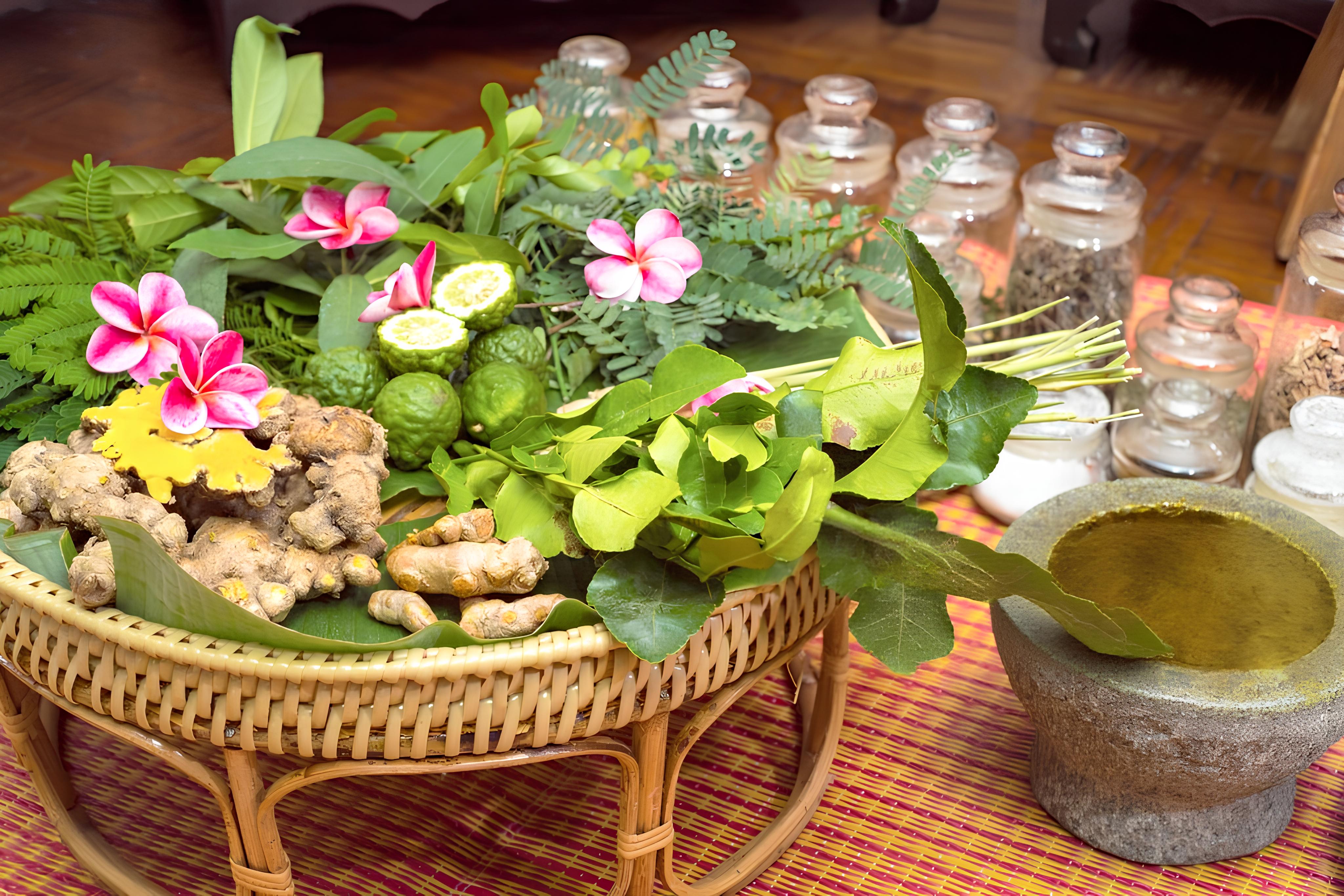
These ingredients are prepared by boiling them in water until steam is produced.
Betel leaves – cleansing, antiseptic, and reduce vaginal discharge.
Fresh turmeric – anti-inflammatory, refreshing, and reduces body odour.
Lemongrass – improves blood circulation and provides a fragrant aroma.
Ginger – warms the body and expels excess wind.
Manjakani – strengthens the uterus and tightens vaginal muscles.
Kaffir lime – provides a natural citrus fragrance.
Pandan or henna leaves – add natural fragrance.
Spices (cloves, cinnamon, star anise) – aid natural detoxification and enhance aroma.
All of these ingredients are boiled in a pot of water until boiling, and the resulting steam is used for the bertangas process.
Ingredients for Bertangas Kering (Herbal Smoke / Herbal Powder)
These ingredients are used together with heated river stones to produce smoke.
River stones – heated beforehand to serve as the medium for steam or smoke.
Serbuk tangas (a mixture of dried herbs such as betel leaves, manjakani, dried ginger, and dried turmeric).
Traditional roots (e.g., kacip fatimah, akar serapat) – to support uterine health and enhance female vitality.
Dried spices (cloves, cinnamon, black pepper) – for fragrance and detoxifying properties.
The serbuk tangas is sprinkled onto the heated river stones until herbal smoke is released, which is then used in the bertangas kering process.
The practice of bertangas can be carried out in two main ways: tangas kering and tangas basah. Both methods use similar traditional herbal ingredients but differ in preparation and technique.
METHOD 1: TANGAS KERING (DRY STEAMING)
Step 1: Preparing the Stones
Select several medium-sized river stones.
Wash thoroughly to remove dirt.
Sun-dry until completely dry to ensure easier heating.
Step 2: Heating the Stones
Arrange the stones in an iron wok or, preferably, a clay pot.
Heat over a small fire or charcoal embers for about one hour until the stones are sufficiently hot.
Step 3: Preparing the Herbal Powder
Sun-dry herbs such as betel leaves, fresh turmeric, ginger, manjakani, and selected roots.
Once dried, pound or grind finely together with spices such as cinnamon, cloves, and star anise.
Sift the mixture to produce an even powder.
Store the powder in an airtight container until needed.
Step 4: The Bertangas Process
Place the hot river stones into a heat-resistant container or continue using the heated clay pot.
Sprinkle the herbal powder onto the stones.
Allow the herbal smoke to rise naturally.
Step 5: Seating Method
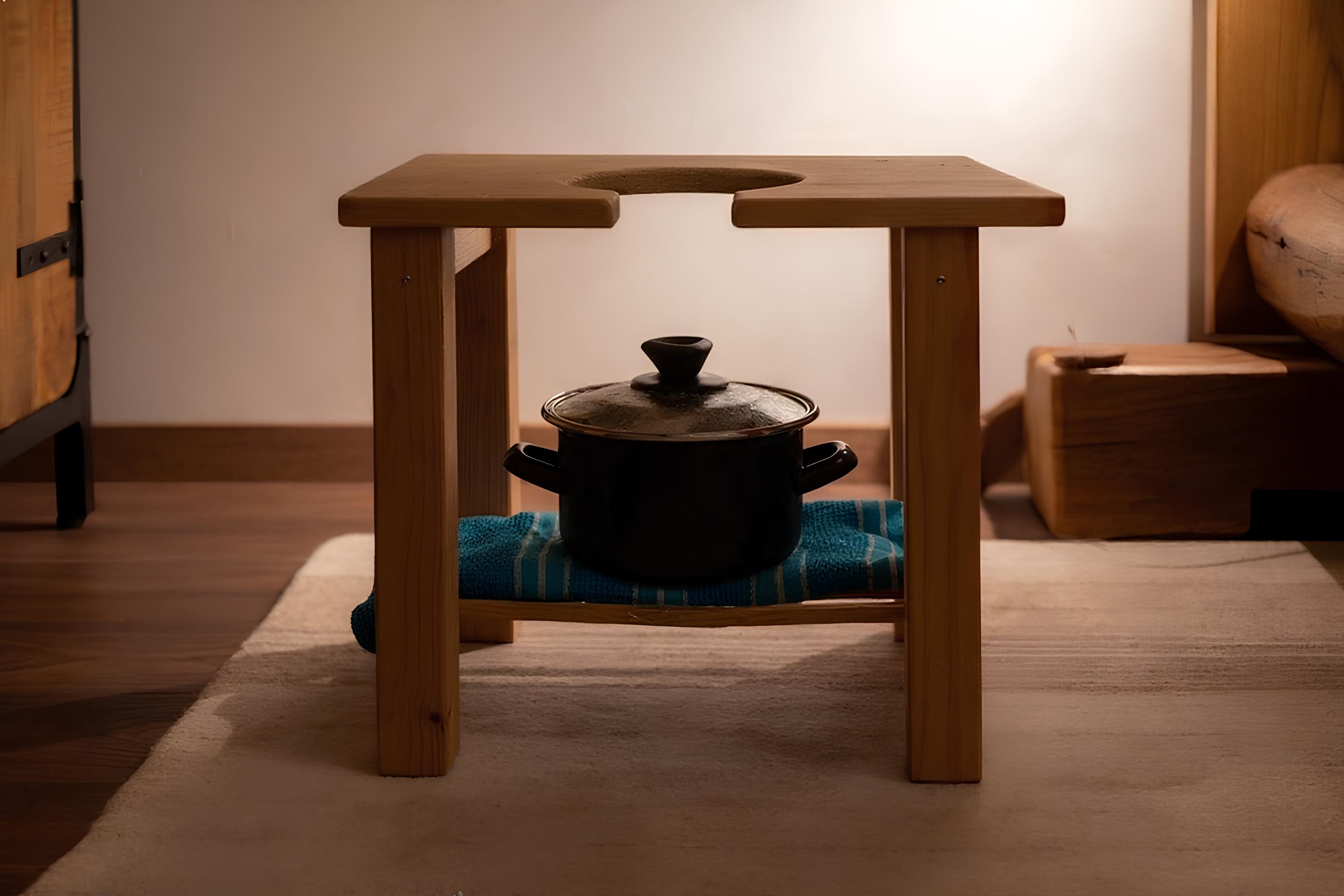
Sit on a special stool with a hole in the centre, or use a large bucket that allows the smoke to rise.
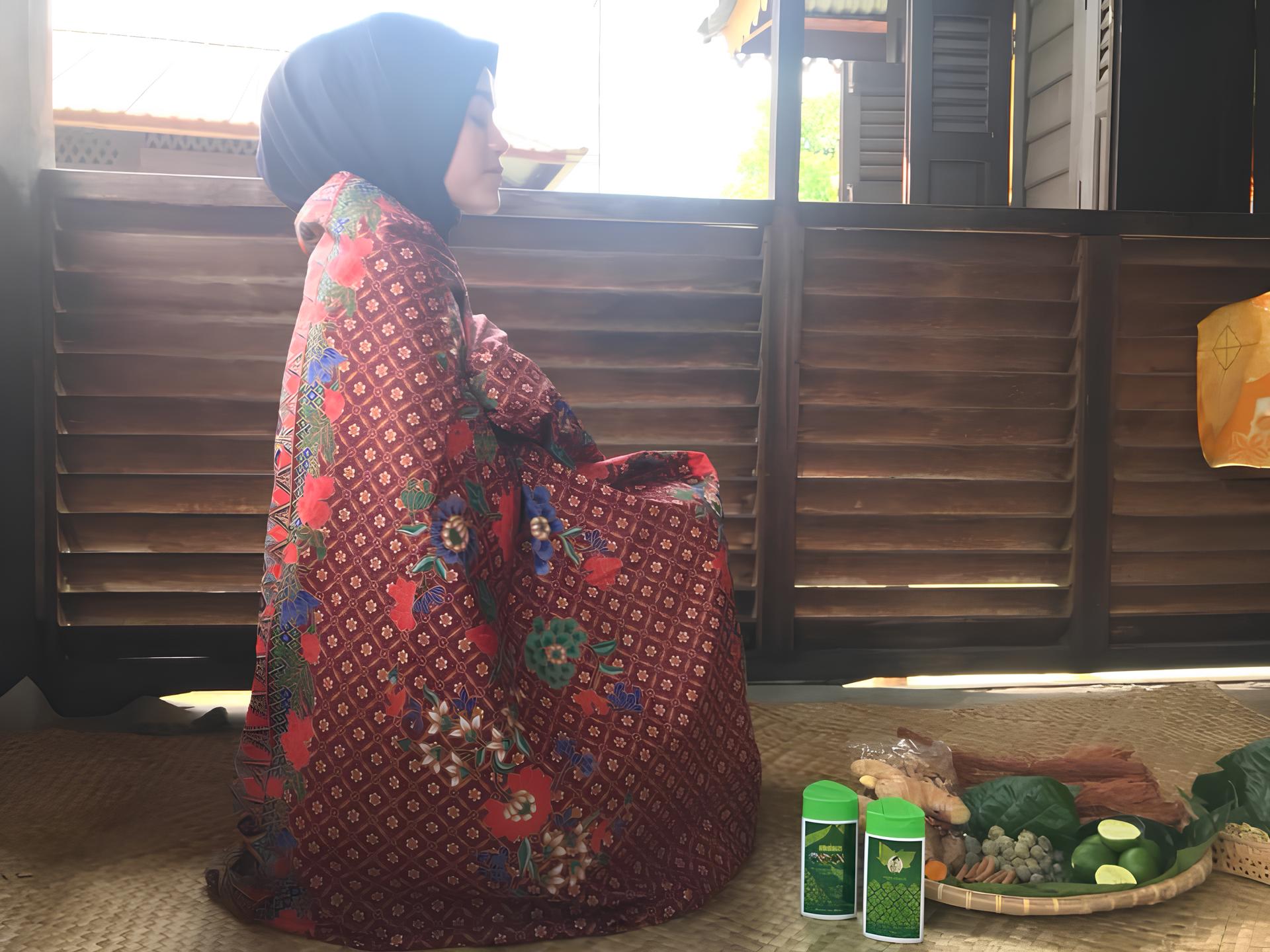
Wrap a thick cloth, kain batik, or traditional cloth around the body to trap the herbal smoke, allowing it to be absorbed by the intimate area and the rest of the body.
The recommended duration for tangas kering is 15–30 minutes. Throughout the process, ensure that the temperature of the steam or smoke remains comfortable to avoid burning or discomfort. If the heat becomes excessive, stop the treatment immediately to prevent irritation or skin injury.
METHOD 2: TANGAS BASAH (WET STEAMING)
Step 1: Preparing the Herbs
Prepare fresh ingredients such as betel leaves, turmeric, lemongrass, ginger, manjakani, pandan leaves or henna leaves.
Add spices such as cloves, cinnamon, and star anise to enhance fragrance and medicinal properties.
Step 2: Boiling the Herbs
Place all ingredients into a pot with sufficient water.
Boil until the water reaches a rolling boil and the aroma of the herbs is released.
Step 3: Preparing the Container
Pour the hot decoction into a heat-resistant vessel, such as a clay pot or basin.
Ensure that steam continues to rise during the process.
Step 4: The Bertangas Process
Sit on a special stool with an opening in the center or on a suitable bucket, allowing the steam to rise to the intimate area.
Drape a thick cloth, such as kain batik or kain tangas, around the body to trap the steam, allowing it to permeate the entire body.
The recommended duration for tangas basah is 20–40 minutes. As with the dry method, the temperature must be kept at a comfortable level to avoid burns or discomfort. If the steam becomes too hot, the treatment should be stopped immediately. After the session, the body should be wiped with a clean towel. Bathing with cold water immediately afterwards is discouraged in order to maintain the warmth and therapeutic benefits of the herbal steam.
-
Reference Source
Location
State JKKN Contact Information
Cultural Officer
Jabatan Kebudayaan dan Kesenian Negara
Use the form below to contact the Informant/Figure/Editor/Researcher directly. We will respond to your inquiry as soon as possible!


