

ARTS AND CULTURE INFORMATION GATEWAY
Immerse yourself in the colorful world of art and culture! From traditional heritage to contemporary works, discover uniqueness that reflects the nation's identity and identity
 Fakulti Muzik dan Seni Persembahan, Universiti Pendidikan Sultan Idris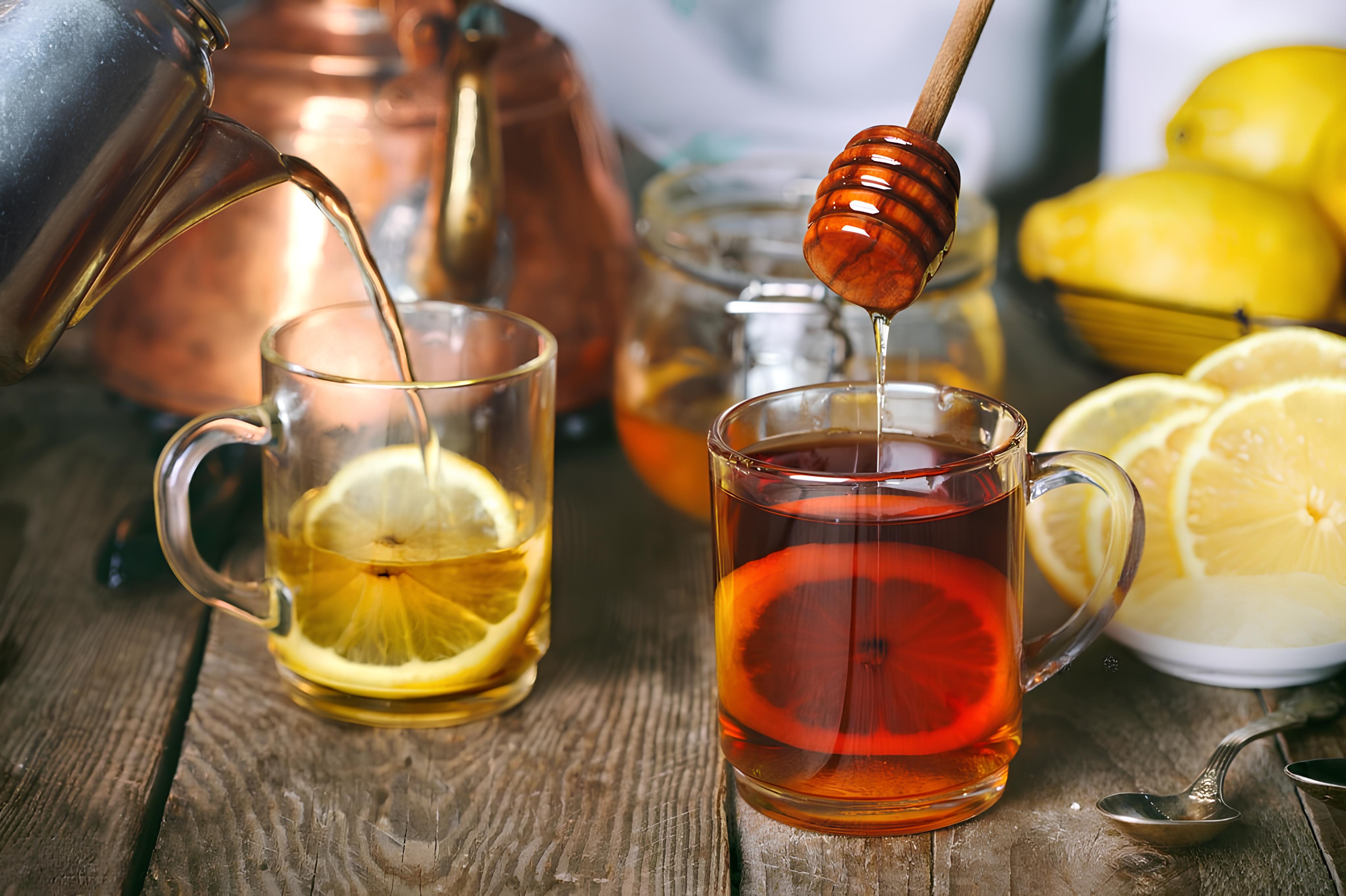
Picture
8
Video
No record
Today's Visitor
4
Number of Visitors
352
Introduction and history
Fever is a natural bodily response that occurs when the immune system reacts to the presence of infection or inflammation. Under normal conditions, the human body temperature is regulated by the balance between heat production and heat loss. Heat is generated through the process of energy production required for various physiological activities, such as muscle movement. The liver functions as the main source of heat when the body is at rest, while the muscles become the primary producers during physical activity or exercise. This process is also influenced by hormones and the brain’s temperature control centre, which maintains body temperature at a stable level of approximately 37°C.
Fever can be detected when body temperature rises above the normal range. This increase may occur due to three main factors: an elevated set point in the brain’s temperature control centre, an increase in heat production within the body, and a reduction in heat loss. Such conditions often arise when the body attempts to fight infections caused by viruses, bacteria, or other factors that disrupt physiological stability. Fever is usually accompanied by symptoms such as headache, body weakness, excessive sweating, shivering, and general discomfort.
Although modern medicine offers easily accessible treatments such as paracetamol to reduce fever or antibiotics to combat bacterial infections, traditional Malay communities have long practised natural remedies to relieve these symptoms. These traditional methods are rooted in Malay ethnomedicine, handed down from generation to generation, and are considered safer, more affordable, and easier to obtain, while also reflecting local wisdom. This was especially true for earlier communities, particularly those living in rural areas with limited access to modern healthcare, who relied on natural resources as their primary means of treatment.
Among the natural ingredients used is the infusion of kembang semangkuk (Scaphium macropodum), a forest fruit that swells into a jelly-like texture when soaked in water and is believed to help cool the body. Drinking kembang semangkuk water is not only popular among Malay communities but is also practised by ethnic groups in Sabah and Sarawak as a traditional remedy to reduce body heat. In addition, the combination of lemon and pure honey is another common choice, valued for its ability to soothe the throat, provide energy, and act as a natural detoxifying agent.
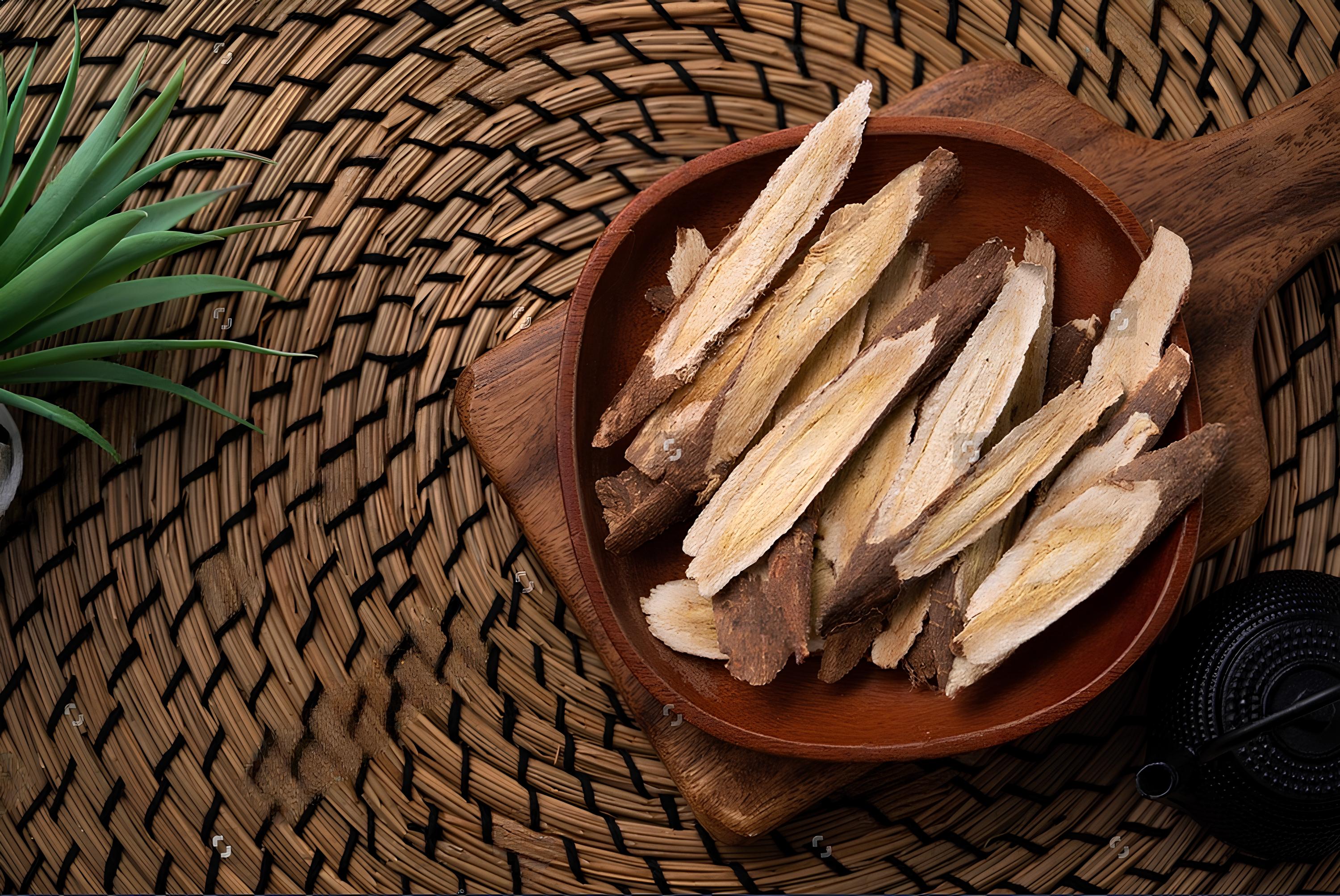
Other herbs include Astragalus (Astragalus membranaceus), well-known in traditional Asian medicine for its benefits in boosting immunity, reducing inflammation, and supporting the body's defence against infection. In the Malay medical context, tamarind (Tamarindus indica) is often used as a remedy to relieve fever. Tamarind is typically mixed with water and consumed as a drink or applied externally as a body rub to cool the body naturally.
These practices demonstrate how earlier societies incorporated medical knowledge derived from experience, observation, and close interaction with their natural environment. Even today, although modern treatments are more readily available, such traditional remedies continue to be practised, not only because they are seen as effective, but also because they represent cultural heritage and remain an integral part of the identity of Malay and other ethnic communities in Malaysia.
Traditional remedies for relieving fever serve as an alternative to modern treatments, particularly in helping the body reduce temperature and provide relief to the patient. The general functions and roles of these traditional practices can be outlined as follows:
Stabilising Body Temperature
From a physiological perspective, the primary function of traditional treatments is to stabilise body temperature using natural ingredients with cooling or antipyretic properties. For instance, the infusion of kembang semangkuk (Scaphium macropodum) is believed to cool the body due to its soothing effect on the stomach and its refreshing quality from within. Similarly, young coconut water, tamarind, and neem leaves are often used to help the body regulate heat loss.
Reducing Fever Symptoms
In addition to lowering body temperature, traditional remedies also play a role in alleviating secondary symptoms of fever. Symptoms such as headaches, fatigue, loss of appetite, and excessive heat can be eased through the use of herbs and natural ingredients that not only calm the body but also provide additional energy. For example, pure honey is commonly used as a natural sweetener in traditional drinks, while also serving to boost energy, enhance immunity, and accelerate recovery.
Strengthening the Immune System
Traditional remedies also function to strengthen the immune system. Herbs such as Astragalus (Astragalus membranaceus) are used not only for their refreshing qualities but also because they are believed to enhance the body’s resistance to infections. This shows that traditional treatments are not merely intended to relieve temporary symptoms, but also to support the body in combating the underlying causes of fever.
Cultural Value
Beyond physical health, the role of traditional remedies in relieving fever also reflects the close relationship between communities and their local wisdom. These age-old healing practices symbolise the ingenuity of earlier generations in adapting to their natural environment by utilising plants and resources readily available around the home as medicine. They have also become an integral part of the cultural identity of Malay society and other ethnic groups in Malaysia, as the use of traditional remedies is not only aimed at curing illnesses but also at preserving the continuity of ancestral knowledge that remains relevant to this day.
In traditional medicine, a wide variety of natural ingredients are used to relieve fever. All of these are easily obtained from around the home, garden, or local markets, and fall within the category of ethnomedicine passed down through generations. The following are among the main ingredients:
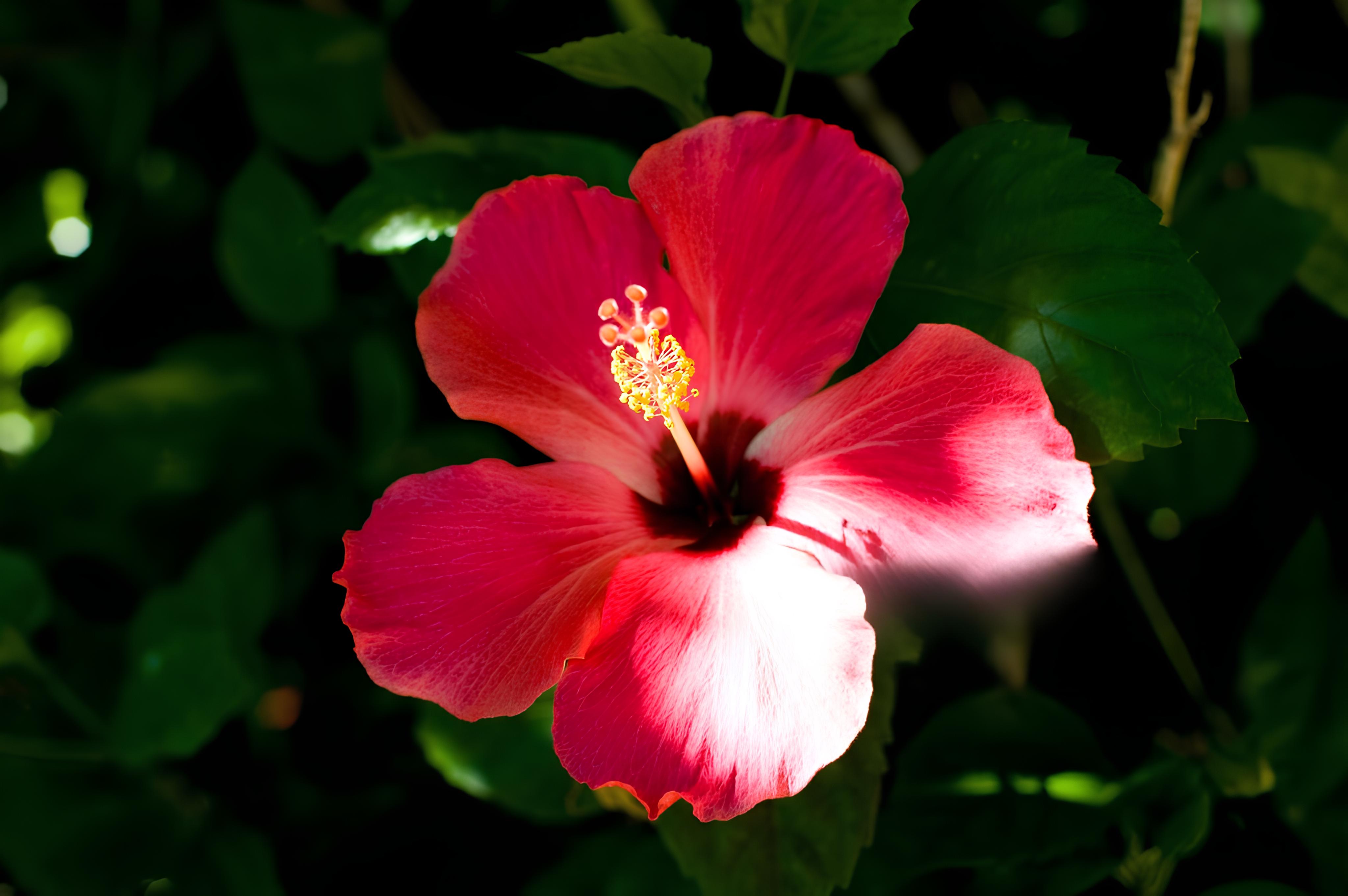
Hibiscus Leaf (Hibiscus rosa-sinensis)
Hibiscus leaves are believed to have natural cooling effects. When crushed with water, they produce a clear mucilage that can be applied to the head or forehead to help reduce body heat. The cooling property of these leaves also provides relief for the body weakened by fever.
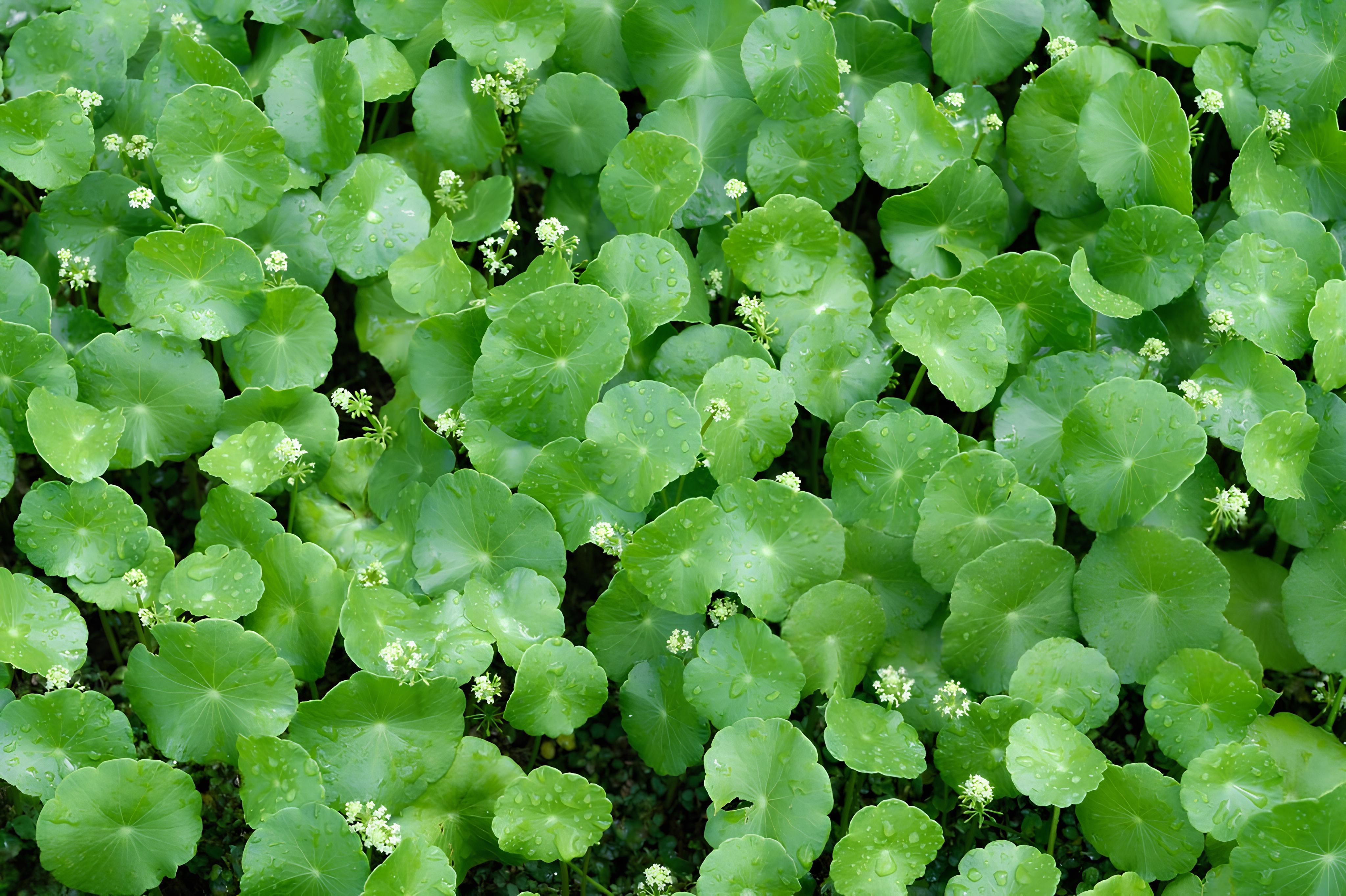
Gotu Kola (Centella asiatica)
Gotu kola is known as a refreshing herb that enhances the body’s resilience. In traditional treatments, the leaves are pounded or blended into juice and consumed to cool the body, lower body temperature, and restore energy.
Neem Leaf (Azadirachta indica)
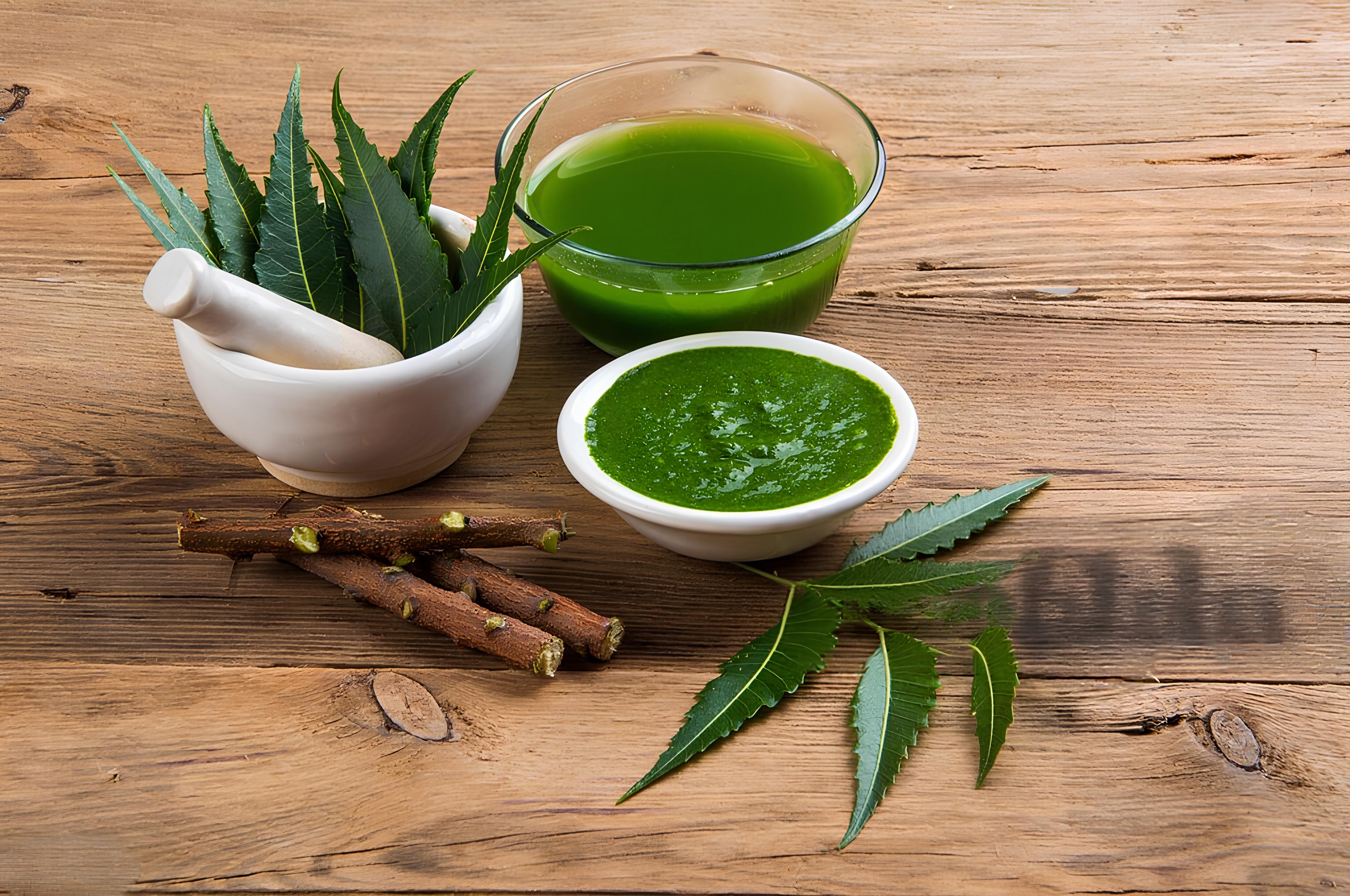
Neem leaves, also widely used in Ayurvedic medicine, have antipyretic (fever-reducing) and antiseptic properties. The leaves are boiled and the decoction used as bath water to lower body temperature during fever, while also helping to cleanse the skin.
Kembang Semangkuk Infusion (Scaphium macropodum)
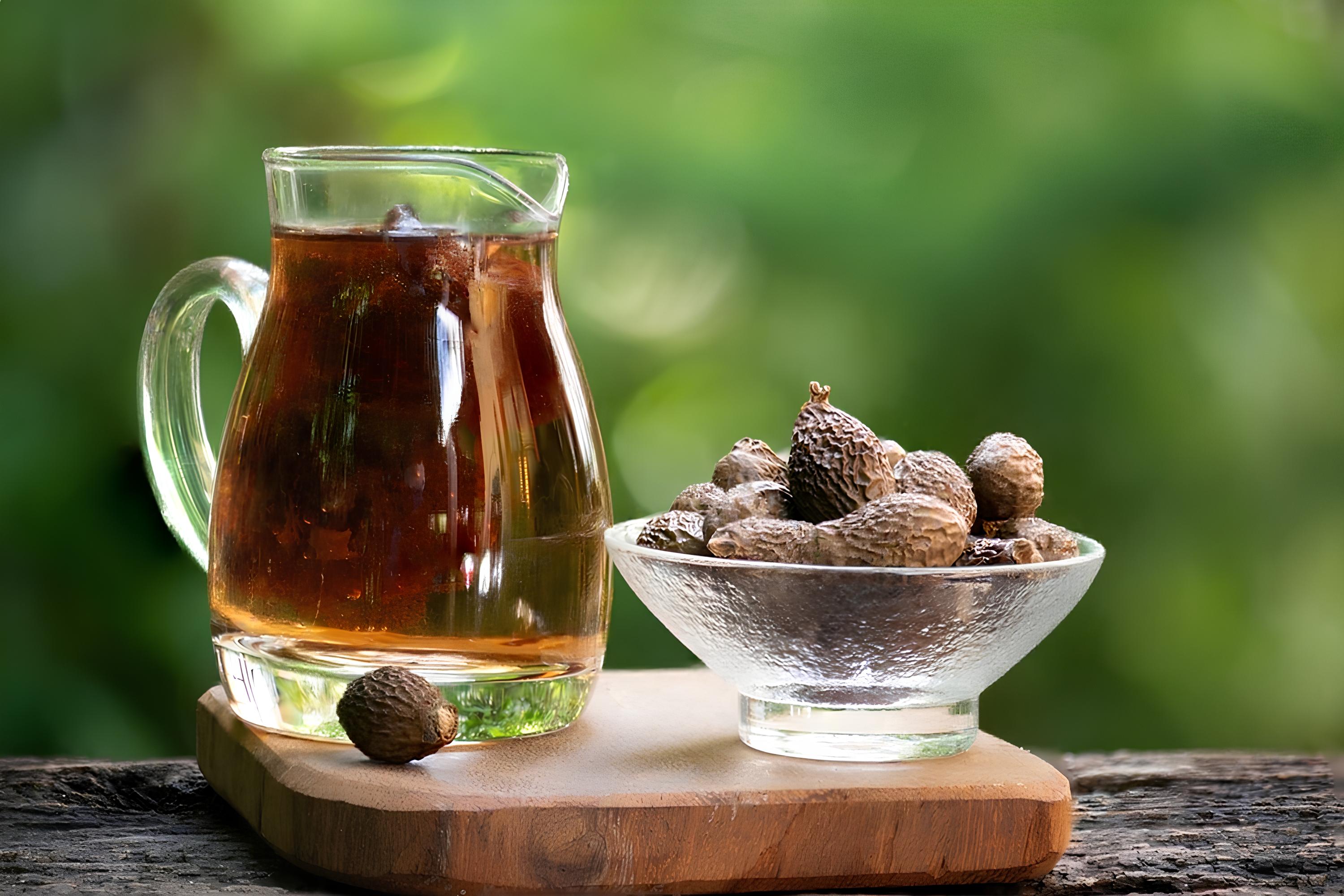
Kembang semangkuk is a forest fruit that swells into a gelatinous form when soaked in water. The drink is well-known among Malay communities as well as ethnic groups in Sabah and Sarawak as a traditional remedy for fever. It is believed to cool the body, quench thirst, and stabilise body temperature.
Tamarind (Tamarindus indica)
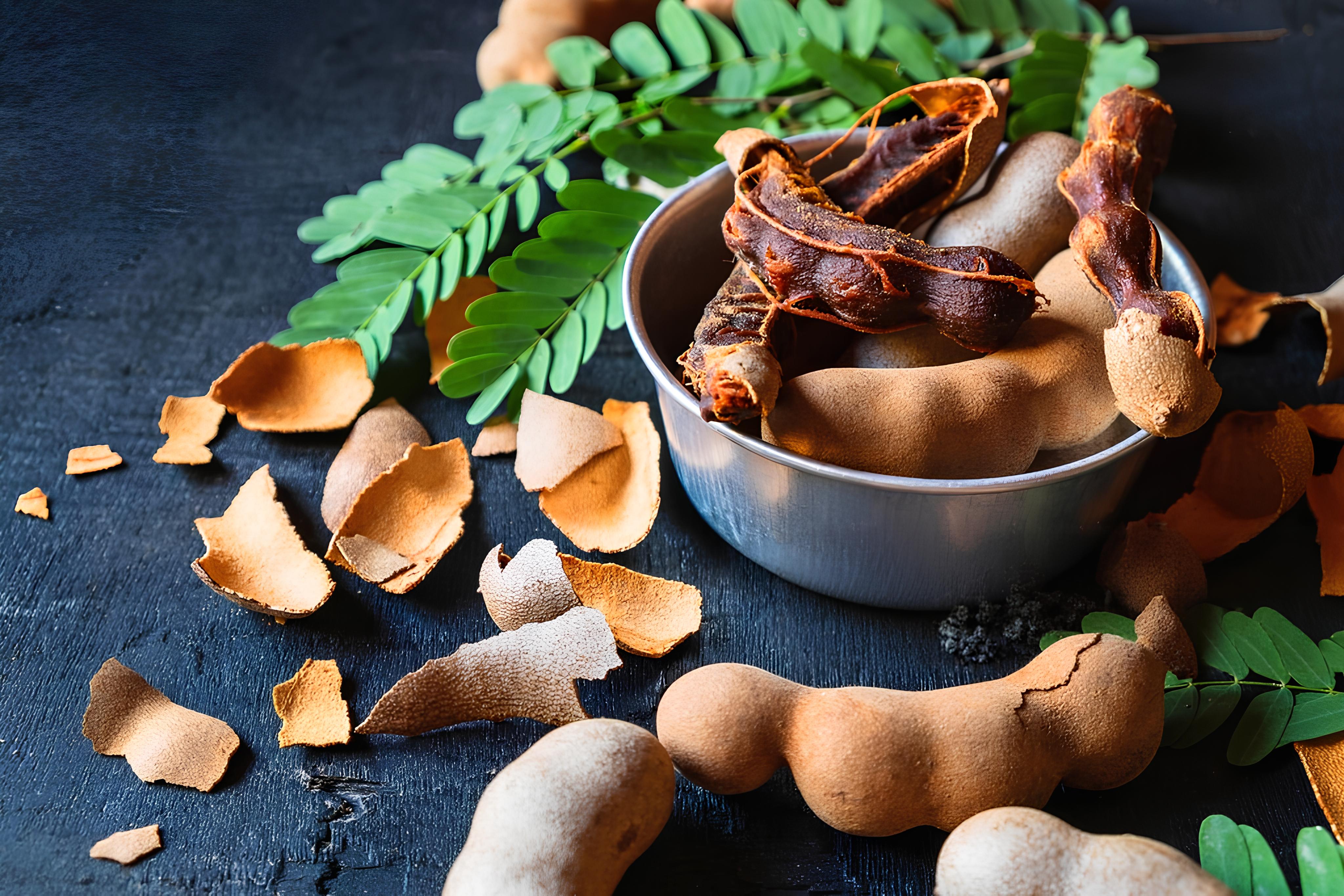
Tamarind is used as a natural cooling agent. It is mixed with water to be consumed as a drink or prepared into a thick paste for external application on the body. Its natural acidic content is believed to reduce body heat and relieve the burning sensation in the throat.
Coconut Water (Cocos nucifera)
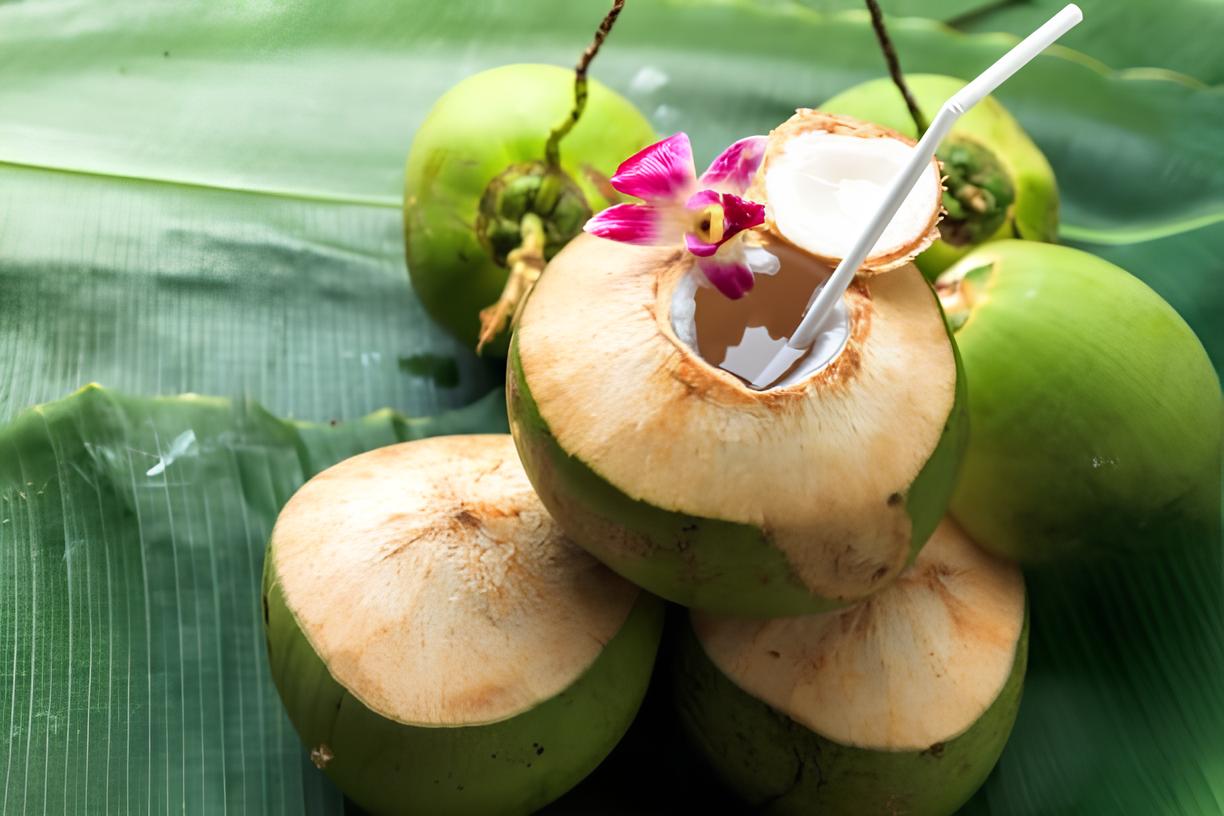
Young coconut water is commonly consumed as a traditional beverage to cool the body. It contains natural electrolytes that help replenish body fluids lost during fever. This practice is also believed to aid in detoxifying the body.
Lemon (Citrus limon) and Pure Honey
The combination of lemon and pure honey is one of the most popular remedies for fever. Lemon is rich in vitamin C, which boosts the immune system, while honey acts as a natural antibacterial agent and provides energy. This drink not only soothes the throat but also accelerates recovery.
Astragalus (Astragalus membranaceus)
Astragalus is renowned in traditional Asian medicine for its numerous health benefits, including strengthening the immune system, reducing inflammation, and supporting the body's ability to fight infections. In traditional practice, it is prepared as an herbal decoction and consumed during a fever.
The preparation of traditional ingredients to relieve fever is generally simple, yet each remedy requires specific techniques to maximise its effectiveness. The following outlines the preparation and application methods for each ingredient used in traditional fever remedies:
Treatment with Hibiscus Leaves
Pick 4–5 fresh hibiscus leaves.
Wash thoroughly and crush them in a bowl of water until a clear mucilage is released.
Apply the liquid directly to the patient’s head, forehead, or neck.
Repeat 2–3 times daily to help reduce body heat.
Treatment with Gotu Kola
Take a handful of fresh Gotu Kola leaves and wash them well.
Pound finely or blend with a glass of warm water.
Strain and drink as a cooling juice.
Alternatively, the leaves can be boiled like a herbal soup, and the water consumed.
Drink once daily until your body temperature returns to normal.
3) Treatment with Neem Leaves
Pick 10–15 fresh neem leaves.
Pound the leaves into a paste, adding a little water to create a thick consistency.
Apply the paste to the forehead or areas of the body such as the underarms and chest.
Use 1–2 times daily to help lower body temperature.
4) Treatment with Kembang Semangkuk Infusion
Take 1–2 dried kembang semangkuk fruits.
Soak them in a glass of boiled water for 3–4 hours or overnight.
Once the fruit has expanded and produced a clear jelly-like mucilage, drink the infusion.
Consume once daily to cool the body.
5) Treatment with Tamarind
Tamarind treatment can be applied in two ways, as a drink or as a body poultice
As a drink, take a piece of tamarind (about the size of a thumb).
Dissolve it in a glass of warm water.
Crush and mix thoroughly, then strain to remove seeds and fibres.
Drink 1–2 times daily during a fever.
This method cools the body from within, reduces heat, and soothes the throat.
As a body poultice, take a piece of tamarind and dissolve it in a small amount of warm water.
Crush until a thick, sticky paste is formed.
Apply the paste evenly on the entire body, neck, and head of the patient.
Leave for 15–20 minutes to allow the cooling effect to absorb into the skin.
Rinse with clean water afterwards.
Use once daily to help cool the body and reduce fever symptoms.
6) Treatment with Young Coconut Water
Pierce or cut open a fresh young coconut.
Drink the water directly.
For additional freshness, some variations mix coconut water with mint leaves.
Consume 1–2 times daily to cool the body and replenish electrolytes lost during fever.
7) Treatment with Lemon and Pure Honey
Squeeze half a lemon into a glass of warm water.
Add 1 teaspoon of pure honey.
Stir well and drink slowly.
Take twice daily (morning and evening) to boost energy, strengthen immunity, and cool the body.
8) Treatment with Astragalus
Take 1–2 slices of dried astragalus root (about 10 grams).
Boil with 2 cups of water until the liquid has been reduced by half.
Strain and allow to cool slightly before drinking.
Drink once daily during a fever to help strengthen the immune system.
Reference Source
Bahan Bacaan
Fauzi, N., Ahmad, K., & Kamaruzaman, W. N. A. B. W. (2019). Fever in the perspective of hadith and Malay medical manuscript: An analysis on Kitab Bermacam-Macam Khasiat. Al-Bayan: Journal of Qur'an and Hadith Studies, 17(1), 87–124.
Mustafa, R., Deli, R. M., Sarbini-Zin, M., & Osman, W. R. M. (2014). Amalan perubatan tradisional masyarakat Melayu Sarawak. Procedia - Social and Behavioral Sciences, 134, 316–322. https://doi.org/10.xxxx
Omar, S., Cusairi, R. M., Jamaludin, S. S. S., & Lepun, P. (2007). Penggunaan tumbuh-tumbuhan dalam perubatan tradisional masyarakat Siam di negeri Kedah. Persidangan Antarabangsa Sains Sosial dan Kemanusiaan (PASAK 2).
Zayan. (2023, October 18). 6 cara menghilangkan demam panas untuk orang dewasa. Zayan. https://zayan.syok.my/zayan-pit-stop/trending/6-cara-menghilangkan-demam-panas-untuk-orang-dewasa
Iluminasi. (2022, August 5). Cara cepat meredakan demam untuk dewasa dan kanak-kanak. Iluminasi. https://iluminasi.com/bm/cara-cepat-meredakan-demam-untuk-dewasa-dan-kanak-kanak.html
Norbayah Dahalan. (2023, September 10). Petua meredakan demam panas secara tradisional [Lemon8 post]. Lemon8. https://www.lemon8-app.com/@norbaya_dahalan/7410335922363007489?region=my
Tokoh (jika ada temu bual tokoh)
Location
State JKKN Contact Information
Cultural Officer
Jabatan Kebudayaan dan Kesenian Negara
Use the form below to contact the Informant/Figure/Editor/Researcher directly. We will respond to your inquiry as soon as possible!


