

ARTS AND CULTURE INFORMATION GATEWAY
Immerse yourself in the colorful world of art and culture! From traditional heritage to contemporary works, discover uniqueness that reflects the nation's identity and identity
ADAT RESAM DAN BUDAYA KAUM RUNGUS: ADAT PERSIAPAN PENANAMAN BENIH PADI
 Kampung Masangkong, Matunggong, 80950 Kudat, Sabah.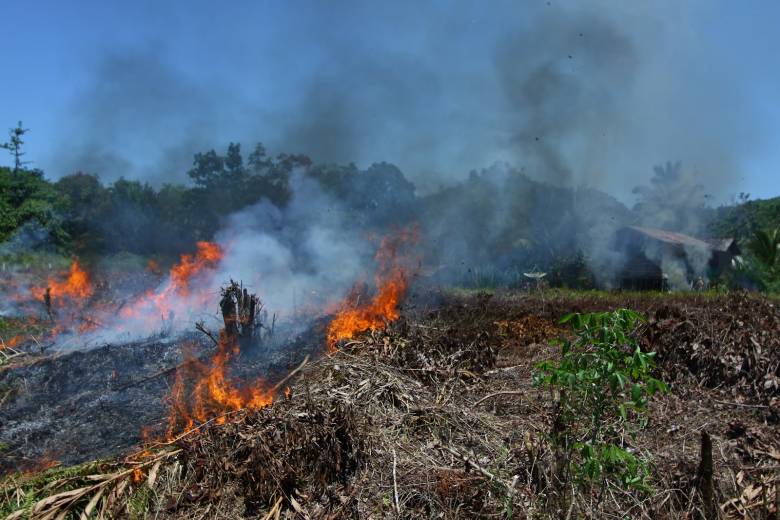
Picture
1
Video
No record
Today's Visitor
3
Number of Visitors
3406
Introduction and history
The ethnic Rungus, the majority of whom live in the districts of Kudat, Kota Marudu and Paitan in the state of Sabah, are a traditional farming community that depends on agricultural activities as the main source of their livelihood. This agricultural activity is known as 'Mutagad Om Motungo', which is farming or gardening activities following a certain seasonal cycle that starts in July and ends in April of the following year. The process begins with the clearing or clearing of land in July, followed by the felling of trees in August. The felled trees are then left to dry for a month before being burned in October. This Burning Process marks the beginning of the proper rice planting season.
As an agrarian ethnic group with high customs and cultural values, the 'Mutagad Om Motungo' activity has specific taboo practices especially when starting agricultural activities. This is a symbol of gratitude and an offering to 'Bambazon' which is the spirit of rice to bless and preserve their rice crops from being damaged or not bearing fruit. Therefore, a ritual custom known as 'Mangatod' or 'Patod' will be carried out before the activity of opening the land by farmers is done.
This traditional ritual practice is very important in the belief system of the Rungus ethnic community. This is because, if this custom of 'Mangatod' or 'Patod' is not carried out, it is feared that supernatural forces from the guardians of the land (the supernatural) will bring disaster and trouble to individuals or groups of people who do agricultural activities.
-
-
The implementation of this custom of 'Mangatod' or 'Patod' (rice planting custom) will go through the following processes;
Process 1: Mengakap
The initial step in the implementation of this custom is Mengakap which refers to the process of searching for suitable rice planting areas. This search will be done by the landowner with his family members and worked on together. However, if they find a Kopizo (destructive animal), everyone is required to return to their respective residences and will start searching this area the next day until they find an area free of Kopizo.
Process 2: Tumutud
Tumutud is a process of burning a field where, having found a suitable area, everyone will work together to clear the area until it is clear and left to dry. Before starting the cleaning activity, Bobolizan will be called to perform a small ritual event to get permission from the spirit of the land and the forest so as not to be disturbed by the spirit. When the cleaned plants have dried, the Tumutud process is carried out.

Esterlina Moo Chin Len Binti Lazarus. (49 years old). Kampung Masangkong, Matunggong, 80950 Kudat, Sabah. 8 October 2024.
Reference Source
Lazarus, N. E. M. C. L., & Rahman, N. M. K. A. (2022). Magahau Rungus: Dari Upacara Ritual Ke Pesta Keramaian. Gendang Alam, 12(2). https://doi.org/10.51200/ga.v12i2.3975
Jeneth Birual. (2021). Adat Dan Pantang Larang Penanaman Padi Suku Kaum Rungus Di Kampung Jambutan Laya-Laya, Kota Marudu, Sabah. Final Year Project thesis, Universiti Malaysia Kelantan. (Submitted)
Paul Porodong. (2012). Rungus. Dalam Kntayya Mariapan & Paul Porodong (Eds.) Siri Etnik Sabah ITBM-UMS: Murut & Pelbagai Etnik Kecil Lain di Sabah. Institut Terjemahan Buku Malaysia.
Raymond Majumah. (2015). Rungus:Peribumi Momogun Sabah. Dewan Bahasa dan Pustaka.
Location
State JKKN Contact Information
Puan Nurshahrinna Syahrial
Cultural Officer
Jabatan Kebudayaan dan Kesenian Negara, Sabah
Kompleks JKKN Sabah,
Jalan Tasik off KM4 Jalan Penampang,
88200 Kota Kinabalu
SABAH
088-205070
Use the form below to contact the Informant/Figure/Editor/Researcher directly. We will respond to your inquiry as soon as possible!


