

ARTS AND CULTURE INFORMATION GATEWAY
Immerse yourself in the colorful world of art and culture! From traditional heritage to contemporary works, discover uniqueness that reflects the nation's identity and identity
TARIAN MONGIGOL SUMUNDAI

Picture
4
Video
No record
Today's Visitor
11
Number of Visitors
4375
Introduction and history
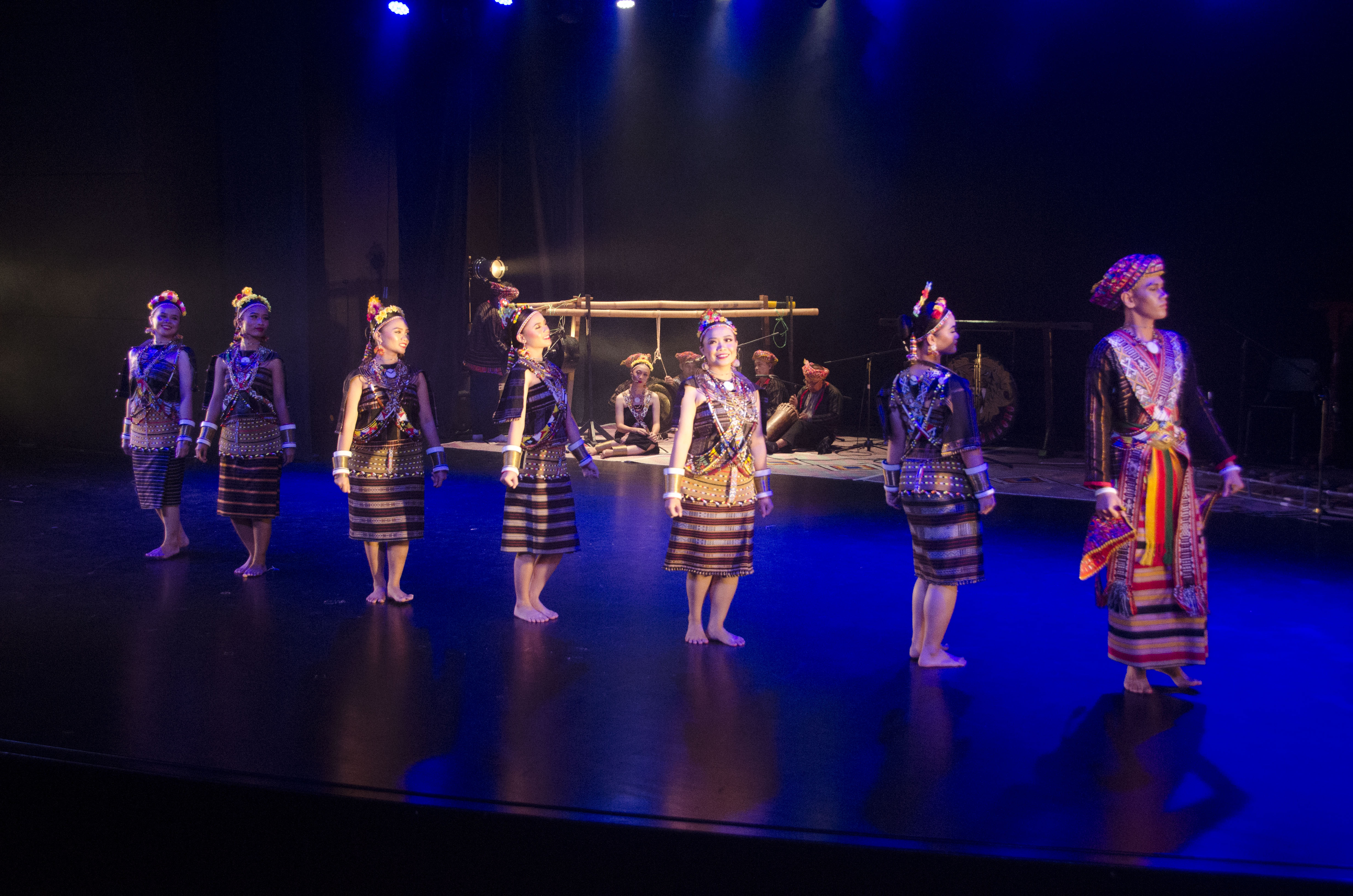
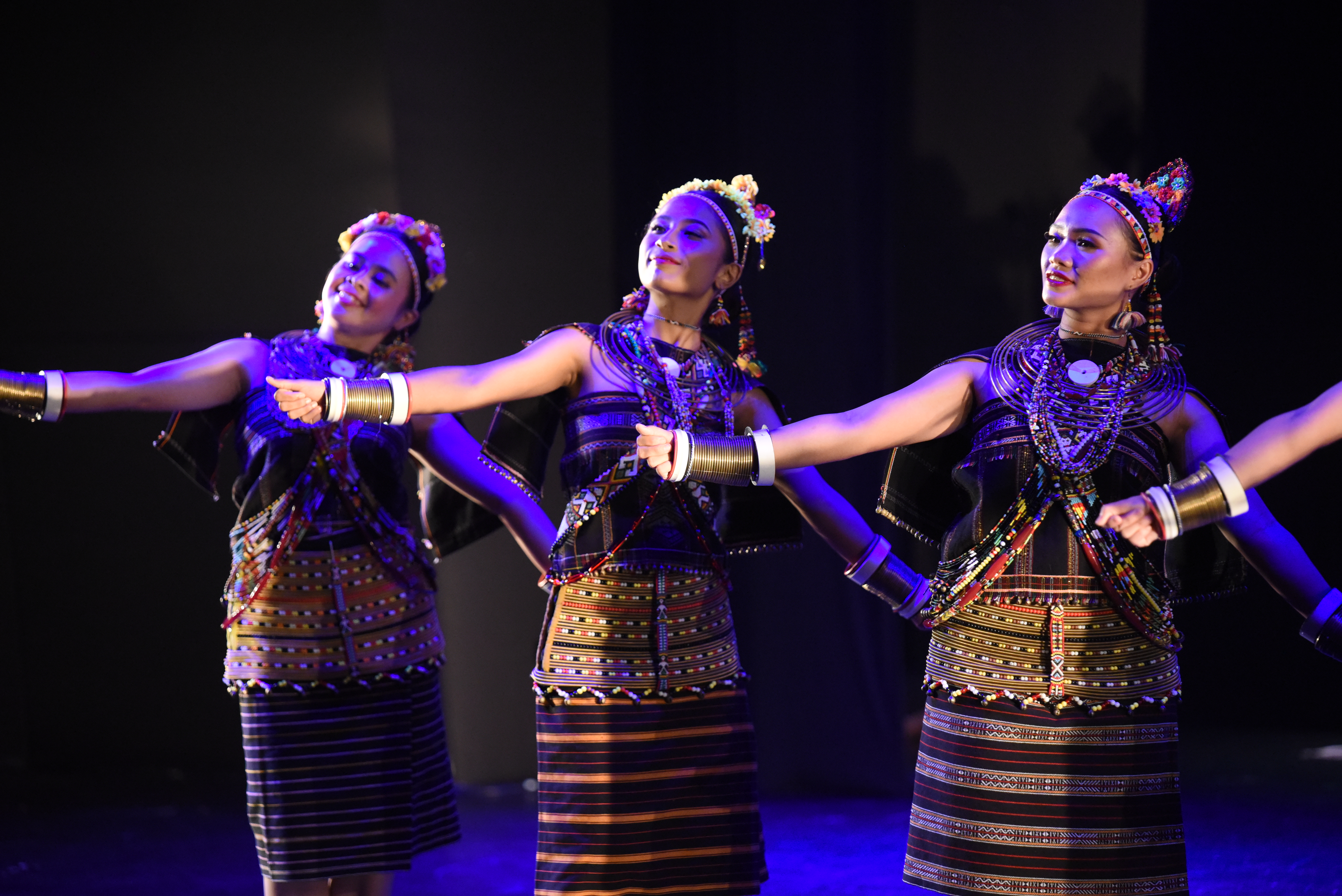
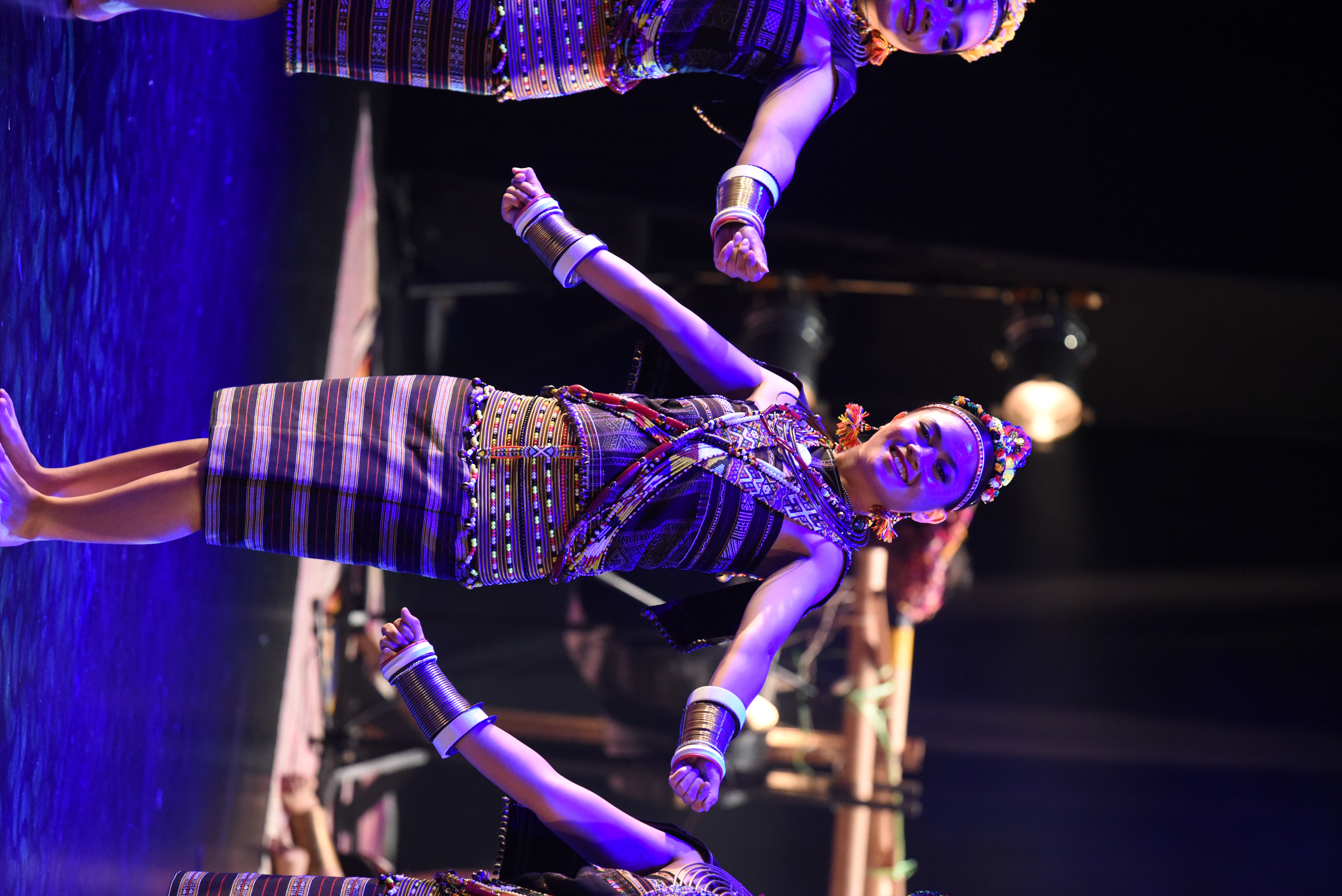
The Mongigol Sumundai dance is a traditional dance rich in cultural elements and symbolism for the Rungus ethnic community who mostly live in the northern region of Sabah, especially in the Kudat district and the small Matunggong district. The Mongigol dance is a specific dance move for male dancers, while the Sumundai dance is specifically danced by female dancers. However, these two dances are performed simultaneously, where a male dancer will lead the dance and be followed by four or more female dancers. In general, this dance can be categorized as an imitation dance because it imitates the movement of objects that are closely related to the life of the Rungus ethnic community in the past (Pangayan, 2020). Nowadays, the Mongigol Sumundai dance is often performed in various festive events, especially during the Kaamatan Festival, the Magahau Festival or ritual ceremonies as a sign of gratitude for agricultural produce.
The Mongigol Sumundai dance is a traditional Rungus ethnic dance that has an important role in the rituals and culture of the Rungus community in Sabah. This dance is usually performed in various cultural and traditional events, especially in wedding ceremonies and party celebrations. It symbolizes the cooperation, unity, and harmony of the Rungus community. In addition to serving as entertainment, Mongigol Sumundai is also a symbol of respect for guests as well as a tool to strengthen the identity and cultural heritage of the unique Rungus ethnic group.
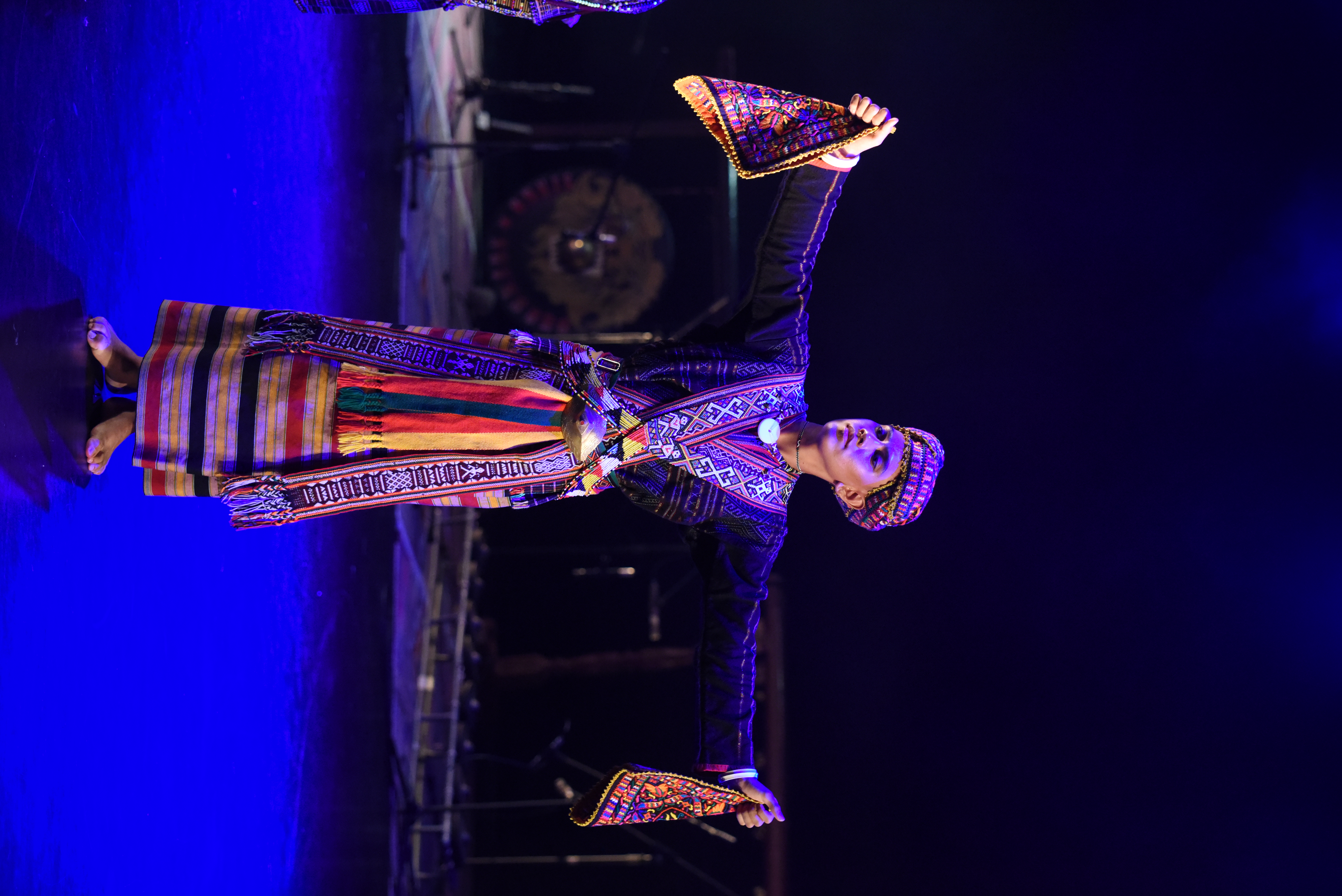
Male dancers' clothing is known as 'Badu Sinudaan', which is a long-sleeved shirt woven using the 'Surip' motif paired with special 'Masap' pants with an authentic weave known as 'Suval Inavol'. The male dancer's head accessory is known as 'Sigal', which is embroidered from Dastar cloth. On the neck, male dancers will wear necklaces known as 'Tinggot'.
On the shoulder finish, there are two types of accessories to be worn. The first is a long embroidered cloth (sash) that is crossed on the left and right shoulders, known as 'Inavol'. The second shoulder accessory is known as 'Pinakol,' which refers to a pair of flat beaded sash-type belts worn horizontally from the chest to the back.
Usually, this dance is accompanied by the traditional musical instruments of Rungus gongs, which cover seven types: Koritikon (canang), Sandangau (canang), Pompom, Soludon, Tongikon (Tavag), Hungkodonan (Tavag), and Bimbingan (Tavag). Male dancers arrange their movement patterns according to the beat of the gong played, followed by female dancers from behind, imitating every movement of the male dancer who leads the dance movement.
In general, the Mongigol Sumundai dance has seven types of movements for female dancers and five types of movements for male dancers, which vary as follows:
Male Dancer Variety:
|
Name of Variety/Movement |
Description |
|
Monongdiu-kondiu |
A movement like
an eagle where male dancers will clap their hands as the floor pattern
position moves in a circle. |
|
Mamari-pari |
Imitation
movements or imitating stingrays swimming in the ocean. |
|
Monongsasazau |
The act of
dancing is like a local twirl |
|
Monindak
Balanak |
Imitation
movements or imitating fish |
|
Sumodili |
The act of
shuffling the feet locally by male dancers |
Female Dancer Variety::
|
Name of Variety/Movement |
Description |
|
Mamanbazangan |
The movement
where the arms are extended outward and raised to waist level. |
|
Manangantanga |
Movements
resembling the act of descending the stairs. |
|
Manadusadu |
The movement of
making a small kick using the heel of the foot. |
|
Mongitakita |
A slight bouncing
action on the body. |
|
Monondoli |
A localized and
subtle foot shuffling motion. |
|
Sumirid |
A movement
directed to one side of the body. |
|
Lumingkid |
Body positioned
sideways. |
Victor B. Pangayan. (2024). Akademi Seni dan Teknologi Kreatif, Universiti Malaysia Sabah, 88400 Kota Kinabalu, Sabah. 10 Oktober 2024.
Reference Source
Pangayan, V. B. (2020). Tarian Mongigol-Sumundai Momogun Rungus Di Sabah: Analisis Konsep Persembahan dan Ragam Gerak. Jurnal Gendang Alam. https://doi.org/10.51200/ga.vi.2840
Mahfar, S. F. & Jusilin, H. (2017). Reka corak dan simbolisme motif pinakol dalam pakaian masyarakat Rungus di Sabah. Jurnal Gendang Alam, 7, 1–17.
Low Kok On. (2013). Collecting and contextualising Sundait (Riddles) among the Rungus people of Sabah. Pertanika Journal of Social Science and Humanities, 12(3), 897–922. http://www.pertanika.upm.edu.my/
Yoon, P. L., & Jusilin, H. (2018). Ciri estetika dalam reka bentuk dan motif pakaian tradisional golongan perempuan etnik Rungus di Kudat. Jurnal Gendang Alam, 8, 65.
Projek Akhir Tari (PenTAS) Fakulti Muzik dan Seni Persembahan, Universiti Pendidikan Sultan Idris. 17 Jun 2023.
Location
State JKKN Contact Information
Puan Nurshahrinna Syahrial
Cultural Officer
Jabatan Kebudayaan dan Kesenian Negara, Sabah
Kompleks JKKN Sabah,
Jalan Tasik off KM4 Jalan Penampang,
88200 Kota Kinabalu
SABAH
088-205070


