

ARTS AND CULTURE INFORMATION GATEWAY
Immerse yourself in the colorful world of art and culture! From traditional heritage to contemporary works, discover uniqueness that reflects the nation's identity and identity
PRINSIP ASAS PERUBATAN TRADISIONAL MELAYU
 Fakulti Muzik dan Seni Persembahan, Universiti Pendidikan Sultan Idris

Picture
4
Video
No record
Today's Visitor
6
Number of Visitors
66
Introduction and history
Traditional Malay medicine is one of the enduring legacies of the Malay civilization that continues to survive to this day. It functions not only as a system of healing but also as a comprehensive framework of thought that connects the body, soul, nature, and religion. In traditional Malay society, health was regarded as a divine blessing that must be preserved. At the same time, the human body was seen as a sacred trust from Allah SWT that carried a great responsibility to be cared for. Thus, traditional Malay medicine serves two primary functions: as a mechanism for disease prevention and health maintenance and as a method of treatment and recovery when illness occurs.
The historical development of Malay medicine can be traced back centuries, particularly within the Malay world and the broader Nusantara archipelago. It emerged out of the practical needs of traditional communities that depended heavily on their natural environment, giving rise to a holistic healthcare system. Initially, this body of knowledge evolved through observation, experience, and inherited practices, before being refined and documented in medical manuscripts known as “Kitab Tibb”. This tradition ensured the continuity of Malay medical knowledge across generations, making it both relevant and sustainable.
The origins of Malay medicine reveal three principal sources of influence:
Revelatory Knowledge
Based on the Qur’an and the Hadith of Prophet Muhammad (peace be upon him), which emphasize health as both a trust of the body and a means of deepening devotion to Allah SWT.
Greek and Arab-Islamic Traditions
Including the theory of Mizaj and akhlat (the humors of the body), introduced by figures such as Hippocrates and Galen, and further developed by Muslim scholars like Ibn Sina.
Local Malay Practices
The accumulated experiences, observations, and inherited traditions of the Malay community, particularly in their use of herbs, food, and cultural taboos as part of a comprehensive health system.
The integration of these influences produced a unique and holistic system of Malay medicine, where the spiritual, physical, and natural elements complement one another. Health was not viewed solely from the physical dimension but also as a state of balance involving the soul and spirit. For example, the use of supplications (doa) and Qur’anic recitations (ruqyah) alongside herbal remedies demonstrates the seamless integration of Islamic spirituality with traditional healing practices. This holistic character, embracing body, emotions, and soul, is evident in classical manuscripts such as:
Bustan al-Salatin (Book 7, Chapter 3: The Science of Anatomy and Medicine), authored by Sheikh Nuruddin al-Raniri in 1638, Acheh Dar al-Salam.
Al-Rahmah fi al-Tibb wa al-Hikmah, authored by Sheikh Abbas Kuta Karang in 1857, Acheh.
Tayyib al-Ihsan fi Tibb al-Insan, authored by Sheikh Ahmad al-Fatani in 1894.
All these works affirm that Malay medicine is not merely a magical practice, but rather a disciplined, systematic body of knowledge rooted in revelation.
Alongside written manuscripts, oral tradition also played a crucial role in ensuring the continuity of this knowledge. Midwives, healers and traditional Malay practitioners served as the primary transmitters of medical knowledge, disseminating treatments such as massage, the use of herbs, and specific prayers for maintaining harmony between the soul and the body. It is therefore evident that traditional Malay medicine is the result of an integration of Islamic scholarship, Greco-Arab influences, and the local experiences of the Malay community. This synthesis reflects the wisdom of the Malays in incorporating external knowledge into indigenous traditions, ultimately producing a healthcare system that is unique, holistic, and sustainable. Malay medicine functions not only as a medium of healing but also as a symbol of cultural identity that remains relevant for study, practice, and preservation in the modern era.
Philosophy of Malay Medicine
The philosophy of traditional Malay medicine is grounded in the understanding that human health is a state of comprehensive balance encompassing the physical body (jasmani), the spirit (rohani), the intellect (aql), and the soul (nafs). It is rooted in divine revelation, namely the Qur’an and the Hadith of Prophet Muhammad (peace be upon him), which affirm that the human body is a sacred trust (amanah) that must be preserved for worship and servitude to Allah SWT. Thus, Malay medicine cannot be reduced to magical practices or mere animistic beliefs, but rather constitutes an organized, scientific, and theologically centered discipline based on tauhid (the oneness of God).
According to Tabib Ustaz Nornizam Ngadeni (2017), the core philosophy of Malay medicine is:
“To strive for the production and preservation of holistic human health, both spiritual and physical, so as to achieve balance between intellect (aql), soul (nafs), and body (jasad), thereby becoming a healthy individual in essence, attributes, and actions, capable of sincere devotion to Allah Subhanahu wa Ta‘ala.”
This philosophy can be summarized into several fundamental principles that form the conceptual framework of Malay health practices:
The Soul as the Foundation of Health
A healthy soul produces a healthy body. Illness is not caused solely by physical factors, but may also stem from spiritual disturbances, emotional imbalance, or weakened spiritual consciousness.
Balance Between Soul and Body
Malay medicine emphasizes harmony between the physical body (jasad), intellect (aql), and soul (nafs). Any disruption in one of these elements affects the entire human health system.
Prevention Over Cure
The principle of “kaji jaga” (preventive care) is prioritized over “kaji rawat” (treatment). This reflects the Malay emphasis on health preservation, dietary discipline, cultural taboos, and healthy living as measures to avoid illness.
Holistic and Comprehensive Approach
The philosophy of Malay medicine encompasses treatment of the body, mind, and spirit. It integrates physical therapies (herbal remedies, massage, and diet), emotional balance (traditional counseling and addressing taboos), and spiritual healing (prayers, Qur’anic recitations, and remembrance of God).
Servitude to Allah SWT
The ultimate aim of Malay medicine is not merely physical well-being, but to enable a person to attain spiritual and bodily health, thereby fulfilling their responsibilities as khalifah (vicegerent) on earth.
Thus, the philosophy of Malay medicine regards health not as an end in itself, but as a means (wasilah) to achieve well-being in both this world and the hereafter. This perspective distinguishes Malay medicine from shamanistic systems that are often associated with magical or animistic elements.
Fundamental Principles of Malay Medicine
The fundamental principles of Malay medicine are based on the understanding that the human body consists of two essential components, the soul and the body, which complement each other to achieve holistic health. The balance between these two components is the key to optimal well-being.
Principle 1: The Soul (Roh)
In Malay medicine, the soul is regarded as the essence of life and the center of human spirituality. Without the soul, the body is nothing more than a lifeless vessel. The soul consists of two integral faculties that work in harmony:
Intellect (‘aql)
The intellect functions as the rational and intellectual center of the human being.
It governs the ability to think, to discern right from wrong, and to make decisions that guide life’s direction.
Within the Islam-Malay worldview, the intellect is considered a divine gift that distinguishes humans from other creatures, enabling them to acquire knowledge, fulfill responsibilities, and recognize Allah SWT.
A healthy and balanced intellect leads to clarity of thought, emotional stability, and wise actions. Conversely, a weakened or impaired intellect may result in poor judgment, susceptibility to base desires, and vulnerability to mental distress.
The Soul (nafs)
The nafs refers to the emotional, volitional, and internal inclinations of a human being.
It is closely tied to spiritual qualities such as patience, sincerity, and reliance on God, or, conversely, to negative traits such as anger, envy, and arrogance.
In Islamic teachings, the nafs exists at different levels: nafs ammarah (the commanding self inclined to evil), nafs lawwamah (the reproachful self), and nafs mutmainnah (the tranquil soul). One’s level of nafs directly influences spiritual health.
Emotional balance nurtured through worship, prayer, and spiritual reflection brings inner tranquility that positively affects physical health. On the other hand, a disturbed soul can lead to psychosomatic illnesses such as insomnia, hypertension, and other health disorders.
Principle 2: The Body
In Malay medicine, the body refers to the physical body of human beings, which serves as the vessel for the soul. It is composed of four fundamental elements that complement one another and determine the body’s balance.
Earth (cold and dry in nature)
The element of earth is associated with strength, stability, and bodily structure.
It forms the bones, flesh, and muscles that make up the physical foundation of the body.
Earth also symbolizes weight and solidity, providing resilience and endurance.
However, an excess of earth can lead to conditions such as joint stiffness, muscular rigidity and restricted mobility.
Water (cold and moist in nature)
Water represents softness, moisture, and the balance of bodily fluids.
It forms the blood, mucus, and other biological fluids essential for sustaining life.
Water functions as a counterbalance to heat and dryness, ensuring the body remains refreshed and hydrated.
A deficiency of water may cause dehydration, dry skin, or excessive internal heat, while an excess can lead to phlegm accumulation, lethargy, and diminished vitality.
Fire (hot and dry in nature)
Fire symbolizes energy, metabolism, and digestive power.
It provides the warmth necessary for normal bodily functions.
Fire is also linked to inner spirit and vitality.
When in excess, fire may cause overheating, irritability, fever, or digestive disorders. Conversely, a deficiency of fire can result in weakness, lack of energy, and slow bodily response.
Wind (hot and moist in nature)
Wind represents movement, respiration, and the circulation of energy within the body.
It plays a crucial role in regulating blood flow, nerve activity, and the internal circulation of energy (quwwah).
Wind is also associated with balance in the nervous system and bodily coordination.
An excess of wind can lead to ailments such as bloating, dizziness, or emotional instability, while a deficiency may cause weakness of the nervous system, breathing difficulties, and impaired mobility.
Principle 3: Mizaj (Constitution or Disposition)
In Malay medicine, Mizaj refers to the body’s constitutional tendencies, formed by the blend of the four basic elements: earth, water, fire, and wind. It determines a person’s natural bodily condition and influences both physical and spiritual health. A balanced Mizaj indicates sound health, whereas an imbalance may lead to various illnesses. Nine types of Mizaj are recognized:
Hot
Dominated by the element of fire.
Individuals tend to sweat easily, feel thirsty, and possess high enthusiasm.
Excess may cause fever, irritability, insomnia, and dehydration.
Cold
Dominated by water and earth.
Individuals are typically calm, perspire little, have cool skin, and a low metabolism.
Excess may result in lethargy, low energy, and digestive disturbances.
Dry
Influenced by earth and fire.
Features include rough skin, frequent thirst, and a light body that tires easily.
Excess may lead to constipation, joint pain, and dehydration.
Moist
Dominated by water and wind.
Individuals are fuller-bodied, with moist skin and moderate metabolism.
Excess may cause phlegm accumulation, fatigue, and obesity.
Hot and Dry (Safrawi)
A fire and earth combination.
Typically sharp-minded and quick to act, but prone to irritability.
Excess may cause skin conditions (rashes, acne), body heat, and inflammation.
Hot and Moist (Damawi)
A fire and wind combination.
Generally energetic and vigorous, with a fresh complexion.
Excess may lead to hypertension, headaches, and nerve irritability.
Cold and Dry (Saudawi)
An earth and water blend with a dominant dry quality.
Individuals tend to be melancholic, reserved, and prone to fatigue.
Excess may contribute to mental disorders such as depression or anxiety.
Cold and Moist (Balghami)
A water and earth blend with dominant moisture.
Individuals are often heavy-set, with moist skin and a passive disposition.
Excess may result in phlegm-related issues, asthma, obesity, and prolonged lethargy.
Balanced (Ugahari)
The ideal temperament is balanced across hot, cold, dry, and moist elements.
Individuals are typically healthy, spirited, and resilient.
When disturbed, the body becomes susceptible to illness.
Principle 4: Akhlat (Bodily Humors)
The concept of akhlat in Malay medicine is adapted from Greco–Arab–Islamic traditions developed by scholars such as Hippocrates, Galen, and Ibn Sina. It refers to four fundamental bodily fluids that must remain in balance. Disturbance in any one humor affects both bodily and mental health. The four principal humors are:
Blood (Dam)
A red fluid symbolizing life, energy, and strength.
Warms the body, supports circulation, and provides physical and mental vigor.
Excess may cause high blood pressure, headaches, nosebleeds, and chest pain.
Deficiency may lead to anemia, paleness, weakness, and fatigue.
Phlegm (Balgham)
A white or clear fluid representing moisture, coolness, and bodily calm.
Lubricates joints and internal organs and cools the body.
Excess may cause phlegmatic buildup, productive cough, sinus issues, obesity, and fatigue.
Deficiency results in excessive dryness, rough skin, and dehydration.
Yellow Bile (Safra’)
A yellowish fluid associated with fire, heat, and metabolism.
Functions in digestion and excretion and fuels inner drive and vitality.
Excess may cause high fever, diarrhea, irritability, insomnia, and inflammation.
Deficiency may result in poor digestion, fatigue, and loss of appetite.
Black Bile (Sauda’)
A dark fluid symbolizing earth, stability, and emotional balance.
Linked to mental fortitude, memory, and emotional steadiness. Excess may cause depression, anxiety, sleep disturbances, and skin disorders such as eczema.
A deficiency may weaken concentration, memory, and emotional stability.
Principle 5: Meraksi (Diagnosis)
Meraksi in Malay medicine denotes the process of identifying disease or bodily imbalance through observation, touch, and analysis of specific signs. It is a traditional diagnostic approach grounded in experience, knowledge of Mizaj and akhlat, and the body’s relationship with its environment. Key techniques include:
Pulse Palpation
The practitioner assesses the patient’s pulse to evaluate strength, softness, speed, and irregularities.
A steady pulse indicates health, while a weak, rapid, or irregular pulse suggests an imbalance in Mizaj or akhlat.
This method aligns with diagnostic practices in Greco-Islamic medicine and remains in use in Malay healing.
Urinalysis (Qarurah)
Observation of urine color, odor, and texture to determine internal health.
Clear urine is considered normal; cloudy, concentrated, or foul-smelling urine may indicate kidney, liver, or infectious disorders.
Stool Examination
Assessment of color, texture, odor, and frequency.
Normal stool suggests proper digestive function; sudden changes may indicate digestive problems, food poisoning, or elemental imbalance.
Observation of Bodily Organs (Tashrih)
Focus on the 40 principal parts of the human body deemed significant to health.
Each part has specific functions interlinked to maintain bodily equilibrium; disturbance in one may affect the whole system.
Particular attention is given to seven “chief organs,” considered vital regulators of life: the brain (center of intellect and the nervous system), heart (circulation and vitality), liver (blood filtration, bile production, metabolism), spleen (immunity and blood balance), lungs (respiration and gas exchange), kidneys (filtration, urine regulation, fluid balance), and stomach (digestion).
Principle 6: Energy (Quwwah)
In Malay medicine, quwwah (vital energy) is the driving force that enables the body to perform physiological, psychological, and spiritual activities. Without energy, the body becomes weak and cannot maintain the balance of body and soul. This energy is divided into two main categories:
Spiritual Energy (Quwwah Ruhaniyyah)
Governs the soul, intellect (‘aql) and emotions (nafs).
Regarded as the source of spiritual strength that shapes mental and emotional health.
Strengthened through worship and moral practice, prayer, dhikr, supplication (doa), ruqyah, and virtuous conduct.
When weak, individuals may experience psychological stress, anxiety, depression, and spiritual disturbances.
When balanced, it yields inner tranquility, mental clarity, and a positive life force.
Physical Energy (Quwwah Jasmaniyyah)
Governs biological functions such as digestion, respiration, blood circulation, and muscular movement.
Depends on physical fitness, adequate nutrition, quality sleep, and healthy circulation.
Sustained through a balanced diet, exercise, massage, and herbal remedies suitable to one’s Mizaj.
Weakness leads to easy fatigue, loss of stamina, and susceptibility to illness; strength supports vigor, health, and daily productivity.
Principle 7: Afa‘l (Functions)
In Malay medicine, afa‘l refers to all processes and activities occurring within the human body. Afa‘l are crucial indicators of health: when functions run smoothly, the body remains healthy; when disrupted, disease manifests. They are categorized into two main types:
Single Functions
Activities carried out by a single organ or system.
Examples include the heart pumping blood, the lungs enabling respiration and gas exchange, the liver producing bile to aid in fat digestion, and the kidneys filtering blood and producing urine. Disorders in these single functions typically result in specific diseases such as heart failure, asthma, hepatic disorders, or renal failure.
Combined Functions
Activities that involve multiple organs working together as a system.
Examples: the digestive system (mouth, esophagus, stomach, pancreas, liver, small and large intestines); the circulatory system (heart, arteries, veins, capillaries); the respiratory system (nose, throat, lungs, diaphragm); the reproductive system (reproductive organs, hormones, endocrine network).
Diseases involving combined functions are usually more complex because they entail interactions among several organs—for instance, diabetes (pancreas, liver, blood) or hypertension (heart, blood vessels, kidneys).
The fundamental principles of traditional Malay medicine are not limited to a system of treating illness but also function as an integral part of the social, cultural, and spiritual structure of Malay society. For centuries, they have played a vital role in maintaining the balance of life for both individuals and communities. The functions of these principles in Malay medicine may be outlined as follows:
Preventive Function
Emphasizes kaji jaga (preventive care), which includes maintaining bodily health, observing a balanced diet, and adhering to cultural taboos.
Prevention is regarded as more important than cure, as it preserves the well-being of both body and soul before illness strikes.
Therapeutic Function
Provides alternative methods of healing for various ailments through herbal therapy, massage, prayers, and other traditional practices.
Treatment is carried out not only to relieve symptoms but also to restore bodily energy and bring tranquility to the soul.
Rehabilitative Function
Postnatal practices, such as confinement, hot compresses, herbal steam baths and abdominal massage, aim to restore women’s health and ensure long-term well-being.
Rehabilitation also encompasses emotional and spiritual aspects, ensuring patients achieve complete recovery.
Spiritual Function
Helps calm the soul, strengthen the spirit, and protect patients from spiritual disturbances or malevolent entities through prayers, ruqyah, and zikir.
Ensures that spiritual health is upheld as the foundation of physical health.
Beyond medical care, rehabilitation, and disease prevention, the fundamental principles of Malay medicine also play significant roles within society, encompassing the following dimensions:
Social Role
Strengthens community bonds through collective practices such as communal cooperation in preparing treatments or conducting health-related rituals.
Midwives, healers, and traditional practitioners are respected as custodians of communal health and as mediators in preserving social harmony.
Cultural Role
Serves as a rich cultural heritage, preserved through oral tradition and medical manuscripts such as Bustan al-Salatin, al-Rahmah fi al-Tibb wa al-Hikmah, and Tayyib al-Ihsan fi Tibb al-Insan.
Reflects the Malay worldview, which interlinks health with the natural environment, spirituality, and religion.
Identity and Religious Role
Distinguishes Malay medicine from shamanistic practices, as its foundation lies in the Qur’an and Hadith, making it an integral part of Islamic-Malay identity.
Reinforces the understanding that maintaining health is an act of worship and a responsibility of servitude to Allah SWT.
Economic and Sustainability Role
Serves as a source of economic activity through the production of traditional herbal medicines, jamu formulations, and health products.
Contributes to biodiversity conservation and ethnobotanical knowledge, as Malay medicine relies heavily on the natural wealth of the environment.
-
-
Traditional Malay medicine is a structured discipline encompassing two main branches: theoretical knowledge and practical knowledge. Both complement one another in shaping a holistic medical system with the ultimate goal of maintaining health and treating illness. Accordingly, the application of the fundamental principles of Malay medicine can be observed in these two branches:
Theoretical Knowledge
The theoretical branch is a scientific discipline that discusses the fundamental concepts of a healthy body, a diseased body, and the factors that cause such changes. It consists of four areas of study:
Study of Health – Identifying the condition of the body in a normal and balanced state.
Study of Disease – Explaining the signs of disturbances affecting the body physically, mentally, or spiritually.
Study of Causes – Analyzing the factors that lead to illness, whether internal (imbalances in mizaj or akhlat) or external (diet, environment, weather, spiritual disturbances).
Study of Symptoms – Recognizing disease symptoms through physical observation, behavior, and the body’s responses.
Practical Knowledge
The practical branch refers to the application of theoretical principles for treatment and healthcare. It is expressed in two primary forms:
Preventive Practice Emphasis on preventing illness through proper diet, observance of cultural taboos, healthy lifestyle habits, and personal and environmental hygiene.
Curative Practice – Focus on treating illnesses through methods such as herbal remedies, massage, prayer, and other inherited traditional practices.
Through these two branches, the fundamental principles of Malay medicine provide a clear framework for healthcare and form the basis of Malay medical modalities. This demonstrates that traditional Malay medicine is rich in diverse, holistic, and comprehensive practices. Among the principal modalities are:
Prayer Therapy (Ruqyah)
Recitation of Qur’anic verses, supplications and zikir to preserve spiritual health, calm the soul, and protect against spiritual disturbances.
Herbal Bath and Steam Therapy
Use of herbal mixtures such as betel leaves, kaffir lime, turmeric, and lemongrass for bathing or steaming to refresh, cleanse, and rejuvenate the body.
Nutritional Therapy
Balanced nutrition and adherence to dietary taboos, especially postnatal or during illness, an important aspects of prevention and recovery.
Herbal Therapy
Use of roots, leaves, flowers, fruits, and spices as traditional medicine, administered through decoction, pounding, topical application, or ingestion.
Massage and Abdominal Therapy
Traditional massage improves circulation, relaxes muscles, restores energy, and relieves body pain. Abdominal massage is specifically for postnatal women to reposition the uterus.
Postnatal Care Therapy
Practices such as hot compresses, herbal steam, massage, dietary confinement, and the application of param (herbal paste) are used to restore maternal health and vitality after childbirth.
Exercise and Breathing Therapy
Practiced to build stamina, balance physical and spiritual energy, and enhance immunity.
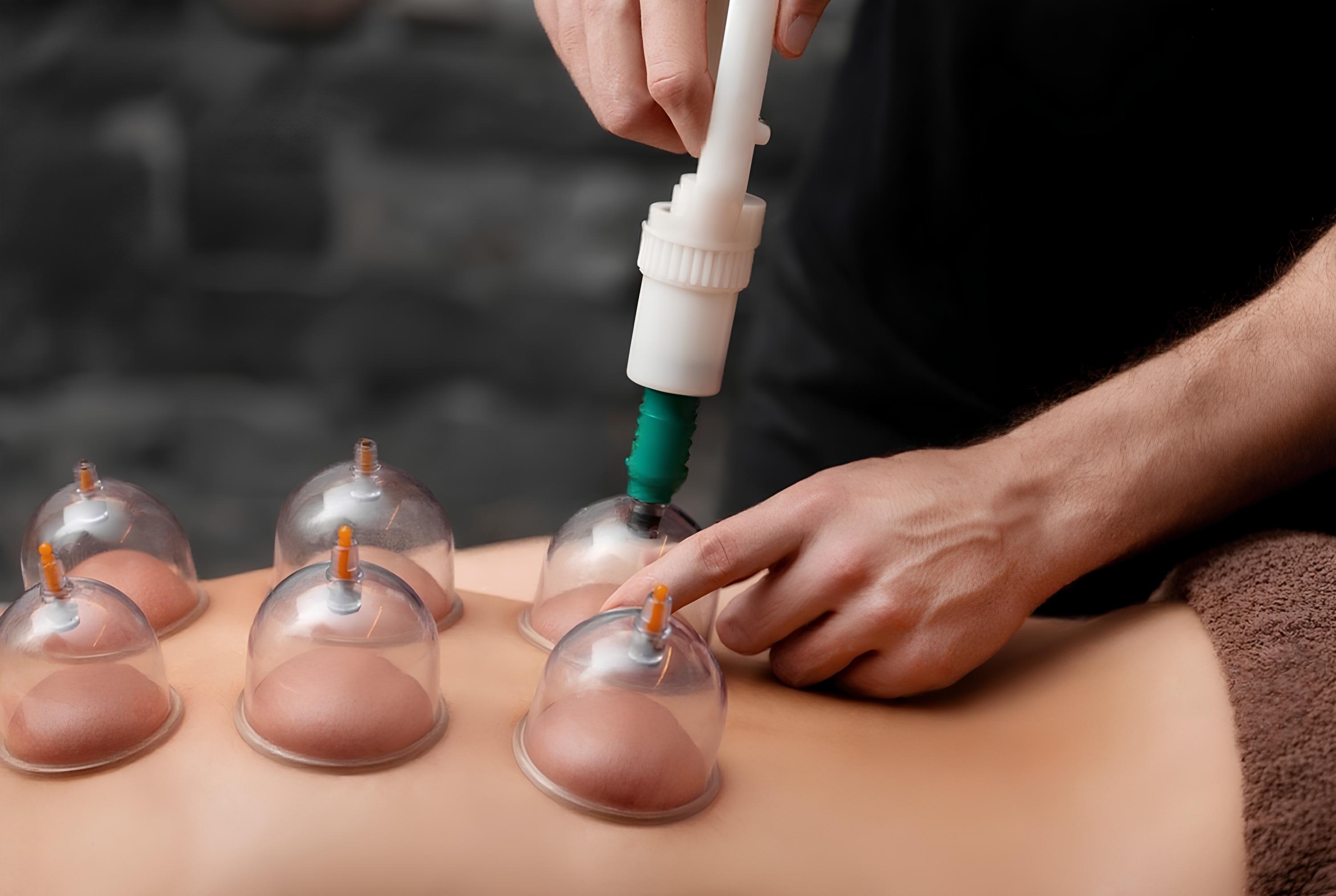
Cupping Therapy
Removal of “impure” blood or toxins for the treatment of certain illnesses and to rejuvenate the body.
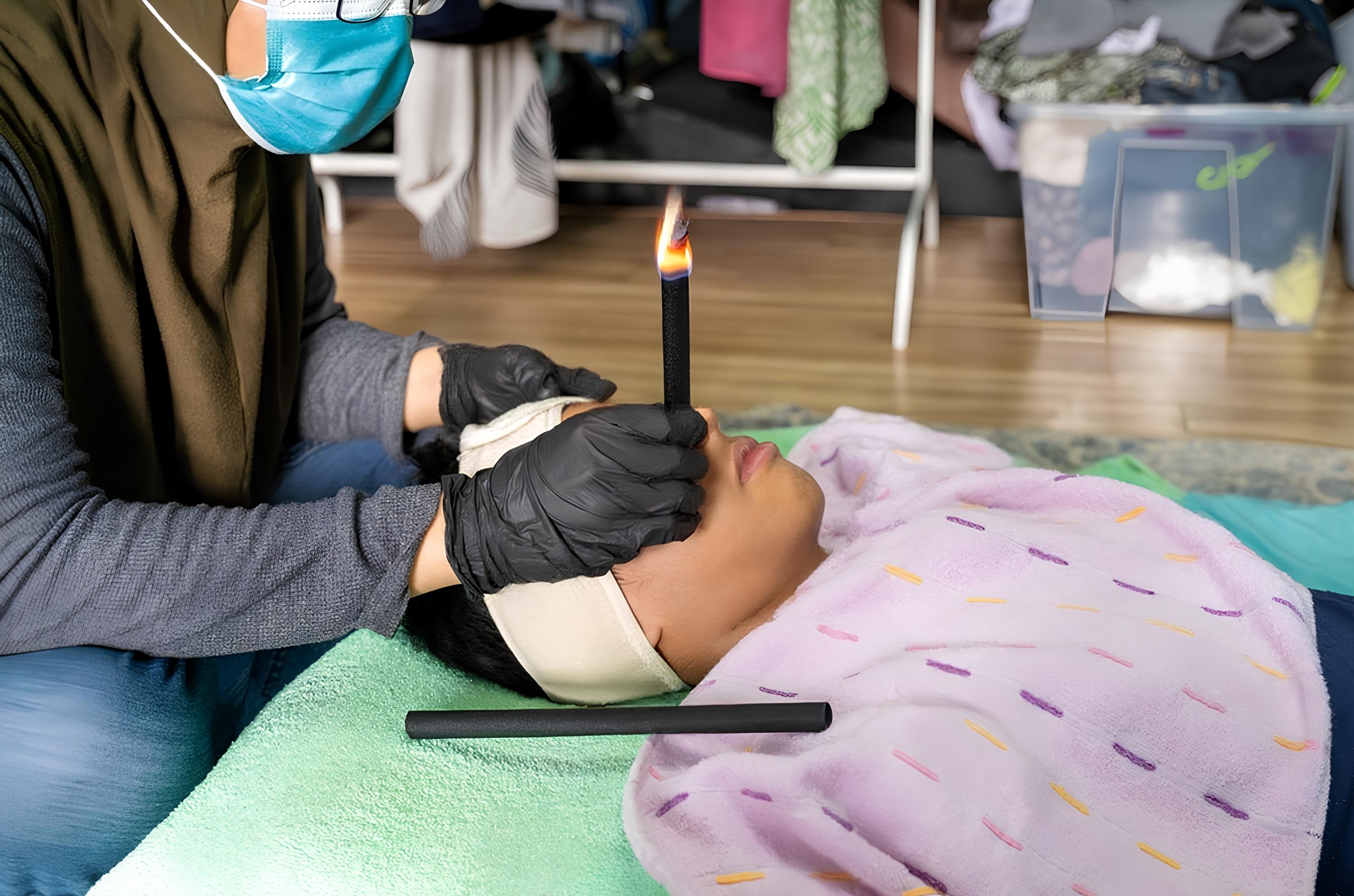
Sinus Therapy
Traditional treatment of sinusitis using herbal smoke inhalation, massage oils, or herbal paste applied to the face to relieve congestion, headaches, and allergies.
Shingles Therapy
Treatment of shingles with herbal or traditional oils and specific prayers, often using ingredients such as belalai gajah leaves, turmeric, or coconut oil to reduce inflammation and pain.
Cancer Therapy
Use of herbs believed to have anti-cancer properties, such as belalai gajah leaves or misai kucing, combined with prayers and dietary regulation, to alleviate symptoms and strengthen immunity.
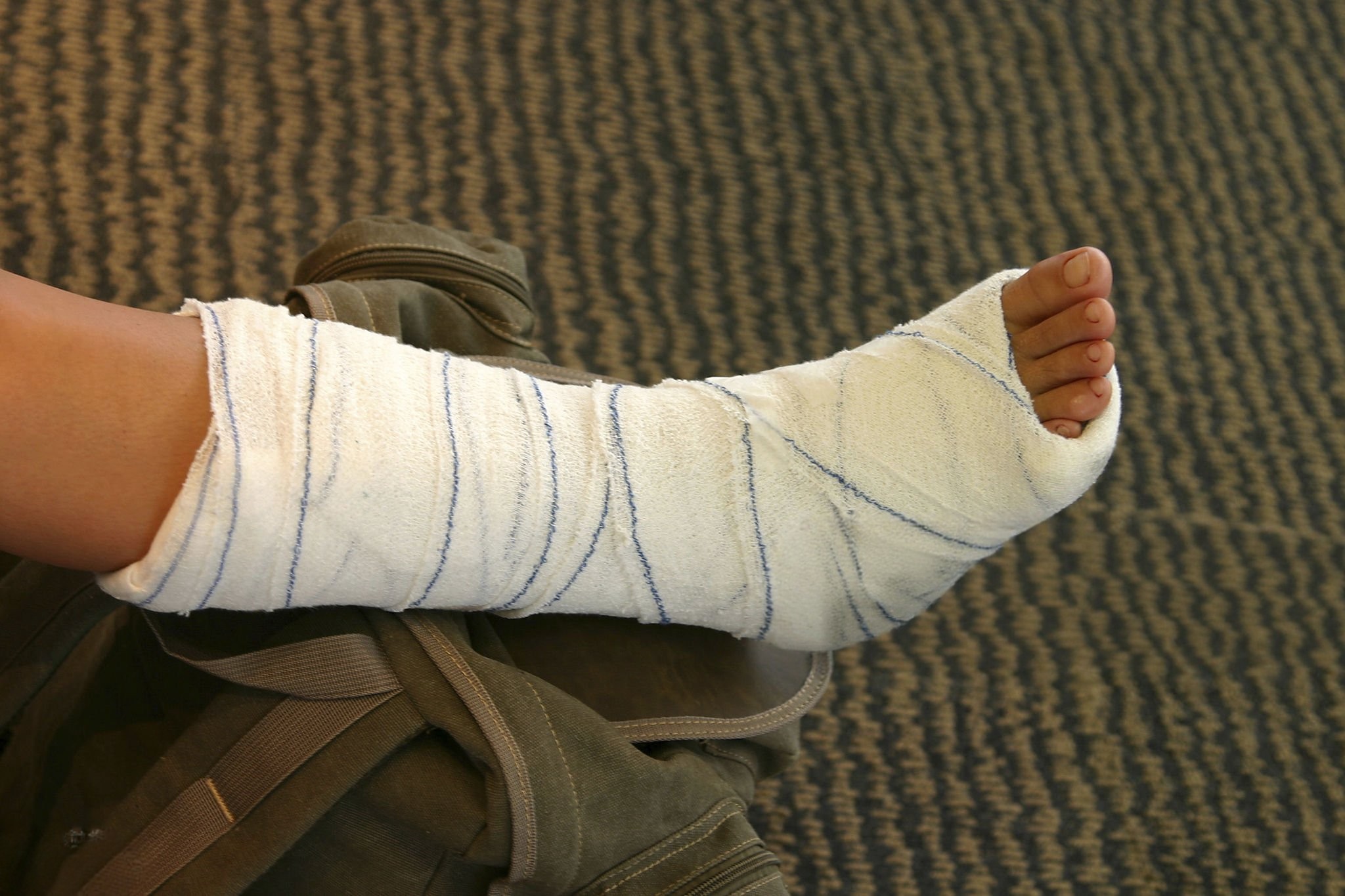
Bone-Setting Therapy
Traditional treatment, which involves massage, herbal poultices, and the use of wood or bamboo splints to support bones, based on basic anatomical knowledge (tashrih), predates modern orthopedics.
Circumcision Therapy
The practice of circumcision, valued for both religious and health purposes, promoting hygiene, reducing infection risks, and improving reproductive health, is carried out with accompanying prayers and traditional taboos.
Health Tips and Taboos
Inherited wisdom from ancestors, such as drinking ginger tea to expel gas, or dietary restrictions after childbirth, aimed at prevention and preserving bodily balance.
-
Reference Source
Bahan Bacaan
Abbas Kuta Karang. (2017). Al-Rahmah fi al-Tibb wa al-Hikmah (M. E. M. Shafri & H. M. Yahya, Trans.). Akademi Jawi Malaysia. (Karya asal diterbitkan 1857). ISBN 978-967-14748-6-0
Ahmad al-Fatani. (2015). Tayyib al-Ihsan fi Tibb al-Insan (M. E. M. Shafri, Trans.). Khazanah Fataniah & Klasika Media. (Karya asal diterbitkan 1894). ISBN 978-983-9701-93-7
Anuar, K. (2023). Preparation and use of ingredients in traditional Malay medicine [Unpublished manuscript]. iScientific.
Bustami, N. A., Tan, C. K., Lee, Y. Z., & Tan, E. (2024). Health risk assessment of heavy metals in Malay herbal medicine consumed by pregnant and postpartum mothers. Discover Public Health. https://doi.org/10.1007/s44156-024-00057-7
Johari, A. (2024). Herba dalam perubatan tradisional Melayu: Analisis persepsi generasi Z. FSAT Journal. https://karyailham.com.my/index.php/fsat/article/view/110
Marican, N. D., Hashim, N. A. A. N., Halim, M. H. A., Ali, A. F. M., & Radzi, N. A. M. (2021). Traditional and complementary medicine practice in Malaysia: A comprehensive review of scientific evidences. Journal of Applied Pharmaceutical Science, 11(4), 1–5. https://doi.org/10.7324/JAPS.2021.110401
Mohd Mokhtar, R. A., Sulaiman, A., Mohd Nizah, M. A., Ahmad, H., Kasim, H. H., Syed Mohamad, S. N., & Syed Mohideen, F. B. (2024). How does alternative treatment through traditional Malay exercise good for general health? Sains Insani, 9(1), 47–55. https://doi.org/10.33102/sainsinsani.vol9no1.587
Mokhtar, R. A. M., & Sulaiman, A. (2024). How does traditional Malay exercise benefit general health? Sains Insani, 9(1), 47–55. https://doi.org/10.33102/sainsinsani.vol9no1.587
Nornizam Ngadeni. (2017). Falsafah dan prinsip asas perubatan Melayu. Baytul Hikma. ISBN 978-967-2091-11-0
Nornizam Ngadeni. (2018). Perubatan Melayu berdasarkan manuskrip Kitab Tibb Melayu. Baytul Hikma. ISBN 978-967-2091-13-4
Noor, A. M. (2014). Menyingkap ilmu perubatan Melayu tradisional berdasarkan manuskrip terpilih. Jurnal Sejarah, 23(1), 19–35. https://ejournal.um.edu.my/index.php/SEJARAH/article/view/9281
Nuruddin al-Raniri. (2017). Bustan al-Salatin (N. Sobree, Kajian & Transliterasi). Baytul Hikma. (Karya asal diterbitkan 1638). ISBN 978-967-2091-12-7
Ramle, A., Hafis, S., Asmawi, I., Sahar, S. H., & Khairulnizam. (2020). Tanah Saka Warisan Temiar. Akademi Seni Budaya dan Warisan Kebangsaan (ASWARA).
Razak, A. A. B. (2018). Transformasi perubatan tradisional ke arah perubatan moden [Conference paper]. Akademi Pengajian Melayu, Universiti Malaya.
Sobree, N. (2016). Risalah ilmu perubatan. Baytul Hikma. ISBN 978-967-13826-2-2
Taisin, J. N. (2024). Pengaruh kepercayaan dan kearifan tempatan terhadap amalan perubatan tradisional masyarakat Kadazandusun. Malaysian Journal of Social Sciences and Humanities, 10(3), 123–135. https://doi.org/10.47405/mjssh.v10i3.592
Wayback Machine. (2017, December 20). Manuskrip perubatan Melayu di Fatani. Retrieved from https://web.archive.org/
Wayback Machine. (2017, December 23). Karya-karya ulama' Fatani. Retrieved from https://web.archive.org/
Location
State JKKN Contact Information
Cultural Officer
Jabatan Kebudayaan dan Kesenian Negara
Use the form below to contact the Informant/Figure/Editor/Researcher directly. We will respond to your inquiry as soon as possible!