

ARTS AND CULTURE INFORMATION GATEWAY
Immerse yourself in the colorful world of art and culture! From traditional heritage to contemporary works, discover uniqueness that reflects the nation's identity and identity
 Fakulti Muzik dan Seni Persembahan, Universiti Pendidikan Sultan Idris

Picture
6
Video
No record
Today's Visitor
6
Number of Visitors
68
Introduction and history
Tapel, also known as ubat barut, is a traditional herbal preparation widely used in postnatal care for Malay mothers. It takes the form of a paste applied to the abdominal area before wearing the bengkung (traditional postpartum girdle). This practice has been preserved for generations as part of Malay cultural heritage, serving as a means to restore both internal vitality and external strength after the physically demanding processes of pregnancy and childbirth.
The history of tapel is closely tied to the Malay philosophy of postnatal care, which emphasizes harmony between the body, emotions, and inner energy. It is believed to restore physical health, strengthen loosened muscles, and rebuild women’s confidence during recovery. Although deeply rooted in local tradition, tapel shares similarities with other Southeast Asian postpartum treatments, such as jamu tapel in Indonesia and hot herbal in Thailand, all of which rely on natural ingredients to support maternal rejuvenation.
Because many of the same herbs are used, tapel is often confused with other traditional remedies such as param and pilis. The key distinction, however, lies in the area of application and the specific functions. Tapel is applied to the abdomen to help contract the uterus, expel trapped “wind,” and tighten the abdominal skin. Pilis is a forehead paste used to relieve dizziness, cool the head, and refresh the eyes. Meanwhile, param is a coarse herbal body scrub applied across the entire body to improve circulation, provide warmth, and ease muscle fatigue. In traditional practice, all three remedies are often used together during the postpartum confinement period, offering a holistic, head-to-toe treatment that restores balance, energy, and vitality.
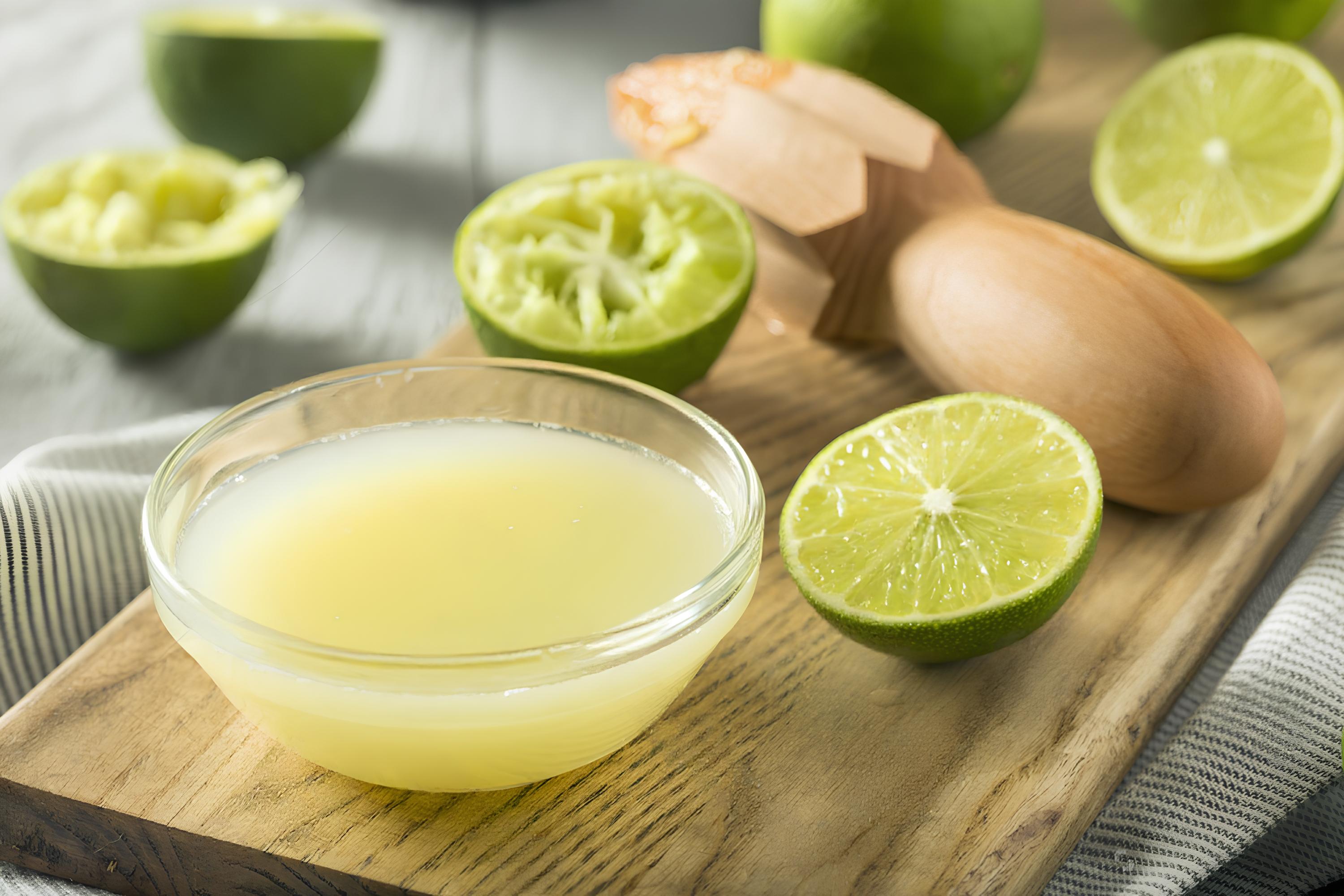
In terms of formulation, tapel typically consists of rice, ginger, turmeric, fingerroot, lime paste and lime juice. Some variations add cinnamon or aromatic ginger to enhance warmth and aroma. Unlike param, which is coarser in texture for massaging the body, tapel is smoother and paste-like, ensuring it adheres well to the abdominal skin and is absorbed effectively when bound with a Postnatal girdle or postpartum abdominal binder.
Beyond its medicinal purpose, tapel is also valued as a form of beauty care. It is believed to flatten the abdomen, tighten loose skin, reduce stretch marks, and improve skin texture. The warming properties of ginger and turmeric stimulate uterine contraction, while lime juice and lime paste help restore skin elasticity. As a result, tapel supports both physical recovery and the regaining of a mother’s body shape and confidence.
Traditionally, tapel is applied daily throughout the 40–44 day confinement period, typically after bathing, before binding the abdomen with a postpartum abdominal binder. The binder not only helps retain warmth and secure the paste but also provides structural support to reshape the abdominal and waist muscles. However, for mothers who have delivered via Caesarean section, the use of tapel requires caution and medical advice. It should only be applied once the surgical wound has completely healed, usually about two weeks after delivery.
Despite these considerations, tapel remains an essential practice in the postpartum traditions of the Malay community. It is regarded as safe and effective, embodying indigenous wisdom that combines health restoration, emotional well-being, and beauty care. Today, it continues to be preserved as a cultural heritage that highlights the holistic nature of Malay postnatal traditions.
Tapel or ubat barut possesses various benefits that make it one of the essential practices in women’s postnatal care. The following are the benefits and functions of the tapel remedy:
Contracting the uterus and reducing abdominal cramps
Tapel is believed to play a role in accelerating the process of uterine contraction after delivery. Herbal ingredients such as turmeric, ginger and fingerroot possess anti-inflammatory and warming properties that stimulate the uterine muscles to return to their original form. At the same time, it helps reduce abdominal cramps or pain (rengat) that mothers often experience during the early weeks after giving birth.
Expelling “Wind” and Aiding the Discharge of Postnatal Blood
The warming nature of tapel helps expel trapped “wind” from the body, a condition believed to accumulate during pregnancy and childbirth. Ginger and lime paste act as agents to dispel wind, while lime juice aids digestion. In addition, tapel is thought to promote smoother discharge of postnatal blood (lochia), leaving the body lighter, refreshed, and more comfortable.
Flattening the abdomen and reducing bloating
One of the most sought-after benefits of tapel is its ability to flatten the abdomen after pregnancy. Ground rice mixed with lime juice firms and smooths abdominal skin, while the warming properties of the spices reduce bloating and heaviness in the stomach. Together, these effects enhance comfort and body confidence during the confinement period.
Warming the abdominal area to improve blood circulation
When applied, tapel functions as a natural warming agent that helps restore maternal energy. It retains heat in the abdominal area, promoting healthier blood circulation. This warming effect helps prevent postpartum issues such as cold extremities, sluggish circulation, and general body aches, common discomforts after the energy-draining process of labor.
Providing comfort and emotional relief
Beyond physical benefits, tapel contributes to emotional well-being. The warmth of the paste creates a soothing sensation that calms the mind, reduces stress, and promotes relaxation. With a firmer abdomen, tighter skin, and a lighter body, mothers often experience renewed confidence and peace of mind during their recovery.
Supporting Beauty and Restoring Body Shape
The role of tapel is not limited to health; it is also considered a traditional beauty treatment. Ingredients such as rice, lime juice, and lime paste are believed to reduce stretch marks and firm sagging abdominal skin. Its warming effect may also assist in burning subcutaneous fat, accelerating abdominal slimming. These combined effects support a mother’s return to her ideal body shape, enhancing confidence after the confinement period.
-
The preparation of tapel primarily involves a blend of rice, ginger, turmeric, fingerroot, lime paste and lime juice. These form the core ingredients that provide its medicinal and cosmetic functions. However, additional ingredients such as cinnamon, fennel, virgin coconut oil, or lemongrass oil may be included, depending on local customs, family traditions, or the practices of traditional midwives.
Basic Ingredients
Rice
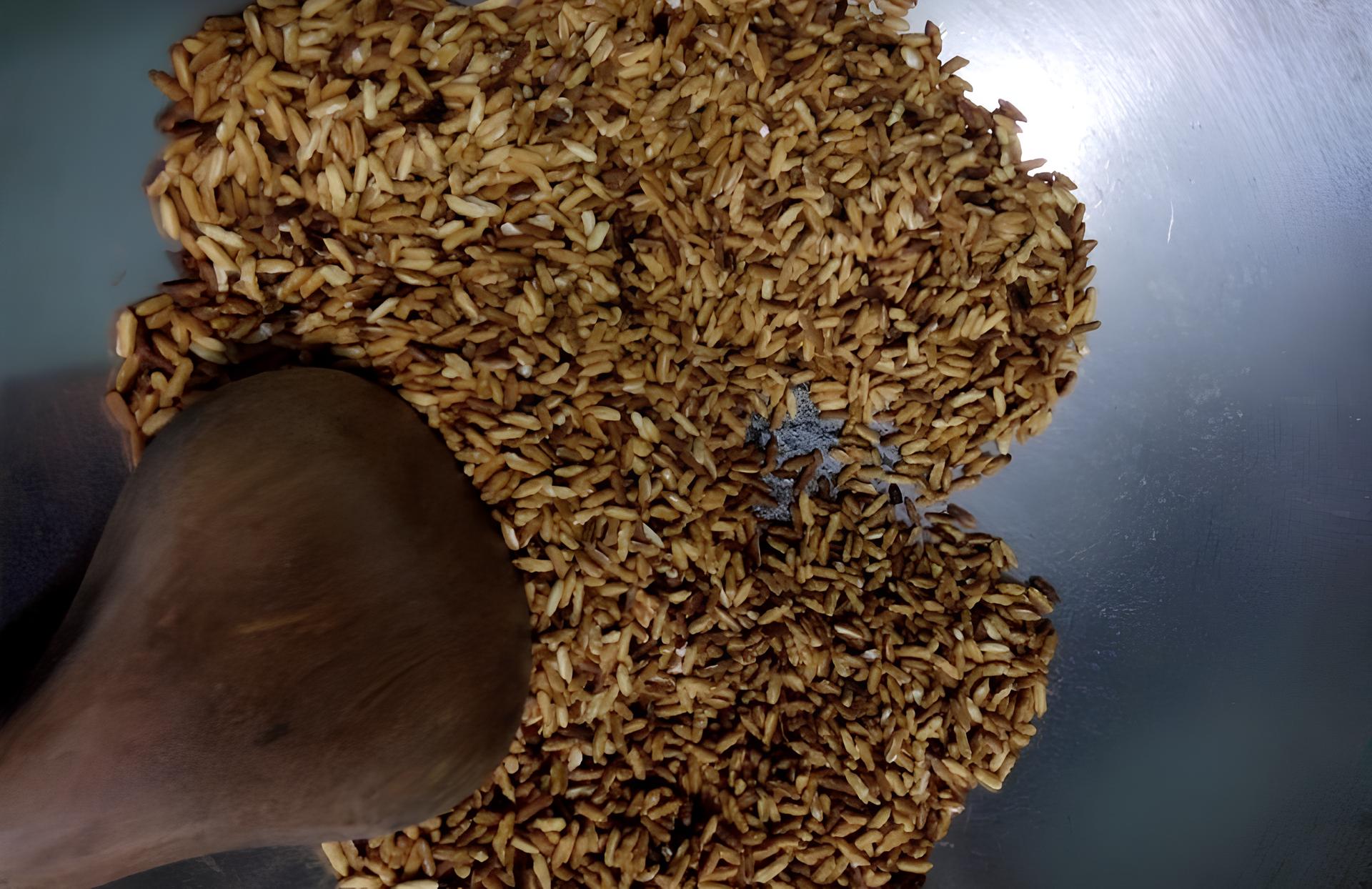
Lightly dry-roasted (sangai) and finely ground rice serves as the base ingredient. It absorbs excess moisture and gives the paste a smooth texture. Rice is also believed to have a cooling effect, firming sagging abdominal skin while brightening and refining its appearance after childbirth.
Ginger
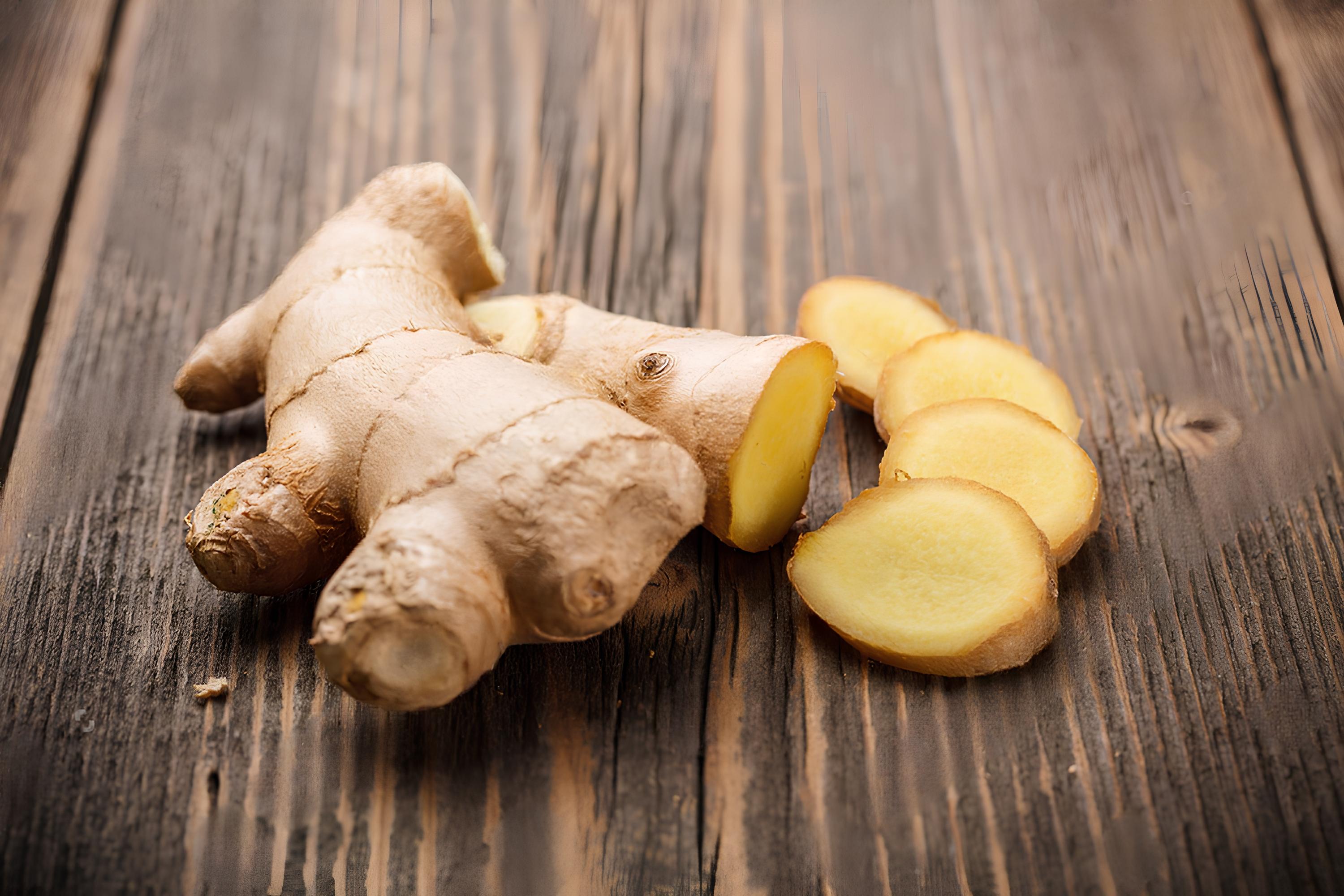
Ginger is the primary warming agent in tapel. With natural anti-inflammatory and circulatory properties, it helps relieve abdominal pain, expel trapped “wind,” and restore maternal energy depleted during labor.
Turmeric
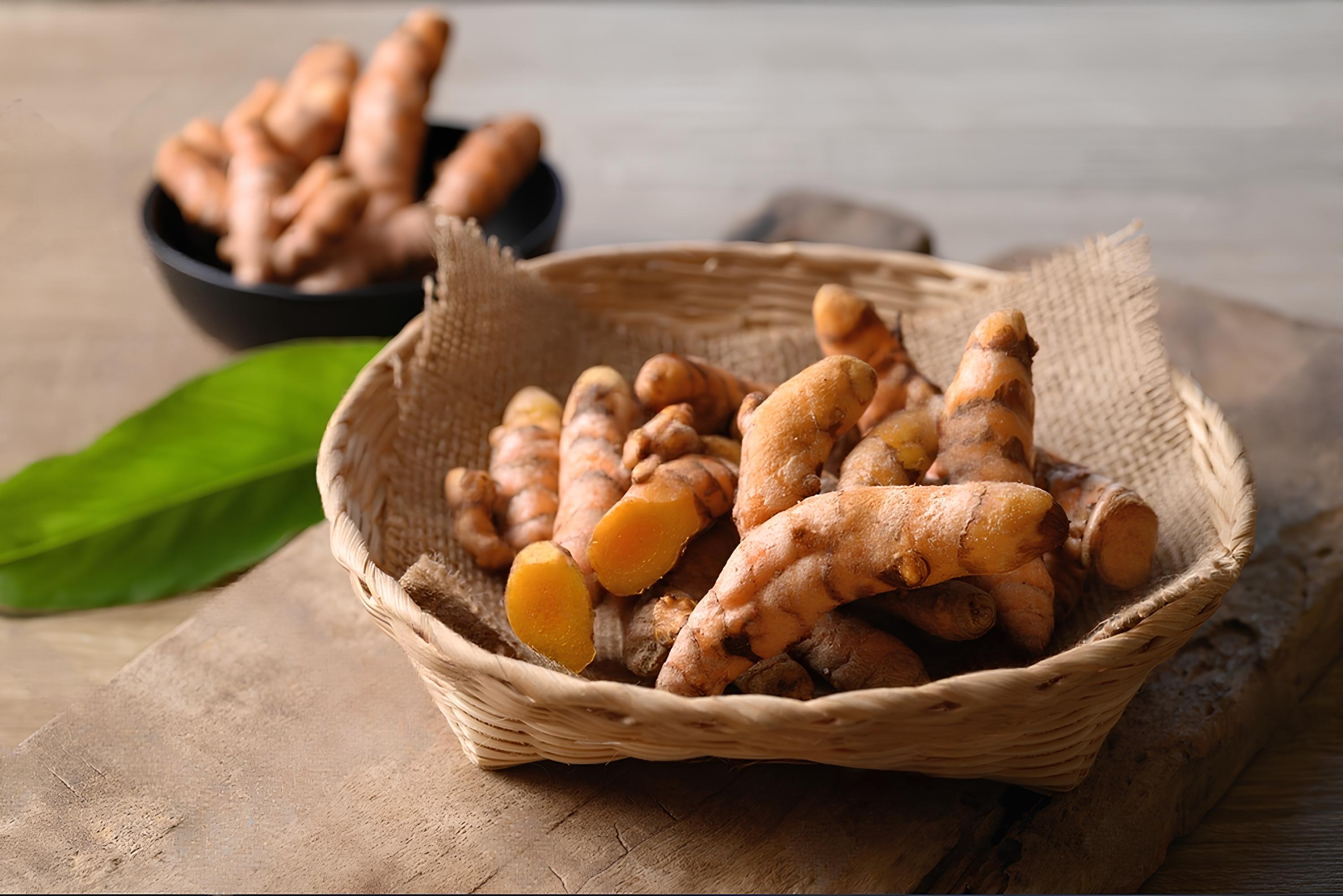
Turmeric contains curcumin, an active compound with anti-inflammatory, antioxidant, and antiseptic effects. In tapel, it supports uterine contraction, speeds the healing of internal tissues, and firms the abdominal skin. Its natural yellow pigment also improves skin tone and appearance.
Aromatic Ginger
Aromatic Ginger is valued for its warming and digestive properties. Within tapel, it reduces abdominal bloating, aids digestion, and enhances overall comfort. Its distinctive aroma is also believed to provide a calming effect for mothers.
Lime Paste
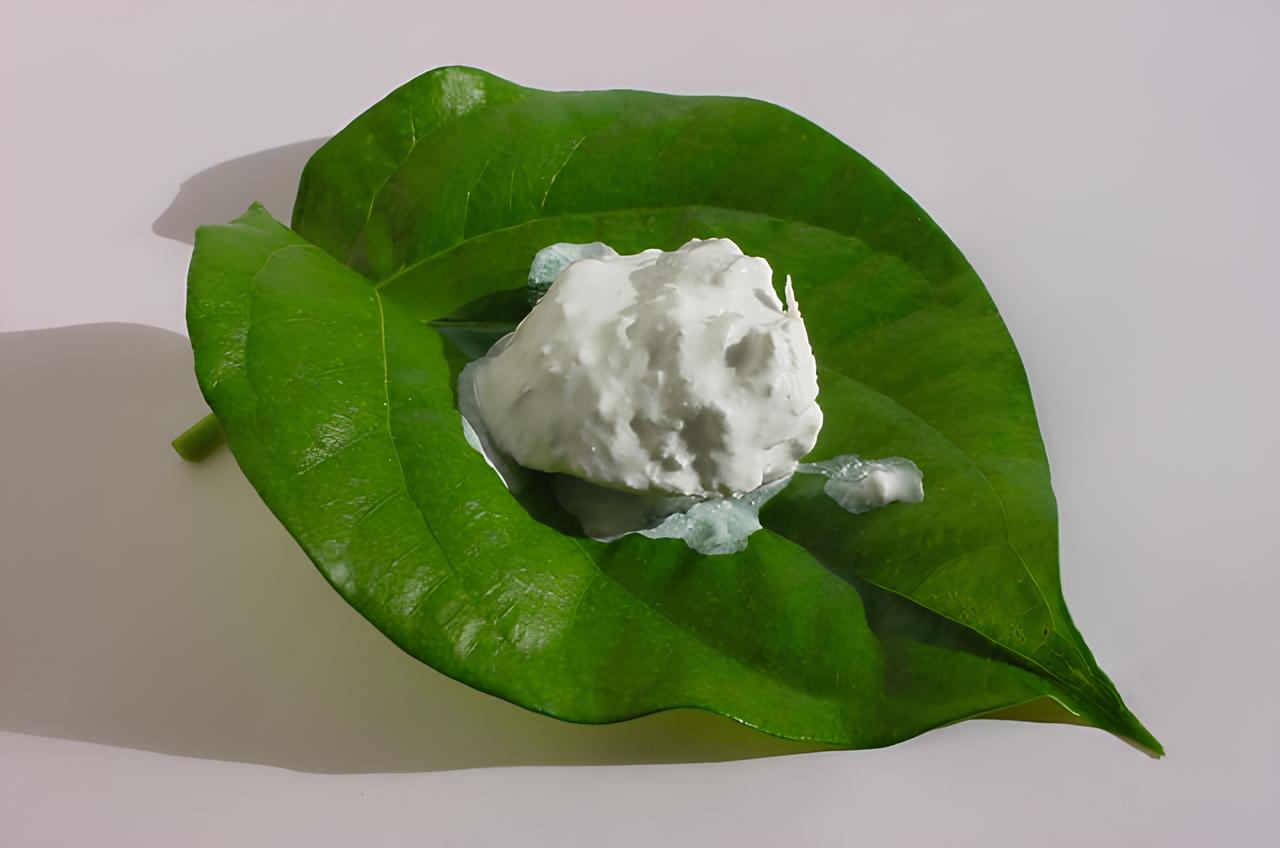
Lime paste acts as a tightening agent that helps firm abdominal skin and reduce stretch marks. However, it must be blended with lime juice to balance its strength and prevent skin irritation.
Lime
Lime juice offers astringent and detoxifying effects, which help tighten pores, reduce fat deposits, and accelerate abdominal slimming. In some variations, tamarind is substituted for lime, offering similar benefits.
Optional Ingredients
Herbal Oils (Virgin Coconut Oil / Lemongrass Oil)
Virgin coconut oil or lemongrass oil may be added to bind the paste, enhance absorption, and prevent it from drying out too quickly. These oils also provide moisturizing and warming effects, contributing to comfort and prolonged effectiveness.
Additional Spices (Cinnamon and Fennel)
In some traditions, cinnamon and fennel are incorporated for their therapeutic value. Cinnamon improves circulation and adds warmth, while fennel aids digestion and reduces bloating. Both ingredients enrich the fragrance of tapel and enhance its restorative qualities.
Tapel (also known as ubat barut) requires a careful preparation process to ensure that the herbal ingredients deliver maximum benefits for postpartum recovery. Although the ingredients may vary depending on locality and practitioner, the basic preparation and application methods remain largely the same. Once the mixture is ready, its application follows specific steps, usually before the abdomen is wrapped with the abdominal binder.
Preparation Steps
Roast and grind the rice: Lightly dry-roast a handful of rice in a pan without oil until it turns light golden. Allow it to cool, then grind it finely into powder.
Prepare the fresh herbs: Ginger, turmeric, fingerroot and aromatic ginger are pounded or blended into a fine paste.
Combine the main ingredients: Mix the pounded herbs with the rice powder, lime paste and lime juice.
Add oil: Incorporate a small amount of virgin coconut oil or lemongrass oil to form a thick, spreadable paste.
Optional spices: Cinnamon and fennel may be added to enhance both aroma and effectiveness.
Application Method
Application: Spread the tapel mixture evenly across the mother’s abdomen after bathing, when the skin is fresh and clean.
Thickness: Apply a layer that is not too thick or too thin, just enough to comfortably cover the abdominal area.
Binding: Once applied, wrap the abdomen with a postpartum abdominal binder to keep the paste in place and retain warmth.
Frequency: This practice is usually carried out daily throughout the confinement period (40–44 days) for optimal results.
For Caesarean mothers: Tapel should only be applied once the surgical wound has fully healed, typically after two weeks and only with medical approval.
-
Reference Source
Bahan Bacaan
Abdullah, R., & Ubaidillah Wan Abas, W. M. (2023). Superstitious practices related to babies in the Malay Muslim community of Malacca. Jurnal Islam dan Masyarakat Kontemporari, 24(2).
Akhiar, S. K. B. (2016). Amalan dan penggunaan herba dalam perubatan tradisional Melayu selepas bersalin di zon tengah, Semenanjung Malaysia (Doctoral dissertation, Universiti Tun Hussein Onn Malaysia).
Barakbah, A. (2007). Ensiklopedia perbidanan Melayu: Sebuah perbendaharaan ilmu perubatan dan penjagaan kesihatan. Utusan Publications.
Khamis, H. J. (1997). Adat lama perkahwinan orang Melayu Muar. Malaya in History/Malaysia in History dan Malaysia Dari Segi Sejarah, 25, 65–89.
Musa, M. S. (2023). Ilmu perubatan tradisional etnik Melayu Sarawak: Traditional ethnic medicine of Sarawak Malays. Jurnal Borneo Arkhailogia (Heritage, Archaeology and History), 8(1), 189–202.
PantangPlus. (n.d.). Khasiat tapel, param, dan pilis berpantang. PantangPlus. https://pantangplus.com/khasiat-tapel-param-dan-pilis-berpantang/
The Asian Parent. (n.d.). Manfaat parem untuk ibu melahirkan. The Asian Parent Indonesia. https://id.theasianparent.com/aa000215-manfaat-parem-untuk-ibu-melahirkan
Jamu Mak Dara. (n.d.). Perbezaan pilis pantang dan param. https://www.jamumakdara.com.my/perbezaan-pilis-pantang-dan-param/
Location
State JKKN Contact Information
Cultural Officer
Jabatan Kebudayaan dan Kesenian Negara
Use the form below to contact the Informant/Figure/Editor/Researcher directly. We will respond to your inquiry as soon as possible!