

ARTS AND CULTURE INFORMATION GATEWAY
Immerse yourself in the colorful world of art and culture! From traditional heritage to contemporary works, discover uniqueness that reflects the nation's identity and identity
PRINSIP ASAS PERUBATAN TRADISIONAL ORANG ASLI
 Fakulti Muzik dan Seni Persembahan, Universiti Pendidikan Sultan Idris

Picture
5
Video
No record
Today's Visitor
13
Number of Visitors
76
Introduction and history
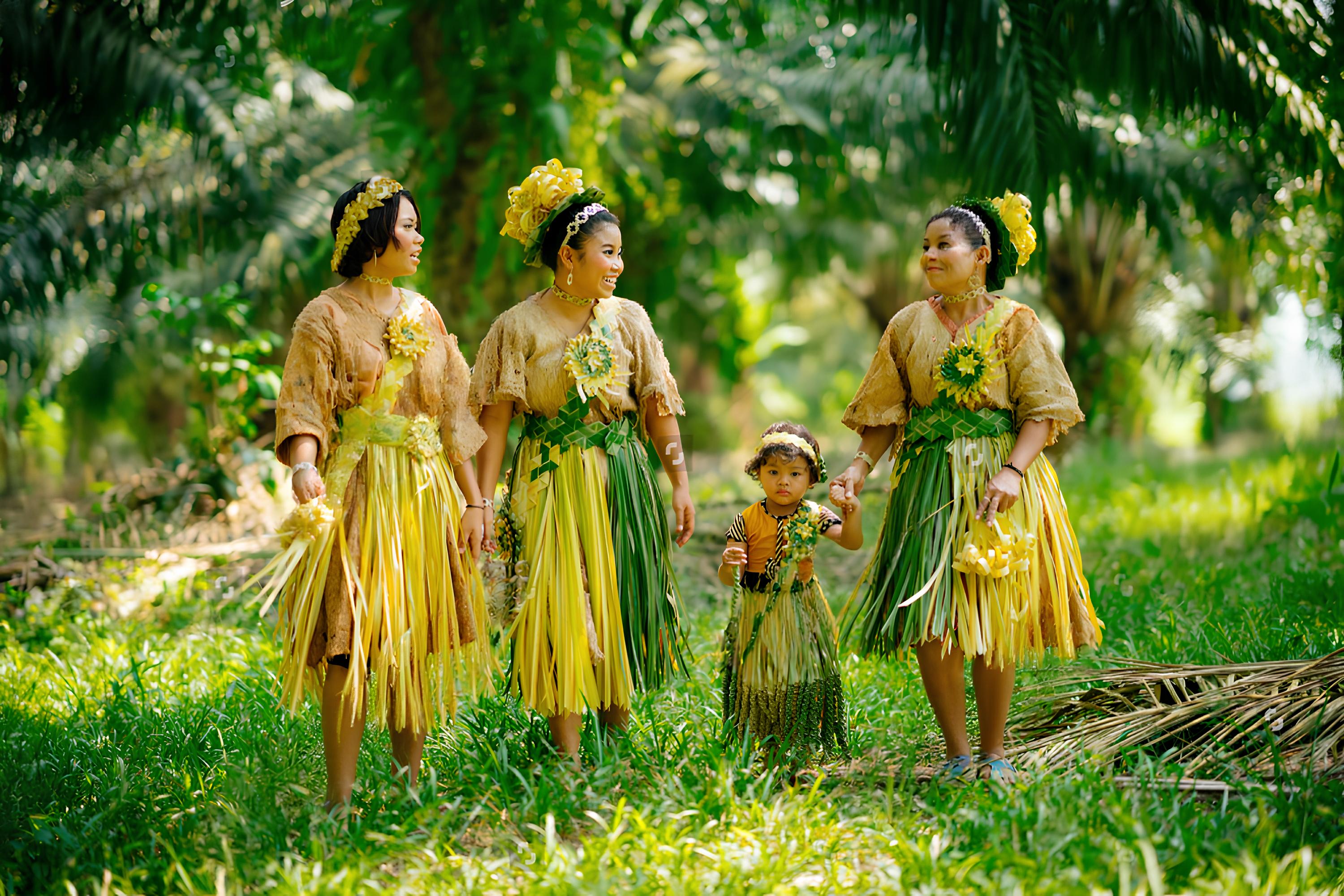
The Orang Asli of Malaysia are the indigenous peoples of Peninsular Malaysia who inhabited this land long before the arrival of the Malay population and Western colonisers. They are recognised as part of the Bumiputera community and are categorised into three major groups: Negrito, Senoi, and Proto-Malay, comprising a total of 18 sub-ethnic groups, each with its own distinct identity, language, and belief system.
The Negrito group includes the Bateq, Kensiu, Kintak, Lanoh, Jahai, Mendriq, and Che Wong subgroups, who predominantly inhabit northern forested regions such as Kelantan and Perak. The Senoi, the largest Orang Asli group, includes the Temiar, Semai, Semoq Beri, and Jah Hut peoples, mostly residing in the interior regions of Perak, Pahang, and Kelantan. The Proto-Malay group consists of the Jakun, Temuan, Semelai, Orang Kuala, Orang Kanaq, and Orang Seletar peoples, who are primarily found in southern Peninsular Malaysia, especially in Johor and Pahang.
Each group has unique cultural traits, for example, the Bateq people are known for their beliefs in land guardian spirits, the Temiar for their sophisticated forest-based spiritual healing rituals, while the Jakun and Temuan continue to uphold animistic beliefs centred on the harmony between humans and nature. Despite differences in practices and traditions, all Orang Asli communities share a worldview deeply rooted in their close relationship with the natural environment and a rich spiritual heritage grounded in indigenous knowledge.
Consequently, these cultural systems and beliefs profoundly influence their traditional healing practices. Broadly, there are five fundamental principles underpinning the traditional medical system of the Orang Asli in Malaysia:
Principle of Holism (Complete Balance)
The holistic principle stresses that human health depends on the overall balance between the body, mind, and spirit, as well as harmonious interaction with nature. Health is achieved when all physical, mental, and spiritual elements are in equilibrium, while illness is viewed as a disruption to this balance. In this worldview, the forest is not only a source of natural remedies but is also regarded as a living entity that directly shapes human well-being. Human actions, whether nurturing or harming the environment, are believed to influence individual health, reinforcing the idea that personal balance cannot be separated from environmental harmony.
Principle of Cosmology and Spirituality (Spiritual Disturbance)
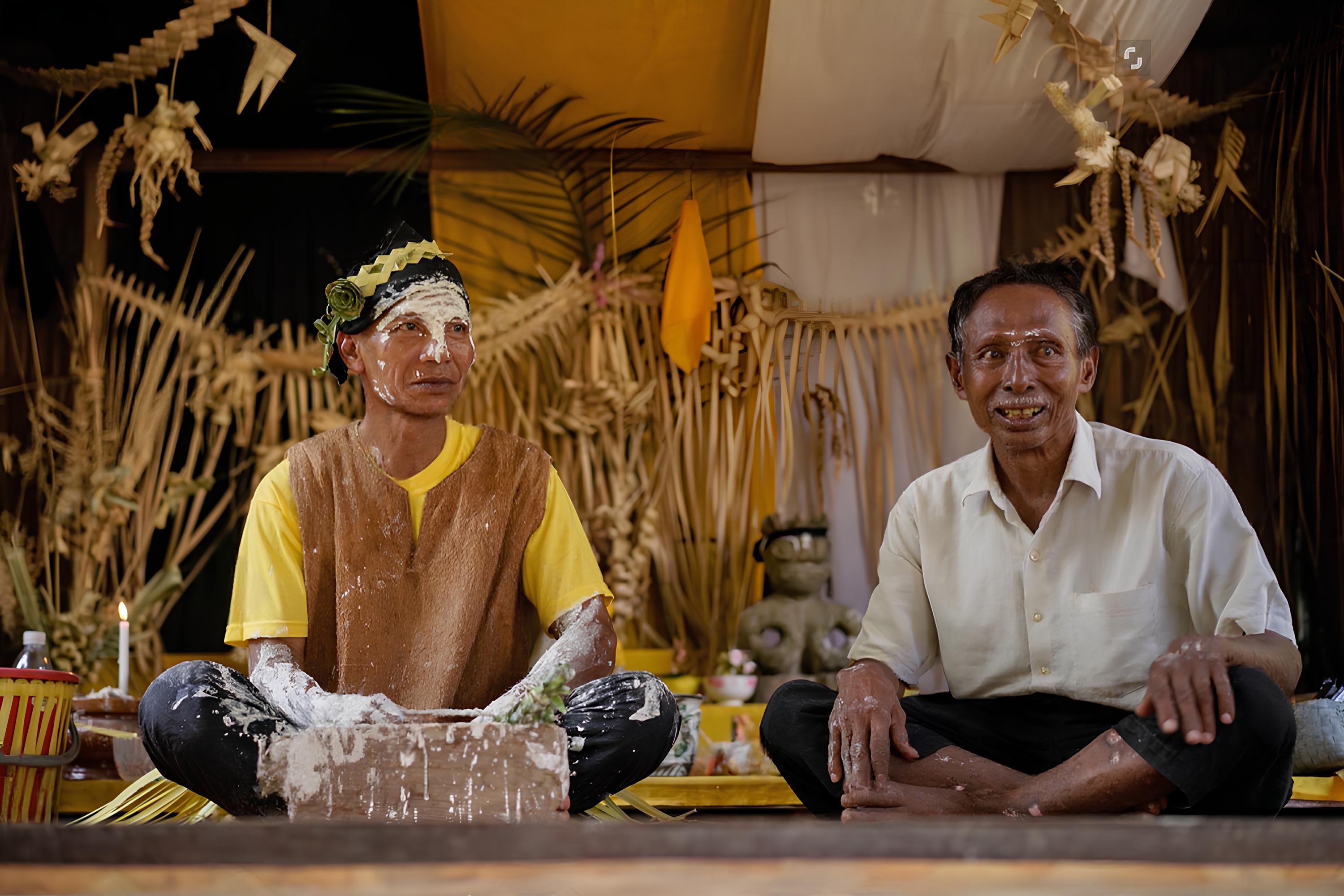
This principle is grounded in the belief that the spiritual realm and supernatural forces exert a direct influence on human health. Many illnesses are interpreted as consequences of spiritual disturbances, whether caused by malevolent entities, restless spirits, curses, or violations of taboos linked to nature and tradition. As such, the pawang or bomoh (also called Tok Halak or Tok Batin) plays a crucial role as mediator between the human world and the spiritual dimension. They identify the spiritual source of the illness and restore harmony through rituals, chants, or specific ceremonies to re-establish balance and healing.
Principle of Forest Botanical Power (Traditional Pharmacopoeia)
This principle emphasises the forest as the primary source of natural medicinal substances. The Orang Asli possess deep ethnobotanical knowledge, inherited through generations, regarding the healing properties of roots, leaves, bark, and tree sap. Each plant is believed to hold specific medicinal value. Remedies are prepared through various methods, including topical applications, herbal decoctions, or ritual baths combined with spiritual elements. This reflects the community’s profound reliance on nature for healing, rooted in the belief that human wellbeing is inseparable from a harmonious relationship with the natural environment.
Principle of Ritual and Ceremony (Spiritual Restoration)
Rituals are not mere cultural traditions but active healing methods designed to restore spiritual balance. Ceremonies such as sewang (a healing dance) serve as purification rituals to ward off malevolent spirits or negative energies affecting the patient or the entire community. These rituals also aim to restore the patient’s semangat (life force), a vital element in Orang Asli belief that can be lost or stolen, leading to illness. Through chants, songs, ritual movements, and spiritual invocation, the healer attempts to call back the lost semangat so that the patient’s body and spirit reunite, allowing holistic recovery.
Principle of Communal Integration
Healing is viewed not as an individual responsibility, but as a communal effort. During major healing rituals, family members and villagers gather to offer emotional, spiritual, and social support to the patient. Collective presence reinforces the patient’s confidence and accelerates healing by providing moral and psychological encouragement. This principle reflects the Orang Asli worldview that an individual’s well-being is inseparable from the well-being of the community as a whole.
From the discussion above, the core principles of Orang Asli traditional medicine can be understood through five foundational concepts: Harmony with Nature; the Role of Spirits and the Supernatural; the Functions of Healers (Bomoh, Pawang, Tok Batin/Tok Halak); the Use of Herbs and Natural Ingredients; and Ritualistic-Symbolic Healing Practices. Together, these beliefs form a crucial part of the cultural identity and social structure of the Orang Asli community. Illness is not viewed solely as a personal condition but as a communal concern reflecting overall social balance. Although modern medicine is increasingly influential today, the philosophical foundations and healing principles of traditional medicine remain actively practised within Orang Asli communities.
The traditional medical system of the Orang Asli functions not only as a healing practice but also as a social, cultural, and cosmological framework that governs relationships between humans, nature, and the spiritual world. Each foundational principle within this system carries its own distinct functions and roles, all of which complement and support one another. The following is a detailed explanation of the primary functions and roles of each principle:
Functions and Roles of the Holistic Principle (Complete Balance)
The holistic principle serves as a broad diagnostic framework, enabling healers to interpret illness not only through physical symptoms but also through the emotional, social, and spiritual conditions of the patient. Through this perspective, healers can identify root causes that may be linked to life stressors, social conflicts, or disruptions in the individual’s relationship with the natural environment. This principle guides a comprehensive healing approach that integrates the body, mind, and spirit. Treatment is not limited to the elimination of symptoms; instead, it focuses on restoring internal balance and repairing the individual’s relationship with nature.
Functions and Roles of the Cosmological and Spiritual Principle (Spiritual Disturbance)
This principle provides an etiological explanation for illnesses, especially those that cannot be fully explained through modern medical logic. It offers the community an understanding of why diseases occur, for instance, due to violations of taboos, disturbances from supernatural beings, or the displeasure of ancestral spirits or nature guardians. It grants authority and healing power to the pawang or traditional healer (tok halak/tok batin). Through rituals, incantations, and communication with the spiritual realm, the healer gains legitimacy to correct spiritual disturbances affecting the patient. This process also strengthens psychological confidence, helping patients accept and trust the treatment.
Functions and Roles of the Forest Botanical Principle (Traditional Pharmacopoeia)
This principle functions as a natural pharmaceutical system, providing inexpensive, accessible, and biologically compatible medicines derived from the same environment in which the Orang Asli live. It is especially vital for remote communities with limited access to modern healthcare. It ensures the continuous transmission of ethnobotanical knowledge across generations. Children are taught which plants are edible, therapeutic, or poisonous. This intergenerational knowledge not only safeguards the continuity of traditional medicine but also contributes to biodiversity conservation through a deep appreciation of forest flora.
Functions and Roles of the Ritual and Ceremony Principle (Restoration of Spirit)
Rituals act as psychological and social mechanisms that help reduce anxiety, trauma, and fear experienced by the patient and their family. Through healing ceremonies such as sewang, along with music, chants, and dance, the community channels emotional support that provides comfort to the patient. Rituals function as therapeutic methods that integrate sound, movement, and spirituality. They help stabilise the patient’s mental state, restore the lost semangat (life force), and reconnect the individual with the cosmological dimensions believed to influence their health.
Functions and Roles of the Communal Integration Principle
This principle functions as an emotional support system, ensuring that the patient does not feel isolated when dealing with illness. Community involvement in healing ceremonies creates an environment of solidarity and compassion, which has a positive psychological and physiological impact on recovery. It serves as a form of social prevention, as the community collectively works to restore harmony when illness is believed to stem from conflict, taboo violations, or social imbalance. Through collective participation, the community safeguards overall well-being and helps prevent the recurrence of similar issues in the future.
-
Unlike modern medicine, which relies on advanced technology and clinical equipment, traditional Orang Asli healing focuses on natural materials, ritual instruments, and symbolic objects that carry cosmological and spiritual significance. Each material plays a distinct role in the healing process—whether as medicinal ingredients, ritual mediums, or tools for spiritual restoration. Generally, these materials can be categorised into three main groups:
Plant-Based Items (Raw Medicinal Materials)
Plant-based items form the foundation of the Orang Asli traditional pharmacopoeia. Their communities possess extensive knowledge of herbs, roots, leaves, and tree bark, gathered directly from the forest and passed down through generations.
Herbs, Roots, and Tree Bark
Commonly used materials include turmeric, ginger, bitter roots, and specific leaves believed to possess anti-inflammatory properties, antidotal effects, or spirit-strengthening qualities. These ingredients are prepared in various forms, such as herbal decoctions (as tonics), poultices for external injuries, or herbal mixtures for healing baths.
Coconut Oil or Herbal Oil
Oil serves as a medium for massage or topical application on affected areas. Specific herbal ingredients may be infused into the oil to enhance its therapeutic effects, particularly for treating muscle fatigue, swelling, or spiritual disturbances.
Bamboo and Banana Leaves
Bamboo segments and banana leaves are used as natural containers to mix, store, or wrap medicinal substances. They are environmentally friendly, biodegradable, and fully compatible with the local ecological system.
Ritual and Ceremonial Tools
In many cases, Orang Asli healing involves rituals and spiritual practices, especially when illnesses are linked to spirit disturbances or loss of life force. Thus, ritual tools are crucial in supporting the roles of the pawang or bomoh.
Ritual Objects (Special Roots or Wood)
Certain roots or types of wood are believed to possess spiritual power. These are used by the healer to “draw out,” “extract,” or divert illness from the patient’s body. They symbolise the spiritual intervention involved in the healing process.
Turmeric Rice
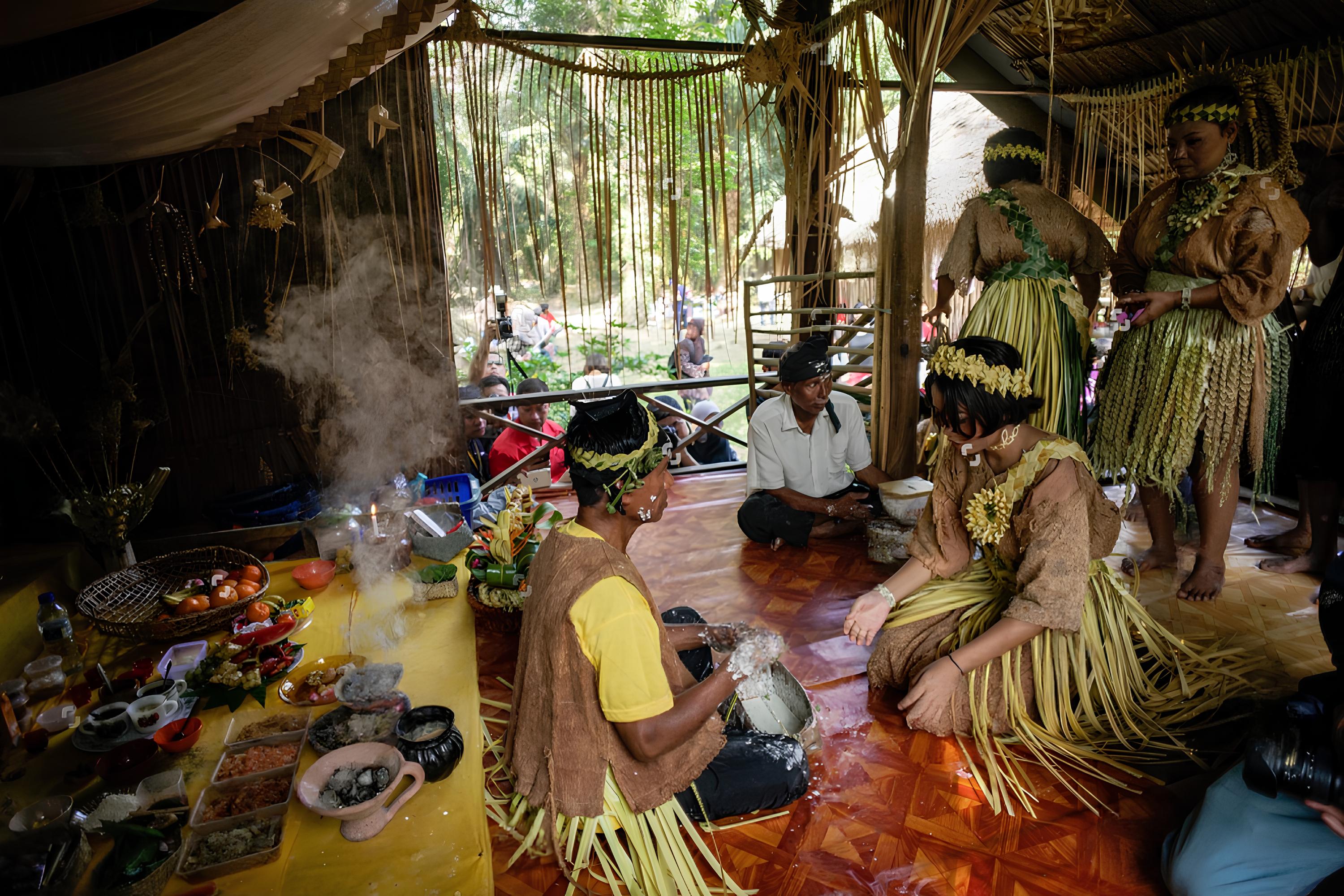
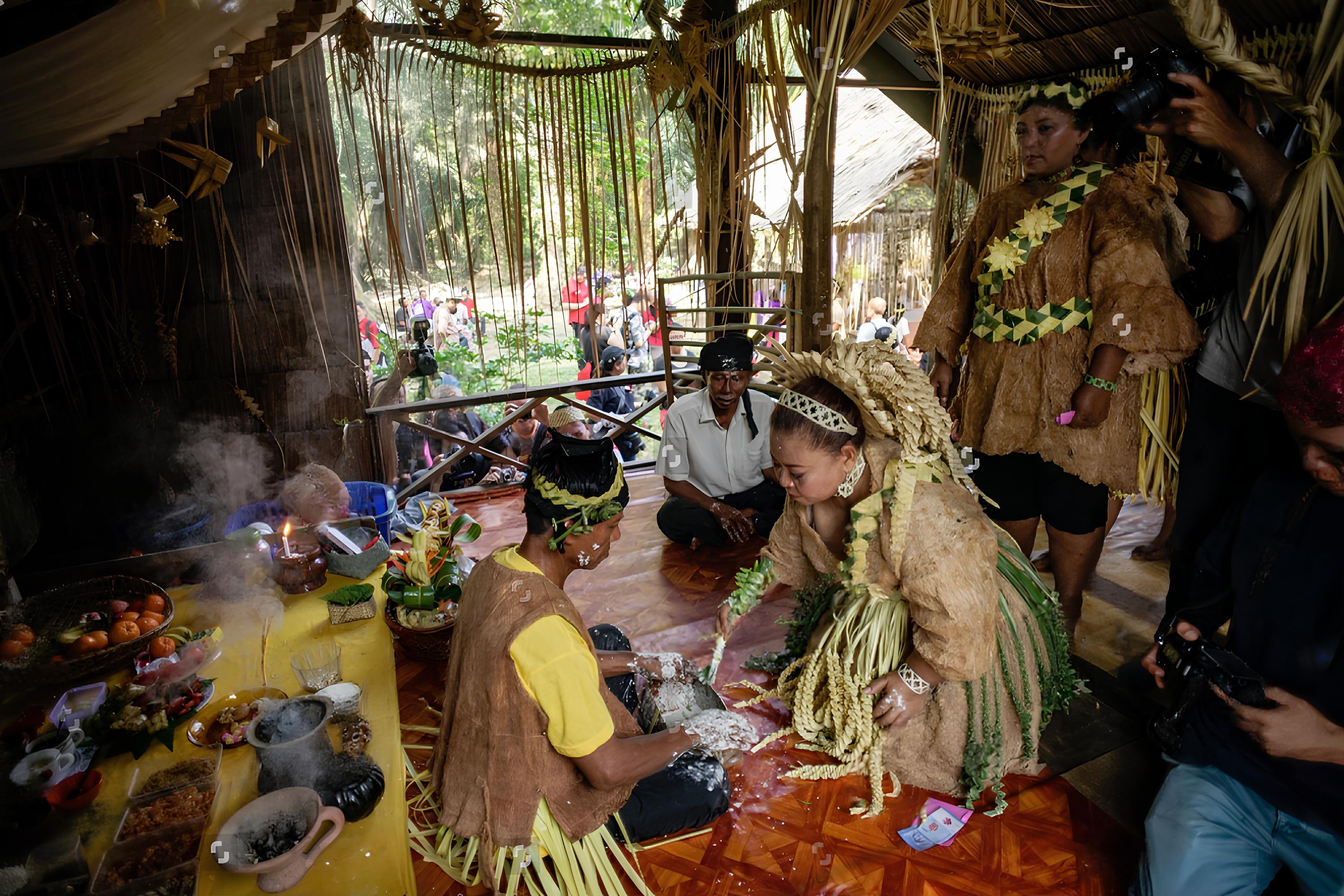
A mixture of rice and turmeric is used as a cleansing agent, sprinkled around the patient or throughout the village. It serves to repel negative forces and purify the healing environment from harmful influences.
Frankincense or Incense Resin
When burned, resin produces aromatic smoke believed to summon benevolent spirits and repel malevolent ones. Aside from its spiritual function, the smoke creates a sacred atmosphere that allows the healer to enter a trance-like state for spiritual communication.
Traditional Musical Instruments (e.g., Drums and Struck Bamboo) & Dance
Music is a vital component of the Sewang ceremony and other healing rituals. Rhythmic repetition unites the community, provides emotional strength to the patient, and enables the healer to enter a trance to interact with the spirit world.
Symbolic and Cosmological Items
Beyond physical materials, Orang Asli traditional medicine also relies on symbolic objects that carry deep spiritual and cosmological meaning.
Sacred Water or Blessed Water
Ordinary water infused with chants or incantations is used to spiritually cleanse the patient through drinking, bathing, or sprinkling. It is believed to strengthen the spirit and protect the body from disturbances.
Stones or Symbolic Small Objects
In certain rituals, healers may “extract” objects such as stones, needles, or wood fragments from the patient’s body. These objects symbolise spiritual “bullets” or intrusive forces believed to cause illness, and their removal signifies the patient’s healing.
Strings or Threads (Protective Talismans)
After treatment, specific strings or threads are tied around the patient’s wrist or neck as protective amulets. These serve to maintain spiritual balance and prevent further disturbances to the patient’s life force.
The practice of traditional Orang Asli medicine unfolds through a gradual, structured process rooted in holistic, cosmological, and spiritual principles. Treatment is typically led by a pawang or bomoh (tok halak/tok batin), who serves as the primary healer, mediator between the human and spiritual worlds, and guardian of communal balance. The healing method involves careful observation, the use of herbal remedies, ritual ceremonies, and preventive measures after treatment. Generally, this process can be divided into four main phases:
Diagnostic Phase (Identifying the Cause of Illness)
The healing process begins with an extensive diagnostic phase that goes beyond physical examination. The pawang assesses the patient’s physical condition while asking questions about their life circumstances, including whether they have violated taboos, experienced emotional disturbances, engaged in social conflict, or encountered unusual events in the forest.
For illnesses considered severe or unexplainable, the healer performs a menurun ritual or spiritual consultation. Through a trance-like state, the pawang communicates with assisting spirits to identify the true cause of the illness—whether it originates from spiritual disturbance, malevolent entities, sorcery, or the displeasure of nature spirits. Once identified, the healer determines the appropriate form of treatment, whether physical, spiritual, or a combination of both.
Preparation of Herbal Medicine (Physical Treatment)
If the illness is attributed to physical factors such as fever, wounds, or stomach discomfort, herbal remedies are used. Ingredients such as roots, bark, and specific herbs are gathered directly from the forest based on inherited ethnobotanical knowledge.
These materials are then processed according to the treatment needed—boiled into tonics, pounded into poultices, or prepared as herbal bath mixtures. Although these are physical remedies, the herbal water or ingredients are often infused with chants or mantras by the pawang to enhance spiritual potency and strengthen healing effectiveness.
Ritual Healing (Spiritual Treatment)
When spiritual disturbance is identified as the root cause of illness, ritual healing becomes the primary method. The most well-known ritual among the Orang Asli is Sewang, a ceremonial healing practice combining repetitive dance movements, traditional singing, and continuous drum rhythms.
This ritual creates an intense spiritual atmosphere that enables the healer to enter a trance and communicate with healing spirits. Ritual materials such as incense are burned to produce cleansing smoke believed to repel malevolent forces and purify the environment.
In certain rituals, the healer may use their fingers, mouth, or sacred tools to symbolically “extract” illness from the patient’s body. Sometimes, small objects such as stones or wood fragments are shown to the community as the physical representation of the “disturbance” that has been removed.
Recovery and Prevention (Post-Treatment Measures)
After the main treatment is completed, the patient undergoes a recovery and prevention phase to maintain physical and spiritual balance. The patient or family is typically instructed to follow specific taboos related to food, movement, or social behaviour. These taboos aim to strengthen the patient’s spirit, prevent new disturbances, and reduce the likelihood of illness recurrence.
As an additional protective measure, the patient receives an amulet or talisman, usually a string or thread imbued with spiritual incantations, to be worn on the wrist or neck. This talisman acts as a spiritual safeguard throughout the recovery period.
Overall, the implementation of traditional Orang Asli healing involves a comprehensive integration of physical and spiritual diagnosis, herbal treatment, cosmological ritual practices, and long-term preventive measures. This method reflects the Orang Asli worldview, which emphasises balance, harmony with nature, and the central role of community in the healing process.
-
Reference Source
Bahan Bacaan
Abdullah, M. S., Khalid, N. N., & Hassan, M. S. (2021). Masalah kesihatan Orang Asal: Satu sorotan literatur. Organised By, 20.
Kardooni, R., Kari, F. B., Yahaya, S. R. B., & Yusup, S. H. (2014). Traditional knowledge of Orang Asli on forests in Peninsular Malaysia. Indian Journal of Traditional Knowledge, 13(2), 238–291.
Lambin, R., Abdul Wahab, N., Mustapha, R., Goh, S. C., Abdullah, R., & Md Sharif, M. P. (2019). Sustainability of Orang Asli indigenous knowledge and practices of green technology in medicine. Journal of Asian Vocational Education and Training, 2, 74–89.
Lambin, R., Wahab, N. A., Choo, G. S., Mustapha, R., & Abdullah, R. (2018). A case study of Orang Asli indigenous knowledge in traditional medicine. International Journal of Academic Research in Business and Social Sciences, 8(4), 998–1010.
Lokman, A., Simin, H., & Hashim, S. S. (2020). Healing power: Traditional herb remedies of the Orang Asli Temiar in RPS Kuala Betis. Journal of Ethnopharmacology, 250, 112–120.
Munusamy, S., Sandran, L., & Ramli, F. Z. A. (2024). Indigenous traditional healthcare practices and acceptance of mainstream healthcare services: A case study in Gombak Orang Asli village, Malaysia. In Reviving and Re-Writing Ethics in Social Research for Commoning the Community (pp. 227–247). IGI Global Scientific Publishing.
Nik Musa’adah, M., Norbaiah, M. Y., Firdaus, K., Siti Nur Aisyah, M. H., Mazura, M. P., Fadzureena, J., ... & Norini, H. (n.d.). Perubatan tradisional: Bukan sekadar jampi. In Bridging Traditional Knowledge & Natural Products Innovations Towards Wellness and Shared Prosperity (p. 35).
Ong, H. C., Lina, E., & Milow, P. (2012). Traditional knowledge and usage of medicinal plants among the Semai Orang Asli at Kampung Batu 16, Tapah, Perak, Malaysia. Studies on Ethno-Medicine, 6(3), 207–211.
Saub, R., & Jaafar, N. (2001). A dental-anthropological study of health and illness behaviour among Orang Asli of the Semai tribe: The perspective of traditional healers. Medical Journal of Malaysia, 56(4), 401–407.
Location
State JKKN Contact Information
Cultural Officer
Jabatan Kebudayaan dan Kesenian Negara
Use the form below to contact the Informant/Figure/Editor/Researcher directly. We will respond to your inquiry as soon as possible!