

ARTS AND CULTURE INFORMATION GATEWAY
Immerse yourself in the colorful world of art and culture! From traditional heritage to contemporary works, discover uniqueness that reflects the nation's identity and identity
 Fakulti Muzik dan Seni Persembahan, Universiti Pendidikan Sultan Idris


Picture
6
Video
No record
Today's Visitor
5
Number of Visitors
60
Introduction and history
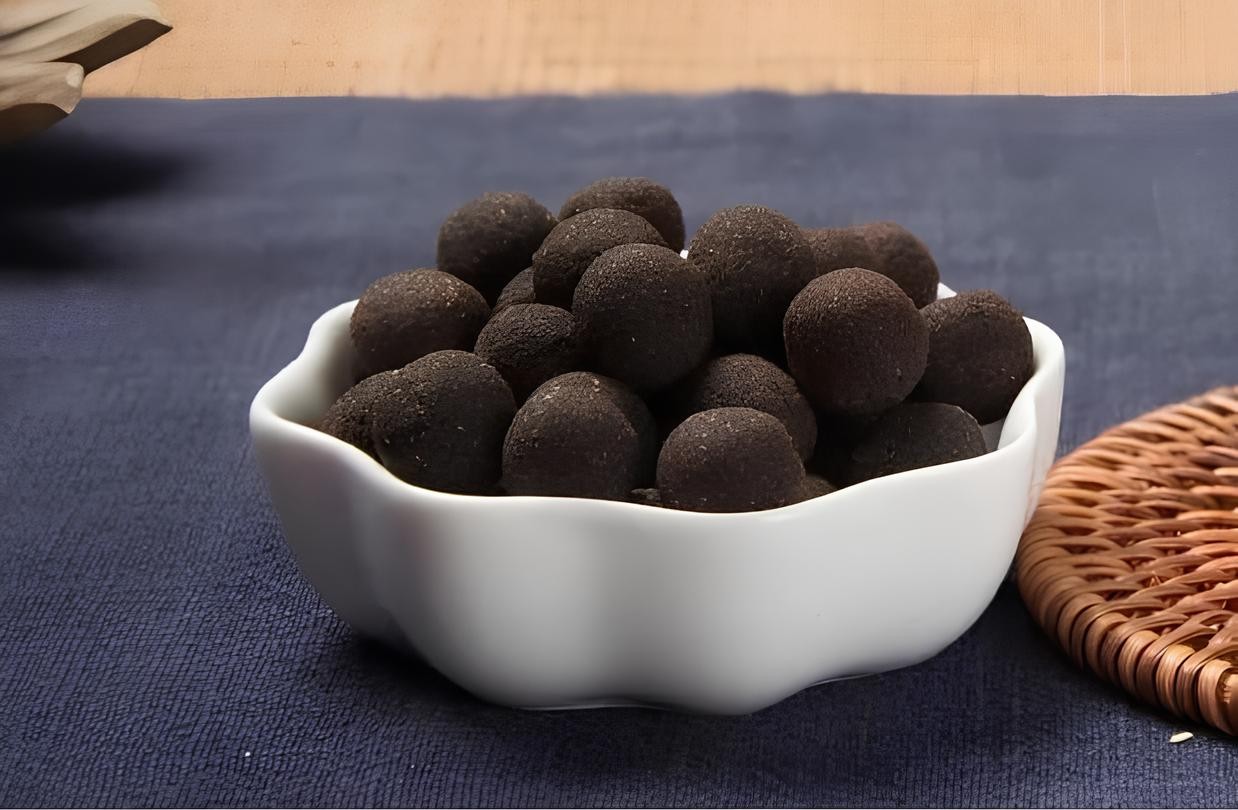
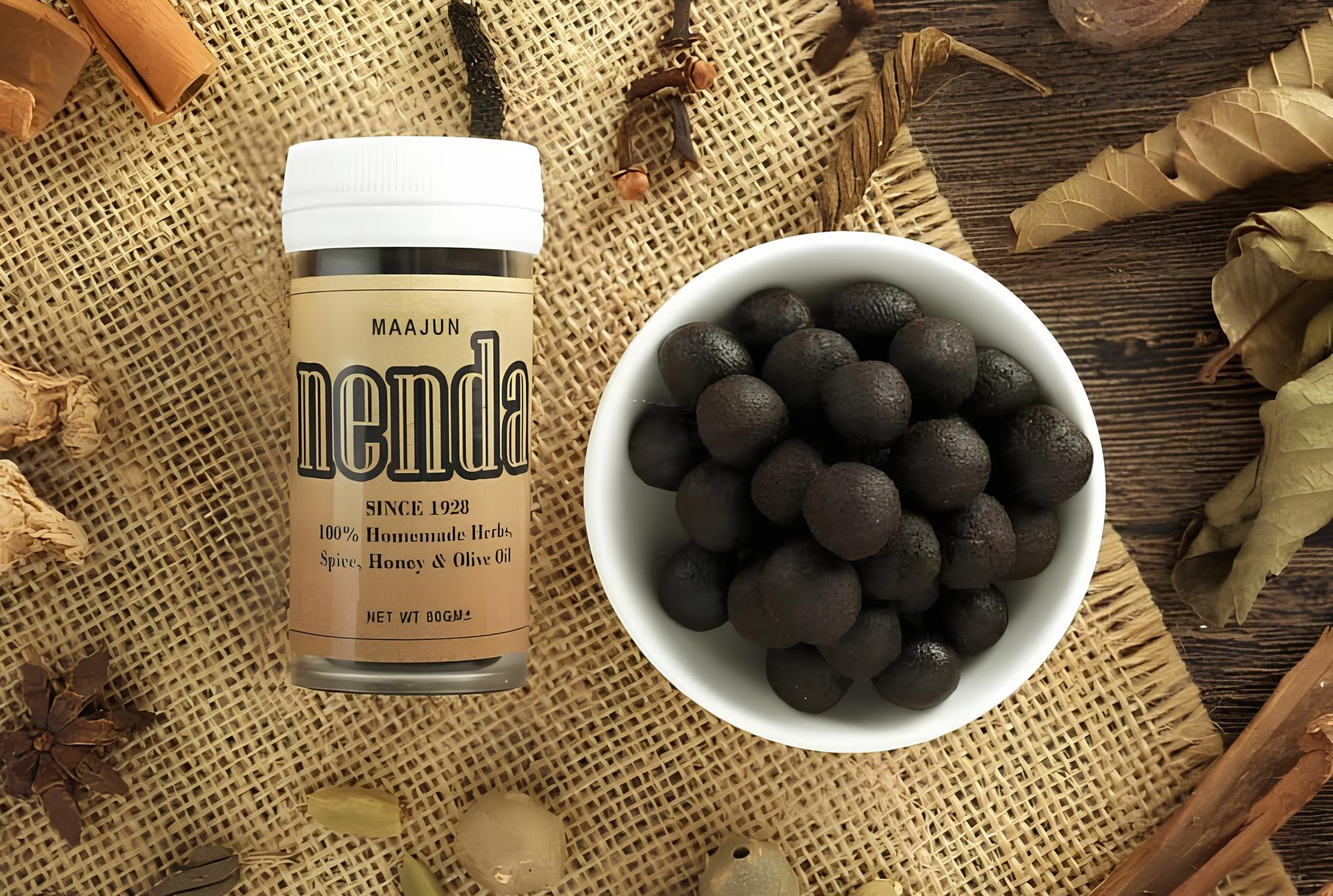
Majun is one of the traditional Malay medicines categorised under jamu, a herbal concoction used for health, vitality, and bodily restoration. The term majun is believed to originate from the Arabic word ma‘jun, which means “mixture” or “paste.” In the context of traditional Malay medicine, it refers to a blend of herbs, spices, roots, and honey that is kneaded together into a paste for consumption or as a restorative remedy.
The history of majun is closely tied to Arabic medical practices, which spread to the Malay world through traders, scholars, and healers as early as the 13th century. This medical knowledge was later adapted to local herbs and the Malay medical philosophy, which emphasises balance between body, spirit, and environment. In earlier times, majun was often prepared by traditional healers, midwives, or village practitioners and prescribed to patients as a means of treating various ailments. It was also recognised as a traditional remedy for enhancing male vitality, strengthening sexual stamina, relieving menstrual pain, and restoring women’s health after childbirth. Today, majun continues to be practised in modernised forms and has been commercialised within the local herbal industry, making it an enduring part of Malaysia’s traditional medical heritage.
From the perspective of Malay ethnomedicine, majun exemplifies how inherited traditional medical knowledge can be elevated as an alternative to modern pharmaceuticals. It enables contemporary society to return to natural remedies that are safer and more compatible with the human body. Consequently, several studies have been carried out by researchers and traditional medicine practitioners on the benefits and functions of majun, among which are the following:
Enhancing Physical and Sexual Vitality
One of the primary functions of majun, frequently emphasised in traditional Malay practices, is its ability to enhance internal strength, particularly among men. Majun is regarded as a natural tonic that boosts stamina, strengthens muscles, and stimulates sexual health. Ingredients such as tongkat ali, ginger, and black pepper produce a warming effect, improving blood circulation and thereby increasing overall physical vigour. This function has made majun synonymous with “male vitality medicine,” not only within traditional contexts but also in its widespread commercialisation in the contemporary herbal industry. For men, majun is more than just a remedy; it represents confidence, balance, and the harmony of both physical and sexual energy.
Postpartum Recovery for Women
Majun also plays a vital role in the recovery of women after childbirth. It is believed to help contract the uterus, restore the alignment of internal organs, and replenish energy after the physically demanding process of labour. Herbs such as turmeric, manjakani, and ginger, frequently found in majun, possess anti-inflammatory and tissue-repairing properties that accelerate healing. In addition, majun is said to improve blood circulation and prevent “postpartum emotion”, a condition often associated with emotional and spiritual disturbances following childbirth. This demonstrates that majun addresses not only physical recovery but also women’s emotional and mental well-being. Today, this function has been expanded in modern women’s health products, many of which adopt formulations inspired by traditional majun.
Treating Common Ailments
Beyond serving as a vitality tonic, majun has long been used to treat common health issues frequently encountered in daily life. These include menstrual cramps, back pain, chronic fatigue, digestive problems, and the buildup of internal “wind.” Ginger, turmeric, and garlic offer therapeutic effects that reduce inflammation and improve digestion, while black pepper and cumin help relieve bloating and soothe abdominal discomfort. This makes majun an attractive natural alternative to modern, chemically based medicine. Its versatility affirms the relevance of majun as an all-purpose household remedy within Malay communities, applicable across generations.
Boosting Energy and Immunity
Majun also serves as a general tonic to boost daily energy levels and support the immune system. It is commonly taken by individuals who feel physically weak, tire easily, or are prone to illness. Honey, ginger, and various spices contained in majun are believed to fortify the immune system, stimulate metabolism, and provide sustained energy. In the modern context, this role aligns closely with the concept of vitamins or dietary supplements used to maintain optimal health. Thus, majun is not only valued as traditional medicine but is also increasingly recognised as a natural alternative to commercial health products.
Commercial Function
In the contemporary era, majun has also gained importance from a commercial standpoint. Growing demand for herbal-based products has positioned majun as one of the leading items in the traditional medicine and wellness spa industries. Many small and medium-scale entrepreneurs now commercialise majun in capsule, powdered, or ready-to-eat paste forms to cater to modern consumer preferences. This development highlights how majun has evolved from a household remedy into a marketable product, bridging traditional practices with contemporary health trends.
-
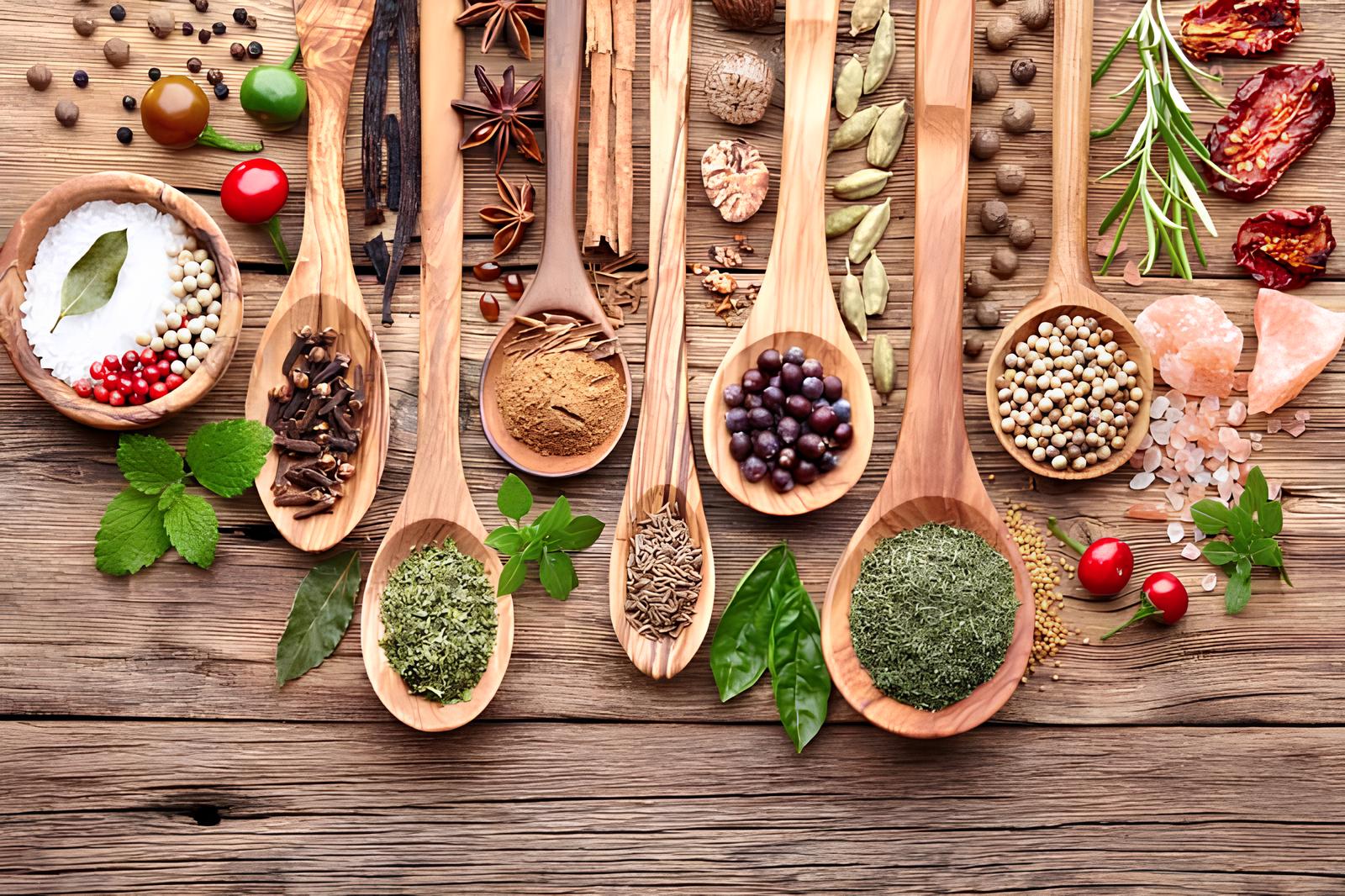
Majun is a mixture that combines various natural ingredients, particularly herbs, spices, medicinal roots, and natural sweeteners. Each ingredient carries specific therapeutic properties, whether to restore energy, strengthen the body, or treat ailments. The synergy of these ingredients makes majun not only a traditional medicine but also a holistic health tonic. The following are the main ingredients typically found in majun:
Principal Herbs
Tongkat Ali (Eurycoma longifolia) – Enhances physical stamina and male vitality.
Kacip Fatimah (Labisia pumila) – Particularly important for women, used for postpartum recovery, uterine strengthening, and hormonal balance.
Manjakani (Quercus infectoria) – Helps contract the uterus, strengthens internal muscles, and treats vaginal discharge.
Akar Gajah Beranak – Traditionally used for women’s postpartum recovery, boosting energy and reinforcing uterine health.
Akar Sekecut – Aids in uterine contraction and alleviates “wind” disorders in the body.
Akar Senduduk – Used to address women’s internal health issues and believed to regulate hormonal balance.
Tunjuk Langit (Swietenia macrophylla) – Assists in regulating blood sugar, improving general health, and promoting blood circulation.
Spices and Condiments
Ginger (Zingiber officinale) – Provides natural warmth, stimulates blood circulation, reduces internal wind, and eases menstrual pain.
Turmeric (Curcuma longa) and Black Turmeric (Curcuma caesia) – Anti-inflammatory properties, support uterine contraction, relieve menstrual cramps, and strengthen immunity.
Cinnamon (Cinnamomum verum) – Helps regulate blood sugar, boosts energy, and adds a fragrant aroma.
Cloves (Syzygium aromaticum) – Antiseptic properties, relieves toothaches and bloating, and warms the body.
Black Cumin (Nigella sativa / Habbatussauda) – Known as the “cure for all diseases,” enhances immunity and overall health.
Fennel (Foeniculum vulgare) – Aids digestion, reduces bloating, and relieves gas.
Cardamom (Elettaria cardamomum) – Refreshes the body, improves digestion, and provides a distinct fragrance.
Nutmeg (Myristica fragrans) – Provides internal warmth, aids sleep, and alleviates stomach discomfort.
Supplementary Ingredients (Leaves & Special Roots)
Garlic (Allium sativum) – Improves blood circulation, boosts immunity, and aids in detoxifying the body.
Senna Leaves (Senna alexandrina) – Acts as a natural laxative to cleanse the intestines and support digestion.
Sweeteners and Binders
Pure Honey – A key base ingredient that binds the mixture, boosts energy, and provides natural sweetness.
Dates (Phoenix dactylifera) – Supply quick energy as well as fibre, vitamins, and minerals.
Olive Oil – Helps smooth the mixture, supports heart health, and adds extra nourishment.
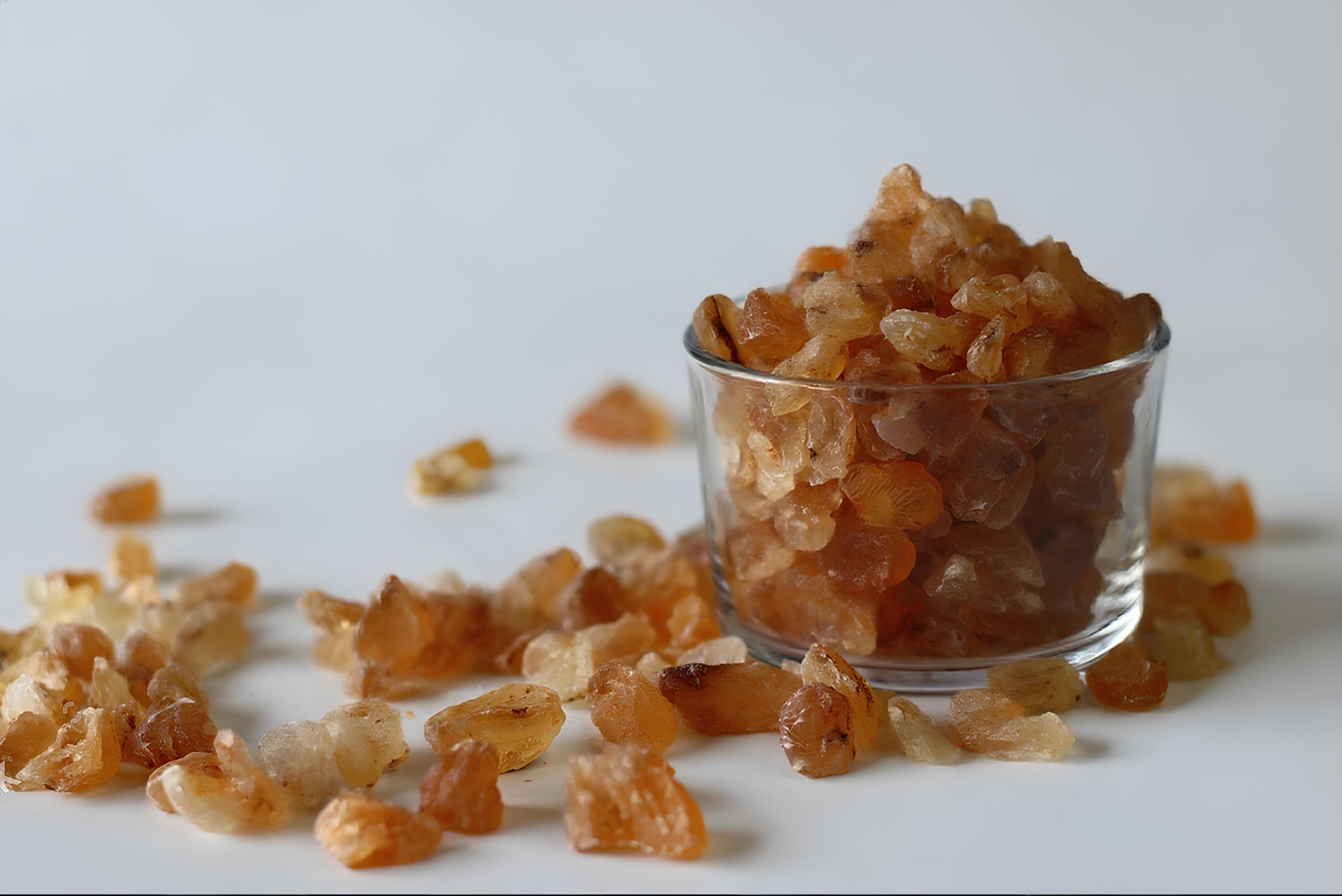
Arabic Gum (Gond Katira) – Used as a thickener and binder; beneficial for digestion and intestinal health.
Rock Salt – Restores mineral balance in the body, boosts energy, and enhances circulation.
Palm Sugar/Brown Sugar – Occasionally added to enhance flavour and reduce the bitterness of certain herbs.
Preparation of Ingredients
All herbs, medicinal roots, and spices such as ginger, turmeric, cinnamon, cardamom, manjakani, tongkat ali, and black cumin must first be thoroughly cleaned.
Hard ingredients such as roots, seeds, and bark are usually pounded coarsely or ground to facilitate processing.
Leaves such as senna (sinamaki) are typically sun-dried or lightly roasted before use to enhance their potency and make them easier to process.
Preparation of the Mixture
The prepared ingredients are simmered in a clay or iron pot over low heat until the herbal essence is fully extracted.
Certain ingredients, such as black cumin, cloves, and nutmeg, must be dry-roasted (without oil) to release their natural aroma and essential oils.
Once cooled, the decoction or ground ingredients are combined with natural sweeteners and binding agents such as pure honey, mashed dates, olive oil, Arabic gum, and a pinch of rock salt for added minerals.
The mixture is kneaded into a thick, sticky paste and either shaped into small balls (roughly marble-sized) or stored in jars as a herbal jam-like concentrate.
Storage
Prepared majun is typically stored in tightly sealed glass containers to prevent moisture from spoiling the mixture.
In traditional practice, majun can last for a long time due to honey’s natural preservative properties.
In modern practice, majun is often dried, encapsulated, or prepared in instant powder form for more convenient consumption.
Methods of Consumption
Traditional: Taken in small amounts (about the size of a marble), usually in the morning or before bedtime.
For men: Consumed as a daily tonic to enhance sexual vitality, stamina, and muscle strength.
For women: Taken postpartum to contract the uterus, improve blood flow, and restore energy
For general health: Consumed periodically as an alternative remedy to relieve menstrual pain, backaches, digestive issues, or fatigue.
Modern: Consumed in capsule or powdered form, often mixed with warm water or honey, depending on the commercial product.
Customs and Taboos
Consumers are usually advised to avoid certain foods during majun treatment, particularly “cooling” foods such as cucumber or watermelon, which are believed to reduce the medicine’s effectiveness.
Overconsumption of majun is discouraged, as its heating properties may disrupt digestion and cause discomfort if taken without moderation.
-
Reference Source
Bahan Bacaan
Foodal. (n.d.). A guide to herbs and spices: Reference list. Foodal. Retrieved August 2025, from https://foodal.com/knowledge/herbs-spices/guide-reference/
Keepdara. (n.d.). Majun. Keepdara. Retrieved August 2025, from https://www.keepdara.com/product-tag/majun/
Muharrami, L. K., Santoso, M., & Fatmawati, S. (2024). Traditional medicine uses of Madurese ethnic, Indonesia: Indigenous knowledge “jamu” in relation with medicinal plants. Journal of Hunan University Natural Sciences, 51(10).
Tengku Mohamad, T. A. S., Islahudin, F., Jasamai, M., & Jamal, J. A. (2019). Preference, perception and predictors of herbal medicine use among Malay women in Malaysia. Patient Preference and Adherence, 13, 1829–1837. https://doi.org/10.2147/PPA.S218577
Tuschinsky, C. (1995). Balancing hot and cold—balancing power and weakness: Social and cultural aspects of Malay jamu in Singapore. Social Science & Medicine, 41(11), 1587–1595. https://doi.org/10.1016/0277-9536(95)00120-4
Location
State JKKN Contact Information
Cultural Officer
Jabatan Kebudayaan dan Kesenian Negara
Use the form below to contact the Informant/Figure/Editor/Researcher directly. We will respond to your inquiry as soon as possible!